Ever walked through your onions and noticed some weird spots or maybe the leaves are wilting? Onion diseases can turn a promising crop into a failure very fast in humid or wet conditions. Most of these problems come from fungi, bacteria, or bad growing practices but most are controllable with the right knowledge. In this guide, we cover the most common onion diseases, their symptoms, causes, and simple fixes to keep your plants productive. Tools like the AI powered plant care platform Plantlyze make diagnosis even easier by analyzing photos of your plants.
Understanding Onion Diseases
Onion plants face threats from various pathogens that thrive in warm, moist environments. Fungal diseases come with the rains while bacterial ones prefer it hot and overhead watering is practiced. Quick identification because these two problems spread just as fast among closely spaced plants, can save half your harvest. Unchecked, gardeners worldwide report losses of up to 50 percent but prevention keeps onions bulbous and strong.
Here is even better news. You do not need any fancy chemicals. Cultural practices like good spacing and crop rotation will work wonders. We break down the top culprits in the next section, with clear steps on how to identify them and stop them.
Common Fungal Diseases in Onions
Fungal diseases top the list for onion troubles, especially botrytis leaf blight, downy mildew, and purple blotch. These pathogens love high humidity and poor air flow around plants.
Botrytis Leaf Blight
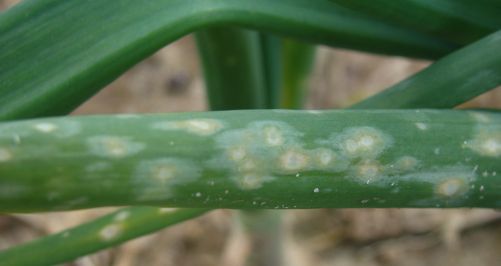
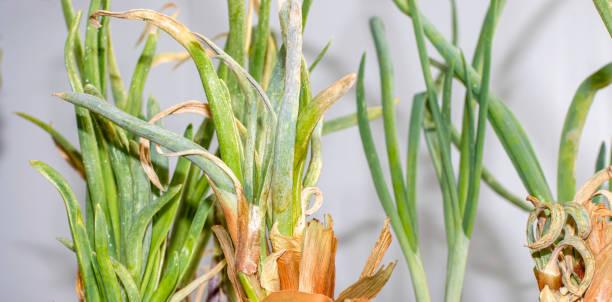
This disease starts with small, white lesions on leaves that turn gray and fuzzy in wet weather. Affected tips blast and die back, often with black sclerotia at the base. It spreads via spores in cool, damp nights followed by warm days.
Cool temperatures around 60 degrees Fahrenheit worsen it. Mature plants suffer most during bulb formation. To fight back, remove infected debris after harvest and space plants 4 to 6 inches apart for better circulation. Apply copper based fungicides early if rain persists, but focus on resistant varieties like Candy or Redwing.
Downy Mildew
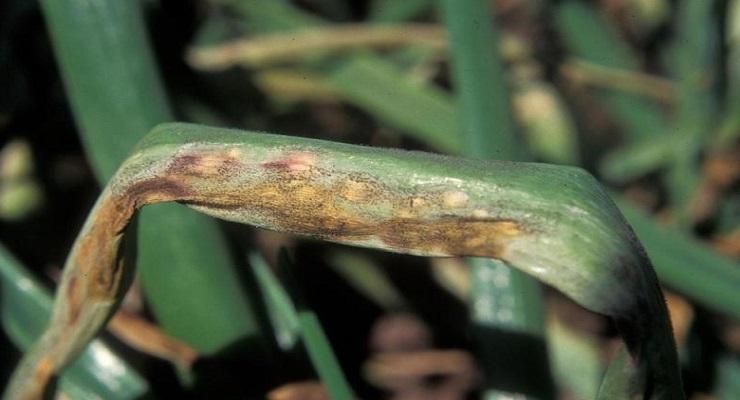
Look for pale, yellowish patches on upper leaves that develop grayish violet spores underneath in humid conditions. Older leaves yellow and collapse, halting bulb growth.
Peronospora destructor causes this, thriving at 45 to 60 degrees Fahrenheit with leaf wetness. Prevent it by planting in full sun and avoiding overhead irrigation. Fungicides with mancozeb help, but rotate crops every three years to starve the pathogen.
Purple Blotch
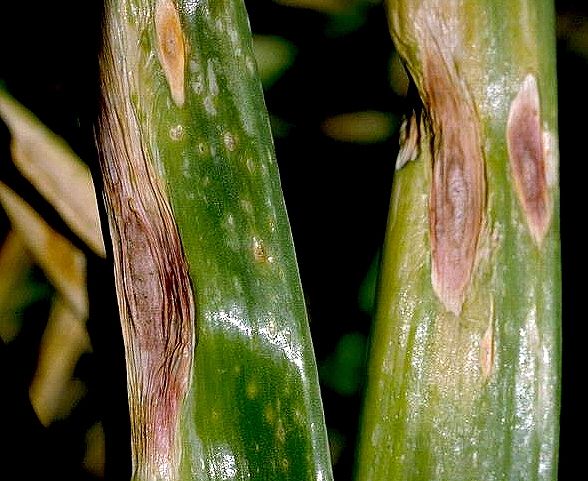
Purple blotch appears as oval, reddish purple lesions on leaves which later expand into a bullseye pattern. Centers turn gray with concentric rings in cases of prolonged wet conditions.
Spores of Alternaria porri splash up from the soil during rain. It hits hardest from mid summer onward. Improve control with 2 inch plant spacing, mulching to reduce splash, and foliar sprays of chlorothalonil at first signs. Harvest promptly to limit spread.
Bacterial and Soil Borne Onion Diseases
Bacteria and soil pathogens attack roots and bulbs, often going unnoticed until harvest.
Pink root appears as pinkish red roots that rot, stunting plants in warm, wet soils. Pyrenochaeta terrestris survives years in soil, worsening with continuous onion planting.
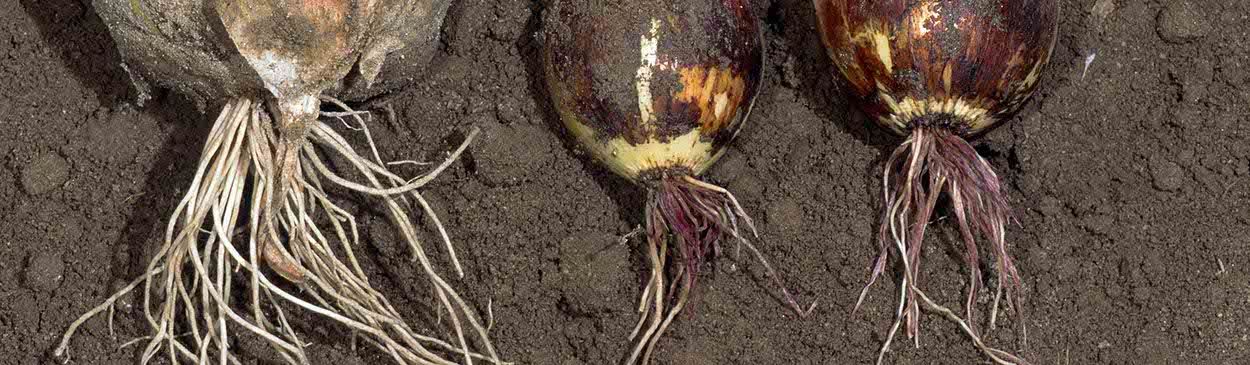
Fusarium basal rot turns necks brown and mushy inside bulbs, with yellowing leaves late in growth. Sour skin causes soft, slimy scales with a sour smell from Burkholderia cepacia.
Drainage is key here. Raise beds 6 to 8 inches and solarize soil in summer by covering with clear plastic for 4 to 6 weeks. Choose resistant hybrids and avoid overfertilizing with nitrogen, which invites bacteria.
Pests That Worsen Onion Diseases
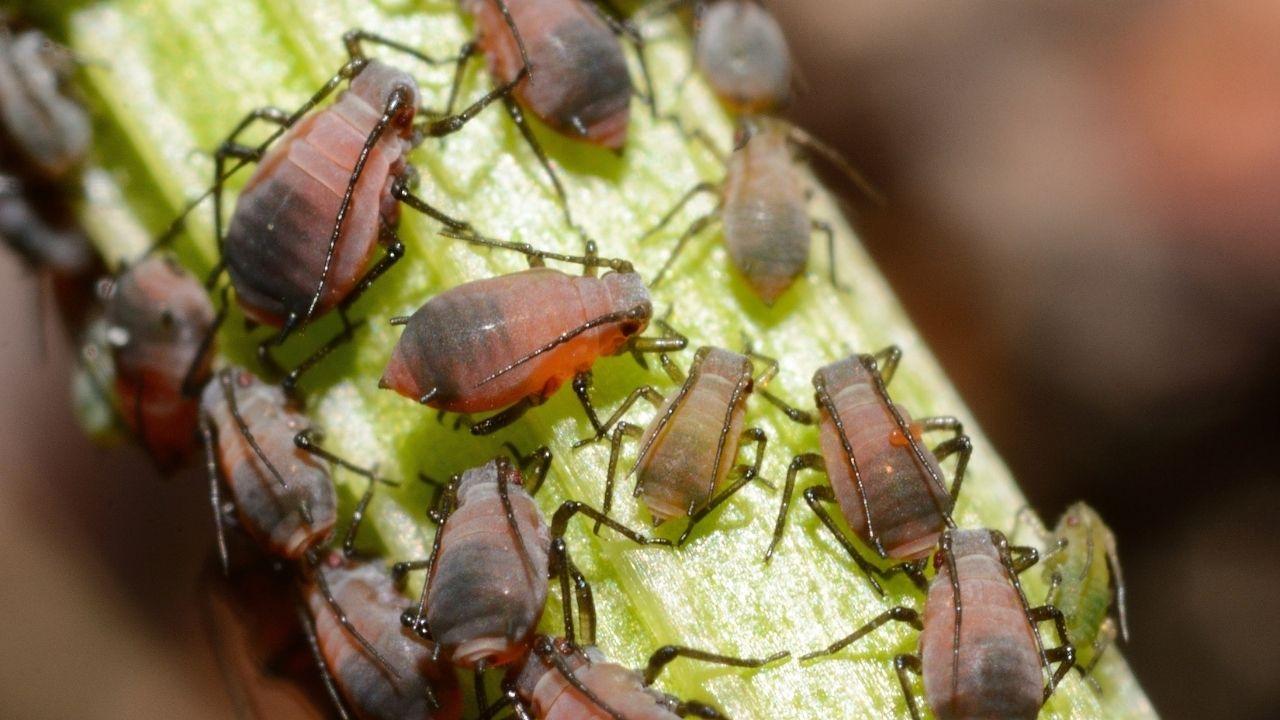
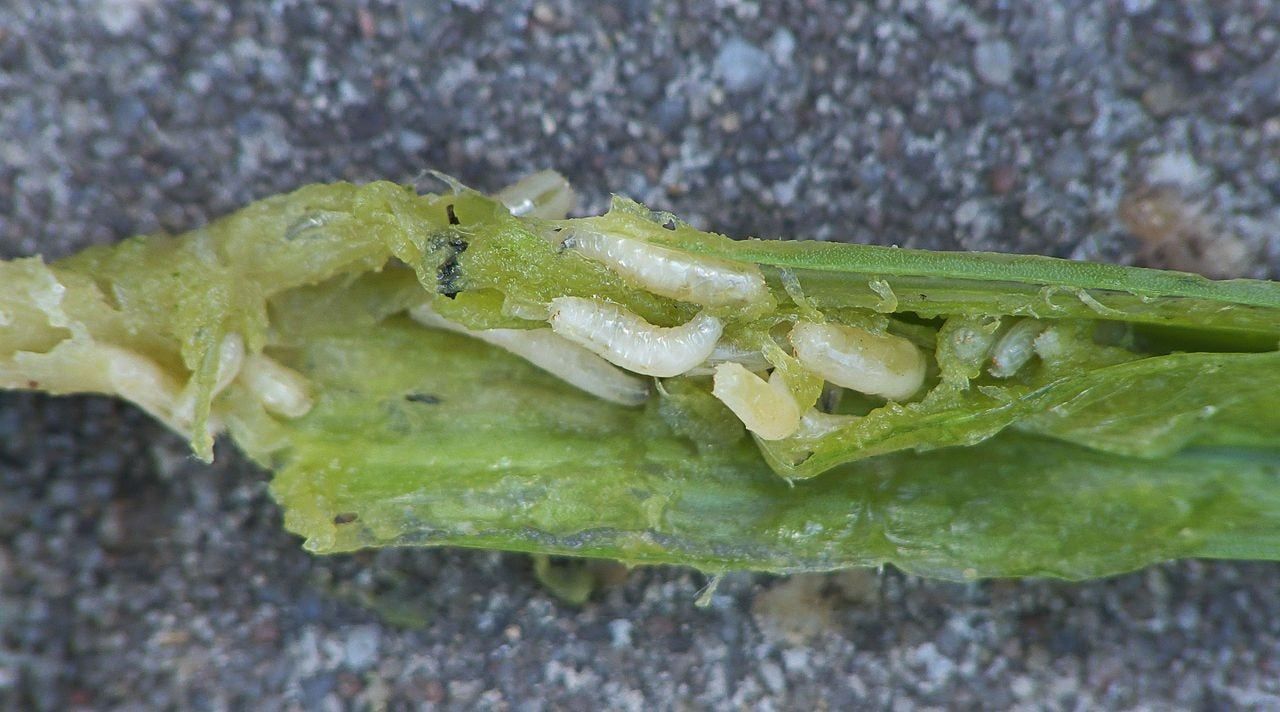
Tissue damages are entry points of diseases. Thrips and maggots, among other pests, primarily feed on tissues. Thrips leave silver streaks accompanied by black spots that mimic a fungal spot on the leaves while onion maggots burrow into roots thus causing wilting as well as rot entry.
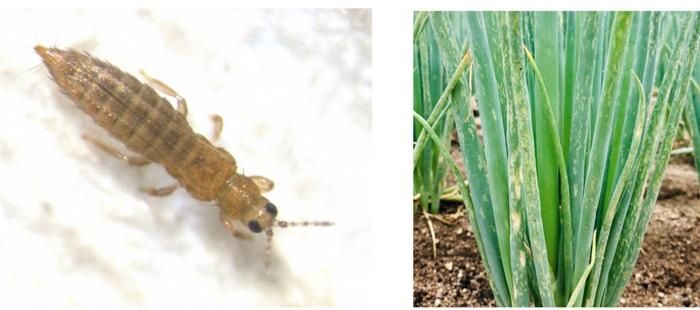
Scout at least once every week and use row covers in the early season. Insecticidal soaps will work on thrips while beneficial nematodes found in soil attack maggots within the same medium(soil). Good health makes plants more resistant hence balance fertility with compost.
Diagnosing Onion Diseases Step by Step
Begin your observations from the leaves. Check for spots, colors or lesions. Pattern of coloring also matters a lot: uniform yellowing can be an indicator of nutrient problem while it is mostly aggressive and localized when it is a disease. Uproot one plant and check if there is rotting or discoloration in the roots.<|im_sep|>
Is the soil wet? Test the drainage by digging a hole, pour water and see if it takes two hours to drain. In complicated cases take a clear picture in good lighting and upload to Plantlyze at plantlyze.com . This AI tool will instantly scan for any onion disease , providing specific solutions according to your setup.
Prevention Strategies for Onion Health
Strong prevention beats cure every time. Start with certified disease free seeds or sets. Rotate onions with non alliums like carrots or lettuce for three years minimum.
Amend soil to pH 6.0 to 6.8 with lime if acidic. Water at soil level in mornings to dry foliage. Mulch with straw to suppress weeds and stabilize moisture without sogginess.
Treating Active Onion Diseases
Act fast on confirmed issues. For fungal spots, prune affected leaves and destroy them away from the garden. Organic options include neem oil or baking soda sprays weekly.
Bacterial rots need culling; rogue out plants promptly. Postharvest, cure bulbs in a warm, dry spot for two weeks to toughen skins against storage rots. Monitor with Plantlyze scans during growth for proactive alerts.
Recovering Your Onion Crop
Most plants will recover if caught early. New growth healthy leaves recovery means the plant is bouncing back reduce competition by thinning out the survivors and apply a light application of fertilizer balanced 10 10 10.
Bulbs might be small coming out from stressed plants but let lessons thrive next season progress monitor using tools like Plantlyze for data driven care.
Final Tips for Thriving Onions
Onion diseases challenge every gardener, but knowledge and vigilance win. Focus on spacing, drainage, and rotation to minimize risks. From botrytis blasts to bacterial rots, you now have the tools to fight back.
Ready to safeguard your crop? Visit plantlyze.com today. Upload photos for AI powered onion disease diagnosis and personalized care plans. Grow confidently with Plantlyze on your side.
References
University of Vermont – Overview of Onion Diseases
https://www.uvm.edu/vtvegandberry/factsheets/OnionDiseaseOverview.htmlOntario Ministry of Agriculture – Identification of Diseases and Disorders of Onions
https://www.ontario.ca/page/identification-diseases-and-disorders-onionsUniversity of California IPM – Botrytis Leaf Blight on Onion and Garlic
https://ipm.ucanr.edu/agriculture/onion-and-garlic/botrytis-leafspot/