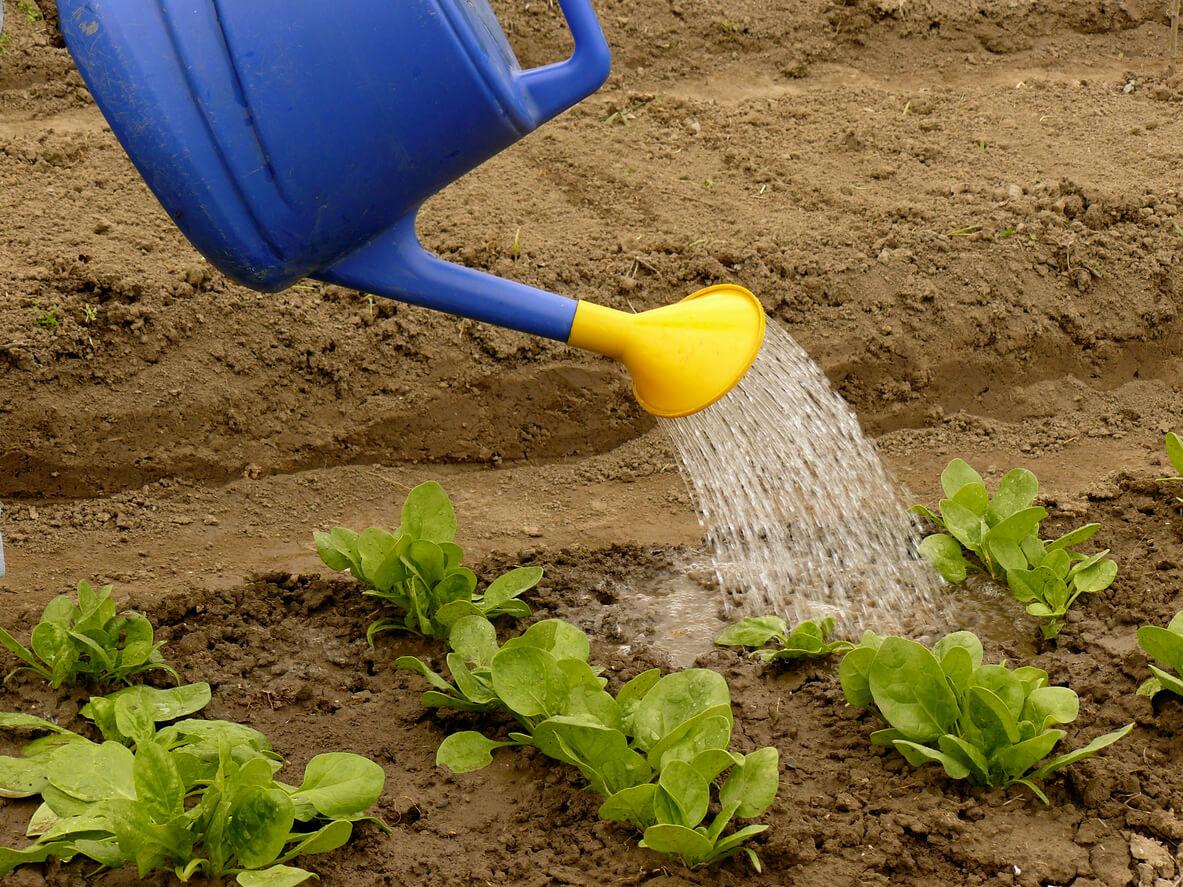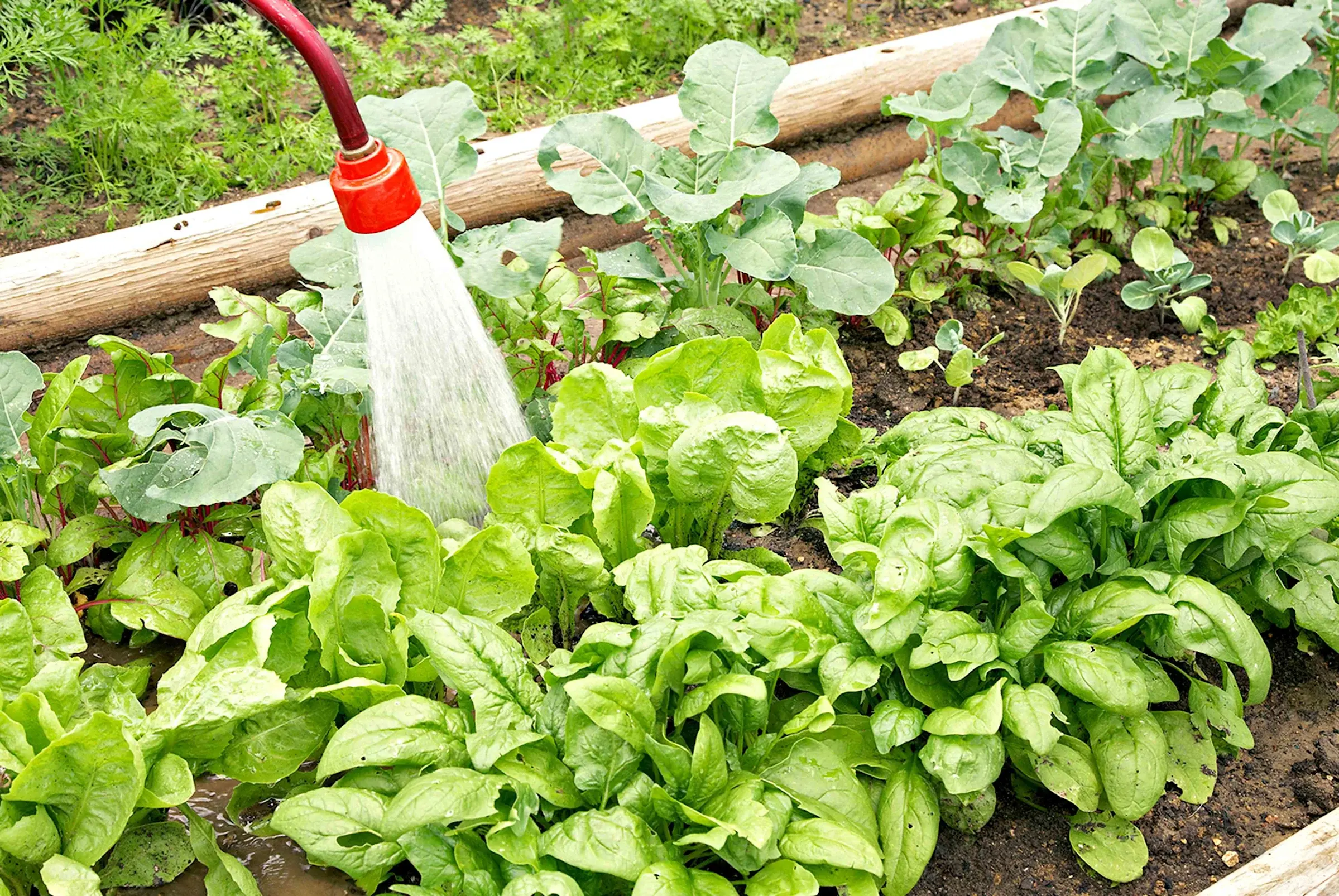

Most home gardeners struggle with one simple question: am I watering my spinach correctly? You water it, the leaves look fine for days, then suddenly they're wilting or mushy. Spinach watering isn't complicated once you understand the formula. This guide reveals the exact strategy that prevents bolting, keeps leaves crisp and tender, and makes spinach growing foolproof for beginners and experienced gardeners.
Why Spinach Watering Matters
Spinach is about 91 percent water. That's not just trivia. It means every drop you give your spinach directly impacts flavor, texture, and those tender leaves. When you nail your watering routine, spinach grows quick, stays tender, and tastes incredible. When you miss the mark, problems multiply fast.
Inconsistent watering is the hidden culprit behind spinach failures. Over water it, and fungal diseases move in. Under water it, and spinach bolts early, turning tough and bitter. The soil gets stressed, making the whole plant vulnerable. Getting your watering right prevents cascading problems and sets your spinach up for success from seedling to harvest.
Spinach has shallow roots that can't reach deep soil moisture. This means the top few inches of soil matter tremendously. When that surface dries out, young plants suffer and growth slows. When it stays soggy, roots can't breathe and diseases take hold. The sweet spot is consistent moisture without waterlogging.
The Baseline Watering Formula
Spinach needs 1 to 2 inches of water per week. That's your baseline, but here's the catch. This number isn't one size fits all. It changes based on your soil, weather, and which growing stage your spinach is in. But knowing this target gives you something concrete to work toward.
Consistent moisture is the real priority, not soaking then drying. Think of keeping the soil at 60 to 70 percent moisture. Not bone dry, not swampy. Just consistently available water that roots can access. Most gardeners fail here because they water heavily then let the soil dry out. That cycle stresses spinach plants and leads to bolting.
How do you measure if you're hitting that 1 to 2 inches? The easiest method is the finger test. Push your index finger into the soil about 2 inches deep. It should feel like a wrung out sponge. If it feels dry and pulls away from your finger, you need water. If it feels soggy or mud cakes on your finger, you're overwatering. This simple test works better than any fancy moisture meter.
Timing matters just as much as amount. Morning watering is your friend. When you water early, usually before 9 AM, the leaves and soil have the whole day to absorb moisture. This timing also keeps foliage dry, which prevents fungal issues. Evening watering can work in cool climates, but it extends the time foliage stays wet overnight. In humid conditions, that's an invitation for mildew and disease.
How Soil Type Changes Your Watering Needs
Your soil is the foundation of everything. It either holds water like a bucket or drains like a sieve. Knowing your soil type helps you predict how often you really need to water.
Sandy Soil Needs Frequent Watering
Sandy soil feels gritty and drains fast. This is great for avoiding waterlogged roots, but it means water disappears quickly. Spinach in sandy soil needs watering 3 times per week, roughly one third inch each time. You're adding frequent small amounts instead of occasional heavy soakings.
The trick with sandy soil is mulching. Adding 1 to 2 inches of organic mulch like shredded leaves or compost slows evaporation dramatically. This lets you cut back watering frequency slightly while keeping soil moisture consistent. You'll also want to mix in compost before planting to improve water holding capacity.
Clay Soil Holds Moisture Longer
Clay soil is dense and sticky. It holds water like nobody's business, which sounds great until you realize it also holds too much water. Spinach in clay soil typically needs just 1 to 2 waterings per week, delivering about 1 inch total. Sometimes during cool, rainy seasons, you might not need to water at all.
The challenge with clay is preventing waterlogging. Even though spinach needs consistent moisture, it also needs soil that drains. If water just sits pooling, roots suffocate and diseases like damping off destroy seedlings. Before planting spinach in clay, break up the top 3 to 4 inches and work in compost or aged manure. This creates airspace and improves drainage.
Loamy Soil is the Sweet Spot
Loamy soil is that perfect middle ground that every gardener dreams about. It contains sand, silt, and clay in balanced proportions. This means it drains well enough to prevent waterlogging but holds enough moisture for plant roots. If you have loamy soil, spinach watering becomes almost easy. You're looking at the standard 1 to 2 inches per week.
Environmental Factors That Impact Your Watering
Soil type is just part of the equation. Your climate, weather patterns, and plant age all shift your watering needs.
Temperature and Weather Changes Everything
Hot weather accelerates evaporation. When temperatures climb above 75 degrees, water leaves the soil faster and spinach uses more water to cool itself. During heat waves, your spinach might need watering every single day or even twice daily if you're in containers. Cool or overcast weather reduces evaporation significantly.
Spinach actually prefers cool conditions. This is one reason it struggles in midsummer and thrives in spring and fall. During spinach's preferred seasons between 55 to 70 degrees, water use is moderate and consistent. You typically water once or twice per week. But when temperatures spike, especially during late spring plantings, you need vigilance.
Rain changes your entire schedule. If your region received a half inch of rain yesterday, you don't need to water today. Keep a rain gauge handy or check local weather data. Many gardeners make the mistake of watering on schedule regardless of rainfall. This wastes water and overloads soil. Skip watering after rain and adjust accordingly.
Growth Stage Changes Water Needs
Spinach seedlings have shallow root systems barely a quarter inch deep. These tiny roots can only access a thin layer of surface soil. Seedling stage spinach needs light, frequent watering. Think 4 to 5 times per week, delivering just enough water to keep the top inch moist. Container seedlings might need twice daily watering during hot weather.
Mature spinach with a developed root system is tougher and less needy. Those roots now reach down 4 to 6 inches, accessing deeper soil moisture. You can back off to 1 to 2 waterings weekly. The transition from seedling to mature mode usually happens around week 3 to 4. Watch your plants. When you see leaves becoming tougher, you can start spacing out waterings.
Container Growing Dries Faster
Container spinach dries out quicker than garden soil spinach because containers have limited soil volume. That confined soil heats up faster in sun and loses moisture rapidly. Container spinach typically needs checking daily during hot weather. You might water containers every single day while garden spinach needs water twice per week.
Container size matters too. A small 6 inch pot dries out faster than a 12 inch pot. Make sure your containers have drainage holes. Consider container size when planning your watering schedule. Larger containers give you more margin for error.
Watering Methods and Techniques
How you deliver water matters almost as much as how much you deliver. Different methods have different advantages for spinach.
Overhead Watering for Seedlings
Overhead watering, where you water from above and water rains down on the plant, works perfectly during the seedling stage. It reaches all the soil surface evenly, ensures no dry pockets develop, and helps wash off dust and debris. Young, tender seedlings aren't yet at high disease risk, so wet foliage isn't problematic.
As spinach matures past the seedling stage, transition away from overhead watering. Mature leaves hold more surface water, which creates an environment for fungal diseases. Switching to another method at week 3 to 4 is smart disease prevention.
Drip Irrigation is Superior for Mature Plants
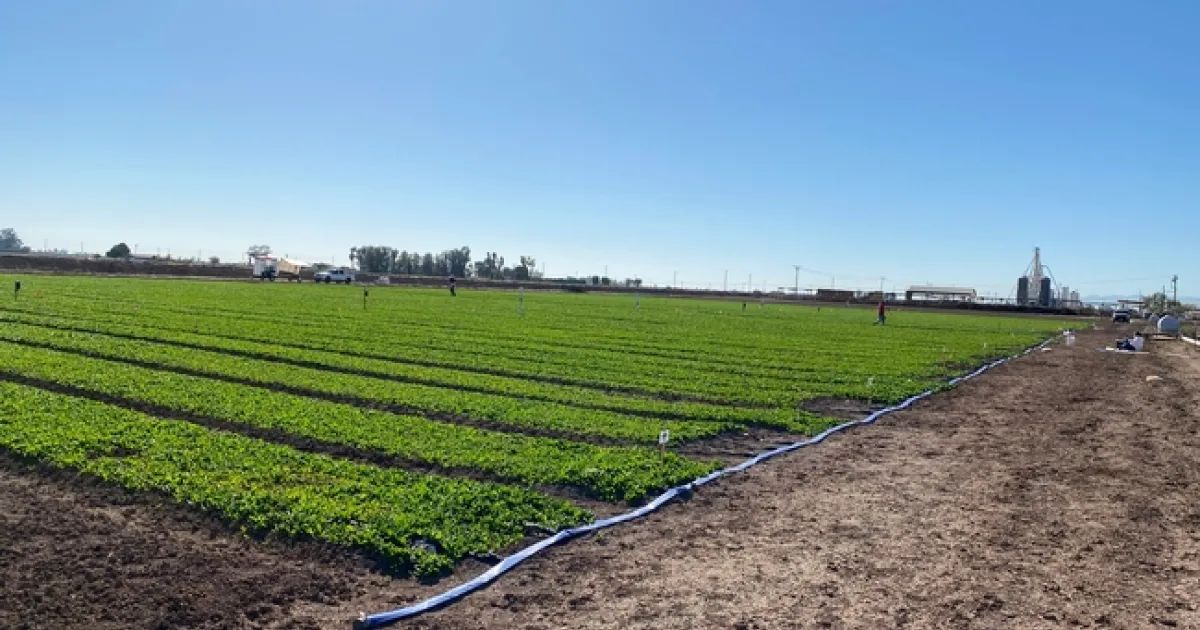
Drip irrigation delivers water directly to soil with minimal foliage wetting. This is the ideal method for mature spinach. Water goes exactly where roots need it, there's minimal evaporation loss, and foliage stays dry. Even a simple soaker hose is better than overhead watering for mature plants. Lay it on soil surface next to your spinach row, turn it on for 20 to 30 minutes, and you've delivered water efficiently.
Best Time to Water
Early morning watering wins for several reasons. You water when temperatures are cool and before the day's heat accelerates evaporation. Foliage gets time to dry naturally as the day warms, preventing fungal growth. For most gardeners, 6 to 8 AM is ideal. Evening watering can work if you absolutely must, but it's second best. Water lingers on foliage overnight, humidity stays high, and fungal spores have a perfect environment to germinate.
Reading Your Spinach for Watering Signals
Your plants communicate their needs. Learning to read these signals prevents problems before they start.
Signs You're Watering Correctly
When you're watering correctly, spinach shows obvious signs of happiness. Leaves stay crisp, vibrant, and deeply green. The plant grows steadily without stunting. Leaf texture feels firm and tender, never wilted or mushy. This is what healthy spinach looks like.
Signs of Underwatering

Underwatered spinach shows stress quickly. Leaves begin wilting even when soil isn't bone dry. Growth slows or stops completely. Leaves might turn pale or yellowing from the edges inward. In extreme cases, spinach bolts early, making leaves tough and bitter. Early bolting is spinach's stress response to irregular water availability.
If you're seeing these signs, check soil moisture immediately. Water deeply, adjusting your watering schedule to be more frequent. Recovery usually takes 3 to 5 days.
Signs of Overwatering
Too much water shows different symptoms. Yellow discoloration appears throughout the plant, not just edge browning. Stems feel soft and mushy rather than firm. You might notice a slimy texture or foul smell from soil. Fungal issues like white mildew on leaves appear. These are all overwatering red flags.
Overwatering is trickier to fix than underwatering. Your best move is to stop watering immediately, improve drainage if possible, and let the soil dry out. Remove any affected leaves to stop disease spread. Going forward, establish a watering schedule and stick to it.
Advanced Tips for Maximum Success
Mulch is your secret weapon for consistent moisture. Adding 1 to 2 inches of organic mulch around spinach plants moderates soil temperature and reduces evaporation. In summer, this keeps soil cooler. In spring or fall, it helps retain heat. Use compost, shredded leaves, or straw as mulch materials.
Check soil moisture consistently, especially during your first few seasons with spinach. The finger test takes 10 seconds and tells you everything you need to know. This builds intuition about your specific soil, climate, and spinach growth patterns.
Seasonal adjustments matter. Spring spinach in cool weather needs less water than summer transplants. Fall spinach benefits from more consistent watering because cooling temperatures slow evaporation. Winter spinach in mild climates needs minimal watering since growth nearly stops.
Container depth affects water holding capacity. A 6 inch container needs checking much more often than a 12 inch pot. Deeper containers are generally better for spinach because they allow more soil volume.
Water quality occasionally comes into play. If your tap water is heavily chlorinated, letting it sit overnight before watering can help chlorine dissipate. Using collected rainwater is ideal when possible. Room temperature water is better than cold water straight from a hose.
Troubleshooting Common Problems
Fungal Diseases Despite Proper Watering
Sometimes you're watering correctly but fungal diseases still show up. This is usually a technique problem rather than a watering schedule problem. The culprit is often overhead watering that keeps foliage wet. When leaves stay wet, fungal spores have ideal germination conditions.
Your solution is switching to drip irrigation or soaker hoses immediately. Wet soil is fine. Wet leaves are the problem. You can also space plants further apart to improve air circulation. Morning watering in well ventilated areas helps foliage dry quickly.
Spinach Still Bolting Early
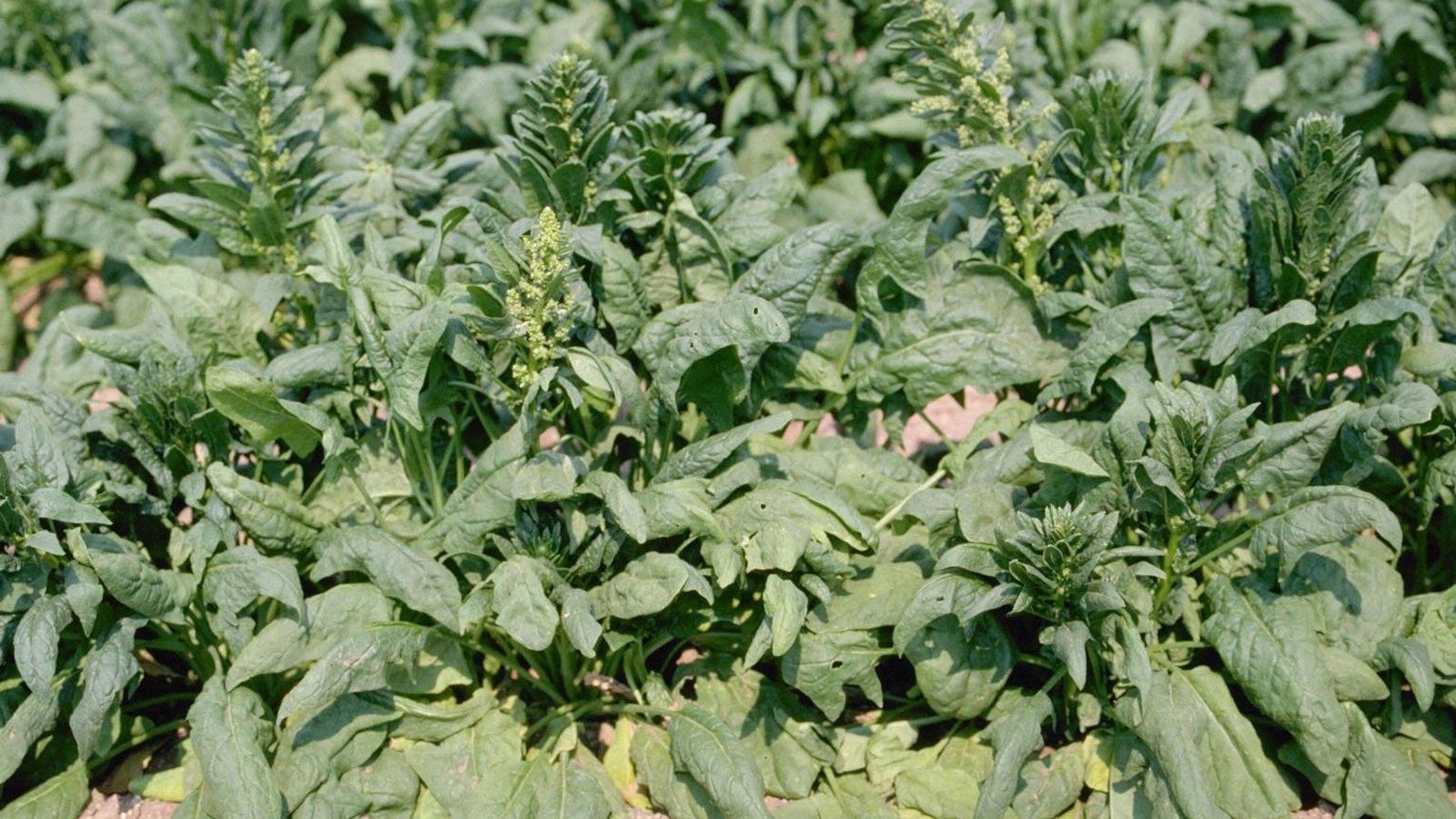
Bolting usually indicates stress, and water stress is definitely part of the equation. However, bolting isn't just about water. Temperature, day length, and plant age also trigger bolting. Some spinach varieties bolt more easily than others regardless of care.
If bolting is happening despite your consistent watering, you're likely hitting temperature triggers. Spinach bolts when temperatures consistently stay above 75 degrees. Planting spinach in spring or fall when temperatures naturally stay cooler eliminates most bolting problems. If you must grow spinach in summer, choose bolt resistant varieties and provide afternoon shade.
Watering During Travel or Busy Periods
Soaker hoses on timers are your best option. Set it to water early morning for 20 to 30 minutes every other day, and your spinach stays happy while you're away. A thick layer of mulch buys you extra time between waterings. Under 2 to 3 inches of mulch, soil stays moist longer. Container water globes work well for short absences.
How Plantlyze Helps Monitor Your Spinach
Knowing the watering formula is only half the battle. Diagnosing what's wrong when problems appear is the other half. Many watering issues create symptoms that look like other problems. Yellowing could mean overwatering, underwatering, nutrient deficiency, or disease. You need accurate diagnosis.
Plantlyze is an AI powered plant care and diagnosis tool that analyzes photos of your spinach to identify problems instantly. If you're seeing yellowing leaves or soft stems but aren't sure what's causing them, take a photo and let Plantlyze examine it. The app diagnoses whether it's a watering issue or something else. You get specific watering adjustment recommendations based on what the AI detects.
Using Plantlyze is free and takes 30 seconds. Take a clear photo of the affected area, upload it, and get instant feedback. This removes the guesswork and builds your confidence in spinach growing. Over time, you develop better instincts about what your spinach needs.
Check your spinach health free at Plantlyze.com. Whether you're seeing mysterious spots, unexpected yellowing, or plants that aren't thriving despite your effort, Plantlyze identifies the issue and tells you what to do next.
Your Spinach Growing Success Starts Today
Spinach watering isn't mysterious once you understand the foundational formula. One to two inches of water per week, delivered consistently to keep soil at that 60 to 70 percent moisture sweet spot. Adjust for your soil type, your climate, and your growing stage. Water in early morning using a method that keeps foliage dry on mature plants. Read your plants and adjust your schedule based on what you're seeing.
The beautiful part about spinach is that it's forgiving. You don't need perfection. You need consistency. A gardener who waters regularly using basic principles succeeds far more often than one who obsesses over tiny details but waters sporadically.
Take these three immediate action steps. First, identify your soil type and determine your baseline watering frequency using the guidelines here. Second, establish a morning watering routine using the finger test to verify moisture. Third, use Plantlyze to diagnose any issues that appear. Within a few weeks, you'll develop intuition about your spinach's needs. Before you know it, you'll be harvesting tender, crisp spinach that tastes incredible.
References
University of Minnesota Extension
https://extension.umn.edu/vegetables/growing-spinach-and-swiss-chard
UMN Extension Growing Guide
https://extension.umn.edu/vegetables/growing-spinach-and-swiss-chardCooperative Extension Resources
https://www.extension.org/ (Search: spinach watering guide)