If you've noticed dark spots appearing on your eggplant fruits, you may be dealing with anthracnose. This serious fungal disease affects both home gardeners and commercial growers worldwide, causing significant crop losses. In some regions, anthracnose accounts for 10-25% of total eggplant losses, making it one of the most damaging plant diseases you'll encounter. The good news? With proper identification and prevention strategies, you can protect your harvest and grow healthy, disease-free eggplants.
Eggplant anthracnose is a fungal infection caused by Colletotrichum species. This pathogen specifically targets ripening eggplant fruits, creating visible damage that makes crops unmarketable. Understanding what causes this disease and how to prevent it is far more effective than trying to treat it after infection occurs.
How to Spot Eggplant Anthracnose Early
Learning to recognize anthracnose early gives you the best chance of protecting your plants. The disease shows distinct symptoms that progress over time, and catching it at the first sign makes all the difference.
Early Warning Signs on Fruit
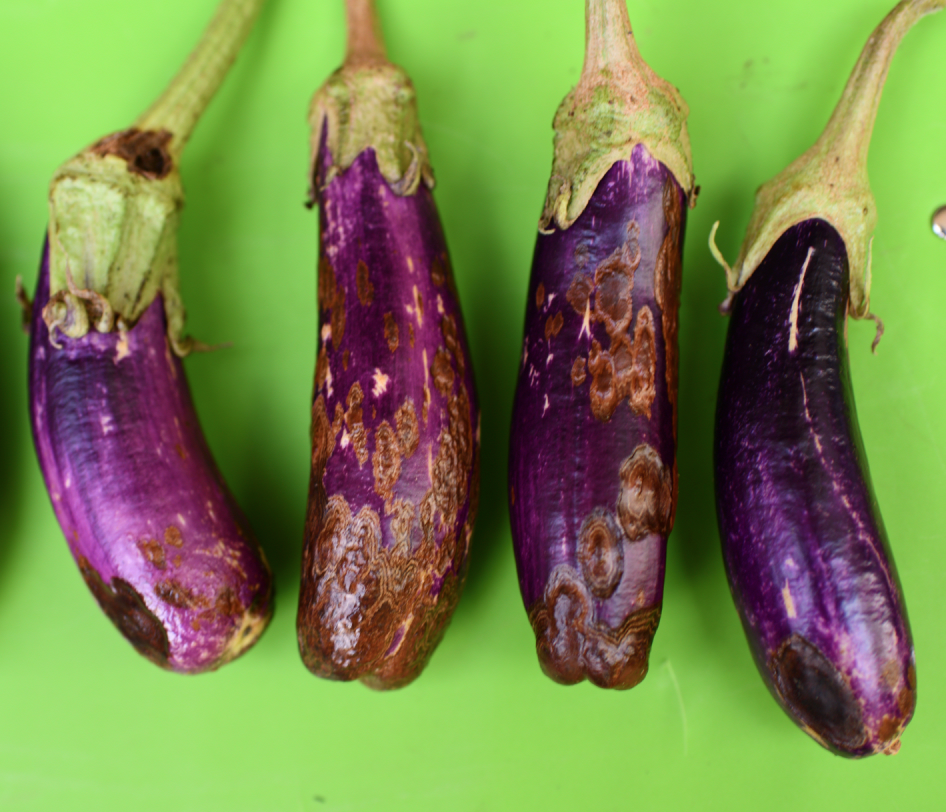
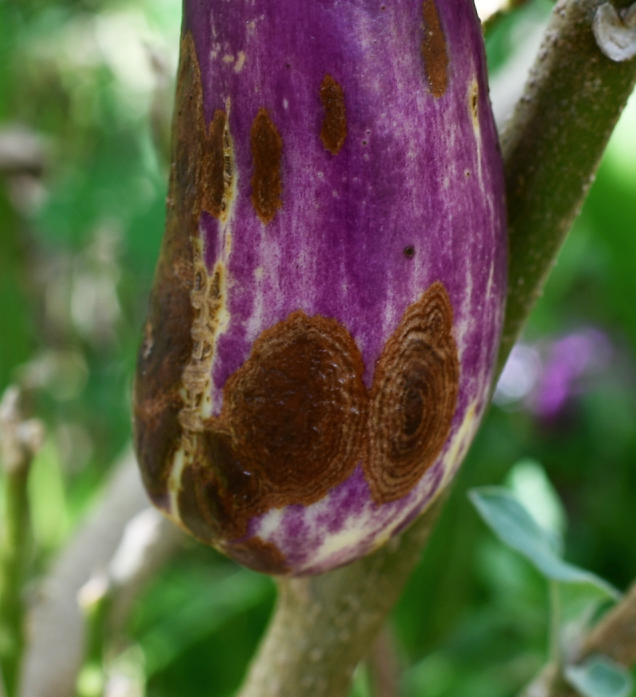
The initial symptoms appear as small, light brown spots with irregular shapes on your eggplant fruits. These spots often emerge near the base or bottom of the fruit where moisture tends to linger. What makes anthracnose distinctive is the characteristic concentric ring pattern, often described as a target-like appearance, that develops as the disease progresses.
You may notice multiple spots appearing on a single fruit, and they often merge together to form larger affected areas. Early detection at this stage prevents major losses. If you remove the fruit immediately when you spot these small lesions, you stop the spread before it accelerates.
Advanced Symptoms to Watch For
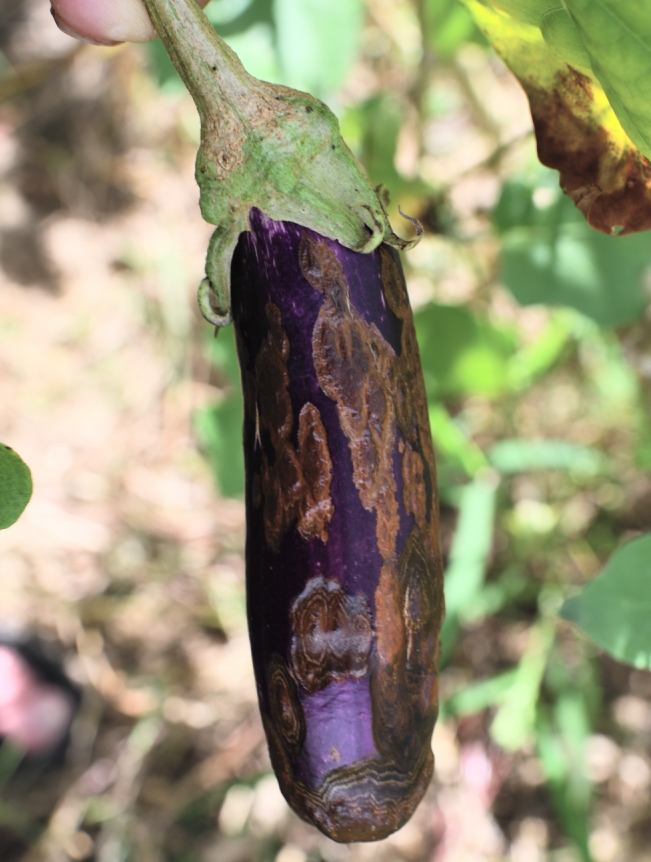
If anthracnose isn't addressed in early stages, the disease becomes increasingly destructive. The brown spots darken significantly and sink deeper into the fruit tissue, creating sunken lesions. In humid conditions, you'll see distinctive pink spore masses developing on the spotted areas. This pink coloration indicates the fungus is actively reproducing and spreading.
As the disease progresses, fruits develop soft decay that can destroy the entire eggplant. Severely infected fruits may fall to the ground before harvest. While leaves can also show symptoms, the primary damage occurs on fruits, making them unsuitable for sale or consumption.
When Symptoms Appear Most
Anthracnose thrives in warm, wet conditions. The fungus develops most rapidly around 27°C (approximately 81°F) when humidity exceeds 80%. Rainy seasons and frequent overhead watering create perfect conditions for rapid disease spread.
Fruit wetness is particularly critical. The fungus cannot infect dry fruit surfaces, which is why wet conditions following irrigation or rain dramatically increase your risk. This understanding is the foundation of effective prevention.
Understanding Disease Spread and Survival
The fungus spreads through multiple pathways, which is why prevention requires a comprehensive approach. Water-splash from overhead irrigation and rain disperses fungal spores across short distances. Wind-driven rain accelerates this spread, moving spores from infected fruits to healthy ones nearby.
Seed transmission represents a long-distance spread mechanism. Infected seeds can transport the disease to new growing areas, which is why using certified disease-free seeds matters so much. The fungus survives winter in soil debris and on diseased plant material left in fields.
Another important factor: anthracnose has a wide host range. This means the disease can persist on weeds and volunteer eggplants growing near your field. These alternate hosts act as disease reservoirs, keeping the pathogen alive between growing seasons.
Key Survival Points:
The disease thrives wherever conditions stay wet for extended periods. Fungal structures survive in infected debris for months. Contaminated soil can harbor spores for multiple seasons if crop rotation isn't practiced.
Proven Prevention Methods That Work
Prevention is always superior to treatment. These four core strategies form the foundation of effective anthracnose management.
Choose Disease-Free Starting Materials
The importance of using certified, disease-free seeds cannot be overstated. High-quality seeds eliminate the primary disease source before it ever reaches your field. If you're uncertain about seed quality, hot water treatment provides excellent protection. Soak seeds in water maintained at exactly 50°C for 30 minutes using a thermometer to ensure accuracy. This single step eliminates approximately 90% of potential seed-borne infections.
Inspect all seedlings in your nursery before moving plants to the field. Remove any showing leaf spots or discoloration. Healthy transplants give your crop the best possible start.
Perfect Your Watering Technique
The number one mistake many gardeners make is using overhead irrigation that leaves fruits and leaves soaking wet. Switch to drip irrigation that waters soil directly at the plant base. This keeps foliage dry while delivering water where plants need it.
If overhead irrigation is unavoidable due to your setup, water early morning so plants dry quickly before evening. Here's why this matters: wet foliage creates ideal conditions for fungal spore germination. Dry plants mean the fungus cannot establish infection. It's that simple.
Implement Smart Spacing and Sanitation
Proper plant spacing allows air circulation and faster leaf drying after rain or irrigation. Dense planting traps humidity that anthracnose loves. Give each plant adequate room based on your variety requirements. Better air movement dramatically reduces disease pressure.
Remove weeds that harbor disease. Remove volunteer eggplants from previous seasons. Clean tools between plants to prevent accidental transmission of fungal spores from infected to healthy plants.
Plan Your Crop Rotation
A mandatory 3-year rotation period must pass between eggplant plantings in the same location. During rotation years, avoid related crops including tomato, capsicum, and chilli since they're all susceptible to anthracnose. Plant unrelated crops such as cereals or onions instead.
This strategy works because it starves the fungus of host plants. Longer rotation periods lead to more complete destruction of fungal structures in soil. After three years without eggplant or related crops, most fungal propagules die.
Monitoring Your Plants for Early Intervention
Regular inspection is the cheapest control method available. Scout your plants weekly starting when flowering begins. Look for the first small brown spots on fruit developing near the base.
Early detection means you can remove infected fruits before disease spreads. This is crucial: remove the entire infected fruit, not just the spotted area. Don't attempt to salvage part of the fruit. Destroy removed fruits immediately by burning or deep burial. Do not compost them as spores survive composting temperatures.
Consider using AI plant diagnosis tools like Plantlyze (plantlyze.com) to help identify symptoms early, especially if you're unsure about what you're seeing. This type of assistance takes the guesswork out of diagnosis and helps you act quickly.
Consistent monitoring prevents the need for heavy fungicide use. When you catch and remove infected fruits early, the disease never gets a foothold in your field.
How to Treat Eggplant Anthracnose
If disease does appear, follow this progression from simplest to most complex treatments.
Cultural Control (First Line of Defense)
The most sustainable approach is removing infected fruits and leaves immediately. Don't wait for spread to accelerate. Destroy removed plant material by burning or deep burial to prevent fungal survival.
Prune lower leaves to create an air barrier between soil and plant canopy. This removes the major infection source near soil level where humidity is highest. Apply mulch around the base to prevent soil splash during watering.
These practices often control disease without requiring chemical treatments. Many growers successfully manage anthracnose using cultural control alone.
Fungicide Options and Application
If cultural methods prove insufficient, fungicides are available. Protectant fungicides include mancozeb, copper products (copper oxychloride, copper hydroxide), and chlorothalonil. These prevent infection on healthy tissue before fungal spores land.
Systemic fungicides include triazoles and strobilurins that penetrate plant tissue and work from inside the plant. Here's the critical point: always alternate between protectant and systemic types to prevent fungal resistance development. Repeated use of the same fungicide allows resistant strains to develop, making products ineffective.
Apply fungicides starting at the flowering stage, then repeat every 7-10 days depending on weather. High rainfall necessitates more frequent applications.
Timing Your Treatment Approach
Prevention is cheaper than cure. Begin fungicide applications at the flowering stage before disease appears, not after. Continue regular applications throughout the growing season, especially during rainy periods.
Stop applications only when harvest approaches, following product label recommendations for safe intervals. In high-pressure years with frequent rain and humidity, preventive applications may be necessary even without visible disease.
Reactive treatments applied after spots appear are far less effective because the fungus has already established inside fruit tissue where sprays cannot reach.
When to Remove Plants Entirely
If a plant becomes heavily infected, removing it entirely prevents spread to neighboring plants. Use this decision point: if more than 50% of fruits show symptoms, the plant likely won't recover productively. Removing and destroying the plant immediately is your most effective strategy.
Don't leave infected plants standing in the field as disease sources. The fungus will continue producing spores that spread to healthy plants.
Taking Action Against Eggplant Anthracnose
Prevention truly is the best cure. Three actions provide the most impact on protecting your harvest.
First, use disease-free seeds and inspect all seedlings before planting. This eliminates the primary disease introduction pathway.
Second, switch to drip irrigation to keep foliage dry. This single change removes the wet conditions anthracnose requires.
Third, implement crop rotation on a 3-year cycle. This starves the fungus and prevents buildup in your soil.
Disease management requires consistency, but the effort prevents significant losses. Starting with prevention methods means you avoid needing chemical treatments altogether. Start monitoring your plants this week. Use tools like Plantlyze (plantlyze.com) to help identify symptoms early if you're uncertain. Early detection combined with proper management will protect your eggplant harvest and keep your plants healthy year after year.
References
Plant Pathology & Quarantine Journal
https://plantpathologyquarantine.org/Pacific Pests, Pathogens, Weeds & Pesticides (Lucid Central)
https://apps.lucidcentral.org/pppw_v11/pdf/web_full/eggplant_anthracnose_390.pdfEOS Data Analytics - Agricultural Disease Management
https://eos.com/blog/anthracnose/GardenTech - Disease Identification and Control
https://www.gardentech.com/disease/anthracnoseUniversity of Maryland Extension - Vegetable Disease Resources
https://extension.umd.edu/resource/anthracnose-disease-vegetables