You walk into your garden after a week of travel and suddenly you're surrounded by eggplants. Some look shiny and perfect. Others are dull and soft. Which ones do you pick? The confusion is completely understandable because eggplant ripeness isn't always obvious, especially when you're new to growing this productive crop. The encouraging truth is that once you learn three simple visual and tactile cues, harvesting becomes second nature. This guide removes the guesswork from eggplant harvesting and shows you exactly when and how to pick your fruit for maximum flavor, texture, and continuous plant production. By the time you finish reading, you'll have the confidence to harvest like an experienced gardener.
Why Getting the Timing Right Transforms Your Eggplant Quality
Harvesting at the wrong time means losing the flavor, texture, and quality that make homegrown eggplants so superior to grocery store versions. Understanding why timing matters motivates you to get it right.
The taste difference is dramatic. Perfectly ripe eggplant has firm yet creamy flesh, tender skin, and excellent flavor that makes you excited about cooking. Underripe eggplant feels too firm, tastes bitter, and has tough skin that doesn't soften well during cooking. Overripe eggplant becomes mushy, the seeds harden into unpleasant woody structures, and the flavor turns increasingly bitter. The science behind this is straightforward: seed development directly impacts palatability, and the window between perfect ripeness and overripeness is surprisingly narrow.
Your plant's productivity depends entirely on harvest frequency. When you remove fruit regularly, the plant redirects all its energy toward new flower production. This creates a continuous cycle of blooms and fruit throughout the growing season. However, when you leave overripe fruit on the plant, the plant interprets this as success and slows flower production. It essentially thinks the lifecycle is complete. The result is staggering: plants that are harvested frequently produce dramatically more fruit than plants harvested occasionally.
Storage quality transforms based on when you harvest. Properly harvested eggplant stays fresh and crisp for seven to fourteen days. Overripe eggplant deteriorates noticeably within days, becoming mushy and less appealing. The moment you pick the fruit directly affects how long that eggplant will taste good in your kitchen. This is why commercial producers monitor ripeness so carefully.
Your eggplants also contain peak nutrients and have ideal texture at the immature ripeness stage. Antioxidant content is actually highest at this point, not after the eggplant becomes fully mature. The texture transforms rapidly after the optimal harvest point passes, becoming spongy and less pleasant. The cream colored flesh that appears inside at perfect maturity is your visual confirmation that you've timed it correctly.
Three Visual and Tactile Cues That Eggplant Is Ready to Pick
Looking for three specific indicators prevents harvesting mistakes. When all three align, your eggplant is at peak quality.
Sign One: The Skin Is Shiny, Not Dull
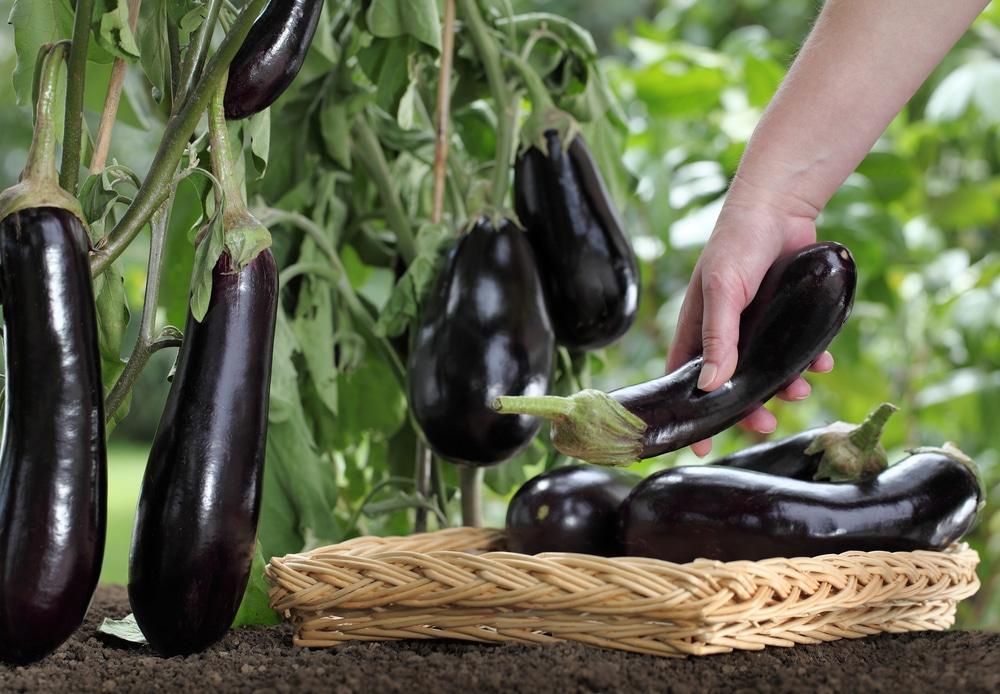
Hold an underripe eggplant next to a perfectly ripe one and the difference in shine is immediately visible. Glossy, shiny skin indicates prime harvest time. This glossiness reflects vitality and signals that the interior texture is optimal for eating. The shine comes from the natural wax coating on the fruit, and this coating remains only during the perfect ripeness window.
As eggplant begins to overripen, the skin becomes progressively duller and less reflective. By the time the skin looks completely matte or dull, the eggplant is overripe and the flavor is declining. Yellow or brown coloring on the skin indicates that you've passed the eating stage entirely, though this stage is fine if you're saving seed for next year.
The color should also be consistent across the entire fruit, showing deep purple or your variety's specific color with uniform coverage. Uneven coloring suggests uneven ripeness inside. This is your most obvious visual cue from across the garden.
Sign Two: Proper Firmness (Firm But Not Hard)
This tactile test requires practice, but once you calibrate your touch, it becomes second nature. Gently press the side of the eggplant with your fingernail or thumb, applying moderate pressure.
Underripe eggplant remains completely hard with absolutely no give at all. It feels like pressing on a rock. Perfectly ripe eggplant yields to gentle pressure, creating a small indentation that bounces back immediately. Think of the firmness of a ripe avocado, though eggplant should be slightly firmer. Overripe eggplant yields much more readily to pressure, and the indentation remains rather than bouncing back quickly. The flesh feels spongy, indicating that internal deterioration has begun.
Test multiple fruits on your plant to calibrate your touch. This helps you develop a tactile sense of what "right" feels like for your specific variety. The firmness indicates the seed development stage and the texture of the flesh inside.
Sign Three: Mature Size for Your Variety
Variety matters enormously for harvest size. Different eggplants reach peak quality at different dimensions, and harvesting too small means underripe fruit while harvesting too large means seedy fruit.
Standard American varieties like Black Beauty, Rolandia, and Nigral typically reach six to eight inches when ready to harvest. Italian and American long type varieties grow eight to twelve inches, developing a meaty texture perfect for grilling and roasting. Japanese and Chinese eggplants mature at three to five inches, with smaller sizes often indicating better flavor. Mini and patio varieties top out at two to three inches and can sometimes be eaten whole.
Check your seed packet for the expected mature size of your specific variety. This prevents the guessing game of wondering whether you're picking too early or too late. Combined with the glossy skin and proper firmness indicators, size gives you triple confirmation that harvest is correct.
The combination approach works best because no single indicator tells the whole story. Don't rely on only one of these three signs. When all three align—right size plus glossy skin plus proper firmness—you have absolute confidence that your eggplant is at peak quality.
The Right Way to Cut Eggplant Without Damaging the Plant
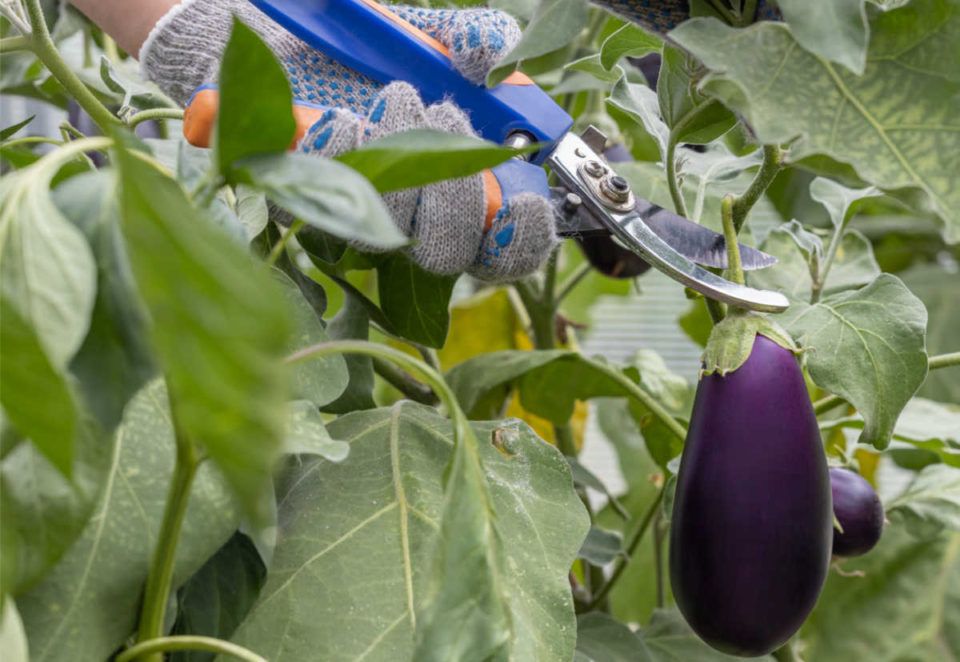
Many first time gardeners make a critical mistake by pulling or twisting eggplants to remove them from the plant. This approach causes significant problems.
Pulling stresses the plant structure and can snap branches, particularly if the fruit is large and the branch is somewhat brittle. Twisting can break the entire stem from the plant, creating a wound that invites disease and reduces future productivity. The plant needs that branch for future fruit production, so damaging it now means fewer harvests later.
Instead, use proper cutting tools. Sharp pruning shears or secateurs are essential equipment for any gardener who grows eggplants. Garden gloves are strongly recommended because the calyxes (the spiky crown at the top of the fruit) can scratch your hands. Before using your tools, ensure they're sharp because dull tools bruise fruit and damage the plant unnecessarily.
The cutting technique is straightforward. Hold the eggplant gently in one hand to stabilize it, preventing movement while you cut. Use your shears to cut the stem about one inch above the fruit. Leave the calyx attached to the fruit rather than trying to cut it away. The calyx is part of the fruit, and cutting above it rather than at its base ensures you're not cutting into fruit flesh. Make your cut cleanly in one motion and set the fruit immediately into a basket.
Timing your harvest for early morning is ideal. After the dew dries but before the intense midday sun heats up the plants, eggplants are at their best condition. The cooler morning temperature means the fruit is less delicate and more resistant to wilting. Eggplants harvested in the cool morning stay fresh longer during your harvest process.
Once you've cut the eggplant, handle it gently because bruises develop easily and deteriorate quickly. Place the fruit immediately in a basket or container rather than carrying it loose in your hands. Do not stack eggplants heavily on top of each other, as the weight will bruise fruit beneath. Transport your harvest to a shaded area or inside quickly. If you're harvesting multiple fruits, begin the storage process the same day for best results.
Variety Specific Harvesting Strategies
Different eggplant types have different maturity timelines and optimal harvest sizes. Knowing your variety's specifics prevents mistakes.
Standard American Varieties: Black Beauty, Rolandia, Nigral
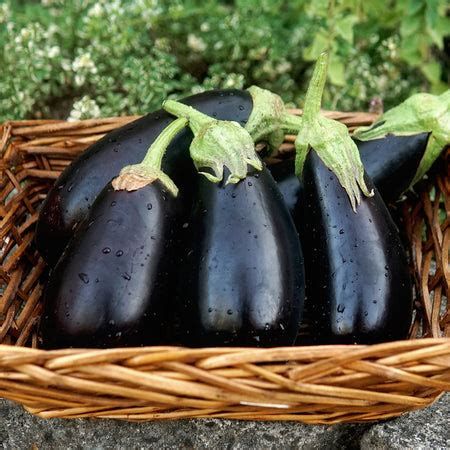
These classic eggplants mature in seventy to eighty days after transplanting. They reach peak quality at six to eight inches, displaying deep glossy purple skin. The standard cutting method applies perfectly to these varieties. Plan to harvest every three to four days during peak season to maintain continuous production. Rolandia produces individual fruits weighing up to 12.3 ounces when fully ripe, creating substantial harvests from each fruit.
Italian and American Long Types
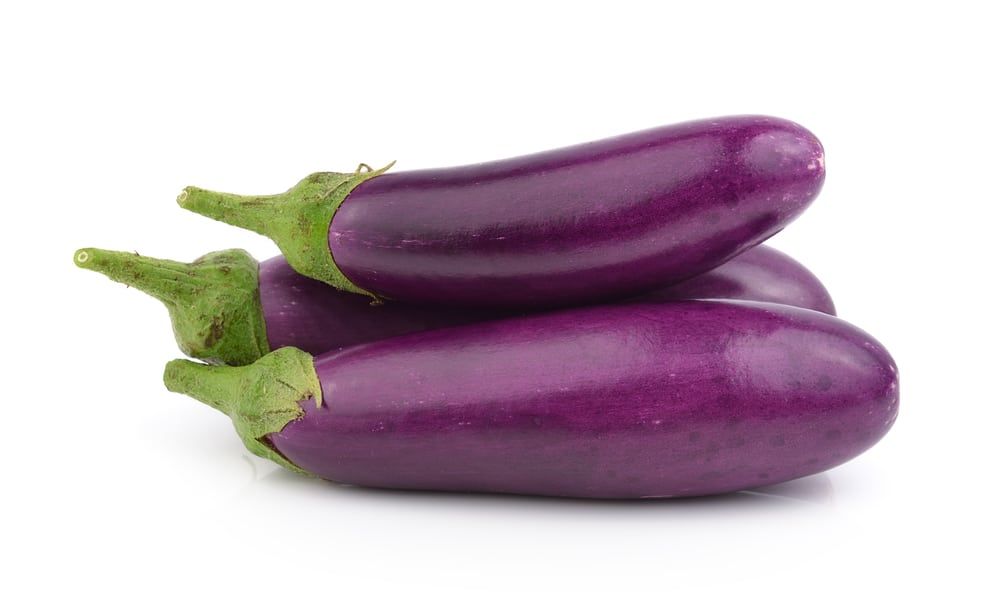
These varieties mature faster than standard American types, reaching peak quality in fifty to fifty-five days after transplanting. Harvest size is eight to twelve inches, often with slight white striping visible on the purple skin. These varieties are particularly prized for grilling and roasting because of their meaty texture and mild, slightly sweet flavor profile. They require the same three-to-four-day harvest frequency as standard varieties.
Japanese and Asian Types: Ichiban, Orient Express, Ping Tung
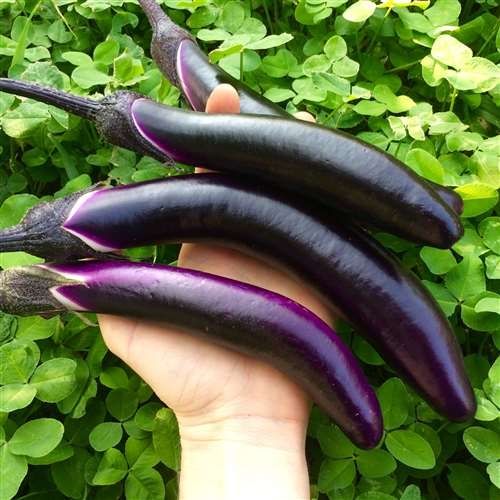
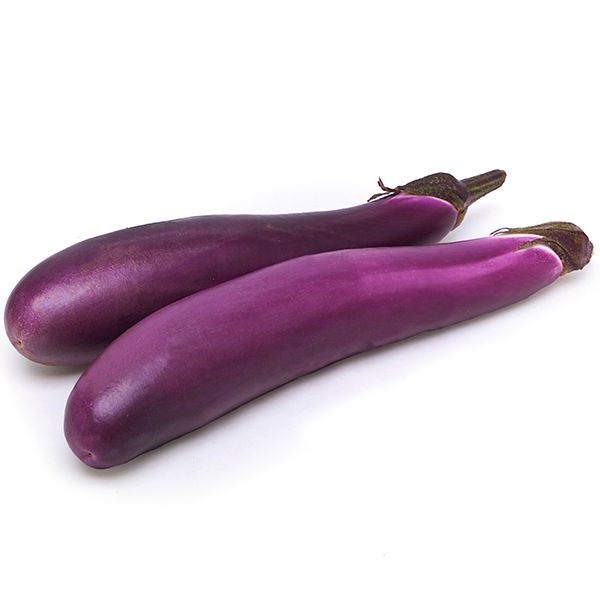
Japanese and Asian eggplants mature in fifty to seventy days from transplanting, depending on specific cultivar. The ideal harvest size is three to five inches, and here's a key insight: smaller is better for flavor. Harvesting frequently even when the eggplant is at the smaller end of the range ensures exceptional tenderness and mild flavor. Orient Express and Shikou varieties are remarkably productive, yielding 43,700 pounds per acre in commercial settings, and this productivity comes from frequent harvesting of smaller fruits. These varieties excel in stir frying, sautéing, and whole grilling. Because they're more slender, they cook through more completely and more quickly than larger American varieties.
Mini and Patio Varieties: Patio Baby, Chinese String
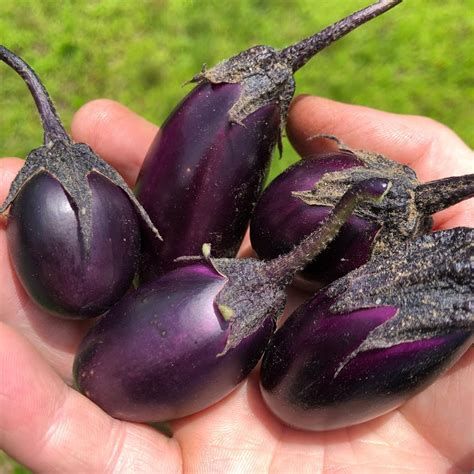
These are the fastest maturing eggplants, reaching peak quality in just forty to forty-five days. Harvest size is two to three inches, and these can often be eaten whole without peeling. Many mini varieties feature thornless calyxes, eliminating the scratching problem when harvesting. The magic of mini varieties is continuous production: picking frequently results in ongoing fruit production throughout the season. Chinese String produces thirty-five individual fruits per plant, though each is smaller individually.
Harvest Frequency Across All Types
Standard American varieties should be harvested once every three to four days. Italian types follow the same three-to-four-day schedule. Asian varieties benefit from every two-to-three-day harvesting to maintain tender quality and encourage new production. Mini varieties should be picked frequently for extended harvest. Throughout all varieties, the principle remains constant: more frequent harvesting prevents color fading, maintains superior flavor, and extends your total yield.
Strategies to Keep Eggplants Producing Longer
Extending your harvest season means enjoying fresh eggplants for additional weeks rather than experiencing a sudden production stop mid-fall.
The most important strategy is obvious but often overlooked: keep harvesting regularly. Remove fruits before they overripen, as overripe fruit signals the plant to stop flowering. When you harvest regularly, the plant redirects energy to new flower production rather than seed maturation. The result is remarkable: production can extend weeks beyond a single harvest schedule simply because you're giving the plant the signal to keep producing.
Maintain consistent watering throughout the harvest period because fruit-producing plants are particularly water-hungry. Water-stressed plants slow production dramatically, cutting short your harvest window by days or weeks. Aim for consistent soil moisture that's moist but not soggy. Inconsistent moisture creates fruit cracking and plant stress that accelerates the end of productive season. Consistent watering supports higher quality fruit for a longer total period.
Continue feeding your plants as you harvest rather than assuming the growing season doesn't require supplemental nutrition. Fruiting plants demand continuous nutrition, not just during the early growth phase. Apply organic liquid fertilizer weekly during your harvest period. Seaweed extract, fish emulsion, and comfrey tea are all excellent options. This investment in continued nutrition pays back in visibly extended production.
Refresh your mulch layer mid season because the original mulch deteriorates as weeks pass. Add new material to replenish the protective layer. Mulch keeps roots cool and maintains consistent soil moisture, both critical for continuous production. Straw is particularly beneficial because it's high in potassium, which supports fruiting. Refreshing this mulch mid-season supports late season productivity in ways that might add two to three weeks to your harvest window.
In cooler climates facing early frost, use season extension tools like row covers. Install row covers in the evening and remove them during the day to allow pollination. Floating row covers trap warmth as temperatures drop, extending your productive season by one to two weeks. In warm climates where frost isn't a concern, harvesting may continue naturally through mid fall without any protection.
Proper Storage: Keep Your Harvest Fresh Longer
How you store eggplant determines whether it tastes excellent days after harvest or deteriorates quickly. Understanding storage science prevents disappointment.
Temperature is critical, and here's the surprising fact: many gardeners store eggplants too cold. Eggplant is highly sensitive to chilling injury in ways that most produce isn't. Temperatures below forty-six degrees Fahrenheit cause pitting, surface browning, and deterioration. The optimal storage temperature is forty-six to fifty-four degrees Fahrenheit (eight to twelve degrees Celsius). This means room temperature storage in many homes actually preserves eggplant longer than a refrigerator set to standard produce temperature. Shelf life at proper temperature is one to two weeks maximum, rarely exceeding fourteen days.
Your best storage location is a cool, dark spot away from direct sunlight. A pantry shelf or kitchen cabinet works well. Avoid the warmest part of your kitchen, such as near the stove. A cool corner at counter level is often ideal. Many gardeners are surprised that this room temperature approach preserves eggplant better than cold storage.
Store eggplants at ninety to ninety-five percent relative humidity to maintain firmness. Place fruit in a vented bowl rather than a sealed plastic bag. Sealed bags trap moisture and increase decay rapidly. Perforated plastic bags are acceptable only for refrigeration. If storing for more than a few days, loosely wrap the eggplant to prevent complete air drying.
Here's a critical fact: eggplants are highly sensitive to ethylene gas, which is produced by bananas, tomatoes, melons, and other fruits. Store eggplants separately from these high ethylene producers to prevent rapid ripening and spoilage. Use separate storage shelves or containers if your kitchen is small. Remove any decaying eggplant immediately to prevent disease spread to nearby fruit.
Use your eggplants quickly for best quality because the flavor and texture decline noticeably after five days. Best flavor appears within the first three to five days. Prepare eggplant the same day as harvest if possible. The white flesh inside can brown quickly after cutting, so avoiding long delays between harvest and cooking is ideal. If you cannot use eggplants immediately, refrigerate only for a maximum of three days after cutting.
For extending shelf life beyond fresh storage, freezing and dehydration work remarkably well. Roasted eggplant that's been frozen lasts at least one year. Blanched and frozen eggplant provides another option with comparable storage duration. Breaded, fried, and then frozen eggplant is ready to use directly in recipes whenever you need it. Dehydrated eggplant stores for long term either in your pantry or freezer. These preservation methods let you enjoy your harvest throughout the winter months.
Using Technology to Confirm Your Harvest Decisions
Selecting the right eggplant to pick becomes more challenging when you're growing multiple varieties that may look slightly different at ripeness. This is where modern technology provides genuine value.
Many eggplant varieties exist, each with slightly different appearance at ripeness. Plantlyze solves this uncertainty by allowing you to take a photo of your eggplant and confirm it matches ripeness indicators for your specific variety. The benefits extend beyond simple confirmation: visual comparison before cutting eliminates doubt about variety-specific sizing. You get instant feedback on whether you're looking at a ripe fruit or one that needs a few more days.
Mobile accessibility means you can use your smartphone directly in the garden for instant feedback. There's no need to remember details after returning inside. This is particularly valuable for new varieties you haven't grown before. You simply upload a photo to Plantlyze.com and receive confirmation about whether your eggplants are harvest ready.
Peace of mind comes from visual confirmation that supplements your own observation. Technology enhances your confidence in the manual observation you're already doing rather than replacing it. Combined with the three ripeness indicators covered earlier, using Plantlyze gives you absolute certainty before cutting.
Start Harvesting Your Eggplants Today
Begin by checking your plants every three to four days using the three ripeness indicators covered in this guide. Look for glossy skin, test the firmness by gentle pressure, and verify that size matches your variety. Cut with sharp pruners, handle fruit gently, and begin using or storing your harvest the same day you pick it.
For extra confidence in your harvest timing, upload photos to Plantlyze to confirm your eggplants are ready before cutting. Small, frequent harvests extend your entire production season from days into weeks and deliver the best tasting eggplants possible.
Share your harvest photos and favorite eggplant varieties in the comments below. What harvest schedule works best in your garden? How do you store your eggplants for maximum freshness?
References
Eggplant Postharvest Research and Extension Center
https://postharvest.ucdavis.edu/produce-facts-sheets/eggplantGrowing eggplant in home gardens
https://extension.umn.edu/vegetables/growing-eggplantItalian vs. Asian Eggplant Cultivars: Performance Comparison for Indiana Commercial Production
https://vegcropshotline.org/article/italian-vs-asian-eggplant-cultivars-performance-comparison-for-indiana-commercial-production/Eggplants When to Harvest
https://kansashealthyyards.org/all-videos/video/eggplants-when-to-harvestEarly detection of verticillium wilt in eggplant leaves by fusing five deep convolutional neural networks
https://pmc.ncbi.nlm.nih.gov/articles/PMC11566044/Eggplant Quality Grading
https://www.ishs.org/ishs-article/1213_43