Most gardeners grow zucchini the same way they've always grown it: let those sprawling vines creep across the soil, watch the leaves get bigger and bigger, and hope for a decent harvest. But what if I told you that this conventional approach is holding back your zucchini productivity by half?
The truth is, zucchini can thrive when you apply a completely different growing philosophy. Instead of treating it like a ground hugging plant, you should train it like a tomato. This simple mindset shift transforms your entire growing experience. You'll save space in your garden, enjoy better air circulation around your plants, reduce pest and disease problems, and most importantly, significantly increase your fruit production.
In this comprehensive guide, you'll discover the exact techniques that experienced gardeners use to double their zucchini yields. We'll cover everything from soil preparation and proper planting methods to the game changing vertical growing strategies that most home gardeners have never tried. By the end, you'll have a complete roadmap for growing abundant, healthy zucchini all season long.
And if you ever spot unusual leaf spots or suspect your plants are struggling with disease, Plantlyze can help you diagnose plant health issues instantly.
Understanding Your Zucchini Plant Fundamentals
Before planting a single seed, you need to understand what zucchini actually wants from your garden environment.
Temperature and Soil Requirements
Zucchini seeds germinate best when soil temperature reaches at least 65 degrees Fahrenheit. Planting too early in cold soil will result in seeds that sit dormant or rot. Most gardeners find that late winter through early spring is the ideal planting window, depending on your location. If you live in cooler climates, you might wait until late spring. The wait is worth it because seeds planted in warm soil germinate in just 1 to 2 weeks.
Sunlight Needs
Your zucchini plants need a minimum of 6 hours of direct sun daily to produce fruit. However, they truly flourish with 8 or more hours of sunlight. Less sun means fewer flowers, which means less fruit. Choose your garden spot carefully during planning season to ensure it gets adequate light throughout the day.
Growing Season Timeline
One of the best things about zucchini is how fast it grows. You can expect your first harvest just 35 to 55 days after planting. This rapid growth allows you to do succession plantings throughout the season for a continuous harvest. A single well cared for plant can produce between 3 to 40 fruits during an entire growing season, depending on your care level and growing technique.
Preparing Your Soil for Success
The foundation of healthy zucchini begins with soil preparation. Zucchini isn't particularly fussy about soil type, but it does prefer specific conditions that promote strong root development and consistent moisture.
Building Your Growing Medium
Start by clearing your planting area of weeds completely. Then rake the soil smooth to create an even surface. Spread a 2 to 3 inch layer of fresh compost over the planting area and rake it smooth again. This amendment improves both water retention and drainage, gives your plants immediate access to nutrients, and introduces beneficial microorganisms to the soil. If you want to accelerate root establishment, you can add a small amount of mycorrhizae fungus to the soil before planting.
Soil Drainage and Moisture
Zucchini needs consistently moist soil, but it absolutely cannot tolerate waterlogged conditions. If you work with heavy clay soil, amend it with coconut coir or other organic materials to improve drainage and prevent compaction. Good drainage prevents root rot while maintaining the moisture your plants need to thrive. Aerate the soil around your planting site to prevent compaction issues.
Planning Your Plant Spacing
For bush varieties, space plants 1 meter apart with 500 to 900 millimeters between plants in a row. For vining varieties that you'll train vertically, you can plant closer together since they'll grow upward instead of spreading outward. This is where vertical growing truly shines: you can produce more plants in the same amount of garden space.
Planting Your Zucchini the Right Way
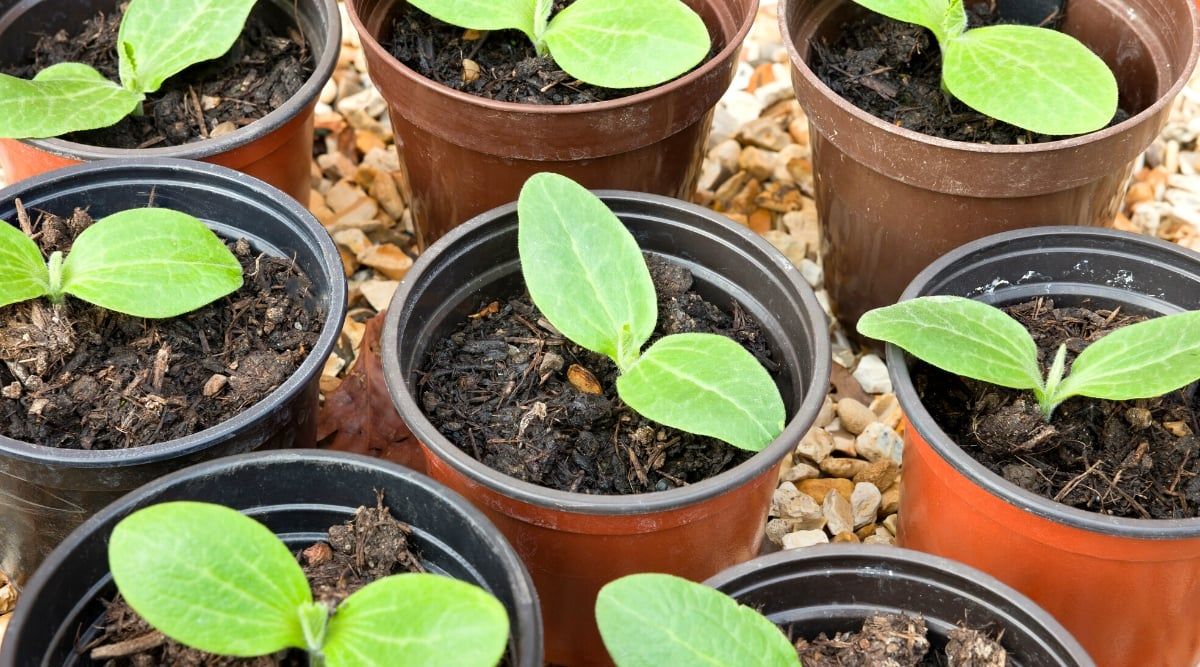
Timing and technique matter when you're getting seeds or seedlings into the ground.
Direct Sowing vs Starting Seedlings
Zucchini seedlings don't transplant well because they have sensitive root systems. Most gardening experts recommend direct sowing seeds in your garden bed rather than starting seedlings indoors. This approach gives you healthier plants with stronger roots. Plant seeds approximately 1 inch deep, which is roughly the distance from your fingertip to your first knuckle.
If you do choose to use seedlings, plant them so the soil line of the seedling matches the soil line of your garden. Press the seedling down slightly to firm it, then add more soil to fill in the space around the stem.
Initial Watering and Germination
After planting, water the area thoroughly. The critical part happens next: keep the soil consistently moist until you see sprouts emerge. Don't let it dry out at all during this germination period. Once seedlings appear, usually within 2 weeks, you can begin your normal watering schedule.
Succession Planting for Continuous Harvest
The beauty of zucchini is that you can plant seeds multiple times throughout the growing season. Most gardeners can continue sowing seeds until approximately 60 days before their first expected frost. This succession planting approach ensures you have fresh zucchini throughout the entire season rather than an overwhelming glut all at once.
Growing Zucchini in Containers
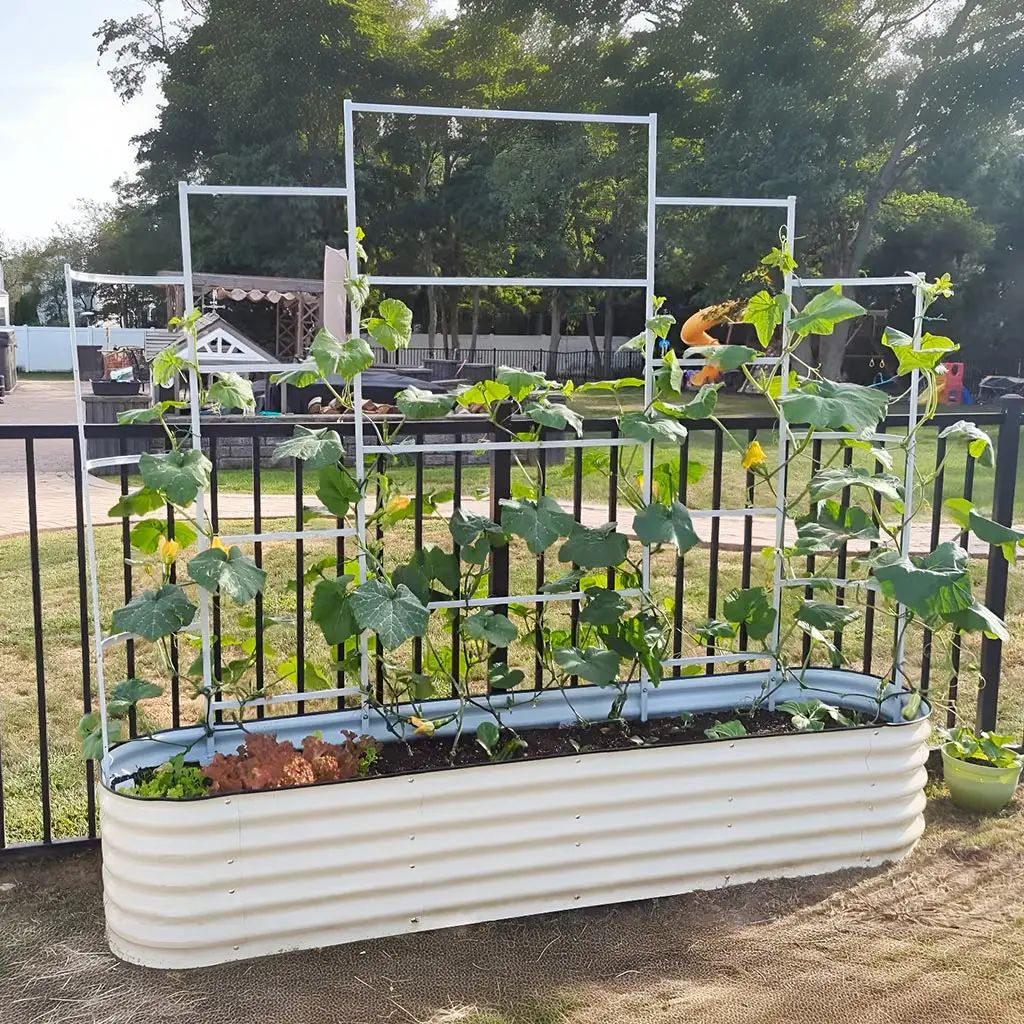
If you have limited garden space, zucchini grows beautifully in containers. Choose pots that are at least 18 inches wide and 12 inches deep with drainage holes in the bottom. Plant only one zucchini plant per container. For vining varieties, add a vertical trellis or obelisk to the container so the plant grows upward. Monitor container soil moisture carefully since it dries faster than garden soil.
The Game Changer: Vertical Growing Techniques
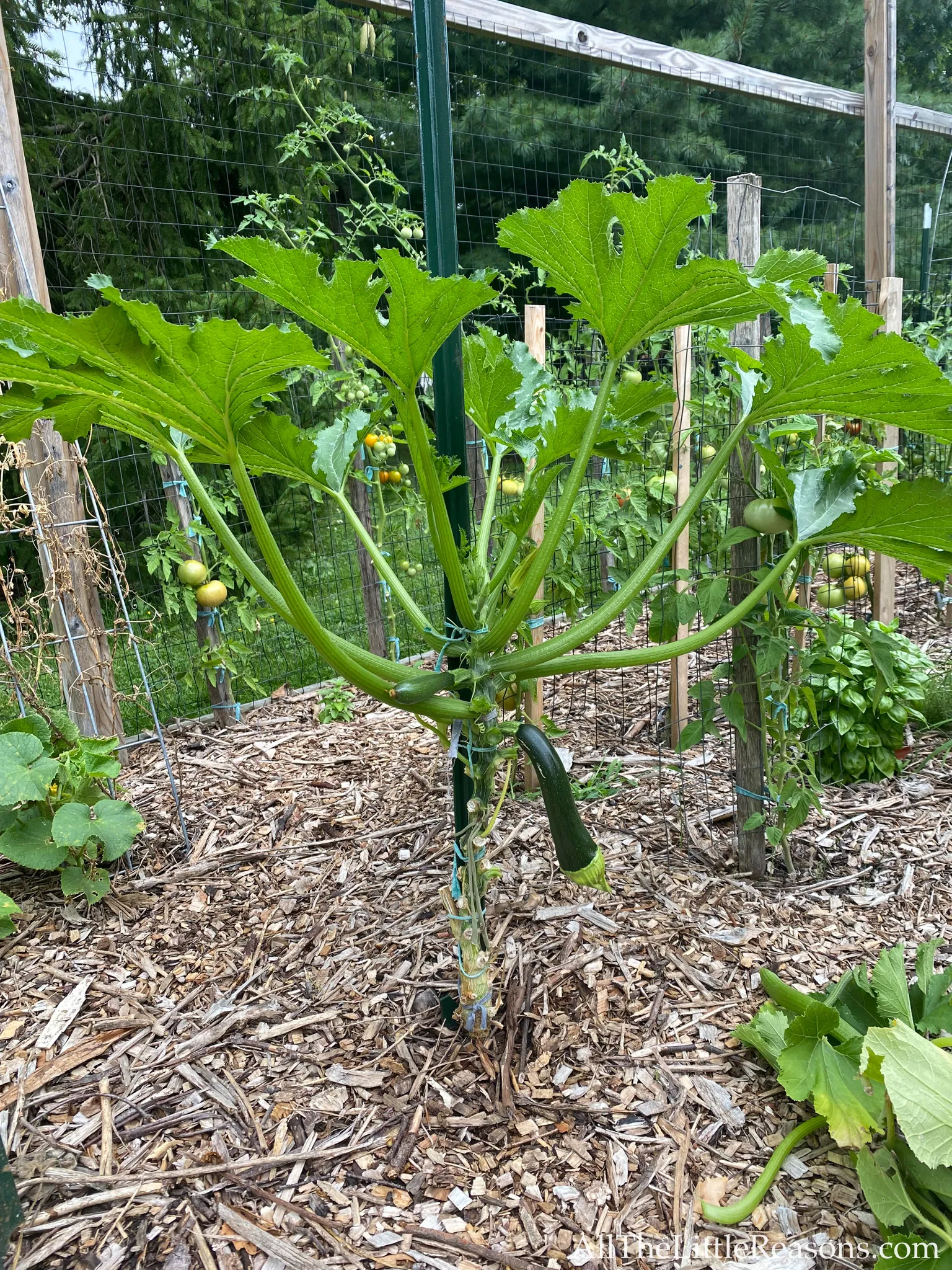
This is where everything changes. Vertical growing isn't a radical new concept, but most home gardeners don't apply it to zucchini. This is their loss and your opportunity.
Why Horizontal Growing Falls Short
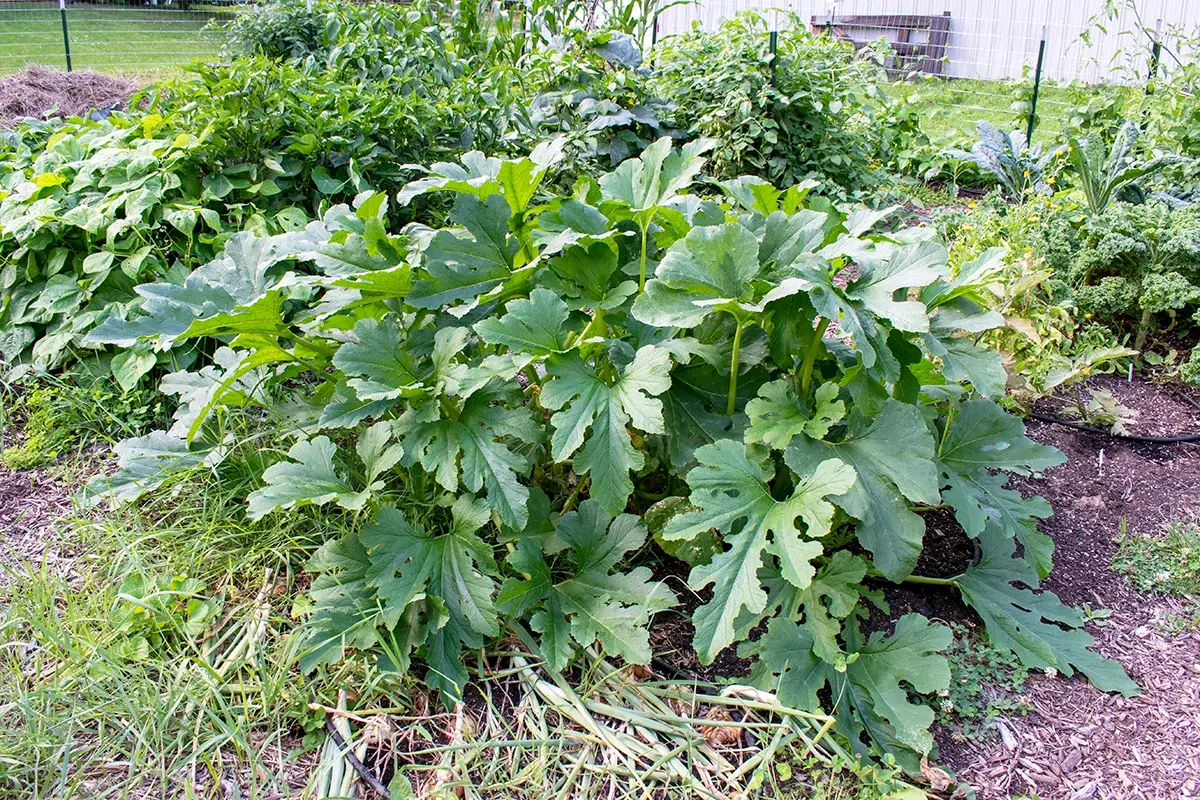
When zucchini sprawls across the ground, three problems emerge. First, sprawling vines take up enormous amounts of garden space. Second, dense foliage on the ground reduces air circulation, creating perfect conditions for powdery mildew and other fungal diseases. Third, and most surprisingly, plants actually produce fewer fruits because they redirect energy into producing excessive foliage instead of flowers and fruit.
Step 1: Stake or Trellis Early
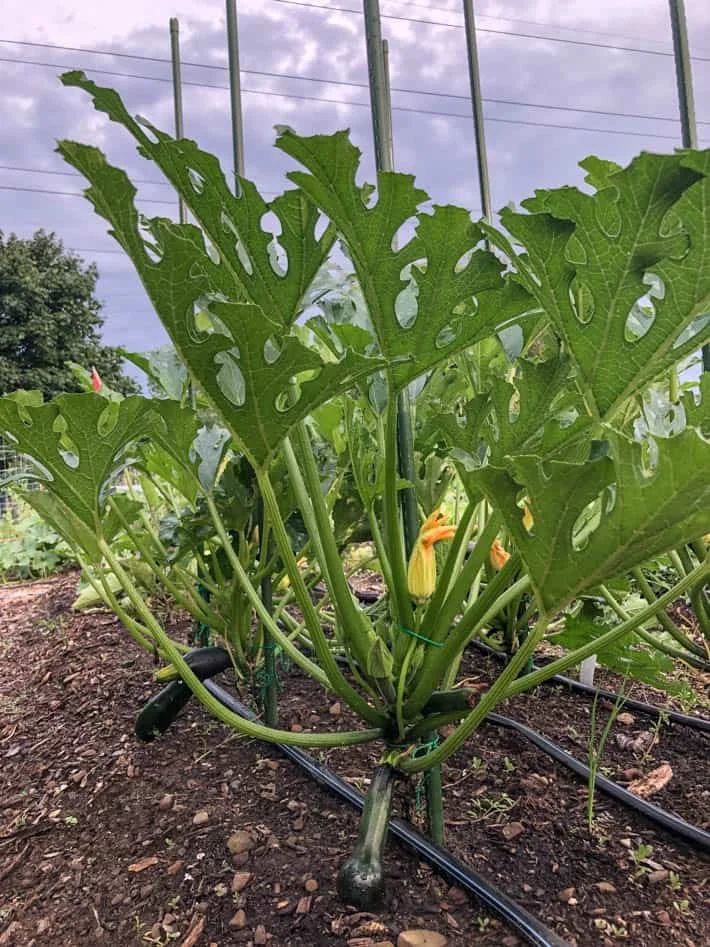
From the moment you plant your zucchini seedling, add support. This could be a single tomato stake, a tall spiral stake, a sturdy trellis system, or an obelisk. The specific support structure matters less than starting early. By staking from day one, you prevent the main stem from flopping over and spreading across the soil.
Train the plant as it grows, gently guiding stems upward along your support. This requires minimal effort but pays massive dividends. Your goal is vertical growth, not horizontal sprawl.
Step 2: Prune Your Zucchini Like a Tomato
This step surprises most gardeners, but it's the most important technique for dramatically increasing your yield. Remove those large leaves that seem to be doing all the work. When you prune zucchini aggressively, you redirect the plant's energy away from unnecessary foliage and toward producing flowers and fruit.
When pruning starts, many gardeners notice their yields actually double. Here's why: unpruned zucchini creates leaf after leaf after leaf, often at the expense of fruit production. But pruned plants develop a balanced structure that supports abundant flowering.
Remove leaves selectively to improve airflow and light penetration. You want to create an open structure where air flows freely through the plant. Don't be timid about removing foliage. Unlike tomato pruning which requires specific techniques, zucchini pruning is forgiving. The plant bounces back quickly from aggressive pruning.
Step 3: Plant Closer Together
With vertical training, you can plant zucchini much closer together than traditional methods allow. Instead of spacing plants far apart to accommodate sprawling vines, plant them closer and train them vertically. This increases your overall garden productivity. You'll grow more plants in the same space and get higher yields from each plant.
Benefits of Vertical Growing
Vertical growing brings multiple advantages. Your garden looks more intentional and organized. Harvesting is easier because fruit hangs at convenient heights rather than hiding under sprawling leaves. Air circulation around the plant dramatically improves, reducing fungal disease pressure. Pests have fewer places to hide. And most importantly, you'll produce substantially more fruit from each plant.
Watering and Feeding Your Plants
Consistent hydration and nutrition drive zucchini productivity.
Water is Your Most Important Tool
Zucchini loves water. Provide at least 1 inch of water per week, delivered consistently throughout the growing season. This is the absolute minimum requirement. During hot weather, your plants may need even more. The soil should feel consistently moist but never waterlogged.
One crucial myth to bust: water on the leaves does not cause powdery mildew. This is completely false. Powdery mildew is actually triggered by dry conditions, not wet foliage. In fact, water helps wash off mildew spores, so don't hesitate to water your entire plant if that's the easiest way to deliver water.
Irrigation Method Matters
Use drip irrigation or soaker hoses whenever possible. These methods deliver water directly to the soil at the plant's base, ensuring efficient water use and reducing leaf moisture. If you must use overhead irrigation, do it in the early morning so foliage dries quickly as temperatures rise.
Never let the soil dry out between waterings. Inconsistent moisture leads to stress, reduced fruit production, and increased pest susceptibility.
Feeding Your Plants
Apply fertilizer every few weeks throughout the growing season. Use a balanced organic fertilizer or quality compost. Most gardeners find that applying a 1 to 2 inch layer of fresh compost around the base of each plant every few weeks provides all the nutrients zucchini needs. This approach also keeps mulching that area, which helps retain soil moisture and suppress weeds.
Watch your plants for signs of nutrient deficiency. Pale leaves or slowed growth might indicate insufficient nitrogen. Adjust your fertilization schedule if needed.
Managing Common Pests and Diseases
Healthy plants are your best defense against problems, but you'll likely encounter at least one common zucchini issue during your growing season.
Powdery Mildew Prevention
This fungal disease is the most common zucchini problem in many regions. Prevention starts with proper spacing and vertical training, which improve air circulation. Remove lower leaves and thin the canopy to increase airflow. Water at the soil level, not overhead. Avoid handling wet plants because this spreads fungal spores.
If powdery mildew appears despite prevention efforts, remove affected leaves immediately. Prune hard to improve airflow. You can apply diluted neem oil spray or organic fungicide every 7 to 10 days if the problem persists. Many gardeners find that simply removing affected foliage and improving air circulation solves the problem naturally.
Squash Vine Borers
These larvae tunnel into zucchini stems, causing sudden wilting. Look for sawdust like material at the base of plants. Prevention includes planting extra plants so losing one or two to borers doesn't destroy your entire harvest. Inspect plants frequently for early damage. If you catch borers early, you can sometimes split the stem, remove the larvae, and bury the stem back in the soil where it will re root.
Aphids
These small insects cluster on stems and leaves, weakening plants. Check your plants frequently for early problems. Cut off stems with large aphid clusters and compost them. Encourage natural predators like lady beetles, lacewings, and syrphid flies by planting flowering plants nearby.
For minor outbreaks, spray plants with a strong stream of water from your garden hose, which removes aphids. For heavy infestations, apply insecticidal soap per label instructions, repeating every week as needed.
Downy Mildew
This disease causes pale leaf spots and a grayish coating on the undersides of leaves. Use disease resistant seed varieties when available. Ensure proper spacing and air circulation. For light infestations, diluted neem oil or organic fungicide prevents the disease from spreading.
Early Diagnosis is Critical
Identifying disease problems early makes treatment simple and effective. If you're unsure what's affecting your zucchini plants, use Plantlyze to diagnose the issue instantly. The AI powered tool helps you identify plant diseases, pests, and nutritional issues so you can take action quickly.
Harvesting and Maintenance Tips
Your work during the growing season directly impacts your harvest yield.
Regular Harvesting Increases Yield
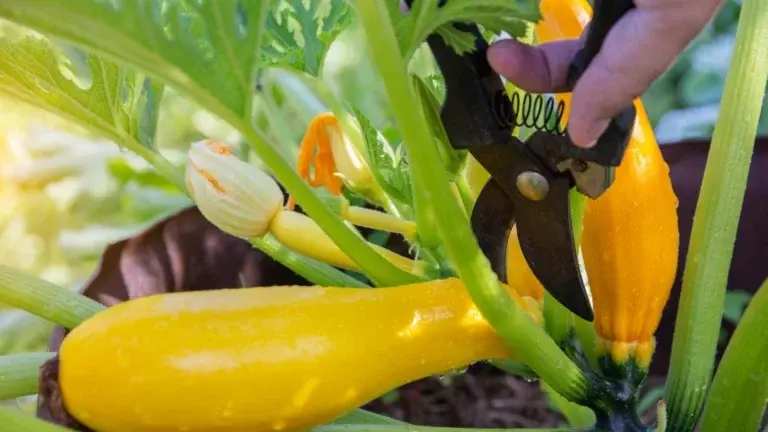
Pick zucchini when they're 6 to 8 inches long for the best flavor and texture. More importantly, harvesting regularly signals to the plant that it should continue producing flowers. If you leave fruit on the plant to mature fully, the plant slows flower production. This seems counterintuitive, but it's proven: regular harvesting leads to continuous production of new fruit.
Ongoing Pruning and Monitoring
Continue light pruning throughout the season to maintain air circulation and plant shape. Remove any leaves showing disease symptoms immediately. Check plants every few days for problems. Early intervention prevents small issues from becoming serious problems.
Removing Infected Plants
If disease becomes severe, remove the entire plant and dispose of it in the trash. Never compost diseased plants because the fungal spores can survive in compost and spread to next year's garden. This is especially important for serious diseases like gummy stem blight.
Seasonal Monitoring
Watch plants carefully during humid conditions when fungal diseases thrive. Increase pruning and air circulation during these periods. Monitor for pest activity as seasons change. Some pests become problematic at specific times of year.
Maximizing Your Harvest Throughout the Season
A single zucchini plant can produce 40 fruits during an entire season if conditions are optimal and you use proper techniques. Here's how to achieve maximum productivity.
Succession plant seeds every 2 to 3 weeks until 60 days before your first expected frost. This ensures you have young productive plants coming into production just as older plants start to slow down. Space out your plantings so you get a steady stream of zucchini rather than a harvest boom followed by months with nothing.
Plan your zucchini crop strategically within your garden rotation. Never plant cucurbits (zucchini, cucumber, squash, etc.) in the same location two years in a row. This breaks the cycle of soil borne diseases. Rotate zucchini location every year to maintain healthy soil and prevent disease buildup.
Track which varieties worked best in your garden. Save notes on planting dates, yields, disease pressure, and flavor. This information helps you make better decisions the following season.
Conclusion: Transform Your Zucchini Growing Success
The vertical growing technique doesn't require special equipment or extensive gardening experience. It simply requires a different approach to training your plants. By staking early, pruning regularly, and maintaining consistent moisture and nutrition, you can double your zucchini productivity compared to traditional sprawling methods.
Your garden space will look more organized, your plants will be healthier, and your harvest will be significantly larger. Start with vertical training on your next planting, and you'll quickly discover why experienced gardeners prefer this method.
Remember that plant health starts with early detection of problems. When you spot anything unusual on your zucchini leaves or notice unexpected wilting, use Plantlyze to identify the issue quickly. The app provides instant diagnosis and treatment recommendations, helping you keep your plants healthy and productive throughout the entire growing season.
Happy growing, and enjoy an abundant zucchini harvest this year.
References
Epic Gardening — https://www.epicgardening.com/zucchini-diseases/
Gardenary — https://www.gardenary.com/blog/my-number-one-secret-to-growing-more-zucchini
The Art of Doing Stuff — https://www.theartofdoingstuff.com/youve-been-growing-your-zucchini-all-wrong/
Lettuce Grow Something — https://lettucegrowsomething.com/beginners-guide-to-growing-zucchini-from-seed-tips-tricks/
Agriculture Guruji — https://agricultureguruji.com/zucchini-farming/