Growing your own spinach at home is one of the most rewarding and straightforward gardening projects you can undertake. Whether you are a complete beginner or have some gardening experience, spinach rewards your efforts with fresh, nutrient packed leaves in as little as 40 to 50 days. This guide walks you through everything you need to know about cultivating healthy spinach plants from seed to harvest.
Why Grow Your Own Spinach
Let us start with the most obvious question: why should you grow spinach when you can buy it at the grocery store?
Health Benefits of Homegrown Spinach
Homegrown spinach contains significantly more nutrients than store bought varieties. Spinach starts to lose its nutrients immediately after being harvested. The commercial spinach you buy has traveled hundreds of miles to reach your plate, losing all those vital vitamins and minerals along the way. Your homegrown spinach can make it from soil to table within minutes, locking in maximum nutritional value! Freshly available iron, calcium, magnesium potassium and vitamin A C & K forms that are most bioavailable.
Cost and Convenience Advantages
A small spinach patch costs just a few dollars in seeds but produces multiple harvests over several months. One seed packet often contains enough seeds for 50 to 100 plants. Compare this to buying fresh spinach at retail prices, which ranges from 3 to 6 dollars per pound. Your garden spinach costs pennies per pound. Plus, you control the growing methods, avoiding synthetic pesticides and commercial fertilizers if you prefer organic cultivation.
Freshness and Flavor You Cannot Buy
Store bought spinach is often weeks old by the time you consume it. The flavor flattens, the texture becomes limp, and the delicate sweetness disappears. Freshly harvested spinach offers a completely different eating experience. Young spinach leaves are tender and slightly sweet. Mature leaves develop a deeper, more complex flavor. You cannot replicate this quality at any price point.
Getting Started: Essential Spinach Growing Requirements
Before you plant a single seed, understanding spinach's basic requirements sets you up for success. Spinach is remarkably adaptable, but these conditions optimize your results.
Climate and Temperature Conditions
Spinach thrives in cool season temperatures between 45 and 70 degrees Fahrenheit. This is crucial because warm weather triggers bolting, which stops leaf production and sends your plant to seed. Most gardeners grow spinach in spring and fall, avoiding the hot summer months.
Spring planting: Begin 4 to 6 weeks before your last spring frost. Soil temperatures should reach at least 40 degrees Fahrenheit for seed germination.
Fall planting: Start 8 to 10 weeks before your first fall frost. Fall crops often produce better quality leaves because cool temperatures favor leaf growth over seed production.
Winter growing: In mild climates, you can grow spinach throughout winter. Cold hardy varieties survive freezing temperatures and resume growth in spring.
Sunlight and Location Planning
Spinach tolerates partial shade better than most vegetables. During cool seasons, provide 4 to 6 hours of direct sunlight daily. In warmer months, afternoon shade actually prevents premature bolting by keeping plants cooler.
Choose a location with:
Good air circulation to prevent fungal diseases
Protection from harsh afternoon sun in spring
Accessible water source for consistent irrigation
Well draining soil that does not pool water
North facing beds in spring actually offer advantages, as they receive morning sun but afternoon shade, slowing bolting.
Soil Preparation and Composition
Spinach prefers neutral to slightly alkaline soil with a pH between 6.0 and 6.5. Before planting, test your soil to understand its current pH and nutrient levels.
Soil amendments:
Mix in 2 to 3 inches of compost or aged manure into the top 8 inches of soil
Add nitrogen rich fertilizer or manure for vigorous leaf growth
Ensure soil drains well but retains moisture
Loosen compacted soil to at least 8 inches depth
Sandy soil needs more organic matter for water retention. Heavy clay soil needs compost and sand for drainage improvement. The ideal spinach soil is loose, crumbly, and rich in organic matter.
Tools and Supplies You Will Need
Gather these items before planting:
Garden fork or spade for soil preparation
Rake for smoothing seed beds
Measuring tape or ruler for proper spacing
Spinach seeds (choose varieties for your season)
Compost or aged manure
Balanced or nitrogen rich fertilizer
Row markers or stakes
Watering can or hose with spray nozzle
You do not need expensive equipment. Basic tools suffice for successful spinach cultivation.
Planting Spinach Step by Step
Now that you understand spinach's growing conditions, let us move on to the actual planting process. This section breaks down every step from seed selection through germination.
Timing Your First Planting
Check your frost dates. Visit your local university extension website and find your first and last frost dates. These dates are crucial for timing spinach plantings.
Spring planting: Plant 2 to 4 weeks before your last spring frost. Spinach germinates in cool soil and grows steadily as temperatures warm.
Fall planting: Plant 8 to 10 weeks before your first fall frost. This allows time for multiple harvests before winter.
Calculate backward: Count back from your frost date to determine your planting week. Mark this on your calendar.
Seed Selection and Preparation
Spinach varieties fall into three main categories based on leaf shape and cold hardiness.
Smooth leaf varieties: Include Bloomsdale and Space. These offer tender, delicate leaves perfect for salads. They germinate quickly and mature rapidly.
Crinkled or savoy varieties: Varieties like Melody and Nordic produce deeply textured leaves with excellent flavor. These cold hardy varieties excel in fall plantings.
Semi savoy varieties: These split the difference, offering some crinkle texture with smoother parts. They balance tenderness with cold tolerance.
Most spinach seeds do not require pre treatment, but you can improve germination by soaking seeds in cool water for 24 hours before planting. This softens the seed coat and speeds germination by 2 to 3 days.
Spacing and Depth Guidelines
Proper spacing prevents disease and competition for nutrients. Plant spinach seeds:
Planting depth: 1/2 inch deep
Seed spacing: 2 inches apart along rows
Row spacing: 12 inches apart
Thinning: Thin seedlings to 4 inches apart once they develop two true leaves
These dimensions allow each plant adequate nutrients and airflow while maximizing garden space. Do not crowd spinach seedlings. Crowding creates humid conditions that encourage fungal diseases.
Direct Sowing vs. Indoor Starting
Most gardeners direct sow spinach seeds into garden beds. This simpler method works well because spinach germinates quickly and does not tolerate transplant shock well.
Direct sowing advantages:
No need to manage seedling trays
Faster maturation with fewer handling steps
Lower transplant shock
Better root development
When to start indoors: Only consider indoor starting if your spring season is extremely short or you want earlier harvests. Start seeds 4 weeks before transplanting, using seed starting mix in trays or small pots.
Direct sowing is recommended for most gardeners because spinach thrives without transplanting.
Container Gardening for Spinach
Spinach grows excellently in containers, making it ideal for balconies, patios, and small spaces.
Container requirements:
Minimum depth of 6 inches
Drainage holes in the bottom
Width of 12 inches or more (allows spacing)
Light colored containers prevent soil overheating
Container soil: Use quality potting mix, not garden soil. Potting mix drains better and provides necessary aeration. Fill containers within 1 inch of the rim.
Watering frequency: Container spinach needs more frequent watering than garden beds. Water when the top inch of soil feels dry.
Container spinach produces as prolifically as garden grown spinach. You can harvest leaves starting at 3 to 4 weeks and continue for 6 to 8 weeks per planting.
Caring for Growing Spinach Plants
Successful spinach growing comes down to proper care during the growth phase. You have already planted seeds and they are germinating. Now comes maintenance that ensures healthy, productive plants.
Watering Your Spinach Properly
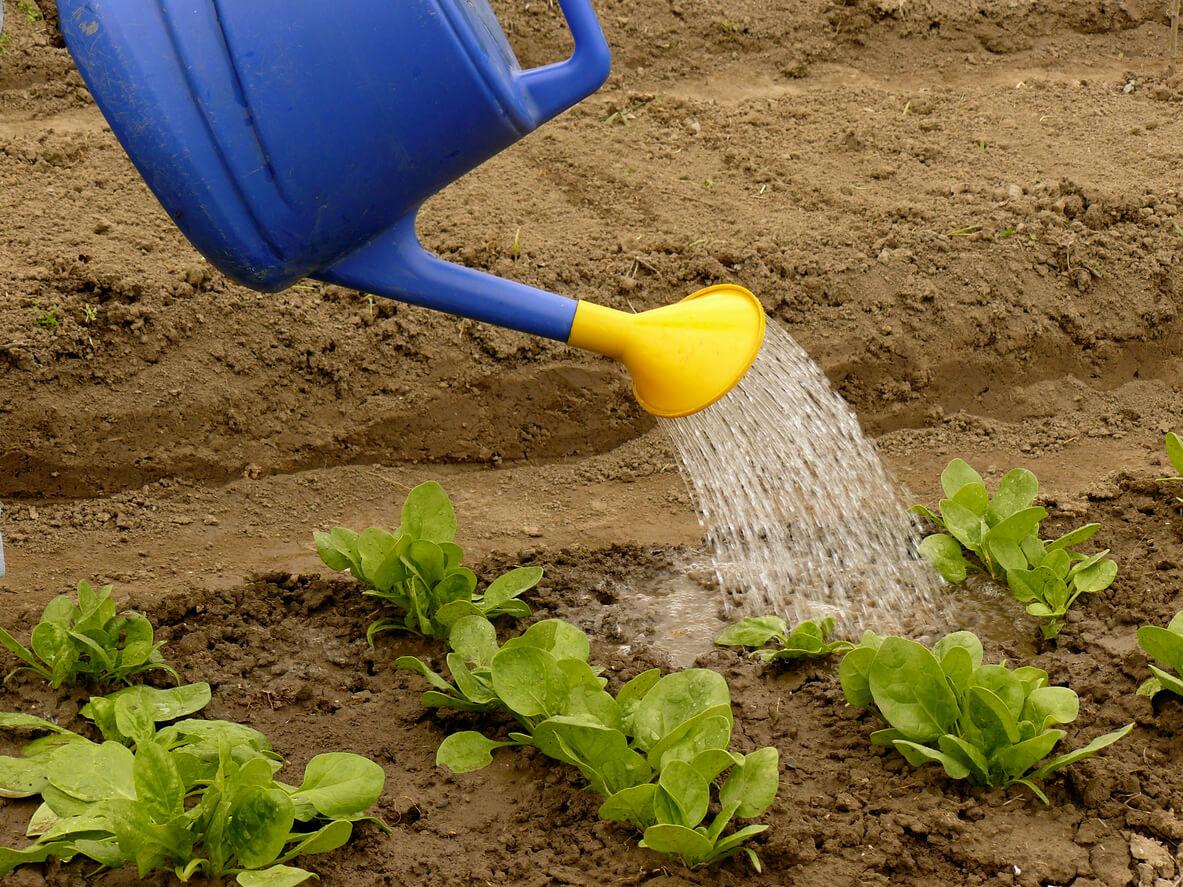
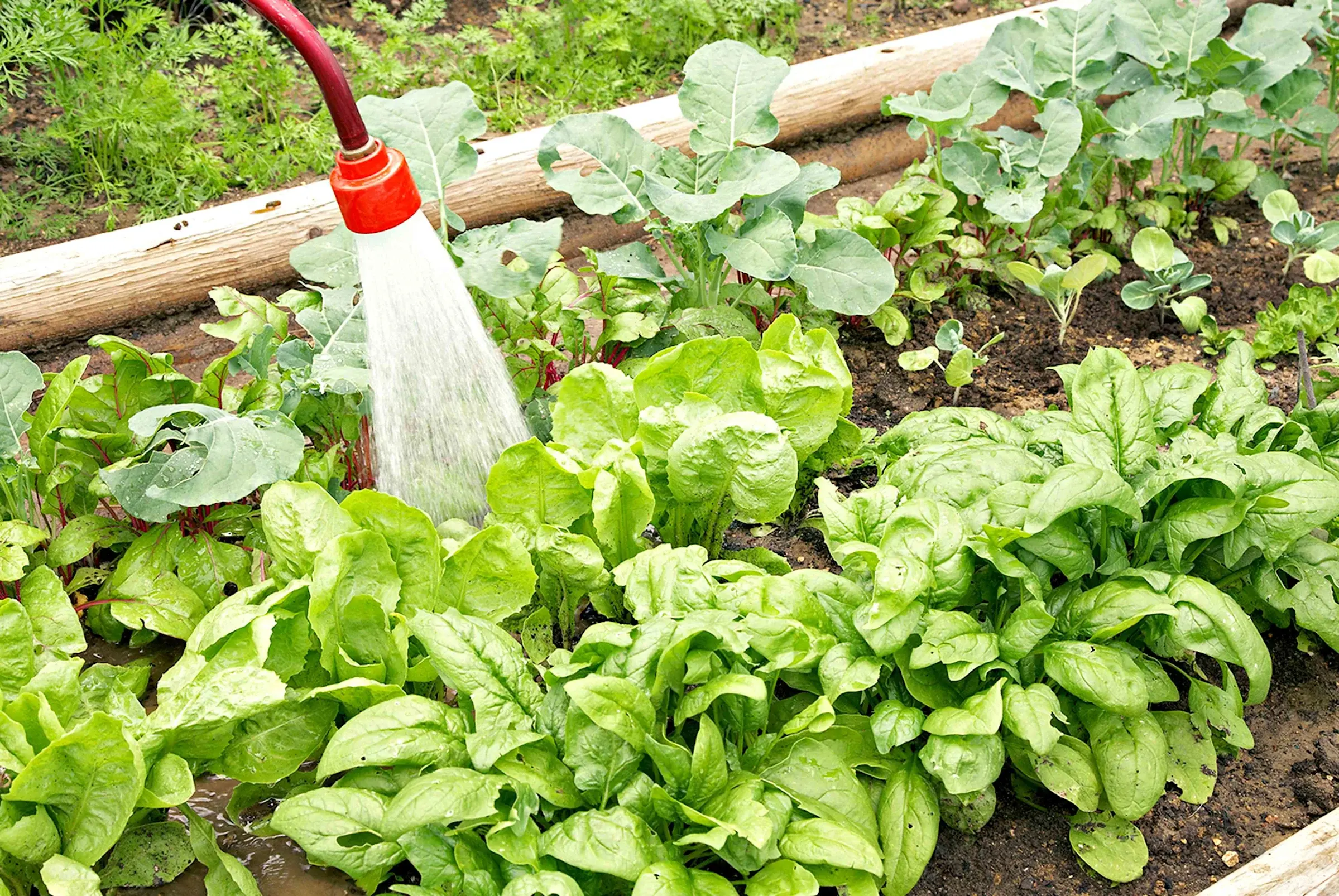
Spinach needs consistent moisture without waterlogging. The goal is keeping soil evenly moist, similar to a wrung out sponge.
Watering frequency: Water deeply 2 to 3 times per week, depending on rainfall and soil type. Sandy soil needs more frequent watering than clay soil.
Watering technique: Water at soil level, avoiding wetting foliage. Wet leaves create conditions for fungal diseases.
Morning watering: Water early in the day when foliage can dry quickly. This reduces disease risk.
During germination: Keep soil consistently moist for the first 2 weeks while seeds sprout. Do not allow the soil surface to dry completely.
Inconsistent watering causes premature bolting. When plants experience drought stress, they sense danger and rush to reproduce through flowering and seed production.
Fertilization Schedule
Spinach is a nutrient hungry crop, especially nitrogen. Nitrogen drives leaf production, which is exactly what you want.
Initial fertilization: Apply balanced fertilizer (10 10 10 or similar) at planting time, mixed into soil.
Ongoing feeding: Apply nitrogen rich fertilizer every 3 to 4 weeks. Options include:
Compost tea (gentle, slow release)
Fish emulsion (fast acting, organic)
Seaweed extract (minerals plus slow release nutrients)
Commercial spinach fertilizer (formulated specifically)
Signs of nitrogen deficiency: Yellowing older leaves, stunted growth, pale green color. If you notice these, apply liquid nitrogen fertilizer immediately for quick correction.
Organic gardeners can use composted manure worked into the soil surface. Conventional growers have commercial options from organic to synthetic fertilizers.
Weed Management Strategies
Weeds compete with spinach for water and nutrients. Regular weeding prevents yield loss.
Early weeding: Remove weeds when they are small and easy to pull. Large weeds resist removal and damage nearby spinach roots.
Mulching: Apply 1 to 2 inches of compost or shredded leaves around plants (not touching stems). Mulch suppresses weeds while retaining soil moisture.
Hoeing: Use a light hand hoe to remove surface weeds without disturbing spinach roots. Spinach roots are shallow and shallow cultivation suits them.
Hand pulling: For isolated weeds among spinach plants, hand pulling works best. Grasp weeds at the base and pull steadily.
Prevention beats removal. Keep weeds small, and they require minimal effort.
Pest and Disease Prevention
Spinach faces relatively few pest problems compared to other vegetables. However, understanding potential issues helps you act quickly.
Common pests:
Leaf miners: Tiny larvae tunnel inside leaves, creating pale blotches. Remove affected leaves promptly.
Aphids: Small soft bodied insects cluster on new growth. Spray with water to dislodge or use insecticidal soap.
Flea beetles: Tiny jumping beetles create small holes in leaves. Use row covers on young plants to prevent damage.
Disease prevention:
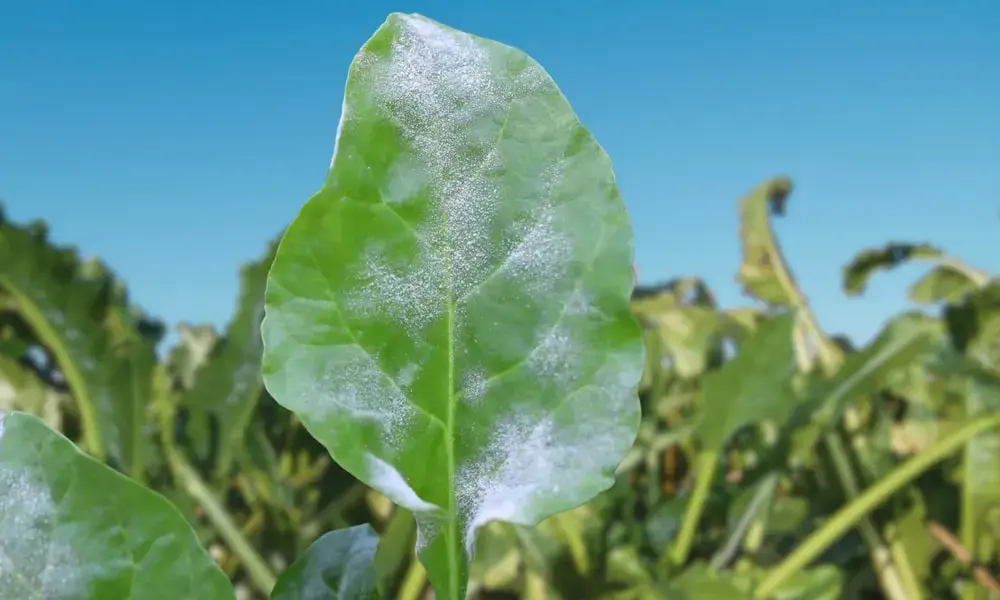
Downy mildew: This fungus shows as yellow patches on the older leaves. Provide adequate air circulation and avoid overhead watering.
Leaf spot: Brown spots with dark borders. Remove infected leaves and improve air circulation.
Root rot: Causes yellowing and wilting in wet conditions. Ensure good drainage and avoid overwatering.
Control is easy when discovered early. Inspect the plants not less than two to three times a week for any sign of pest or disease attack, then remove the affected leaves immediately.
Common Spinach Growing Challenges
Even experienced gardeners encounter spinach challenges. Understanding these issues and their solutions keeps your plants thriving.
Preventing Bolting in Warm Weather
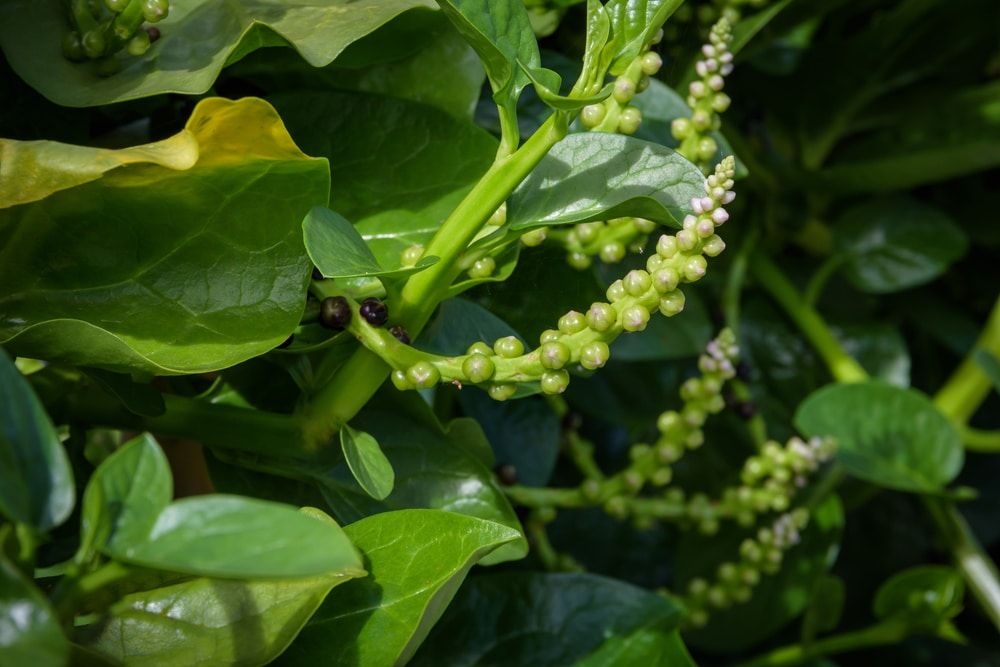
Bolting is spinach's most frustrating challenge for many gardeners. Your beautiful leaf plants suddenly send up tall flower stalks, and the leaves become bitter and inedible.
What triggers bolting: Temperatures above 75 degrees Fahrenheit, long daylight hours, and plant stress from drought or overcrowding.
Prevention strategies:
Plant bolt resistant varieties: Try Bloomsdale Long Standing or Space, bred specifically for heat tolerance.
Provide afternoon shade: Use shade cloth or plant on the north side of taller plants.
Mulch heavily: 2 to 3 inches of mulch keeps soil temperature 5 to 10 degrees cooler.
Water consistently: Drought stress accelerates bolting. Water deeply 3 times per week during warm periods.
Harvest frequently: Regular harvesting slows bolting by suggesting the plant is being grazed. Harvest outer leaves every few days.
If bolting occurs despite your efforts, pinch off flower stalks immediately. Sometimes plants continue producing edible leaves even after bolting begins.
Dealing With Bird and Insect Damage
Birds, especially sparrows, love tender young spinach seedlings. Insects can quickly defoliate plants if populations explode.
Bird protection:
Row covers: Lightweight fabric covers allow light and water through while excluding birds. Install at planting time and remove once plants are established.
Netting: Drape bird netting over plants, securing edges to prevent bird entry.
Scare tactics: Shiny objects or predator decoys sometimes deter birds, though effectiveness varies.
Insect management:
Check plants regularly for early pest detection
Remove heavily infested leaves before pest populations explode
Use organic sprays like neem oil or insecticidal soap if necessary
Encourage beneficial insects: plant flowers nearby to attract predatory insects
Most insect damage is cosmetic and does not significantly reduce yields. Small holes in spinach leaves are acceptable if the plant remains healthy overall.
Addressing Nutrient Deficiencies
Spinach reveals nutrient problems through visible symptoms.
Nitrogen deficiency: Yellowing older leaves while younger growth remains green. Address with liquid nitrogen fertilizer within days.
Iron deficiency: Yellowing of younger leaves while veins remain green. This occurs in high pH soils. Reduce soil pH or apply chelated iron spray.
Magnesium deficiency: Yellowing between leaf veins. Apply Epsom salt solution (dissolve 1 tablespoon per gallon of water).
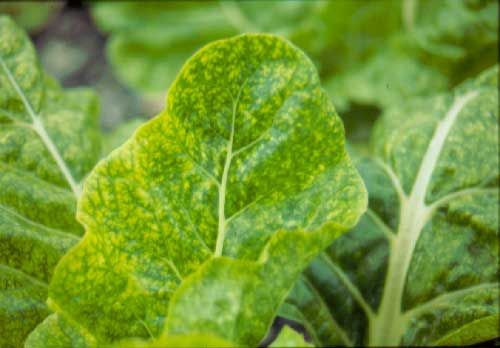
Soil testing before planting prevents most deficiency problems. But if issues appear during growth, quick action restores plant health within 1 to 2 weeks.
Troubleshooting Germination Issues
Sometimes spinach seeds fail to germinate, leaving bare spots in your planting bed.
Reasons for poor germination:
Soil too warm: Above 75 degrees prevents spinach germination. Wait for cooler weather or use shade cloth.
Soil too dry: Seeds require consistent moisture. Water gently daily until seedlings emerge.
Seeds too old: Spinach seeds lose viability after 2 to 3 years. Use fresh seeds from the current year.
Seed depth: Seeds planted too deep (over 1 inch) struggle to emerge. Plant exactly 1/2 inch deep.
Poor seed to soil contact: Firm soil gently over seeds to ensure contact. Air pockets prevent germination.
If germination fails, the solution is simple: replant. Spinach seeds germinate quickly once conditions improve, and you can have a new planting producing leaves within weeks.
Harvesting and Storing Your Spinach Crop
After weeks of care, your spinach is finally ready to harvest. Proper harvesting techniques maximize yields while extending the productive season.
When to Start Harvesting
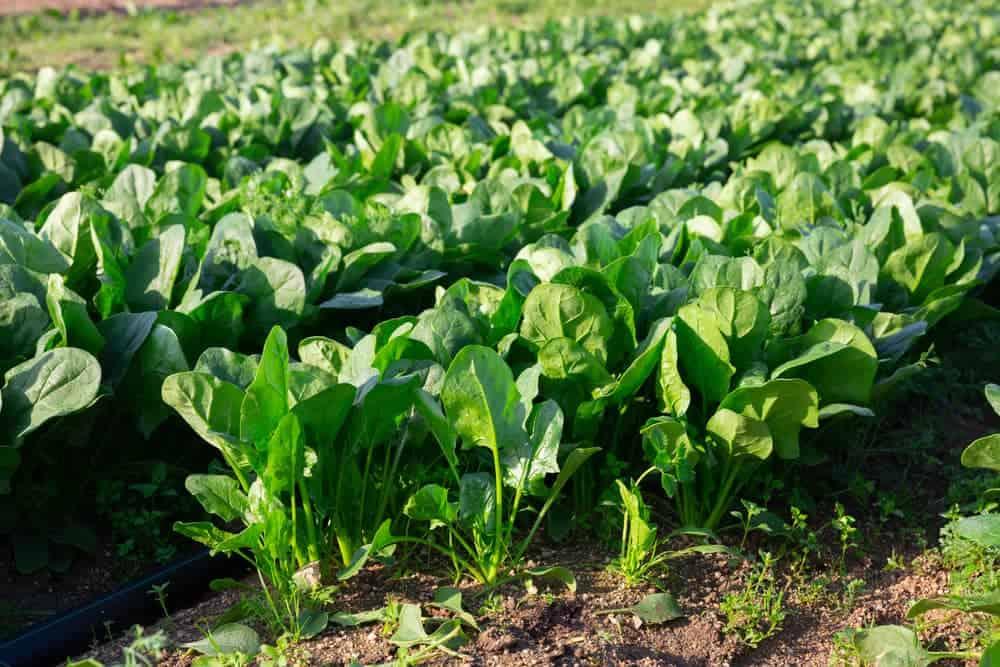
Most spinach reaches harvestable size 40 to 50 days after planting. But you do not need to wait until plants are full grown.
Baby leaf stage (25 to 30 days): Harvest when leaves are 2 to 3 inches long. Baby spinach commands premium prices and tastes wonderfully tender.
Mature leaf stage (40 to 50 days): Wait until plants have 8 to 10 mature leaves before harvesting.
Extended harvesting: Once plants reach mature size, you can harvest continuously for 2 to 3 months. Pick outer leaves regularly, allowing inner leaves to grow. This encourages continued production and delays bolting.
Best Harvesting Techniques
Proper harvesting technique ensures continued plant production and minimizes damage.
Picking method: Pinch outer leaves at the base with your fingers or use scissors. Leave the inner leaves and growing crown intact.
Harvest timing: Pick early morning when plants are hydrated and leaves are crisp. Afternoon heat causes wilting and reduces quality.
Harvest frequency: Pick leaves every 3 to 4 days during the growing season. Regular harvesting keeps plants productive and delays bolting.
Full plant harvest: When plants bolt or you want to clear the bed, pull entire plants by the roots.
Spinach Varieties Worth Growing
Different spinach varieties excel in different seasons and offer varying leaf textures and flavors.
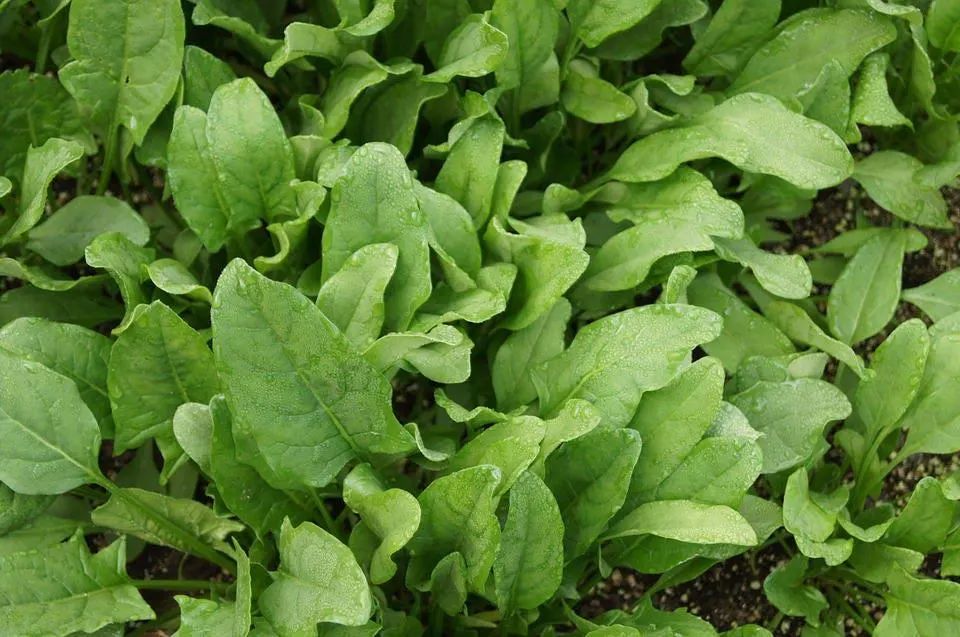
Cold Hardy Winter Varieties
Space: This variety tolerates temperatures below freezing. Space produces deeply crinkled leaves with excellent flavor. It succeeds as a winter crop in cold climates and is bolt resistant.
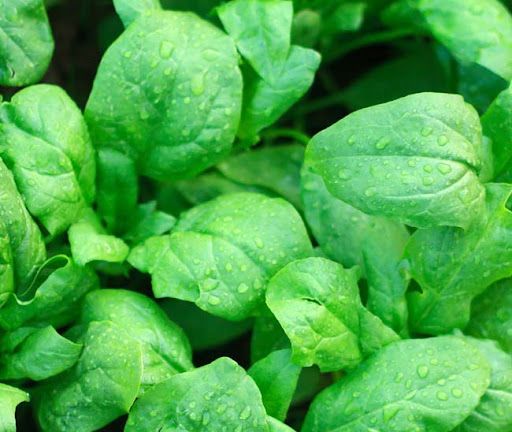
Winter Bloomsdale: A cold hardy version of the popular Bloomsdale variety. Wrinkled leaves and cold tolerance make it perfect for fall and winter gardens.
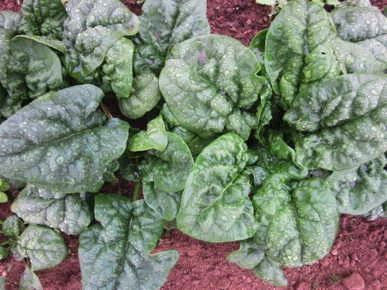
Viroflay: Originally from France, this smooth leaf variety survives cold winters while producing tender, mild flavored leaves. It handles freezing temperatures better than most varieties.
Spring Season Favorites
Bloomsdale: The classic American spinach variety with wrinkled, deeply textured leaves. Quick maturing and tender, Bloomsdale dominates spring plantings. Bolt resistance is moderate, so plant early.
Melody: A hybrid spinach with savoy leaves and exceptional vigor. Melody grows quickly, produces heavily, and resists bolting better than older varieties.
Tyee: This smooth leaf variety offers cool season reliability and excellent flavor. Tyee resists downy mildew, a common spinach fungal disease.
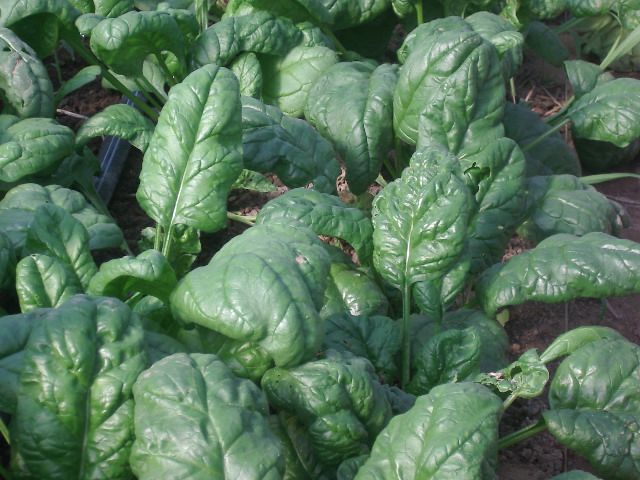
Heat Resistant Options
Bloomsdale Long Standing: Despite its name, this variety grows all season in mild climates. It tolerates heat better than standard Bloomsdale while maintaining quality.
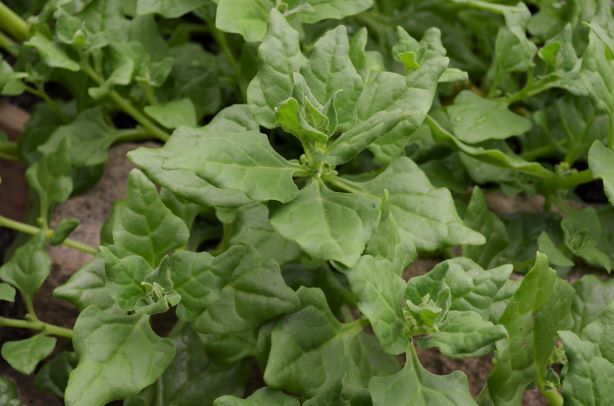
New Zealand spinach: Actually not true spinach but a different plant altogether. Heat lovers can grow this variety all summer long. Harvest leaves regularly to encourage bushiness.
If you grow only one spinach variety, Bloomsdale or Melody suit most climates and seasons excellently.
Optimize Your Spinach Growing: Technology and Tools
Your spinach grows steadily, but monitoring plant health closely prevents problems before they devastate your crop. Modern technology helps home gardeners achieve professional results.
Modern plant monitoring tools help you catch diseases, pests, and nutritional problems before they spread. Unusual leaf discoloration, spotting, or wilting can indicate issues that require immediate attention. Discover early signs of spinach problems with Plantlyze's AI powered plant diagnosis at plantlyze.com. This tool identifies diseases, pests, and nutrient deficiencies using your photos. Quick diagnosis means faster treatment and better outcomes for your spinach harvest.
Protecting your investment of time and effort makes sense. A few minutes using AI plant monitoring can mean the difference between a thriving harvest and crop failure.
Conclusion and Next Steps
Growing spinach transforms your approach to fresh vegetables. Within weeks, you experience the satisfaction of harvesting nutrient dense greens that cost pennies to produce. The combination of speed, simplicity, and nutrition makes spinach an excellent choice for beginning and experienced gardeners alike.
Your spinach journey starts with this growing season. Plant seeds in spring or fall, provide consistent care, and harvest frequently. Each season teaches you something new about optimizing your spinach production. Do not let challenges discourage you. Every gardener faces setbacks, but they make the successes that much sweeter.
Start today. Purchase seeds, prepare your soil, and plant your first spinach crop. Within weeks, you will harvest fresh spinach and experience flavors that store bought vegetables simply cannot match.
References
UC IPM (University of California Integrated Pest Management)
https://ipm.ucanr.edu/home-and-landscape/cultural-tips-for-growing-spinach/USDA National Institute of Food and Agriculture
https://www.nifa.usda.gov/BBC Good Food (Nutritionist Reviewed)
https://www.bbcgoodfood.com/health/nutrition/ingredient-focus-spinachUniversity Extension Services (Land Grant Universities)
https://extension.oregonstate.edu/ (Search: spinach growing guides)