Growing your own onions is one of the most rewarding things a home gardener can do. They are easy to care for, versatile in the kitchen, and work well in small spaces, raised beds, and containers. Whether you start from tiny seeds, little onion sets, or pre‑grown seedlings, the basics are similar and beginner friendly. And if you ever feel unsure about your plants’ health, AI‑powered tools like Plantlyze can help you diagnose issues and get personalized care tips.
Why onions are perfect for beginners
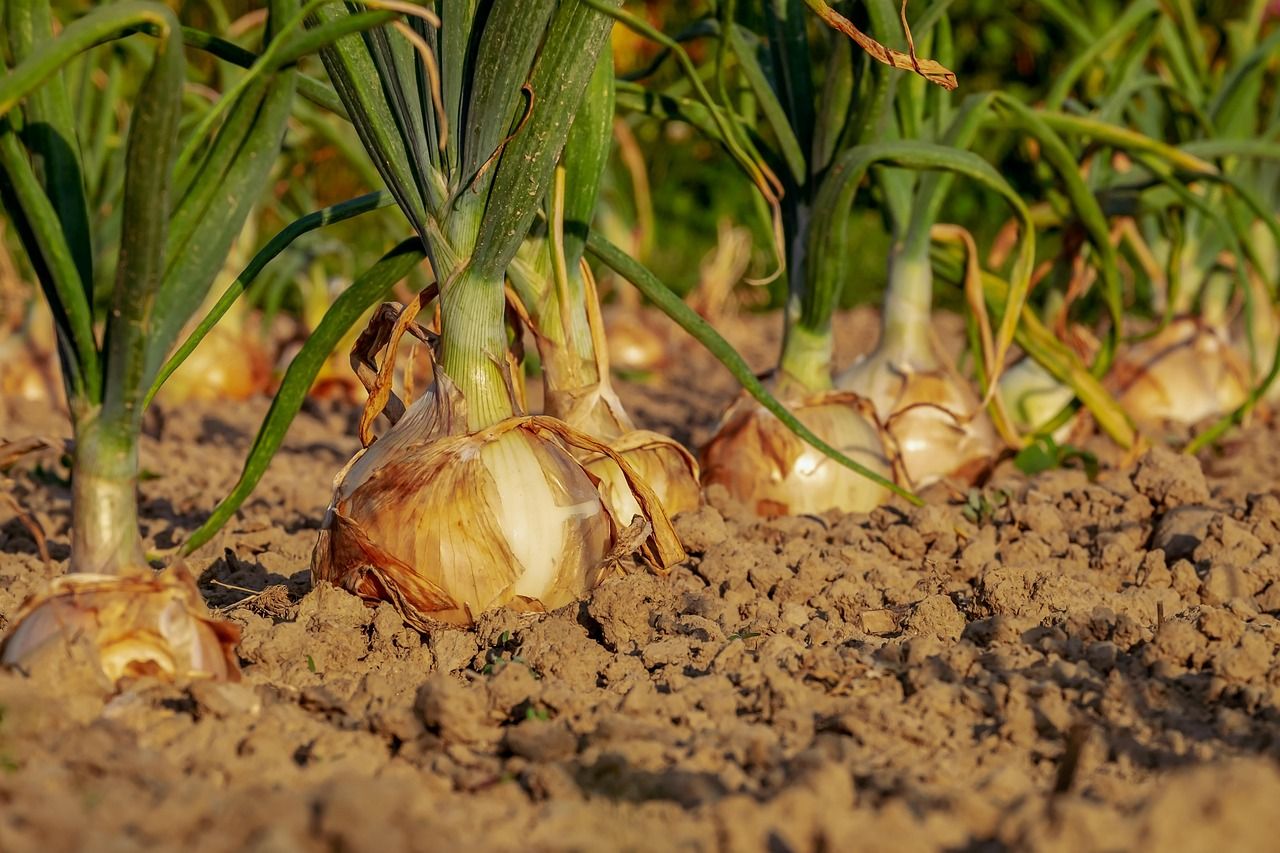
Onions are forgiving plants that tolerate a range of soil types and climates as long as their basic needs are met. They do not need a greenhouse or fancy equipment, just a sunny spot, decent soil, and some consistency with watering. You can grow them as scallions for quick harvests or as full‑size bulbs for long‑term storage.
Onions also fit well into many garden styles. You can interplant them with carrots, lettuce, or herbs, and they often help deter pests thanks to their strong scent. If you notice yellowing leaves, strange spots, or slow growth, you can upload a photo of your onion plant to an AI plant‑care app like Plantlyze to get quick diagnosis and tailored advice.
Choose the right onion type for your garden
Before you plant, it helps to know which type of onion suits your climate. The three main categories are short day, long day, and day neutral onions. Each responds differently to how many hours of daylight it receives, which affects when the bulb starts to form.
Short day onions form bulbs when days are about 10–12 hours long and are best for regions with mild winters. Long day onions need 14–16 hours of daylight and are suited to more northern areas. Day neutral or intermediate types are less sensitive to day length and can work well in many zones. If you are unsure which type to choose, many gardening resources and AI plant‑care apps can suggest suitable varieties based on your location.
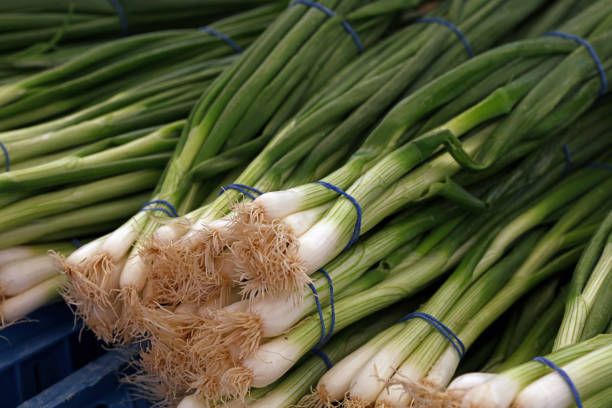
You can also decide between bulbing onions and bunching onions (scallions). Bulbing onions focus energy into a single, solid bulb you store through much of the year. Bunching onions do not form large bulbs and are often harvested young for fresh eating. They are great for small gardens and containers and can be cut repeatedly from the same plant.
Planning your onion planting time
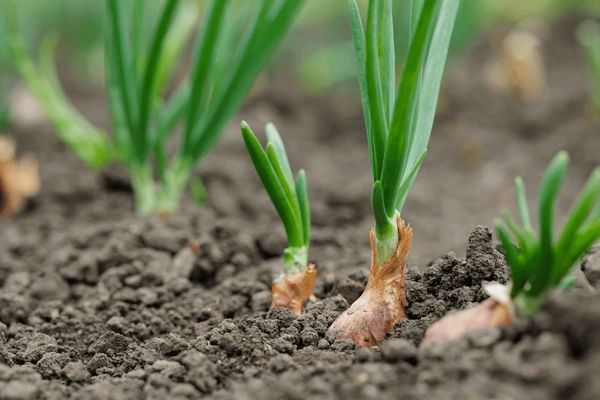
Onions are cool season crops that like to grow slowly in mild weather and then swell their bulbs as days get longer and warmer. In most areas, you can plant them in spring after the soil has begun to warm, or in fall in milder climates. The exact timing depends on your local last frost date and your chosen onion type.
As a general rule, onion seeds are started indoors about 8–10 weeks before the last expected frost. Sets and seedlings can go into the ground a few weeks before the last frost, as long as the soil is workable and not waterlogged. If you grow in a warm region, you can plant in autumn and let the plants overwinter, then finish bulbing in spring. Using a plant‑care app like Plantlyze can help you set season‑specific reminders so you do not miss the best planting window.
Preparing soil and choosing a spot
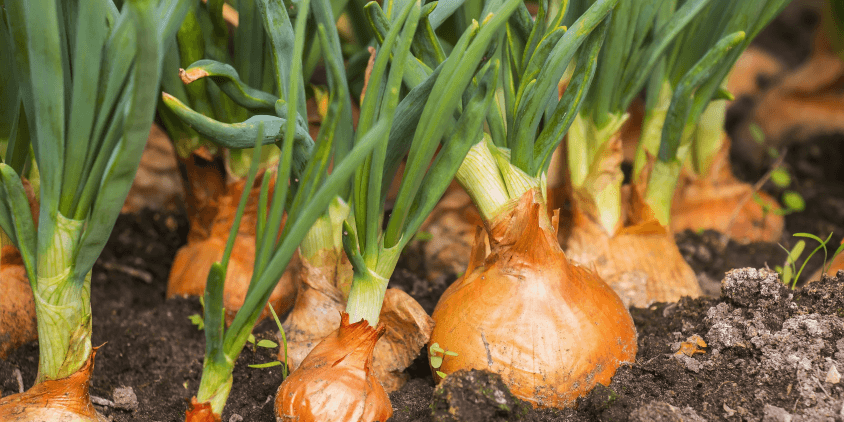
Onions thrive in a sunny, well drained spot with plenty of airflow. They need at least 6–8 hours of direct sun each day to form strong bulbs. If your garden is shaded, consider growing scallions instead or using containers you can move to sunnier areas.
The soil should be loose and free of large clumps because onions push their roots down rather than spreading widely. A light, sandy loam is ideal, but many gardeners succeed with amended clay or heavy soils as long as they add organic matter. A pH between 6.0 and 7.0 is generally fine for onions. Mix in compost or a balanced organic fertilizer before planting to give the seedlings a gentle boost.
Raised beds and containers are excellent options, especially if your ground soil is dense or poorly drained. Fill them with a mix of topsoil and compost, and avoid overcrowding. If you are adjusting your soil for the first time, an AI plant‑care tool like Plantlyze can suggest simple improvement steps based on your soil type and climate.
Starting onions from seed
Starting onions from seed gives you the widest variety of choices and is often the most economical option. However, it does require a bit of patience because onions grow slowly at first. The key is to start early enough indoors and then harden the seedlings before moving them outside.
Begin by filling trays or small pots with a seed starting mix. Sow the seeds about 1/4–1/2 inch deep, keep the soil moist, and place the trays under a grow light or in a very bright window. Aim for 12–14 hours of light per day. Keep temperatures around 65–70 °F (18–21 °C) for good germination. Once the seedlings are a few inches tall, thin them so there is enough space between each plant.
If you prefer to sow directly outdoors, wait until the soil has warmed to about 45 °F (7–10 °C). Plant the seeds shallowly, then gently thin the seedlings later to stand about 3–4 inches apart. This spacing lets each plant have room to develop its bulb without competing for light and nutrients.
Using onion sets and seedlings
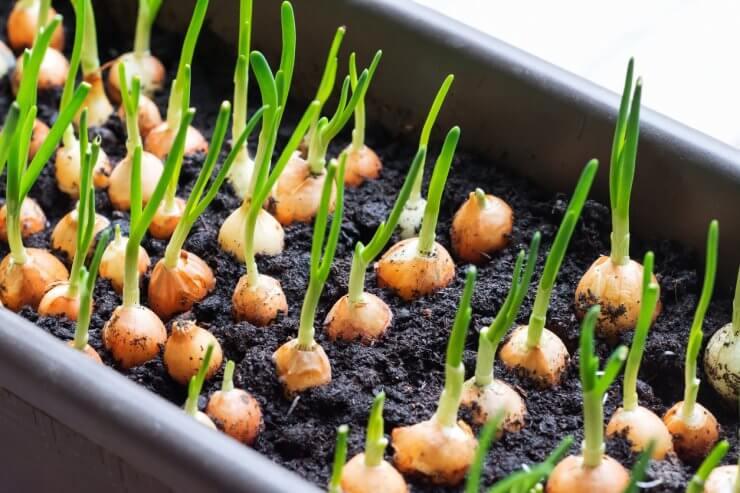
Many gardeners find onion sets easier than seeds because they are already small, pre‑grown bulbs. Sets are ready to plant in early spring and tend to produce bulbs faster than seed‑started plants. They are especially useful for beginners who want a simpler start.
Plant the sets about 1/2–1 inch deep, with the pointed end up, and space them 4–6 inches apart in rows about 12–18 inches apart. This spacing helps bulbs swell without crowding. If the soil is very cold or wet, you can set them slightly shallower and then gently push them deeper as the season warms.
If you buy onion seedlings, handle them carefully when transplanting. Gently separate the young plants so you do not damage their fragile roots, then place each in a small hole and firm the soil around the base. Water them in well and keep the bed free of weeds during the first few weeks, as onion seedlings grow slowly and can be overwhelmed by fast‑growing competitors.
Watering, feeding, and mulching
Onions prefer steady, even moisture rather than deep watering followed by long dry periods. Aim to keep the soil consistently moist, especially during the early growth stages. As the bulbs begin to swell, reduce watering slightly to avoid rot but do not let the plants dry out completely.
Light fertilization supports healthy growth without overstimulating the foliage. A balanced organic fertilizer or compost applied before planting provides enough nutrients for most home gardens. If you want to encourage larger bulbs, you can side‑dress with a fertilizer higher in phosphorus and potassium once the plants are established, following package instructions.
Mulch plays a helpful role in onion care. A layer of straw or shredded leaves helps retain moisture, suppress weeds, and keep the soil cooler. Keep the mulch loose and avoid piling it directly against the stems, which can trap moisture and encourage rot. If you notice your plants looking stressed despite watering and feeding, you can photograph them and let an AI plant‑care app like Plantlyze suggest possible fixes.
Common pests and diseases
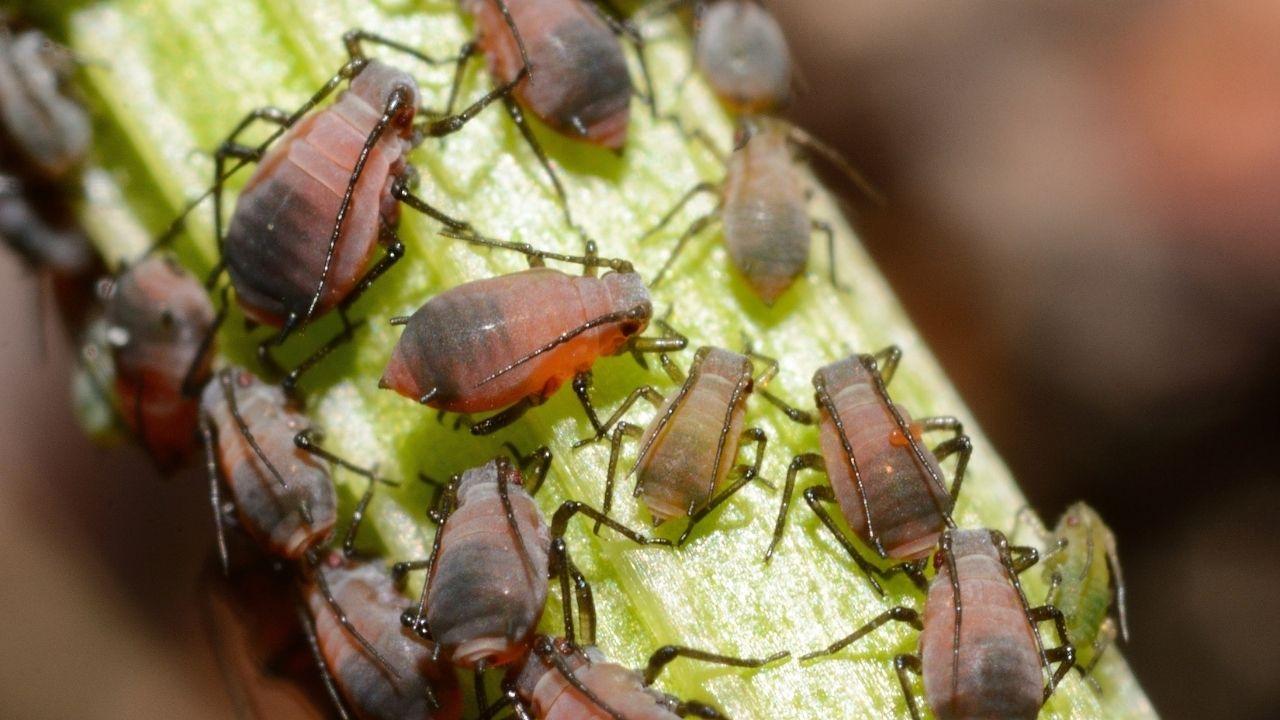
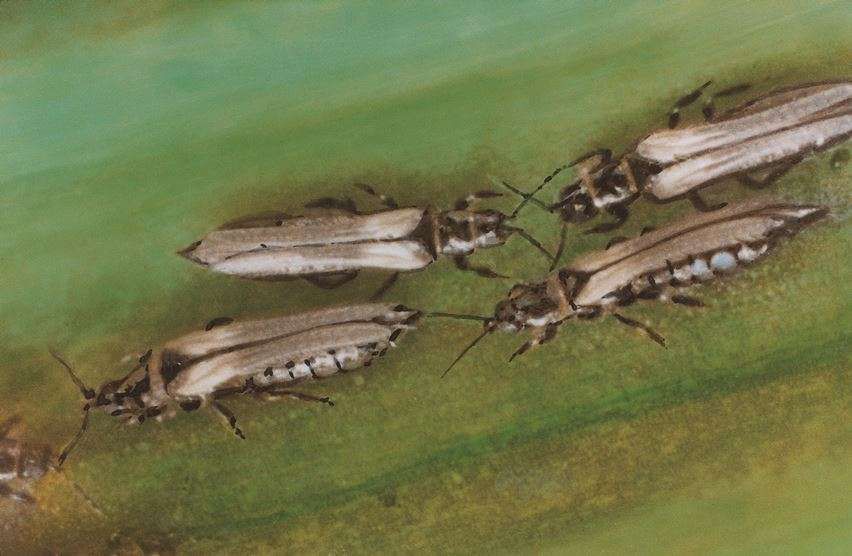
Onions are generally hardy, but they can attract a few pests and diseases if conditions are not ideal. Onion thrips and onion maggots are among the most common insect problems. These pests damage leaves and roots, which can stunt growth and reduce bulb size. Preventive measures such as crop rotation, clean beds, and avoiding overcrowding help a lot.
Fungal and bacterial diseases are often linked to moisture and poor airflow. Issues such as neck rot, downy mildew, and bacterial soft rot may appear as spots, slimy rot, or mushy bulbs. Keeping plants well spaced, avoiding overhead watering late in the day, and harvesting at the right time reduce many of these risks.
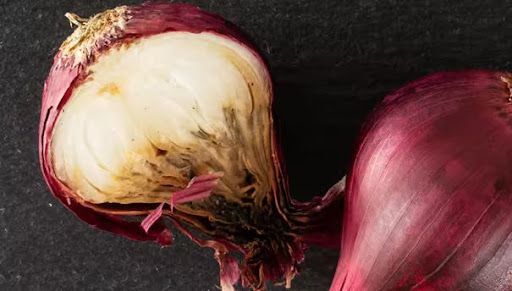
If you see unusual marks on the leaves, soft spots, or sudden wilting, take a clear photo of the affected plant and upload it to an AI‑powered diagnosis tool like Plantlyze. Such apps can help you identify whether the problem is pest‑related, fungal, bacterial, or environmental and suggest appropriate next steps.
When and how to harvest onions
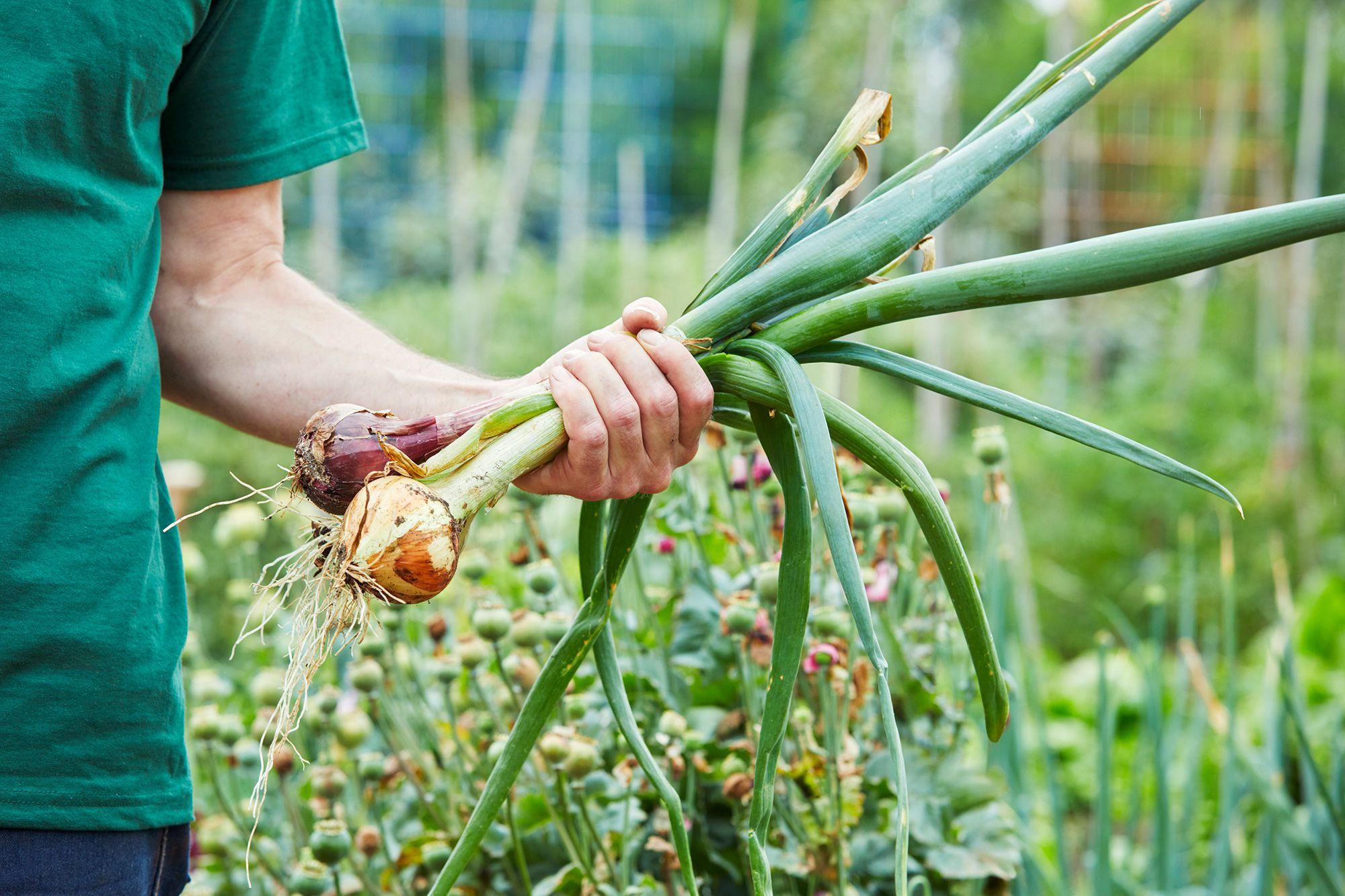
Onions are ready to harvest when the green tops begin to yellow and fall over naturally. This is a sign that the plant has stopped sending energy into the leaves and is focusing on the bulb. You can gently brush away some soil from a few plants to check the size of the bulbs without pulling them all out.
Once the tops are down, use a garden fork or trowel to lift the bulbs carefully from the soil. Avoid bruising or cutting them, as damage can shorten storage life. If the weather is dry, you can leave the onions to cure in the sun for a few hours. Otherwise, move them to a warm, airy place with good ventilation.
Storing onions for long‑term use
After harvesting, onions need to be cured so they store well. Spread them out in a single layer in a warm, dry, shaded spot for about 7–14 days. The outer skins should dry and become papery, and the necks should shrink. Once cured, trim the tops and roots to about an inch and remove any loose outer layers.
Store the onions in a cool, dry place with good airflow, such as in mesh bags or crates. Avoid plastic bags that trap moisture. Check them periodically and use any soft, bruised, or sprouting bulbs first. Properly cured onions can last for several months, depending on the variety and storage conditions.
Troubleshooting common onion problems
Even experienced gardeners occasionally run into issues with onions. Thin, weak plants may simply be overcrowded or planted in poor soil. Remedy this by thinning and adding compost or a light fertilizer. If bulbs stay small, the cause could be wrong day‑length type, too much nitrogen late in the season, or tight spacing.
Yellowing or spotted leaves often point to pests or disease. Check the undersides of leaves for insects and inspect the neck and base of the plant for rot. Poor drainage or frequent overhead watering can worsen fungal problems. If you are unsure about the exact cause, upload a clear photo of your plant to an AI plant‑care app like Plantlyze to get a quick diagnosis and simple care recommendations.
Final tips for successful onion growing
To grow healthy onions, choose the right type for your climate, plant at the correct time, and give them full sun and well drained soil. Remove weeds from the bed and keep it free of weeds. Water regularly. Watch for any pest or disease attack in its early stages. Mulch to conserve moisture as well as organic matter which will improve your soil later on.
If you are unsure whether your onions are healthy or if you simply want to be reminded when it is time to water, feed and check them for pests then try an AI plant care tool like Plantlyze. It provides instant diagnosis, personalized tips and easy tracking so users can get back to enjoying their harvests sooner rather than later. Want a little smart help growing healthier onions? Visit Plantlyze and see how AI-powered plant care supports the garden journey.
References
Growth, health, and yield of onions (Allium cepa L.) under biological treatments – PMC article
https://pmc.ncbi.nlm.nih.gov/articles/PMC12029748Growth, yield, and yield variables of onion (Allium cepa L.) varieties under different plant spacing – Scientific Reports (Nature)
https://www.nature.com/articles/s41598-022-24993-xManaging insect and plant pathogen pests with organic and conventional controls in onion – PMC article
https://pmc.ncbi.nlm.nih.gov/articles/PMC10711546Integrated Onion Pest, Disease and Weed Management – Multi‑state project overview (USDA‑funded research network)
https://nimss.org/projects/view/mrp/outline/18926Reducing the risk of onion bacterial diseases through managing irrigation – Agricultural Water Management (ScienceDirect)
https://www.sciencedirect.com/science/article/pii/S0378377423003414