Imagine walking into your garden on a warm morning and seeing deep purple eggplants shining in the sun. You know exactly how they were grown. You know what went into the soil. You know they are fresh and ready for your kitchen. The good news is that growing eggplant is not only possible for beginners, it is deeply rewarding.
This guide walks you step by step through everything you need, from seed to harvest. You will learn how to keep your plants healthy, how to avoid the most common problems, and how to pick eggplants at their best. Whenever you feel unsure, you can also lean on tools like Plantlyze, an AI powered plant care and diagnosis assistant at plantlyze.com, to help you diagnose issues quickly.
Why Grow Your Own Eggplant
Eggplant is more than a pretty vegetable. It brings color, texture, and flavor to many dishes, from grilled slices to stews and curries. Homegrown eggplant often tastes sweeter and has a better texture than supermarket options, because you pick it at the perfect moment rather than when it needs to travel long distances.
Health Benefits and Nutritional Value
Eggplants are rich in fiber and contain vitamins such as vitamin C and vitamin B6, as well as minerals and antioxidants that support general health. Growing your own means you can reduce pesticides, control what goes onto your plants, and enjoy produce that feels honest and fresh.
The Satisfaction of Growing Your Own
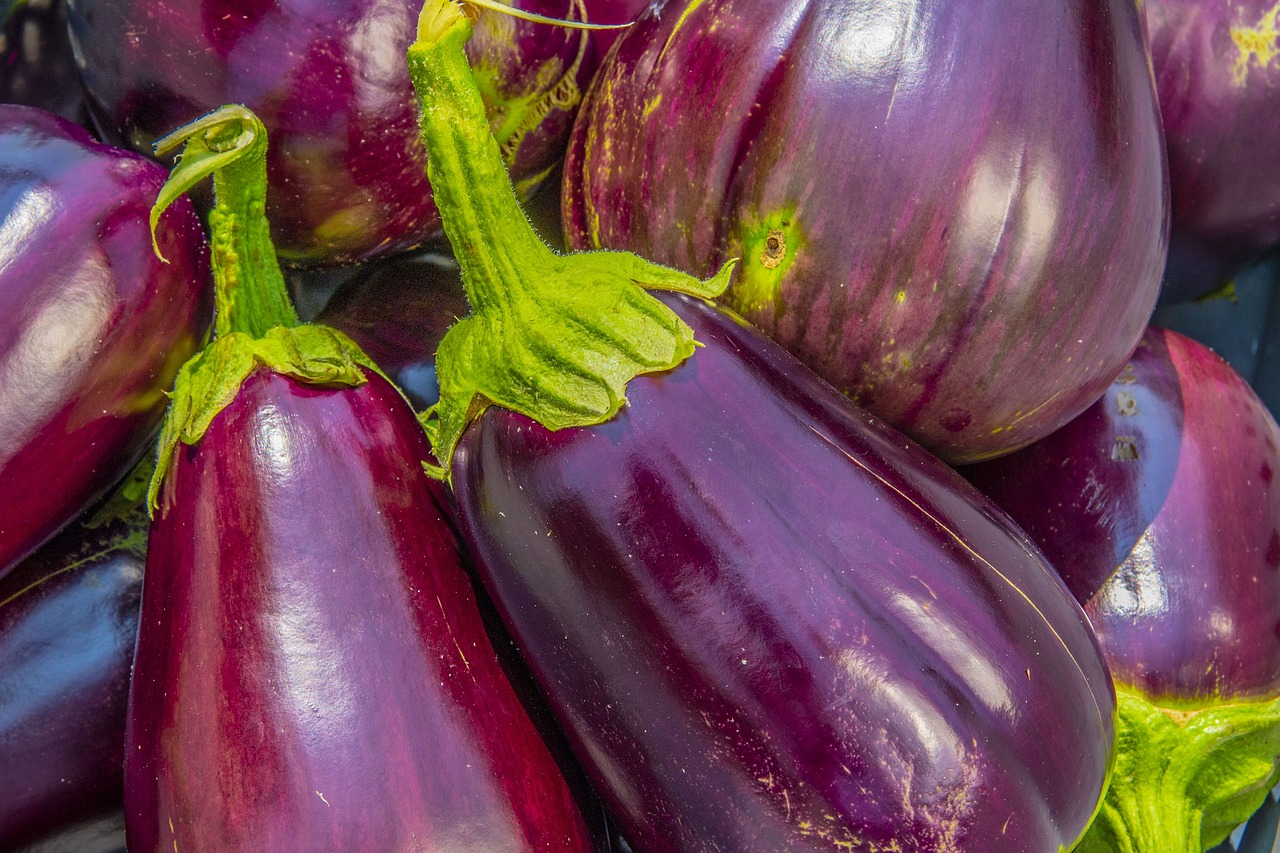
There is also the emotional side. Watching a small seed become a strong plant that feeds you is deeply satisfying. Would you like to experience that change from seed to plate in your own space?
Getting the Growing Conditions Right
Eggplant is a warm season crop. It needs heat, sun, and steady moisture to perform well. When you understand these core needs, you can avoid most frustrations.
Temperature and Climate Requirements
Eggplant grows best when daytime temperatures stay between about 20 and 30 degrees Celsius, with nights staying above 15 degrees Celsius. If the weather is too cold, growth slows and flowers may drop. If it is extremely hot and dry, buds might fall before fruit forms. In most regions, you should wait until all danger of frost has passed and soil has warmed before planting outside.
Sunlight Needs
Eggplant loves sun. Aim for a spot that receives at least six to eight hours of direct sunlight each day. Think of sun as the plant energy source. Less sun usually means weaker plants, fewer flowers, and smaller yields. If you grow on a balcony or terrace, pick the brightest spot you have and avoid heavy shade from buildings or trees.
Soil Preparation Essentials
Eggplants prefer loose, fertile soil with good drainage. A soil pH between about 5.5 and 7.5 works well. Before planting, mix in a generous layer of compost or well rotted manure to improve structure and add nutrients. You want soil that crumbles in your hand, not heavy clods.
Raised beds or mounds can help if your soil stays wet after rain. Excess water around the roots can cause rot and poor growth. On the other hand, soil that is too sandy may dry out very quickly, so compost and organic matter will help it hold steady moisture.
Water Requirements
Eggplant needs consistent moisture, especially during flowering and fruiting. As a rule of thumb, aim for about two and a half to four centimeters of water per week through rain or irrigation. Deep, less frequent watering is better than shallow, daily splashes. Check the top couple of centimeters of soil. If it feels dry, it is time to water.
Try to keep water off the leaves where possible, because wet foliage encourages diseases like leaf spots. Drip irrigation or a soaker hose along the row works very well. A layer of organic mulch, such as straw or shredded leaves, helps keep the soil cool and reduces evaporation.
Starting From Seed: Your Foundation for Success
Growing eggplant from seed takes more time but gives you access to many interesting varieties. You also gain control over the full life of your plants.
When to Plant Eggplant Seeds
Eggplant seeds should be started indoors well before your last expected frost date. Most guides recommend starting seeds about eight to ten weeks before you plan to transplant outdoors. This gives the seedlings enough time to develop strong root systems while still being manageable in pots.
Seed Starting Supplies You Need
You will need:
Seed trays or small pots with drainage
A fine seed starting mix
Clear cover or humidity dome
Labels for varieties
A warm place such as a heat mat or warm indoor room
Access to bright light or grow lights
Step by Step Seed Starting Process
First fill your trays or pots with moist seed starting mix. Make sure the mix is moist but not soggy. Sow the eggplant seeds about one centimeter deep. Cover them lightly with mix and gently press the surface.
Cover the tray with a clear lid or plastic wrap to hold humidity. Place it in a warm spot. Eggplant seeds germinate best when the soil stays around 24 to 30 degrees Celsius. A heat mat under the tray is extremely helpful.
Check daily. Keep the mix slightly moist. You can water from the bottom by placing the tray in a shallow container of water for a short time then removing it. This encourages roots to grow downward and avoids disturbing the seeds.
Germination usually takes about eight to fourteen days, sometimes longer if temperatures are cooler. Once you see sprouts, remove the cover and move the tray to a bright window or place it under grow lights for at least twelve to sixteen hours of light per day. Without strong light, seedlings become tall and weak.
When seedlings develop their first true leaves, thin them so that only one strong plant remains in each cell or pot. You can cut the weaker ones at soil level with scissors instead of pulling them, which protects the roots of the remaining seedling.
Caring for Seedlings
Keep seedlings in evenly moist soil and give them plenty of light. A gentle fan or lightly brushing your hand over them once or twice a day can help them grow sturdy stems. About two weeks before transplanting outdoors, begin the process of hardening off. This means slowly introducing your seedlings to the outdoor environment.
Start by placing them outside in a sheltered, shaded spot for an hour or two, then bring them back inside. Each day, increase the time and light exposure. After about a week to ten days, they will be ready to stay outside full time.
Transplanting Your Eggplant Seedlings
Once the weather and soil are warm, it is time to transplant your eggplant to the garden or containers.
Preparing Your Garden Bed
Pick a sunny bed that has not grown other nightshade crops like tomatoes, peppers, or potatoes in the last couple of years. This crop rotation helps reduce soil borne diseases. Remove weeds and loosen the top twenty to twenty five centimeters of soil. Mix in compost and, if needed, a balanced slow release fertilizer according to package instructions.
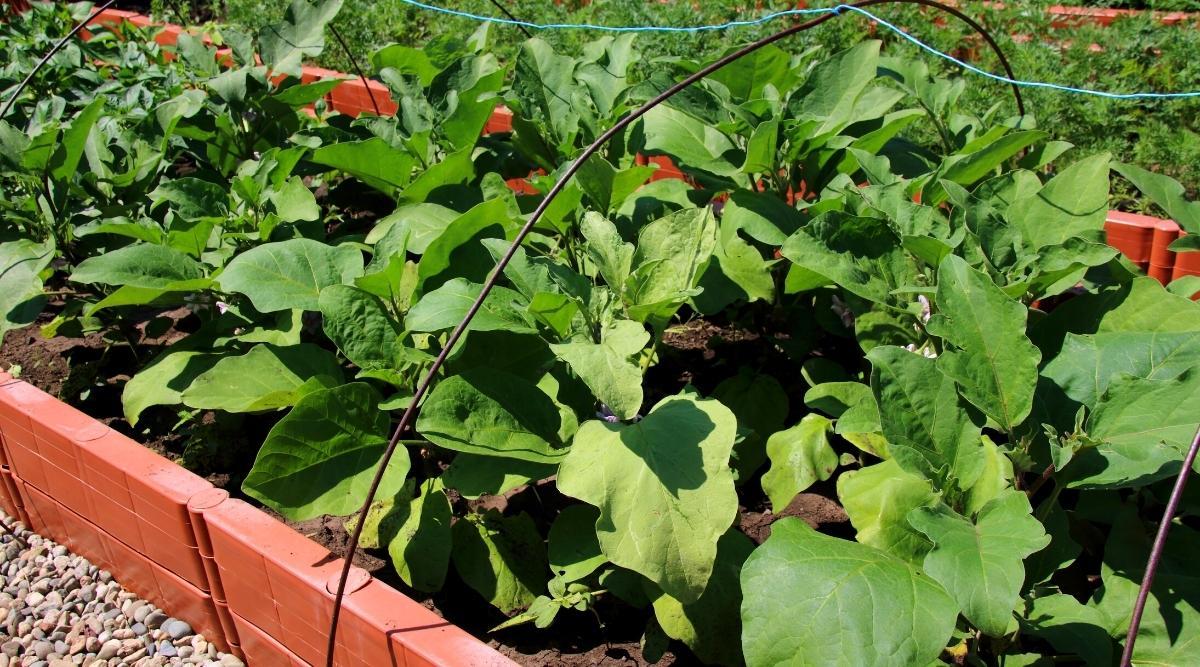
Eggplants generally do well with spacing of about forty five to sixty centimeters between plants in the row and seventy five to ninety centimeters between rows, depending on the variety and your available space. This spacing gives each plant room for good air flow and light.
Container Growing Alternative
If you do not have garden beds, eggplant can also thrive in containers. Choose a pot that holds at least about twenty liters of soil, with drainage holes at the base. Fill it with a high quality potting mix rather than garden soil, since potting mixes drain and aerate better.
Place the container where it receives full sun. Containers dry out faster than garden beds, so expect to water more often. During hot spells, you may need to check moisture morning and evening.
Planting Your Seedlings Outdoors
Choose a mild, cloudy day if possible, or plant in late afternoon so seedlings do not face full midday sun immediately. Dig holes slightly larger than the seedling root balls. Gently remove each plant from its pot, trying not to disturb the roots too much.
Set the seedling at the same depth it grew in the pot. Backfill with soil and press lightly to remove air pockets. Water well around each plant. At this moment, it is a smart idea to insert stakes or a small cage next to each plant. Eggplants with heavy fruit can fall or branch break later if they are not supported. Doing this at planting time avoids root damage later.
Caring for Your Eggplant Throughout the Growing Season
Once your plants are established, regular but simple care will keep them thriving.
Watering Schedule and Tips
Eggplant prefers steady moisture. Check soil frequently and water when the top few centimeters feel dry. Deep watering once or twice a week is usually better than shallow daily watering. In hot weather, containers may need watering every day.
Try to water at the base of the plant to keep foliage dry. Combined with good spacing, this reduces the risk of fungal diseases.
Feeding Your Eggplant Plants
Eggplants are moderate to heavy feeders. Before planting, soil compost and a balanced fertilizer provide a base. During the season you can side dress with compost or use a balanced liquid fertilizer every three to four weeks.
Once the plants begin to flower, a fertilizer with a little more phosphorus and potassium can support fruit development. Too much nitrogen encourages lush leaves but fewer fruits. If you notice very leafy plants with few flowers, this can be a sign that nitrogen is too high.
Mulching for Success
A layer of organic mulch around the base of each plant helps in several ways. It conserves moisture, keeps soil temperature more stable, and limits weed growth. Keep mulch a small distance away from the main stem to prevent rot.
Pruning for Better Yields
Pruning eggplant is not always required, but gentle pruning can improve air flow and help plants focus energy on quality fruit. Many growers remove small shoots that emerge between main branches, similar to tomato suckers.
You can keep two or three strong main stems and remove weaker side shoots and any leaves that touch the ground. This reduces disease risk and makes it easier to see and harvest fruit. Do not over prune. Think in terms of guiding structure rather than stripping growth.
Managing Pests and Diseases
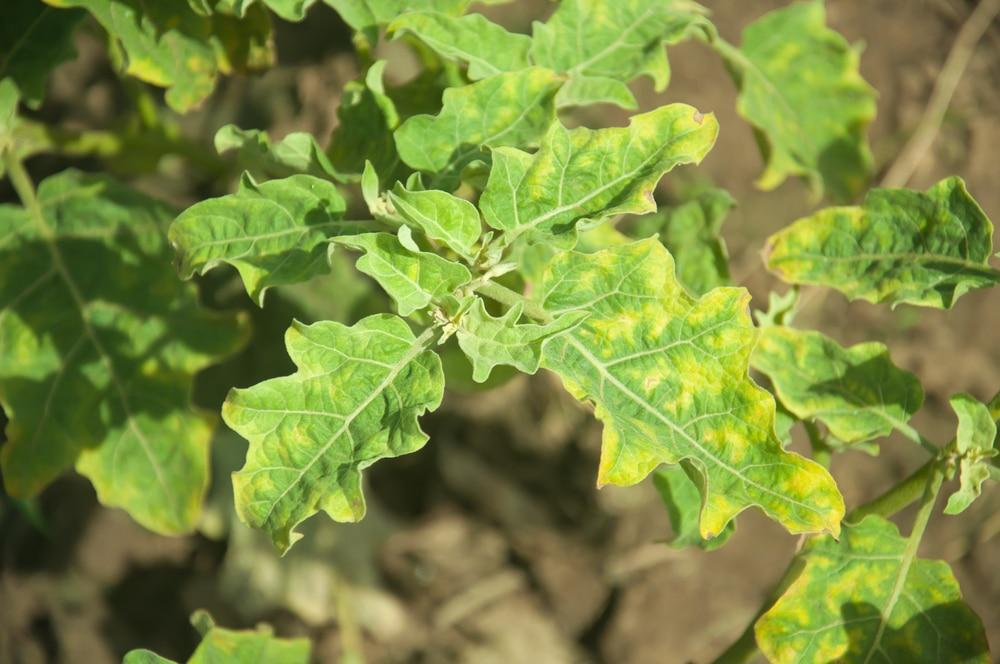
Eggplants can be visited by pests such as flea beetles, aphids, spider mites, and Colorado potato beetles. You might notice tiny holes in leaves from flea beetles or sticky honeydew from aphids. Regular monitoring is your best tool.
Light infestations can often be managed by spraying plants with a strong jet of water to dislodge insects or using insecticidal soap or neem oil products, following label instructions. Floating row covers over young plants protect them during early growth when they are most vulnerable to flea beetles. Good spacing, crop rotation, and removal of plant debris at the end of the season also reduce disease pressure.
If you notice unusual spots, discoloration, or wilting and are not sure of the cause, you can take clear photos and upload them to plantlyze.com. Plantlyze uses AI to compare your photo with many plant issues and suggest likely causes and care options. This can save you time when you are not certain whether you are seeing a nutrient issue, a pest, or a disease.
From Flowering to Harvest: Fruit Development Phase
Once your plants have settled in and grown, you will begin to see purple or white flowers appearing on stems. This is an exciting stage.
When Flowers Appear
Eggplant typically begins to flower about eight to twelve weeks after germination, depending on temperature and variety. Each flower can form a fruit if conditions are favorable. Eggplants are mostly self fertile, which means each flower can pollinate itself, but gentle movement from wind or insects improves pollination.
Supporting Heavy Fruit
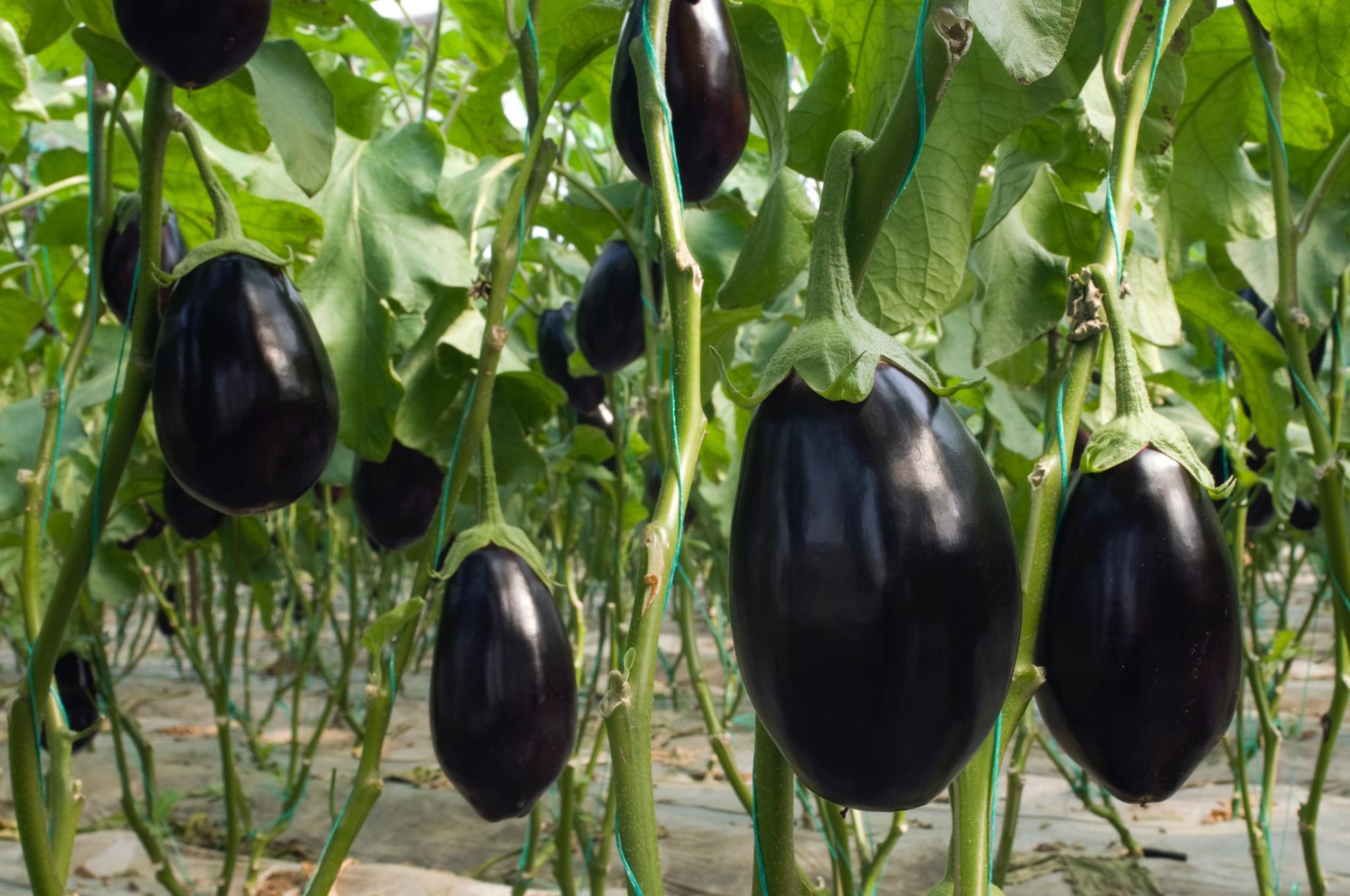
As small fruits develop, they increase weight quickly. That is why early staking or caging is important. Use soft ties to attach stems to stakes so you do not damage the plant. Make sure the support system can carry the weight of several mature fruits without bending.
Encouraging Pollination and Healthy Fruit Set
Flowers may drop without forming fruit if plants are stressed by cold nights, very high temperatures, irregular watering, or nutrient imbalance. Keeping soil moisture steady and using mulch helps reduce stress. If plants are in a sheltered place with few insects, gently tapping stems or shaking the plant can help release pollen and improve fruit set.
Monitoring Fruit Development
As fruits grow, watch for any discoloration, spots, or boring holes. These can signal pests or diseases that are better addressed early. If you see something worrying, this is again a moment when Plantlyze can help. A quick photo analysis can narrow down possible problems and suggest clear next actions.
Harvesting Eggplant at Peak Ripeness
Knowing when to harvest is key to getting the best flavor and texture.
When Your Eggplant Is Ready to Pick
You do not have to wait until eggplants are huge. In fact, slightly smaller fruits often taste better and have fewer seeds. Most varieties are ready to harvest about sixty to eighty days after transplanting, or roughly seventy to ninety days from planting, depending on weather and cultivar.
Look for fruits with glossy, firm skin and a uniform rich color. If the skin looks dull and seeds inside turn dark and hard, the fruit is past its prime and may taste bitter. A simple test is to press the skin lightly with your thumb. If it springs back gently, the fruit is ready. If the mark stays, it may be over mature.
Harvesting Techniques
Use a sharp knife or pruning shears to cut the stem a short distance above the fruit. Do not try to pull or twist, as this can damage the plant. Handle the fruit gently to avoid bruises.
How Much You Can Expect to Harvest
A healthy plant can produce several fruits over the season. Many home gardeners can expect roughly six to twelve fruits per plant, sometimes more under ideal conditions. Regular picking encourages more flowers and new fruits. Check plants every few days once harvesting begins.
Diagnose and Solve Eggplant Issues with Confidence
Even with good care, plants sometimes show symptoms that are hard to interpret. Leaves may yellow in unusual patterns. Fruits may show sunscald or rot spots. Rather than guess, you can use technology to support your decision.
Plantlyze is an AI powered plant care and diagnosis tool that helps you identify what is affecting your eggplant based on photos. You simply take a clear image of the leaf, stem, or fruit, upload it at plantlyze.com, and receive likely diagnoses along with tailored care suggestions. This is especially helpful if you are new to gardening or if you grow several plant species and cannot remember every possible issue.
By combining classic gardening practices from trusted guides with modern tools such as Plantlyze, you gain both traditional wisdom and instant support when something looks off.
Your Eggplant Growing Journey Starts Now
You have now walked through the full journey of growing eggplant. You know that warmth, plenty of sun, healthy soil, steady moisture, and gentle support are the main ingredients. You have seen how timing, spacing, and careful transplanting give seedlings the best possible start. You understand that regular checks for pests and diseases, combined with good cultural practices, keep your plants productive.
Growing eggplant is not about perfection. It is about paying attention, learning from each season, and enjoying the process. When questions or strange symptoms appear, tools like Plantlyze at plantlyze.com can help you move from confusion to clear action in a few minutes instead of hours of searching.
If you start your seeds on time, watch your watering, and harvest when fruits are glossy and springy, you will soon be cooking with your own homegrown eggplants. Are you ready to prepare your seeds or pick your first sunny garden spot today?
References
NSW Department of Primary Industries - Growing eggplants
https://www.dpi.nsw.gov.au/__data/assets/pdf_file/0004/126292/eggplant-growing.pdfProvince of British Columbia - Eggplant production guide
https://www2.gov.bc.ca/gov/content/industry/agriculture-seafood/agriservice-bc/production-guides/vegetables/eggplantAUSVEG - Eggplant growing guide
https://ausveg.com.au/app/data/technical-insights/docs/Eggplant-Growing-Agfact-H8.1.29.pdfSeed Savers Exchange - Growing guide: eggplant
https://seedsavers.org/grow-eggplant/University of Minnesota Extension - Growing eggplant in home gardens
https://extension.umn.edu/vegetables/growing-eggplant