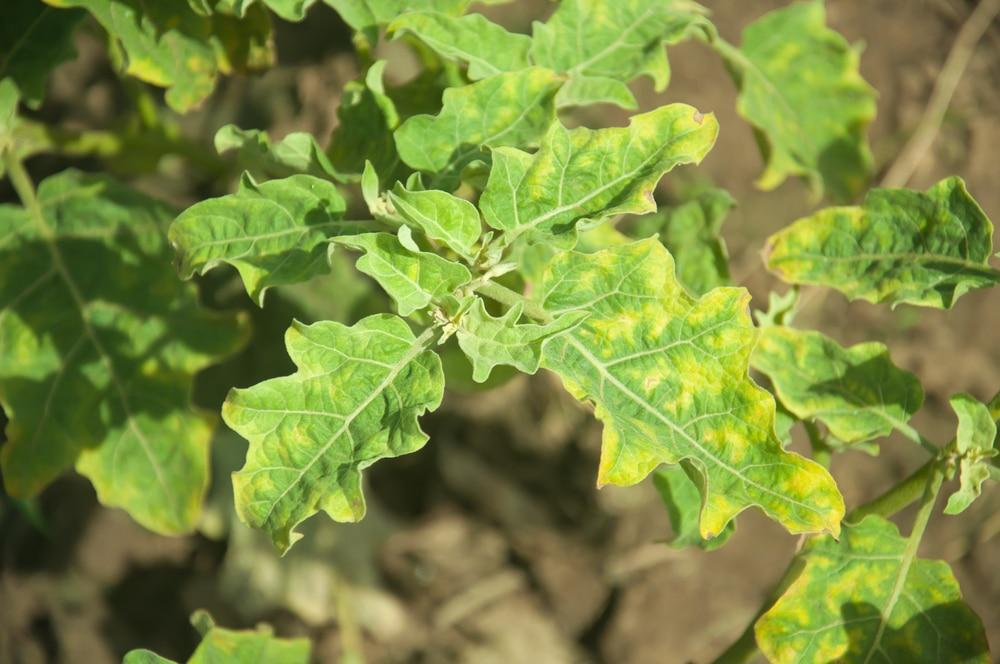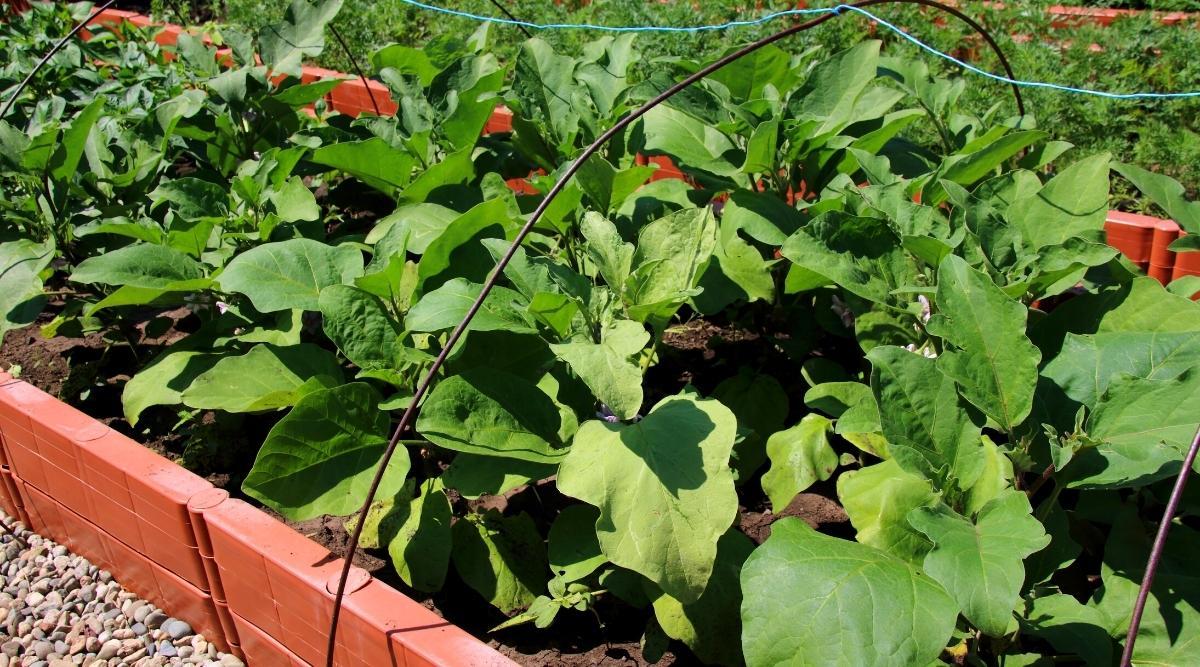
White powder on eggplant leaves can feel like a disaster waiting to happen, especially when plants were looking healthy just days before. Eggplant powdery mildew does not always kill plants outright, but it slowly drains their energy, reduces fruit quality, and can spread through an entire garden in a short time if ignored.
The good news is that this disease is both recognizable and manageable with the right mix of prevention and treatment. This guide explains how to spot powdery mildew early, why it appears, and how to control it using practical cultural methods and organic solutions. For growers who want faster and more accurate diagnosis, AI powered tools like Plantlyze can also help identify eggplant problems early and suggest tailored care steps, which saves valuable time during the growing season.
Identifying Powdery Mildew on Eggplant Plants
Visual Signs to Look For
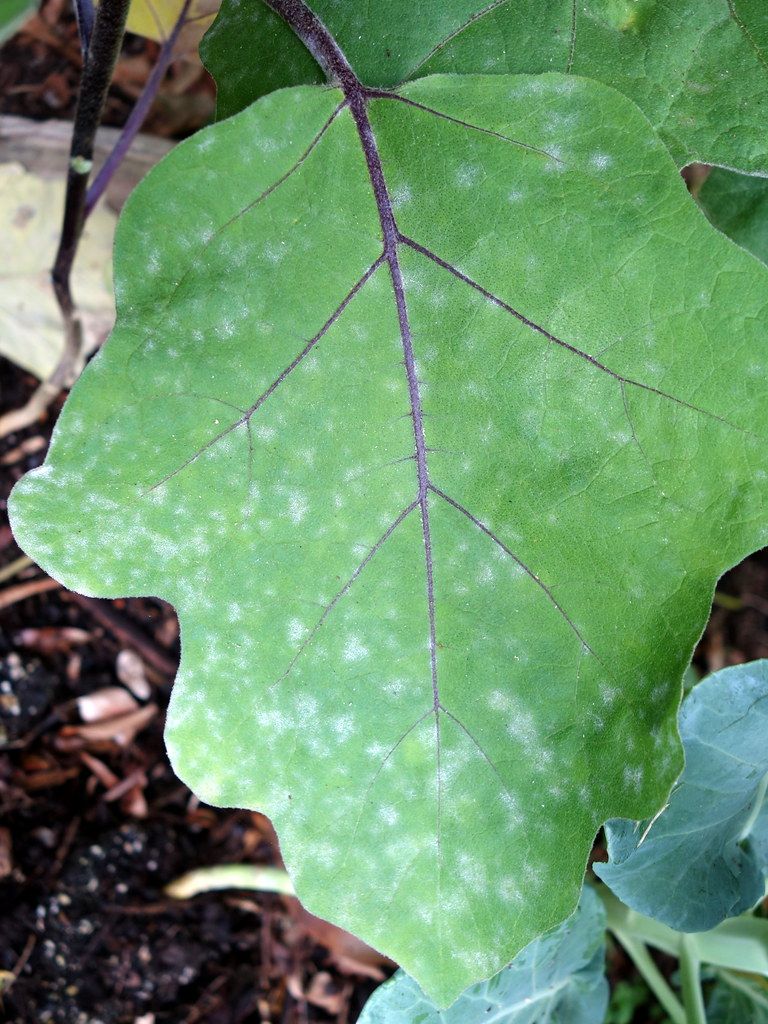
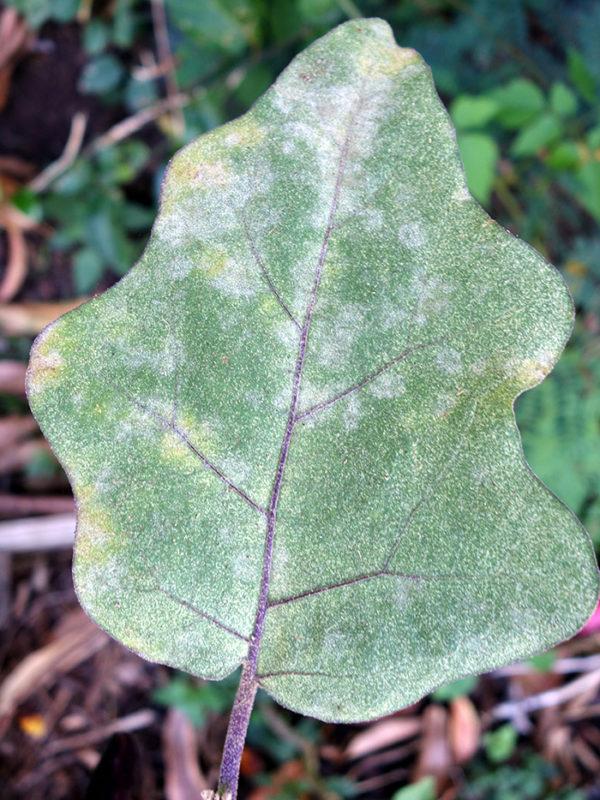
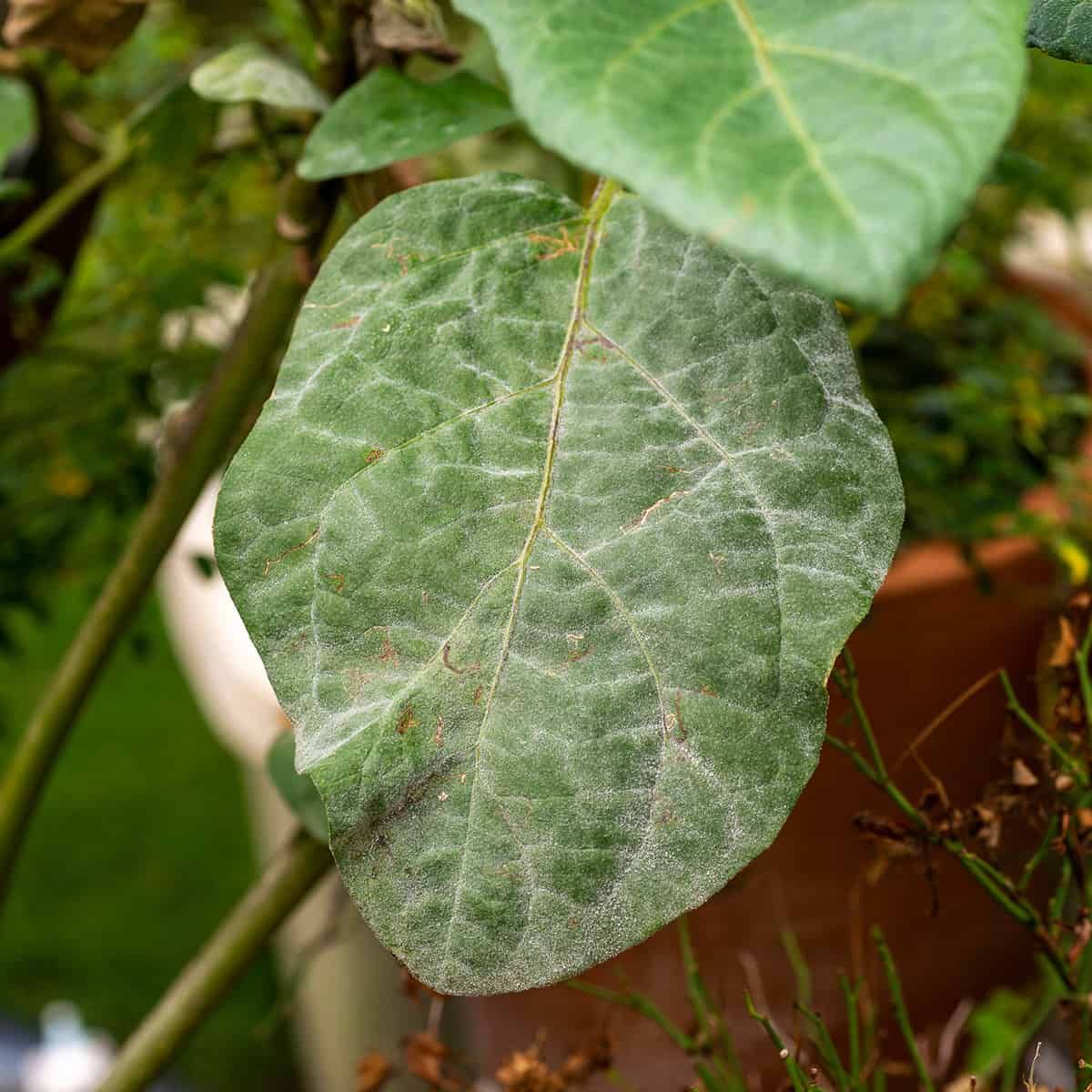
Powdery mildew gets its name from the white, talcum like coating it leaves on the foliage. On eggplant, the first warning often appears as small circular white spots on the upper side of older leaves. These spots gradually expand and can join together until large areas look as if they are dusted with flour.
As the disease progresses, the coating may turn more gray in appearance and can spread to stems and sometimes even to the fruit. Severely affected leaves can yellow, curl, and eventually dry out and drop. This leaf loss weakens the plant and can expose fruits to sunscald, reducing both yield and quality.
In mild cases the infection may stay patchy, but in warm and humid conditions it can spread across a planting very quickly, especially when plants are closely spaced or leaves are already touching between plants.
What Causes This Disease
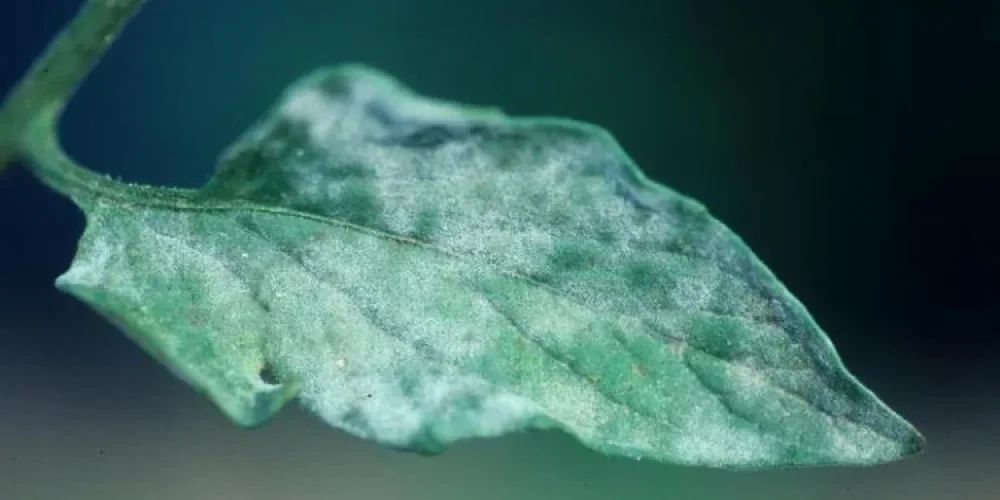
Eggplant powdery mildew is caused by a group of fungi that thrive on the leaf surface. In many vegetable crops the main culprits belong to species such as Podosphaera xanthii and Leveillula taurica. These fungi produce large numbers of airborne spores that travel on wind currents and can land on healthy plants, especially when nearby hosts are already infected.
The fungus does not need standing water to infect, which makes it different from many other leaf diseases. In fact, it can infect leaves under relatively dry daytime conditions as long as nights are humid and temperatures are moderate. The pathogen survives between seasons in infected plant material and volunteers, waiting for suitable conditions to restart the cycle.
Why Early Detection Matters
Powdery mildew is much easier to manage when caught early. Light infections can often be stopped or significantly slowed with timely fungicide sprays, biological controls, and cultural practices. Once leaves are fully covered, control is more difficult and the plant may not recover fully even after treatment.
Regular inspection of eggplant leaves, especially lower and inner foliage, plays a key role. Using an AI powered diagnosis tool such as Plantlyze helps gardeners quickly confirm whether suspicious spots on eggplant leaves are really powdery mildew or another problem. Early clarity supports faster decisions about treatments and prevents unnecessary sprays while also reducing the chance of losing a large portion of the harvest.
Why Eggplants Get Powdery Mildew
Environmental Conditions That Favor Infection
Powdery mildew on eggplant appears most often when weather conditions create a perfect environment for the fungus. The disease favors moderate temperatures, often between about sixteen and twenty six degrees Celsius, with relatively high humidity during the evening and early morning hours.
Crowded foliage where leaves overlap holds moisture for longer periods and slows air movement. This allows spores that land on the leaves to germinate and penetrate more easily. Shaded areas in the garden where plants receive less direct sunlight tend to stay damp longer and thus support more severe outbreaks.
Overhead irrigation that wets the foliage may not be required for infection, but it often raises humidity levels in the canopy and can splash spores around the planting. Eggplants grown under plastic covers or in protected structures that have poor ventilation are also at higher risk, especially when temperature swings between day and night cause condensation on leaf surfaces.
Plant and Management Factors
The risk of powdery mildew also depends on how the crop is managed. Plants that are stressed by nutrient imbalance, irregular watering, or root damage are less able to resist infection. High levels of nitrogen encourage lush, soft leaf growth, which many fungi, including powdery mildew pathogens, colonize more easily.
Closely spaced eggplants with dense canopies hold more humidity and are harder to scout thoroughly, which means infections can become well established before growers notice them. Leftover plant debris from previous seasons can also harbor the fungus and serve as an inoculum source for the next crop if not removed or buried effectively.
Prevention: Stopping Powdery Mildew Before It Starts
Prevention is often more effective and less expensive than trying to cure a heavy infection. A good prevention plan combines plant spacing, sanitation, careful watering, and variety selection.
Smart Spacing and Improved Air Flow
Proper spacing is one of the simplest and most reliable prevention tools. Extension guidelines typically recommend leaving enough space between eggplant plants and rows so that air can move freely through the canopy. Wider spacing allows leaves to dry faster after dew or watering, reducing the time that fungi have to infect.
As plants grow, removing some of the lower leaves or crowded inner foliage can further increase air circulation. Staking or trellising eggplants supports upright growth, keeps fruits off the soil, and helps prevent leaves from overlapping excessively. Regularly checking for intertwined branches and thinning them where needed keeps humidity lower around the plants, making the environment less favorable for powdery mildew development.
Better Irrigation Practices
Water management makes a major difference in disease risk. Drip irrigation or soaker lines that deliver water directly to the soil around the root zone are preferable to overhead sprinklers. These systems keep foliage drier, which limits the ability of fungi to spread and germinate on leaves.
Watering early in the morning is generally better than watering late in the day. Morning irrigation gives leaves a chance to dry quickly as temperatures rise and air movement increases. Avoiding frequent light watering that keeps the surface damp for long periods and aiming for deeper, less frequent watering promotes stronger root systems and healthier plants overall.
Choosing More Tolerant Varieties
While no eggplant variety is completely immune to powdery mildew, some cultivars show better tolerance than others. Seed catalogs and local extension services often list varieties that perform more reliably under disease pressure in specific regions. Choosing cultivars with noted disease tolerance gives growers a head start in integrated management.
Whenever possible, combining tolerant varieties with good spacing and preventive treatments often leads to noticeably less disease, even in seasons when conditions favor mildew development.
Sanitation and Garden Hygiene
Good field and garden sanitation breaks the disease cycle. At the end of the season, infected eggplant plants should be removed and destroyed rather than left to decompose on the soil surface. Composting heavily infected material is risky because the compost pile may not reach temperatures high enough to kill all spores.
Weeds and volunteer plants in the same family as eggplant can sometimes host powdery mildew and act as reservoirs. Keeping the area around eggplant plantings weed free reduces this risk. Cleaning pruning tools with alcohol or another disinfectant between use on different plants further limits the chance of mechanically spreading pathogens.
Avoiding Excess Fertilization
Excessive nitrogen fertilization produces lush, succulent growth that many fungal diseases exploit. Using balanced fertilizers based on soil test results helps eggplants grow vigorous but not overly soft foliage. Balanced nutrition supports stronger natural defenses against powdery mildew and other diseases.
Organic Treatment Methods for Eggplant Powdery Mildew
Even with careful prevention, powdery mildew can still appear in certain seasons. Organic methods offer effective ways to reduce disease while keeping residues friendly for home gardens and small scale markets.
Biological Control with Beneficial Fungi
Biological fungicides based on beneficial fungi, such as certain strains of Trichoderma, are increasingly used in vegetable production. These beneficial organisms can colonize the plant surface and the root zone, where they compete with pathogens for space and nutrients. Some strains also directly attack the pathogen structures and induce the plant’s own defense responses.
Field trials in different crops have reported substantial reductions in powdery mildew severity when Trichoderma based products are applied preventively and repeated at appropriate intervals. One study documented reductions in disease severity of over eighty percent compared to untreated controls, while also improving plant vigor.
For best results biological products are usually applied early, before heavy infection, and repeated regularly according to label directions. Early morning or late afternoon applications help protect the beneficial spores from intense sunlight and heat.
Baking Soda Based Sprays
Baking soda sprays are a popular home garden option against powdery mildew. When combined with a mild liquid soap and water, sodium bicarbonate alters the surface conditions on the leaf in ways that make it more difficult for powdery mildew fungi to grow. Research has shown that these sprays can be effective as part of a regular management program, especially on light infections and as a preventive measure.
A common recipe used by many gardeners involves dissolving baking soda in water with a small amount of gentle soap to help the solution spread and stick. Sprays should cover both the upper and lower surfaces of leaves, and repeated applications are usually needed every week or so while conditions favor disease.
Milk Solutions
Sprays made with diluted milk have been studied for powdery mildew management in several crops. Research on vegetables and ornamentals has shown that low concentration milk solutions can reduce disease severity, possibly through a combination of direct effects on the fungus and stimulation of natural plant defenses.
Growers typically prepare a solution with a small proportion of milk mixed into water and apply it to the foliage of affected plants at regular intervals. This approach is often considered safe, inexpensive, and suitable for home gardens, though consistency of application is important for good control.
Neem and Other Plant Based Oils
Neem oil and similar plant based oils are widely used as broad spectrum organic treatments. They can interfere with spore germination and help protect new foliage from infection. When used as labeled, these oils can contribute to powdery mildew suppression, especially when applied at the first signs of disease.
Care should be taken to avoid spraying during very hot periods or in direct intense midday sun to reduce the risk of leaf burn. Regular applications at intervals recommended on the product label can keep disease pressure lower and are often combined with other organic methods in an integrated plan.
Potassium Bicarbonate Products
Potassium bicarbonate is another contact fungicide permitted in many organic systems. Studies have shown that sprays based on this compound can rapidly kill powdery mildew spores on the leaf surface and significantly reduce visible symptoms.
These products are often most effective when applied early and repeatedly at the first sign of infection. They may also offer some nutrient benefits due to the potassium content. Combining potassium bicarbonate sprays with good cultural practices often leads to notable improvements in disease management outcomes.
Sulfur Based Treatments
Sulfur has been used for centuries as a fungicide and remains a standard organic option for powdery mildew on many crops. It works best as a protectant, which means it prevents spores from germinating on treated surfaces rather than curing heavily infected leaves.
Sulfur can be applied as a dust or as a sprayable formulation. It should not be used during very hot weather because it can cause leaf burn at high temperatures. When applied correctly, sulfur usually provides good control on susceptible foliage and can be integrated into rotation with other organic sprays to reduce the chance of resistance.
Physical Removal of Infected Leaves
In small plantings, simply removing the worst infected leaves can significantly slow the spread. When diseased foliage is carefully pruned and sealed in bags before disposal, there are fewer spores to move to healthy plants. This method is especially useful at the earliest stage, when only a few leaves show symptoms.
After removal, it is important to disinfect cutting tools and avoid handling healthy plants immediately, since spores can travel on hands and equipment. Combining leaf removal with one of the organic sprays described above gives the remaining foliage better protection.
Integrated Management Plan Across the Season
Successful control of powdery mildew usually comes from combining several strategies rather than relying on a single product.
Before Planting
Preparation begins even before the new eggplant crop goes into the ground. Removing plant debris from previous seasons, managing weeds, and, where feasible, using crop rotation reduce the background level of pathogens in the soil and nearby vegetation.
Whenever possible growers can also improve soil health through the addition of compost and organic matter, which supports diverse beneficial microbes. Selecting varieties with good disease tolerance and planning row layout for strong air flow create a strong foundation for later management.
During the Growing Season
Once plants are established, regular monitoring becomes critical. Checking both upper and lower leaf surfaces once or twice a week during favorable weather helps catch small infections before they expand. AI diagnosis tools such as Plantlyze can support this monitoring by quickly analyzing leaf photos and suggesting likely causes, helping growers differentiate powdery mildew from other look alike issues.
At the first sign of infection, a preventive program using biological products, baking soda sprays, milk solutions, or plant based oils can begin, following product guidelines. Maintaining drip irrigation, pruning crowded foliage, and keeping plant spacing open reinforce the effect of these treatments.
When an Outbreak Appears
If powdery mildew becomes well established, more frequent treatments and stricter sanitation are usually required. Heavily infected leaves should be removed and disposed of, and organic fungicides applied at shorter intervals until new growth appears clean.
In more severe outbreaks growers may need to combine methods, for instance using a biological fungicide in rotation with potassium bicarbonate or sulfur based sprays. Careful record keeping on what worked, how often applications were made, and weather conditions helps refine future strategies.
When to Seek Extra Help
Sometimes powdery mildew continues to spread despite home treatment efforts. This can happen when weather is extremely favorable for the disease, when infections go unnoticed for a long time, or when plants are already heavily stressed. If more than half of the planting shows symptoms or if fruit quality declines sharply, it may be worth seeking additional guidance.
Local extension services, crop consultants, or experienced horticulturists can review the specific situation and suggest improved management tactics. Tools like Plantlyze provide another layer of support by helping gardeners quickly assess disease severity from photos and pointing them toward relevant cultural and treatment strategies tailored to their crop and region.
Take Action Now to Protect Your Eggplant Harvest
Eggplant powdery mildew is a common challenge, but it does not have to ruin a season. By understanding what the disease looks like, why it appears, and how environmental and management factors influence it, gardeners and small scale growers can take steps that significantly reduce risk.
Balanced fertilization, good plant spacing, careful irrigation, and strong sanitation all go a long way in preventing outbreaks. When powdery mildew does appear, integrating organic treatments such as biological fungicides, baking soda sprays, milk solutions, plant based oils, potassium bicarbonate, and sulfur can keep the disease in check and protect the majority of the harvest.
For growers who want quick confirmation and personalized guidance without spending hours reading technical documents, Plantlyze offers AI powered plant care and diagnosis support. By uploading a simple leaf photo, users can get help identifying powdery mildew and receive tailored suggestions for cultural and treatment options. Visit Plantlyze dot com to explore this tool, save time in diagnosis, and support healthier eggplants and other crops throughout the season.
Steps to Further Improve Readability Before Publishing
To make this article even more reader friendly on Plantlyze, consider the following final polishing steps during editing:
Add engaging, descriptive subheadings that speak directly to reader concerns, such as questions and problem statements
Break longer paragraphs into two wherever a natural pause or topic shift appears
Use bold formatting for important phrases like key actions, time sensitive steps, and main concepts
Insert one or two short example stories, such as a gardener noticing white spots after a rainy week and the steps taken to fix the issue
Add a short checklist or quick action summary near the end for readers who skim
Include a few high quality images of healthy and infected eggplant leaves to visually reinforce identification
Run the text through a readability check to confirm that sentence length and word choice are comfortable for a wide audience
These adjustments will help ensure that the article feels approachable, easy to scan, and helpful for both beginner and experienced growers.
References
Plant Pathology & Quarantine Journal
Link: https://plantpathologyquarantine.org/pdf/PPQ_14_1_9.pdfTransgenic Research (NIH/PubMed)
Link: https://pubmed.ncbi.nlm.nih.gov/28070852/Clemson University Cooperative Extension
Link: https://hgic.clemson.edu/factsheet/eggplant-insect-pests-diseases/UC Davis Integrated Pest Management
Link: https://ipm.ucanr.edu/home-and-landscape/powdery-mildew-on-vegetables/pest-notes/NC State University Cooperative Extension
Link: https://content.ces.ncsu.edu/verticillium-wilt-of-tomato-and-eggplant