Growing eggplant is one of the most rewarding experiences for home gardeners. These beautiful plants produce abundant fruit throughout the summer and fall, yet they require specific care conditions to thrive. Whether you are a beginner just starting your gardening journey or an experienced gardener looking to expand your vegetable patch, this complete guide covers everything you need to know about growing eggplant successfully. From starting seeds indoors to harvesting your first glossy fruits, we will walk you through each step of the process.
Starting Your Eggplant Journey: Seeds Versus Transplants
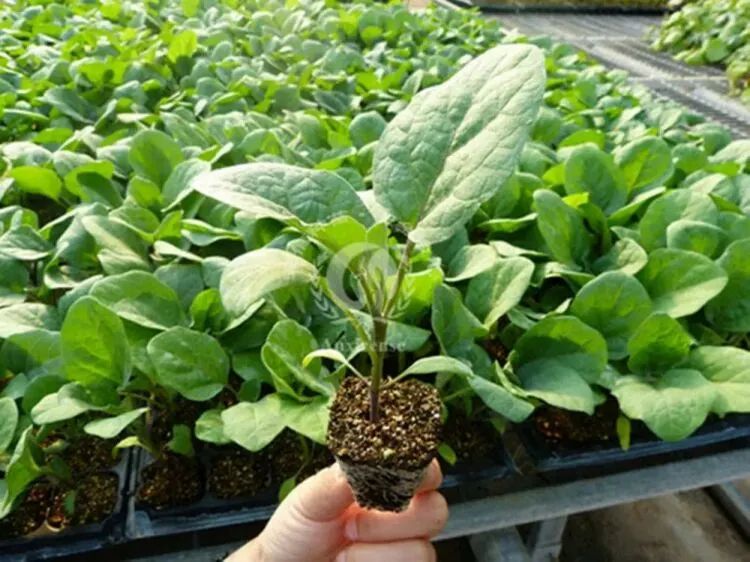
You have two options when it comes to getting eggplants into your garden. You can start from seed or purchase transplants from a local nursery. Starting from seed gives you access to a wider variety of cultivars and is more economical, though it requires more time and attention during the early growing stages.
If you choose to start from seed, begin indoors about 8 to 10 weeks before your last spring frost date. Sow seeds one-quarter inch deep in sterile seed-starting mix and keep the soil temperature between 75 and 85 degrees Fahrenheit using a seedling heat mat. Eggplant seeds germinate slowly compared to other vegetables, typically taking 10 to 12 days to sprout. Once germination occurs, remove the plastic cover and place seedlings under bright grow lights to prevent them from becoming tall and spindly. Keep the soil consistently moist but not waterlogged.
When seedlings reach about 4 inches tall, pot them up into slightly larger containers filled with nutrient-rich seed-starting mix. Keep giving twelve to fourteen hours of light daily and keep the place warm. About seven to ten days before your supposed transplant date, start hardening them off by placing them outside-say for one hour in a sheltered shaded location-and gradually increase exposure to direct sunlight and outdoor elements.
If you prefer a quicker route, purchasing transplants from a nursery is perfectly acceptable. Look for sturdy plants that are compact and up to 1 foot tall, with healthy green leaves and no signs of wilting or pest damage. Avoid plants that are already flowering, as removing those flowers will help direct energy into root establishment.
Soil Preparation: The Foundation for Success
Soil quality determines whether your eggplants will produce abundantly or struggle through the season. Start by testing your soil to understand its composition and nutrient content. Eggplants prefer slightly acidic to neutral soil with a pH between 5.5 and 6.5, though they can tolerate pH levels up to 7.0.[1] A simple soil test kit from your local garden center or through your university extension office will guide your amendments.
Eggplants like well-draining loam soil full of organic material. Plant them by mixing the top 6 to 8 inches of soil with 2 or 3 inches of compost, aged manure, or any organic matter. This will help in drainage, provide needed nutrients, and make the land capable of holding steady moisture. In nearly clayey land add more compost and use raised beds so that there is good draining. In nearly sandy land add extra compost for water holding.
Phosphorus and potassium! These two elements should really show high readings on your test because they build big strong blooms and fruits. Nitrogen makes leaves, so do not overfertilize with a high nitrogen content at the time you are planting. Mulch each plant heavily-as much as 2 to 3 inches-with organic matter such as wheat straw or shredded leaves. This will complete the job of helping maintain good steady moisture and temperature in the soil until warm summer rains begin falling.
Location and Lighting: Where to Plant
Eggplants are heat-loving plants that demand full sun and warm conditions to produce well. Choose a location that receives at least 6 to 8 hours of direct sunlight daily, though more sunlight is always better. Inadequate light results in slow growth and reduced fruit production.
Temperature is equally critical. These plants grow best with daytime temperatures between 80 and 90 degrees Fahrenheit and nighttime temperatures between 70 and 80 degrees Fahrenheit. Soil temperature is particularly important, and plants will not grow vigorously if soil is too cold. In cooler climates, use black plastic mulch to absorb and retain heat around the plant base. Avoid planting in areas exposed to strong winds, which can damage flowering branches and reduce fruit set.
In northern regions with shorter growing seasons, plant eggplants in a south-facing location where they receive maximum heat and light. Protect young transplants from unexpected late spring frosts with floating row covers. If nighttime temperatures remain below 50 degrees Fahrenheit, delay planting and wait for more stable warm weather. Trying to grow eggplant in cool conditions is one of the most common mistakes home gardeners make.
Transplanting and Support Systems
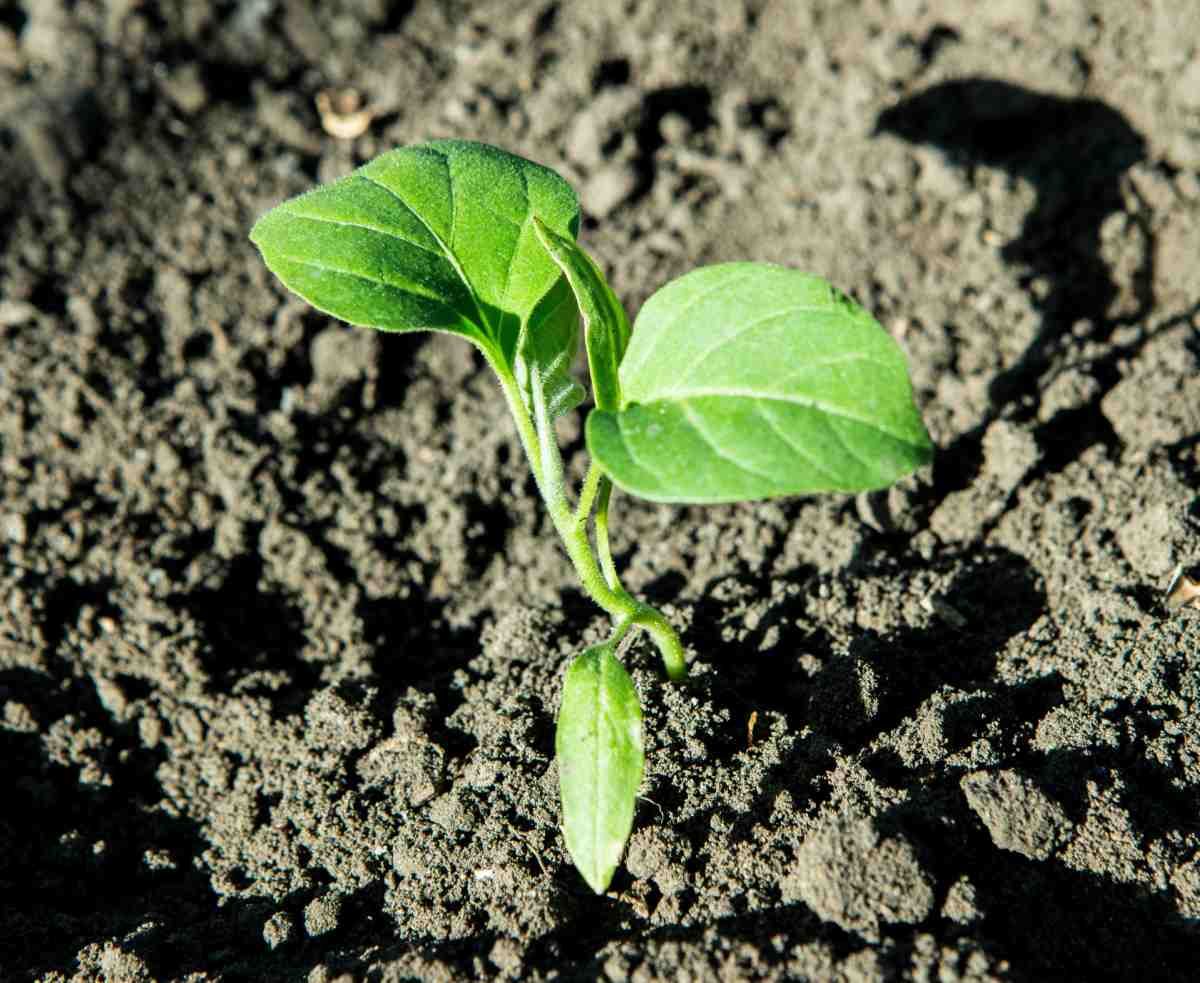
Timing your transplant correctly determines whether your plants will establish well. Wait until both daytime and nighttime temperatures are consistently warm. Eggplants should be planted only after nighttime temperatures stay above 50 degrees Fahrenheit, and ideally when soil has warmed to at least 60 degrees Fahrenheit.
If your transplants are already flowering or setting fruit at the time of planting, pinch off all flowers and developing fruits. This seems counterintuitive, but removing these early flowers redirects energy into root development and a stronger overall plant structure, which results in higher yields later in the season.
Space transplants 18 to 24 inches apart in rows at least 24 inches apart. Plant at the same depth they were growing in their containers, being careful not to bury the stem. Do not remove leaves from the stem to plant deeper, as this practice stresses the plant unnecessarily. Water thoroughly immediately after transplanting to settle soil around the roots and eliminate air pockets.
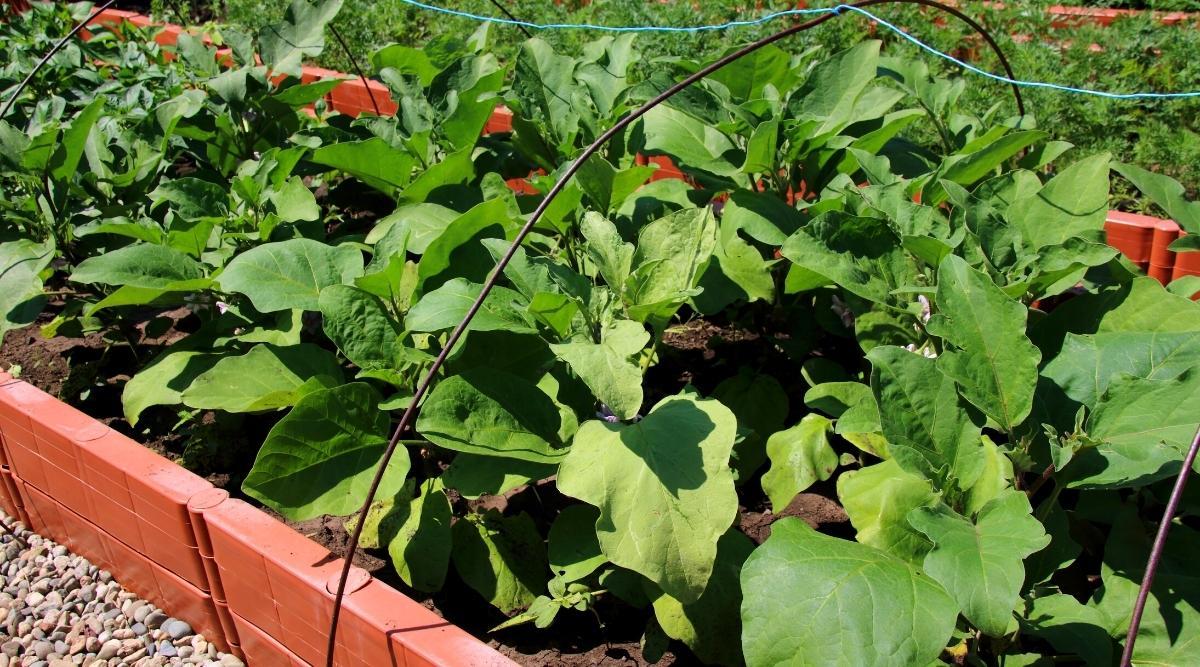
Install support systems at planting time rather than waiting until plants become too large. Eggplants are laden with heavy fruit and require support to prevent branches from breaking. Drive sturdy stakes beside each plant and loosely tie the main stem with soft ties, allowing room for stem growth. Alternatively, use tomato cages specifically rated for heavy crops. The investment in proper support prevents fruit from touching soil where rot and pests become problematic.
Watering: Keeping Your Eggplant Happy
Proper watering is critical for eggplant success. These plants consist of about 92 percent water and require consistent moisture throughout the growing season. The general rule is to provide 1 to 2 inches of water per week, but the amount and frequency depend on rainfall, temperature, and soil type.
Rather than frequent shallow waterings, which encourage shallow root systems and weak plants, provide one deep soaking per week. Eggplants are deep-rooted, about two feet down into the soil. Make sure your watering reaches that depth. Use the finger test to check if watering is needed: push your finger into the soil up to the second knuckle beside the plant. If you feel dampness at all, wait another day or two; if it's bone dry, water deeply.
Drip irrigation is the most preferred method of watering because it delivers water directly to the root zone and also keeps the foliage dry thus reducing disease pressure. In case one is using hand watering, water at the base of the plant and avoid wetting leaves. Overhead watering, especially during evening hours creates humid conditions that favor fungal diseases such as powdery mildew.
During the blooming period, maintain especially consistent moisture because water stress during flowering reduces fruit set substantially. In hot weather, you may need to water twice weekly. Mulch around plants helps maintain soil moisture and regulates temperature, reducing watering frequency and plant stress.
Nutrition and Fertilization Program
Eggplants are heavy feeders that benefit from a structured fertilization program throughout the growing season. After incorporating compost and aged manure at planting time, begin a regular feeding schedule once plants are established and actively growing.
Use a complete fertilizer formulated with balanced nutrients such as a 10-10-10 or 13-13-13 ratio. Apply granular fertilizer as a side dressing around the base of each plant at a rate of about 3 pounds per 100 square feet, following package directions for your specific product. For quick nutrient availability, dissolve 2 tablespoons of complete fertilizer in 1 gallon of water and apply this starter solution around newly transplanted seedlings.
In spring, after plants are actively growing, side-dress with blood meal to provide nitrogen for leafy growth. In early summer when flowers appear, apply bone meal around the base of plants to supply phosphorus and potassium needed for robust flowering and fruit development. Repeat feeding with your complete fertilizer every 3 to 4 weeks throughout the growing season. If leaves begin to yellow, indicating nitrogen deficiency, apply side-dress nitrogen or use a diluted liquid fertilizer.
Organic gardeners can supplement with compost tea or foliar applications of kelp extract to provide trace minerals. Avoid excessive nitrogen, which delays flowering and promotes rank vegetative growth. Remember that consistency matters more than intensity when feeding eggplants.
Common Pests and Organic Disease Management
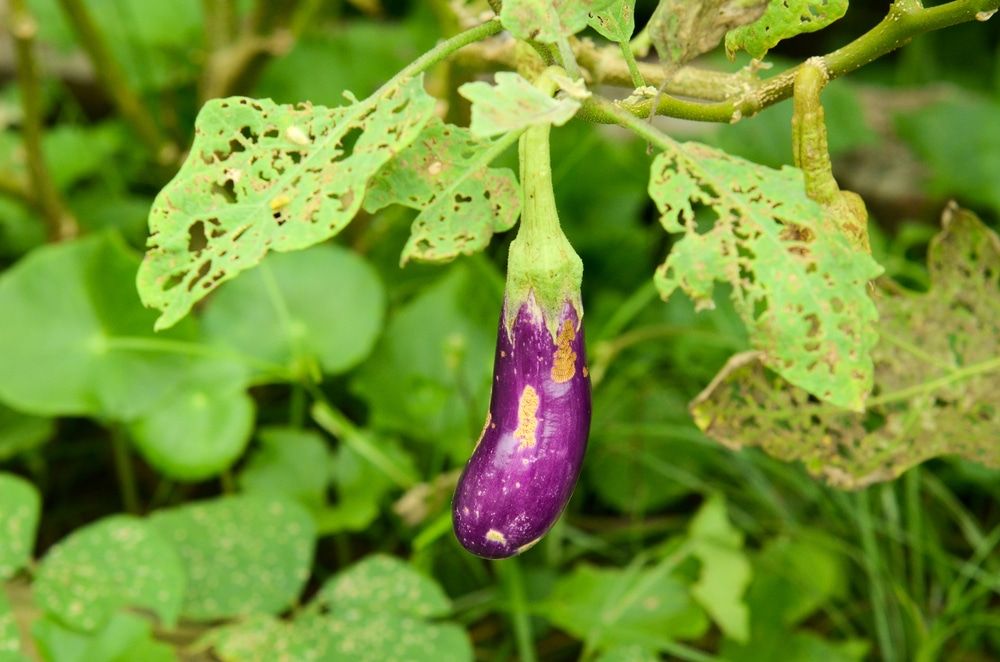
Growing eggplant organically requires vigilance and an integrated pest management approach. Monitor plants regularly during morning rounds to catch problems early when they are easier to control.
Common pests include aphids, whiteflies, spider mites, flea beetles, Colorado potato beetles, and occasionally hornworms. Flea beetles can be particularly damaging to young seedlings, so consider using floating row covers over young plants until they are established. For active infestations, organic solutions include applications of Beauveria bassiana, a beneficial fungus that parasitizes soft-bodied insects and beetles. Bacillus thuringiensis, commonly sold as Thuricide, targets caterpillars including hornworms and works best when applied in early morning when larvae are actively feeding.
Common diseases affecting eggplants include Phytophthora blight, powdery mildew, bacterial wilt, verticillium wilt, and early blight. Prevention is far more effective than treatment. Use drip irrigation rather than overhead watering to keep foliage dry. Ensure adequate plant spacing to improve air circulation. Apply mulch to prevent soil-borne diseases from splashing onto lower leaves. Rotate crops annually, never planting eggplants, tomatoes, peppers, or potatoes in the same location two consecutive years.
If disease pressure becomes severe, early removal of infected plants may be necessary to prevent spread to healthy plants. Select disease resistant varieties when available, as this is your strongest defense. Neem oil can provide control of soft-bodied pests when used according to directions, though repeated applications every 7 to 14 days are often necessary.
Choosing Your Eggplant Variety
Eggplant varieties differ dramatically in size, shape, color, flavor, and growing requirements. Understanding the types available helps you select plants suited to your garden space and taste preferences.
Italian varieties like Black Beauty, Black Magic, Epic, and Santana produce large, oval fruits with deep purple skin. These classic types are excellent for cutting and cooking and are widely recognized at farmers markets. They produce abundant fruit and tolerate moderate heat well.
Asian varieties including Ichiban, Calliope, and Kermit produce long, slender fruits with tender flesh and fewer seeds. These are perfect for stir frying and Asian cuisines. They tend to be more productive than Italian types and mature slightly earlier in the season.
Mini or dwarf varieties such as Patio Baby, Fairy Tale, and Gretel produce small fruits and compact plants, making them ideal for containers and small spaces. These varieties have ornamental appeal with pretty flowers and brightly colored fruits, allowing you to grow eggplant on patios and balconies.
When selecting varieties, consider your climate. In shorter season areas, choose varieties that mature in 55 to 65 days rather than those requiring 85 days. Read seed packet descriptions carefully for maturity information and climate suitability.
Knowing When to Harvest
Timing your harvest correctly makes the difference between silky, tender eggplant and tough, bitter vegetables that disappoint. Eggplants typically mature 55 to 85 days after transplanting, depending on variety, weather conditions, and cultural practices.
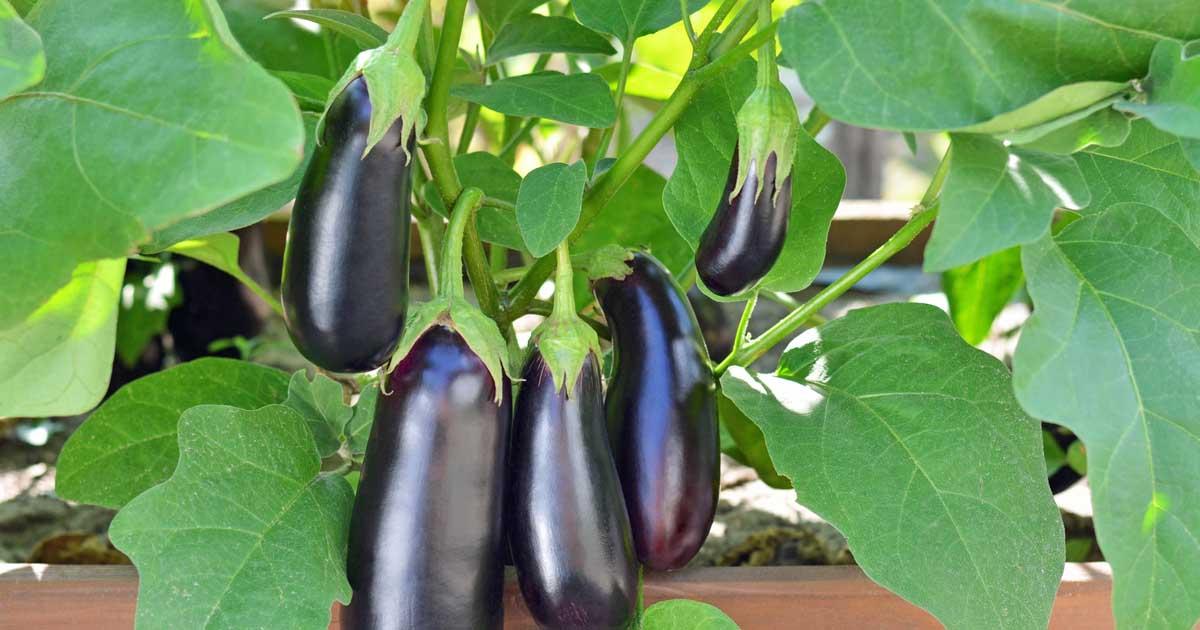
Look for three visual cues that indicate ripeness. First, fruit size should match the variety type. Second, skin color should be the proper shade for your variety and have a glossy, shiny appearance. Third, fruit should be firm but have a slight give when gently pressed. A properly ripe eggplant yields slightly to pressure and the indentation bounces back if you press it with your fingernail.
Underripe eggplants feel too hard and taste bitter and tough. Overripe eggplants become mushy, develop large hard seeds, and also taste bitter. You will quickly learn to identify the perfect harvest stage by regularly checking fruits as they develop. Harvesting regularly also encourages the plant to continue flowering and setting new fruit throughout the season.
The best time to harvest is early morning after dew dries but before intense heat. Eggplant stems are thick and woody, so do not try to pull or twist fruits off. Use a sharp knife or pruning shears to cut the stem just above the calyx, which is the green cap at the top of the fruit. Eggplant plants often have small thorns or prickles on stems and calyxes, so wear gloves and long sleeves during harvest to protect your skin. Handle fruits carefully as they bruise easily.
Troubleshooting Common Issues
Despite your best efforts, you may encounter some common growing problems. Poor fruit set, where flowers drop without developing into fruit, typically results from nighttime temperatures below 65 degrees Fahrenheit or inconsistent watering during bloom time. Ensure steady moisture and wait for warmer weather.
Bitter fruit usually indicates inadequate watering during fruit development or heat stress. Water more consistently and provide afternoon shade in extremely hot climates using shade cloth.
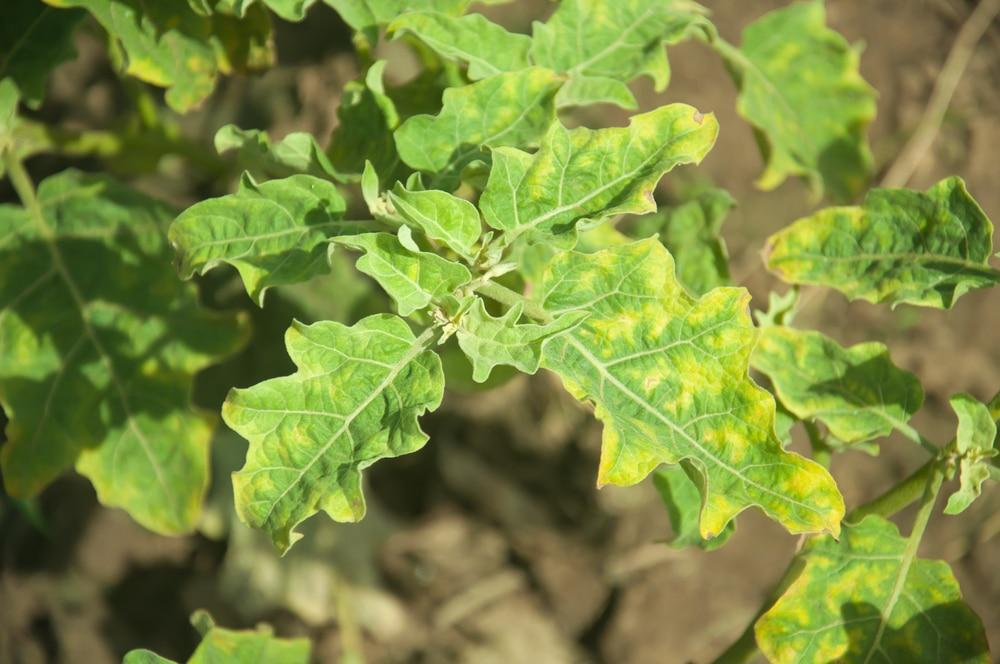
Slow growth or yellowing leaves suggests nitrogen deficiency or cold soil temperatures. Warm the soil with black plastic mulch and apply a nitrogen rich fertilizer. Yellow leaves that also show purple coloring may indicate phosphorus deficiency, which occurs in cool soil. Blossom end rot appears as dark, sunken spots on fruit ends and indicates calcium deficiency combined with irregular watering. Maintain consistent soil moisture to prevent this problem.
Leaf spots and yellowing leaves often indicate fungal diseases promoted by overhead watering and poor air circulation. Switch to drip irrigation and improve spacing between plants.
Is your eggplant struggling despite your best care? Use Plantlyze, our AI powered plant diagnosis tool, to get personalized recommendations. Simply upload a photo of your problem leaves or fruits, and Plantlyze instantly identifies the issue and provides targeted solutions customized to your specific situation. Visit Plantlyze.com to get started with your free diagnostic scan.
Bonus: Eggplant Health Benefits
Beyond their culinary value, eggplants provide impressive nutritional benefits. These fruits are rich in antioxidants, including nasunin, an anthocyanin that supports brain health and protects cells from damage. Eggplants also contain polyphenols and other protective compounds that may help prevent chronic diseases.
One medium eggplant contains significant quantities of vitamins including A, C, K, B6, and thiamine. Minerals present include manganese, folate, and potassium. Eggplants are low in calories and carbohydrates while being relatively high in fiber, making them an excellent addition to any diet. The fiber content supports digestive health and may help regulate blood sugar levels. Regular eggplant consumption has been associated with heart health benefits, brain protection, and potential cancer prevention properties.
Getting Started and Moving Forward
Growing eggplant successfully becomes intuitive with practice and attention to basic requirements. These heat-loving plants reward consistent care with abundance. The key factors are warmth, full sun, consistent moisture, and good soil. If you can provide these conditions, you will enjoy homegrown eggplant all summer long.
Remember that your first year growing eggplants is a learning experience. Some things will work perfectly while others may need adjustment next season. Keep notes on what works in your garden, the varieties you prefer, and any pest or disease challenges you encounter. This information becomes invaluable for planning future growing seasons.
Monitoring your plants regularly ensures you catch problems early when they are easiest to manage. Walk through your garden several times weekly, especially during morning hours when problems are most visible. Look for pest damage, disease symptoms, wilting, or nutrient deficiency signs.
If you encounter challenges you are unsure how to address, Plantlyze has you covered. Our AI powered plant care system analyzes plant photos and provides instant diagnosis and personalized care recommendations. Whether you are facing a mystery pest, disease identification, or general plant health concerns, Plantlyze helps you grow eggplants successfully. Visit Plantlyze.com today to explore your free diagnostic tools and join thousands of gardeners growing healthier, more productive plants.
References
University of Minnesota Extension — Growing eggplant in home gardens
https://extension.umn.edu/vegetables/growing-eggplantClemson University HGIC — Eggplant insect pests and diseases
https://hgic.clemson.edu/factsheet/eggplant-insect-pests-diseases/University of Georgia Extension (CAES) — Home garden eggplant
https://fieldreport.caes.uga.edu/publications/C1028/home-garden-eggplant/Texas A&M AgriLife Extension — Eggplant easy gardening
https://aggie-horticulture.tamu.edu/wp-content/uploads/sites/10/2013/09/EHT-036.pdfUC IPM (University of California) — Cultural tips for growing eggplant
https://ipm.ucanr.edu/home-and-landscape/cultural-tips-for-growing-eggplant/