You notice dark water soaked lesions on your eggplant fruit after heavy rains. The lesions expand rapidly, covered with white cottony growth. Within days, your promising harvest turns into a rotting mass. The plants themselves may suddenly wilt and collapse, even though the soil is moist. You are facing phytophthora blight, one of the most destructive diseases that can strike your eggplant crop during wet weather.
Phytophthora blight caused by Phytophthora capsici can destroy entire eggplant harvests within days when conditions are favorable. This water mold pathogen is a master of water dispersal, using swimming spores to spread rapidly across your garden. The good news is that with proper water management and integrated control strategies, you can protect your eggplants and salvage your harvest even during the wettest seasons.
What Is Eggplant Phytophthora Blight?
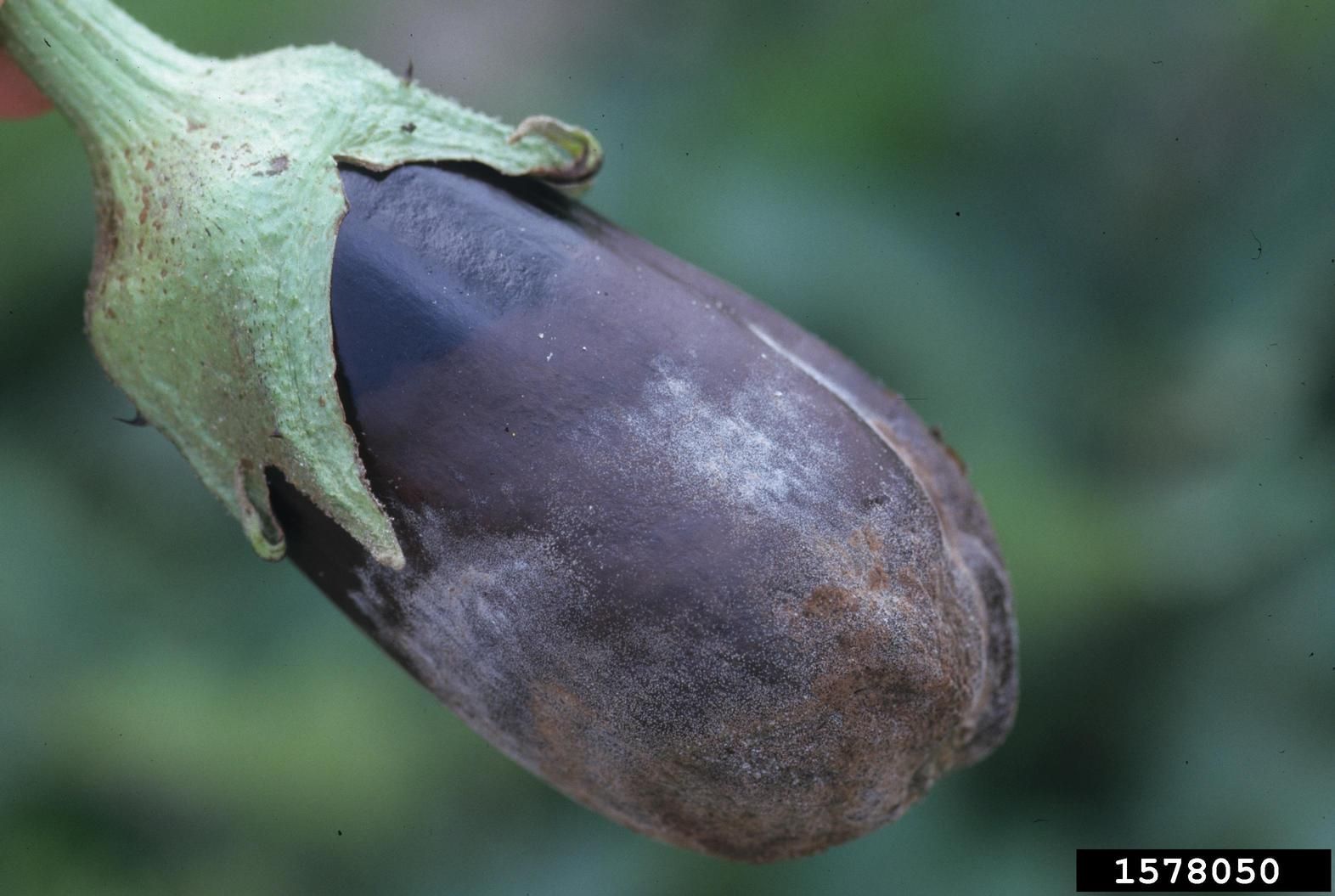
Eggplant phytophthora blight is a devastating disease caused by Phytophthora capsici, an oomycete pathogen often called a water mold. Unlike true fungi, this organism is more closely related to algae and requires free water to survive and spread. It attacks all parts of the eggplant plant, causing fruit rot, stem cankers, leaf blight, and root rot.
This disease is a global problem, especially in warm wet climates and poorly drained soils where water stands for extended periods. The economic impact can be severe, with some growers reporting complete fruit loss during outbreak years. Eggplants are particularly vulnerable during the fruiting stage when heavy fruit make contact with wet soil.
What makes Phytophthora capsici especially dangerous is its ability to produce swimming spores called zoospores. These zoospores can move through water films, splashing rain, and irrigation water, spreading the disease rapidly across your garden. The pathogen also produces thick survival structures called oospores that can persist in soil for years, waiting for the next wet season.
Recognizing the Symptoms: A Multi Part Attack
Phytophthora blight manifests differently on various plant parts. Learning to recognize these symptoms quickly can mean the difference between saving your crop and total loss.
Fruit Symptoms to Watch For
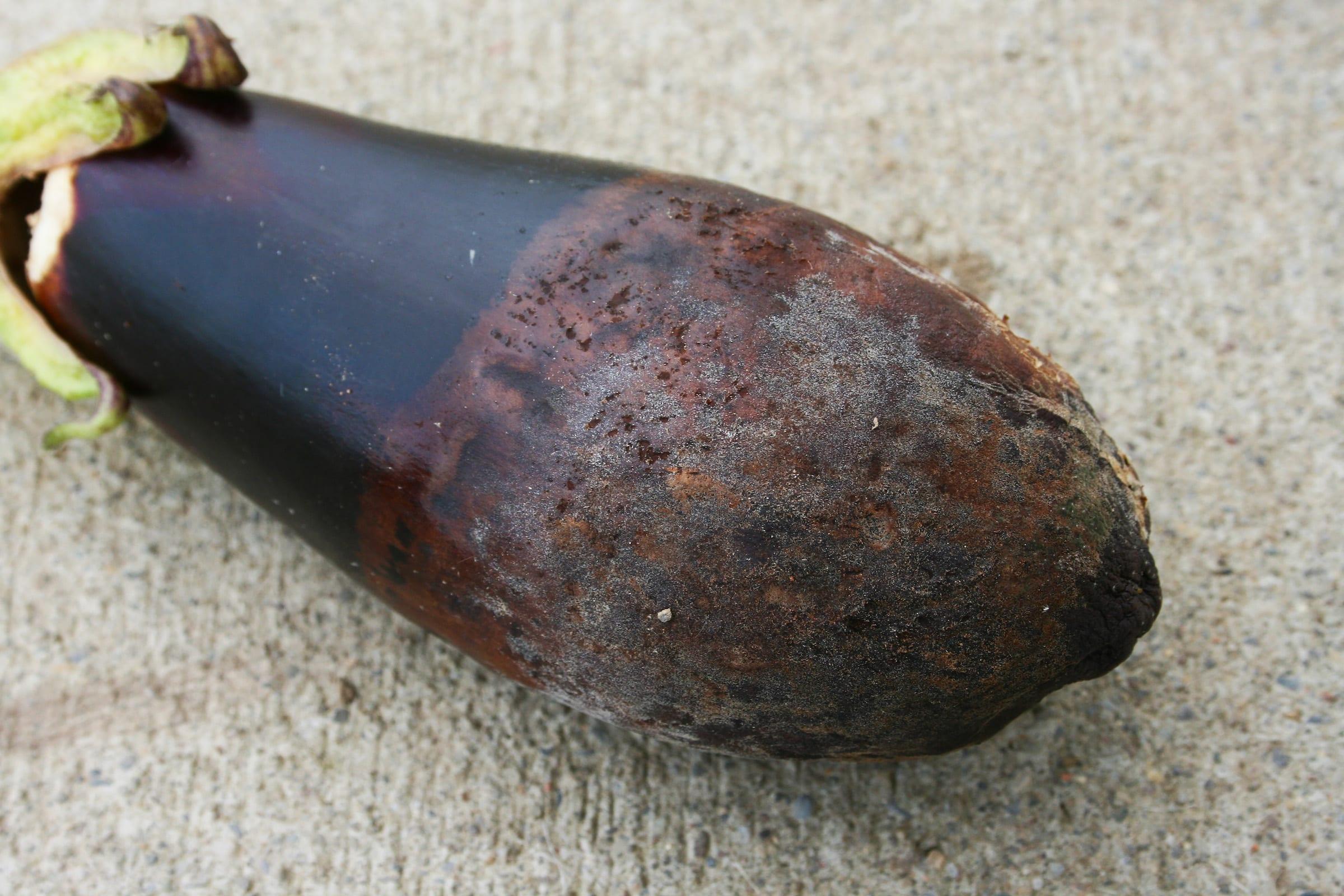
The most common and devastating symptom is fruit rot. It begins as round, dark brown, water soaked areas on the fruit, often starting at the blossom end or where fruit touches wet soil. These lesions expand rapidly, eventually covering the entire fruit with white cottony mold growth in humid conditions. The rot progresses quickly, turning fruit into a soft, collapsed mass within three to five days. A distinctive feature is the rapid development of white mold on the fruit surface, which consists of millions of spores ready to spread to other fruit.
Fruit rot can also develop after harvest during transit or storage, making post harvest handling critical. The disease often starts on fruit that contact the soil, so keeping fruit off the ground is an important preventive measure.
Stem and Leaf Symptoms
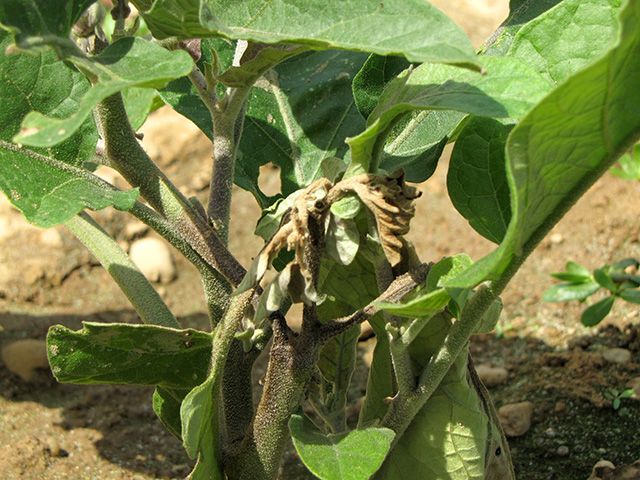
On stems, phytophthora blight causes dark brown to black lesions near the soil line. These lesions can girdle the stem, cutting off water and nutrient flow, causing the entire plant to wilt and collapse suddenly. The stem tissue becomes soft and water soaked, eventually turning brown and collapsing.
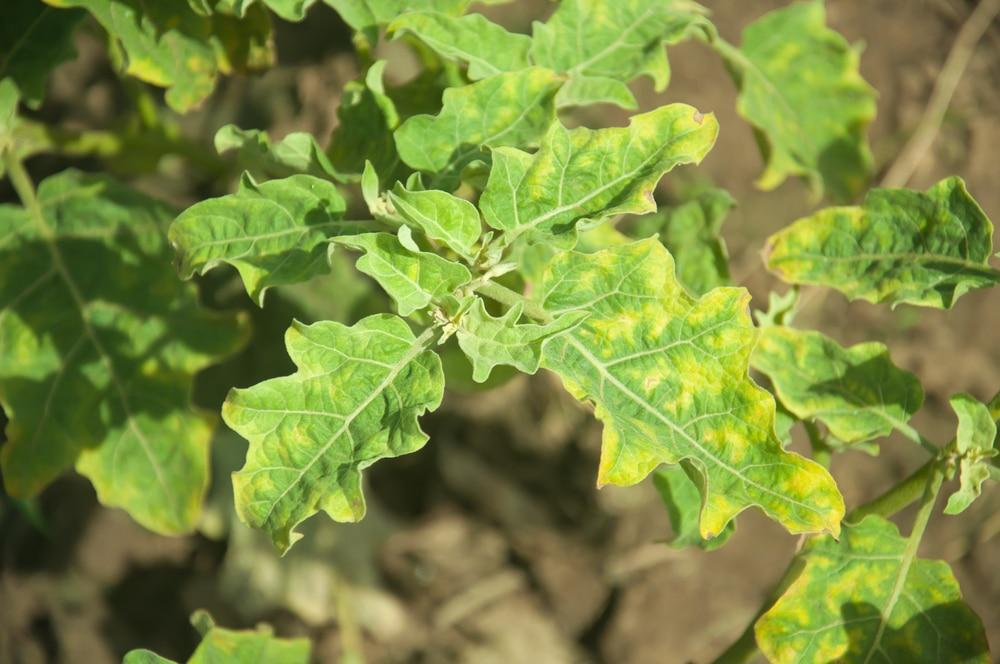
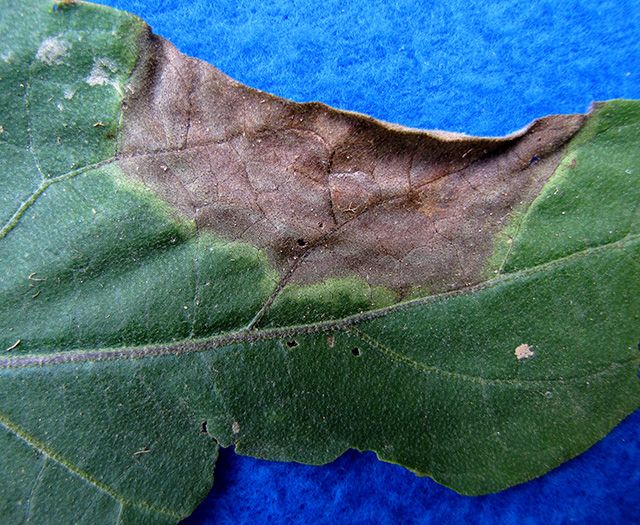
Leaf symptoms include water soaked spots that enlarge rapidly during wet periods. These spots start as small dark areas that become necrotic with chlorotic to olive green borders. Under wet conditions, leaf spots expand quickly, coalesce, and may cover the entire leaf. Leaf petioles can also develop dark lesions, causing leaves to wilt and die.
Root and Crown Symptoms
Root and crown rot is another devastating phase of the disease. Dark gray to dark brown water soaked spots develop on roots and the crown area where stems meet roots. Infected roots turn brown and mushy, giving off a foul odor. The crown area becomes soft and discolored, leading to rapid plant wilting and death. Plants may collapse suddenly during warm wet weather, often within days of infection.
Diagnostic Features That Confirm Phytophthora
Several features help confirm phytophthora blight and distinguish it from other diseases. The rapid progression during wet weather is a key indicator. The presence of white cottony mold on affected tissue is distinctive. The water soaked appearance of lesions, especially on fruit and stems, is characteristic.
Unlike bacterial wilt, phytophthora blight does not show bacterial streaming when cut stems are placed in water. Unlike anthracnose, which causes sunken lesions with dark borders, phytophthora lesions are more water soaked and develop white mold growth. Unlike fusarium or verticillium wilts, which progress more slowly, phytophthora can kill plants within days during wet conditions.
How Phytophthora Blight Spreads and Thrives
Understanding the disease cycle helps you break it. Phytophthora capsici survives between crops as oospores in soil or as mycelium in infected plant debris. These survival structures can persist for years, making the disease difficult to eliminate once established.
When soil becomes saturated, oospores germinate and produce sporangia, which release zoospores within thirty minutes. Zoospores are attracted to plant roots and swim through water films to infect root hairs and wound sites. Once inside the plant, the pathogen spreads rapidly, producing more sporangia on infected tissue.
These sporangia are splashed by rain or irrigation onto fruit, leaves, and stems of neighboring plants, creating secondary infection cycles. A single infected plant can produce millions of spores that spread throughout your garden during wet weather.
The disease thrives under specific conditions. Warm temperatures between 24 and 30 degrees Celsius combined with saturated soil create ideal conditions for zoospore production and infection. Heavy rains, poor drainage, and overhead irrigation all favor disease development. The pathogen can also spread through contaminated irrigation water, transplants, and equipment.
Weed hosts play a role in disease persistence. Many broadleaf weeds can harbor the pathogen without showing severe symptoms, acting as reservoirs between eggplant crops. Contaminated soil on equipment can introduce the pathogen to clean fields.
Proven Prevention Strategies
Prevention is far more effective than treatment when dealing with phytophthora blight. An integrated approach combining water management, cultural practices, and resistant varieties gives the best protection.
Water Management Techniques
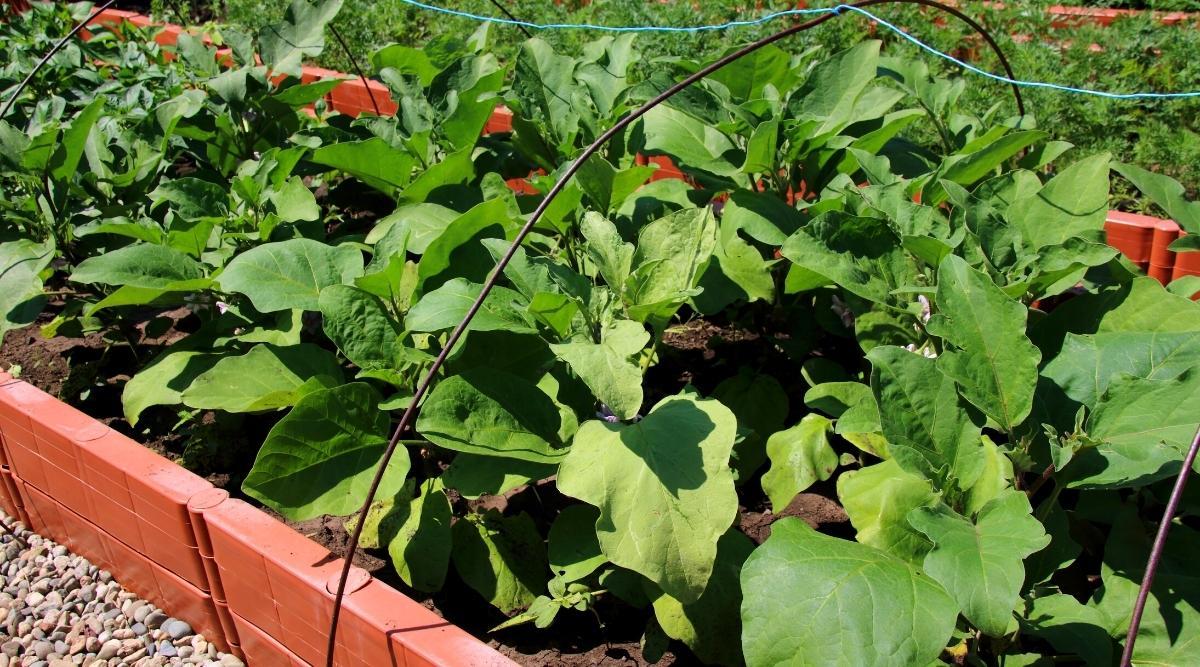
Since phytophthora requires water to spread, managing water is your most powerful tool. Plant eggplants on well drained soils or raised beds at least 15 centimeters high. Raised beds keep roots and crown area above saturated soil and improve drainage.
Plant rows down the slope so water drains out of the field, which is critical with raised beds. Avoid planting in low areas where water pools after rains. Fix leaky irrigation lines immediately and inspect your system regularly.
Use drip irrigation instead of overhead sprinklers. Drip irrigation delivers water directly to the root zone without wetting foliage and fruit. If you must use overhead irrigation, water early morning so foliage dries quickly in the sun.
Cultural Practices That Make a Difference
Space plants adequately to promote good air circulation, which helps foliage dry quickly after rains or dew. Remove lower leaves to prevent fruit from contacting soil. Use plastic mulch to create a barrier between fruit and soil, preventing infection at contact points.
Practice crop rotation with non host crops like cereals, corn, or grasses for three to four years. While rotation won't eliminate the pathogen completely, it reduces spore buildup in soil. Remove and destroy infected plants immediately, taking care not to spread contaminated soil to clean areas.
Sanitize tools and equipment between fields. Power wash tractors and tools before moving from infested to clean areas. Never dump culled fruit or infected plants into production fields or compost piles that will be used in the garden.
Soil and Plant Management
Maintain soil pH between 6.0 and 7.0, which supports healthy plant growth. Apply calcium amendments like gypsum or lime to strengthen plant cell walls and reduce disease susceptibility. Calcium deficient plants are more vulnerable to phytophthora infection.
Consider soil solarization in problem areas. Cover moist soil with clear plastic for six to eight weeks during the hottest part of summer. Solarization reduces pathogen populations in the top few inches of soil.
Choose resistant varieties when available. Some eggplant varieties show tolerance to phytophthora blight. Test new varieties on a small scale before planting large areas. Grafting susceptible varieties onto resistant rootstocks can also provide protection.
Treatment Options When Prevention Fails
Even with perfect prevention, phytophthora blight can appear during exceptionally wet seasons. When it does, you have several treatment options.
Chemical Control Options
Several fungicides are effective against phytophthora blight when applied preventively. Mefenoxam and metalaxyl are systemic fungicides that provide good control when applied through drip irrigation at transplanting and again 30 days later. However, resistance to these products is common in many regions, so check their effectiveness in your area.
Other effective fungicides include dimethomorph, cyazofamid, fluopicolide, and oxathiapiprolin. These should be applied on a seven to ten day schedule during wet periods when disease risk is high. Always rotate fungicide classes to prevent resistance development.
Phosphorous acid fungicides like potassium phosphite can be applied as foliar sprays or through drip irrigation. These products have some systemic activity and can help suppress disease development. They work best when tank mixed with other fungicides.
Apply fungicides before infection occurs, as they cannot cure already infected tissue. Spray coverage must be thorough, especially on fruit and lower foliage. Follow all label instructions carefully regarding rates, timing, and pre harvest intervals.
Biological Control Agents
Several biological control agents can help manage phytophthora blight. Trichoderma harzianum and Trichoderma virens applied as soil treatments can colonize plant roots and compete with the pathogen. These beneficial fungi also induce systemic resistance in plants.
Bacillus subtilis and Bacillus amyloliquefaciens can be applied as foliar sprays or soil drenches. These bacteria suppress the pathogen through competition and production of antimicrobial compounds. Streptomyces lydicus is another effective biological control agent that can be applied preventively.
Apply biological controls before disease appears or at the first sign of infection. These products work best when integrated with cultural practices that reduce disease pressure. Multiple applications may be needed to maintain effective populations.
Physical and Cultural Interventions
When disease appears, act immediately to slow its spread. Remove and destroy infected fruit daily during harvest. Prune infected stems below the lesion area, disinfecting tools between cuts. Improve drainage in problem areas by digging drainage ditches or installing tile drainage.
Reduce irrigation frequency during outbreaks, allowing soil to dry between waterings. Harvest fruit early to avoid infection, even if they are not fully sized. Rogue severely infected plants and bury them away from production areas to reduce inoculum.
If losses are already high, consider destroying infected areas with a contact herbicide to prevent spread to healthy plants. Remove plastic mulch from chronically wet beds to help soil dry out.
Integrated Disease Management Approach
No single method provides complete control of phytophthora blight. The most effective strategy combines multiple approaches into an integrated disease management program. Start with water management and cultural practices, layer in resistant varieties, and use fungicides or biological controls during high risk periods.
Monitor weather forecasts for conditions favorable to disease development. Scout your garden at least twice weekly during fruiting stage, paying close attention to low areas where water pools. Keep detailed records of where disease appears, which helps you identify problem areas needing drainage improvements.
Act immediately at the first sign of disease. The faster you remove infected tissue and reduce moisture, the slower the disease spreads to healthy plants. Adjust your management strategy based on previous season results, focusing on practices that worked best in your garden.
When to Seek Expert Help: Modern Diagnosis Tools
Early diagnosis is critical but symptoms can be confusing. Phytophthora blight mimics other fruit rots and wilts, making accurate identification challenging. Modern AI powered tools provide instant, accurate diagnosis without guesswork.
For gardeners facing persistent eggplant problems, Plantlyze provides AI powered plant diagnosis that identifies phytophthora blight and other diseases within seconds. Simply upload a photo of your affected plant and receive an analysis based on the latest agricultural research. The system provides personalized treatment recommendations tailored to your specific situation and local weather conditions.
Visit plantlyze.com to get instant answers about your plant's health and receive customized action plans. The AI tool helps you distinguish phytophthora blight from look alike problems, saving valuable time and preventing unnecessary treatments. Early and accurate diagnosis means you can act fast while treatment options are still effective.
Conclusion: Your Action Plan for Healthy Eggplants
Phytophthora blight is a formidable opponent, but it is manageable with proper water management and integrated control strategies. Your three pillars of defense are water management through drainage and irrigation practices, early detection through regular monitoring, and integrated control combining cultural practices with targeted treatments.
Start your next growing season by improving drainage in problem areas and setting up drip irrigation. Choose resistant varieties if available, or learn grafting techniques. Apply beneficial microbes preventively and monitor weather conditions constantly during fruiting stage. Most importantly, act immediately at the first sign of disease.
Losing fruit to phytophthora blight is devastating, but each season gives you a chance to improve your management strategy. With these tools and techniques, you can look forward to healthy eggplant harvests even in wet seasons.
References
First Report of Phytophthora capsici Causing Wilting and Crown and Root Rot of Eggplant in Spain
https://apsjournals.apsnet.org/doi/10.1094/PDIS-03-18-0425-PDNGenetic Diversity, Population Structure, and Resistance to Phytophthora capsici in Eggplant
https://pmc.ncbi.nlm.nih.gov/articles/PMC4018448/Eggplant Fruit Periderm Firmness Correlated with Resistance to Phytophthora Fruit Rot
https://apsjournals.apsnet.org/doi/10.1094/PHP-07-22-0067-RSPhytophthora capsici: Recent Progress on Fundamental Biology and Management
https://www.annualreviews.org/content/journals/10.1146/annurev-phyto-021622-103801Enhancing Tolerance to Phytophthora spp. in Eggplant Through Genetic Approaches
https://www.sciencedirect.com/science/article/pii/S2667064X24003440