You walk into your eggplant patch and something feels off. The plants are there, but they look miniature. The leaves are tiny, crowded at the tips, and the plants seem frozen in growth. Flowers, if any, look strange and never turn into proper fruit. It is easy to blame poor soil or fertilizer, but this pattern usually points to something more serious.
Eggplant little leaf disease is one of the most damaging problems that can hit eggplant, especially in warm regions. It is caused not by a fungus or a virus, but by a very unusual group of bacteria like organisms called phytoplasmas that live inside the plant sap. Once they move in, there is no cure for that plant. The only real success comes from early detection and clever prevention.
This guide explains in simple, practical language how to recognize eggplant little leaf disease, how it spreads, and what you can do to protect your crop before it is too late.
What Is Eggplant Little Leaf Disease
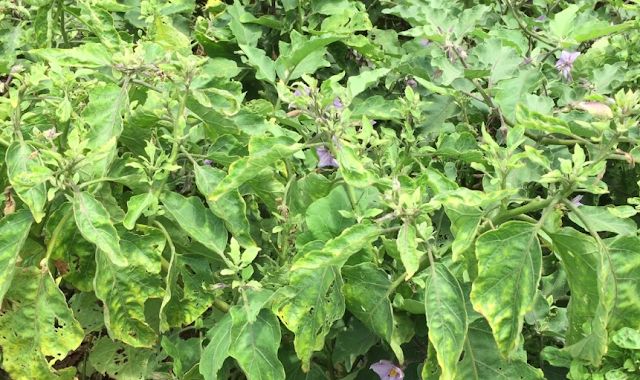
Eggplant little leaf disease is a systemic disease caused by phytoplasmas, microscopic organisms that live in the phloem, the plant tissue that transports sugars and nutrients. Unlike normal bacteria, phytoplasmas lack a cell wall and cannot be grown easily in the laboratory, which is why for many years they were called mycoplasma like organisms.
In eggplant, most recent work has linked little leaf symptoms to strains of Candidatus Phytoplasma trifolii, part of the clover proliferation group. These phytoplasmas move with the plant sap and slowly hijack the plant growth system. They interfere with hormones that control leaf size, branching, and flower development, which is why the symptoms look so strange and so different from nutrient problems.
The real troublemakers are not just the phytoplasmas themselves, but the insects that move them around. Leafhoppers, especially species like Hishimonus phycitis and Amrasca biguttula, feed on infected plants, pick up the phytoplasma, and later inject it into healthy eggplants when they feed again. In warm eggplant growing regions, these insects can be active most of the year, turning one sick plant into a field wide problem.
Little leaf disease is particularly serious in India and other tropical and subtropical regions, where it can cause yield losses up to complete crop failure in badly affected fields. Because there is no way to clear a plant once it is infected, the focus must be on prevention and vector management rather than cure.
Recognizing the Symptoms: When Tiny Leaves Signal Big Trouble
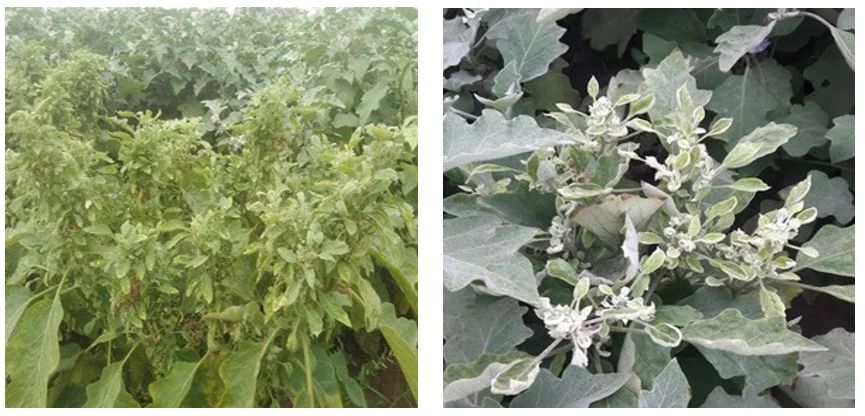
Little leaf disease has a very characteristic look once you know what to watch for. The earlier you recognize it, the faster you can remove sources of infection and protect the rest of your plants.
Leaf Symptoms

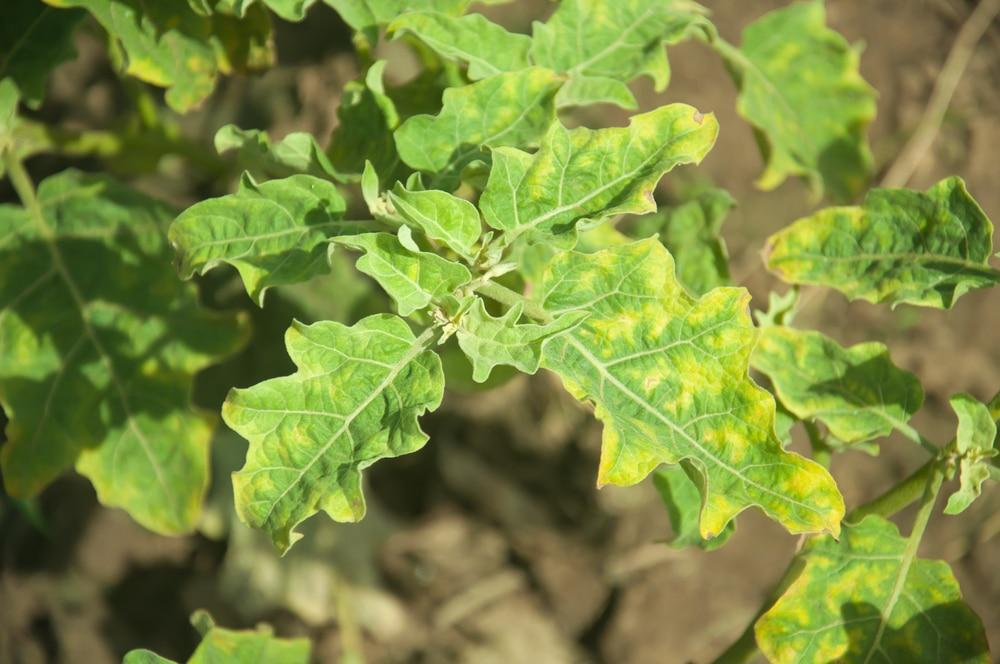
The most striking feature is the size of the leaves. New leaves are extremely small, often only one third or one quarter of normal size. They are thin, soft, and often pale green to yellow rather than a deep healthy green. In some varieties, the leaves become slightly reddish or purplish at the edges.
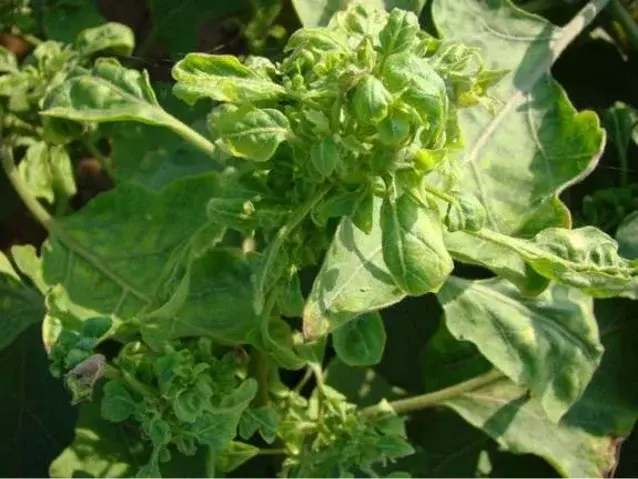
Leaf blades do not expand properly, so leaves look narrow and elongated or somewhat needle like. They crowd together at the ends of branches, giving the plant a tufted or rosette like appearance. Veins may look more prominent because the tissue between them is so reduced. This pattern of many very small, crowded leaves is the classic signal that alerts experienced growers to little leaf.
Plant Growth Symptoms
The whole plant shows severe stunting. Internodes, the spaces between leaves along the stem, become very short, so leaves sit almost on top of each other. Axillary buds, which are normally dormant or slow to grow, start to proliferate. The plant produces many thin branches covered with tiny leaves, leading to a witches broom look.
Overall height is much reduced. While healthy eggplants develop strong central stems and a balanced canopy, diseased plants remain low, bushy, and weak. Growth slows or stops early in the season, long before plants reach normal size. Root systems can also be affected, but the above ground symptoms are usually more obvious to the gardener.
Reproductive Symptoms
Even if plants try to flower, the flowers rarely look normal. A typical symptom is phyllody, where floral parts such as petals and sepals develop into green leaf like structures instead of proper flower organs. Flowers may stay green, upright, and misshapen. They often fail to form fruit at all, so plants remain sterile.
If fruit does develop, it is usually small, hard, and deformed. Fruit may not mature properly and rarely reaches marketable quality. This combination of tiny leaves, severe stunting, and almost complete loss of normal fruit production makes little leaf one of the most destructive diseases in eggplant.
Diagnostic Features
Little leaf disease can be confused with nutrient deficiencies, herbicide injury, or severe insect damage, but there are important differences. Nutrient issues often cause discoloration before deformity and usually affect older leaves first. Herbicide injury may twist or curl leaves, but does not usually cause such extreme miniaturization and witches broom growth.
In contrast, little leaf shows:
A clear, lasting reduction in leaf size on all new growth
Strong bunching of small leaves at shoot tips
Excessive branching and rosette like plants
Green, leaf like flowers and almost no normal fruit
Symptoms generally appear a few weeks after leafhopper feeding on young plants and then worsen over time. Laboratory tests using PCR can confirm phytoplasma in plant tissue or in suspected vector insects, but for most growers the field pattern and symptom set are already highly indicative.
How Eggplant Little Leaf Disease Spreads
To stop this disease, it helps to picture the full cycle of how it moves between plants and seasons.
Phytoplasmas live only in the phloem tissue of plants and in the bodies of certain sap feeding insects. On their own, they cannot move through soil or air like many fungal spores. Instead, they rely almost completely on leafhoppers for transmission.
A typical cycle looks like this:
A leafhopper feeds on the phloem sap of an infected eggplant or weed host and ingests phytoplasmas.
The phytoplasmas survive and multiply inside the insect body. This takes a latent period of about two to three weeks, during which the insect does not yet transmit the pathogen.
Once the latent period is over, the leafhopper becomes infective for life. Every time it feeds on a healthy plant, it can inject phytoplasmas into the new host.
Inside the new plant, phytoplasmas move through the phloem, multiply, and gradually interfere with normal growth and development. Symptoms appear after another delay of some days to weeks, depending on plant age and environmental conditions.
Phytoplasmas are not normally seed borne in eggplant, so the main sources of infection are diseased plants left in the field, infected volunteer plants, and contaminated weed hosts around and within the crop. Many weed species can carry related phytoplasmas without showing dramatic symptoms, acting as silent reservoirs.
Environmental factors influence both the insects and the disease. Warm temperatures, moderate to high humidity, and continuous host availability favor leafhopper populations and disease development. In many tropical areas, eggplant is grown nearly year round, which offers constant food for vectors and keeps the disease in circulation.
Because the pathogen lives inside the plant vascular system and inside insects, there is no way to spray it directly. All successful strategies therefore focus on stopping insects, removing infected plants, and using varieties that show resistance or tolerance.
Proven Prevention Strategies
Since there is no cure for an infected plant, prevention is the foundation of management. A good prevention plan blends vector control, cultural practices, and cultivar choice.
Vector Control: Keeping Leafhoppers in Check
The fastest way to reduce new infections is to keep leafhopper numbers low. Monitoring is the starting point. Yellow sticky cards or careful visual scouting on the undersides of leaves can reveal when leafhoppers first arrive in the field.
When populations reach damaging levels, targeted insecticide applications can greatly reduce the number of infective insects. Field trials have shown that products such as dimethoate, certain neonicotinoids, and other systemic or contact insecticides can significantly lower little leaf incidence when applied at the right time. In one study, sprays of dimethoate followed by neem oil and an antibiotic treatment cut disease incidence by more than eighty percent compared with untreated control plots.
Key practical points include:
Treat early, soon after transplanting or when leafhoppers are first detected.
Focus sprays on field borders and weedy edges where insects often enter.
Repeat treatments every one to two weeks during periods of high pressure, following label directions.
Rotate insecticide groups to slow resistance development.
Growers looking for softer options can use neem based products and encourage natural enemies like lacewings and ladybird beetles, which feed on leafhopper eggs and nymphs. However, when disease pressure is high, a combination of biological and chemical tools is usually needed.
Cultural Practices That Reduce Risk
Cultural measures support and sometimes even enable successful chemical and biological control.
Removing and destroying infected plants is essential. Because each diseased plant can serve as a source of phytoplasmas for many feeding insects, roguing sick plants early can dramatically slow spread. Infected plants should be uprooted and burned or buried away from the field. They should not be composted or left on the soil surface.
Weed management is another major pillar. Many weeds in and around eggplant fields can host related phytoplasmas or at least sustain leafhopper populations between crop cycles. Keeping field borders, irrigation channels, and nearby areas clean reduces these reservoirs.
Other useful practices include:
Avoiding very late plantings that coincide with peak leafhopper populations.
Removing volunteer eggplants and related solanaceous crops near new plantings.
Using physical barriers such as fine mesh row covers on nursery beds or small plots, especially during the most vulnerable seedling stage.
Sanitation of tools and equipment is mainly important to prevent other diseases, but it is still good practice when removing infected plants.
Resistant and Tolerant Varieties
Host resistance is one of the most sustainable tools for managing little leaf disease. Recent research that screened many eggplant accessions under natural infection identified lines with strong and stable resistance across locations. In that study, several accessions such as G18 and related lines remained either immune or highly resistant while more than half the tested entries were highly susceptible.
Other reports and extension guides mention that some local green eggplant types and specific named cultivars show fewer symptoms in fields with known pressure. Hairy leaves, thicker cuticles, or other physical traits may make plants less attractive or less suitable for leafhopper feeding, indirectly lowering disease risk.
For practical use:
Check with local agricultural institutes or seed suppliers about eggplant varieties known to have little leaf tolerance in your area.
Test new resistant types on a small part of your field before large scale adoption.
Combine resistant varieties with vector management rather than relying on resistance alone.
Management Options When Prevention Fails
Despite best efforts, little leaf disease may still appear, especially in regions with very high vector pressure. When that happens, the goal shifts to limiting further spread.
Early Detection and Rapid Removal
Frequent scouting is crucial. Inspect young transplants and field plants at least once or twice per week, with special attention during the first six to eight weeks after planting. Look for the earliest hints of reduced leaf size or abnormal bunching at the shoot tips.
As soon as a plant clearly shows typical little leaf symptoms, remove it completely, including roots, and destroy it. Marking the spot and checking nearby plants more often can help catch further cases quickly. Delaying removal allows insects to acquire phytoplasmas from that plant and infect many others.
Tools used for roguing should be cleaned before moving to another area of the field. While phytoplasmas are not usually spread mechanically like some viruses, good hygiene reduces the chance of moving contaminated sap between plants.
Strengthening Vector Suppression
During active outbreaks, vector control needs to be intensified. This can involve:
Applying systemic insecticides that protect new growth for longer periods.
Shortening spray intervals within label limits when leafhopper counts are high.
Treating not only the crop but also nearby alternative hosts if possible.
Coordinating treatments with neighbors to avoid untreated refuges where insects can multiply.
Some studies have also explored combinations of insecticides, botanical oils, and antibiotics to reduce disease levels, although antibiotic use on crops is tightly regulated in many regions. Where legal and recommended, careful use under local guidelines can be part of an integrated program, but it should never replace good field sanitation and vector control.
Area Wide and Community Level Actions
Because leafhoppers can move between fields, the most successful programs often involve cooperation among many growers in a village or region. Area wide management may include:
Agreeing on coordinated planting windows to avoid very scattered host availability.
Organizing joint weed control along shared borders, canals, and roadsides.
Sharing monitoring data on leafhopper levels and disease incidence.
Planning collective breaks from solanaceous crops in heavily affected zones.
These steps reduce the overall pressure of both vectors and pathogens, giving individual farms a better chance to keep little leaf under control.
Integrated Disease Management: Putting It All Together
Effective management of eggplant little leaf disease rests on three connected pillars: preventing vector buildup, removing infection sources, and using tolerant planting material.
A simple seasonal plan might look like this:
Before planting, choose varieties known to handle little leaf pressure better where possible, clean up weeds in and around the plot, and prepare to monitor insects. During the seedling stage and soon after transplanting, use row covers or early insecticide applications when monitoring shows leafhoppers are present. As plants grow, keep weeds suppressed, continue scouting carefully, and remove any suspect plants at once.
Throughout the season, adjust insecticide timing according to actual vector counts and local advice, not by calendar date alone. At harvest and after the crop is finished, remove crop residues and nearby volunteer plants so they do not carry the problem into the next cycle.
When these pieces are applied together rather than in isolation, the chances of severe little leaf outbreaks drop sharply, even in regions where the disease is common.
When to Seek Expert Help: Modern Diagnosis Tools
Little leaf disease can be confusing in the field. Early on, it may resemble stress from poor nutrition, drought, or herbicide drift. Waiting too long to be sure can mean losing the whole planting.
This is where modern AI powered tools become especially useful. Plantlyze is an AI powered plant care and diagnosis platform designed to help gardeners and farmers identify problems quickly from simple photos. If you notice strange stunting or tiny leaves on your eggplants, you can upload clear images of the plants and symptoms to Plantlyze.
The system compares your images with a large, research based library of disease patterns, including eggplant little leaf disease and other lookalike issues. Within seconds, you receive a diagnosis suggestion, a confidence level, and practical next steps for management, including advice on vector control and roguing strategies tailored to your situation.
For growers who want to move fast and avoid guesswork, Plantlyze offers an easy way to confirm whether those odd symptoms really are little leaf disease. Visit plantlyze.com to explore how instant diagnosis and personalized recommendations can fit into your regular crop monitoring routine.
Conclusion: Your Action Plan Against Eggplant Little Leaf Disease
Eggplant little leaf disease is frightening because once a plant is infected, there is no way back. However, this does not mean your season is doomed. With a clear understanding of the symptoms, a solid prevention plan, and quick reactions, you can keep this disease from taking over.
Focus on three main actions. First, control leafhopper vectors through careful monitoring and well timed treatments. Second, remove any suspect plants quickly so they cannot serve as infection sources. Third, whenever possible, choose varieties and planting schedules that reduce disease risk in your region.
By turning little leaf from a mystery into a clearly understood enemy, you regain control of your eggplant crop. Combined with smart tools like Plantlyze for rapid diagnosis and decision support, your next planting can stand a much better chance of staying green, vigorous, and productive.
References
Comprehensive analysis of little leaf disease incidence and phytoplasma vector dynamics in eggplant
https://pmc.ncbi.nlm.nih.gov/articles/PMC11184749/World status of phytoplasma diseases associated with eggplant
https://www.sciencedirect.com/science/article/abs/pii/S0261219417300133First Report of Two-Spot Cotton Leafhopper (Amrasca biguttula) as a Major Vector of Phytoplasma
https://pmc.ncbi.nlm.nih.gov/articles/PMC12471123/Molecular detection of Candidatus phytoplasma associated with little leaf disease of eggplant
https://www.entomoljournal.com/archives/2019/vol7issue4/PartM/7-4-67-515.pdfLittle leaf of brinjal (Solanum melongena) caused by phytoplasma: A comprehensive review
https://greenaria.in/wp-content/uploads/2024/10/LITTLE-LEAF-OF-BRINJAL-Solanum-melongena-CAUSED-BY-PHYTOPLASMA.pdf