One moment your eggplant plants look healthy and productive. Days later, lower leaves start yellowing despite adequate water, and plants begin wilting during hot afternoons. By the time you realize something is seriously wrong, the damage may already be irreversible. This scenario describes eggplant fusarium wilt, one of the most destructive soil borne diseases affecting eggplant growers worldwide.
Fusarium wilt is not like powdery mildew or other leaf diseases that can be sprayed away. This pathogen lives in the soil and invades plant roots, colonizing the vascular system that transports water and nutrients. Once inside the plant, the fungus is protected from external treatments, making prevention far more valuable than cure. Understanding how this disease develops, recognizing early warning signs, and implementing prevention strategies can save your eggplant harvest and protect your soil for future seasons.
This guide walks you through what fusarium wilt is, why it appears, and how to prevent it using proven integrated management approaches. For growers who want quick and accurate diagnosis when suspicious symptoms appear, AI powered tools like Plantlyze can help confirm whether yellowing and wilting are truly fusarium wilt or another problem like water stress. Early clarity supports faster action and better outcomes.
What Is Eggplant Fusarium Wilt and Why It Spreads
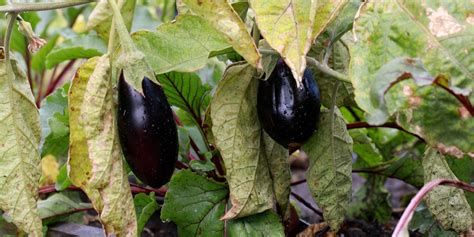
The Pathogen Responsible
Eggplant fusarium wilt is caused by a soil dwelling fungus called Fusarium oxysporum f.sp. melongenae. This specialized form of the fungus specifically targets eggplant plants, though related species can infect tomato, pepper, and other solanaceous crops. The pathogen lives in soil and plant debris, sometimes for many years, waiting for suitable conditions to attack new plants.
Unlike fungi that require wet leaves to infect, Fusarium oxysporum works through the root system. Fungal spores present in soil germinate when soil temperature and moisture conditions are favorable. The pathogen preferentially colonizes roots when soil temperatures range between twenty four and twenty eight degrees Celsius, which is unfortunately ideal for eggplant growing in tropical and warm temperate climates.
Once inside roots, the fungus moves upward through the water conducting vessels called xylem. This invasion blocks the normal flow of water and nutrients from roots to leaves and fruits, essentially strangling the plant from within. Even when soil moisture is adequate and roots are physically intact, the plant cannot access the water it desperately needs because internal pathways are blocked.
How the Disease Develops
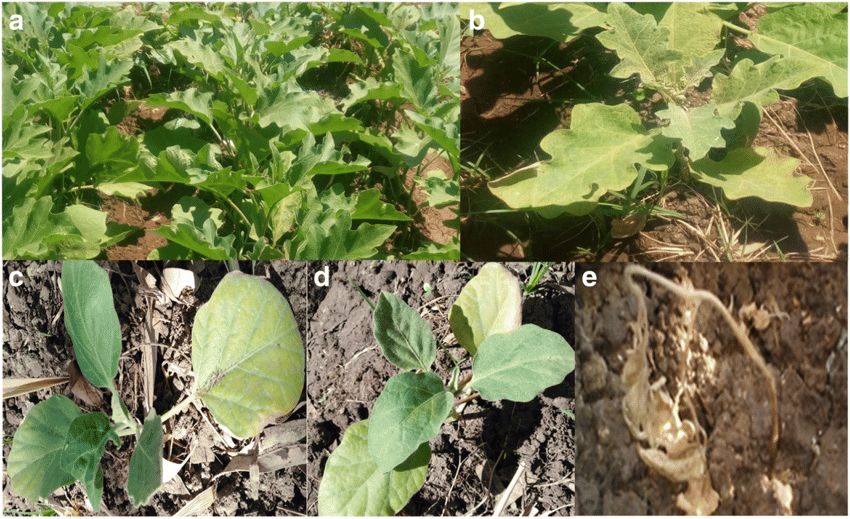
The infection process is both gradual and damaging. When Fusarium spores encounter suitable conditions near plant roots, they germinate and penetrate root tissues. Initial infection may show no obvious symptoms because the disease is establishing itself inside the plant where we cannot see it.
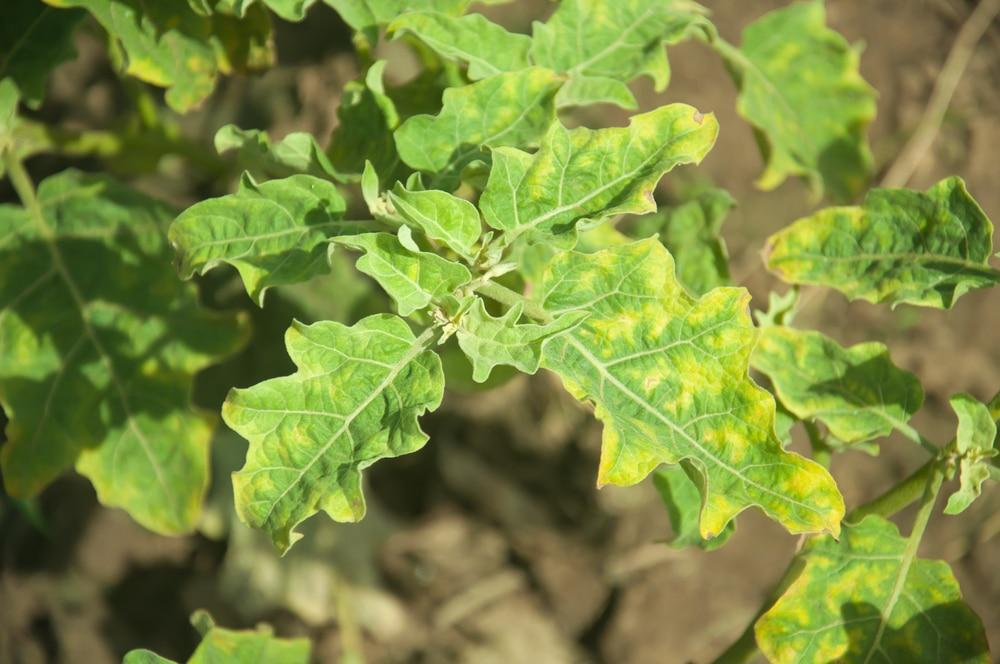
Over time, the fungus spreads through the vascular tissue, and visible symptoms emerge. Yellowing of lower leaves is typically the first sign, starting at leaf edges and spreading inward. As the disease progresses, wilting becomes apparent, particularly during hot periods when the plant loses water through leaves faster than it can be replaced through blocked roots.
Plants may recover partially during cool nights when water loss decreases, creating a frustrating pattern where eggplants look slightly better in morning and progressively worse as day heat increases. This temporary recovery is misleading because the plant is not healing. Instead, the fungal colonization is advancing and blocking more of the vascular system each day.
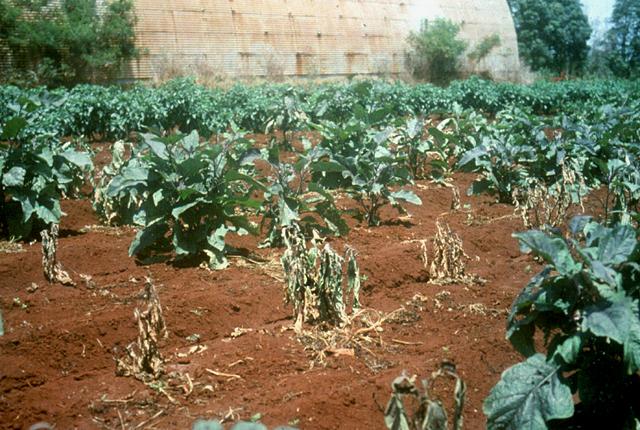
In advanced stages, leaves become brown, brittle, and drop from the plant. The entire plant collapses as virtually all water conducting tissues are blocked. If you cut the stem of an infected plant in cross section, you may see brown or gray discoloration in the vascular rings. This internal browning is diagnostic for fusarium wilt and confirms the fungus is responsible for the wilting.
Visual Symptoms and Plant Signs
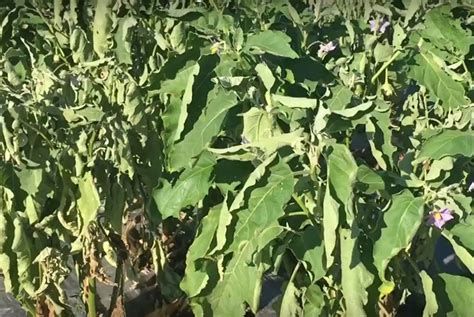
Identifying fusarium wilt correctly is essential because the symptoms can sometimes resemble water stress or root rot from other causes. However, certain characteristics help distinguish fusarium wilt from these other problems.
In fusarium wilt, yellowing typically starts on older leaves in the lower portions of the plant and progresses upward. One sided wilting, where only certain branches or one side of the plant shows symptoms while other parts remain healthy, is common. This uneven appearance differs from the overall wilting you see in water stressed plants.
The plant often remains firmly rooted with no obvious root decay or mushy tissues. When you examine roots closely, they may appear relatively normal from the outside even though the inside is colonized by fungus. This is a key difference from root rotting diseases where roots obviously deteriorate and fall apart.
Symptoms typically appear twenty to thirty days after the root infection begins, giving the fungus time to establish itself and block significant portions of the vascular system. By the time visual symptoms are obvious, the fungus is well established and reversal through any external treatment is essentially impossible.
Why Early Detection Is Critical
This is where fusarium wilt differs fundamentally from foliar fungal diseases. Once eggplant plants show wilting and yellowing from fusarium, they cannot be saved by fungicide sprays, biological treatments, or any curative method. The fungus is inside the plant, protected from external applications.
The only effective action is to remove infected plants completely, including all roots, to prevent further spread. Leaving infected plants in the ground allows them to produce additional fungal spores that contaminate soil and threaten healthy neighboring plants.
This reality makes early detection crucial. If you notice yellowing leaves that do not respond to watering, or wilting despite adequate soil moisture, quick action matters. Some early stage infections might still be limited to one or a few plants if you remove them immediately. Delayed action means the fungus spreads to adjacent plants before you intervene.
This is where diagnostic tools like Plantlyze become valuable. By photographing suspicious leaves and symptoms, you can get AI powered analysis to confirm whether the problem is truly fusarium wilt or something else like nutrient deficiency, water stress, or a different disease. Quick confirmation prevents unnecessary removal of healthy plants and supports faster action if wilt is confirmed.
Why Some Gardens Develop Fusarium Wilt More Than Others
Soil Conditions That Support the Fungus
Certain environmental and management conditions favor fusarium wilt development. Understanding these risk factors helps you assess your vulnerability and prioritize prevention strategies.
Warm soil temperatures are paramount. The fungus thrives when soil maintains temperatures between twenty four and twenty eight degrees Celsius. In tropical and subtropical regions where eggplants are commonly grown, soil temperatures naturally reach these optimal levels during growing seasons. In cooler climates, diseases may develop more slowly or occur later in the season as soil warms.
Soil with a history of eggplant cultivation carries higher pathogen populations. Fusarium oxysporum f.sp. melongenae can survive in soil for many years, even in the absence of host plants. Fields where eggplants have been grown repeatedly become progressively more contaminated. Conversely, virgin soil or fields new to eggplant cultivation typically have lower Fusarium populations.
Poor soil drainage creates conditions where roots remain waterlogged for extended periods. While Fusarium wilt is sometimes confused with root rot that occurs in waterlogged conditions, standing water and saturated soils also favor the development of fusarium infection. Roots in waterlogged soil are stressed and more vulnerable to invasion. Additionally, spore germination and root penetration are enhanced in wet conditions.
Compacted soils with low organic matter are more problematic. Compaction restricts root development and makes roots more vulnerable. Soils low in organic matter lack the beneficial microbial communities that suppress pathogenic fungi. As organic matter increases, naturally occurring soil microbes multiply and create competition for Fusarium, reducing pathogen populations.
Plant and Management Factors
How you manage your eggplant crop influences disease risk. Transplants produced in infected nurseries may already carry Fusarium in their root systems when they arrive at your garden. Introducing infected transplants into clean soil immediately contaminates previously uninfected areas.
Equipment and tools can mechanically spread contaminated soil from infected gardens to clean ones. Sharing soil, pots, or tools between gardens without proper cleaning transfers spores. Even your shoes can carry infected soil from one location to another if you are not careful.
Excessive nitrogen fertilization promotes lush, soft leaf growth and may suppress the plant's natural defense responses. Over fertilized plants sometimes show greater susceptibility. Balanced nutrition based on soil testing produces stronger plants with better defenses against infection.
Root injuries from cultivation tools or excessive handling create entry points for the fungus. When roots are damaged, Fusarium spores can more easily penetrate damaged tissues compared to intact roots. Careful cultivation that avoids root damage reduces infection risk.
Garden History and Variety Selection
The previous crops grown in your soil strongly influence disease risk. Eggplant, tomato, pepper, and potato all can be infected by Fusarium oxysporum or closely related species. Growing these crops consecutively in the same soil builds pathogen populations. Even crops grown years ago leave residual spores that persist in soil.
Eggplant varieties differ in their susceptibility to fusarium wilt. Most common commercial varieties are highly susceptible. Some cultivars show better tolerance, and certain rootstocks demonstrate outstanding resistance. This varietal difference is a key prevention tool that you can leverage.
Preventing Fusarium Wilt Before Your Plants Are Infected
Prevention is your strongest defense because once plants show symptoms, cure is impossible. A comprehensive prevention approach combines multiple strategies that work together to keep Fusarium populations low and protect your eggplants.
Soil Solarization: Nature's Fungicide
Soil solarization harnesses the sun's heat to kill pathogenic organisms in soil. The process is simple but requires planning and appropriate timing. Transparent plastic sheeting is laid over moist soil and secured at the edges. In hot climates with strong sunlight, temperatures under the plastic reach sixty to seventy degrees Celsius.
This intense heat kills Fusarium oxysporum and many other soil borne pathogens in the top soil layers where roots develop. Research shows that solarization alone provides modest disease reduction, but when combined with crop rotation and other methods, the effect becomes powerful.
Solarization works best in climates with strong, direct sunlight and hot ambient temperatures. Six to eight weeks of solarization is typically recommended. The process must be completed before planting to allow soil to cool somewhat before transplanting eggplants.
Field trials combining soil solarization with other management practices achieved eighty eight to ninety percent disease reduction. In heavily contaminated fields where fusarium has caused problems previously, solarization provides critical pathogen reduction that makes other strategies more effective. The investment of time and plastic sheet is worthwhile in fields with documented disease history.
Crop Rotation: Breaking the Disease Cycle
Crop rotation removes the host plant that Fusarium needs to survive. When eggplants are not grown in a field for multiple years, the pathogen population gradually declines as spores slowly degrade.
A three to four year rotation period is recommended for adequate pathogen reduction. During this time, plant crops that do not support Fusarium oxysporum f.sp. melongenae. Corn, sugar cane, and alliums such as onions are good rotation options. Onions are especially valuable because they may even suppress Fusarium populations through root exudates that inhibit fungal growth.
Do not rotate eggplant with tomato, pepper, or potato because these crops share similar Fusarium species. Rotating eggplant with these susceptible crops does nothing to reduce pathogen levels.
Long term field productivity increases significantly when growers adopt crop rotation. Fusarium populations decline, yields improve, and future eggplant crops face less disease pressure. Rotation provides lasting benefits that far exceed the cost of growing alternative crops during off years.
Choosing Disease Resistant Varieties
Varietal selection can eliminate or greatly reduce fusarium wilt risk. While no eggplant variety is completely immune, some cultivars show remarkable tolerance and others possess near complete resistance when grafted onto certain rootstocks.
Hawk rootstock demonstrates excellent Fusarium resistance. Eggplants grafted onto Hawk rootstock survive and produce well even in heavily contaminated soil where non-grafted plants fail completely. Field trials showed grafted plants produced sixty eight percent more yield than non-grafted plants in Fusarium infected soil.
KingKong F1 rootstock also shows strong Fusarium resistance. Grafted eggplant scion varieties including Black Beauty and other popular cultivars can be grafted onto resistant rootstocks, giving you the fruit quality and characteristics you want combined with strong disease resistance.
For non-grafted options, seek cultivars bred specifically for wilt resistance. Check seed catalogs and local extension resources for varieties recommended in your region. Some traditional cultivars carry useful resistance genes developed through breeding over many years.
Selecting resistant varieties is particularly important if your soil has a documented history of fusarium wilt. It becomes the foundation upon which you build additional protection through crop rotation and sanitation practices.
Sanitation and Clean Practices
Preventing introduction of the pathogen is far easier than managing it once established. Sanitizing all tools, pots, and equipment with alcohol or dilute bleach solution removes contaminated soil that might carry spores.
Obtain transplants only from reputable nurseries that follow strict sanitation protocols. Nurseries with a history of fusarium problems may inadvertently sell infected transplants. Before purchasing, inquire about disease history and sanitation practices.
When moving between gardens or fields, clean your shoes and equipment thoroughly. Spores on shoe soles or tool handles can travel surprisingly far and establish new infections in clean gardens.
Never reuse soil from plots where fusarium wilt occurred without sterilization. Sterilization through heat, solarization, or chemical treatment is expensive and time-consuming, so prevention of soil reuse is simpler.
If you do discover infected plants, remove them entirely including all roots and surrounding soil. Place infected material in sealed bags for disposal. Never place infected plant debris in compost piles where spores might survive and spread. After removing infected plants, disinfect your tools and work area thoroughly before handling healthy plants.
Soil Health and Organic Matter
Healthy soil with robust microbial communities suppresses pathogenic fungi through natural competition. Fungi like Trichoderma and other beneficial organisms colonize roots and soil, competing with Fusarium for nutrients and root space. Building organic matter encourages these beneficial populations.
Regular additions of compost and aged organic matter improve soil structure and microbial activity. Aim to maintain soil organic matter at four to five percent. Improved drainage from better soil structure reduces waterlogging that favors disease.
Neem seed cake and mustard cake incorporated into soil provide dual benefits. These materials contain compounds that suppress Fusarium oxysporum and also improve soil fertility and biological activity. Research trials showed neem seed cake reduced wilt incidence by more than fifty percent compared to untreated soil.
Application rates typically range from one hundred to one hundred fifty grams per square meter incorporated two to three weeks before planting. This timing allows materials to breakdown and compounds to establish suppressive effects before planting eggplants.
Irrigation Management
Proper irrigation protects roots from waterlogging stress while keeping plants adequately supplied. Drip irrigation or micro sprinkler systems that deliver water directly to the root zone are preferable to overhead sprinklers.
Overhead irrigation splashes soil onto foliage and stems, potentially transferring spores. More importantly, drip irrigation allows soil around roots to maintain optimal moisture without saturation. Waterlogged conditions stress roots and favor fungal invasion.
Water early in the morning before temperatures peak. This timing allows soil to absorb water and roots to begin water uptake during active growth hours. Avoid watering late in the day when soil moisture persists through cooler night hours, potentially creating conditions favoring pathogen activity.
Maintain consistent moisture without extremes of drought or saturation. Stress from water deficit weakens plants, and extended wet periods favor disease. Drip systems with soil moisture sensors help maintain this balance automatically.
Combining Strategies for Maximum Protection Against Fusarium Wilt
Research demonstrates that combining multiple approaches outperforms any single strategy. Integrated management using soil solarization plus biological control plus organic amendments plus variety selection provides protection that exceeds the sum of individual components.
Biological Control with Trichoderma Harzianum
Beneficial Trichoderma fungi colonize roots and soil around eggplant plants where they compete with Fusarium for space and nutrients. Some strains produce compounds that directly inhibit Fusarium growth. Trichoderma also produces cellulase enzymes that can degrade fungal cell walls.
The beneficial fungus also indirectly benefits plants by improving nutrient uptake and promoting root development. Field trials showed improved vigor and yield in plants treated with Trichoderma even when disease pressure was present.
Pre-plant root dips of transplants in Trichoderma suspension establish beneficial populations before planting. Soil applications of Trichoderma spore preparations throughout the growing season maintain protective populations. Commercial products include Trianum Shield and similar formulations based on Trichoderma harzianum strain T-22.
When combined with other integrated management practices, Trichoderma contributed to field trials that achieved eighty eight percent disease reduction. Used alone, the biological control provided more modest protection, confirming that integration of multiple methods is essential.
Neem Seed Cake and Organic Amendments
Neem seed cake incorporates compounds that suppress pathogenic fungi. Pot trials incorporating neem seed cake reduced wilt incidence from thirty five percent in untreated controls to sixteen to twenty two percent in treated soil.
Mustard cake shows similar suppressive effects. Both materials are byproducts of oil extraction and are relatively inexpensive. Both also contribute nitrogen and other nutrients as they decompose, improving soil fertility simultaneously.
Incorporate these amendments two to three weeks before planting to allow time for compounds to develop. The two to three week lag is important because raw neem and mustard cakes must break down somewhat for maximum suppressiveness. Premature planting reduces the protective effect.
These amendments work synergistically with other practices. Growers combining neem amendments with Trichoderma inoculant and crop rotation saw superior results compared to any single approach.
Brassica Tissue Incorporation (Biofumigation)
Plant residues from broccoli, cabbage, and other brassicas contain volatile compounds including phenyl isothiocyanate that actively suppress Fusarium oxysporum. When brassica plant tissues are incorporated into soil, these compounds create an environment hostile to the fungus.
The process is called biofumigation. Brassica crops are grown and incorporated into soil two to three weeks before planting eggplants. The time lag allows compounds to develop and exert their suppressive effect. Researchers who combined biofumigation with Trichoderma treatment achieved the highest disease reduction observed in trials, approaching ninety percent.
This approach is environmentally friendly and eliminates reliance on chemical fumigants that can harm beneficial soil organisms. It integrates naturally with crop rotation plans and organic agriculture systems.
Fungicide Options for High Risk Situations
When disease pressure is expected to be very high, additional chemical protection may be justified. Carbendazim seed dressing reduces seed borne Fusarium when applied to eggplant seeds before planting. The treatment prevents infection from Fusarium spores that might be present on or in seeds.
Root dip treatments of transplants with fungicide before planting provide additional insurance against soil borne infection. These dips do not replace the integrated cultural approaches but supplement them when risk is greatest.
Always follow label directions for fungicides and observe required pre harvest intervals. Organic farmers using alternative approaches can skip chemical fungicides and rely instead on biological and cultural methods which have proven quite effective when properly integrated.
Grafting Resistant Rootstocks: Modern Solution
Grafting eggplant scion varieties onto resistant rootstocks like Hawk or KingKong F1 provides near complete or complete resistance to Fusarium wilt. This approach essentially makes the disease irrelevant because resistant roots prevent pathogen colonization entirely.
Grafted plants produce their normal fruit with full yield potential even when grown in soil heavily contaminated with Fusarium. Field trials documented sixty eight percent yield increases in grafted plants compared to non-grafted in Fusarium infected soil.
Grafting requires skill to perform, or alternately, pre-grafted plants can be purchased from nurseries specializing in resistant rootstocks. Pre-grafted plants cost more than seed-grown transplants, but the yield security in problematic fields justifies the investment.
For long-term eggplant production in soil with documented fusarium wilt history, grafting onto resistant rootstocks becomes the essential strategy. It allows continuous eggplant production without requiring lengthy crop rotations or expensive soil solarization.
Monitoring and Early Response
Scouting plants weekly starting from early growth stages catches problems early. Watch for subtle yellowing of lower leaves, especially yellowing that occurs despite adequate soil moisture. Look for wilting during hot periods that does not fully recover at night.
Using diagnostic tools like Plantlyze to photograph suspicious symptoms and receive expert analysis can confirm whether plants have fusarium wilt or another problem. Sometimes yellowing results from nutrient deficiency, iron chlorosis, or water stress rather than fusarium. Accurate diagnosis prevents unnecessary plant removal and supports better decisions.
When fusarium wilt is confirmed, remove entire infected plants immediately including root systems. Disinfect all tools and equipment that contacted infected plants. Do not immediately replant eggplants in the same location. Record which plants became infected to map disease distribution patterns.
Keep detailed notes on disease occurrence, weather conditions, which management practices were implemented, and which were most effective. Over time, these records help you refine strategies and understand which combinations work best in your specific garden conditions.
What to Do If Eggplants Already Show Wilt Symptoms
Once eggplant plants display yellowing, wilting despite adequate water, and vascular browning in cut stems, the fusarium fungus has already colonized the vascular system. Spraying fungicides on foliage will not help because the pathogen is protected inside conducting tissues where spray cannot penetrate.
The best action is immediate removal of infected plants including roots and replacement soil. Hesitation allows the fungus to produce additional spores and spread to neighboring plants. Each day infected plants remain in the soil represents increased risk to adjacent eggplants.
Dispose of removed plants in sealed bags away from the garden. Placing infected plants in compost piles or leaving them on soil surface allows spores to spread. Clean all tools and equipment thoroughly with disinfectant after handling infected plants. Wash hands and change clothes before working with healthy plants.
Disinfect work areas where infected plant material was handled. Do not immediately plant eggplants again in the same location. Consider at least a one year break, preferably longer. Implement crop rotation, soil improvement, and possibly solarization before attempting eggplant again.
Building Fusarium Free Fields Over Time
Eggplant growers with documented fusarium wilt history must adopt long-term strategies to reduce soil pathogen populations. Quick fixes do not provide lasting solutions because Fusarium spores persist in soil for many years.
A multi-year plan beginning with soil solarization, followed by at least three to four years of strict crop rotation, significantly reduces pathogen levels. During rotation years, plant only crops that do not support Fusarium oxysporum f.sp. melongenae. Corn, sugar cane, and onions are excellent rotation options.
Simultaneously build soil organic matter through compost additions and cover crops. Neem and mustard amendments continue to provide suppression over multiple seasons. Regular sanitation prevents reintroduction of the pathogen from outside sources including transplants, equipment, and soil.
When eggplants are eventually replanted, use resistant varieties or grafted plants on resistant rootstocks. Plantings of pre-grafted eggplants on Hawk or KingKong F1 rootstocks virtually eliminate fusarium wilt risk even in previously infested fields.
Keeping detailed records of disease occurrence, weather patterns, and management practices helps refine strategies for future seasons. Over time, these integrated approaches allow eggplant production to resume and succeed in fields that previously had unsolvable fusarium wilt problems.
Start Your Fusarium Wilt Prevention Plan Today
Eggplant fusarium wilt is a serious threat to crop success, but it is completely manageable with the right approach and consistent effort. Prevention through crop rotation, soil improvement, variety selection, and sanitation protects your current crop and your future harvests.
Do not wait for disease to appear before implementing prevention. Begin now with soil testing, selection of resistant varieties or rootstocks, and planning for crop rotation. These foundational steps work together over time to minimize disease risk and ensure successful eggplant production.
When you spot suspicious symptoms like unexplained yellowing or wilting despite adequate water, do not hesitate to use tools like Plantlyze to get quick and accurate identification. Early diagnosis prevents mistakes and supports better decisions. Visit Plantlyze dot com to explore how AI powered plant diagnosis can support your eggplant growing success throughout the season and help you distinguish fusarium wilt from other problems that might look similar.
Steps to Further Improve Readability Before Publishing
To make this article even more reader friendly on Plantlyze, consider these final polishing steps during editing:
Add descriptive, action-oriented subheadings that speak directly to reader concerns and questions
Break longer paragraphs into shorter sections wherever a natural pause or topic shift occurs
Use bold formatting for important phases like key actions, critical steps, and main concepts
Insert brief real world examples, such as a grower discovering yellowing leaves and the immediate steps taken for confirmation
Create a quick action checklist near the end for readers who prefer scanned key points
Include high-quality images showing healthy eggplant roots versus infected roots with Fusarium colonization
Add photographs of yellowing symptoms, wilting patterns, and vascular browning in cross sections of infected stems
Run the text through readability analysis to confirm sentence length and word choice are comfortable for a broad audience
These adjustments will ensure the article feels approachable, actionable, and immediately useful for both beginning and experienced eggplant growers.
References
1. Integrated Management of Fusarium Wilt of Eggplant
https://soeagra.com/iaast/iaastjune2021/4.pdf
2. Management of Fusarium Wilt using Organic Soil Amendments in Eggplant
https://journalijpss.com/index.php/IJPSS/article/view/2612
3. Evaluation of Grafting onto Different Rootstocks on Yield and Disease Incidence of Eggplant Under Verticillium and Fusarium Wilt Stress
https://www.agrifoodscience.com/index.php/TURJAF/article/view/7680
4. Fusarium Wilt Management Guide
https://extension.umn.edu/disease-management/fusarium-wilt
5. Disease-resistant Eggplant Varieties
https://www.vegetables.cornell.edu/pest-management/disease-factsheets/disease-resistant-vegetable-varieties/disease-resistant-eggplant-varieties