Your eggplant garden has such potential, yet many gardeners watch their plants struggle despite good soil and plenty of sunlight. The missing piece is often proper fertilization. Eggplants are hungry plants that demand consistent nutrient feeding throughout their growing season to produce abundant, healthy fruit.
This guide walks you through exactly what your eggplants need, when they need it, and how to deliver it effectively. Whether you prefer organic methods or synthetic fertilizers, you'll find a strategy that works for your garden style. Ready to grow eggplants that actually thrive?
Why Eggplants Are Heavy Feeders
Eggplants demand more nutrients than many other garden vegetables. These plants need continuous nutrient availability from the moment you transplant them until harvest ends. Without adequate fertilization, you'll notice stunted growth, poor flowering, and disappointing yields.
The reason is simple: eggplants invest enormous energy into producing multiple large fruits throughout the season. Each fruit requires nitrogen for leafy growth, phosphorus for root strength, and potassium for fruit quality. Understanding this helps you appreciate why a generic one-size-fits-all fertilizer won't work well for eggplants.
Understanding NPK and What Each Nutrient Does
NPK represents the three primary nutrients every plant needs: nitrogen, phosphorus, and potassium. Your eggplants depend on each one for different purposes.
Nitrogen (N) fuels leafy growth and green coloring. It's especially critical during early plant development when you want robust stems and abundant foliage. Nitrogen helps your plants grow tall enough to support heavy fruit loads.
Phosphorus (P) strengthens root systems and supports flower and fruit development. Think of phosphorus as the nutrient that transitions your eggplant from vegetative growth into reproductive mode. Strong roots mean plants can access water and nutrients more efficiently during dry periods.
Potassium (K) regulates overall plant health and improves fruit quality. It strengthens stems to prevent collapse under heavy fruit weight and enhances disease resistance. Potassium also improves the taste and shelf life of your eggplants.
These three work together as a team. Imbalances in any one nutrient create problems throughout your plant.
NPK Ratios for Every Growth Stage
Your eggplants need different nutrient ratios at different times. Matching the fertilizer ratio to the growth stage produces the best results.
Early Growth Phase (Transplanting to First Flowers)
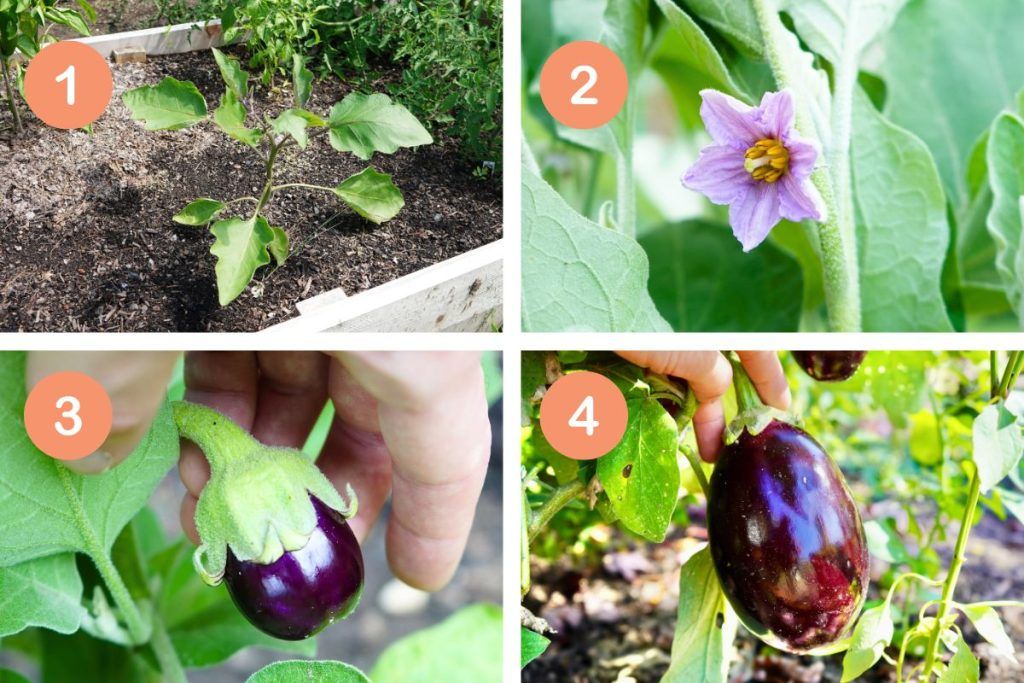
Use a balanced fertilizer with an NPK ratio of 10-10-10 during the first 4 to 6 weeks after transplanting. A balanced ratio supports steady vegetative growth as roots establish and stems develop. This period typically lasts until your plants reach about 12 inches tall and develop their first flower buds.
Apply this fertilizer every 4 to 6 weeks using the side dressing method. Spread it a few inches away from the stem and water it in thoroughly. Balanced fertilizer prevents the common problem of excessive foliage with no flowers.
Flowering and Fruiting Phase (First Flowers Through Harvest)
Switch to a ratio higher in phosphorus and potassium once flowers appear. Look for ratios like 5-10-10 or 6-12-12. The reduced nitrogen prevents too much leafy growth while the elevated phosphorus and potassium support abundant flowering and fruit production.
Continue applying this formula every 4 to 6 weeks throughout your fruiting season. Many gardeners make the mistake of continuing with balanced fertilizer during fruiting. Your results will improve noticeably when you make this transition.
Preparing Your Soil Before Planting
Success starts before you ever apply fertilizer. Quality soil preparation creates the foundation for responsive plants.
Get your soil tested 4 to 6 weeks before planting season. Your local extension office can tell you exactly what your soil needs and its current pH. Eggplants prefer slightly acidic to neutral soil with a pH between 6.0 and 7.0. If your soil is too acidic, add lime. If it's too alkaline, incorporate sulfur.
Mix in 2 to 3 inches of compost or well aged manure into the top 8 to 10 inches of soil. This organic matter improves soil structure, increases water retention, and provides slow release nutrients. If you're using a complete pre plant fertilizer, follow package instructions for your soil area.
Organic Fertilizer Options for Eggplants
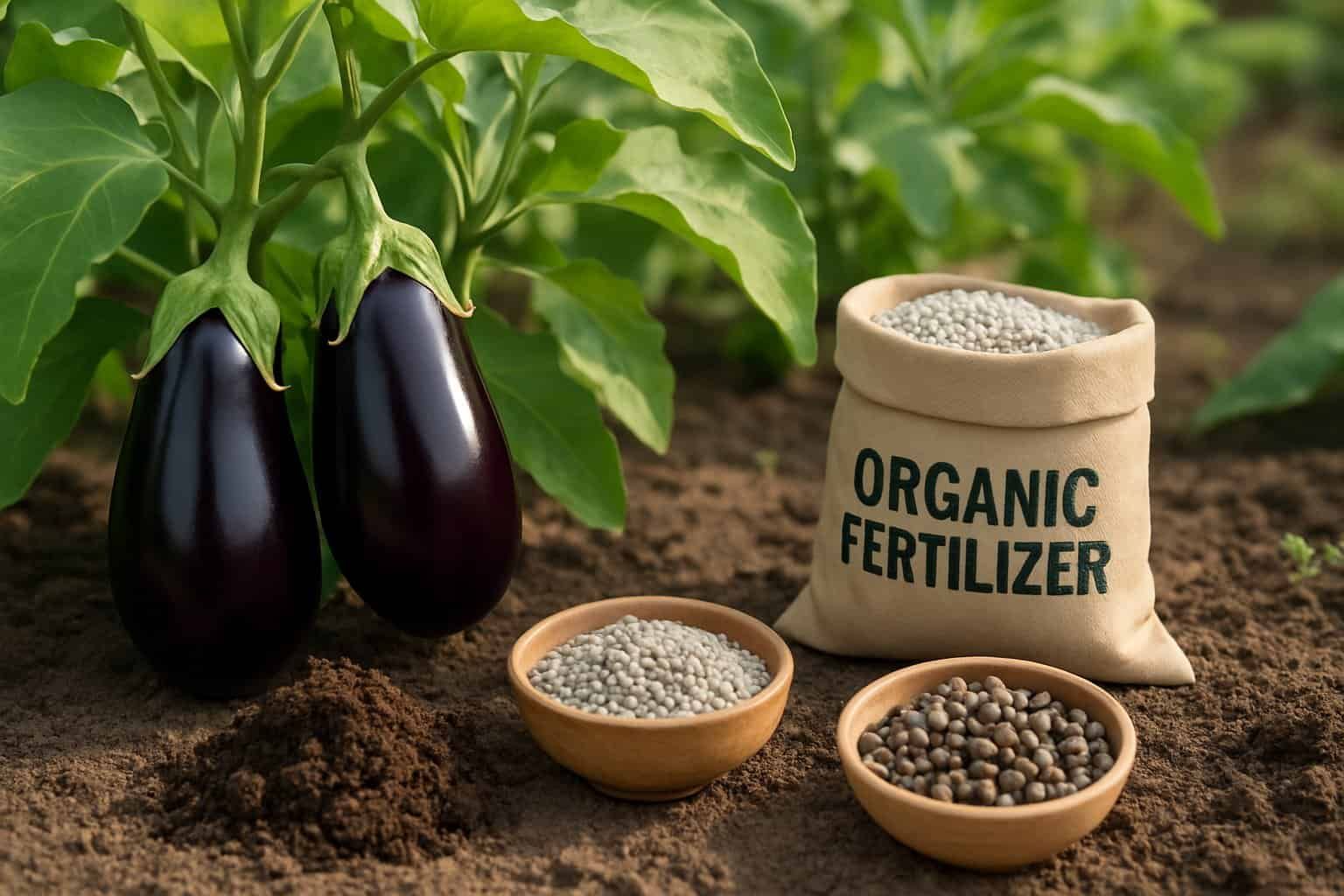
Many gardeners prefer working with organic fertilizers for their safety and environmental benefits. You have several effective choices.
Fish emulsion provides quick nitrogen and helps plants green up during early growth. Mix and apply according to bottle directions, typically every 2 to 3 weeks. Fish emulsion smells strong, but the nitrogen boost is worth it.
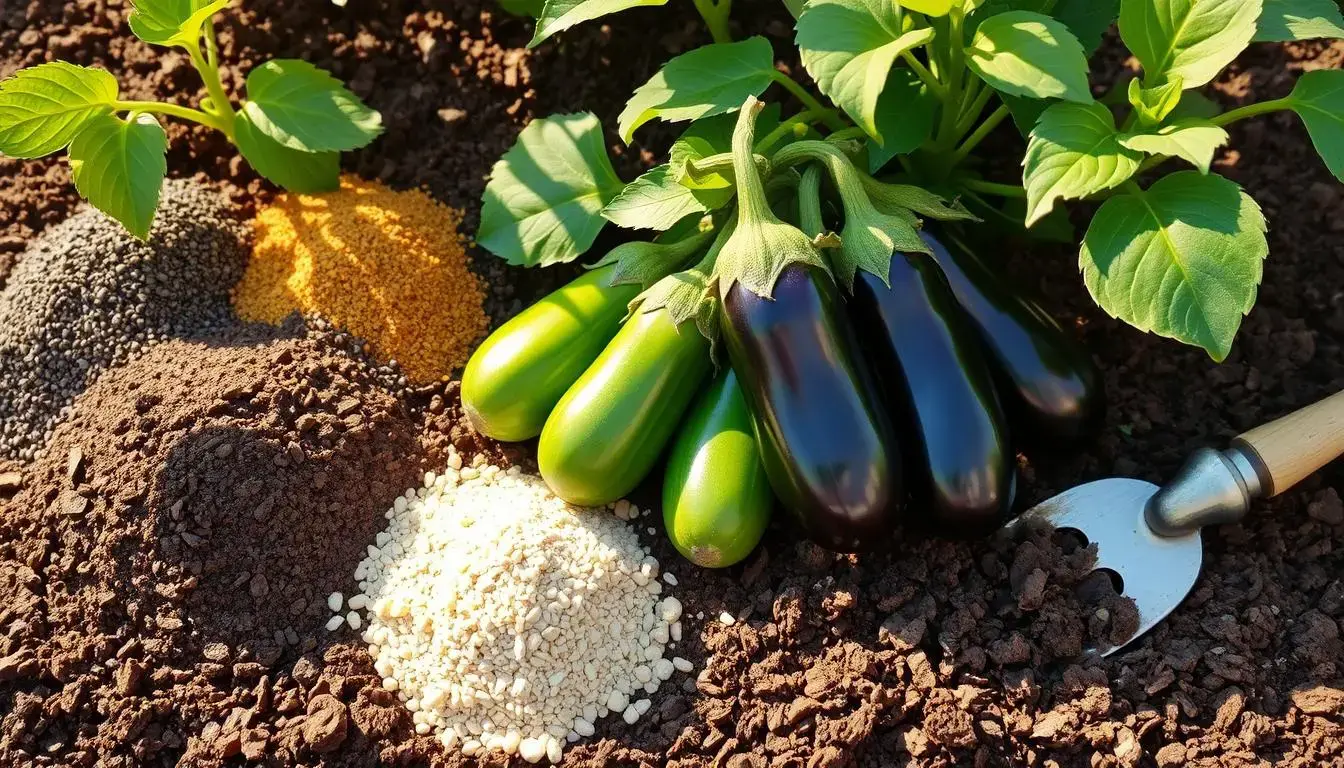
Bone meal offers phosphorus for root and flower development. Work bone meal into the soil before planting or apply as a side dressing. It releases slowly, making it ideal for phosphorus that lasts the whole season.
Vermicompost (worm castings) contains balanced nutrients plus beneficial microbes. Mix a 1 to 2 inch layer into your soil before planting or use as a side dressing monthly.
Compost tea combines the benefits of compost with ease of application. Brew finished compost in water, strain it, and apply as a foliar spray or soil drench every 2 to 3 weeks.
Many organic gardeners use a combination approach. They apply vermicompost or compost at planting, use fish emulsion every 2 to 3 weeks, and add bone meal once flowering starts. This layered approach keeps nutrients available throughout the season.
Synthetic Fertilizer Options
Synthetic fertilizers provide precise nutrient control and quick results. Most are water soluble and immediately available to plant roots.
Choose a granular fertilizer with your target NPK ratio for your current growth stage. Granular types release steadily over 4 to 6 weeks, reducing application frequency. Side dress around each plant and water deeply.
Liquid fertilizers work faster but require more frequent application (every 2 to 3 weeks). Dilute according to label instructions and apply either to soil or as foliar spray.
Slow release synthetic fertilizers (often coated pellets) feed your eggplants steadily for 8 to 12 weeks. Apply them once at planting for season long nutrition with minimal effort.
The advantage of synthetics is precision. You know exactly how much nitrogen, phosphorus, and potassium each application delivers. This makes it easier to prevent nutrient imbalances.
Application Methods That Deliver Results
How you apply fertilizer matters as much as which fertilizer you choose.
Side dressing is the gold standard for established plants. Apply fertilizer (granular or diluted liquid) in a circle around the plant, about 6 to 8 inches from the stem. Water thoroughly to carry nutrients toward roots. This method keeps fertilizer away from stems and prevents chemical burn.
Foliar feeding means spraying diluted fertilizer directly on leaves. Plants absorb nutrients through leaf pores, providing quick results for deficiencies. Spray early morning or late afternoon to avoid leaf burn. This approach complements soil feeding but shouldn't replace it.
Soil soaking works well for liquid fertilizers. Dilute according to instructions and pour slowly around the base of each plant. Water again afterward to distribute nutrients through the soil. This method gives faster results than granular applications alone.
Drip irrigation with fertilizer (fertirrigation) lets you apply nutrient rich water continuously. If you have drip lines, many fertilizer products work in systems. Check before purchasing. This method is extremely efficient because water and nutrients reach roots consistently.
Water deeply after any fertilizer application. Water helps fertilizer dissolve and move toward roots. It also prevents chemical concentration near the stem, which can damage plants.
Recognizing Nutrient Deficiency Problems
Your eggplants communicate their needs through appearance changes. Catching problems early makes them easy to fix.
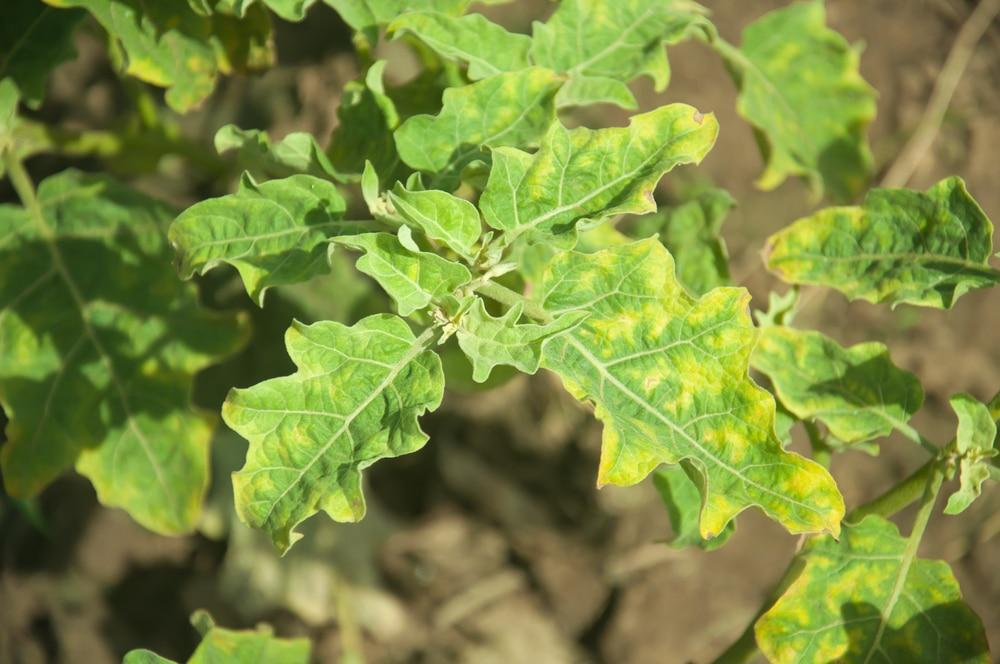
Nitrogen deficiency appears as yellowing older leaves while new growth stays relatively green. Plants slow their growth noticeably. The remedy is straightforward: apply a nitrogen rich fertilizer or side dress with compost. Quick acting fish emulsion shows results within days.
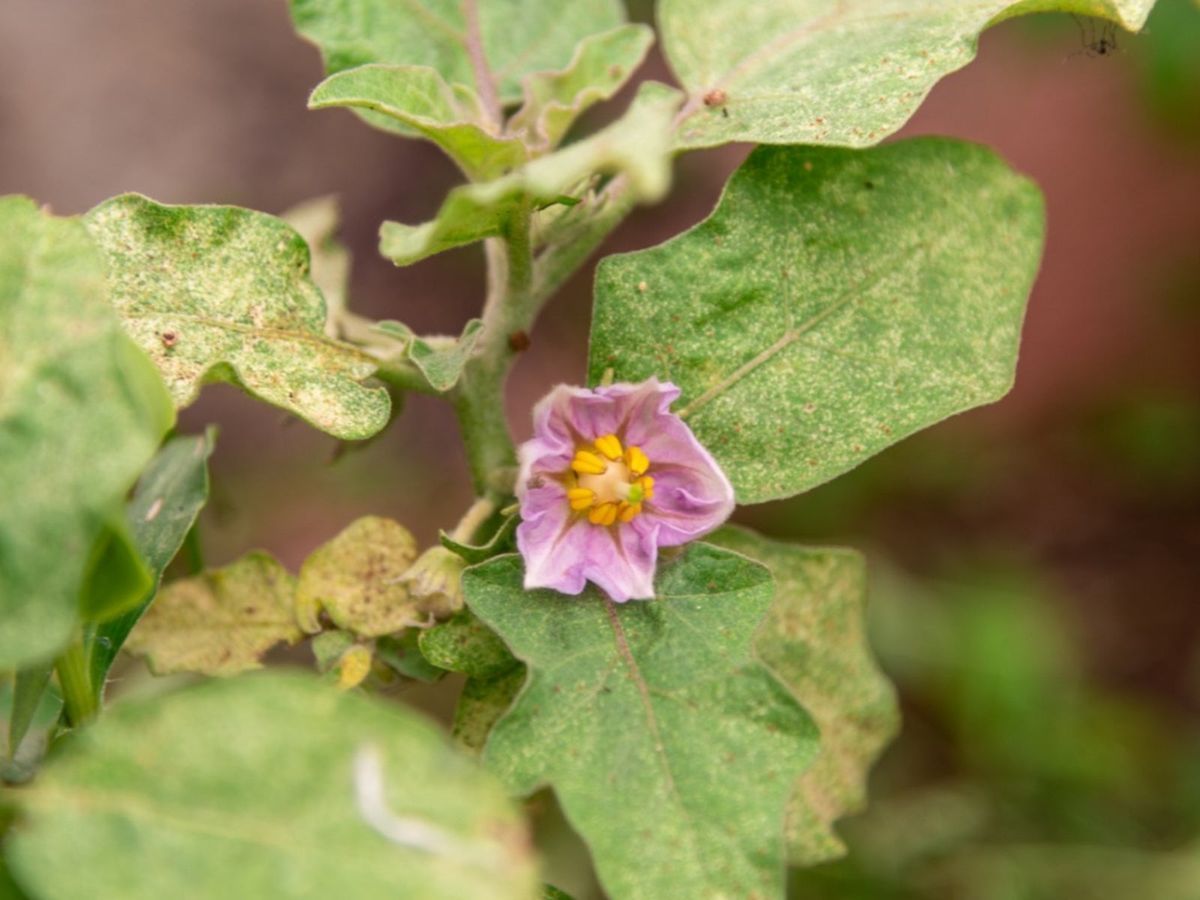
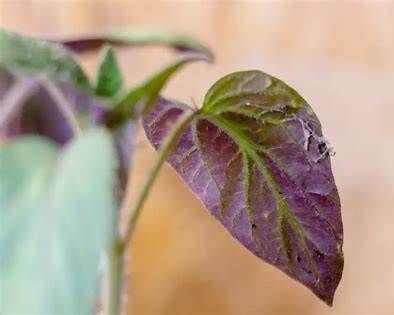
Phosphorus deficiency causes purplish or reddish discoloration on leaves, especially lower leaves. Flowering delays or becomes sparse. Plant growth looks stunted. Apply bone meal or a phosphorus rich fertilizer immediately.
Potassium deficiency shows as yellowing leaf edges while the leaf center stays green. You might see scorched or burned looking leaf margins. Fruits often stay small. Switch to a higher potassium formula or side dress with greensand (organic) or potassium sulfate (synthetic).
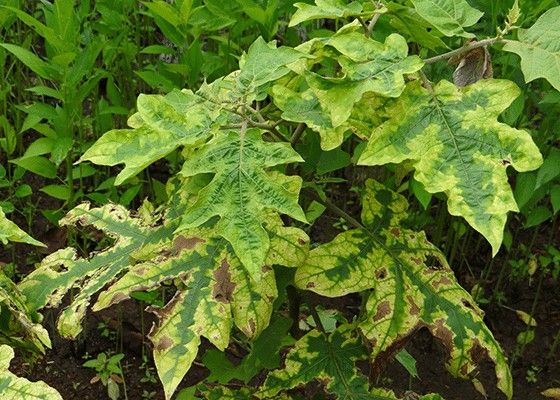
Multiple deficiencies appear as overall pale, stunted growth with poor color. This usually means your soil is depleted or pH is wrong. A soil test tells you exactly what you're missing. Meanwhile, apply a complete balanced fertilizer while you make soil corrections.
Early recognition prevents yield losses. Check your plants weekly for color changes or unusual growth patterns. The sooner you respond to deficiency signs, the faster recovery happens.
Matching Fertilizer to Your Growing Style
Your fertilizer choice should match how much attention you want to give your garden.
Low maintenance gardeners prefer slow release fertilizers applied once at planting or split into 2 to 3 applications. Organic compost layers mixed into soil at planting provide steady nutrients without weekly attention. Slow release synthetic pellets offer similar hands off convenience.
Active gardeners enjoy the precision and rapid response of liquid fertilizers applied every 2 to 3 weeks. They can adjust applications based on plant appearance. Fertirrigation systems appeal to gardeners with larger plots who want maximum control.
Organic focused gardeners build soil health as their primary goal. They rely on compost, aged manure, and amendment based approaches. They might use fish emulsion and bone meal every few weeks but avoid synthetics.
Budget conscious gardeners often make their own compost tea or use inexpensive granular balanced fertilizers. They might use side dressing compost instead of bought amendments. This approach costs less while still producing healthy plants.
Your approach matters less than consistency. Eggplants respond well to regular, appropriate nutrition whether you choose organic or synthetic methods.
Complete Fertilization Timeline
Here's exactly when to apply what, from transplanting through final harvest.
Week 0 to 2 (Transplanting): Use pre plant fertilizer mixed into soil or apply balanced 10-10-10 at transplanting. Water thoroughly.
Weeks 2 to 6 (Vegetative growth): Apply 10-10-10 fertilizer every 4 to 6 weeks via side dressing or liquid feeding.
Weeks 6 to 10 (Flowering begins): Switch to 5-10-10 or 6-12-12 ratio. Continue every 4 to 6 weeks.
Weeks 10 to 16 and beyond (Peak fruiting): Maintain 5-10-10 or 6-12-12 ratio. Apply every 4 to 6 weeks through harvest.
Late season (Final 4 weeks): Reduce or stop nitrogen but maintain potassium for final fruit quality. This prevents excessive late season growth at the expense of fruit.
Monitor your plants throughout. If you see deficiency signs, address them immediately rather than waiting for the next scheduled application.
How Plantlyze Helps Your Eggplant Success
You've learned what your eggplants need nutritionally. But what about disease, pest issues, or other plant health questions? That's where Plantlyze comes in.
Plantlyze is an AI powered plant care diagnosis tool that identifies problems in real time. Take a photo of your eggplant leaf, stem, or fruit, and the system diagnoses issues instantly. Need help identifying whether those spots indicate nutrient deficiency, disease, or pest damage? Plantlyze shows you exactly what you're looking at and recommends treatments.
As your season progresses, Plantlyze helps you maintain overall plant health beyond just fertilization. Visit plantlyze.com to explore how the tool supports your entire gardening season.
Key Takeaways for Eggplant Fertilizer Success
Growing abundant eggplants comes down to understanding what these hungry plants need and delivering it consistently. Start with soil testing and quality pre plant preparation. Use balanced fertilizer ratios early, switch to phosphorus and potassium rich ratios during flowering and fruiting, and apply every 4 to 6 weeks.
Watch your plants for nutrient deficiency signs and respond quickly. Whether you choose organic or synthetic methods matters less than staying consistent. Healthy, well fed eggplants reward you with vigorous growth, abundant flowers, and impressive fruit yields that make your garden the envy of the neighborhood.
Your eggplants are waiting. Feed them what they need, and watch them thrive.
REFERENCES
Rashid et al. "Growth, Yield and Quality Response of Eggplant (Solanum melongena L.) to Blended NPSB Fertilizer Rates and Intra-row Spacing in Wolaita Zone, Ethiopia." National Center for Biotechnology Information, 2 August 2024, https://pmc.ncbi.nlm.nih.gov/articles/PMC11336821/
Texas A&M AgriLife Extension. "Eggplant: Easy Gardening Guide." Texas A&M University, https://aggie-horticulture.tamu.edu/wp-content/uploads/sites/10/2013/09/EHT-036.pdf