You've noticed brown spots appearing on your eggplant leaves, with distinctive concentric rings that look almost like a target. The spots are spreading quickly, and some lower leaves are already turning yellow. This is early blight, one of the most destructive fungal diseases affecting eggplant worldwide. But don't worry. This comprehensive guide will help you identify, prevent, and manage this disease effectively.
Eggplant is one of the world's most important vegetable crops, grown across Asia, Africa, Europe, and the Americas. Yet early blight represents a significant threat to eggplant production everywhere. The disease causes yield losses ranging from 30 to 87.5 percent in severe cases. However, the good news is that early blight is entirely preventable and manageable through integrated prevention and treatment strategies. Understanding this disease is your first step toward protecting your eggplant harvest.
What is Eggplant Early Blight?
Early blight is a fungal disease caused by the pathogen Alternaria solani. This fungus lives in soil and can survive for years in plant debris, making it a persistent problem once it establishes in your garden or field.
The disease affects all aboveground parts of the eggplant plant: leaves, stems, and fruits. Early blight is most severe in warm, humid conditions where it can spread rapidly through your crop. What makes this disease particularly concerning is its ability to cause complete defoliation (leaf loss), which exposes fruit to damaging sunscald and weakens the overall plant vigor.
The positive aspect is that early blight rarely kills eggplant plants outright. Instead, it reduces plant strength, limits fruit production, and decreases fruit quality. This means prevention and early management can preserve most of your harvest. The disease is found in many eggplant-growing regions globally, affecting both home gardeners and commercial producers.
Recognizing Early Blight Symptoms
Early detection is crucial for managing this disease. Here's what to look for:
On Leaves:
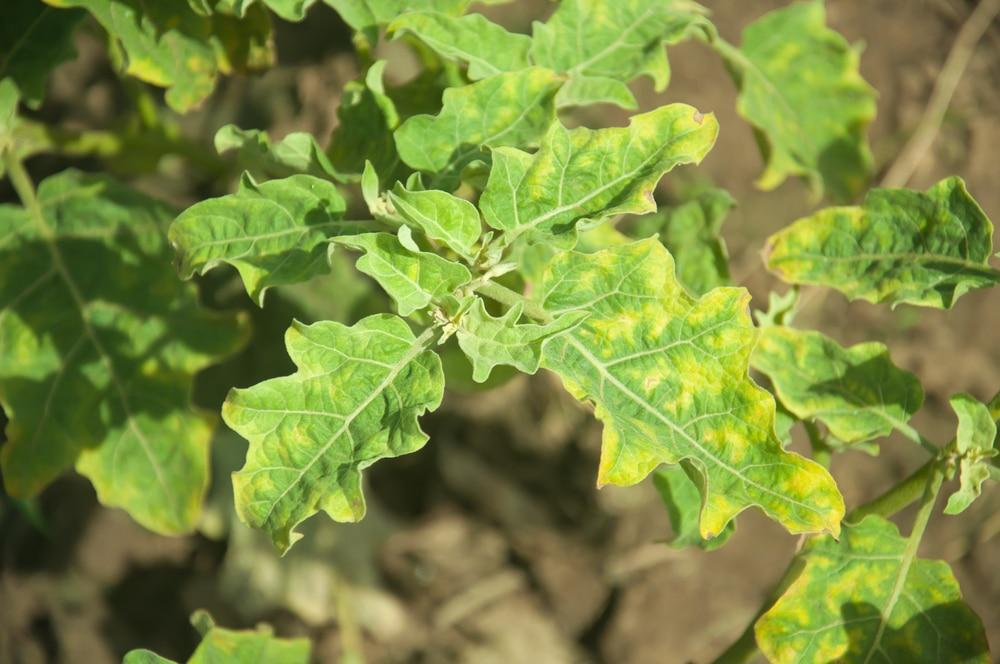
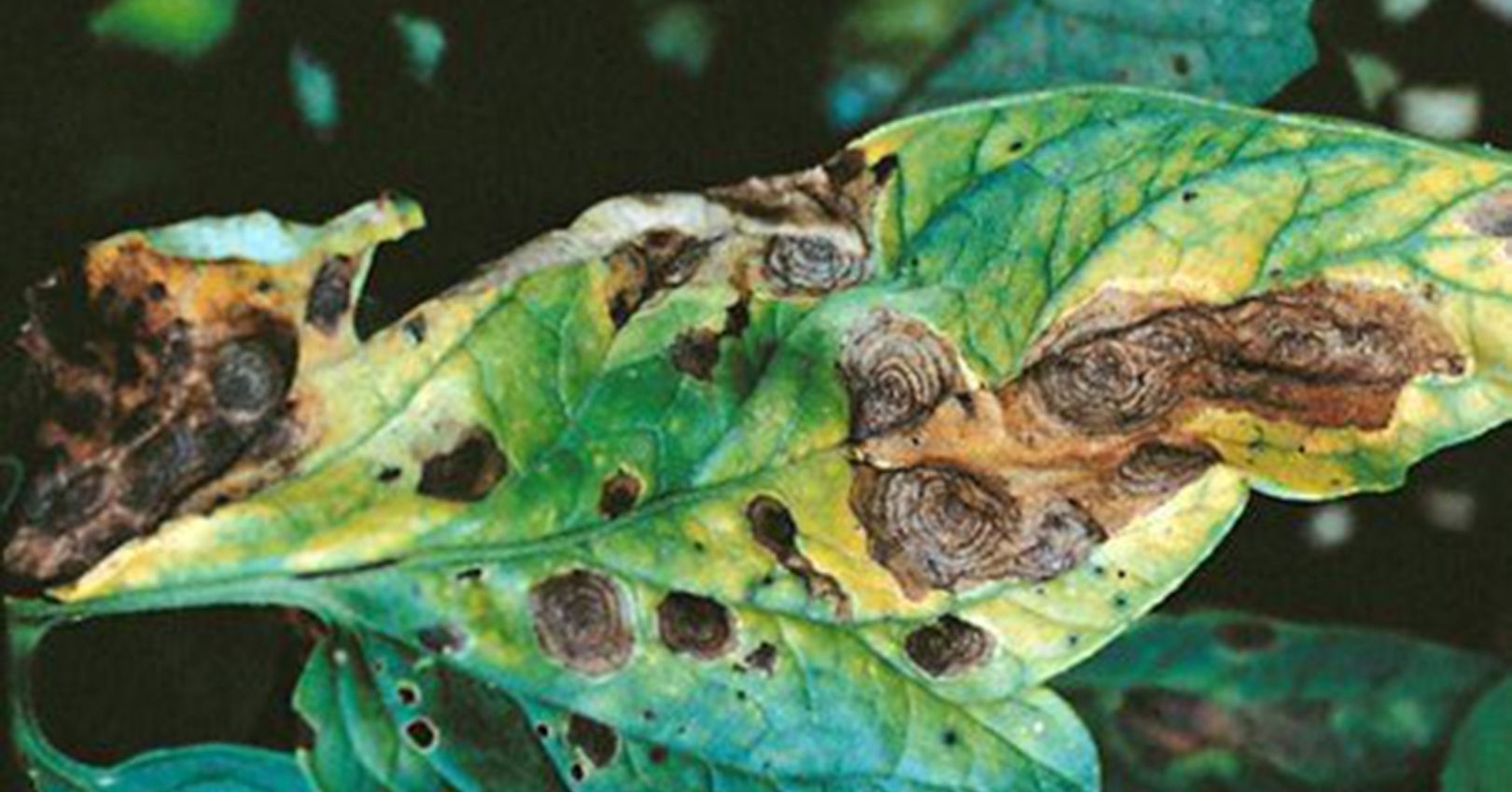
Early blight symptoms first appear on the lower leaves as small circular spots measuring about 2 to 4 millimeters in diameter. These spots have a distinctive dark brown or black outer ring with lighter tan centers. Inside each spot, you will notice overlapping concentric rings that resemble a target or bullseye pattern. A yellow halo typically surrounds the spots, making them easy to identify among healthy green tissue.
As the disease progresses, the spots expand and merge together with nearby lesions. The affected leaf area turns yellow, then brown. Eventually, entire leaves become covered with diseased tissue and drop from the plant. This progression can happen rapidly during favorable conditions, sometimes within just a few weeks.
On Stems:
Stem symptoms appear as small, sunken spots that become elongated over time. These spots may eventually form rings around the stem. In severe cases, the disease can girdle (encircle completely) the stem, cutting off nutrient flow and causing stem death beyond that point.
On Fruits:
Eggplant fruits develop brown to black circular spots with a sunken appearance. Concentric rings are visible inside the spots. These symptoms make the fruit unmarketable even if the disease hasn't killed the plant.
Plant Growth Effects:
Infected plants show stunted growth, reduced vigor, and weakened overall appearance. As leaves drop off, the remaining fruit becomes exposed to intense sunlight. This causes sunscald: a white, papery appearance on fruit surfaces that makes them unsuitable for sale or consumption.
To confirm whether your eggplant has early blight, you can upload a photo of affected leaves to Plantlyze at plantlyze.com. The AI powered diagnosis tool can help identify the disease and provide specific treatment recommendations for your situation. Early detection and accurate identification are key to preventing disease spread.
Understanding the Causes and Risk Factors
Alternaria solani is a soil dwelling fungus that produces spores capable of surviving in soil for many years. This explains why the disease can return year after year, even in gardens where infected plants were removed. The fungus can also be seed borne, meaning diseased seeds introduce the pathogen into new fields.
Environmental Conditions That Favor Disease:
The fungus thrives in specific conditions. Warm temperatures between 21 and 24 degrees Celsius are ideal for disease development. High humidity above 55 percent promotes rapid spread. Wet leaves and poor air circulation around plants create perfect conditions for spore germination and disease establishment.
Overhead watering and frequent rainfall keep leaves wet for extended periods, increasing infection risk dramatically. Even morning dew can provide sufficient moisture for spore germination if humidity remains high throughout the day.
Transmission Methods:
Early blight spreads through multiple pathways. Wind carries spores long distances from infected plants to healthy ones. Water splash from rainfall or overhead irrigation carries fungal spores from soil to lower leaves. Contaminated seeds and seedlings bring the disease directly into your garden or field. Dirty garden tools and equipment transfer spores from plant to plant. Infected crop debris left in the soil perpetuates the disease cycle.
Risk Factors That Increase Severity:
Plant stress from poor nutrition or drought increases susceptibility dramatically. Plants weakened by nitrogen deficiency cannot mount effective defenses against infection. Conversely, excess nitrogen reduces disease resistance. Severe plant stress from any source makes early blight far more damaging.
Overcrowded plants with poor air circulation create humid microenvironments where the fungus thrives. Heavy fruit loads stress plants, reducing their ability to fight disease. Older plants naturally become more susceptible as the growing season progresses. Poor soil quality and lack of organic matter weaken plant immunity.
Prevention Strategies: Your Most Effective Tool
Prevention is infinitely more effective than treatment. A single hour spent on prevention prevents days of managing active disease. Here are proven strategies organized by category:
Spacing and Air Circulation:
Space plants at least 12 inches apart minimum. This spacing allows air to circulate freely between plants, drying foliage quickly after rain or watering. Poor air circulation extends the wet period on leaves, giving the fungus time to germinate and infect tissue.
If plants become overcrowded, prune lower leaves carefully to improve air movement. Consider using trellis or stake systems to position plants more vertically, which naturally improves air flow.
Water Management:
This is critical. Avoid overhead irrigation completely if possible. Instead, use drip irrigation systems that deliver water directly to soil without wetting foliage. If overhead irrigation is absolutely necessary, water very early in the morning only. This allows the canopy to dry completely by evening, denying the fungus the moisture it needs.
Monitor soil moisture levels carefully. Both waterlogged and drought-stressed soils create problems. Maintain consistent, moderate moisture that keeps plants healthy without creating excessively wet conditions.
Field Sanitation:
Remove infected leaves the moment you notice symptoms. Don't wait, don't hope they'll improve. Diseased leaves won't recover and will only spread spores to healthy parts of the plant. Destroy all crop residue after harvest. Don't compost diseased material unless your compost reaches temperatures above 60 degrees Celsius throughout.
Plow under plant residues to bury remaining fungal spores deep in soil where they're less likely to cause problems. If you have severely infected plants, burn the material if local regulations allow. At minimum, bag it and remove it from the growing area.
Remove weeds, which can serve as alternate hosts for the fungus. Clean all garden tools between plants to avoid spreading spores from diseased to healthy plants.
Soil and Nutrient Management:
Work well-composted organic matter into soil to improve soil structure and biology. Good soil promotes healthy, vigorous plants with stronger natural defenses. Maintain optimal nutrient levels through soil testing. Both nutrient excess and deficiency increase disease susceptibility.
Avoid excess nitrogen, which produces soft, lush growth attractive to fungal pathogens. Ensure adequate phosphorus and potassium, which support plant immunity. Keep soil fertility balanced rather than pushed to extremes.
Variety Selection:
Choose resistant or tolerant eggplant varieties when available. Research varieties suited to your region and climate. Consult your local extension service for recommendations. If possible, test varieties in small plots before committing to large plantings.
Crop Rotation:
Do not plant eggplant in the same location for at least 2 years. Rotate with completely different crops such as grains, beans, or legumes. These non-solanaceous crops don't support early blight, allowing soil fungal populations to decline.
Avoid planting eggplant near tomatoes, peppers, or potatoes, which are also susceptible to Alternaria solani. Even if these crops are in a different location, shared soil or water systems can spread fungal spores between them. Maintain detailed field records documenting what was grown where each year.
Seed and Seedling Selection:
Source seeds from certified disease-free suppliers. Ensure seedlings come from healthy stock. Poor-quality seedlings already weakened by disease or stress establish slowly and succumb easily to early blight.
Treatment and Control Methods
Despite best prevention efforts, early blight sometimes develops. Here's how to manage it:
Biological Control Options:
Research demonstrates that endophytic fungi like Aspergillus terreus can provide 66 to 67 percent disease protection while enhancing plant growth characteristics. These beneficial organisms live inside plant tissues and boost natural immunity. Apply as soil treatments or sprays according to product directions.
Other beneficial microorganisms including Trichoderma species, Pseudomonas fluorescens, and Bacillus species also show effectiveness. These work by competing with pathogenic fungi for resources or directly producing compounds that inhibit fungal growth.
Chemical Fungicide Options:
Difenoconazole-based products like Daify Core provide effective chemical control. Copper-based fungicides also work. Use chemical fungicides as a last resort when other methods fail. Always follow label directions carefully. Check whether chemical use affects any certifications you maintain.
Natural Remedies:
Onion extract offers natural control. Chop onions finely, mix with water, strain, and spray on plants. Cost effective and surprisingly effective, though repeated applications are necessary. Fermented marigold extract and sulfur products also provide disease suppression.
Integrated Pest Management Approach:
Combine multiple methods for best results. Start with strong prevention and cultural practices. Add biological controls if disease pressure remains. Use chemical treatments only when necessary. Monitor regularly throughout the season. Adjust your strategy based on what you observe in your specific plants and conditions.
Apply treatments early in disease development when spots are few and small. Following spray schedules in product recommendations ensures adequate coverage. Spray thoroughly, wetting all leaf surfaces including undersides. Time applications for early morning or late afternoon when temperatures are cooler. Avoid spraying in intense heat.
Moving Forward with Confidence
Early blight is a serious disease, but it's entirely manageable. The key is understanding that prevention is always superior to treatment. One hour spent on prevention prevents days of managing active disease.
Start implementing prevention strategies immediately. Improve spacing and air circulation. Fix your watering system to use drip irrigation. Clean up debris and remove infected plant material. Rotate crops properly. These foundational steps prevent most early blight problems before they start.
When you notice symptoms despite prevention efforts, act quickly. Remove infected leaves. Consider biological controls or, if necessary, chemical fungicides. The sooner you address the problem, the less damage you'll experience.
Remember, many eggplant growers successfully prevent early blight every season using these strategies. You can too. Your eggplants can thrive, producing abundant fruit without early blight damage. Start today with one prevention strategy, add another next week, and build toward a comprehensive prevention program.
For accurate diagnosis when symptoms appear, upload photos to Plantlyze.com where the AI powered tool can help confirm the disease and provide personalized recommendations for your situation.
References
Plant Pathology and Quarantine Journal - Diseases of Eggplant and Sustainable Management in Asia
https://plantpathologyquarantine.org/pdf/PPQ_14_1_9.pdfInfonet Biovision - Early Blight Management Guide
https://infonet-biovision.org/plant_pests/early-blightFrontiers in Plant Science - Eggplant Disease Detection Methods
https://www.frontiersin.org/journals/plant-science/articles/10.3389/fpls.2025.1666955/fullUSDA/University Extension - Common Solanaceae Crop Diseases
https://www.gardeningknowhow.com/edible/vegetables/eggplant/early-blight-on-eggplants.htm