You walk into your garden one fine morning and find your once healthy eggplant drooping lifelessly. Just yesterday it stood firm with deep purple fruit and glossy leaves. Today, it looks like someone forgot to water it for weeks. The soil is moist, the weather is warm and every other plant looks healthy. What happened? You are likely facing bacterial wilt, one of the most devastating diseases that can strike your eggplant crop.
Bacterial wilt caused by Ralstonia solanacearum can destroy entire eggplant harvests within days. This soil borne bacterium is a master survivor, lurking in your garden for years waiting for the right conditions. The good news is that with proper knowledge and modern tools, you can protect your eggplants and enjoy healthy harvests season after season.
What Is Eggplant Bacterial Wilt?
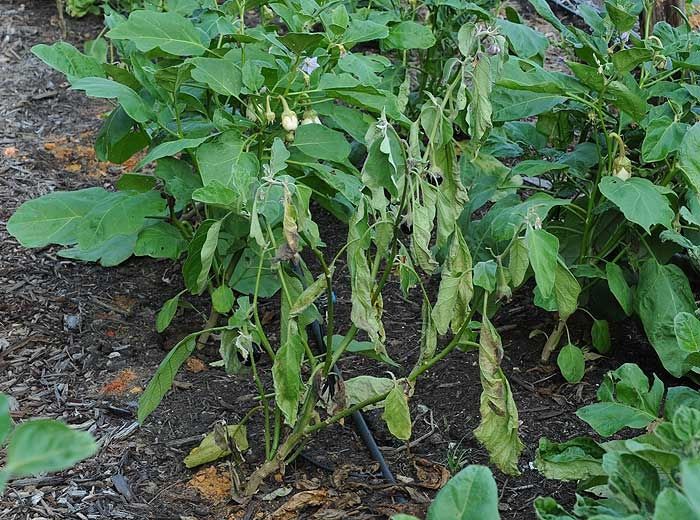
Eggplant bacterial wilt is a vascular disease that clogs the plant's plumbing system. Ralstonia solanacearum is a highly adaptable bacterium. It enters through the roots and multiplies rapidly in the water conducting tissues. As the bacteria spread, they block water movement from roots to leaves, causing the plant to wilt and die even when soil moisture is abundant.
The disease occurs on solanaceous crops throughout the world but mostly in warm regions temperatures above 24° C. The economic impact can be serious as reported by some farmers who have lost totally their crop in a severely infected field. Eggplants are particularly vulnerable because they belong to the Solanaceae family, which includes tomatoes, peppers, and potatoes all susceptible hosts for this persistent pathogen.
What makes Ralstonia solanacearum especially dangerous is its ability to survive for extended periods without a host. The bacterium can persist in soil for years, waiting for susceptible plants to be planted. It also has an extremely wide host range, infecting over 200 plant species including many common weeds that show no symptoms but serve as reservoirs for the disease.
Recognizing the Symptoms: Early Warning Signs
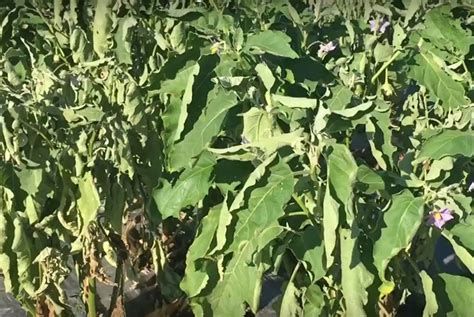
Early detection is your best defense against bacterial wilt. The disease moves fast, but it does leave clues if you know what to look for.
Visual Symptoms to Watch For
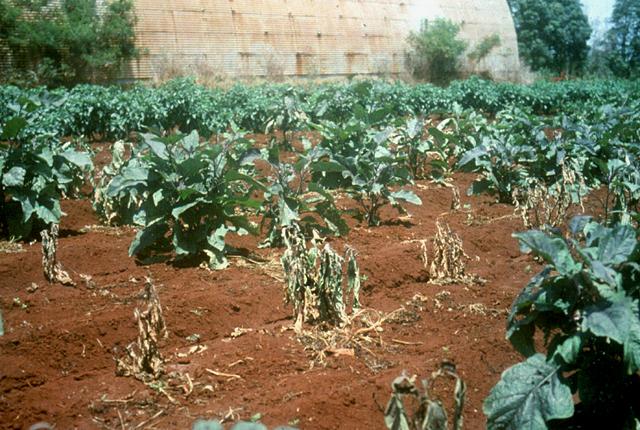
The first sign is often sudden wilting of terminal leaves during hot afternoons. You might notice the youngest leaves at the ends of branches drooping while the rest of the plant looks fine. Within two to three days, this wilting becomes permanent and spreads to the entire plant. A distinctive feature of bacterial wilt is that the plant remains green while wilting, unlike other diseases that cause yellowing first.
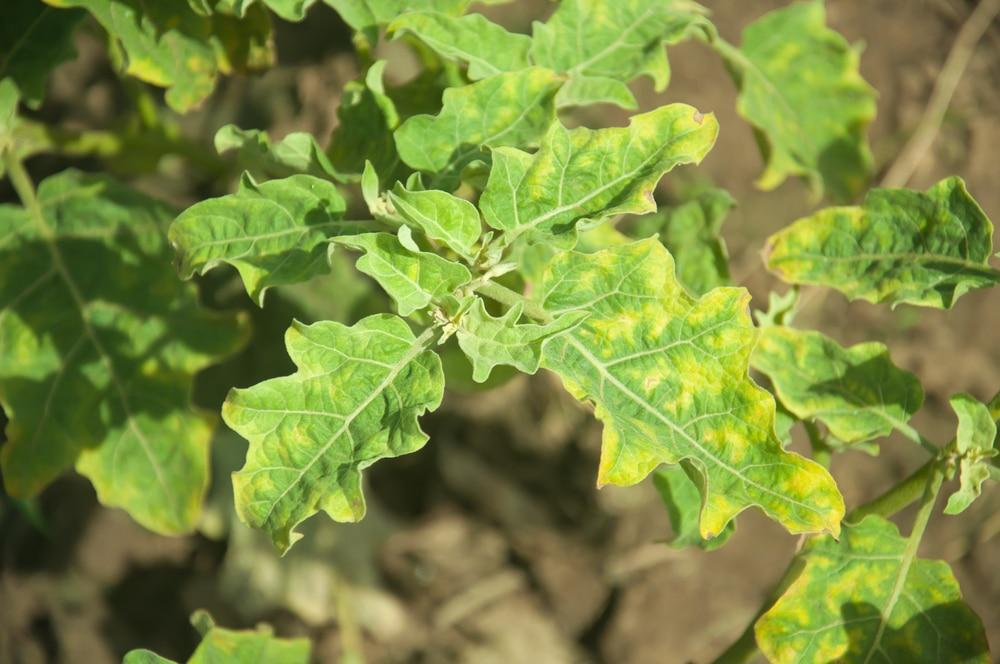
In cases where disease development is slower, you may see stunted growth and yellowing foliage. Some plants produce large numbers of adventitious roots on the stem as a stress response. The speed of symptom development depends on temperature, soil moisture, and the virulence of the bacterial strain.
Advanced Diagnostic Signs
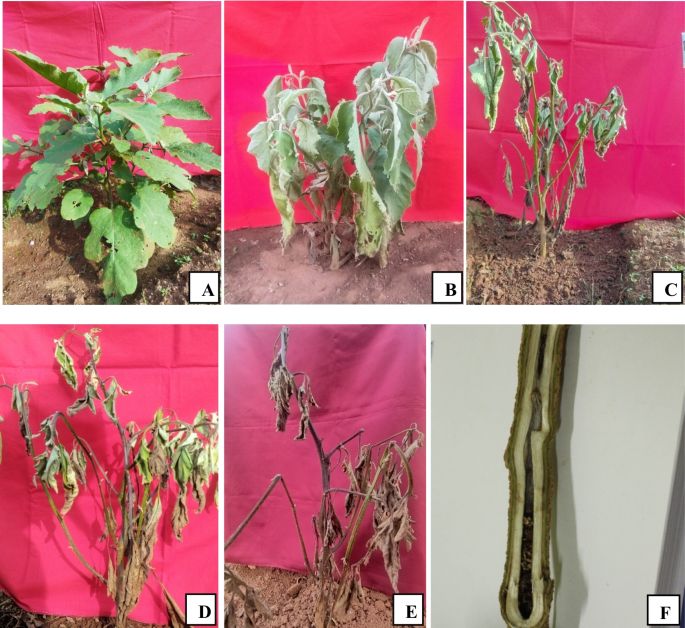
To confirm bacterial wilt, cut the stem lengthwise near the base. Look for brown discoloration in the vascular tissue, the water conducting channels running through the stem. When you press the cut stem, you may see a grayish slimy ooze, which is the bacterial mass exuding from the infected tissue.
The most reliable diagnostic method is the water test. Cut a two to three centimeter piece from the base of a wilted stem. Suspend this cutting in a clear glass of water, holding it vertically with tongs. Within seconds to minutes, milky white bacterial strands will stream from the cut end if bacterial wilt is present. This streaming is the bacteria moving out of the infected tissue into the water, and it is a definitive sign of the disease.
Differentiating from Other Wilts
Bacterial wilt symptoms can be confused with fungal wilts like Verticillium or Fusarium. The key differences are speed and color. Bacterial wilt kills plants much faster, often within a week of first symptoms. The plant stays green until death. Fungal wilts typically cause yellowing that progresses up the plant, and the decline is slower, taking weeks rather than days.
Verticillium wilt often shows one sided wilting first, with leaves turning yellow and spotted before wilting. Fusarium wilt causes more extensive root rot and different patterns of vascular discoloration. Learning to distinguish these diseases helps you choose the right treatment strategy.
How Bacterial Wilt Spreads and Thrives
Understanding the disease cycle helps you break it. Ralstonia solanacearum is primarily soil borne, entering plants through wounds in the root system. These wounds can be caused by cultivation tools, nematode feeding, or natural root growth cracks.
Once inside, the bacteria multiply in the xylem vessels and migrate upward, blocking water flow. As infected roots decay, the bacteria are released back into the soil, where they can infect neighboring plants through root contact. The pathogen can also spread through contaminated water runoff, infected transplants, and soil clinging to tools, boots, or equipment.
The disease thrives under specific conditions. Warm temperatures above 24 degrees Celsius combined with high soil moisture create ideal conditions for bacterial multiplication. Slightly acidic soils with pH below 6.5 favor the pathogen, as do poor, infertile soils that stress plants and make them more susceptible. Root knot nematodes make the situation worse by creating entry wounds and stressing plant roots.
Weed hosts play a major role in disease persistence. Many weeds in the Solanaceae family, like black nightshade, can harbor the bacterium without showing symptoms. These asymptomatic carriers keep the pathogen alive in your garden between eggplant crops.
Proven Prevention Strategies
Prevention is far more effective than treatment when dealing with bacterial wilt. An integrated approach combining multiple strategies gives the best protection.
Cultural Practices That Make a Difference
Crop rotation is essential. Avoid planting solanaceous crops in the same location for three to four years. Rotate with non host crops like corn, beans, or grasses that do not support Ralstonia solanacearum. This starves the bacteria in the soil by removing susceptible hosts.
Remove and destroy infected plants immediately. Do not compost them, as the bacteria will survive and spread when you use the compost. Burn the plants or seal them in plastic bags for disposal. After handling infected plants, wash your hands thoroughly and disinfect any tools with a bleach solution.
Avoid working in your eggplant field when plants are wet. Water helps spread the bacteria, and wounds created during cultivation provide entry points. Control root knot nematodes through soil solarization or organic amendments, as nematode damage makes plants much more vulnerable to bacterial wilt.
Soil Management Techniques
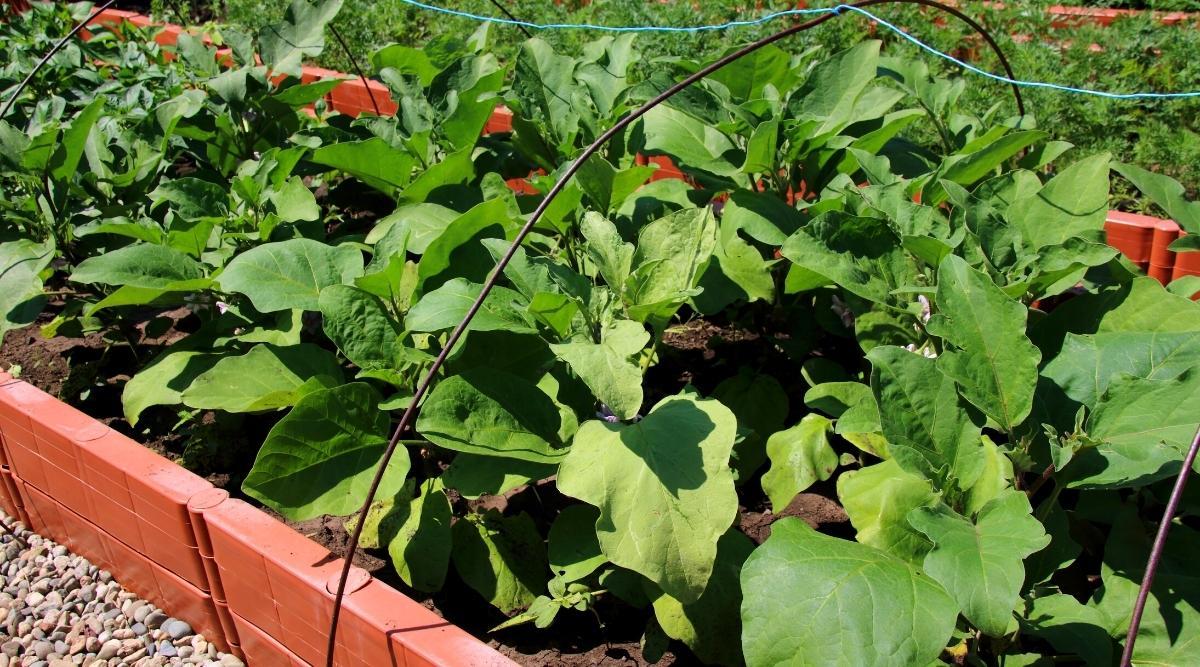
Improve drainage by planting on raised beds. Bacterial wilt spreads faster in waterlogged soil, so good drainage reduces disease pressure. Maintain soil pH between 6.2 and 6.5, which is less favorable for the pathogen and optimal for eggplant growth.
Add calcium amendments like rock dust or agricultural lime. Research shows that increased calcium concentrations in plants reduce bacterial wilt severity and limit Ralstonia solanacearum populations in stems. Calcium strengthens cell walls, making it harder for bacteria to invade.
Incorporate organic matter strategically. Some green manures like pigeon pea and sunn hemp have shown suppressive effects against bacterial wilt when incorporated into soil before planting. These plants release compounds that inhibit bacterial growth.
Soil solarization is a powerful preventive tool. Cover moist soil with clear plastic for 60 days during the hottest part of summer. The sun's heat raises soil temperatures high enough to kill the bacteria and many other soil borne pathogens. This technique works best in warm climates with intense sunlight.
Starting Clean
Always purchase certified disease free transplants from reputable nurseries. Inspect seedlings carefully before buying, rejecting any that show wilting or stunting. If you start your own seeds, use hot water treatment to eliminate bacteria on seed coats. Soak seeds in water at 45 degrees Celsius for two days or 60 degrees Celsius for two hours.
Sterilize potting mix if reusing containers or soil. Bake soil in an oven at 82 degrees Celsius for 30 minutes or use commercial soil sterilants. Quarantine new plants for two weeks before introducing them to your main garden, watching for any signs of disease.
Treatment Options When Prevention Fails
Even with perfect prevention, bacterial wilt can sometimes appear. When it does, you have several treatment options ranging from biological controls to resistant varieties.
Biological Control Agents
Trichoderma asperellum proved very effective against bacterial wilt of eggplant. This beneficial fungus colonizes the roots and induces systemic resistance against Ralstonia solanacearum within the host plant.[40] In field experiments, a suspension of Trichoderma asperellum applied at 40 milliliters per plant recorded low severity levels of the disease, especially when it was applied earlier than the pathogen inoculation.
The best results come from applying Trichoderma at the flowering stage, when eggplants are most vulnerable. The fungus works by competing with the pathogen for space and nutrients, producing antimicrobial compounds, and activating the plant's natural defense mechanisms. For optimal results, apply Trichoderma asperellum as a soil drench or root dip before transplanting.
Other effective biological control agents include Pseudomonas fluorescens and Bacillus subtilis. These beneficial bacteria can be applied as seed treatments, root dips, or soil drenches. They suppress the pathogen through competition, antibiosis, and induced systemic resistance. Combining multiple biocontrol agents often provides better protection than using a single organism.
Resistant Varieties
Planting resistant varieties is the most economical and environmentally friendly control method. Several eggplant varieties show good resistance to bacterial wilt. Surya and CARI-1 are two varieties with documented resistance to Ralstonia solanacearum. CARI-1 has shown immunity to bacterial wilt under field conditions while producing good yields.
Grafting susceptible eggplant varieties onto resistant rootstocks provides another layer of protection. Solanum torvum, also known as turkey berry, is an excellent rootstock that confers high resistance to bacterial wilt. Grafted plants show dramatically reduced disease incidence, with some trials reporting 0 to 40% wilt compared to 93 to 100% in nongrafted controls.
The grafting technique involves joining a susceptible scion (the fruiting part) to a resistant rootstock. The rootstock provides disease resistance while the scion produces the desired fruit characteristics. This method is widely used in commercial production and can be adapted by home gardeners with some practice.
Chemical and Physical Options
Plant activators like acibenzolar-S-methyl induce systemic resistance in eggplants, priming the plant's defense system to respond more effectively to bacterial attack. When combined with organic amendments, acibenzolar-S-methyl can reduce disease incidence significantly. Silicon and chitosan amendments also enhance resistance by strengthening cell walls and activating defense genes.
For severe infestations, soil fumigation with metam sodium or chloropicrin can eliminate the pathogen, but these chemicals are restricted in many areas and require professional application. Soil solarization, described earlier, offers a non chemical alternative that uses heat to kill the bacteria.
Integrated Disease Management Approach
No single method provides complete control of bacterial wilt. The most effective strategy combines multiple approaches into an integrated disease management program. Start with resistant varieties or grafted plants, layer in biological controls like Trichoderma, maintain proper soil pH and calcium levels, and practice strict sanitation.
Monitor your fields regularly, especially during warm periods when disease development is fastest. Walk your garden at least twice a week, checking for early wilting symptoms. Keep detailed records of where disease appears, which helps you identify problem areas that need extra attention.
Act immediately at the first sign of disease. Remove and destroy infected plants the same day you notice symptoms. The faster you eliminate sources of inoculum, the slower the disease spreads to healthy plants.
When to Seek Expert Help: Modern Diagnosis Tools
Early diagnosis is critical but symptoms can be confusing. Traditional methods like the water test work well but require experience to interpret correctly. Modern AI powered tools provide instant, accurate diagnosis without guesswork.
For gardeners facing persistent eggplant problems, Plantlyze provides AI powered plant diagnosis that identifies bacterial wilt and other diseases within seconds. Simply upload a photo of your affected plant and receive an analysis based on the latest agricultural research. The system provides personalized treatment recommendations tailored to your specific situation.
Visit plantlyze.com to get instant answers about your plant's health and receive customized action plans. The AI tool helps you distinguish bacterial wilt from look alike problems, saving valuable time and preventing unnecessary treatments. Early and accurate diagnosis means you can act fast while treatment options are still effective.
Conclusion: Your Action Plan for Healthy Eggplants
Bacterial wilt is a formidable opponent, but it is manageable with knowledge and the right tools. Your three pillars of defense are prevention through crop rotation and sanitation, early detection through regular monitoring, and integrated management combining resistant varieties with biological controls.
Start your next growing season by testing your soil pH and amending with calcium if needed. Choose resistant varieties like Surya or CARI-1, or learn grafting techniques using Solanum torvum rootstock. Apply beneficial microbes like Trichoderma asperellum at planting and again at flowering. Most importantly, monitor your plants constantly during warm weather.
Losing plants to bacterial wilt is frustrating, but each season gives you a chance to improve your management strategy. With these tools and techniques, you can look forward to healthy eggplant harvests for years to come.
References
Transcriptome and metabolome response of eggplant against Ralstonia solanacearum https://pmc.ncbi.nlm.nih.gov/articles/PMC9840387/
Rootstocks for the Management of Bacterial Wilt in Eggplant https://onlinelibrary.wiley.com/doi/10.1155/2022/8594080
Eggplant Resistance to the Ralstonia solanacearum Species Complex https://www.frontiersin.org/articles/10.3389/fpls.2017.00828/full
First Report of Bacterial Wilt of Eggplant (Solanum melongena) https://apsjournals.apsnet.org/doi/10.1094/PDIS-12-22-2940-PDN
Recent Trends in Control Methods for Bacterial Wilt Disease https://pmc.ncbi.nlm.nih.gov/articles/PMC4356456/