You're tending your spinach garden when you notice something disturbing. Tiny holes appear in leaves. Yellow sticky residue coats the stems. Delicate webbing covers the plants. Your first instinct is panic. What pests are destroying your crop? How do you stop them? The truth is that spinach pests are manageable with the right knowledge. Most common spinach pests respond well to organic control methods. You don't need harsh chemicals to protect your harvest. This guide reveals which pests are attacking your spinach and exactly how to eliminate them naturally.
Why Spinach Attracts Pests
Spinach is a pest magnet. The tender, nutritious leaves appeal to many insects. Pests recognize spinach as an easy food source. The soft foliage is simple to penetrate and feed on. Young seedlings are especially vulnerable. A single pest infestation can destroy an entire seedling tray in days. Even established plants suffer severe damage from pest populations. Understanding why spinach attracts pests helps you prevent problems before they start. Early detection is your greatest defense against pest damage.
Multiple pests target spinach for different reasons. Some feed on leaf tissue. Others suck plant sap and transmit viruses. Still others tunnel inside leaves, creating mines. Each pest requires different identification and control strategies. Misidentifying the pest leads to wasted treatments and continued crop damage. Accurate identification is the foundation of effective pest management. You can't fight what you can't identify.
The Five Most Common Spinach Pests
Five specific pests cause most spinach problems. Learning to identify each one helps you respond quickly and appropriately. Early recognition stops infestations before they become severe.
Spinach Aphids: The Worst Offender
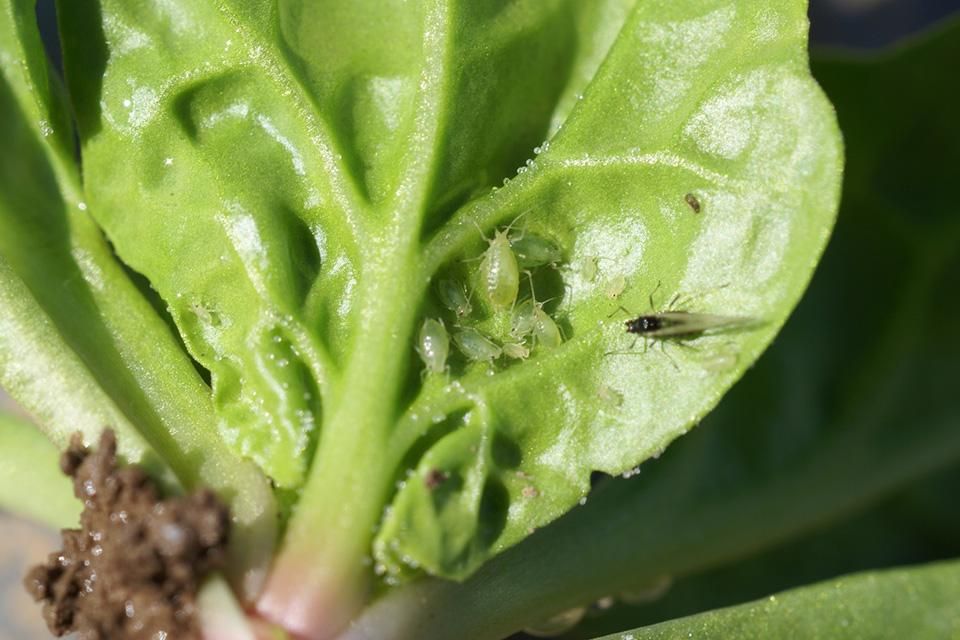
Spinach aphids are the number one spinach pest. These small, soft-bodied insects cluster on plants in huge numbers. They come in green, black, or pink varieties. A single aphid looks tiny, but colonies number in the hundreds or thousands. Aphids feed by piercing plant tissue and sucking sap. They weaken plants dramatically through their feeding. Beyond direct damage, aphids transmit dangerous viruses while feeding.
Aphid colonies produce sticky honeydew as they feed. This sweet substance coats leaves and attracts mold. The sooty mold makes plants look diseased and unappetizing. Aphids reproduce rapidly in spring and fall when temperatures are cool. A single female can produce dozens of offspring within weeks. Populations explode in favorable conditions. Without intervention, aphid infestations can destroy an entire spinach crop within a week or two.
You'll find aphids clustered on new growth and leaf undersides. Look for sticky residue on lower leaves. Check undersides carefully. Aphids hide there to avoid detection. Their damage appears as yellowing leaves and stunted growth. Severely infested plants become twisted and deformed as aphids feed on growing points.
Thrips: The Tiny Scrappers
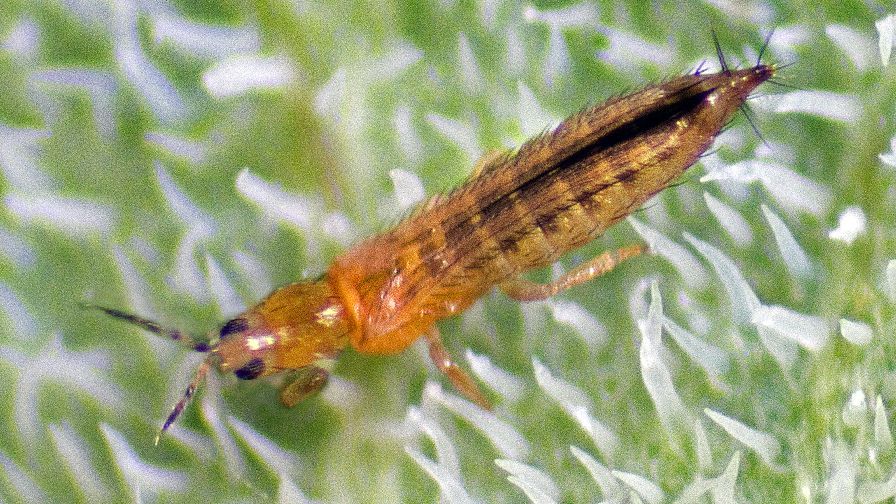
Thrips are microscopic insects barely visible to the naked eye. These slender, fast-moving pests scrape leaf surfaces as they feed. They don't pierce the leaf like aphids. Instead, they rasp away the leaf surface. This creates distinctive silvery streaks and stippling patterns on leaves. Affected leaves look speckled and damaged. Thrips produce dark frass spots as they feed, creating a dirty appearance.
Thrips thrive in hot, dry conditions. Summer heat brings thrip populations to their peak. Unlike aphids that prefer cool seasons, thrips love heat. Their populations can explode during heat waves. Thrips also transmit viruses while feeding. A thrip infestation plus virus equals severely damaged plants. Spinach infected with both thrips and virus often isn't worth harvesting.
You'll notice thrips damage more than you'll see the thrips themselves. Look for silvery streaks on leaves. Check for tiny black frass spots on leaf surfaces. Inspect leaf undersides with a magnifying glass. You might spot the tiny yellow or orange insects if you look carefully. Thrips are active and move quickly when disturbed.
Spider Mites: The Web Makers
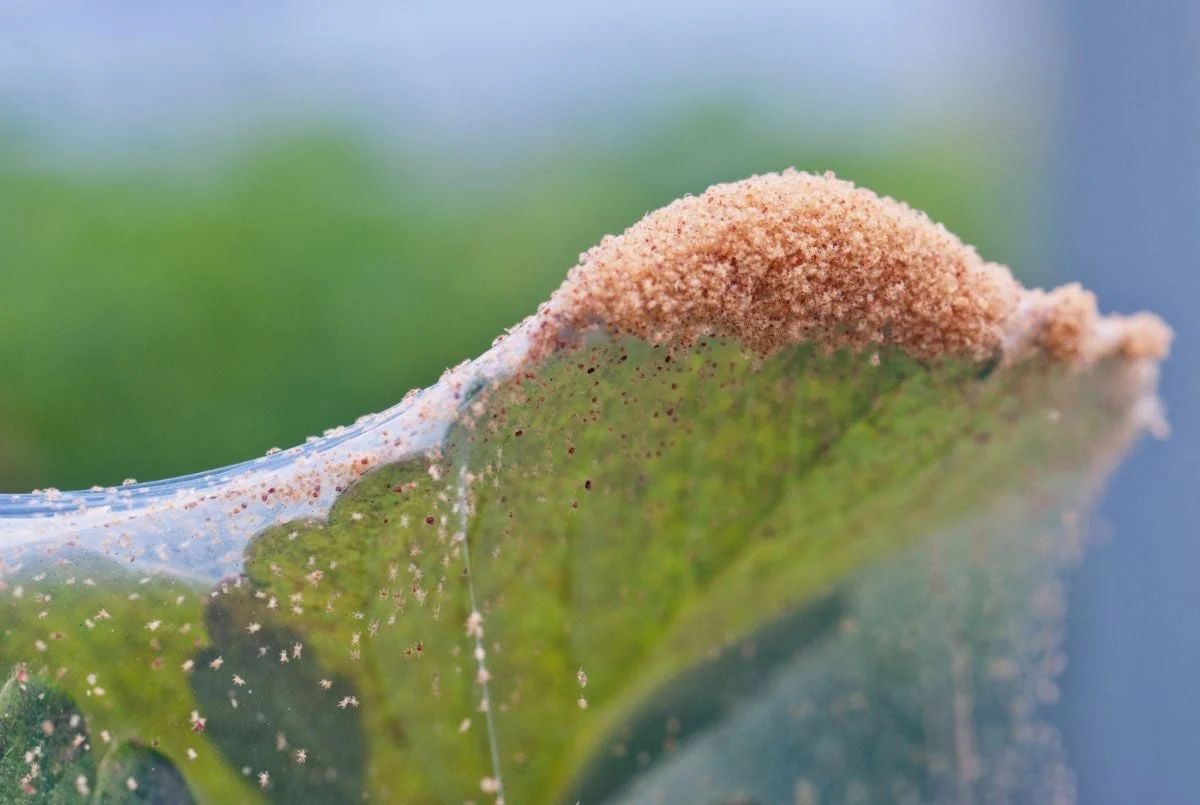
Spider mites aren't true insects but eight legged relatives of spiders. They're so small that most gardeners never see them until infestations are severe. Spider mites create fine webbing on leaves and stems. Look for this delicate webbing as your first sign of infestation. The webbing protects mites from predators and environmental stress.
Spider mites feed on leaf tissue and suck plant fluids. Their feeding creates mottled, pale discoloration on leaves. Heavily infested leaves turn yellow and drop from the plant. Spider mites reproduce extremely rapidly in warm conditions. A population can go from a few mites to thousands within days. Indoor and greenhouse grown spinach is especially vulnerable to spider mites.
Spider mites prefer hot, dry conditions. Humidity stress plants but also reduces mite populations. Spider mites thrive when plants are water stressed. Proper watering helps prevent spider mite infestations. Check leaf undersides for webbing and tiny moving dots. You might see mites moving rapidly across the webbing when you inspect leaves closely. Mite damage usually appears on lower leaves first, then spreads upward.
Leaf Miners: The Tunnelers
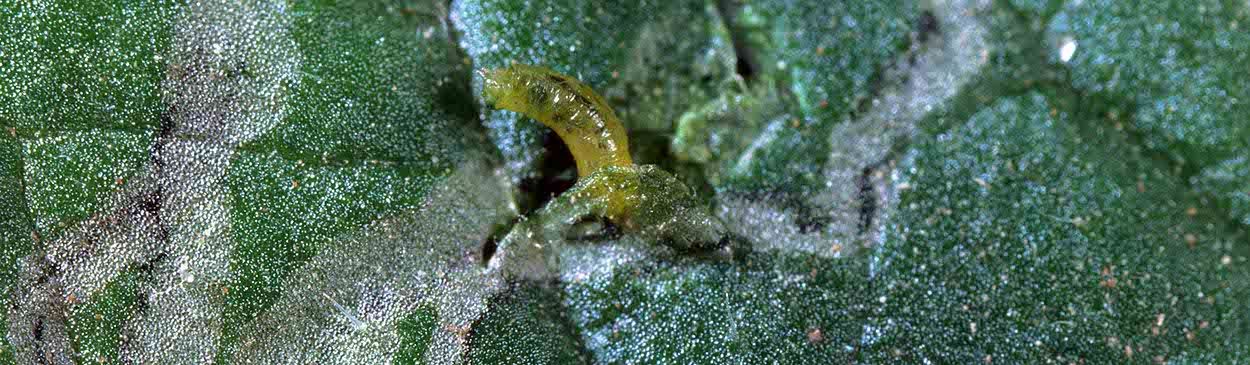
Leaf miners are tiny insect larvae that tunnel inside leaves. They create distinctive squiggly or blotchy trails as they feed within the leaf tissue. The tunnels appear as brown or tan lines inside the leaf. These trails look almost like someone drew patterns on the leaves. Leaf miners are more common in spring than summer.
The challenge with leaf miners is that they feed inside the leaf. Once they're inside, sprays can't reach them. This makes prevention and early detection critical. Young plants are especially vulnerable to leaf miner damage. Severe infestations can destroy young seedlings. Older, established plants tolerate leaf miner damage better. You'll often need to remove severely infested leaves to stop the spread.
Leaf miners are less common than aphids or thrips on spinach. When they do appear, they can cause significant damage quickly. The larvae tunnel through leaves, creating extensive damage patterns. Some gardeners choose to quarantine infested plants to prevent spread. Others simply remove affected leaves and monitor for additional damage.
Flea Beetles: The Jumpers
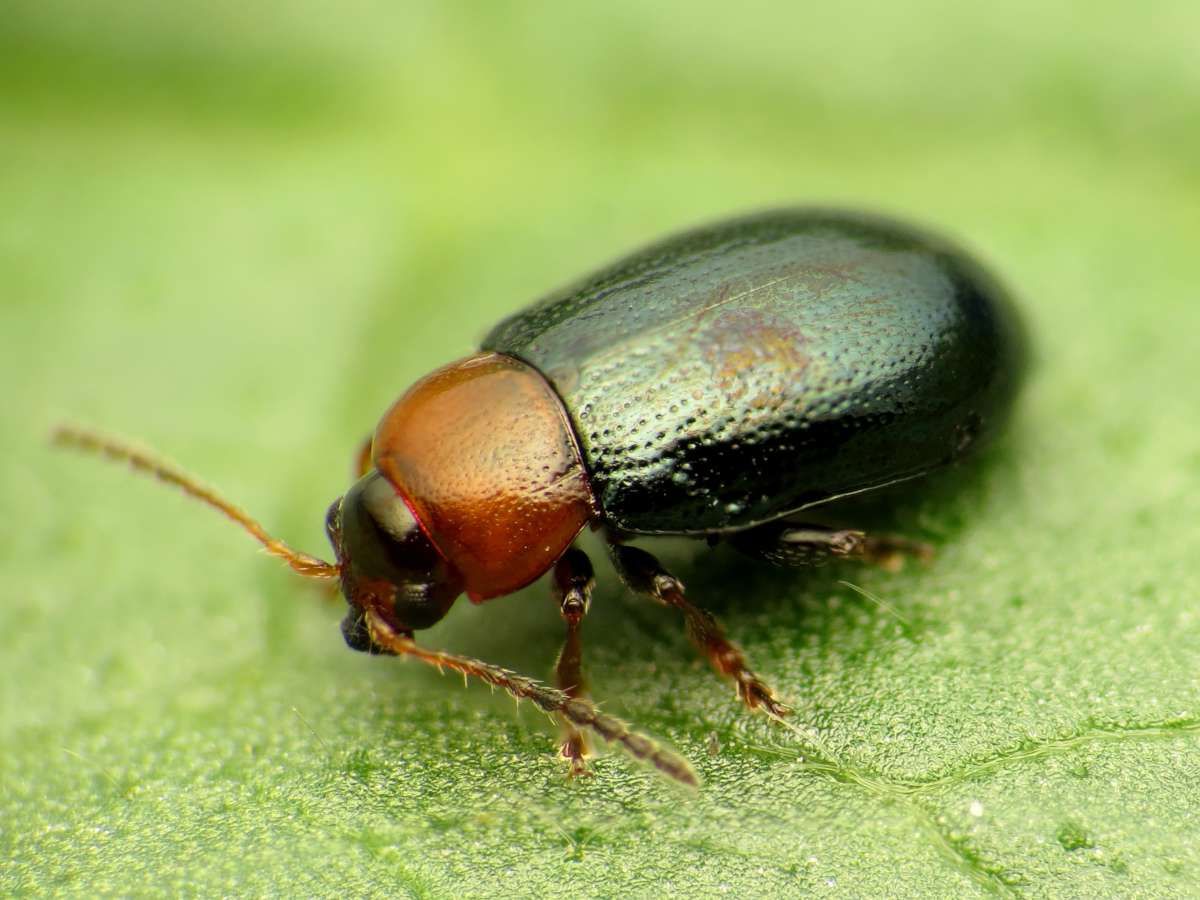
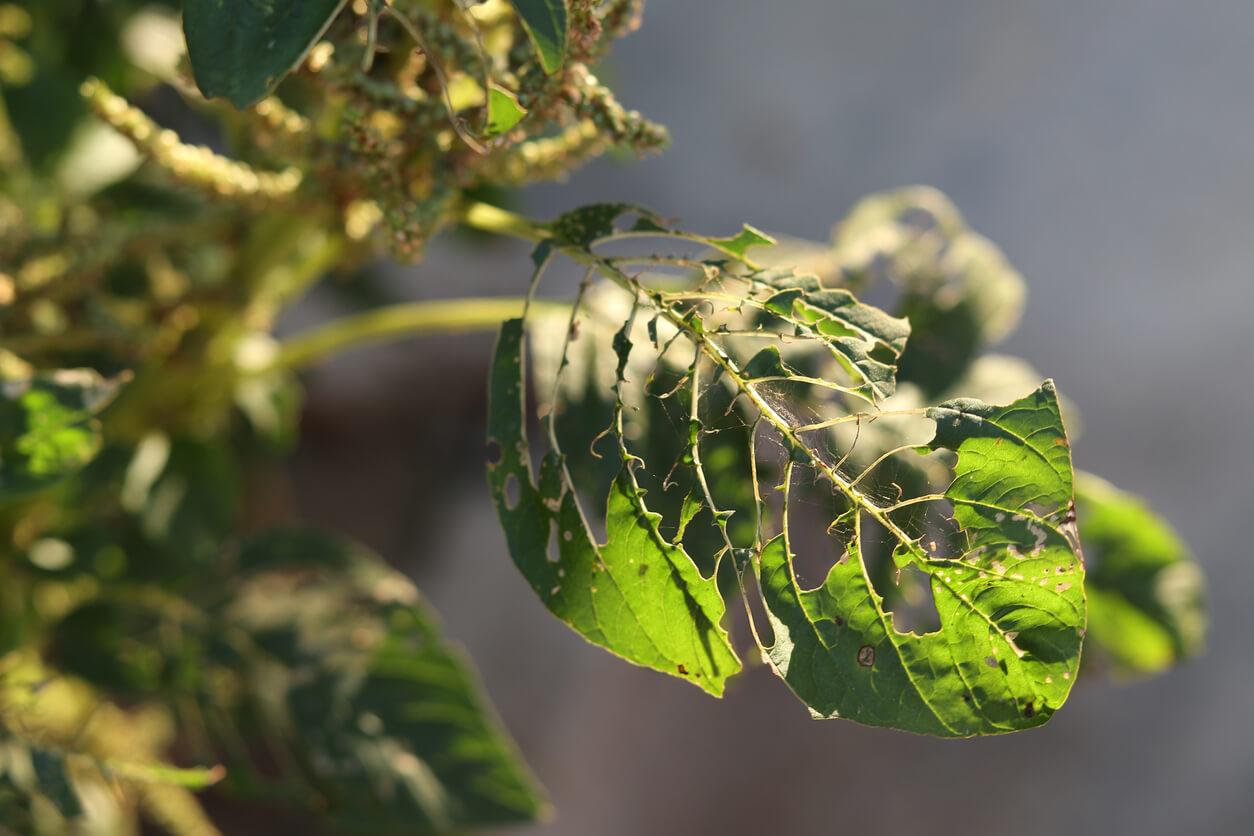
Flea beetles are tiny black beetles that jump when disturbed. They're incredibly destructive to young seedlings. Flea beetles feed on seed leaves and young cotyledons, creating tiny round holes. A flea beetle infestation can destroy an entire seedling crop within days. Established plants tolerate flea beetle damage better than seedlings, but it still causes problems.
Flea beetles are most damaging in spring. Early season plantings get hit hard by overwintering flea beetle populations. Populations decline as summer progresses. Fall plantings also face flea beetle pressure as populations increase again. You'll notice tiny round holes in seedling leaves. The beetles themselves are visible if you observe plants carefully. Disturbing plants causes beetles to jump dramatically.
Flea beetles feed on the leaves but don't cause the same damage as aphids. However, the cumulative effect of numerous small holes weakens seedlings. Heavy damage kills young plants or severely stunts their growth. Prevention through row covers is extremely effective for flea beetles.
Identifying Pest Damage Correctly
Identifying which pest caused the damage is half the battle. Different pests create different damage patterns. Correct identification leads to effective treatment. Incorrect identification wastes time and money on wrong approaches.
Visual Damage Patterns Tell the Story
Aphid damage appears as yellowing leaves and sticky residue. Infested plants look weak and stunted. New growth is twisted and deformed. Thrips damage shows silvery streaks and dark frass spots. Leaves look speckled and rasped. Spider mite damage shows mottling and fine webbing. Affected leaves pale and drop. Leaf miner damage shows distinctive tunneling trails inside leaves. The trails are brown or tan colored. Flea beetle damage shows tiny round holes in seedling leaves. The holes appear in rows or scattered patterns.
Checking Plants for Pests Properly
Inspect leaf undersides where most pests hide. Look for tiny insects, webbing, and residue. Check plant stems and growing tips. Examine the base of the plant where pests shelter. Look for eggs on leaf undersides. Many pests lay eggs on leaf undersides. Early egg detection lets you prevent hatching. Count the pest population to assess severity. A few insects might not warrant treatment. A massive infestation requires immediate action.
Using Plantlyze for Pest Identification
You don't need to be a pest expert to identify problems. Plantlyze is an AI powered plant care tool that analyzes photos of your spinach. Take a clear photo showing the affected area. Upload it to Plantlyze. Within seconds, the AI identifies the specific pest. You get exactly the information you need without guessing or misidentifying.
Using Plantlyze removes doubt from pest identification. You know immediately whether you're dealing with aphids, thrips, or spider mites. The tool recommends specific organic control methods based on the pest. You waste no time trying wrong approaches. Your pest control begins immediately with the right strategy.
Organic Control Methods for Each Pest
Once you've identified the pest, it's time to act. Speed matters. Pests multiply rapidly. The sooner you treat, the better your chances of saving the crop.
Insecticidal Soap for Soft Bodied Pests
Insecticidal soap works on soft-bodied insects like aphids and thrips. The soap breaks down the insect's protective outer coating. The insect dies from dehydration. Soap is safe for organic gardens and poses minimal risk to beneficial insects. Soap requires repeated applications every 7 to 10 days. You must spray thoroughly and wet both sides of leaves. Direct contact with insects is necessary for soap to work. Soap doesn't leave residue, so reinfestations from surviving insects are possible.
Apply insecticidal soap in early morning or late evening. Avoid spraying during intense heat. Soap can damage leaves if applied in high temperatures. Follow label directions carefully. Use the recommended concentration. Never exceed label rates. Wash spinach thoroughly before eating even though soap is organic approved.
Neem Oil for Multiple Pests
Neem oil works on multiple pests including spider mites, aphids, and thrips. Neem disrupts insect feeding and reproduction. It's more effective as a preventive than a treatment for heavy infestations. Neem is organic approved and breaks down rapidly in sunlight. Neem has an unpleasant smell but poses minimal toxicity to humans. Apply neem every 7 to 10 days for best results.
Coat both sides of leaves thoroughly when applying neem. The oil must contact the insect to work effectively. Use neem during cool parts of the day. High temperatures can cause leaf damage when neem is applied. Morning or evening application works best. Follow label directions and never exceed recommended rates. Neem can take two to three applications to control heavy infestations.
Spinosad for Stubborn Pests
Spinosad is an organic pesticide derived from naturally occurring bacteria. It's highly effective for thrips and other tough pests. Spinosad is more toxic than soap or neem but still organic certified. Use spinosad as a last resort when other methods fail. Spinosad is toxic to beneficial insects, so use it cautiously. Never spray when pollinators are active. Apply in early morning or late evening. Follow label directions exactly. Spinosad works by affecting the insect nervous system.
Row Covers for Young Plants
Row covers prevent pests from reaching young seedlings. This preventive approach is highly effective for flea beetles and other flying insects. Row covers allow light and water through while excluding pests. Remove row covers when plants flower or when daytime temperatures exceed recommended levels. Row covers are reusable and cost effective. They create favorable humidity for young plants. Use row covers on spring plantings when flea beetles are most active.
Beneficial Insects for Natural Control
Beneficial insects provide biological control of pest populations. Ladybugs eat aphids and spider mites voraciously. A single ladybug consumes dozens of aphids daily. Parasitic wasps lay eggs in thrips bodies. The developing wasp larva consumes the thrip from inside. Lacewings feed on many soft-bodied pests. These beneficial insects naturally control pest populations. Plant flowers nearby to attract them. Avoid broad spectrum pesticides that kill beneficial insects along with pests. Encourage beneficial populations through diverse plantings.
Prevention Strategies Stop Problems Before They Start
Prevention is far superior to treatment. The time you invest in prevention saves you from dealing with pests later. Strong plants resist pest damage better than stressed plants.
Cultural Practices Reduce Pest Problems
Practice crop rotation to break pest cycles. Pests overwinter in soil and plant debris. Rotating crops confuses pest populations. Don't plant spinach in the same location every year. Move to a different bed at least 30 feet away. Remove debris and old plant material at season end. Dead leaves are pest breeding grounds. Scout plants regularly for early detection. Remove infested leaves immediately. This stops pests before populations explode. Maintain soil health with compost. Healthy soil produces vigorous plants that resist pests better. Vigorous plants can tolerate minor pest damage without suffering serious consequences.
Resistant Varieties Survive Pest Pressure
Some spinach varieties show greater resistance to certain pests. Check seed catalogs for pest resistance ratings. Resistant varieties combined with organic methods provide excellent results. Rotation of different varieties prevents pests from adapting. Local varieties adapted to your region often perform best. Ask local gardeners which varieties they've had success with.
Environmental Management Prevents Pest Populations
Reflective mulch deters some pests. The reflective surface confuses insects. Insect netting protects young plants from flying pests. Proper spacing improves air circulation. Good air circulation dries foliage quickly and prevents pest buildup. Shade cloth in extreme heat prevents plant stress. Water stressed plants are more vulnerable to pests. Avoid over fertilizing with nitrogen. Excess nitrogen creates tender, attractive growth that pests love. Yellow sticky traps monitor pest populations without harming beneficial insects.
When to Apply Organic Pesticides
Applying pesticides at the right time prevents unnecessary chemical use. Identifying when treatment is necessary separates experienced gardeners from beginners.
Identifying Pest Threshold
One or two pests don't warrant treatment. Your plants can tolerate minor pest damage. Wait until significant populations appear before treating. Monitor regularly to catch problems early. Treat before plants become severely damaged. Distinguish between minor damage and serious infestation. Ten aphids need different treatment than ten thousand. Build tolerance for minor damage. Not all spinach damage requires treatment.
Treatment Timing and Frequency
Early morning or late evening applications work best. Pests are most active during cool parts of the day. Repeat treatments every 7 to 10 days for effectiveness. Apply when pests are most active and reproduction is occurring. Avoid hot days that can damage plants. Multiple applications are often necessary to control infestations completely. Don't give up after one spray. Give treatments time to work.
Combining Control Methods for Stubborn Pests
Combine soap and neem for difficult infestations. Use row covers plus regular scouting. Integrate beneficial insects with organic sprays. Start with least toxic options first. Escalate treatments only if mild methods fail. Comprehensive pest management combines multiple approaches.
Harvesting Around Pest Problems
Minor pest damage doesn't make spinach inedible. Harvest healthy leaves around damaged ones. Wash spinach thoroughly before eating. Most pests don't transmit diseases to humans. Cooking kills most pest organisms. Severe infestations require plant removal. Harvesting early before major damage occurs prevents total loss. You can often salvage partial crops despite pest damage.
How Plantlyze Helps with Pest Management
Accurate pest identification is the foundation of effective control. Getting the pest identification right means your treatment works. Plantlyze removes guesswork from pest diagnosis.
Plantlyze uses artificial intelligence to analyze photos of your spinach pests. You upload a clear photo of the affected area. The AI examines the image and identifies the specific pest. Within seconds, you know exactly what you're dealing with. The diagnosis includes organic control recommendations personalized to your pest.
Using Plantlyze is free and incredibly fast. Take a clear photo showing both the overall plant and close ups of pest damage. Upload it to the app. Get your diagnosis instantly. You can photograph again a few days into treatment to track progress. The app helps you verify that your treatment is working.
Plantlyze saves time, money, and your sanity. You avoid wasting money on wrong treatments. You don't waste weeks using ineffective approaches. You get your spinach back on track fast. You gain confidence in your pest management skills. Next time you see pest damage, you know exactly what to do.
Check your spinach health free at Plantlyze.com. Whether you're seeing mysterious damage, unclear pest damage, or plants that aren't thriving despite your efforts, Plantlyze identifies the pest and tells you what to do next.
Your Action Plan for Pest Control
Pests are manageable. Your spinach has a good chance of survival. Follow these steps in order for the best results.
Step 1: Photograph and identify the pest. Take clear photos of the affected area. Use Plantlyze to get an accurate pest identification. Know exactly what you're dealing with.
Step 2: Scout your entire plant. Check thoroughly for pest population size. Count how many pests you see. Assess whether treatment is necessary. Light infestations might not need treatment.
Step 3: Choose appropriate organic control method. Select based on pest type and population size. Consider combining methods for stubborn pests. Review label directions carefully.
Step 4: Apply treatment according to directions. Follow timing and frequency recommendations. Apply in early morning or late evening. Wet both sides of leaves thoroughly.
Step 5: Monitor daily for improvement. Check your spinach daily for the next week. Look for pest population decrease. Dead pests should be visible if treatment is working. New damage indicates treatment isn't working.
Step 6: Repeat applications as needed. Most pests require multiple treatments. Don't give up after one application. Give treatments time to work. Allow 7 to 10 days between applications.
Step 7: Implement prevention for next crop. Once you control current pests, prevent future problems. Practice crop rotation. Use resistant varieties. Scout regularly for early detection. Your next season will be better with knowledge gained.
Pest control typically takes 2 to 3 weeks depending on infestation severity and how fast you acted. Patience is essential. Pests didn't appear overnight. They won't disappear overnight either. Your spinach is tougher than you think.
Pests Don't Mean Pest Control Failure
Finding pests on spinach is frustrating. Your first instinct might be to rip out the plants and start over. Don't give up. Most spinach pest problems are manageable. You can save your crop with accurate pest identification and prompt treatment.
Pests signal plant stress, but infested plants recover. Getting the pest identification right means your treatment works. Acting quickly stops pest populations from exploding. Prevention for next season ensures you don't face this again. You're not failing as a gardener. You're learning what spinach needs to thrive.
Take three immediate action steps. First, photograph your spinach and use Plantlyze to identify the exact pest. Second, scout your plants and determine pest population size. Third, apply the appropriate organic control method for your specific pest. Within a few weeks, you'll have healthy spinach again. Next season, use the prevention strategies you've learned. Your future spinach crops will be pest free and abundant.
References
PNW Handbooks
https://pnwhandbooks.org/insect/vegetable/vegetable-pests/hosts-pests/spinach-aphidUMD Extension
https://extension.umd.edu/resource/watch-thrips-and-mites-vegetablesUMN Small Farm Resources
https://smfarm.cfans.umn.edu/pests-and-diseases/pests-crop-specific-information/spinachUF/IFAS Gardening Solutions
https://gardeningsolutions.ifas.ufl.edu/care/pests-and-diseases/pests/thrips/