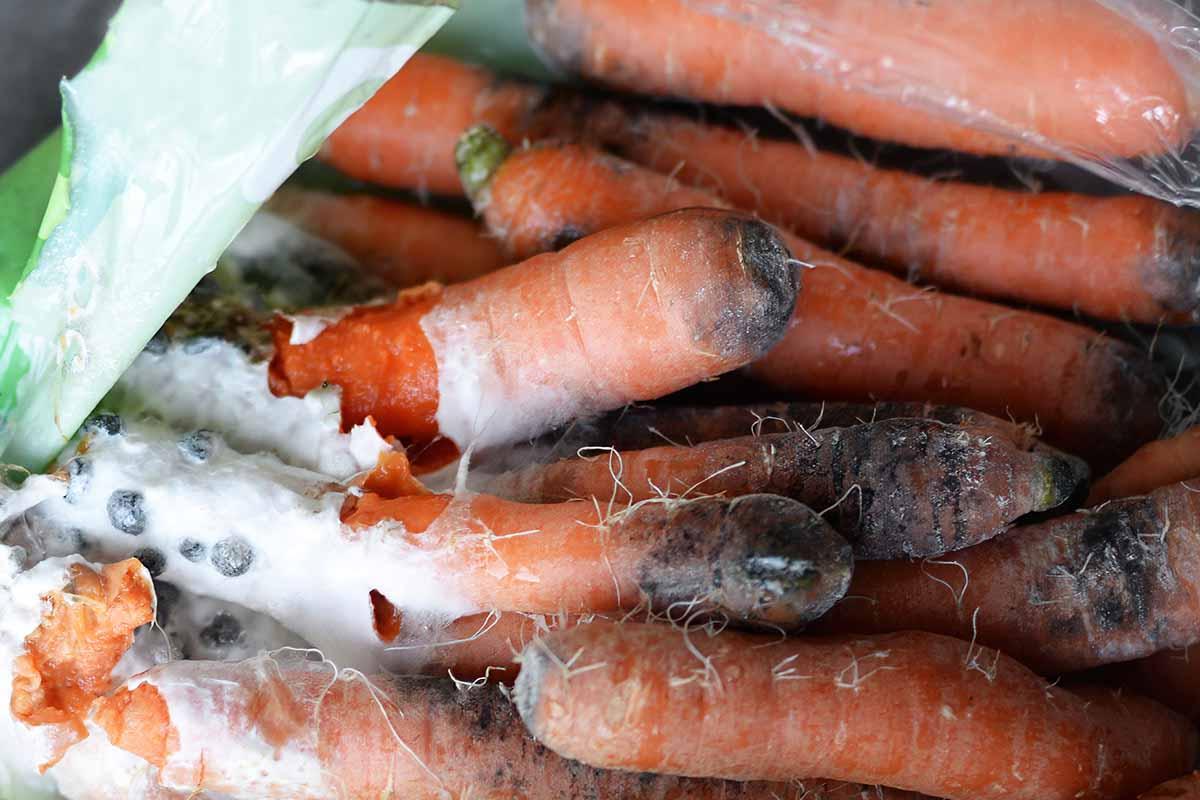
Everything was going great. You were just about to harvest what looked like an excellent crop of carrots when- Suddenly large patches in your field wilts. The foliage collapses and on closer inspection you find a white fluffy growth at the base of the plants with black seed-like structures inside it.
This is sclerotinia rot or white mold ,one of the most economically devastating diseases for carrot farmers across the world.
Sclerotinia rot is more dangerous because it attacks both the above-ground foliage and the below-ground roots. Carrots become highly susceptible late in the growing season, most essentially during storage where losses can be emphasized as over 75 to 90 percent in severely affected fields. This is not just a cosmetic damage disease like many others; sclerotinia rot forms complete root decay and tissue collapse which makes carrots totally unmarketable.
The disease costs growers millions annually in lost production and storage losses. Understanding sclerotinia rot is essential for protecting your harvest and maintaining profitable carrot production.
What Causes Sclerotinia Rot?
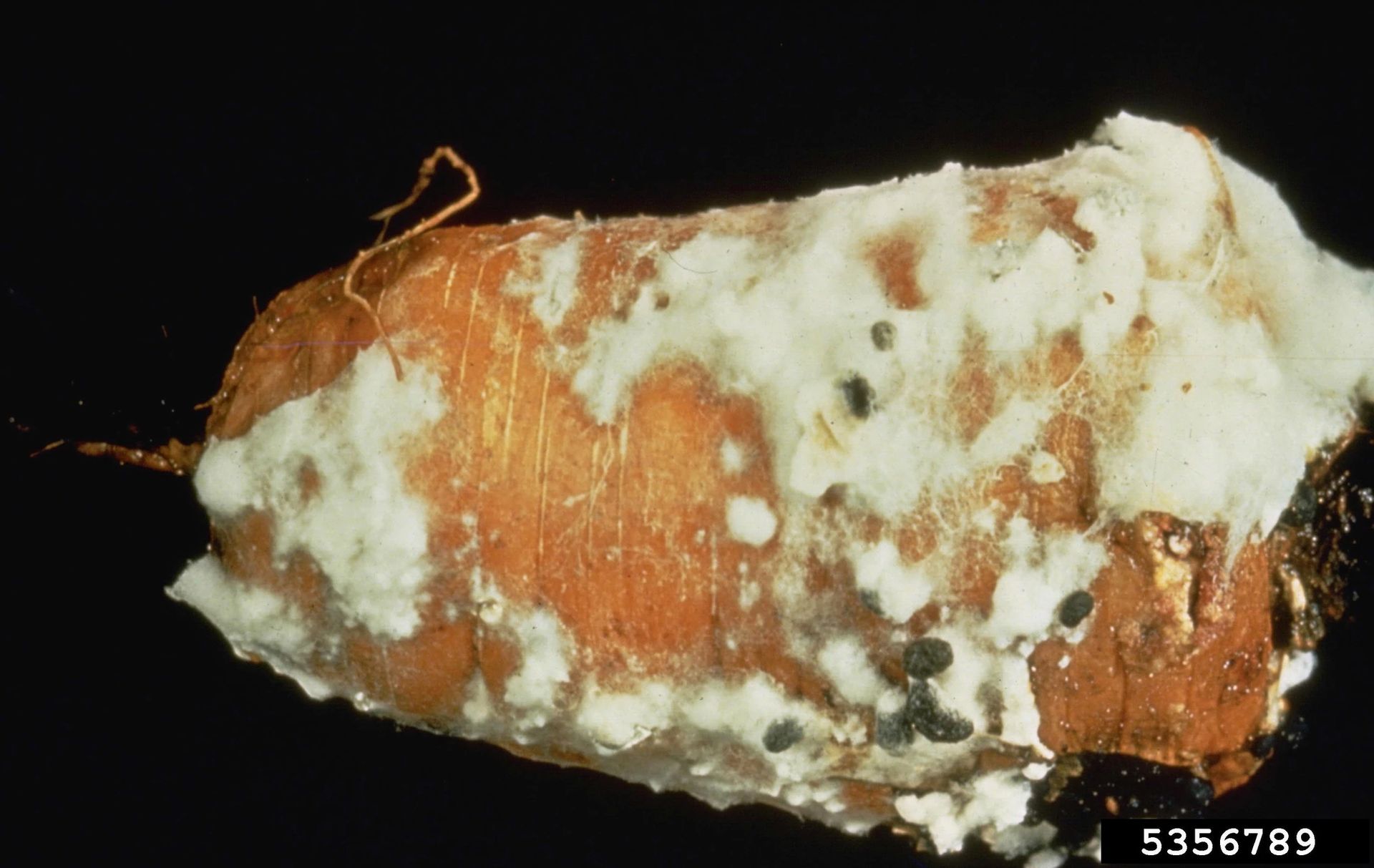
Sclerotinia rot is caused by Sclerotinia sclerotiorum, an ubiquitous soil inhabiting fungus that is one of the most destructive plant pathogens worldwide. This fungus is a necrotroph, meaning it kills plant tissue as it colonizes it, causing rapid tissue breakdown and decay.
The pathogen's survival structures, called sclerotia, are black, seed like bodies that range from 0.1 to 0.4 inches (0.3 to 1 cm) in length. These sclerotia can persist in soil for many years, serving as the primary source of inoculum for future infections. Once conditions become favorable, sclerotia produce fruiting structures called apothecia that release millions of ascospores into the air.
Why Carrots Are Particularly Vulnerable
Carrots become highly susceptible to sclerotinia rot when their foliage begins to senesce (age and decay) late in the growing season. As old leaves lie on the soil surface, they form a perfect pathway for the fungus to set in. A combination of senescent tissue touching soil and favourable weather conditions is an excellent environment wherein sclerotinia can thrive.
Normally, the disease starts from aging foliage but it has a capability of rapidly ascending and descending toward crown and roots wherein total collapse of plant with root decay developing both in field as well as during storage happens.
Recognizing Sclerotinia Rot Symptoms Early
Early detection is crucial for managing sclerotinia rot effectively. The disease progresses through distinct stages, and recognizing these stages allows you to implement timely control measures.
Foliar Symptoms:
Water soaked, dark olive green lesions on leaves and petioles
Rapid expansion of lesions across entire leaf tissue
Collapse of infected tissues
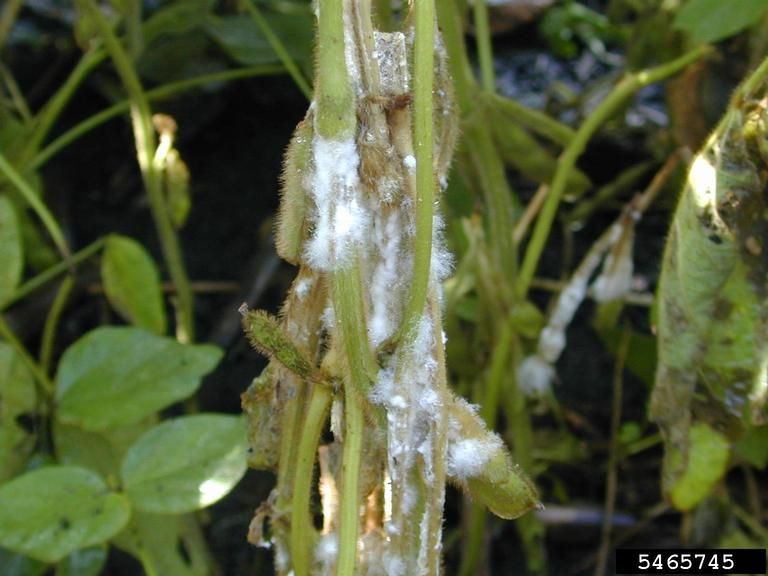
White, fluffy mycelial growth on affected areas
Black sclerotia developing within the white mycelium
Root and Crown Symptoms:
Soft, watery decay at the crown region
White mycelial tufts erupting through the carrot surface
Rapid spread from infected roots to adjacent carrots
Dark lesions appearing on healthy looking roots
Extensive mycelial growth holding infected carrot clumps together

Timing of Symptoms:
Symptoms typically appear as carrots approach maturity and foliage begins to senesce. The disease progresses slowly early in the season but accelerates dramatically once favorable weather conditions align with lodged, senescent foliage.
Environmental Conditions Favoring Sclerotinia Rot
Sclerotinia rot development depends on specific environmental conditions aligning with crop susceptibility. Understanding these factors allows you to predict disease pressure and time interventions effectively.
Moisture and Humidity
Sclerotinia thrives in cool and wet conditions. A long period of high humidity and rainfall will perfectly provide ascospore production and infection conditions. The wet soil condition favors mycelial growth after the infection has been established. Interestingly, once infection has been initiated, moisture coming from the carrot tissue itself is enough to sustain fungal growth.
Temperature
The fungus grows best at temperatures between 55 and 70 degrees Fahrenheit, making spring and fall the highest risk periods in most climates. However, infection can occur at any stage of growth when temperature and moisture conditions align.
Crop Canopy and Foliage Condition
Foliage lodging is critical. When senescent leaves collapse onto soil, they create a microenvironment where ascospores accumulate and infection initiates. Crops with dense foliage that lodges early are at higher risk than upright varieties.
Inoculum Presence
The availability of sclerotia in soil is fundamental. Fields with a history of sclerotinia disease carry high inoculum levels in soil. Apothecia emergence coincides with full canopy closure in carrots, creating a critical window of vulnerability.
Prevention Strategies That Save Crops
Prevention is infinitely more cost effective than managing an established sclerotinia infection. Growers successfully managing this disease employ integrated strategies addressing both current season prevention and long term inoculum reduction.
Crop Rotation Strategy
Wheat, barley, or corn leave very little sclerotia of S. sclerotiorum in the soil. Do not rotate with other susceptible crops such as beans, lettuce, oilseed rape, potatoes and peas because these increase the number of sclerotia in the soil. A minimum two year rotation away from susceptible crops helps reduce disease pressure substantially.
Variety and Planting Density
Select carrot varieties with light, upright foliage that resists lodging. Varieties like Elegance tend not to collapse and maintain upright growth even as they mature. These varieties naturally stay off soil longer, reducing infection opportunity. Reduce overall crop density to improve airflow and reduce the severity of lodging.
Foliage Management
Foliage should be trimmed from the edges of the beds particularly where susceptible varieties such as Nairobi are planted. This greatly reduces disease transmission from one bed to another. Clipping tools that cut soil at the edge of the bed also very effectively stop mycelial spread between rows, carry out this work early-August when most disease pressure starts.
Nitrogen Management
Apply optimal nitrogen amounts. Excessive nitrogen causes vigorous canopy growth and premature lodging, which dramatically increases disease risk. Balance nitrogen applications to promote healthy growth without excessive vegetative mass that flops over.
Harvest Timing
Harvest carrots promptly once they reach maturity. Do not leave mature carrots in fields unnecessarily. Each additional week in the field increases exposure to infection as foliage continues to senesce and lodge.
Storage Conditions
Maintain proper storage conditions with near freezing temperatures, high relative humidity, and good air movement. Clean storage facilities thoroughly before use. Do not reuse pallet boxes without proper cleaning, as sclerotia can contaminate equipment and spread disease.
Management and Treatment Options
Despite preventive efforts, sclerotinia sometimes appears. When it does, integrated management combining fungicides with cultural practices provides the best control.
Fungicide Applications
Begin fungicide applications early, just before foliage canopy closes in June or July, to protect senescing leaves at the canopy base. Timing is absolutely critical because once sclerotinia establishes in foliage, fungicides cannot reverse the infection.
Effective fungicide options include boscalid (Endura) applied on 7 to 14 day intervals and fluazinam (Omega 500F) applied approximately 45 days before harvest. Always follow manufacturer recommendations and rotate between fungicide classes to prevent resistance development. Never apply more than two sequential applications of the same fungicide mode of action group before rotating to a different class.
Biological Control Options
The biofungicide Contans WG contains spores of a beneficial fungus that parasitizes sclerotia, reducing inoculum in soil. Apply before planting or as a post harvest treatment to contaminated soil and debris. This approach addresses the long term inoculum problem rather than current season infections.
Application Technique
Apply fungicides at high pressure with sufficient water to reach lower leaves in dense canopies. Poor application technique compromises coverage and reduces effectiveness. Directed spraying that protects stem bases and root crowns is essential for sclerotinia control.
Advanced Diagnostics with Plantlyze
Accurate disease identification is the foundation of effective management. Distinguishing sclerotinia rot from other carrot diseases determines whether your control efforts succeed or fail.
Plantlyze is an artificial intelligence powered plant care and diagnosis platform designed for growers and gardeners seeking instant, accurate disease identification. The platform uses advanced image recognition technology to identify sclerotinia rot and other carrot diseases instantly, providing actionable management recommendations.
How Plantlyze Helps:
Upload images of suspected sclerotinia symptoms
Receive instant AI powered diagnosis
Get specific fungicide recommendations and timing
Learn prevention strategies customized to your situation
Track disease progression throughout the season
Early, accurate diagnosis enables timely fungicide applications and cultural interventions that prevent losses. Visit plantlyze.com to get started with instant disease diagnostics for your carrot crops.
Conclusion
Sclerotinia rot represents a serious threat to carrot profitability, but it's far from inevitable. By understanding the biology of this disease and its environmental conditions in which infection is favored, a well-organized prevention program can be established to reduce risks dramatically.
The key is an early start. Preventive fungicide applications just before canopy closure, together with variety selection, proper nitrogen management as well as timely harvest create unfavorable conditions for sclerotinia development. Long term inoculum problem has to be addressed through crop rotation and biological control.
When sclerotinia appears despite prevention efforts, professional diagnosis using tools like Plantlyze allows you to respond quickly with appropriate fungicides and management adjustments. Don't wait until collapse occurs. Start implementing sclerotinia management strategies before the critical season arrives.
Your harvest and your bottom line depend on it. Visit Plantlyze.com today to learn how AI powered diagnosis can help protect your carrot crops from sclerotinia rot and other diseases.
References
Sclerotinia Rot of Carrot
https://apsjournals.apsnet.org/doi/pdf/10.1094/PDIS.2003.87.5.456