Most gardeners either underwater zucchini, watching plants wilt and stop producing, or overwater them, causing root rot and plant death. Watering seems simple: just add water. Actually, zucchini watering requires specific timing, depth, and technique. Get it wrong and your harvest suffers dramatically. Learn exactly how much water zucchini needs, when to water, and how to deliver it so your plants thrive instead of struggle. Zucchini are thirsty plants, but they're also sensitive. Understanding their water needs prevents 90 percent of summer growing problems. Your watering consistency determines whether you harvest abundantly or struggle all season.
Why Water is Everything for Zucchini
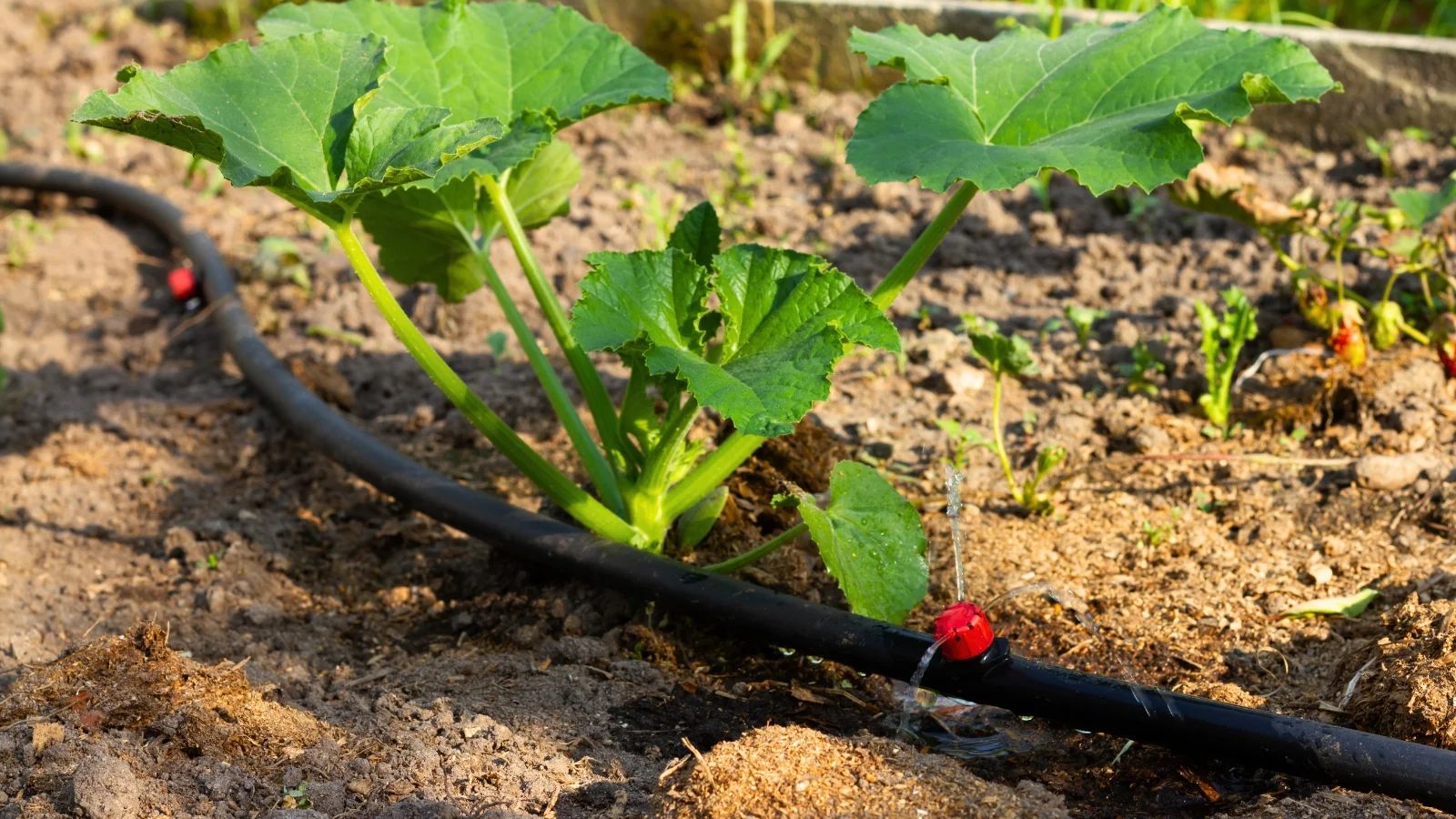
Water powers photosynthesis. Fruit and growth energy. Nutrients travel through water. Through roots, water brings nutrients dissolved in soil to plants. Temperature regulation happens through water. When water scarcity comes with too much heat, plants are parched and overheated at the same time. Fruit develops through consistent moisture. Consistent water can help prevent deformities such as blossom end rot. But then disease prevention is all about sufficient moisture. Proper watering will actually prevent powdery mildew (dry conditions cause it). With watering production output increases. Plants are capable of producing 2-3 times more fruit when well watered than when they are under stress. Deep watering encourages root system development. It is best to develop the practice of adequate deep watering which promotes strong root systems that reach down for moisture several feet below ground level.
Water isn't luxury for zucchini. Water is foundation. Without proper watering, all other care efforts fail.
The 1-2 Inch Rule: Your Starting Point
Golden Standard
Golden rule is 1-2 inches of water per week at the very least. This is equal to about 1 inch of rain, and or 1 inch watering (combined). Water to a depth of 6-8 inches for deep penetration into soil (root zone). Consistency matters more than volume. Consistently damp is better than one big douse throughout week. Blower Cool the application technique should be slow, deep soakings used when possible as opposed to rapid, shallow watering. Measuring method: Timely rain bucket for recording rainy days, add water to irrigation as rains diminish. Adjust trigger: Hot weeks may require more frequent watering beyond baseline.
Soil Moisture Test
Finger test is most practical method for home gardeners. Procedure: Insert finger into soil 1-2 inches deep. Dry soil means time to water (water has been absorbed). Moist soil means wait before watering again (roots have access to moisture). Squeeze test: Soil should form loose ball but crumble apart. Soggy test: If soil stays as tight ball or feels muddy, overwatering occurred. Timing check in morning before heating up, evening acceptable too.
Seasonal Baseline
Spring (seedling stage) needs every 5-7 days, lighter watering to avoid disease. Summer (peak growth) typically needs 2-3 times per week, heavier soakings. Fall (harvest winding down) needs once per week as growth slows. Flexibility: These are starting points, not rigid rules. Adjustment based on temperature, rainfall, humidity all influence actual frequency.
What Actually Determines Your Watering Schedule
Temperature and Climate
Hot climates (85°F+) may need watering every 2-3 days or even daily. Moderate climates (70-80°F) typically require 1-2 times weekly sufficient. Cool climates (below 70°F) may stretch to once weekly or less. Heat waves temporarily increase frequency until temperatures normalize. Dry vs humid regions lose water at different rates (dry climates need more frequent). Evaporation rate increases dramatically with direct sun. Wind effect increases evaporation, necessitates more frequent watering.
Plant Growth Stage
Seedling stage (first 2-3 weeks) needs lighter, more frequent watering (every 5-7 days). Establishment stage (3-6 weeks) requires moderate watering (1-2 times weekly). Flowering stage (6-10 weeks) increases to 2-3 times weekly for fruit development. Peak production (10+ weeks) maintains heaviest watering (2-3 times weekly minimum). Stress signals matter most: Wilting means immediate watering needed regardless of schedule. Late season: Reduce gradually as plants prepare for dormancy.
Soil Type Variations
Sandy soil- Water frequently, every 2-3 days (reduce frequency with added compost). Clay soil holds water, you should only need to water every 5-7 days (make sure they are well drained). Loamy holds the right mixture and doesn't guarantee too little or to much.Usually 1-2 times each week. Organic matter effect: Each 1 percent increase in organic matter increases the water-holding capacity in soil by 10 percent. Tight soil: repels water amends needed to adjust. Drainage test Dig a hole. Fill it full of water. Watch how quickly the hole drains (if slowly, there is poor drainage).
Mulch Impact
Mulch benefit reduces watering frequency by 30-40 percent. Moisture retention: 2-4 inch mulch layer conserves soil water significantly. Temperature moderation: Mulch keeps soil cooler during extreme heat. Types effective: Straw (clean, no seeds), compost (adds nutrients), wood chips (long lasting). Application timing: Add after seedlings establish, not right at planting. Spacing safety: Keep mulch 2-3 inches away from plant stems (prevent rot). Decay benefit: As mulch breaks down, improves soil structure and water retention.
Different Homes, Different Water Needs
Container Watering Reality
Frequency is every 1-2 days typical for 5-gallon containers. Heat effect: Container soil heats faster, increases evaporation dramatically. Soil volume limit: Small soil volume provides less moisture buffer. 90+ degree days: May need daily watering even in 5-gallon containers. Container size matters: Larger containers reduce frequency (10-gallon: every 2-3 days). Drainage holes essential: Must have multiple holes for preventing waterlogging. Portable advantage: Move containers to shade during extreme heat for relief.
In-Ground Watering Reality
Frequency: once every 3-4 days standard for mature plants. Longer roots : expanded root spread to access more soil moisture. Thermal mass advantage: Underground soil is cooler, lessens evaporation. Mulch important even more: Expands watering cycle substantially in-ground. Rainfall integration: Add into the weekly sum of water. Deep roots Benefit: Older plants can draw upon deeper moisture sources. Consistency benefit: In-ground plants more forgiving of watering variations.
Can't remember if your container watered yesterday? Plantlyze tracks watering dates and soil moisture for each plant. Set watering reminders so you never guess whether containers need water again.
The How: Delivering Water Effectively
Water at Ground Level
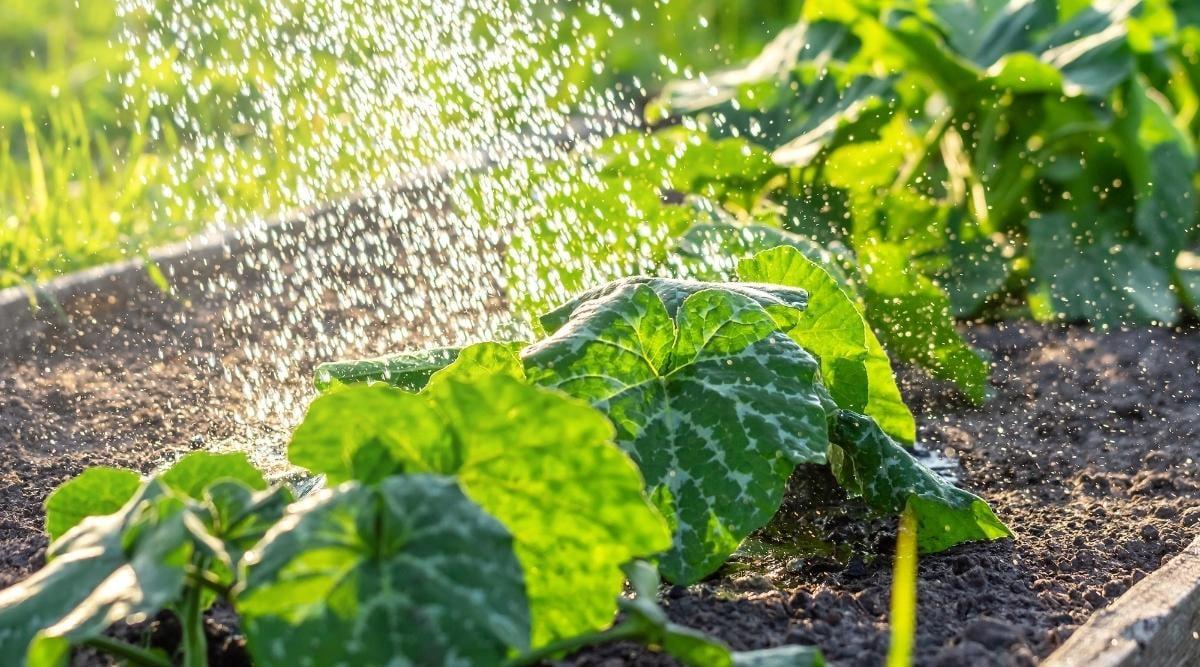
Don’t water overhead: Doesn’t lead to powdery mildew (a common myth) but is a waste of water. Wet leaves problem: In some situations wetting the leaves causes spontaneous growth of fungi. Application to base: Water soil directly at the plant base, NOT over leaves. Soaker hose plus: Water applies directly to root zone. Drip irrigation optimal: Most effective, slowest application, longest penetration. Hand watering ok: A slow steady pour at the base is ideal though. Skip the pressure washers: High pressure will destroy soil structure and plant stems.
Deep Slow Soaking
Penetration goal: Water should reach 6-8 inches deep into soil. Slow application: 30-60 minutes soak better than 10-minute blast. Diminished, less frequent watering: Longer soakings allows for more time between watering. Root growth: Deep watering promotes deeper root systems (stronger plants). Clay soil hints: Requires very slow soaking to avoid runoff (apply over an extended time). Sandy soil note: Frequent watering may be necessary (quickly drains water away). Testing depth: After watering, dig into the soil 1-2 hours later to check penetration.
Timing for Maximum Benefit
Early morning (6-8 AM) optimal allows plants all-day absorption. Benefit achieved: Plant has water available throughout hot day. Evaporation minimized: Morning watering reduces evaporation loss significantly. Disease prevention: Leaves dry quickly in morning sun (reduces fungal risk). Late afternoon (4-6 PM) acceptable alternative if morning impossible. Overnight benefit: Plant has water overnight for stress recovery. Avoid midday (10 AM-3 PM): Peak sun means maximum evaporation. Avoid evening (7+ PM): Wet foliage overnight increases fungal disease risk. Temperature consideration: Don't water if above 95°F midday (plant shock possible).
Mulch: Your Water-Saving Secret
KEY BENEFIT - Reduces watering time by 30-40%. Apply 2 - 4 inches of organic mulch around the base. Water retention: The film side blocks the sun and prevents soil from evaporating. Temperature control: Maintains cooler soil temperatures during extreme heat. Types that work well are straw (clean, no seeds), compost (adds nutrients) and wood chips (durable). When to apply: Add after seedlings have become established, not at planting. Safety spacing: Keep mulch 2-3 inches from plant stems (so the plants don't rot). Decay benefit: Mulch decays and boosts soil structure and the retention of water. Cost benefit: Minimal investment pays dividends all season.
Watering Mistakes and How to Fix Them
Underwatering Signs and Solutions
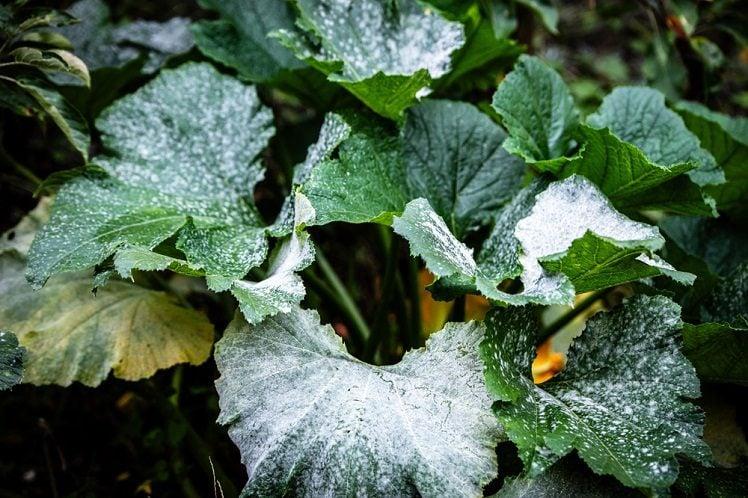
Wilting leaves show plant droops despite appearing to need water sometimes. Brown leaf edges indicate severe dehydration showing. Blossom end rot shows black mushy spots on fruit blossom end (calcium deficiency triggered by dry periods). Powdery mildew appears as white powder on leaves (dry soil creates perfect conditions). Stunted growth means plant stops growing, produces smaller fruit. Poor production shows few flowers, minimal fruit development. Solution: Increase watering frequency, check soil daily, apply mulch. Prevention: Establish consistent watering schedule before problems appear.
Overwatering Damage
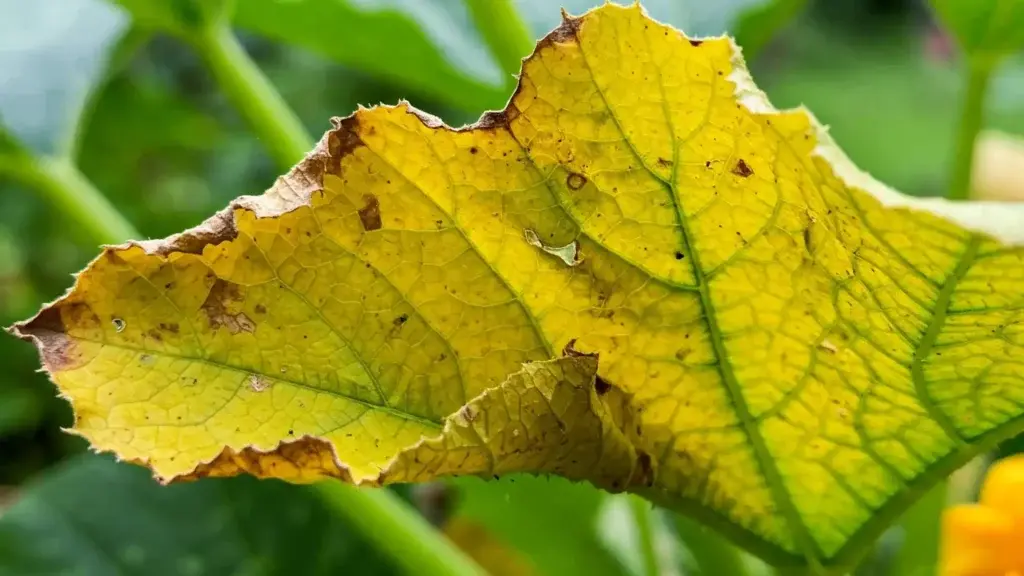
Root rot happens when roots drown in waterlogged soil, turning mushy. Yellow leaves indicate the plant won’t be able to draw nutrients from roots waterlogged. Fungal infections multiply by the presence of excessive moisture which favors fungal growth. Fruit yellowing decreases grade due to overmaturity. Puny plants, despite a plentiful water supply = roots an issue. The plant loses it’s leaves in response to stress (wind, heavy pruning etc). Wet soggy soil remains wet for 24-48 hours after watering (problem). Solution: Cut back on watering, enhance drainage, repot if potted.
Water Quality Issues
Hard water concerns show mineral buildup accumulates over time. Chlorinated water affects some plants sensitive to chlorine. Salt accumulation happens with repeated watering concentrating salts in soil. Solution: Use collected rainwater when possible. Leaching benefit: Periodic heavy watering flushes salt accumulation. Tap water acceptable: Most plants tolerate chlorinated tap water. Alternative: Let tap water sit 24 hours to allow chlorine evaporation.
Not sure if your yellowing leaves mean underwatering, overwatering, or disease? Plantlyze analyzes photos of affected leaves and tells you exactly which watering problem you're facing. Get specific diagnosis and step-by-step fixes.
Adjust Your Schedule: Watering Through the Seasons
Spring (Seedling Stage)
Frequency: Every 5-7 days lighter watering. Soil condition: Keep moist but not saturated. Disease prevention: Damp damping off disease risk increases with overwatering. Root development: Light watering encourages root establishment. Transition: As plants grow, gradually increase watering frequency. Timing: Watch for growth signals (new leaves) to increase frequency.
Summer (Peak Growth)
Frequency: 2-3 times weekly typical heavy soakings. Heat adjustment: May need daily watering in 90+ degree weather. Production peak: Heaviest watering during flowering and fruiting. Deep soaking: Ensure 6-8 inch penetration for all waterings. Mulch critical: Apply if not done earlier to reduce evaporation. Monitoring: Check soil daily during extreme heat.
Fall (Harvest Winding Down)
Frequency: Reduce to once weekly as growth slows. Stress reduction: Less watering stress prepares plants for end of season. Production maintenance: Keep some moisture until final harvest.
Soil Matters: Adjusting for Your Soil Type
Sandy Soil
Drains fast: Water seeps in speedily and disappears just as quickly. Regular watering: Could require water every 2 to 3 days rather than just once a week. Amendment: Incorporate compost (2-3" worked in) to enhance water retention. Benefit: Each 1 percent increase in organic matter holds 10 percent more water. What Happens: Unamended sandy soil will dry very quickly. Cost benefit: Get that compost in the ground, and you’ll be reaping returns all season.
Clay Soil
Retains water: Water sits in soil for extended periods. Infrequent watering: May need only every 5-7 days. Drainage risk: Waterlogging possible with frequent watering. Improvement: Add compost to improve structure and drainage. Structure damage: Avoid walking on wet clay (compaction). Testing: Squeeze wet soil; if stays as tight ball, clay dominant.
Loamy Soil (Ideal)
Perfect balance provides ideal moisture without waterlogging. Typical frequency: 1-2 times weekly usually sufficient. No major adjustments: Base guideline works well. Maintenance: Add annual compost to maintain structure. Lucky gardeners have loamy soil requiring minimal adjustment from baseline.
When to Water: Timing for Maximum Success
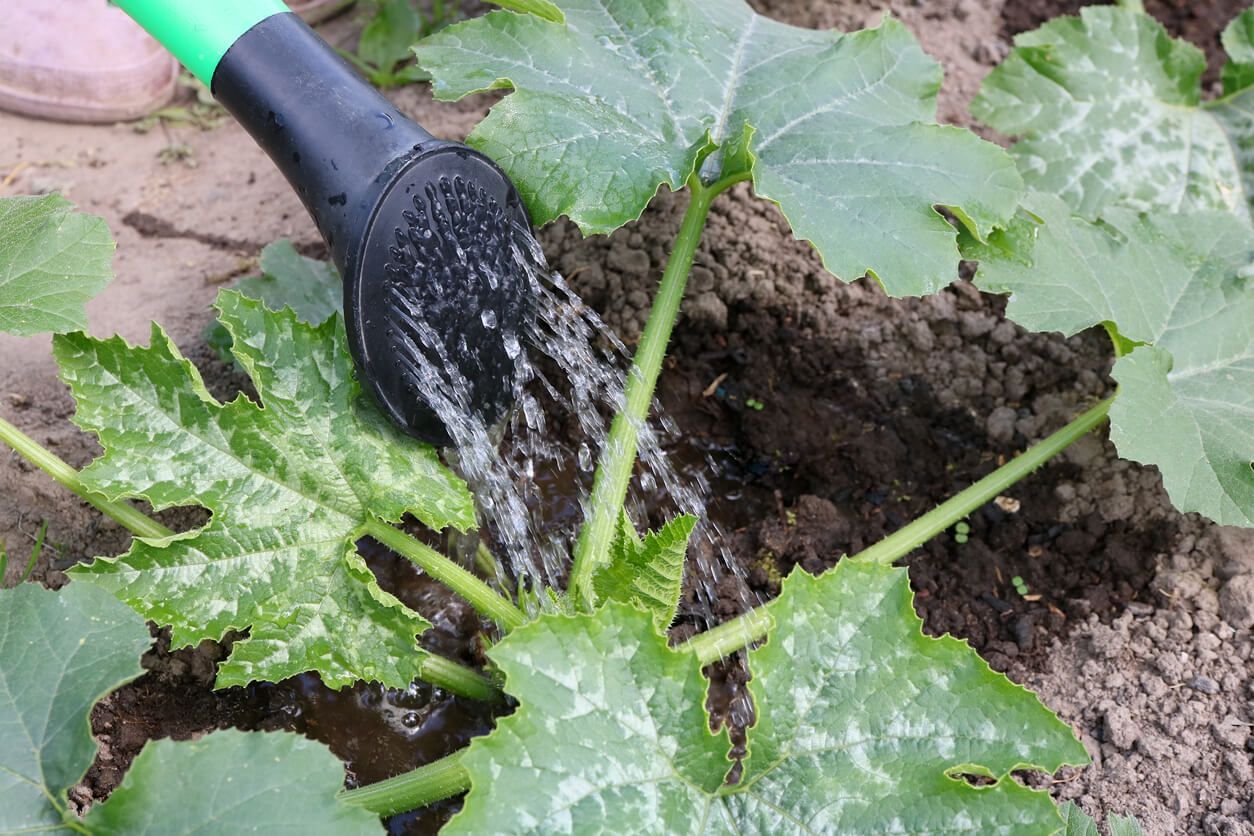
Dawn (6 -8 a.m.) is ideal, giving the plants that much time during the course of the day to soak up water. Benefit is the plant has water all day on a hot day. Less evaporation: Watering in the morning cuts down water loss to evaporation. Prevention of disease: Leaves dry faster in morning sun (lessens chance for fungus). So long as morning is not an option, a 4-6 PM timeframe in the late afternoon will be satisfactory. Overnight advantage: There is plant watering overnight to relief stress. NOON (10 AM-3 PM) STEER CLEAR: The peak sun = the most evaporation. Don't spray the tree in the evening (after 7 PM) because wet leaves overnight increase risk of fungal diseases. Temperature: Don’t water if it’s over 95°F during the heat of midday (potential plant shock is possible).
Want reminders to water at the perfect time? Plantlyze sends notifications for your specific climate, plant stage, and watering schedule. Never miss optimal watering window again, get perfect timing every time.
Final Thoughts
Most gardeners either underwater or overwater, but now you know the difference. Resistant varieties, spacing, pruning, rotation, and monitoring form your core prevention strategy. Armed with these watering guidelines, you'll grow healthy productive zucchini all season.
Whether your garden faces container challenges or in-ground advantages, these principles work. Start with 1-2 inches per week baseline. Adjust for your climate, soil, and container type. Your plants will show you what they need. Watering isn't complicated. Watering is observation and adjustment based on what your garden shows you.
If in container, check daily. If in-ground, check 2-3 times weekly. This simple habit prevents 90 percent of watering problems. Healthy well-watered plants produce abundantly. Stressed under or overwatered plants produce little. Your watering consistency determines your harvest.
Use Plantlyze to track your watering schedule, monitor soil moisture, set reminders for optimal timing, and refine your approach each season based on real results from your garden.
References
1. University of California Agriculture and Natural Resources
https://ucanr.edu/
2. University of Maryland Extension
https://extension.umd.edu/
3. Royal Horticultural Society
https://www.rhs.org.uk/
4. USDA National Institute of Food and Agriculture
https://www.nifa.usda.gov/
5. University of Minnesota Extension
https://extension.umn.edu/