Plant viruses are incurable. This single fact transforms how you must manage zucchini mosaic virus. Unlike fungal diseases that you can spray away or bacterial infections you can slow with antibacterial treatments, viral diseases offer absolutely no cure once plants become infected. Zucchini mosaic virus is a devastating potyvirus spread primarily by aphids that can destroy your entire zucchini crop within weeks. Understanding prevention, recognizing symptoms early, and taking swift removal action are your only tools against this relentless disease. Every day of prevention is infinitely more valuable than any treatment option, because no treatment options exist.
What Is Zucchini Mosaic Virus?
Zucchini mosaic virus belongs to a group of plant viruses called potyviruses. This virus spreads primarily through aphid vectors. At least 26 different species of aphids can transmit the virus, with certain species like Myzus persicae and Aphis gossypii being particularly efficient transmitters. The virus is non-persistent, meaning aphids acquire the virus by feeding on infected plants and transmit it within seconds of landing on a healthy plant. The aphid does not need to remain on the plant long. A brief probe with its feeding stylet is sufficient to transmit the virus.
The virus also spreads through direct contact with plant sap. When you touch an infected plant and then touch a healthy plant, you transfer virus between plants. The virus can survive on tools, hands, and clothing. Additionally, zucchini mosaic virus is seed-borne, meaning infected seeds carry the virus. The seed-to-seedling transmission rate is approximately 1.6 to 1.8 percent, and interestingly, vertically transmitted virus from seed can be cryptic, meaning plants show no symptoms while still carrying and spreading the virus.
Warm weather from June through August creates ideal conditions for rapid virus spread. Both virus replication inside plants and aphid population growth accelerate in warmth. Aphid populations explode in summer, creating massive transmission opportunities. A single infected plant can transmit virus to dozens of healthy neighbors within days during peak season. The virus replicates inside plant cells, and as viral populations build, symptoms become progressively worse.
How to Identify Zucchini Mosaic Virus
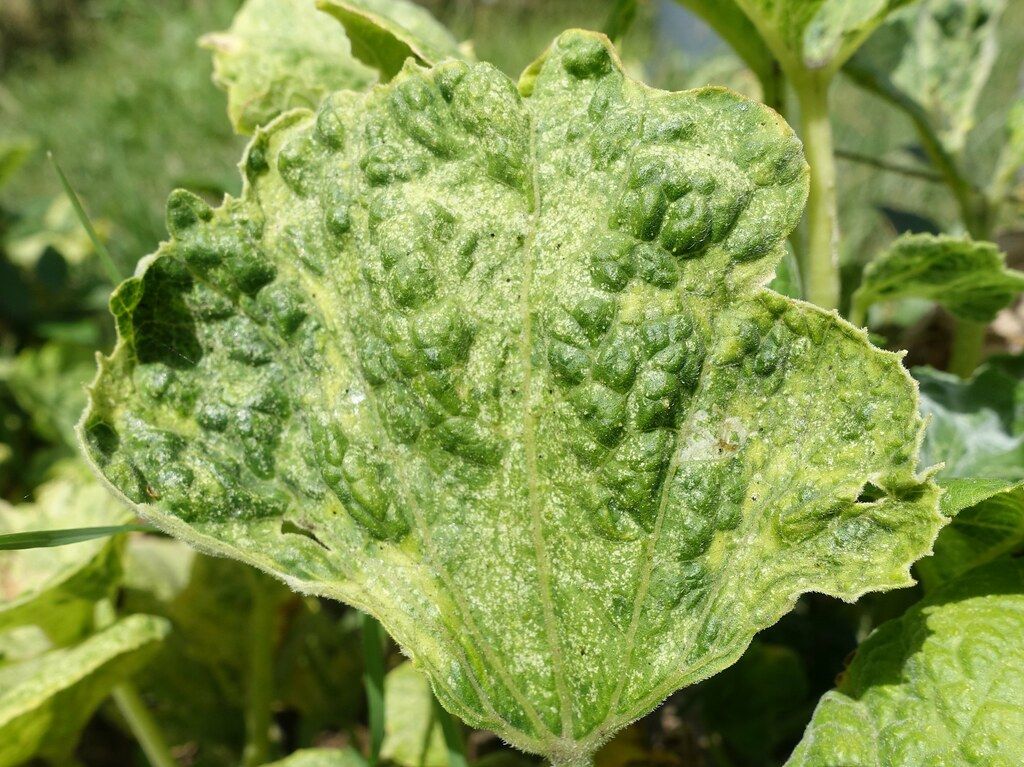
Early detection is absolutely critical because mosaic virus spreads with terrifying speed. The faster you identify and remove infected plants, the fewer neighbors become infected. Learning to recognize the distinct symptom progression helps you catch the disease before it overwhelms your garden.
Stage 1: Vein Clearing and Early Mosaic
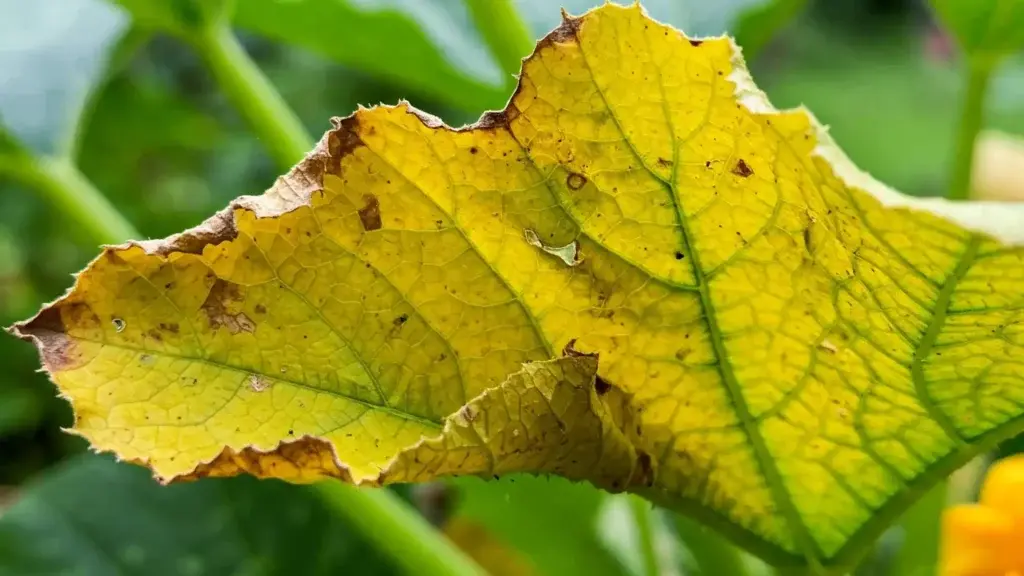
The first visible symptom is clearing of the leaf veins. Normal veins that are usually darker than surrounding tissue become lighter and less distinct. Simultaneously, subtle mosaic patterns begin appearing on leaves. The mosaic consists of irregularly shaped areas of dark green alternating with light green or yellow patches. This stage is easy to miss because symptoms are subtle and might resemble nutrient deficiency.
Stage 2: Distinct Mosaic and Distortion
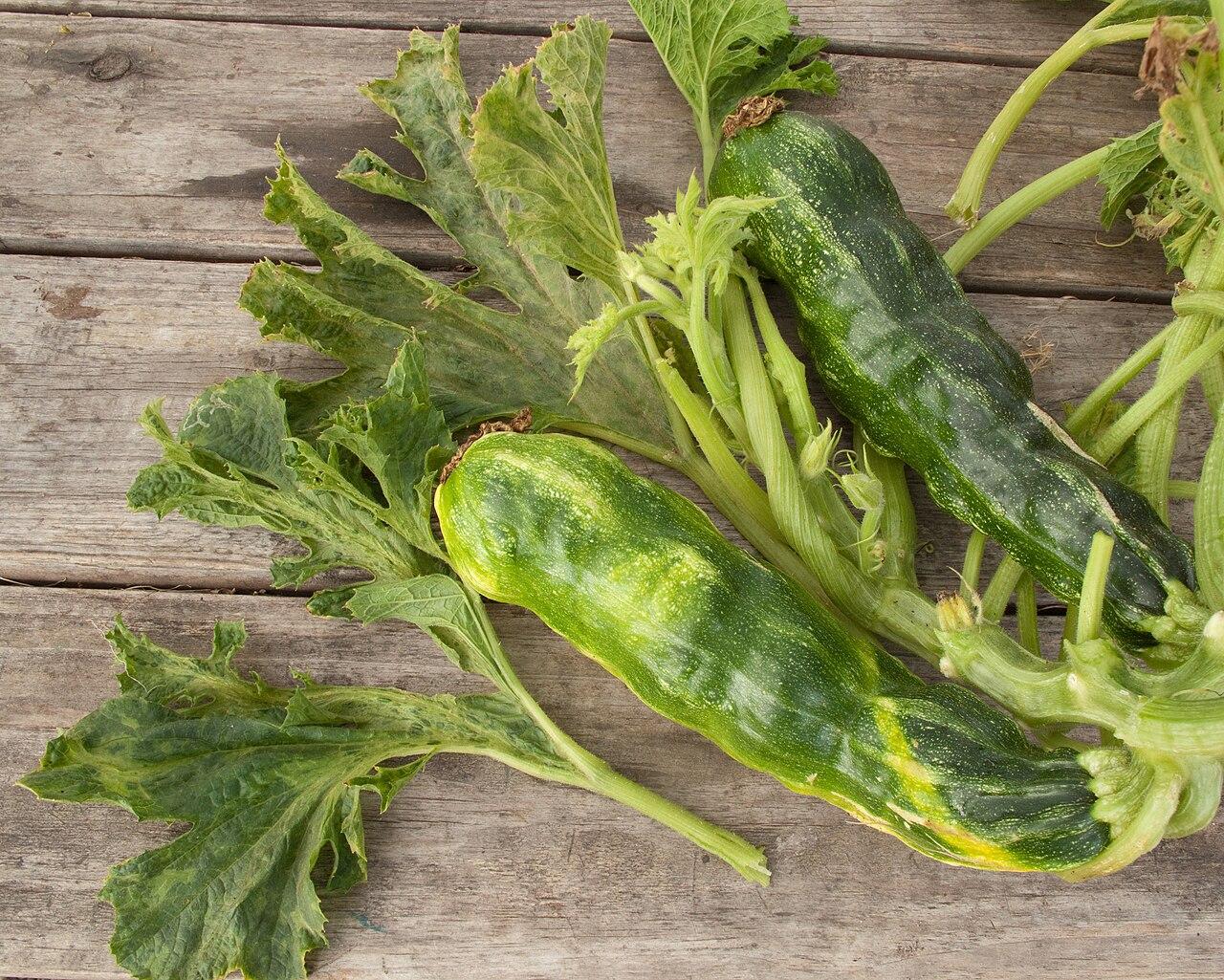
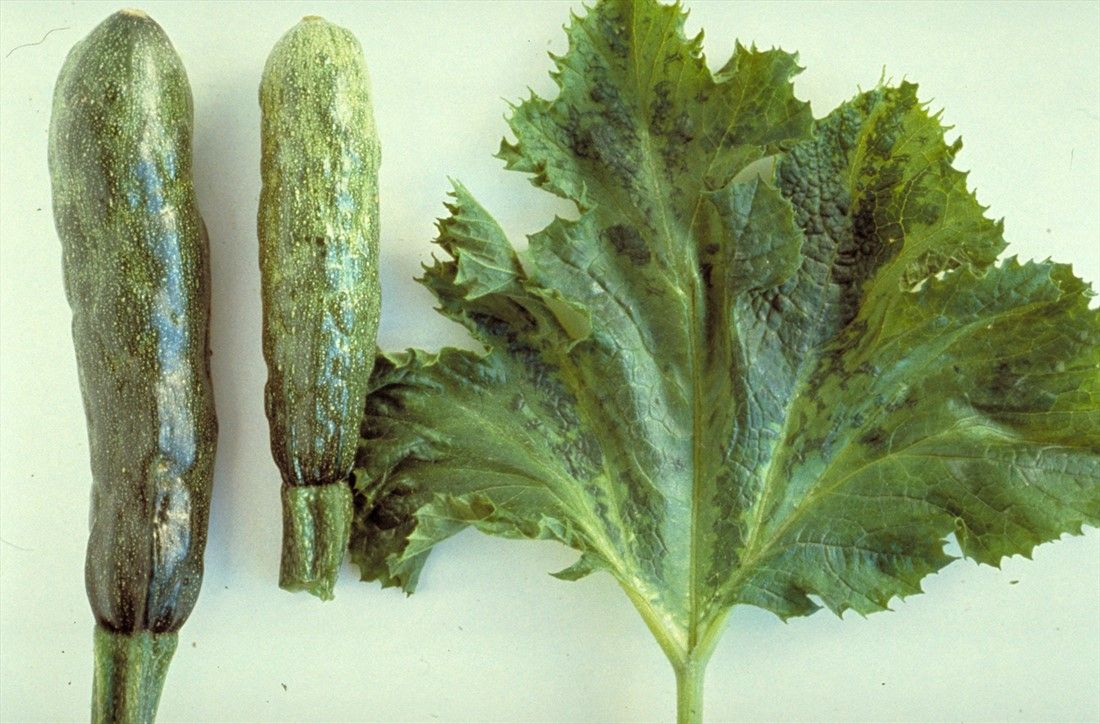
Within days of initial appearance, the mosaic pattern becomes more pronounced. Leaves develop distinctive cupping, puckering, or stringy appearance. Leaf lobes become longer and narrower than normal. The mosaic pattern of alternating dark and light areas becomes unmistakable. Growth slows noticeably as the plant struggles with viral infection. Multiple leaves across the plant show symptoms simultaneously, unlike some other diseases that appear on just a few leaves.
Stage 3: Severe Stunting and Deformation
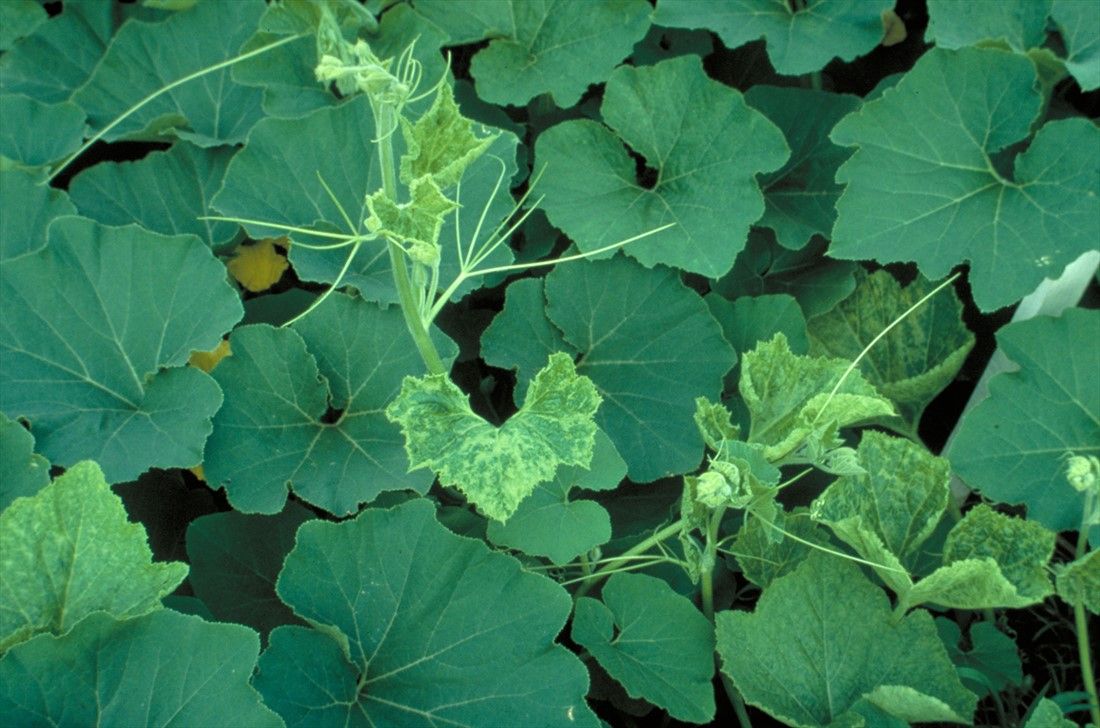
Plant growth becomes drastically stunted. Leaf size is substantially reduced compared to healthy plants. Growth appears retarded, with plants not developing normally. Leaves become severely deformed and distorted. At this stage, anyone looking at the plant can see something is seriously wrong. The plant has clearly declined and is not producing normal growth.
Stage 4: Fruit Symptoms
Fruit becomes discolored and distorted with pale or lightcolored areas. Raised bumps or rough areas appear on the fruit surface. Fruits are small and malformed compared to normal zucchini. These deformed fruits are unsuitable for fresh market sale. Once fruit symptoms develop, viral load in the plant has reached very high levels.
If you are uncertain whether your plants have mosaic virus or another issue affecting them, tools like Plantlyze use AI-powered plant diagnosis to confirm the disease. Simply upload a photo of suspicious leaves and receive instant disease identification, helping you make rapid removal decisions.
Why Viral Disease Is Fundamentally Different from Other Plant Diseases
Zucchini mosaic virus behaves completely differently than fungal or bacterial diseases. This critical distinction shapes how you must manage this disease.
There is no cure for plant viruses. None. No chemical can cure an infected plant. No spray kills the virus once it is inside plant cells. Scientists have not developed any antiviral treatment for plant viruses that works in field conditions. This is fundamentally different than fungal or bacterial diseases which can sometimes be managed or slowed.
Fungicides cannot treat viruses. Fungicides target fungal cell walls and metabolism. Viruses have neither. Spraying fungicide on a virus-infected plant wastes time and money while the virus continues spreading.
Bactericides cannot help either. Bacterial treatments do not work on viruses. Viruses are not living organisms susceptible to chemical attack.
Insecticides actually backfire on viral diseases. Many gardeners assume that killing aphids prevents virus transmission. This is incorrect. Aphids transmit the virus within seconds of landing on a plant. The virus enters before the insecticide kills the aphid. Additionally, surviving aphids panic and disperse to feed more widely, resulting in more plants infected, not fewer. Research shows that spraying insecticides actually increases crop infection because of this dispersal behavior.
Acceptance of reality is critical. Once mosaic virus symptoms appear on your plants, removal is the only viable management option. The faster you remove infected plants, the fewer neighbors become infected. Every day of delay allows exponential virus spread to new plants.
Nine Proven Prevention Strategies
Successful viral disease prevention requires consistent implementation of multiple strategies working together. No single method provides complete protection. Integrated prevention combines seed selection, aphid control, sanitation, and rapid detection to eliminate virus transmission pathways.
1. Start with Certified Virus Free Seed and Plants
The single most important step to prevent zucchini mosaic virus is purchasing certified virus-free seed from reputable seed companies. Seed-borne virus begins the infection cycle. Starting with clean, certified seed prevents the virus from entering your garden. This is your strongest defense against mosaic virus.
When ordering seed, specifically look for "certified virus-free" labels on packaging or check the seed company website for disease certification information. Reputable seed companies test seed lots and provide certification. The cost of certified virus-free seed is minimal compared to crop loss if disease destroys your harvest.
Never save seed from zucchini plants in your garden, even if plants appeared healthy. Infected plants may show no symptoms while still carrying the virus internally in seeds. Save that virus-infected seed, plant it next year, and you guarantee disease problems.
2. Plant Resistant Variety Cultivars
Plant breeders have developed zucchini varieties with genetic resistance to mosaic viruses. These resistant varieties are not immune, but they are far less susceptible to infection than standard varieties. Select varieties with CMV resistance when available.
Resistant varieties include Green Machine, Yellow Fin, and Desert. Check seed catalogs for CMV-resistant notation. Many seed companies clearly mark resistant varieties for easy identification. Resistance genes provide a foundation of protection that combines effectively with other prevention strategies.
3. Control Aphid Populations Strictly
Aphids are the primary disease vectors. Controlling aphid populations reduces virus transmission. However, complete aphid elimination is virtually impossible in gardens. Instead, manage aphid numbers using integrated pest management strategies.
Use neem oil sprays as a preventive treatment starting early in the season. Spray diluted neem oil every 7 to 10 days. Neem oil disrupts aphid reproduction and reduces populations over time. Insecticidal soap is another organic option. Spray soap solution on all leaf surfaces, coating both upper and lower surfaces.
Companion planting helps deter aphids. Plant garlic, onions, and fragrant herbs near zucchini. These plants emit odors that repel aphids. This integrated approach reduces aphid pressure without the backfire effect of systemic insecticides.
4. Remove All Susceptible Weeds
Many weed species host both mosaic viruses and aphids. Removing susceptible weeds eliminates virus and aphid reservoirs. Susceptible weeds include burdock, catnip, flowering spurge, horse nettle, jimsonweed, nightshades, pigweed, and pokeweeds. This is not a complete list, as many other weeds can host viruses.
Scout your garden perimeter and edges weekly. Pull susceptible weeds as soon as they appear. Do not leave dead pulled weeds lying in the garden. Remove them completely. This consistent weed management prevents virus and aphid overwintering in your garden area.
5. Maintain Strict Tool Sanitation
Viruses spread through sap contact on tools. Sterilize all tools before you begin working and between each plant you touch. Use a bleach solution of one part bleach to nine parts water. Dip or wipe tools in the solution and allow them to air dry. Alternatively, use rubbing alcohol on tool surfaces.
Hand washing is equally important. Wash your hands thoroughly between plants. Even small cuts or abrasions on hands transmit virus between plants. If any plant material gets on your hands, wash before touching another plant.
This tool and hand sanitation seems excessive but is absolutely essential when dealing with incurable viral disease. Invest the 30 seconds per plant to prevent catastrophic crop loss.
6. Avoid Wounding Plants During Growing Season
Wounds provide virus entry points. Minimize all plant damage. Avoid unnecessary pruning early in the season. Handle plants gently when harvesting, weeding, or working around them. Every cut and wound potentially allows virus entry through sap contact.
Early season wounding is particularly serious because affected plants have the entire growing season ahead of them, suffering stunting and yield loss. Be especially careful with young plants. Use clean hands and tools when harvesting fruit.
7. Practice Aggressive Weed Control Throughout Season
Beyond removing virus-susceptible weeds, aggressive overall weed control reduces habitat for aphids and viruses. Weeds provide food sources and shelter for aphids. Removing weeds removes aphid habitat and food.
Use mulch to suppress weed growth. Apply 2 to 3 inches of mulch around plants. Mulch blocks sunlight, preventing weed seeds from sprouting. Pull any weeds that emerge through the mulch. The goal is nearly weed-free garden beds from early season through harvest.
8. Space Plants for Adequate Air Movement
Good air circulation around plants improves overall plant health and reduces humidity that favors disease. Proper spacing is simple but essential. Space zucchini plants 18 to 24 inches apart in all directions.
This spacing seems sparse when first planting, but zucchini grows vigorously and plants fill available space by mid season. Many gardeners plant too densely trying to maximize harvest. Dense planting creates crowded conditions that trap humidity and reduce air flow.
Plant in full sun, open locations. Avoid shaded areas or low spots where air stagnates. Good air circulation and sunlight create conditions less favorable for aphids and disease.
9. Remove Infected Plants Immediately Upon Detection
Infected plants are virus factories spreading to healthy neighbors. Scout plants every other day during warm weather when aphid activity is high. At the absolute first sign of symptoms, remove the entire plant including roots. Do not delay this action even one day.
Containment is important. If you notice symptoms, place the plant in a sealed plastic bag to prevent virus spread during removal. Remove it completely from the garden area. You can dispose of infected plants by burning (if permitted by local regulations), deep burying in a location removed from gardens, or hot composting. Standard home composting does not reach temperatures high enough to kill viruses. Never add infected plants to regular compost piles.
Additionally, remove plants within 3 to 5 feet of symptomatic plants as a precaution, even if they show no symptoms yet. This aggressive removal prevents spread to neighboring plants.
Why Treatment Options Are Nonexistent
Understanding why treatment fails for viral disease helps you accept prevention as the only viable strategy.
Fungicides do nothing against viruses. Viruses are not fungi. They have no cell walls to attack. They do not have the metabolic pathways that fungicides target. Spraying fungicide on a virus-infected zucchini plant is completely ineffective.
Bacterial treatments cannot help. Viruses are not bacteria. Bacteria-killing treatments do not affect viruses.
Insecticides cannot stop virus transmission, despite logical assumptions. Aphids transmit virus within seconds of feeding. The virus enters the plant before the insecticide kills the aphid. Additionally, insecticides cause surviving aphids to disperse widely in panic, resulting in more plants infected. Research clearly demonstrates that insecticide spraying increases crop infection rates when dealing with aphid-transmitted viruses.
No antiviral chemicals exist for plant viruses. Unlike human medicine where antiviral drugs exist, agriculture has no equivalent treatments for plant viruses. Scientists have not developed effective antiviral treatments despite decades of research.
The reality is stark and unchangeable. Once mosaic virus symptoms appear, removal is the only viable management option. Accept this reality and focus your energy on prevention.
Environmental Conditions and Seasonal Timing
Understanding when disease pressure is highest helps you time prevention efforts and expect infection risks.
Warm weather from June through August creates ideal conditions for rapid virus and aphid population growth. Warm temperatures accelerate both virus replication inside plants and aphid reproduction. Aphid populations explode in summer warmth, creating massive transmission opportunities. A single infected plant surrounded by millions of aphids will transmit virus to every nearby plant within days.
Midsummer represents peak risk period in most regions. This timing coincides with typical zucchini harvest season, making early infections particularly damaging. Early infection (June-July) causes worst crop losses because plants have the entire growing season ahead for continued viral damage and stunting.
Your local weather patterns determine your specific disease risk. If your region experiences reliably warm, humid summers with high aphid populations, expect significant disease pressure. Some gardens experience lower aphid pressure due to natural predator populations or specific environmental conditions. Understanding your garden's typical conditions helps you anticipate and prepare for disease risk.
Using AI Diagnosis Tools for Rapid Confirmation
Certain diagnosis enables swift removal decisions. Uncertain diagnosis leads to hesitation and delayed action.
Mosaic symptoms can resemble nutrient deficiency, pest damage, or other plant stress. Misidentification delays the critical plant removal actions that prevent disease spread. With viral diseases, diagnosis speed determines crop survival. Removing plants within 24 hours of symptom discovery prevents spread. Waiting days allows exponential virus transmission to new plants.
Plantlyze uses advanced artificial intelligence to identify mosaic virus from leaf photos within seconds. Take a clear photo of suspicious leaves and upload it to the platform. The AI analyzes the image and provides instant disease confirmation. This speed allows you to make removal decisions immediately.
Certain diagnosis gives confidence to remove plants fast. Unsure diagnosis leads to hesitation. Hesitation costs your crop when dealing with incurable viruses.
Get Instant Mosaic Virus Diagnosis at Plantlyze.com
Upload a photo of suspicious zucchini leaves and receive instant disease confirmation. Plantlyze's AI-powered plant diagnosis confirms mosaic virus in seconds, allowing you to act fast with plant removal and protect your remaining garden.
Key Takeaways and Your Action Plan
Zucchini mosaic virus is preventable through consistent prevention strategies. Success depends on starting before disease appears and maintaining prevention throughout the growing season.
Your prevention checklist should include:
Order certified virus-free seed now before the planting season from reputable seed companies. This is your foundation defense. Research resistant variety cultivars like Green Machine, Yellow Fin, and Desert for disease protection. Plan your aphid control strategy including neem oil sprays or insecticidal soap. Prepare tool sanitation supplies (bleach, water, rags or alcohol wipes).
Scout plants every other day during warm weather. At first sign of symptoms, photograph the plant and upload to Plantlyze for instant confirmation. Remove confirmed infected plants immediately including all roots. Remove plants within 3 to 5 feet of symptomatic plants as precaution.
Space plants 18 to 24 inches apart from the beginning of the season. Remove susceptible weeds weekly throughout the growing season. Apply mulch to suppress weed growth and reduce habitat. Handle plants gently and sanitize tools between every plant.
By implementing these prevention strategies consistently, you will dramatically reduce mosaic virus incidence and grow healthy, productive zucchini throughout the season. Your plants will reward this careful attention with abundant, undistorted, marketable harvests.
References
UC Davis Agricultural Extension
https://ucanr.edu/site/uc-marin-master-gardeners/documents/zucchini-yellow-mosaic-virusPenn State College of Agriculture and Life Sciences
https://extension.psu.edu/cucumber-mosaic-virus/Utah State University Extension
https://extension.usu.edu/pests/ipm/notes_ag/veg-zucchini-yellow-mosaic-virus.phpWisconsin Horticulture Extension
https://hort.extension.wisc.edu/articles/cucumber-mosaic/Cornell University College of Agriculture and Life Sciences
https://www.vegetables.cornell.edu/pest-management/disease-factsheets/virus-diseases-of-cucurbits/South Dakota State University Extension
https://extension.sdstate.edu/understanding-and-managing-cucumber-mosaic-virusUSDA APHIS (Animal and Plant Health Inspection Service)
https://www.aphis.usda.gov/plant-pests-diseases/cgmmv