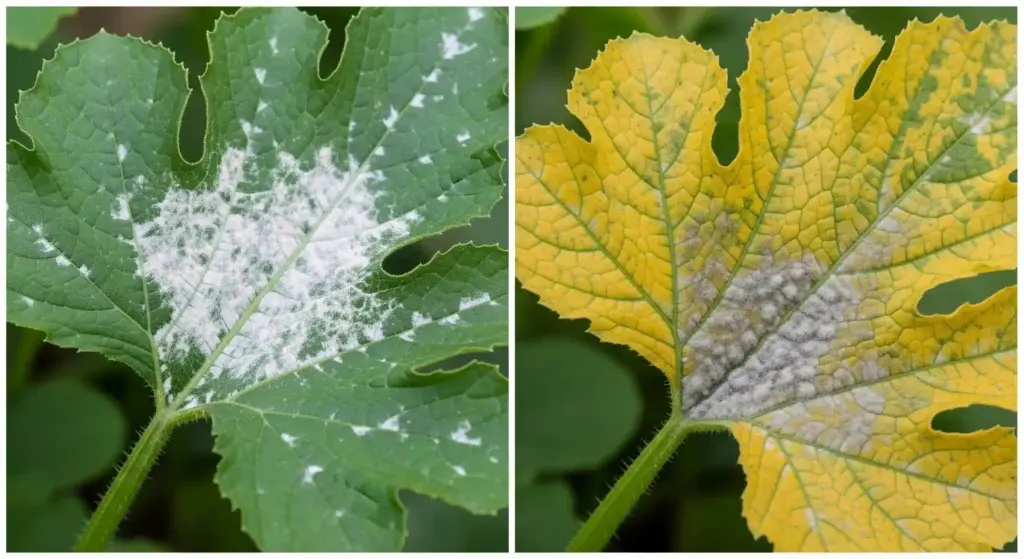
Imagine noticing yellow spots on your zucchini plant leaves only to flip them over and find a white fuzzy coating spreading across the undersides. This is downy mildew, one of the most devastating diseases that threatens home and commercial zucchini gardens. While it sounds scary, understanding this fungal disease and knowing how to identify it early gives you the power to protect your harvest.
Downy mildew can wipe out your zucchini crop within weeks if conditions favor it but knowledge and an action plan set the results to minimal loss hence a healthy garden. This guide provides information on the water mold disease beginning with signs that should raise alarm continuing to effective treatment measures.
What Is Zucchini Downy Mildew?
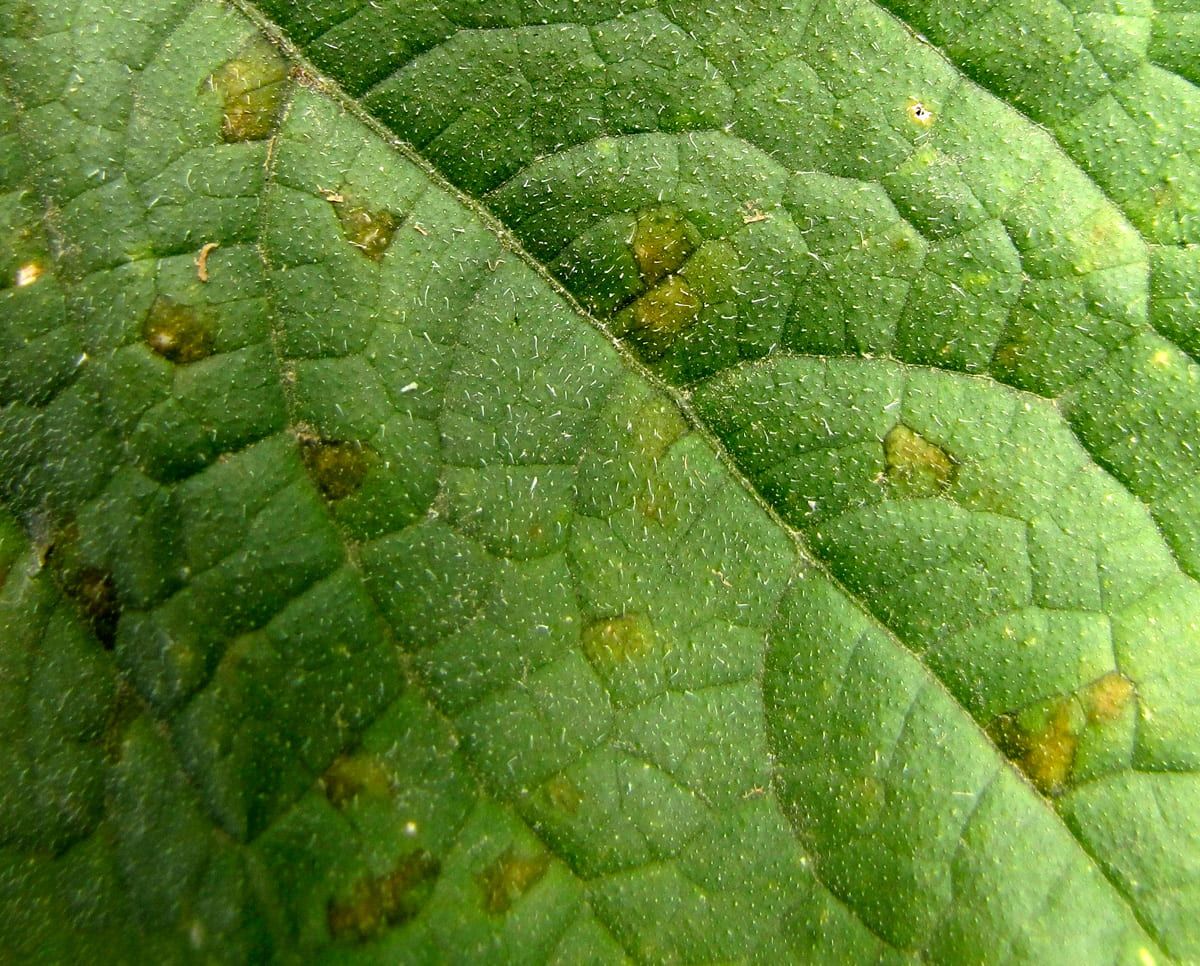
Downy mildew isn't your typical fungal disease. The pathogen responsible is called Pseudoperonospora cubensis, and it's actually a water mold, scientifically classified as an oomycete. This distinction matters because it means the disease behaves differently than many other plant diseases you might encounter.
Understanding this pathogen helps you make better decisions about prevention and treatment. The water mold requires living plant tissue to survive and cannot overwinter in the soil where frost touches the ground. In cold climates, the disease overwinters in protected greenhouses or warmer regions, and then spores travel northward with air currents as temperatures warm in spring and early summer.
The spores of Pseudoperonospora cubensis are incredibly mobile. They can travel hundreds of miles on wind currents, which explains why downy mildew often appears seemingly out of nowhere in home gardens. Once these microscopic spores land on a zucchini plant leaf, they can germinate and infect within hours if conditions are right. The spores themselves remain viable for one to sixteen days depending on environmental conditions, giving them multiple opportunities to spread to new plants.
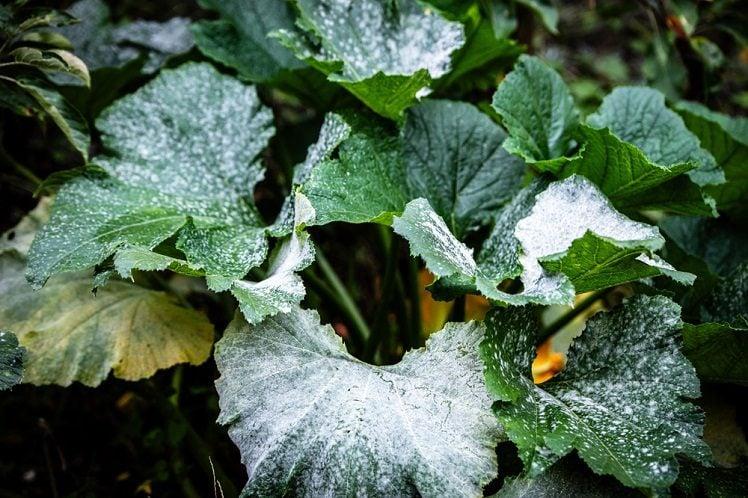
What makes downy mildew particularly challenging is that it differs significantly from powdery mildew, another common zucchini disease. Most gardeners associate them both with leaf symptoms and confuse the two, but management strategies are totally different. Powdery mildew appears as a white powder on the surface of leaves in warm dry conditions; downy mildew develops in cool wet conditions where it forms fuzziness on the underside of leaves. Using the wrong treatment for the wrong disease is a common mistake, so accurate identification is critical.
Tools like Plantlyze can help you identify if your plant has downy mildew versus other common zucchini diseases, ensuring you treat the right condition from the start. Simply upload a photo of affected leaves and get immediate identification with care recommendations.
Recognizing the Symptoms
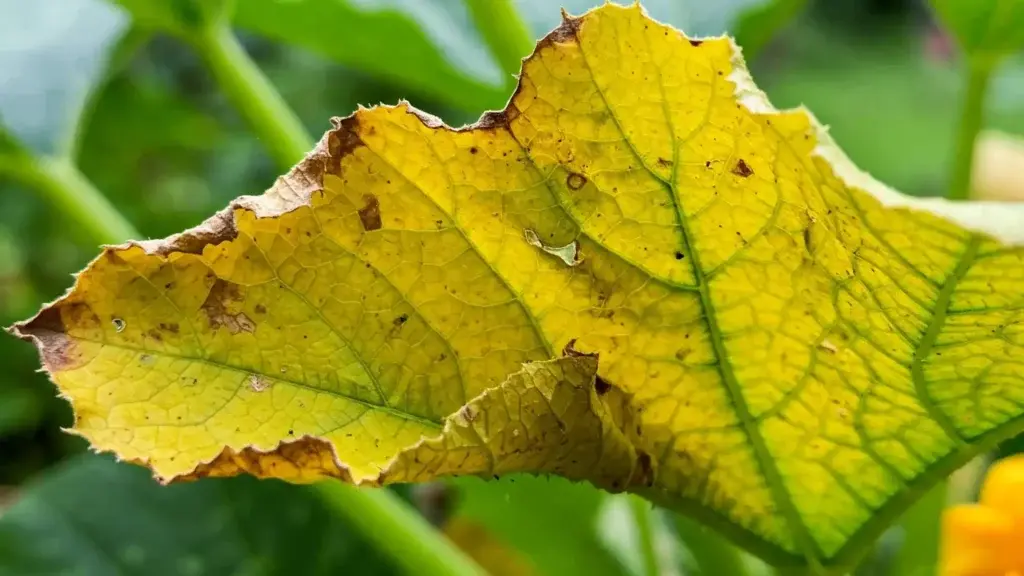
Downy mildew typically announces itself on older leaves first. You'll notice small, pale green to yellow angular spots that appear almost mottled across the upper surface of the leaf. These aren't random marks—they're actually limited by the leaf veins, creating a distinctive pattern that helps distinguish this disease from others.
Early Stage Symptoms
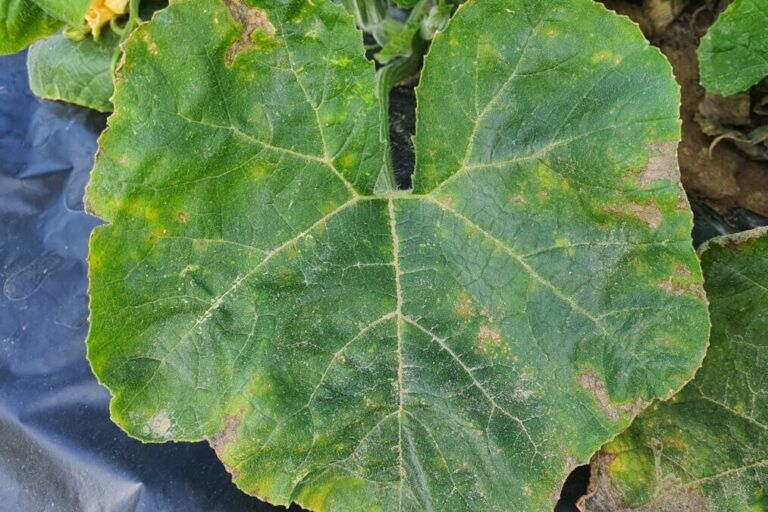
In the early stages, watch for pale green to yellow spots with sharp, angular edges on the upper leaf surface. The spots are bounded by leaf veins, creating a pattern that looks like someone drew on the leaf with connecting lines. Older leaves are affected first, which is why it's important to regularly inspect the lower portions of your zucchini plants.
Symptoms appear four to twelve days after infection, so if you've been exposed to conditions favoring downy mildew, watch closely during this window. The leaves may develop a mottled appearance as spots cluster together. At this stage, many gardeners notice the disease when inspecting undersides of leaves during their regular garden walk through.
Advanced Stage Symptoms
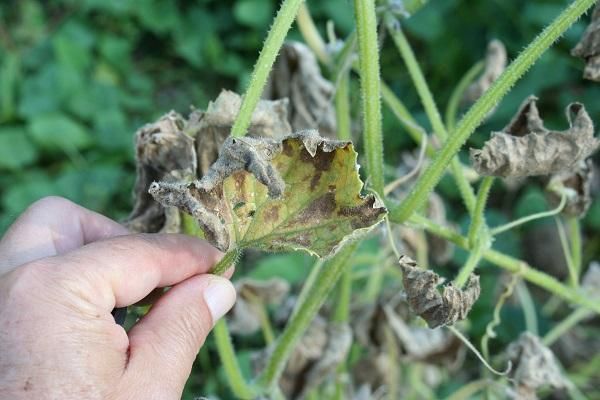
As the disease progresses, those small spots expand and coalesce. The affected areas turn brown and eventually the entire leaf becomes brown, withered, and may drop from the plant. This is when you'll notice the characteristic fuzzy growth on the undersides of leaves. The fuzzy white to purple coating is the pathogen producing millions of spores, which explains why leaf undersides are the best place to check for early detection.
In severe cases, downy mildew can spread to flower parts and potentially affect fruit set. More commonly, though, the extensive defoliation from infected leaves reduces photosynthesis and plant vigor, leading to poor fruit development. Sun scald becomes a secondary problem as exposed developing fruit lacks leaf protection from intense sunlight. The weakened plant may also become susceptible to secondary rot infections that further compromise the crop.
The Impact on Your Harvest
Defoliation from downy mildew directly reduces your zucchini production. As leaves die and drop, the plant loses its ability to produce energy through photosynthesis. Fruit already on the plant may not reach full size, and new flowers may not set fruit at all. In severe infections, you might lose fifty percent or more of your potential harvest.
Pro tip: Check the undersides of leaves regularly. Downy mildew has a preference for the leaf bottoms, so this is your first warning system. A quick leaf flip during your morning garden walk takes thirty seconds but can save your entire crop by allowing early intervention.
Environmental Conditions That Favor Downy Mildew
Downy mildew thrives when three conditions align: moisture, cool temperatures, and poor air circulation. This is why late summer and fall are particularly vulnerable seasons in most growing regions. Understanding what the disease needs helps you create conditions that discourage it.
The pathogen requires very wet and humid conditions to flourish. High humidity levels of eighty-five percent or higher create the perfect breeding ground. Cool to moderate temperatures between sixty-five and seventy-five degrees Fahrenheit are optimal for spore germination, though the pathogen can germinate across a wide temperature range from forty to eighty degrees Fahrenheit.
Leaf wetness is absolutely critical. The disease needs moisture directly on the leaf surface to complete its infection process. This means rainfall, dew or even overhead morning sprinkler spray. The spore life cycle runs on approximately a seven to ten day timeline so once moisture remains on leaves ,conditions favor quick multiplication and spread.
Late plantings are at most risk since they bear fruit during peak disease season. As you move into mid-July through the first frost, atmospheric conditions in most regions favor downy mildew development. This is particularly true in coastal and humid regions where the combination of moisture and moderate temperatures persists longer into fall.
Prevention: Your First Line of Defense
The easiest way to avoid downy mildew problems is to never plant a susceptible variety in the first place. While no zucchini varieties currently offer complete downy mildew resistance, some show greater tolerance than others. The recently introduced variety "Fortress" from Syngenta represents a breakthrough, as it's the first zucchini with significant downy mildew resistance, plus stronger resistance to multiple viruses including Zucchini Yellow Mosaic Virus and Cucumber Mosaic Virus.
When selecting varieties for your garden, read seed packets carefully for disease resistance information. Look for notation like "DMR" (downy mildew resistant) or specific mention of downy mildew tolerance. Some cucumber varieties bred for downy mildew resistance include Calypso, Dasher II, General Lee, and Thunder, though your focus should be on squash and zucchini varieties specifically bred for your crop.
Smart Watering Practices
Your watering method dramatically influences downy mildew risk. Always water at the base of plants and never overhead. Early morning watering allows foliage to dry quickly as the day warms, reducing the wet leaf period that downy mildew needs for infection. Never water in the evening, as wet foliage throughout the cool night provides perfect conditions for spore germination and infection.
A major advantage to using drip irrigation is that water never touches the leaves; it goes straight down to soak the soil. If you’re presently using overhead sprinklers, just converting a portion of your garden area to drips will be enough in reducing all that disease pressure. For container gardeners or small plots planted with zucchinis, even hand watering at ground level counts and makes a difference.
Spacing and Air Circulation
Increase the spacing between zucchini plants beyond typical recommendations. While standard spacing might be eighteen to twenty-four inches, pushing to thirty or thirty-six inches creates substantially better air movement between plants. Improved airflow allows foliage to dry more quickly after rain or dew and reduces the relative humidity around leaves where downy mildew prefers to establish.
Trellising zucchini vertically on sturdy supports provides dual benefits. Not only does elevation improve air circulation beneath and around foliage, but it also saves valuable garden space. Vertically grown zucchini receives more direct airflow and dries more quickly after moisture events. Many gardeners report that trellised plants show significantly less downy mildew even in regions with high disease pressure.
Timing Your Planting
Plant zucchini as early as possible in your growing season. Early plantings allow you to harvest the bulk of your crop before late season disease pressure builds. Shorter growing periods mean less total exposure to the environmental conditions favoring downy mildew. In many regions, zucchini planted in mid-May finishes most production by late August, just as downy mildew spore pressure typically increases in September.
If you practice succession planting for continuous harvest throughout the season, still prioritize early plantings. Your main crop should get established and producing early. Later plantings that mature during peak disease season face higher risk and may require more aggressive fungicide programs to protect.
Start Monitoring Now
Early detection is everything. Scouting your plants weekly during vulnerable seasons gives you the earliest opportunity to intervene. Start monitoring during the vegetative growth stage before flowering begins, and continue through fruit development. Check leaf undersides regularly, particularly on older leaves nearest the soil. Many extension services offer regional disease forecasting through websites like ipmPIPE. Sign up for notifications in your area so you know when downy mildew spore pressure arrives in your region.
Treatment Options: Chemical and Organic Solutions
The golden rule of downy mildew control is this: fungicides work best before disease develops. Once symptoms are visible, you're already behind. This doesn't mean treatment fails, but preventative applications are far more effective than curative sprays.
When to Start Treatment
Begin preventative sprays when regional alerts indicate downy mildew spores are present in your area. If you have confirmed downy mildew in your region but haven't yet seen symptoms on your plants, start spraying immediately. Apply treatment the moment you spot first symptoms, as rapid action during early infection limits disease spread.
Repeat applications every seven to ten days based on the spore life cycle. This timing ensures fungicide coverage is in place before new spores germinate and infect. Under high disease pressure with frequent moisture events, consider tightening the schedule to every seven days. Always follow label instructions for maximum application frequency and total applications per season.
Commercial Fungicide Options
Protectant Fungicides (Contact Action)
Chlorothalonil and mancozeb are multi-site contact fungicides that remain on the leaf surface. They create a protective shield preventing spore germination and infection. These work best when applied before infection occurs. They don't move into the plant, so thorough coverage is critical. Both undersides and upper surfaces of all leaves need coating.
Systemic Fungicides
Systemic fungicides like cyazofamid, fluopicolide, and propamocarb move into plant tissue and can work after infection has begun. They offer flexibility because you can apply them after you spot symptoms and still expect some disease suppression. However, because these products target specific biochemical pathways in the pathogen, resistance can develop with repeated use.
Critical Information on Resistance Management
Here's something growers often overlook: the downy mildew pathogen develops fungicide resistance quickly. To combat this, alternate between fungicides with different modes of action, identified by their FRAC (Fungicide Resistance Action Committee) codes. Never spray the same fungicide type consecutively unless the label specifically permits it. FRAC group 4 fungicides are particularly effective against downy mildew but should be used in rotation with other groups. FRAC group 40 fungicides like Revus and Forum offer strong activity but have use restrictions. Create a spray rotation plan at the season's start, alternating between groups such as M, 40, 11, and 21 based on product availability and label recommendations.
Organic and Natural Treatment Options
Copper Fungicides
Copper is the most effective organic option. OMRI-listed copper formulations are available through organic suppliers. Copper works through contact action and should be applied before infection for best results. Important caution: avoid applying copper fungicides when temperatures exceed ninety degrees Fahrenheit, as heat can cause phytotoxicity and leaf damage. Also avoid spraying if rain is forecast within a few hours, as excess moisture can increase phytotoxicity risk. Apply every seven to ten days during the disease season for consistent protection.
Sulfur-based Products
Sulfur is OMRI-approved and effective early in the season. It cannot be used in combination with copper products, so choose one or the other for your program. Like copper, avoid application during high temperature periods. Sulfur has a longer residual than many organic options, providing seven to ten days of protection per application.
Neem Oil
Neem oil is OMRI-approved and works best preventatively before disease establishes. Once downy mildew is visible, neem oil offers limited efficacy. Its primary value is early season prevention when disease pressure is just beginning to build.
Biological Controls and Other Options
Bacillus subtilis products and other biological fungicides represent emerging options for organic growers. These living organisms work through various mechanisms to suppress pathogen spores. However, their effectiveness varies and tends to be lower than chemical alternatives, particularly once disease pressure becomes high.
Hydrogen Peroxide Spray
Hydrogen peroxide works through contact action, disrupting spores on leaf surfaces. Home gardeners can prepare dilute solutions and apply to both leaf surfaces. This option works best as a preventative or for managing light infections.
Important Reality for Organic Gardeners
Home gardeners should know that while organic options reduce disease compared to untreated plants, they may not completely prevent infection once disease pressure becomes high. In particularly humid regions with long fall seasons, organic management alone may not be sufficient if downy mildew becomes established. Many organic growers combine cultural practices (spacing, air circulation, resistant varieties) with regular organic fungicide applications for best results.
Building Your Downy Mildew Management Action Plan
Rather than reactive gardening, establish a proactive system that takes the guesswork out of disease management.
Create a Calendar System
Mark your calendar with the typical downy mildew arrival date in your region. Plan preventative spray schedules to begin two weeks before this date. Schedule weekly plant scouting sessions throughout the season, particularly from August onward in most regions. Consistency matters more than perfection, so establish a routine like every Wednesday morning garden walk-through.
Start a Spray Log
Record application dates, products used, and any symptoms observed. Track which fungicides you've applied in order, ensuring you rotate modes of action properly. Document disease progression with simple notes like "light symptoms on lower leaves" or "advanced spotting on mature foliage." Over time, this log reveals patterns in your garden's disease pressure and helps you refine your program.
Zone Your Garden Strategically
Isolate new zucchini plantings from previous year's planting locations if possible. Separate different plantings by fifty feet or more to slow disease spread between blocks. If space allows, plant downy mildew tolerant or resistant varieties in traditionally higher-risk areas. Keep zucchini separated from other cucurbits like cucumbers and melons when possible, as the disease affects all cucurbits and can spread between crops.
Build Your Support Network
Gardening doesn't need to be lonely. Join local garden groups and neighborhood gardening social media pages. Share disease observations with other gardeners to get region-specific advice. Many communities have gardeners tracking downy mildew and sharing alerts when it arrives.
Use technology resources like ipmPIPE for tracking disease in your area and Plantlyze for quick disease identification and plant care guidance. Your county extension office offers free consultation on regional disease management, and many university plant pathology departments maintain updated disease management guides.
Support Plant Health Through Soil and Nutrition
Healthy plants resist disease better than stressed ones. Use quality compost and well-balanced soil when preparing beds. Maintain proper nutrition without over-fertilizing, as excessive nitrogen promotes tender new growth attractive to the pathogen. Remove weeds that compete with zucchini and can host pathogens. Fall garden cleanup is essential, so remove and destroy infected plant debris to eliminate sources of spores for the next season.
When to Seek Professional Guidance
Sometimes prevention and early treatment aren't enough. Know when it's time to seek expert help. If infection becomes severe despite your treatment efforts, spread rapidly across multiple plants, or you're simply uncertain about disease identification, professional consultation is worthwhile.
Commercial growers dealing with persistent downy mildew problems year after year often benefit from university extension service guidance on region-specific fungicide programs. If your zucchini business is affected, investment in expert consultation usually pays for itself through improved yields.
If you're uncertain whether your plant has downy mildew or another disease, Plantlyze offers AI-powered plant disease diagnosis. Upload a photo of affected leaves and get immediate identification along with care recommendations. Visit Plantlyze.com to get started with a free diagnosis. Quick and accurate disease identification is half the battle, and Plantlyze removes the guesswork.
Key Takeaways
Zucchini downy mildew can feel like an overwhelming challenge, especially the first time you encounter it. But armed with knowledge about identification, prevention, and treatment options, you have the tools to protect your garden and maintain a healthy, productive zucchini crop.
Downy mildew is recognizable by pale yellow spots on upper leaf surfaces and fuzzy white to purple growth on leaf undersides. The disease prefers late season, humid conditions and requires wet foliage to establish. Prevention through resistant varieties, improved watering practices, and smart plant spacing comes first and provides the biggest payoff for your effort.
Early detection through regular scouting is critical because fungicides work best before symptoms appear. Once you spot disease, start treatment immediately. Fungicide rotation prevents resistance development, so plan your spray program before the season begins rather than making decisions week-to-week under disease pressure.
Organic options work best preventatively through copper and sulfur fungicides, but they may not provide complete protection during high disease pressure periods. Healthy plants with good air circulation and proper nutrition resist disease more effectively than stressed plants, so garden culture matters as much as fungicide choice.
Remember, quick and accurate disease identification is half the battle. When you're not sure what you're dealing with, let Plantlyze help. Visit Plantlyze.com today for AI-powered plant diagnosis and custom care guidance. Your zucchini garden deserves the best protection, and with the knowledge from this guide, you're equipped to provide it.
References
UC IPM (University of California Integrated Pest Management)
https://ipm.ucanr.edu/agriculture/cucurbits/downy-mildew/Cornell University College of Agriculture and Life Sciences - Vegetables Program
https://www.vegetables.cornell.edu/crops/cucurbits/downy-mildew/Michigan State University Extension - Department of Plant, Soil and Microbial Sciences
https://www.canr.msu.edu/news/first-cucurbit-downy-mildew-spores-identified-in-air-samples-bay-and-saginaw-countiesUniversity of Wisconsin Vegetable Pathology Program
https://vegpath.plantpath.wisc.edu/diseases/cucurbit-downy-mildew/Pennsylvania State University College of Agricultural Sciences
https://extension.psu.edu/addressing-downy-mildew-and-powdery-mildew-in-the-home-garden/University of Connecticut Integrated Pest Management Program
https://ipm.cahnr.uconn.edu/mildew-diseases-of-cucurbits/Mississippi State University Extension Service
https://extension.msstate.edu/publications/cucurbit-downy-mildewUniversity of Florida IFAS - Extension Publications
https://edis.ifas.ufl.edu/publication/PP325