You walk out to your vegetable patch with your morning coffee. The sun is shining, the birds are singing, and you are ready to check on your prize winning zucchini plants. Yesterday they were vibrant and green, standing tall like soldiers in the garden. But today? Today they look tired. Maybe the leaves are covered in a strange white dust, or perhaps the whole plant has collapsed onto the soil as if it just gave up.
If this sounds familiar, take a deep breath. You are not alone.
Zucchini plants are famous for two things. First, they are incredibly productive, often giving you more squash than you can possibly eat. Second, they are dramatic. They wilt when they are thirsty, they rot if they get too much love, and they attract a host of diseases that can turn a healthy garden into a hospital ward overnight.
But here is the good news. Most zucchini problems look scary but are actually manageable if you catch them early enough. You do not need a degree in botany to save your harvest. You just need to know what signs to look for and how to react.
In this guide, we are going to walk through the most common zucchini diseases. We will skip the complicated textbook jargon and focus on what you actually see in your garden. We will look at how to identify the problem, how to treat it organically, and how to stop it from coming back next year.
Diagnosing by Symptom: What is Your Plant Telling You?
Before we dive into specific diseases, let us start with a quick triage. Your plant is trying to communicate with you. The way the leaves look can tell you exactly what is wrong.
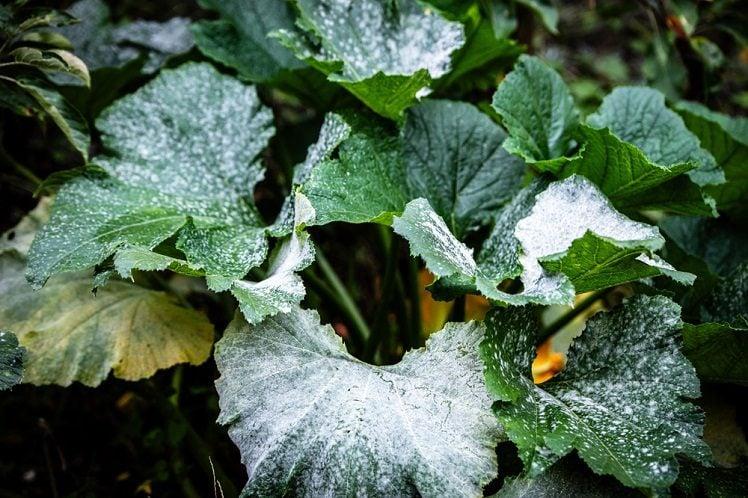
White dusting on leaves? This is usually Powdery Mildew. It looks like someone spilled flour on your plant.
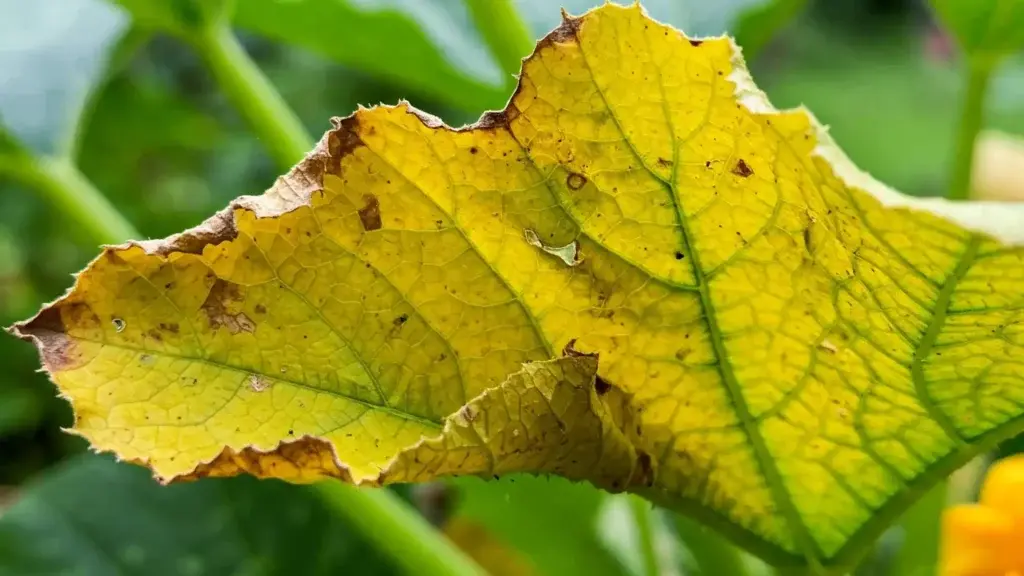
Yellow geometric spots? If the spots are angular and stuck between the veins, you are likely dealing with Downy Mildew.
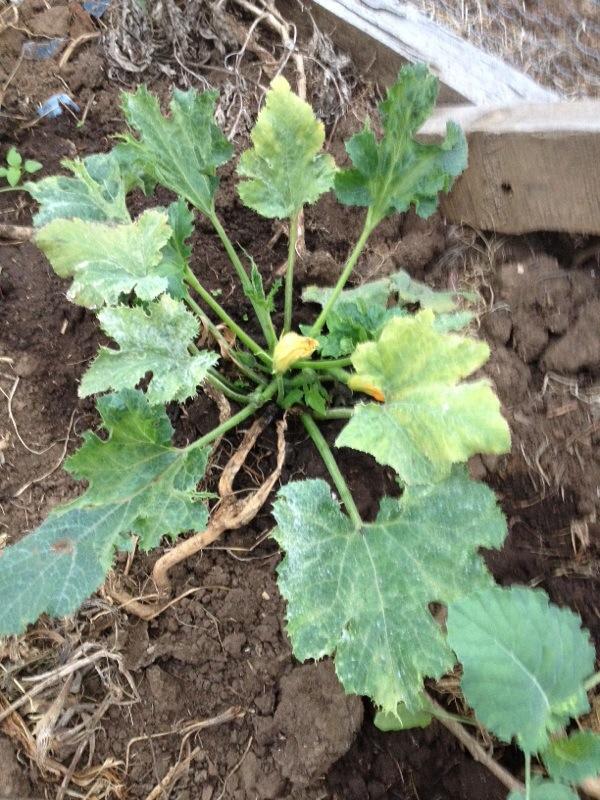
Mottled yellow and green patterns? This mosaic look often points to a virus.
Sudden collapse? If the plant wilts flat even when the soil is wet, suspect Bacterial Wilt or the dreaded Vine Borer.
Rotting fruit ends? If the zucchini fruit is turning black at the tip, that is Blossom End Rot.
If you ever feel stuck or unsure about what you are seeing, technology can help bridge the gap. It can be hard to tell the difference between a fungal infection and a nutrient issue just by guessing. Tools like Plantlyze (available at plantlyze.com) allow you to snap a photo and get an instant diagnosis. It is an AI driven plant care tool that acts like a pocket gardener, giving you specific advice for your exact situation.
Now, let us get into the specific diseases.
The Big Three Fungal Diseases
Fungi are the most common enemies of the zucchini grower. They love the same conditions your plants love, which makes them hard to avoid. However, they are also the easiest to treat if you act fast.
1. Powdery Mildew
This is the single most common issue zucchini growers face. If you grow squash long enough, you are guaranteed to see this eventually.
What it looks like:
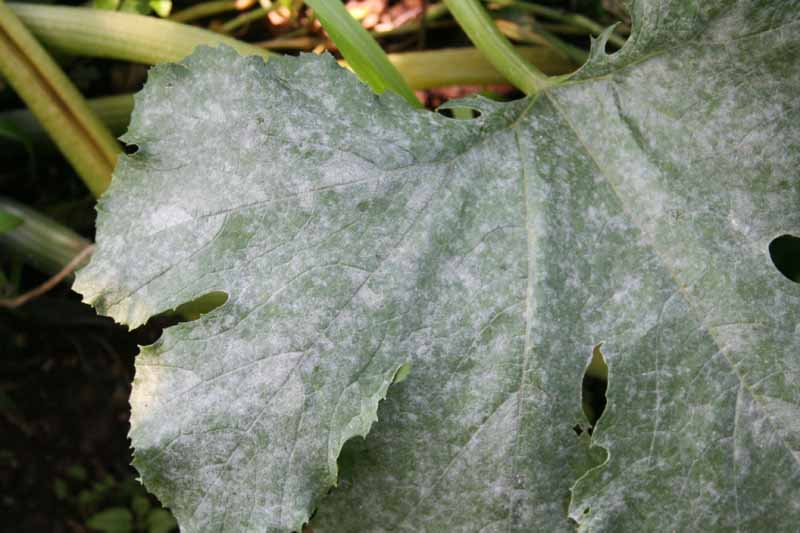
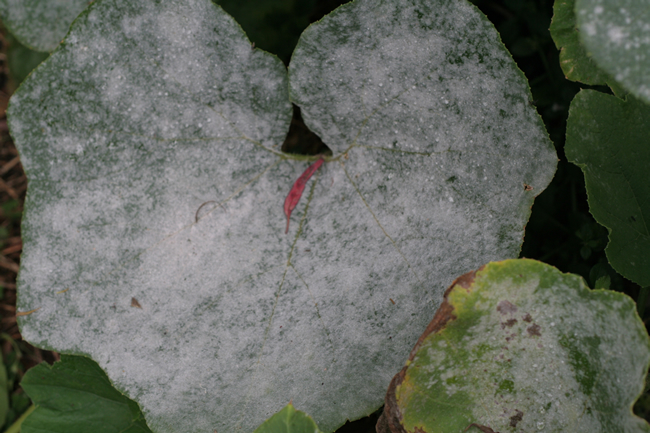
Imagine you took a sifter of baking flour and dusted it over your zucchini leaves. That is Powdery Mildew. It starts as small white spots on the tops of the leaves and stems. Over time, these spots grow until the entire leaf looks white and fuzzy. Eventually, the leaves will turn yellow and brown, then dry out and die.
Why it happens:
Unlike many other fungi, Powdery Mildew does not need rain to spread. In fact, it hates water on the leaves. It thrives in warm, dry climates where the humidity is high but the leaves stay dry. It also loves crowded gardens where air cannot move freely.
How to treat it:
Speed is everything here.
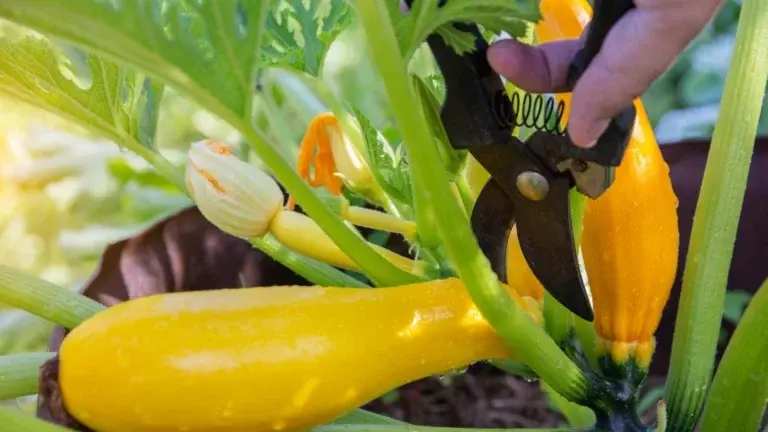
Remove the worst leaves: Clip off any leaves that are completely covered. Do not compost them, as the spores will survive. Trash them.
The Milk Method: Believe it or not, milk is a powerful fungicide. Mix 40 percent milk with 60 percent water and spray it on your leaves in bright sunlight. The protein in the milk interacts with the sun to kill the fungus.
Neem Oil: A spray of Neem oil can also help manage the spread, acting as both a fungicide and a pest deterrent.
2. Downy Mildew
People often confuse this with Powdery Mildew, but they are very different beasts. Downy Mildew is more destructive and harder to stop.
What it looks like:
Look closely at the yellow spots on the leaves. Are they round, or do they have sharp, angular edges? Downy Mildew creates yellow patches that are blocked by the leaf veins, giving them a geometric, mosaic look. If you flip the leaf over, you might see a purple or gray fuzz directly underneath the yellow spots.
Why it happens:
This disease loves cool, wet weather. If you have had a week of rain and temperatures around 60 to 70 degrees Fahrenheit, keep a close watch for Downy Mildew.
How to treat it:
This one is tough.
Improve Airflow: You need to dry the plant out. Prune away excess leaves to let the wind blow through.
Copper Fungicide: Organic copper sprays are the standard treatment. They can stop the disease from spreading to new leaves, though they cannot heal the damage already done.
3. Septoria Leaf Spot
This is less common than mildew but just as annoying.
What it looks like:
Look for small, circular white or beige spots with a dark brown border. They look like little targets. As the disease spreads, the spots merge, and the whole leaf withers.
How to treat it:
The fungus overwinters in the soil on old plant debris. The best treatment is actually prevention for next year. Rotate your crops and clean up every bit of dead plant matter at the end of the season. For an active infection, copper fungicides or biofungicides can help slow it down.
Bacterial and Viral Issues
If fungi are the common cold of the garden, bacterial and viral diseases are the flu. They strike hard and fast, and often there is no "cure," only management.
Bacterial Wilt
This is the heartbreaker. One day your plant is fine. The next day, a single leaf wilts. By the third day, the entire plant has collapsed flat on the ground. You water it, thinking it is thirsty, but it never perks back up.
The Cause:
This is caused by a bacteria that clogs the vascular system of the plant. Think of it like a clogged plumbing pipe; water simply cannot get from the roots to the leaves. It is spread by the Striped Cucumber Beetle. If you see these yellow and black striped beetles, you are at risk.
The Solution:
Sadly, once a plant has Bacterial Wilt, you cannot save it. You must pull it out immediately to stop the beetles from spreading the bacteria to your other squash plants. Do not put it in your compost pile.
Mosaic Viruses (CMV and ZYMV)
There are several viruses that attack zucchini, including Cucumber Mosaic Virus (CMV) and Zucchini Yellow Mosaic Virus (ZYMV).
What to look for:
The leaves will look mottled, with patches of light green, dark green, and yellow blended together. The leaves might look crinkled or deformed, like a shoestring. The real tragedy is the fruit; infected zucchini often grow usually bumpy, warty, and twisted.
The Solution:
Viruses are systemic, meaning they are inside the plant's sap. There is no spray that can cure a virus. The vectors are usually aphids, which carry the virus from plant to plant. If you confirm a virus, be brave and pull the plant. It is painful, but it saves the rest of your garden.
The Imposters: Issues That Look Like Disease
Sometimes, what looks like a disease is actually a care issue or a pest. These two problems are constantly misdiagnosed.
Blossom End Rot
you go to pick a perfect zucchini, but when you turn it over, the bottom end is a black, mushy, rotting mess.
The Truth:
This is not a disease. It is a calcium deficiency. But wait! Do not rush to buy calcium. Usually, the soil has plenty of calcium, but the plant cannot absorb it because of uneven watering.
The Fix:
Consistent moisture is the key. If the soil goes from bone dry to soaking wet, the plant gets stressed and stops taking up calcium. Mulch your plants heavily to keep the soil moisture steady.
Squash Vine Borer Damage
If your plant wilts suddenly like it has Bacterial Wilt, check the base of the stem near the soil line.
The Signs:
Do you see yellow sawdust? That is "frass," or caterpillar poop. The Squash Vine Borer is a grub that drills inside the stem and eats the plant from the inside out.
The Surgery:
You can actually save the plant. Take a sharp, clean knife and carefully slit the stem vertically where the sawdust is. You will find a fat white grub inside. Remove it (and feed it to the birds!). Heap fresh moist soil over the cut stem; the zucchini is resilient and will often grow new roots from that spot.
Prevention: The Best Medicine
We have talked a lot about disaster management, but let us talk about how to avoid these headaches in the first place. A healthy garden is your best defense.
Water the Soil, Not the Leaves: Most fungal spores need water to germinate. If you use a sprinkler that soaks the leaves, you are inviting mildew. Use a soaker hose or drip irrigation to deliver water right to the roots.
Give Them Space: Zucchini plants are huge. They need airflow to stay dry. Plant them at least two or three feet apart.
Mulch is Magic: A thick layer of straw or wood chips prevents soil (which contains fungal spores) from splashing up onto the lower leaves when it rains.
Practice Sanitation: Clean your pruning shears with alcohol between plants. If you cut a diseased leaf and then trim a healthy plant, you are doing the fungus's job for it.
Still Not Sure? Let Technology Help
Gardening is an art, but it is also a science. Sometimes, despite your best efforts, you just cannot figure out why your leaves are turning yellow or why your fruit is rotting. Is it a fungus? A bug? Or just a hot day?
Instead of guessing and risking your harvest, get a second opinion. Plantlyze is an innovative tool designed for exactly this moment. By visiting plantlyze.com, you can use AI technology to scan your plant and identify the specific issue. It is excellent for distinguishing between tricky problems like Downy Mildew and nutrient deficiencies. The tool provides clear steps to improve your article reading on the situation—giving you an instant plan of action so you can get back to enjoying your garden.
Conclusion
Seeing your zucchini plants struggle can be discouraging, especially when you have put so much work into the season. But remember, every gardener deals with these issues. It is part of the process.
The key is observation. Walk your garden every morning. Look under the leaves. Check the stems. If you see white powder, grab the milk spray. If you see a beetle, flick it into a bucket of soapy water. With a little vigilance and the right knowledge, you can fight off these diseases and enjoy that bumper crop of zucchini bread, grilled squash, and zoodles all summer long.
Happy gardening!
References
University of Minnesota Extension
https://apps.extension.umn.edu/garden/diagnose/plant/vegetable/summersquash/leavesspots.htmlClemson Cooperative Extension
https://hgic.clemson.edu/factsheet/cucumber-squash-melon-other-cucurbit-diseases/UMass Amherst Center for Agriculture
https://www.umass.edu/agriculture-food-environment/vegetable/fact-sheets/cucurbits-zucchini-yellow-mosaic-virusGardener's Path
https://gardenerspath.com/how-to/disease-and-pests/common-zucchini-diseases/Epic Gardening
https://www.epicgardening.com/zucchini-diseases/