You've been tending your zucchini plants all season, watching them grow beautifully, and then you spot it: a dark, sunken spot developing on the bottom of your fruit. Just when you thought you were going to harvest, blossom end rot ruins your crop. This disorder isn't a disease, but it's just as destructive, and the good news is that it's entirely preventable.
Blossom end rot feels like a mystery when you first encounter it because you're doing everything right. Your plants look healthy, they're growing vigorously, and then suddenly the fruit starts developing these dark, sunken lesions on the bottom. Understanding what causes this physiological disorder and how to prevent it transforms your gardening experience from frustration to success.
Unlike fungal or bacterial diseases, blossom end rot doesn't spread from plant to plant. It's a communication from your plants telling you that their calcium supply isn't reaching developing fruit fast enough. Once you understand this signal and adjust your growing practices, you can prevent the problem entirely and maintain a healthy, abundant zucchini harvest throughout the season.
What Is Zucchini Blossom End Rot Really?

Blossom end rot isn't a disease. This is a crucial distinction that changes everything about how you manage it. Because there's no living pathogen involved, no fungicide will cure it, and it cannot spread between plants. Instead, it's a physiological disorder, meaning it results from how your plant functions and the conditions surrounding it.
Calcium is the key to understanding this disorder. Calcium is essential for building strong cell walls in plant tissue. Think of calcium like the mortar between bricks in a wall. If you don't have enough mortar, the bricks crumble. The same thing happens in fruit cells. When calcium runs short, cell walls collapse, creating the sunken spots characteristic of blossom end rot.
What makes calcium particularly tricky is that it's immobile in plants. Unlike some nutrients that move around based on the plant's needs, calcium travels only through the xylem vessels, the plant's water transport system. This means calcium cannot redistribute from leaves to fruit. Once fruit starts developing, it must receive calcium directly through the water flowing through its connecting tissues. If water flow becomes inconsistent or inadequate, calcium doesn't reach the fruit, and blossom end rot develops.
Here's the critical insight: your soil might have plenty of calcium. The problem usually isn't calcium availability but rather the plant's inability to transport it where it's needed. This is why simply adding more calcium often doesn't solve the problem. You need to fix the underlying issue preventing proper calcium movement through your plant.
This distinction matters tremendously for treatment decisions. You cannot cure established blossom end rot with calcium supplements. Your energy must focus on prevention through proper water management, balanced nutrition, and consistent care that allows calcium to flow freely through developing fruit.
Tools like Plantlyze can help you identify whether your fruit damage is blossom end rot or another disorder, ensuring you implement the right treatment strategy from the start. Upload a photo of affected fruit and get immediate identification with care recommendations.
Recognizing the Symptoms Early
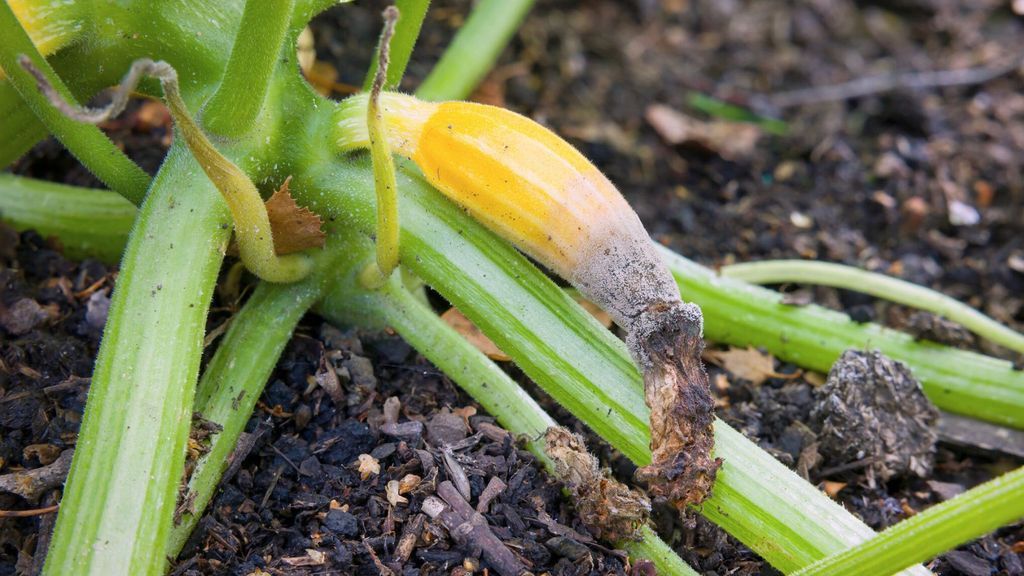
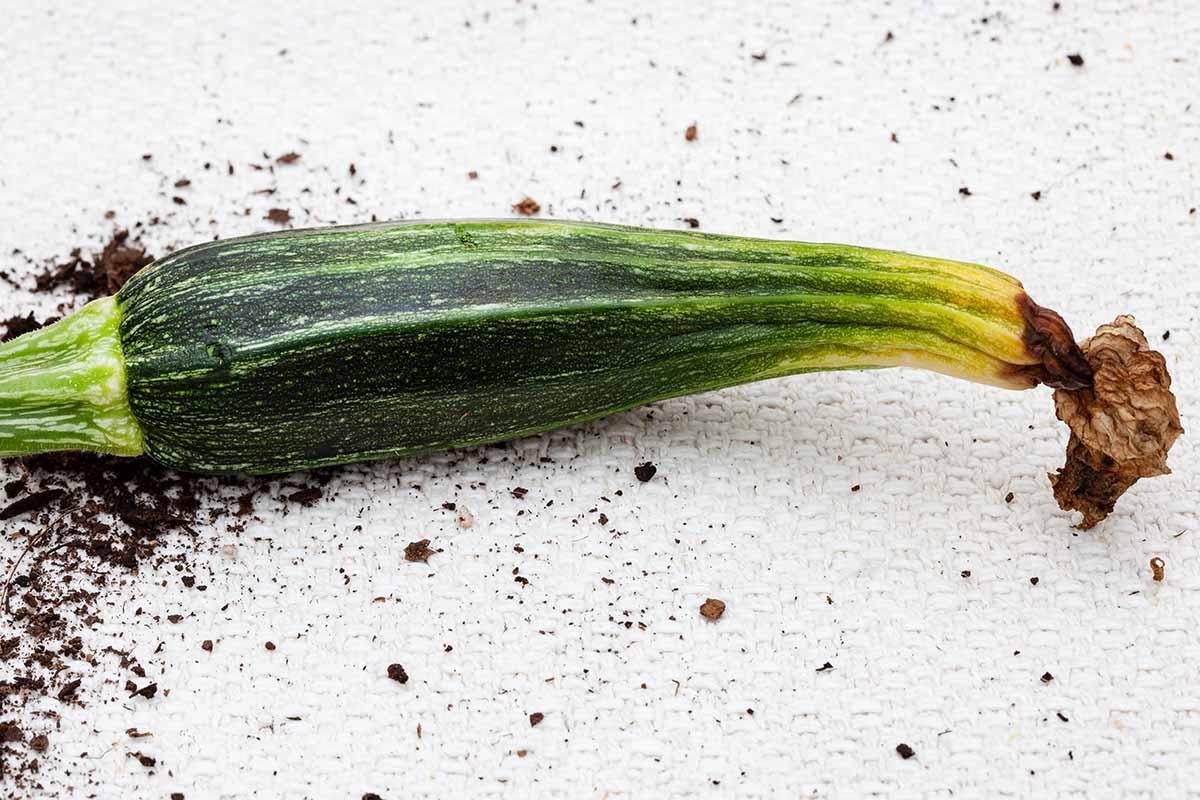
Blossom end rot starts small and gets worse. Most gardeners first notice a slight water stain-like discoloration on the bottom of the fruit opposite the stem. At this early stage, the fruit still appears relatively normal, but this is your critical window to intervene before the disorder spreads to other developing fruit.
Initial Symptoms You'll Notice First
In the early stages, watch for a small water-soaked bruise at the blossom end, which is the bottom of the fruit where the flower was attached. The discoloration starts as pale tan to light brown, almost looking like someone spilled water on the fruit. It appears specifically on the end opposite where the stem connects, which is why it's called blossom end rot.
Older, more mature fruit on the plant typically shows symptoms first. Early fruits that developed when your plant was young and establishing its root system are most vulnerable. Lighter colored zucchini varieties make these spots more visible, while darker varieties may hide the early symptoms until they become more advanced.
Progressive Development Over Days and Weeks
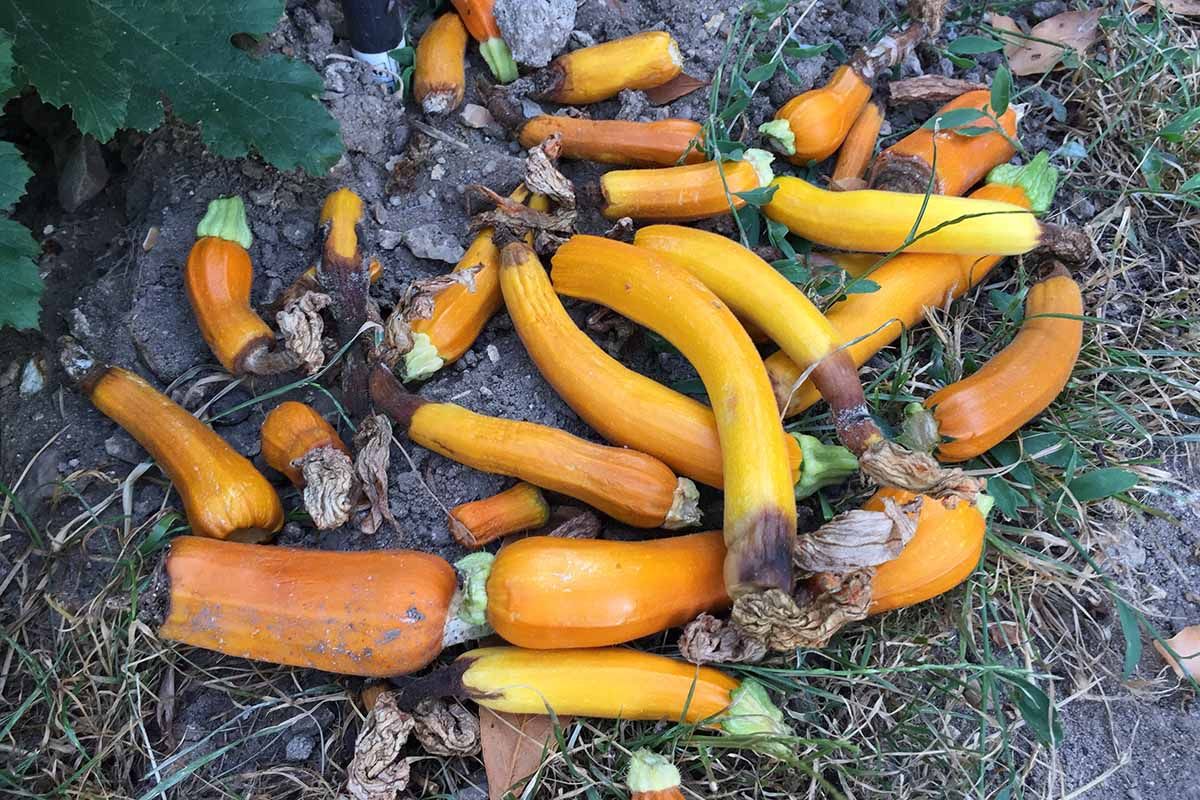
As the disorder progresses, that small bruise expands. The discoloration darkens from tan to brown to black over several days. The lesion becomes sunken and leathery, creating a depression that makes the fruit look misshapen. The skin in the affected area becomes thick and corky.
Once the fruit tissue dies back from the initial calcium deficiency, secondary fungal or bacterial infections often invade the damaged area. This is when the fruit begins to look really bad, with watery or black appearance from the secondary rot. The affected fruit ripens faster than healthy fruit, further degrading its quality.
The fruit becomes completely unsuitable for eating at this point. Some gardeners try to salvage affected fruit by cutting away the damaged portion, but it's better to remove the entire fruit and let your plant direct its resources to developing new, healthy fruit instead.
The Critical Timing Issue
What's important to understand is that blossom end rot typically affects the earliest fruits on your plant. As your zucchini grows larger and its root system becomes more established, the plant's calcium uptake improves. Fruit developing later in the season is much less likely to show symptoms, provided you've addressed the underlying water and nutrient issues.
This means that if you catch and correct the problem early in the season, you can still have a great harvest from fruit developing later. The early affected fruits are essentially a signal that something needs adjusting.
Pro tip: Check the bottom of zucchini fruit during your regular harvest. Early intervention with watering and nutrition changes can save your upcoming harvest within days. Don't wait for the problem to become severe before responding.
The Root Causes: Water, Nutrients, and Calcium
Inconsistent watering is the primary culprit behind blossom end rot. Plants need steady moisture, not the boom-and-bust cycle many gardeners create. Understanding the actual causes helps you make targeted corrections that solve the problem permanently.
The Water Problem
The biggest issue is when soil dries out completely between waterings. Your zucchini needs consistent soil moisture throughout the growing season. The ideal condition is moist soil that forms a ball easily when squeezed but doesn't drip water. This moisture consistency allows uninterrupted calcium transport through developing fruit.
Overwatering followed by drought conditions creates a whipsaw effect. Your plant experiences periods of waterlogged soil where roots cannot function properly, then periods of drought stress. This inconsistency damages the root system's ability to transport nutrients and water effectively.
Irregular rainfall makes this particularly challenging in some regions. Heavy rains followed by hot, dry periods create the exact conditions favoring blossom end rot. During hot weather, transpiration pulls water from soil rapidly, and if you're not supplementing with irrigation, the plant experiences stress just when calcium demand is highest.
Poor soil drainage compounds the problem. When soil doesn't drain well, it becomes waterlogged, which damages root function. Yet even well-draining soil requires consistent moisture input, not sporadic watering.
Nutrient Imbalances Block Calcium Uptake
Your soil might have plenty of calcium, but excess nitrogen blocks your plant from using it. This is why adding more calcium often doesn't solve the problem. Excessive nitrogen fertilization is the primary culprit. When you overfeed nitrogen, the plant prioritizes vegetative growth (leaves and stems) over fruit quality, and root function becomes disrupted.
The type of nitrogen matters significantly. Ammonium nitrogen is particularly problematic because it makes the soil more acidic and competes directly with calcium for uptake. Calcium nitrate is an excellent choice because it provides nitrogen without the negative effects. Avoid ammonium sulfate and ammonia-based fertilizers if you're dealing with blossom end rot.
High potassium levels also interfere with calcium uptake. Excessive magnesium creates competition for absorption. These nutrient imbalances are particularly common when gardeners overfertilize. The enthusiasm to feed plants well actually backfires when it creates nutrient ratios that prevent proper calcium movement.
Fresh manure is particularly problematic because it's high in nitrogen and salt. These compounds damage root function and prevent nutrient uptake. It might seem like adding compost is always beneficial, but aged compost is far better than fresh manure for preventing nutrient problems.
Plant Growth Demands During Peak Season
As temperatures warm and your zucchini enters peak growth, its calcium requirements skyrocket. The plant is simultaneously developing leaves, flowers, and fruit, all competing for limited calcium. The calcium that was adequate during early growth suddenly becomes insufficient as the plant matures.
Calcium cannot move quickly through the plant. It depends on steady water flow through the xylem. When multiple fruits are developing simultaneously and transpiration is high, calcium delivery to individual fruits cannot keep pace with demand. This is particularly problematic on the earliest fruits because the root system is still establishing.
The plant continues producing new fruit even as earlier fruit is experiencing calcium deficiency. Without intervention, subsequent fruit will develop the same problem. This is why consistent intervention is necessary throughout the season, not just once you spot the first symptoms.
Root Damage Prevents Nutrient Transport
Even minor root damage prevents the plant from absorbing calcium and water efficiently. Deep cultivation disturbs feeder roots that are critical for nutrient and water uptake. Fertilizer burn from excessive fertilizer placed too close to roots damages root tissue directly. Salt accumulation in soil from overfertilization damages roots' ability to function.
When roots are stressed, they cannot transport water and nutrients efficiently. This is another reason why consistent, moderate fertilization works far better than occasional heavy applications. Your goal is maintaining steady, moderate nutrient availability rather than feast and famine cycles.
Prevention: Your Best Investment
Prevention begins before you plant a single seed. Taking time to prepare your soil properly eliminates most blossom end rot problems before they start. This investment of effort at the beginning of the season pays enormous dividends throughout the growing period.
Pre-Plant Soil Preparation Prevents Most Problems
Get your soil tested for pH and nutrient levels. Contact your county extension office for soil testing services. Knowing your baseline calcium availability and nutrient balance helps you make targeted improvements. The test results guide your pre-plant amendments and help you understand what adjustments your specific soil needs.
Target soil pH in the range of 6.5 to 7.2, with 6.8-7.2 being optimal for zucchini. Acidic soils limit calcium availability even when calcium is present. If your pH is too low, use lime to raise it. If it's too high, use sulfur to lower it. Always retest after adjustments because getting pH right is foundational to preventing blossom end rot.
Apply moderate amounts of fertilizer, not excessive. The recommendation is about one and one-half pounds of 10-20-10 fertilizer per 100 square feet mixed into the topsoil before planting. This provides steady nutrient availability without the problems that come from overfertilization.
Water Management Is Everything
Master consistent watering and you've solved half your blossom end rot problems. Your zucchini needs one to two inches of water per week from rainfall or irrigation combined. Check soil moisture regularly by digging down 12 inches and feeling if the soil forms a ball easily.
Water deeply to ensure moisture penetrates to the full root depth of 18 to 24 inches. Shallow watering encourages shallow root systems that are vulnerable to stress. Deep watering encourages deep root systems more resilient to drying periods.
Never allow soil to dry out completely between waterings. The stress from drying triggers the physiological imbalance that causes blossom end rot. Equally important, avoid overwatering and saturated soil conditions. Waterlogged soil damages roots' ability to function and absorb water and nutrients.
Morning watering works best. It allows you to assess whether additional water is needed, and foliage has time to dry, reducing disease risk. Drip irrigation systems provide a significant advantage because water reaches soil directly without wetting foliage, and you can maintain more consistent moisture.
Mulching Pays Enormous Dividends
Mulching is one of the most underrated blossom end rot prevention strategies. It solves multiple problems simultaneously. Organic mulch reduces evaporation from the soil surface, maintaining more consistent soil moisture with less frequent watering. It prevents soil temperature fluctuations that stress plants. It reduces the need for frequent watering, which is particularly valuable in hot climates.
Straw, wood chips, or shredded leaves all work well. Apply mulch after the soil has warmed in spring, typically once soil reaches 60 degrees Fahrenheit. Two to four inches of mulch provides excellent benefits without creating problems.
Nitrogen Strategy Prevents Uptake Problems
The type of nitrogen you use matters as much as the amount you use. When applying nitrogen fertilizer, choose nitrate nitrogen forms rather than ammonium forms. Calcium nitrate is an excellent choice that provides nitrogen without the negative effects of ammonium nitrogen.
Avoid ammonium sulfate and ammonia-based fertilizers if you're managing blossom end rot issues. Avoid fresh manure which releases ammonium as it breaks down. Side dress with nitrogen only when plants really need it, which you can assess by plant color. A light green plant needs nitrogen. A dark green plant already has enough.
Root Protection Prevents Underlying Damage
Minimize cultivation near zucchini plants. Dig only in the top inch or two of soil, and use mulch to eliminate the need for cultivation altogether. Avoid disturbing soil near plant roots. Never allow concentrated fertilizer to contact roots directly, as this causes fertilizer burn and damages the root's ability to function.
Treatment Options When Prevention Isn't Enough
If you already see blossom end rot, take immediate action. The good news is that correcting the problem now prevents new fruit from developing the same symptoms.
Immediate Actions That Work
Remove fruits showing blossom end rot immediately. This seems counterintuitive when you're hungry for harvest, but affected fruit drains calcium from healthy fruit. Removing them directs your plant's resources to developing new, healthy fruit instead. Don't try to salvage affected fruit. Discard it entirely.
Check your soil moisture immediately. Begin consistent daily or every-other-day watering depending on conditions. Establish a regular irrigation schedule that maintains moisture. Water deeply to ensure moisture penetrates fully. If soil feels dry when you squeeze it, you're underwatering. If it feels soggy, reduce watering frequency.
Evaluate your fertilizer usage. Review what you've applied to the plants so far this season. Stop any high-nitrogen applications immediately. Switch to calcium nitrate if you need to apply additional nitrogen. Dilute any excess salt in the soil by watering heavily, which leaches excess salts out of the root zone.
Calcium Supplementation Has Limited But Worth-Trying Options
Foliar calcium spray works with limited effectiveness but is worth trying. Mix two tablespoons of calcium chloride in one gallon of water. Spray leaves and fruit thoroughly, covering both upper and lower surfaces. Apply every seven days for three weeks.
Understand that foliar spray is more effective on young fruit than on fruit with established blossom end rot. Because calcium is immobile in plants, calcium applied to leaves cannot effectively move to fruit. This limits the effectiveness of foliar sprays, but many gardeners report some success when applied early.
Soil calcium amendments work slowly and may not save your current crop but protect future plantings. Calcium carbonate scratched into the soil surface, calcium nitrate applied as side dressing, or lime application if pH adjustment is needed all provide calcium. These work slowly over weeks, so they're most effective as preventative measures.
Alternative home remedies like antacid tablets (Tums) placed at the base of plants dissolve slowly, releasing calcium into the soil. Results are anecdotal with limited research support, but some gardeners swear by this approach. If you want to try it, bury a few tablets at the base of affected plants and water heavily.
Ongoing Management Controls New Growth
Maintain your consistent watering schedule religiously. Monitor soil moisture weekly by digging down and feeling the soil. Continue appropriate fertilization with moderate amounts of balanced fertilizer. Mulch heavily around plants if you haven't already. Inspect new fruit regularly for any early symptoms. Document what worked so you can repeat your success next season.
Special Considerations and Practical Tips
Container Gardening Faces Unique Challenges
Container grown zucchini faces unique blossom end rot risks because the limited soil volume makes consistent moisture harder to maintain. Potting mix quality is critical. Use high quality potting soil formulated for vegetables, not garden soil which becomes compacted in containers.
Containers must have drainage holes. Containers need daily moisture monitoring in hot weather because they dry out rapidly. Smaller containers dry out fastest and need more frequent watering. Root systems are more susceptible to stress in containers, making consistent moisture even more important than in ground gardens. In hot climates, containers may need watering twice daily.
Variety Selection Actually Does Matter
Some zucchini varieties are more susceptible to blossom end rot than others. Longer fruited varieties are more prone to the disorder. Shorter, rounder varieties tend to be more tolerant. If you're in a region with chronic blossom end rot problems, select tolerant varieties for next season.
Ask your county extension office for local recommendations of varieties showing good tolerance in your region. Seed catalogs often note disease tolerance information. Choosing the right variety eliminates half your prevention challenges.
Pollination and Blossom End Rot Connection
Sometimes blossom end rot symptoms result not from calcium deficiency but from poor pollination. This is an important distinction because the solution differs slightly.
Signs of pollination related issues include only the blossom end becoming soft and rotting while the rest of fruit grows bulbous near the plant. Only some blossoms may be affected if male and female flowers don't overlap in timing. Heavy storms damage male flowers before pollination occurs, reducing pollination success.
When pollination is poor, fruit develops incompletely, and cell structure weakens in the blossom end. This mimics calcium deficiency symptoms but has a different solution. Encouraging pollinator activity by planting flowers nearby, providing water for insects, and avoiding pesticides helps improve pollination success.
Seasonal Timing Influences Risk
Blossom end rot is most common on the earliest fruit. Plant root systems are still establishing in early season, making them vulnerable to stress. Mid-season fruit is less affected as roots develop more capability. Late plantings that mature during peak disease season may avoid peak disease period because they avoid the early season stress window.
Early planting requires consistent care early in the season. Many gardeners actually have better success with later plantings that mature during more moderate temperature periods. If you practice succession planting for continuous harvest, prioritize early plantings getting abundant attention. Later plantings naturally have larger, more capable root systems.
If you're uncertain what's causing your fruit problems, Plantlyze offers quick identification. Upload a photo of affected fruit at Plantlyze.com and get accurate diagnosis plus specific care recommendations. Quick and accurate disease identification is half the battle.
Your Blossom End Rot Prevention Checklist
Create a seasonal action plan that guides your gardening decisions throughout the year.
Spring Preparation Phase: Get soil tested for pH and nutrient levels. Adjust pH if needed to the target range of 6.5 to 7.2. Apply moderate base fertilizer based on soil test recommendations. Prepare mulching materials like straw or wood chips. Set up your irrigation system before planting.
Planting Phase: Plant high quality transplants that are healthy and robust. Select zucchini varieties noted for blossom end rot tolerance if available in your region. Space plants appropriately, typically 24 to 36 inches apart. Establish a mulch layer of two to four inches around each plant. Complete your drip irrigation setup before or immediately after planting.
Growing Season Phase: Water consistently at one to two inches per week. Check soil moisture weekly by digging down 12 inches and assessing moisture. Monitor plants for early symptoms of blossom end rot starting in mid-season. Fertilize conservatively with moderate amounts and nitrate nitrogen forms. Remove affected fruit immediately upon discovery.
Harvest Phase: Continue consistent watering through the harvest period. Document what worked well this season for future reference. Note which varieties performed well in your garden. Plan improvements for next season based on what you learned.
Key Takeaways
Blossom end rot feels like a punishment for your gardening efforts, but it's actually a communication from your plants. They're telling you they need better water management, more balanced nutrition, and consistent care. Once you understand their message, preventing blossom end rot becomes straightforward.
Blossom end rot is a calcium deficiency disorder caused by inconsistent water and nutrient management, not a disease. Water management and consistent irrigation prevent the vast majority of cases. Moderate fertilization with nitrate nitrogen protects calcium uptake and prevents nutrient imbalances. Soil pH of 6.5 to 7.2 optimizes nutrient availability for your plants.
Early symptom detection allows you to intervene for upcoming fruit before it develops the same problem. Removing affected fruit immediately helps your plant direct resources to developing new, healthy fruit. Prevention through pre-plant soil preparation is most effective and requires less work than treating problems mid-season. Calcium supplements have limited effectiveness, but establishing consistent water and nutrient management prevents future problems.
When you notice fruit problems in your garden, accurate identification is the first step toward solving them. If you're not sure whether you're dealing with blossom end rot, calcium deficiency, pollination issues, or another disorder, let Plantlyze help. Visit Plantlyze.com for AI-powered plant diagnosis and custom care guidance. Your zucchini garden deserves expert attention, and with this knowledge, you're equipped to provide it.
References
University of Connecticut Cooperative Extension
https://homegarden.cahnr.uconn.edu/2025/06/15/blossom-end-rot/New Mexico State University College of Agricultural, Consumer and Environmental Sciences
https://pubs.nmsu.edu/_a/A231/University of Florida Institute of Food and Agricultural Sciences (IFAS)
https://edis.ifas.ufl.edu/publication/PP325Missouri Botanical Garden
https://www.missouribotanicalgarden.org/Oklahoma State University Extension
https://extension.okstate.edu/fact-sheets/pumpkin-and-squash-diseases.htmlUC Integrated Pest Management (UC IPM)
https://ipm.ucanr.edu/Cornell University College of Agriculture and Life Sciences
https://www.vegetables.cornell.edu/University of Hawaii College of Tropical Agriculture and Human Resources
https://www.ctahr.hawaii.edu/