Finding unusual spots on zucchini leaves in the middle of summer can trigger panic in any gardener. Bacterial leaf spot is different from other zucchini diseases because it offers no reliable cure once it spreads. This is a disease where prevention truly is the only effective strategy. Understanding how to prevent bacterial leaf spot, recognizing early symptoms, and taking swift action at the first signs of trouble can protect your entire harvest and ensure you grow healthy, productive zucchini plants all season long.
What Is Zucchini Bacterial Leaf Spot?
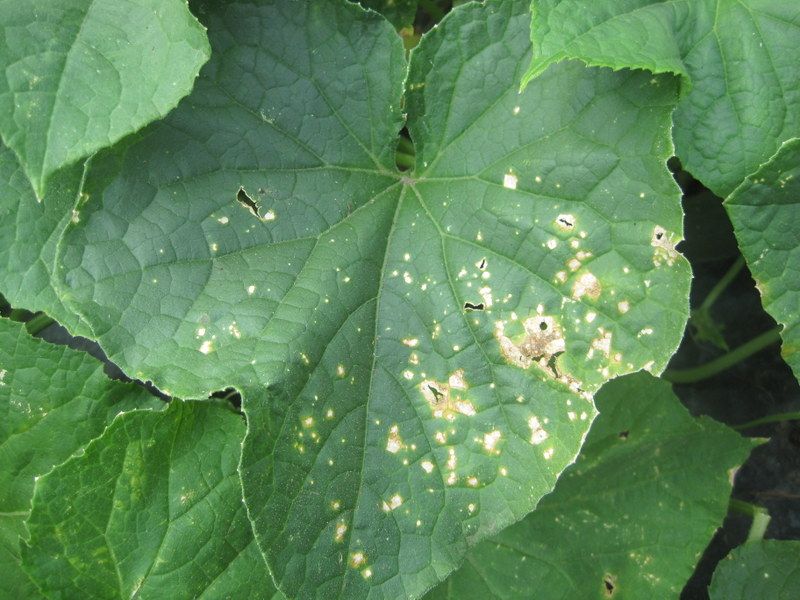
Zucchini bacterial leaf spot is caused by a bacterium named Xanthomonas campestris pv. cucurbitae. This bacterium thrives in hot, humid conditions that perfectly match the warm summer weather gardeners expect during peak zucchini season. The bacteria reproduce fastest when temperatures fall between 77 and 86 degrees Fahrenheit. This temperature range coincides with midsummer heat, which is why bacterial leaf spot often emerges suddenly during hot, humid periods.
The bacterium spreads primarily through water splash. Rain drops splashing infected leaves spray bacteria onto nearby healthy plants. Overhead irrigation systems essentially pump the disease from infected plants onto everything in the garden. Contaminated tools and hands also spread bacteria between plants as you harvest and work in the garden. The disease is seed-borne as well, meaning bacteria can live on the seed coat and inside seeds, infecting new plants immediately after germination.
Bacterial leaf spot attacks plants through wounds and natural openings. Any damage to plant tissue, whether from pruning, handling, or pest damage, provides an entry point for bacteria. This is why careful handling becomes critical during the growing season. The bacterium can survive in dried plant tissue for three or more years in greenhouses and in soil for up to two years, creating a persistent disease reservoir in your garden.
How to Identify Zucchini Bacterial Leaf Spot
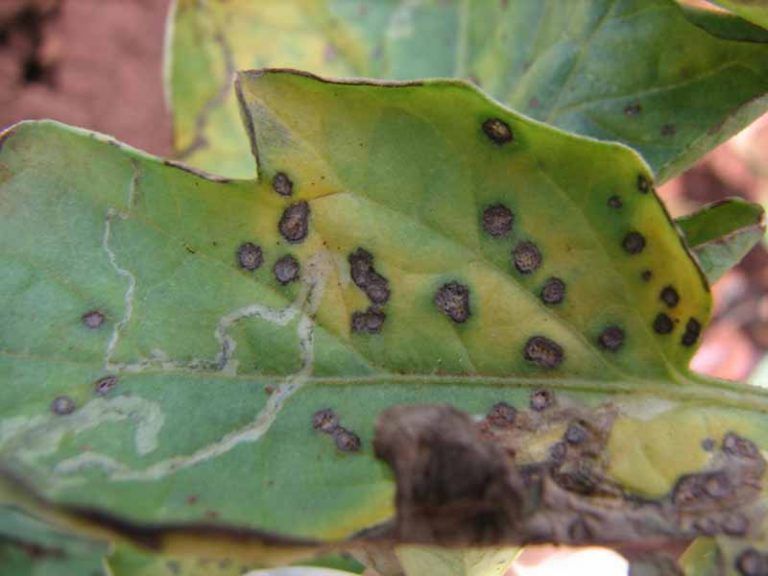
Early detection is absolutely essential because this disease progresses rapidly and offers limited treatment options once established. Learning to recognize bacterial leaf spot at its earliest stages gives you the narrow window needed to prevent widespread infection.
Stage 1: Initial Symptoms
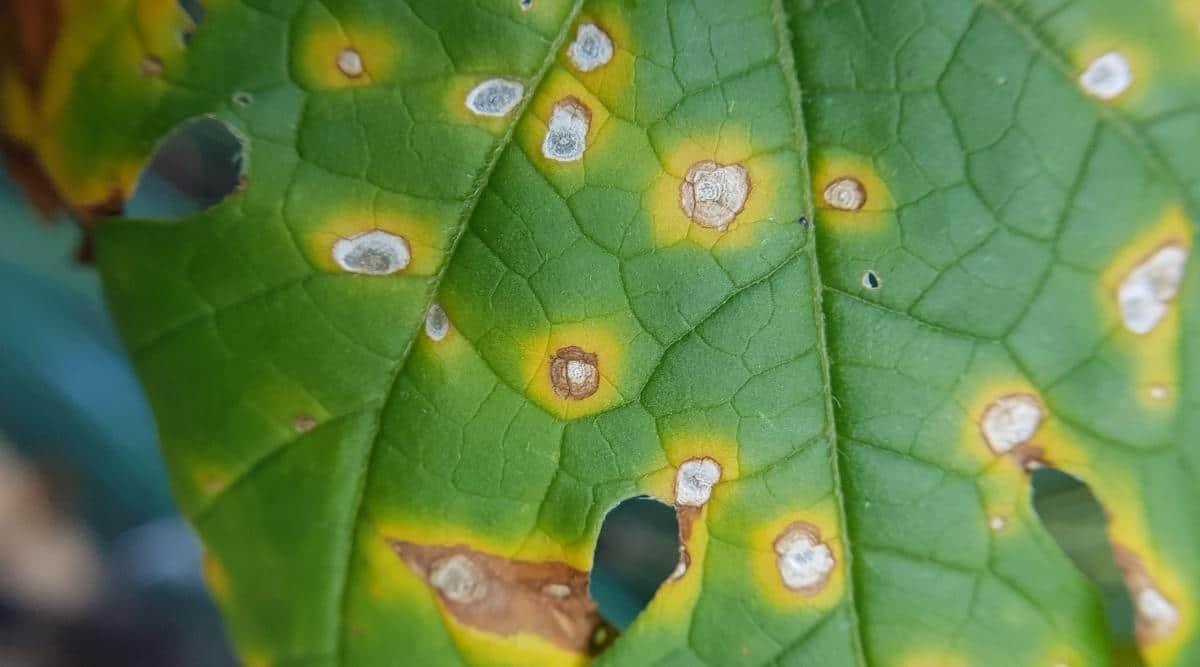
Look for small, dark speckled dots on leaves with distinctive yellow margins surrounding the spots. These small dots might look like a nutrient deficiency issue from a distance, but closer examination reveals the characteristic yellow border and dark center. The spots appear first on older, lower leaves on the plant. Many gardeners miss this stage because they focus on new growth at the top while ignoring the bottom leaves.
Stage 2: Rapid Expansion
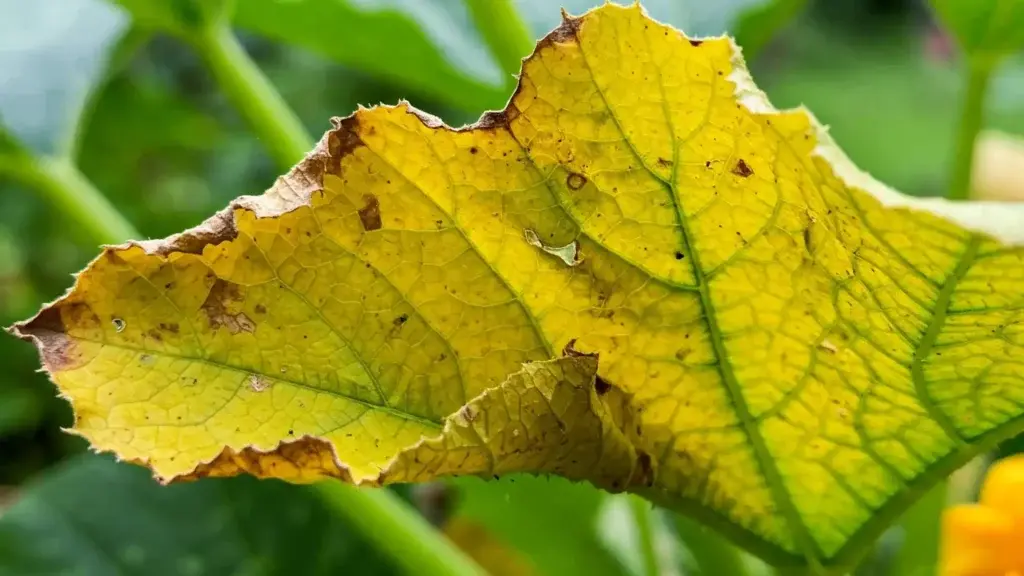
Within days of initial appearance, spots enlarge and multiply rapidly. Multiple spots on a single leaf merge together, creating larger areas of dead tissue. The affected tissue darkens from the initial dark speckle to deep brown or black necrotic areas. Leaves begin yellowing around the margins and eventually drop from the plant entirely. By this stage, multiple leaves across the plant show symptoms and disease is clearly spreading.
Stage 3: Severe Infection
In advanced stages, entire leaves die and fall off, leaving bare stems. The fruit becomes infected with beige or tan indented spots that are sunken into the fruit surface. These fruit lesions destroy the quality of the zucchini and may cause internal decay that is not visible from the outside. Once fruit symptoms appear, the bacterial population in your plant has reached epidemic levels.
If you are uncertain whether your plants have bacterial leaf spot or another disease, tools like Plantlyze use AI-powered plant diagnosis to confirm the exact disease. Simply upload a photo of the suspicious leaf and receive instant disease identification, helping you take the right action immediately.
Why Bacterial Leaf Spot Is Different from Other Plant Diseases
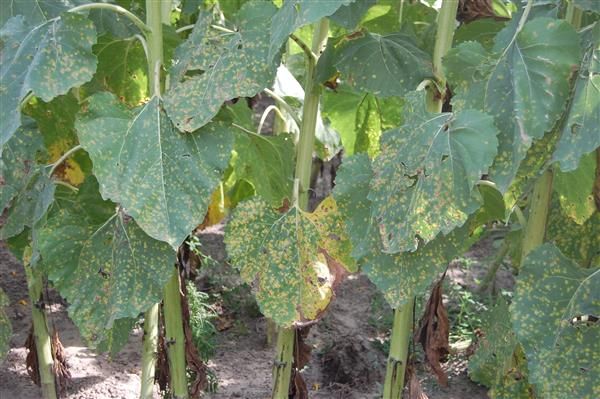
Bacterial leaf spot behaves differently than fungal diseases and requires a fundamentally different management approach. This distinction is critical to understand because it shapes every decision you make about disease management.
Unlike fungal infections, there is no effective chemical cure for bacterial leaf spot once the disease becomes established. Copper fungicides can only work if applied very early, before visible symptoms appear on multiple plants. Once bacterial populations build up to visible levels, fungicides are largely ineffective. The bacteria have already penetrated plant tissue and no external spray can reach or kill internal populations. This means that treatment approaches that work for fungal diseases simply do not work for bacterial diseases.
The disease spreads with terrifying speed under ideal conditions. A single infected plant can spread bacteria to neighboring plants in as little as seven days during hot, humid weather. By the time you notice disease symptoms and begin treatment, the bacteria may have already infected half your zucchini plants. This rapid progression makes early detection and swift removal of infected plants the only viable management strategy. Prevention before disease ever appears is exponentially more valuable than treatment attempts after disease establishment.
Because bacterial leaf spot is seed-borne, prevention must begin with seed selection months before planting season. The bacteria rides on the seed itself, infecting new plants immediately as they germinate. This is why certified disease-free seed becomes your first and most important defense against this disease.
Eight Proven Prevention Strategies
Successful prevention of bacterial leaf spot requires consistent implementation of multiple strategies working together. No single method provides complete protection. Integrated prevention combines seed selection, cultural practices, and careful monitoring to create conditions where bacterial leaf spot cannot establish itself.
1. Start with Certified Disease Free Seed
The single most important step to prevent bacterial leaf spot is purchasing certified disease-free seed from reputable seed companies. Because the disease is primarily seed-borne, starting with clean seed prevents the infection from entering your garden entirely. This is your strongest defense because it eliminates the disease before you ever plant a seed.
When ordering zucchini seed, specifically look for labels stating "certified disease-free" or check the seed company website for disease certification information. Reputable seed companies understand bacterial leaf spot risk and take steps to test and certify their seed lots. The cost of certified disease-free seed is minimal compared to the total investment in growing zucchini and the loss if disease destroys your crop.
Never save seed from zucchini plants grown in previous years, even if they appeared healthy. Bacteria can be present without obvious symptoms, riding silently on seed and infecting next season's crop. Buy fresh seed each year from certified sources, especially if you have struggled with this disease in the past.
2. Treat Seeds Before Planting
Even certified disease-free seeds may carry bacteria. Seed treatment provides additional insurance by reducing any remaining bacterial populations on the seed surface and inside seeds. Two effective methods work: hot water treatment and bleach solution treatment.
Hot water treatment involves soaking seeds in water heated to exactly 125 degrees Fahrenheit for 30 minutes. This temperature and timing kills bacteria both on the seed surface and inside seeds. The critical point is maintaining exact temperature: water that is too hot damages seed germination while water that is too cool fails to kill bacteria. Use a reliable thermometer and maintain the temperature closely. After soaking, remove seeds and spread them on clean paper to dry completely before planting.
Bleach solution treatment soaks seeds for 40 minutes in a mixture of two parts household bleach to eight parts water. This method reduces bacteria on the seed surface effectively. After soaking, rinse seeds thoroughly in clean water multiple times to remove bleach completely, then dry thoroughly. Bleach treatment carries lower germination risk than heat treatment while still providing good bacterial reduction.
3. Practice Strict Crop Rotation
Bacteria survive in soil and plant debris for up to three years. Planting zucchini in the same garden location year after year guarantees that bacterial populations accumulate and disease worsens each season. Rotating zucchini to a completely different location each year breaks the disease cycle and prevents bacteria buildup.
Move zucchini crops to a different location and wait a minimum of three years before planting zucchini in that original location again. Additionally, avoid planting other cucurbits like cucumber, squash, and melon in the same location during the three year rotation period, as the bacteria can infect these related plants as well. Keep detailed records of where you plant zucchini each year so you never accidentally replant too soon.
If your garden space is extremely limited, consider growing zucchini in raised beds filled with new, imported soil. Fresh soil free from bacterial populations eliminates this disease source entirely.
4. Avoid Wounding Plants During Growth
Bacteria enters zucchini plants through wounds and natural openings in plant tissue. Minimizing plant damage reduces bacterial entry points and prevents infection. Handle plants carefully when harvesting, weeding around them, and performing any maintenance work.
Do not prune zucchini excessively or unnecessarily. Many gardeners make pruning cuts early in the season trying to encourage certain growth patterns, but every cut creates a potential entry point for bacteria. Limit pruning to removal of diseased parts only. When you must handle plants, use clean hands and tools sterilized with a bleach solution (one part bleach to ten parts water).
Avoid walking directly through rows of wet plants in early morning when leaves are covered with dew. Every contact with wet foliage can spread bacteria. Wet plants are particularly vulnerable to bacterial entry because moisture softens leaf tissue and facilitates bacterial penetration.
5. Switch to Drip Irrigation Only
Water splash is the primary mechanism spreading bacterial leaf spot within a garden. Overhead irrigation systems actively spread disease from infected plants to healthy neighbors every time you water. The solution is simple: never use overhead watering methods for zucchini.
Install drip irrigation lines that deliver water directly to the soil at the base of plants. Drip systems keep foliage completely dry, eliminating the primary disease spread mechanism. If you cannot install drip systems, hand water very carefully at soil level, directing water to the ground and avoiding any splash onto leaves.
Timing your watering is equally critical. Water only in early morning hours, ideally between 6 AM and 10 AM, allowing morning dew to dry quickly as the sun warms the garden. Never water in the evening, as plants remain wet through the cool night when bacterial infection is most likely to occur. This single timing change dramatically reduces disease risk even if you must use overhead watering.
6. Destroy Plant Debris Immediately
Bacteria survive in dried plant tissue for three or more years, creating a persistent disease source if plant material remains in the garden. Remove all zucchini plants from the garden immediately at the end of the season. Do not leave plants lying on the ground for weeks or months as they break down.
Till crop residues into the soil or burn them if permitted by local regulations. If you compost, do not add potentially infected plant material to compost piles unless the pile reaches temperatures above 140 degrees Fahrenheit consistently, which most home compost systems do not achieve. Complete cleanup before winter ensures bacteria cannot overwinter and re-establish in spring.
Clean up debris from the current season before next year's planting. Any infected plant material left in the garden beds becomes a disease source for newly planted zucchini.
7. Space Plants for Adequate Air Circulation
Good air movement around plants reduces humidity at the leaf surface and speeds drying of dew and rain. Both effects reduce the moist conditions that bacterial leaf spot requires to spread. Proper spacing is simple but essential.
Space zucchini plants 18 to 24 inches apart in all directions to allow air to flow around foliage. This spacing seems sparse when you first plant, but zucchini grows vigorously and plants will fill available space by mid summer. Many gardeners plant too densely and create crowded conditions that trap humidity and prevent drying.
Grow zucchini vertically on stakes or in cages rather than allowing plants to sprawl horizontally on the ground. Vertical growth exposes more leaf surface to air movement. Selectively prune the bottom 6 to 8 inches of leaves on each plant, removing foliage that touches the soil. This pruning improves air circulation at the plant base where humidity is highest and soil splash poses greatest risk.
8. Avoid Working in Wet Plants
Your hands and clothes become vectors for spreading bacteria when you work with wet plants. Bacteria present on wet foliage transfer easily to your hands, tools, and clothing. One hand touch on an infected leaf in the morning dew can spread disease to multiple plants as you work through the garden.
Wait until morning dew dries completely before handling, harvesting, or working around plants. Typically dew dries by 10 AM in most climates, giving you a window in mid-to-late morning to safely work in the garden. If you must work with plants while they are wet, wash your hands thoroughly between each plant and dip all tools in a bleach solution (one part bleach mixed with ten parts water) before moving to the next plant.
Change your clothes if they get wet during work in the garden. The bacteria can survive on wet fabric and transfer to new plants through clothing contact. These small precautions significantly reduce disease spread when prevention proves challenging.
When Treatment Becomes Necessary
If bacterial leaf spot appears despite prevention efforts, your options are extremely limited. Early detection allows you to slow spread, but cure is unlikely once disease becomes visible.
Immediate Actions
Scout plants daily during hot, humid weather. At the absolute first sign of symptoms, remove affected leaves and all nearby plant material. Do not delay this step even one day. Remove plants with more than 30 percent infection completely, including roots. Destruction of heavily infected plants is more effective and cost efficient than attempting treatment of plants beyond early stages.
Copper Fungicide Application
Copper fungicides offer minimal control if applied very early, when symptoms appear on fewer than 5 percent of plants. Apply on a 7 to 10 day schedule, using shorter intervals during hot, humid periods. Complete leaf coverage is essential, including both upper and lower leaf surfaces. Application timing is critical: early prevention is infinitely more effective than mid season treatment. Once disease spreads to multiple plants, fungicides become ineffective.
Biological Products
Products containing beneficial bacteria like Serenade, Cease, and Actinovate can provide some disease suppression if applied early and consistently. These work best as prevention rather than treatment of established infections. Do not expect miraculous results once disease becomes visible.
Environmental Conditions and Seasonal Timing
Understanding the conditions that favor bacterial leaf spot helps you predict disease risk and time your prevention efforts optimally.
Temperature is the most critical factor. The bacteria reproduce fastest at temperatures between 77 and 86 degrees Fahrenheit. This temperature range typically occurs during midsummer in most regions. When your area experiences sustained temperatures in this range combined with high humidity, disease pressure increases dramatically. Higher temperatures above 90 degrees Fahrenheit actually slow bacterial growth, which is why disease pressure sometimes decreases in late summer.
Humidity above 85 percent combined with wet foliage creates ideal conditions for bacterial infection. Morning dew, rain, and overhead irrigation all provide the moisture bacteria requires to spread. Bacteria can spread within hours on wet leaves in warm conditions during peak season. This rapid progression is why water management and morning activity timing matter so much.
Midsummer from June through August represents the peak risk period in most regions. This timeframe coincides with warm temperatures and frequent rain patterns typical of summer weather. Some gardeners struggle with consistent infections every summer because conditions align perfectly for disease. Knowing your region's weather patterns helps you predict disease timing and increase prevention efforts proactively.
Using AI Diagnosis Tools for Early Detection
Identifying bacterial leaf spot early enough to prevent spread is challenging because symptoms can resemble other zucchini diseases or even nutrient deficiency issues. Misidentification leads to applying wrong treatments while disease spreads unchecked. You might spray fungicide when bacterial control is needed or treat with the wrong product entirely.
Plantlyze uses advanced artificial intelligence trained on thousands of plant disease images to identify diseases from photographs. Simply take a clear photo of any suspicious leaf or fruit spot and upload it to the platform. The AI analyzes the image in seconds and provides disease identification. This technology removes uncertainty from disease diagnosis.
Accurate diagnosis within 24 hours of symptom discovery allows immediate action. With bacterial leaf spot, this timing difference determines whether you prevent spread or lose your crop. Knowing exactly what disease you are treating means you implement the correct prevention strategy immediately.
Get Instant Disease Diagnosis at Plantlyze.com
Uncertain whether those spots are bacterial leaf spot or something else? Plantlyze's AI-powered plant diagnosis confirms the disease in seconds. Take a photo of suspicious leaves, upload it, and receive instant identification with management recommendations. One photo gives you confidence to act quickly with the right solution.
Key Takeaways and Your Action Plan
Bacterial leaf spot is preventable through consistent implementation of proven strategies. Success depends on starting before disease appears and maintaining prevention efforts throughout the growing season.
Your action plan should include:
Start now by ordering certified disease-free seed from reputable seed companies for this coming season. Plan this step months in advance to ensure availability of clean seed. Treat all seeds using either hot water or bleach solution one week before planting.
Design a crop rotation plan so zucchini plants grow in a different garden location than the previous year. Mark your garden map showing zucchini locations for the past five years and plan future rotations. Commit to a three year minimum before replanting zucchini in any previous location.
Install drip irrigation before planting season or commit to hand watering at soil level only. Plan your watering schedule to water only in morning hours between 6 AM and 10 AM. This single change addresses the primary disease spread mechanism.
Space plants 18 to 24 inches apart from the beginning of the season. Do not crowd plants seeking to maximize harvest. Proper spacing from the start prevents the need to fix crowding problems midseason.
Scout plants every other day during hot, humid weather. At the first sign of symptoms, remove affected leaves and plant material immediately. Do not wait or hope the problem resolves itself.
Never work in the garden when plants are wet from dew or rain. Wait until morning dew dries before harvesting or handling plants. Sanitize all tools with bleach solution between plants if you must work in damp conditions.
Prepare for early season diagnosis by saving the Plantlyze.com link to your phone. If suspicious spots appear, you can photograph and upload immediately for disease confirmation. This step takes less than two minutes but provides confidence to make correct management decisions.
Plan your fall cleanup to completely remove all plant debris from the garden before winter. Do not leave plants lying around expecting them to break down over time. Complete removal eliminates the disease source that would otherwise plague you next season.
By implementing these prevention strategies consistently, you will dramatically reduce bacterial leaf spot incidence and grow healthy, highly productive zucchini plants throughout the season. Your plants will reward this careful attention with abundant harvests and exceptional quality.
References
New Mexico State University Plant Diagnostic Clinic
https://plantclinic.nmsu.edu/documents/bacterial-leaf-spot-of-cucurbits.pdfWest Virginia University Extension
https://extension.wvu.edu/lawn-gardening-pests/plant-disease/fruit-vegetable-diseases/bacterial-leaf-spot-of-pepperUniversity of Massachusetts Agriculture and Food Environment
https://www.umass.edu/agriculture-food-environment/vegetable/fact-sheets/cucurbits-leaf-spotsUniversity of Connecticut IPM Program
https://ipm.cahnr.uconn.edu/managing-bacterial-leaf-spot/Cornell University College of Agriculture and Life Sciences
https://www.vegetables.cornell.edu/pest-management/disease-factsheets/bacterial-leaf-spot-of-table-beet/Illinois Crop Sciences Extension
http://extension.cropsciences.illinois.edu/fruitveg/pdfs/949_bacterial_spot.pdfUniversity of California IPM Program
https://ipm.cahnr.uconn.edu/managing-bacterial-leaf-spot/