Zucchini plants are garden favorites for many home growers, but fungal diseases can quickly destroy your entire harvest. Anthracnose is one of the most devastating fungal threats to zucchini crops, spreading rapidly in warm, wet weather and causing plants to wither within weeks. The good news is that understanding this disease and implementing proven prevention strategies can protect your garden and ensure a thriving zucchini crop throughout the growing season.
What is Zucchini Anthracnose?

Zucchini anthracnose is a fungal disease caused by a pathogen called Colletotrichum. This fungus thrives in conditions that most gardeners accidentally create: warm temperatures above 80 degrees Fahrenheit, high humidity, and wet plant foliage. The disease spreads primarily through water splash, whether from overhead irrigation, rain, or even hand watering. Once spores land on zucchini leaves, they can germinate in as little as 12 hours under ideal conditions.
The fungus also spreads through contaminated tools, hands, and garden equipment. If you prune an infected plant and then touch a healthy one without washing your hands or sanitizing your tools, you are directly transferring the disease. This is why sanitation becomes so critical during the growing season. Zucchini plants are particularly vulnerable because they have large leaves with soft tissue that the fungus easily penetrates. Additionally, zucchini grows low to the ground, making plants more susceptible to soil splash carrying spores from infected debris.
Understanding how this disease develops helps you catch problems early and prevent catastrophic crop loss. The disease is seasonal, typically becoming problematic from mid summer through early fall when temperatures and humidity align perfectly for fungal spread.
How to Identify Zucchini Anthracnose
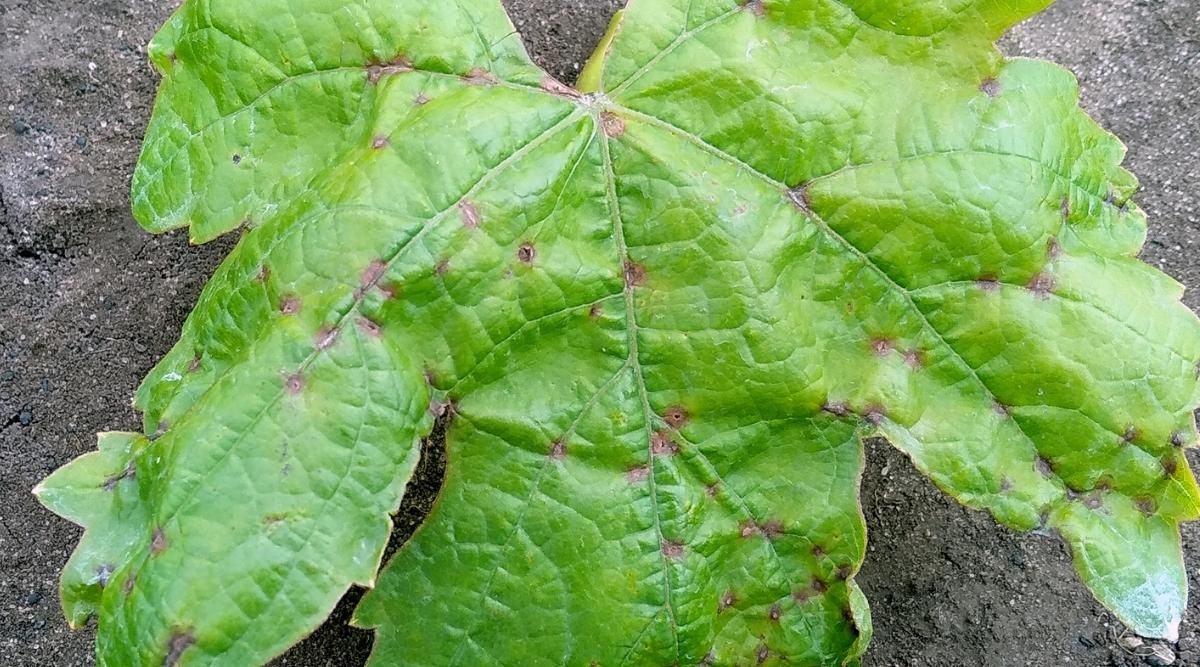
Early detection is your strongest defense against anthracnose. The disease progresses through distinct stages and catching it in the earliest phase means you can stop it before significant damage occurs.
Stage 1: Early Signs
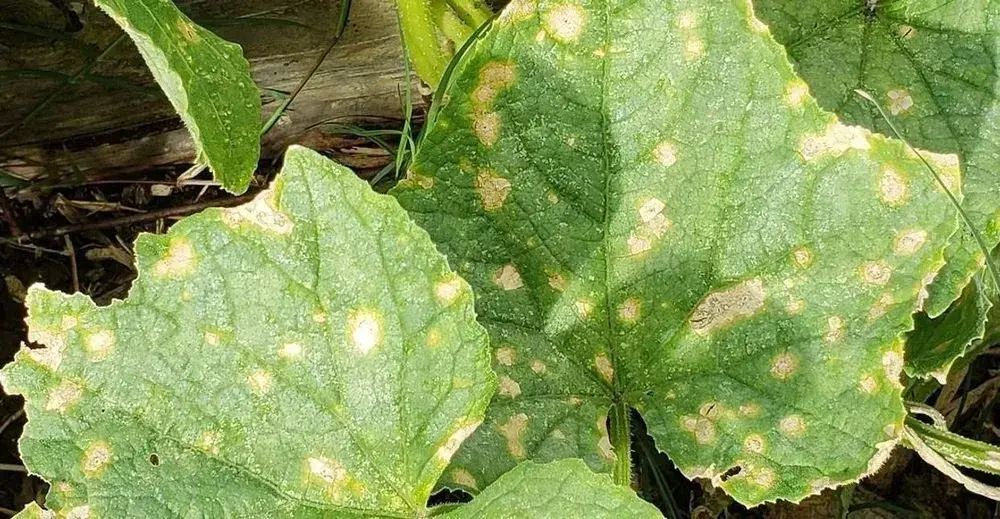
Look for small circular spots on the oldest leaves, which are the most susceptible. These spots appear tan or brown and are typically smaller than a quarter inch in diameter. The spots have a defined circular shape and may have a lighter colored center with a darker border. At this stage, you might notice just a few spots on lower leaves. Many gardeners miss this phase because they focus on new growth at the top of the plant.
Stage 2: Rapid Spread
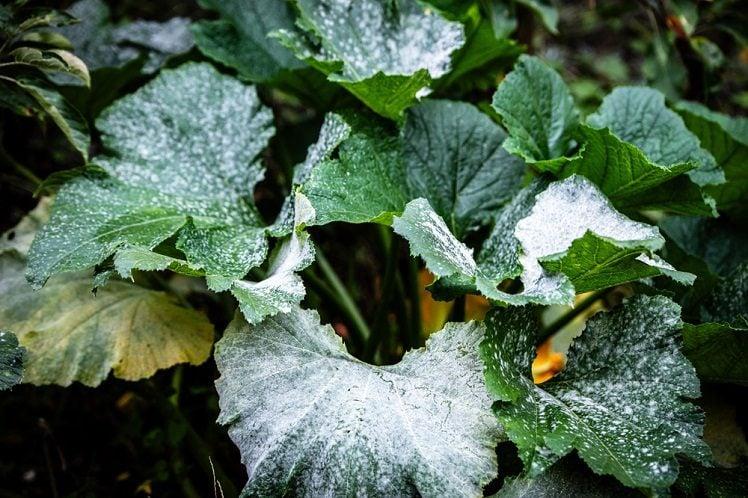
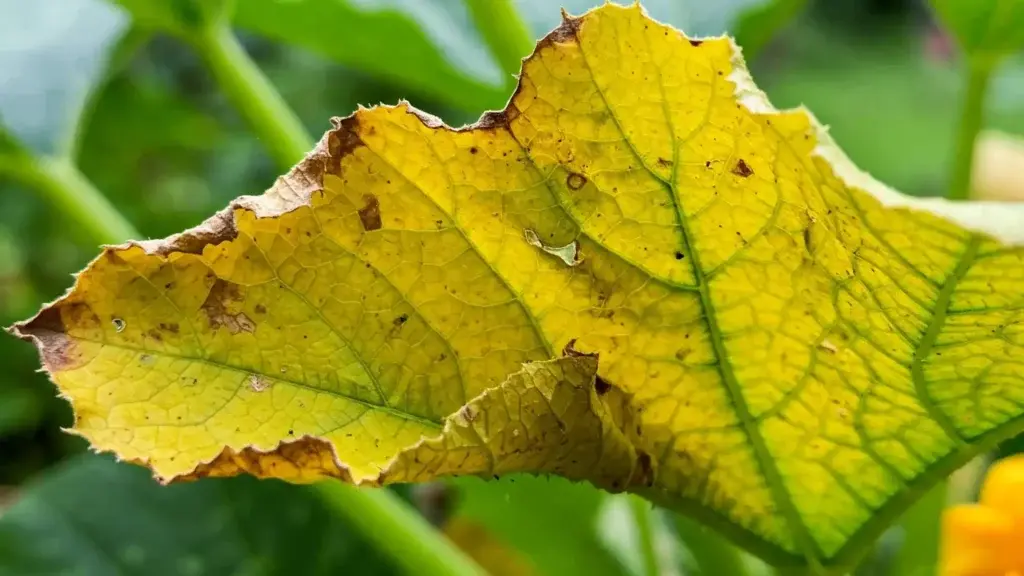
As the disease progresses, spots enlarge and multiply. What started as a few small spots on one leaf can become dozens of spots covering multiple leaves. The spots merge together, creating larger areas of dead tissue. The affected tissue darkens from tan to dark brown or black. Infected leaves begin yellowing around the margins and may drop off the plant. At this stage, you will clearly see that something is wrong with your zucchini.
Stage 3: Advanced Infection
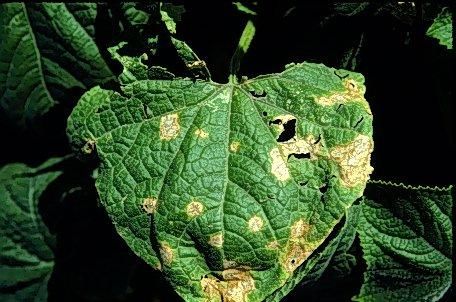
In the most severe stage, entire leaves die and fall from the plant, leaving bare stems. Sunken, round, water soaked spots appear on the zucchini fruits themselves. These fruit lesions are particularly concerning because they make the zucchini unmarketable or unsuitable for eating. The fruit spots have a characteristic appearance, appearing as dark, circular, depressed areas on the surface. Once infection reaches this stage, extensive damage has already occurred.
If you are uncertain about whether your plants have anthracnose or another disease, tools like Plantlyze use AI-powered plant diagnosis to confirm the problem with simple leaf photos. Getting accurate identification ensures you treat the right disease with the right solution.
Why Prevention is Better Than Cure
Many gardeners assume that fungicides can eliminate anthracnose once it appears on their plants. Unfortunately, this assumption causes significant crop losses. Fungicides protect healthy tissue by preventing new infections from occurring, but they do not eradicate existing infections or cure infected leaves. Once anthracnose spots appear on a leaf, that tissue is already dead and no fungicide will bring it back.
This fundamental truth changes how you approach disease management. Prevention becomes exponentially more valuable than treatment. An ounce of prevention truly equals a pound of cure when dealing with anthracnose. Starting preventive measures before you ever see disease symptoms means you never have to watch your plants decline. Prevention also saves you money on fungicide applications and the time required to apply treatments.
Weather conditions trigger rapid spread once the disease establishes itself. A single rainy week with warm temperatures can transform manageable infection into total crop failure. This seasonal risk window means that timing your prevention efforts correctly is absolutely essential for success.
Seven Proven Prevention Strategies
These seven methods represent the most effective approaches to preventing anthracnose on zucchini plants. Each strategy addresses a specific aspect of disease transmission or environmental conditions that favor fungal spread. Implementing multiple strategies simultaneously provides the best protection for your garden.
1. Remove Diseased Plants and Debris Immediately
As soon as you notice anthracnose on a plant, remove it completely from the garden. Do not attempt to salvage the plant or wait to see if it recovers. The disease will spread to neighboring plants within days if you leave it in place. Spores from infected tissue can survive on fallen leaves, plant debris, and soil for months, creating a disease reservoir for next season.
Pull infected plants including roots and dispose of them in sealed garbage bags or burn them if local regulations allow. Do not add infected plants to your compost pile, as many home compost systems do not reach temperatures high enough to kill fungal spores. Clear all fallen leaves and plant material from around your remaining plants. This single action removes the primary source of spores that would otherwise reinfect your garden repeatedly throughout the season.
The timing of this action is critical. Remove infected plants within one to two days of noticing symptoms. Every day you delay allows the fungus to produce and spread more spores. This is not a task to postpone.
2. Improve Air Circulation Around Plants
Fungal spores thrive in humid, stagnant air. When leaves stay wet for extended periods, anthracnose spores can germinate and penetrate leaf tissue. Improving air movement dries wet foliage quickly and creates conditions where the fungus cannot spread.
Space your zucchini plants 18 to 24 inches apart to allow air to flow between plants. This spacing looks loose when you first plant, but zucchini grows vigorously and will fill the available space by mid summer. Many gardeners plant too densely because they cannot envision the mature plant size. Proper spacing from the beginning prevents crowding that blocks air movement.
Use stakes or cages to support zucchini plants vertically rather than allowing them to sprawl on the ground. Vertical growing exposes more leaf surface to air movement and keeps foliage away from soil splash. As plants grow, selectively prune lower leaves that touch the soil. Removing the bottom 6 to 8 inches of foliage eliminates the leaves most likely to be infected by soil borne spores. This pruning also improves air circulation at the base of the plant where humidity is highest.
3. Switch to Drip Irrigation or Hand Watering
Overhead irrigation systems are the primary reason anthracnose spreads in home gardens. Water droplets splash infected soil onto leaves, transferring spores from the ground to plant tissue. Even rain cannot be stopped, but you can control your own watering method.
Install drip irrigation lines that deliver water directly to the soil at the base of plants. Drip systems keep foliage completely dry, which is the opposite of what anthracnose needs to spread. If drip irrigation is not feasible, hand water at soil level only, avoiding any splash onto the leaves. Hold your hose low and water the ground around the plant base rather than overhead.
Timing your watering is equally important as the method you choose. Water only in the morning hours, ideally between 6 AM and 10 AM. Morning watering allows any incidental moisture on leaves to dry quickly as the sun rises and temperatures increase. If you water in the evening, plants remain wet through the cool night when fungal spores are most likely to germinate. This single timing change can dramatically reduce disease incidence even with overhead watering.
4. Mulch Around the Base of Plants
Mulch serves multiple purposes in preventing anthracnose. A 2 to 3 inch layer of mulch around each plant prevents soil splash from reaching leaves during rain or overhead watering. Mulch also moderates soil temperature and moisture, creating a more stable microclimate around the base of the plant.
Use organic mulch such as straw or wood chips rather than plastic. Apply mulch after plants reach 6 inches tall, leaving several inches of space around the plant stem itself. Never pile mulch against the plant stem, as this creates a moist microclimate that encourages stem rot. The mulch should form a ring around each plant, not a mound touching the plant.
Mulch also suppresses soil borne spores. By covering the soil surface, mulch prevents spores from splashing up onto lower leaves. This protection is especially important during the season's first heavy rain events, which often coincide with the initial disease outbreak.
5. Practice Strict Crop Rotation
Anthracnose fungal spores survive in soil and plant debris for extended periods. Even if you remove infected plants, spores may remain viable in the soil for up to three years. Planting zucchini or other squash and cucumber family plants in the same garden bed year after year guarantees that anthracnose will return.
Rotate your zucchini crop to a different location each year and wait a minimum of three years before replanting the same family of plants in that location. This rotation breaks the disease cycle because spores cannot survive long term without a host plant to infect. If your garden space is limited, consider growing zucchini in raised beds with fresh soil imported from outside your property. New soil free from fungal spores eliminates this disease source entirely.
Keep detailed records of where you plant zucchini each year so you do not accidentally replant too soon. Many gardeners underestimate how easy it is to lose track of planting locations after several seasons.
6. Select Resistant Zucchini Varieties
Plant breeders have developed zucchini varieties with genetic resistance to anthracnose and other fungal diseases. These resistant varieties are not immune to the disease, but they are far less susceptible than standard varieties. Look for seed catalogs and plant labels that specifically mention anthracnose resistance.
Check the seed description or plant information for terms such as "anthracnose resistant" or abbreviations like "ARC" that indicate disease resistance. Resistant varieties are typically available through specialty seed companies and online retailers. They may cost slightly more than standard varieties, but the investment pays for itself many times over in reduced crop loss.
Starting with resistant genetics means you begin the season with plants that naturally fight the disease. This resistance combines effectively with other prevention strategies to create a nearly impenetrable defense against anthracnose.
7. Avoid Touching Wet Plants
Wet foliage creates the perfect conditions for fungal spores to germinate and penetrate leaf tissue. Additionally, your hands transfer spores from one plant to another when you handle wet plants. Simple avoidance of wet plants eliminates this transmission route entirely.
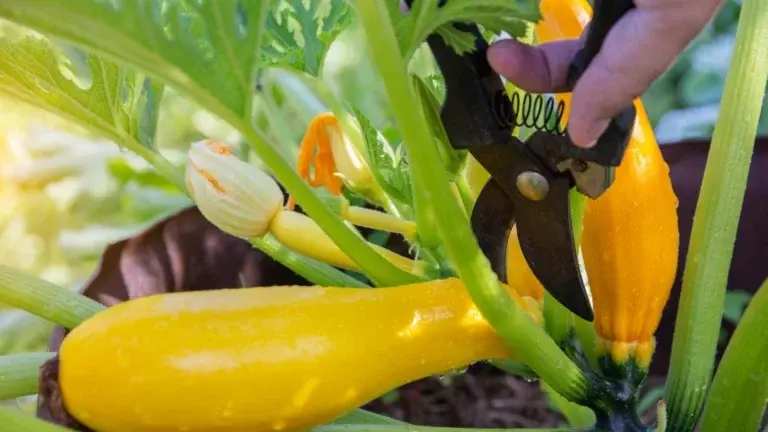
Wait until foliage is completely dry before harvesting, pruning, or working around your zucchini plants. Early morning dew will dry by mid morning as the sun warms the garden. If you must work with plants while they are wet due to unexpected circumstances, wash your hands thoroughly between plants. Better yet, wait until the foliage dries.
Sanitize all pruning tools and equipment between plants using a bleach solution. Mix one part household bleach to ten parts water and dip or wipe tools in the solution before moving to the next plant. This sanitation prevents the fungus from spreading via contaminated tools even if your hands are clean.
Treating Infected Plants
Despite your best prevention efforts, anthracnose may still appear in your garden. Understanding how to treat active infections increases your chances of saving your remaining plants and harvest.
When Fungicides Work and Don't
Fungicides are most effective as preventive treatments applied before disease appears. Apply preventive fungicides in early spring before the disease season begins. Continue applications on a regular schedule, typically every 7 to 10 days depending on the product label. Once visible anthracnose spots appear on leaves, fungicides can only prevent new infections from occurring. They cannot cure infected tissue or restore damaged leaves.
Successful fungicide application requires complete coverage of all leaf surfaces. The fungus infects both the top and underside of leaves, so you must coat both sides thoroughly. Many home gardeners apply fungicide only to the upper leaf surface and wonder why the disease continues to spread.
Always follow the product label directions exactly regarding application frequency and rates. Applying more fungicide than recommended does not improve control and may harm your plants. Different fungicide products have different instructions, so read each label carefully.
Recommended Fungicide Options
Copper-based fungicides are effective against anthracnose and are approved for organic gardening. Chlorothalonil products also provide excellent control but are not approved for organic production. Both types must be applied preventively, not after disease appears. Apply fungicides early in the morning or late in the evening to avoid phytotoxicity from sun exposure. Never apply fungicides when temperatures exceed 90 degrees Fahrenheit.
Pruning and Sanitation Approach
When you see infected leaves, prune them off immediately and dispose of them in sealed bags or by burning. Do not drop infected leaves on the ground where they could spread spores. Remove infected stems and fruit as well. Sterilize your pruning tools before and after removing infected plant parts. Dip pruning shears in a bleach and water solution and wipe them clean.
Seed Treatment for Next Season
If you save zucchini seeds from your harvest, treat them before storage to eliminate any fungal spores on the seed coat. Hot water treatment works effectively. Submerge seeds in water heated to 127 degrees Fahrenheit for exactly 25 minutes. Allow seeds to dry completely on a clean surface before storing.
Alternatively, use a bleach solution. Mix one part household bleach to ten parts water and soak seeds for 30 minutes. Remove seeds and rinse them thoroughly with clean water. Dry completely before storage. Both methods significantly reduce the chance of transmitting anthracnose through seed.
Realistic Expectations
Heavy infections often require removing and destroying entire plants. If more than 30 percent of the plant is infected, removal is frequently more effective than attempting to save the plant. Recovery from severe infection takes weeks, during which your plant produces no fruit while you manage the disease.
Combined approaches work best. Use fungicides plus cultural practices plus resistant varieties together rather than relying on any single strategy. This integrated approach provides the strongest protection for your garden.
Environmental Factors to Monitor
Understanding how weather and growing conditions influence anthracnose helps you predict disease risk and time your prevention efforts effectively.
Temperature is the most critical factor. Anthracnose spreads most rapidly between 75 and 85 degrees Fahrenheit, with 80 degrees being the ideal temperature for fungal growth. When your region experiences a warm spell with this temperature range combined with moisture, anthracnose will spread aggressively.
Humidity and moisture levels directly determine whether fungal spores can germinate. Spores require wet conditions to penetrate leaf tissue. Relative humidity above 85 percent combined with wet leaves creates perfect conditions for infection. Morning dew, overhead watering, and rain all provide the moisture the fungus needs.
Monitor your local weather forecast for rain events followed by warm temperatures. This combination signals high anthracnose risk. When rain is predicted, ensure your preventive fungicide applications are current. After rain passes and the forecast shows clearing skies, the disease may emerge within a week if you did not use preventive fungicides.
Consider your garden's microclimate. Low spots that collect water, areas shaded by structures or trees, and places with poor air movement are high risk zones. Zucchini planted in these locations will develop anthracnose earlier and more severely than plants in open, sunny areas with good drainage. When choosing planting locations, select spots with full sun and good air circulation.
Using AI Tools for Disease Diagnosis
Determining whether your plants actually have anthracnose or another disease can be challenging. Many zucchini diseases produce similar symptoms, and misidentification leads to applying the wrong treatment. This uncertainty delays effective action and wastes resources on ineffective solutions.
Plantlyze uses advanced AI technology to identify zucchini diseases from photos of affected leaves. Simply take a clear photo of a symptomatic leaf and upload it to the platform. The AI analyzes the image and provides instant disease identification, often confirming anthracnose within seconds. This confirmation gives you confidence to move forward with appropriate treatment strategies.
The tool is particularly valuable when symptoms are ambiguous or multiple diseases are affecting your plants simultaneously. Rather than guessing and hoping your chosen treatment works, you get accurate identification from an AI-powered system trained on thousands of plant disease images.
Get Instant Zucchini Disease Diagnosis at Plantlyze.com
Unsure if your plants have anthracnose? Plantlyze's AI-powered plant care diagnosis tool can confirm disease identification in seconds. Take a leaf photo, upload it, and receive instant confirmation of the exact disease affecting your zucchini.
Key Takeaways and Action Plan
Zucchini anthracnose can be prevented and controlled through consistent implementation of proven strategies. Success depends on understanding the disease, recognizing early symptoms, and taking swift action when problems appear.
Your action plan should include these critical steps:
Start by selecting anthracnose-resistant zucchini varieties before planting season begins. Research seed varieties and order resistant types for your garden. This foundation of genetic resistance makes all other prevention strategies more effective.
Space plants 18 to 24 inches apart to ensure excellent air circulation. This spacing provides room for air to dry wet foliage quickly after rain or irrigation. Proper spacing prevents the humid microclimate that anthracnose requires to spread.
Install drip irrigation or commit to hand watering at soil level only. This single change eliminates the overhead watering that spreads disease through water splash. Water only in morning hours to allow quick drying as the day warms.
Apply 2 to 3 inches of mulch around each plant while keeping mulch away from plant stems. Mulch prevents soil splash from splashing infected soil onto lower leaves. Mulch also moderates soil moisture and temperature for healthier plants overall.
Implement crop rotation by planting zucchini in different locations each year. Wait a minimum of three years before replanting zucchini in the same garden bed. This rotation breaks the disease cycle by preventing spore buildup in soil.
Start preventive fungicide applications early in the growing season before disease symptoms appear. Continue regular applications on a 7 to 10 day schedule through the peak disease season. Remember that fungicides prevent new infections but do not cure existing ones.
Remove infected plants immediately when anthracnose appears. Do not attempt to salvage heavily diseased plants. Quick removal prevents spore spread to neighboring plants and eliminates the disease source.
Monitor your plants regularly for early disease signs. Scout your garden at least twice weekly during warm, humid weather when anthracnose risk is highest. Early detection followed by swift removal of infected material stops disease progression.
By implementing these strategies, you will significantly reduce anthracnose incidence in your garden and enjoy a healthy, productive zucchini harvest throughout the growing season. Your plants will reward consistent care with abundant production and exceptional flavor.
References
Cornell University College of Agriculture and Life Sciences - Vegetables Program
https://www.vegetables.cornell.edu/pest-management/disease-factsheets/anthracnose-of-cucurbits/UC IPM (University of California Integrated Pest Management)
https://ipm.ucanr.edu/home-and-landscape/anthracnose/pest-notes/Penn State College of Agricultural Sciences - Turfgrass Pest Diagnostic Lab
https://turfpestlab.psu.edu/pest-profiles/anthracnose-2/University of Florida IFAS Extension - Department of Environmental Horticulture
https://edis.ifas.ufl.edu/publication/EP659National Center for Biotechnology Information (NCBI) - PubMed Central
https://www.ncbi.nlm.nih.gov/pmc/