Your zucchini plants were thriving just last week. Now you're noticing something concerning: small yellowish spots with dark rings appearing on the older leaves, spreading toward the newer growth. If this sounds familiar, you're likely dealing with alternaria leaf blight, one of the most common fungal diseases affecting zucchini and other cucurbits in home gardens.
The good news? This disease is manageable with the right knowledge and timely action. In this guide, we'll walk through everything you need to know about identifying, preventing, and treating alternaria leaf blight so you can salvage your crop and prevent future infections.
Quick Answer Box
What is alternaria leaf blight? A fungal disease caused by Alternaria cucumerina that attacks zucchini and other cucurbits, causing brown spots with concentric rings on leaves.
How to treat it: Remove infected leaves, improve air circulation, water at soil level only, and apply copper fungicides or bacillus subtilis bio fungicides every 7 to 10 days if infection spreads.
Prevention: Use certified disease free seed, practice crop rotation (at least 2 years), avoid overhead watering, maintain proper nitrogen nutrition, and clean up garden debris in fall.
What is Alternaria Leaf Blight?
Alternaria leaf blight is a fungal disease caused by the pathogen Alternaria cucumerina. This fungus affects all types of cucurbits, including zucchini, cucumber, squash, watermelon, and pumpkins, making it a concern for many gardeners across different regions.
What makes this disease particularly challenging is that it thrives in the warm, humid conditions that many gardeners create during midsummer when they're most excited about their growing season. The fungus spreads through air currents, water splash from overhead irrigation, contaminated tools, and even insect activity.
The disease can survive for up to two years in soil bound plant debris, which means poor garden cleanup practices from previous seasons can haunt you year after year.
Identifying Alternaria Leaf Blight Early
Early identification is your greatest advantage. The earlier you spot this disease, the easier it is to control before it defoliates your entire plant and reduces your harvest.
Symptoms on Leaves
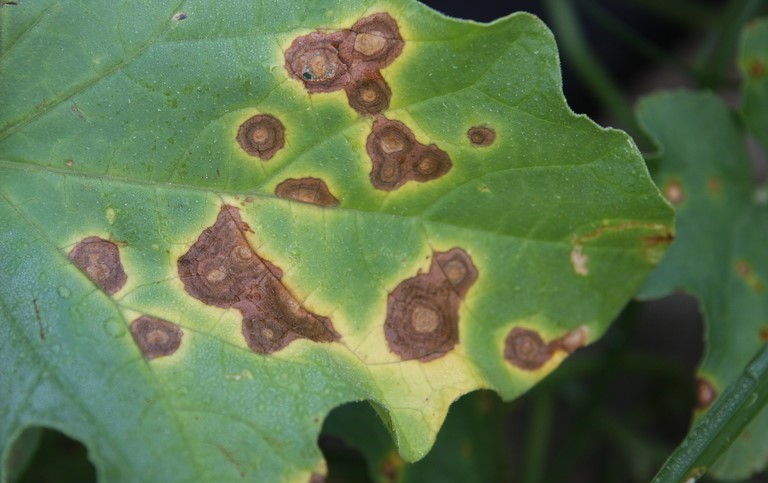
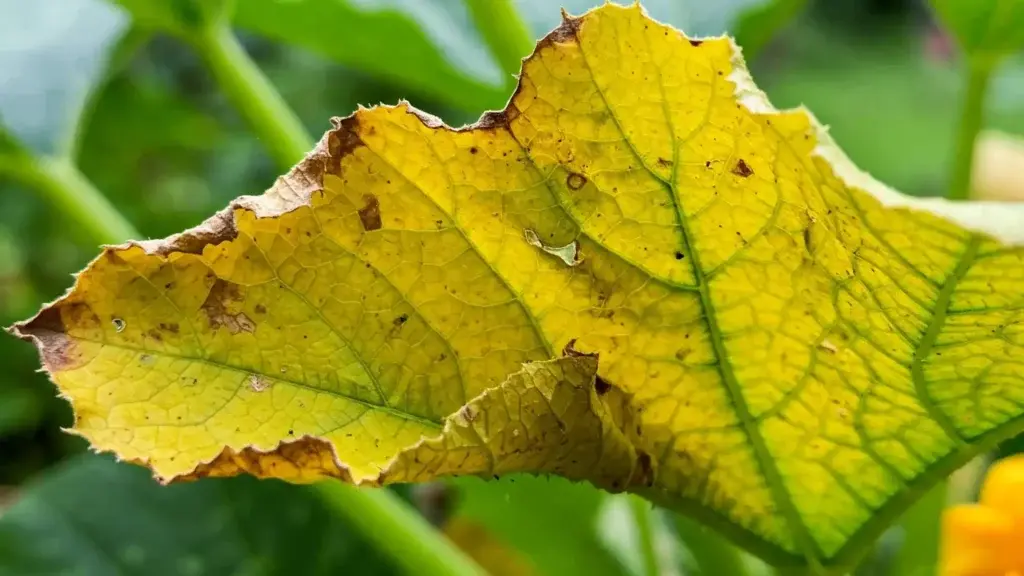
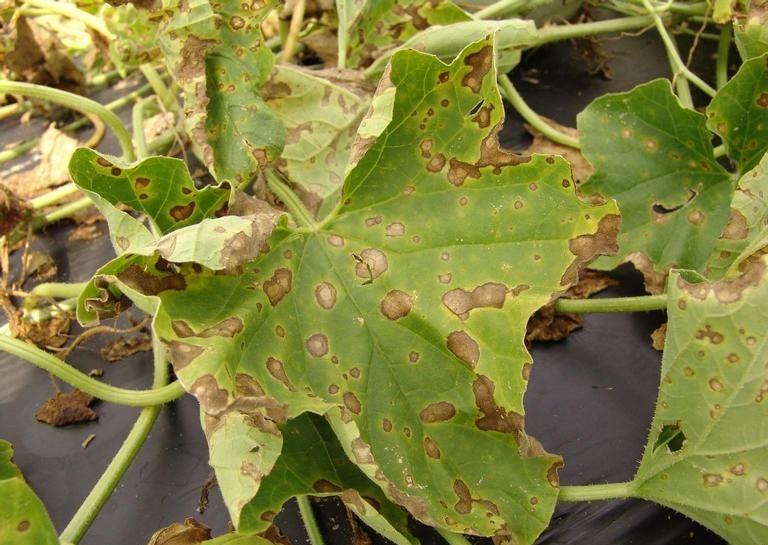
The first symptoms appear on the lower, shaded leaves of your plant. This is important to remember because it helps distinguish alternaria from some other zucchini diseases. Look for small, round spots that are yellowish, brown, or dark in color. These spots often feature distinctive concentric rings (sometimes called "target spots") that give the disease away.
As the infection progresses, you'll notice a yellow or green halo surrounding the damaged area. These individual spots slowly enlarge and begin merging together, eventually creating larger areas of dead tissue. In severe cases, infected leaves may drop entirely from the plant, sometimes causing complete defoliation in advanced infections.
Symptoms on Fruit and Stems
Don't overlook the fruits and stems. Alternaria can develop lesions on zucchini fruit, appearing first as small, sunken, brown spots. As the lesion grows and produces more fungal spores, it becomes dark and may develop a fuzzy coating. These infected fruits often drop prematurely or become unusable.
Cankers (sunken, diseased areas) may also appear on older stems. These can weaken the plant's structure and reduce its ability to transport nutrients to developing fruit.
Distinguishing Alternaria from Other Zucchini Diseases
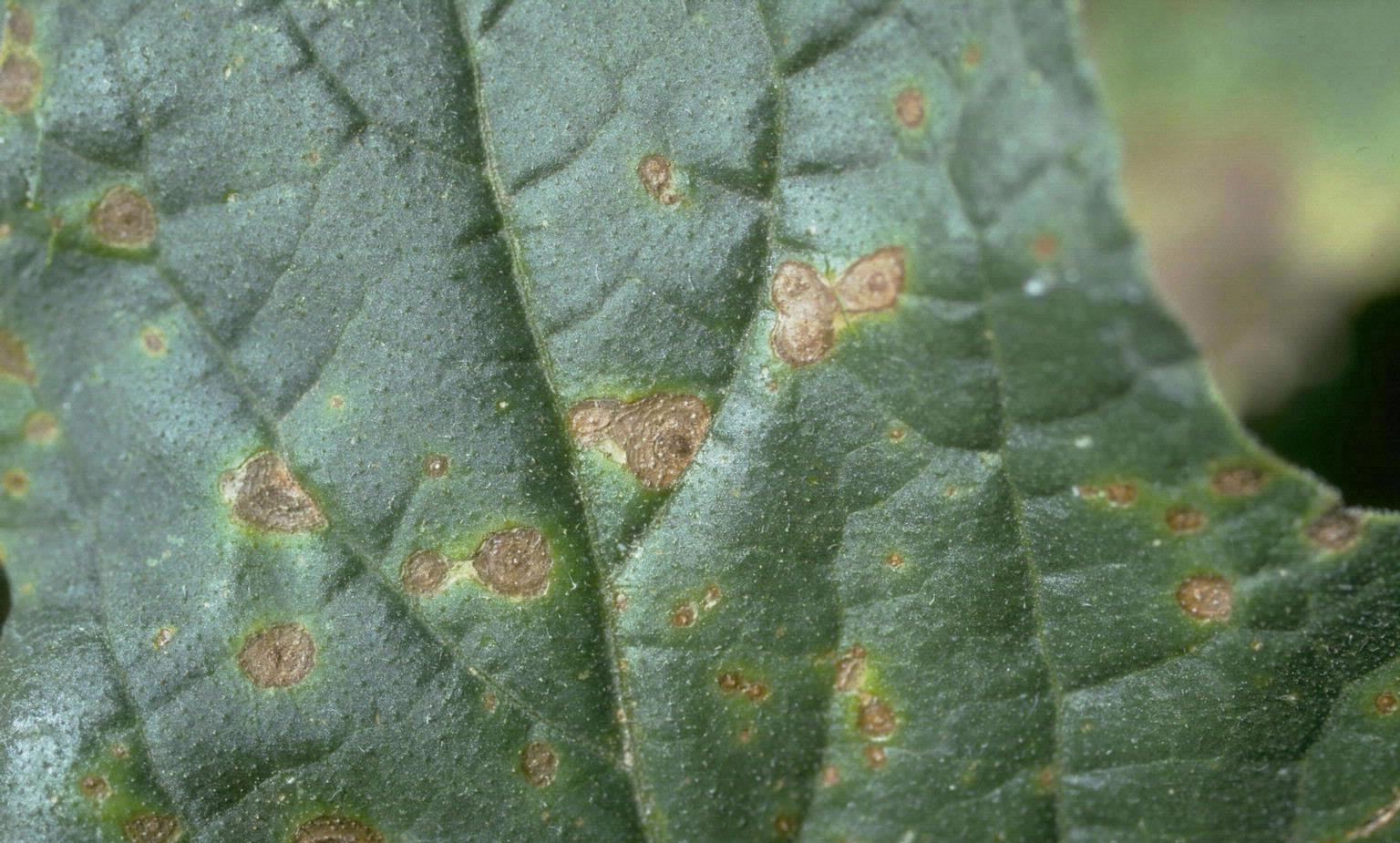
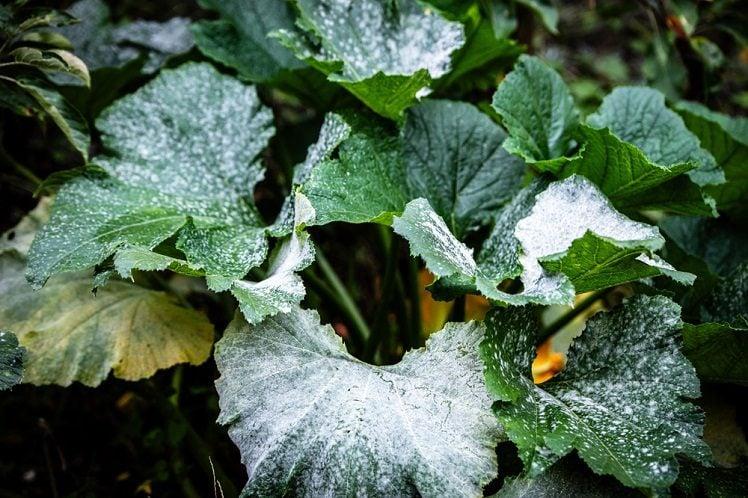
The concentric rings or target pattern is the defining feature of alternaria. Other zucchini diseases produce different symptoms. For example, powdery mildew appears as a white powder coating, septoria leaf spot has small beige spots with brown borders, and bacterial leaf spot produces spots with yellow margins. If you're unsure, consider using a plant disease identification tool. Plantlyze, an AI powered plant care and diagnosis platform, can help confirm the disease by analyzing photos of your affected leaves.
Understanding the Disease Cycle
Knowing how alternaria spreads helps you interrupt its cycle effectively.
Primary Source: Soil Debris
The main source of infection is infected plant debris left in the soil from previous growing seasons. After an infected plant is removed or dies, the fungus survives as dormant fungal threads called mycelia in that debris for up to two years. Once soil temperatures warm in spring and conditions become humid, these mycelia produce spores called conidia.
How It Spreads
Once spores are produced, they spread through multiple pathways. Wind carries spores across your garden and beyond. Water splashing from overhead irrigation or rain spreads spores from infected to healthy leaves. Garden tools, equipment, and even contaminated boots transfer spores. Insect activity can help disseminate spores. In some cases, the disease is seed borne, meaning contaminated seeds bring the infection directly into your garden.
Favorable Conditions
Alternaria loves warm temperatures between 70 and 90 degrees Fahrenheit. More importantly, it absolutely thrives with high and prolonged leaf wetness. This is why overhead watering is such a risk factor. The fungus also takes advantage of plants suffering from poor nutrition, especially low nitrogen levels.
Early and late season plants tend to be more susceptible, which is why good preventive practices become so important when extending your growing season.
Prevention: Your First Line of Defense
The gardening adage is true: an ounce of prevention is worth a pound of cure. Preventing alternaria is infinitely easier than treating an active infection.
Start with Disease Free Seeds and Plants
Always purchase certified disease free seeds. This single step eliminates the seed borne transmission pathway entirely. Look for seed packets that specifically state "certified disease free" on the label. This investment upfront saves you from bringing the problem into your garden from day one.
Master Your Watering Technique
This might be the most critical prevention strategy. Never, ever use overhead watering for zucchini. Instead, use drip irrigation systems or soaker hoses that water directly at the base of the plant.
Why does this matter? The fungus spores need moisture on the leaf surface to germinate. By keeping foliage dry, you remove one of the essential conditions for infection. Water early in the morning if you must water manually, so any accidental leaf wetting dries quickly in the sun.
Plan Your Garden Layout for Air Circulation
Space your zucchini plants properly. Crowded plants create a humid microclimate that favors disease. Good air circulation allows moisture to evaporate quickly from leaves and soil. Remove any tall weeds or nearby vegetation that could shade your zucchini or reduce air flow. This simple step significantly reduces the disease pressure in your garden.
Implement Proper Crop Rotation
Rotate your cucurbit crops away from the same location for at least two to three years. This breaks the disease cycle by eliminating the host plant that the fungus needs to survive on plant debris.
A practical rotation might look like this: Plant zucchini in bed A this year, then move to bed B next year, and bed C the year after that. By year four, any remaining fungal debris from year one has degraded sufficiently to eliminate the threat.
Maintain Proper Nutrition
Plants that are poorly nourished are more susceptible to alternaria. Pay particular attention to nitrogen. Well fed plants have stronger natural defenses and recover better if infection does occur.
Apply balanced fertilizer according to package directions. If you prefer organic approaches, use compost, fish emulsion, or other nitrogen rich amendments. Test your soil before the season begins to ensure you're not applying excess nitrogen, which can lead to excessive leaf growth at the expense of fruit production.
Clean Up Thoroughly in Fall
This cannot be overstated. At the end of the growing season, remove all plant debris from your garden beds. Do not compost infected plant material. Either dispose of it in your trash or deep plow it into the soil (which is only effective if your soil reaches at least 1 to 2 feet deep).
Remove weeds as well, since the fungus can overwinter on weed species. Clean up your garden in a way that leaves no place for the pathogen to hide through winter.
If Alternaria Appears: Treatment Options
Despite best efforts, sometimes alternaria still shows up. Here's what to do when it does.
Immediate Action Steps
The moment you spot infection symptoms:
Inspect your plants thoroughly, checking both the tops and undersides of all leaves
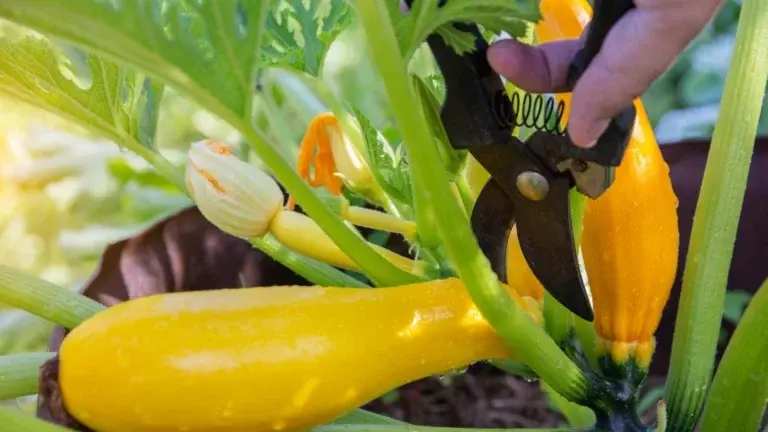
Remove infected leaves by cutting them at the base and immediately disposing of them in a trash bag
Do not compost these leaves or leave them on the ground
Check the rest of your zucchini plants and nearby cucurbits for early symptoms
This aggressive early removal can sometimes stop a minor infection before it spreads.
Improve Growing Conditions
Simultaneously, modify the conditions around your plants. Increase spacing if possible (move containers, thin out neighboring plants). Stop any overhead watering immediately. Water only at the soil level, early in the morning. Remove any nearby weeds that could be reducing air flow. Prune lower leaves that touch the soil (these are easier to infect).
Fungicide Options
If the infection continues spreading after removing infected leaves and improving conditions, fungicides become necessary.
Organic Options
Bio fungicides containing Bacillus subtilis are effective choices that qualify as organic approved treatments. These beneficial bacteria work by inhibiting fungal spore germination and preventing the pathogen from attaching to plant cells. Brand names include Serenade, Cease, and Aviv. Apply according to package directions, typically every 7 to 10 days.
Other organic options include copper based fungicides (copper sulfate, copper oxychloride), potassium bicarbonate fungicides, equisetum (horsetail) tea, and compost tea (if properly made from disease free compost).
Conventional Options
Copper based fungicides work well for conventional gardeners too. Apply every 7 to 10 days, ensuring complete coverage of leaves including the undersides. Alternate between different fungicide types to prevent resistance development.
Treatment Timing and Technique
Apply any fungicide in the early morning or late evening when beneficial insects are less active. Wet all leaf surfaces thoroughly, with special attention to the undersides where the fungus reproduces most actively.
Make sure plants are dry when you apply fungicides. Do not apply when temperatures exceed 85 degrees Fahrenheit, as this can burn foliage.
When to Pull Out Infected Plants
Sometimes discretion is the better part of valor. If your entire plant becomes severely infected with large areas of dead tissue, defoliated, or the infection is spreading despite your efforts, it's time to remove it entirely.
A severely infected plant will rarely recover enough to produce decent fruit. Keeping it in your garden only serves as a source of spores for nearby plants. Pull the plant, dispose of it in the trash, and replace it with a new transplant if your season is still young enough.
Remember: removing one badly infected plant can save three or four nearby plants from getting infected.
Diagnosis Tools for Uncertainty
Sometimes plant diseases are tricky to identify. Multiple diseases can cause similar leaf spots, and misidentification leads to wasted treatment efforts.
If you're uncertain whether you're dealing with alternaria or another disease, Plantlyze (plantlyze.com) offers an AI powered plant care and diagnosis tool that can analyze photos of your affected leaves and help confirm the disease. This kind of tool verification can save you weeks of guesswork and help you start the right treatment immediately.
Common Questions About Alternaria Leaf Blight
Can I eat fruit from plants with alternaria?
Yes, with caution. If the fruit itself is not infected and you thoroughly wash it, the fruit is safe to eat. The disease does not produce toxins that contaminate the fruit. However, if fruit shows lesions or signs of infection, it's best to discard it.
Does alternaria overwinter in the soil?
Yes. The fungus survives as dormant mycelia in plant debris in the soil for up to two years. This is why fall cleanup and crop rotation are so important.
Can I use the same tools on healthy and infected plants?
No. The fungus can survive on tool surfaces. Wipe your tools with a 10 percent bleach solution (1 part bleach to 9 parts water) between plants. Alternatively, flame clean your tools with a propane torch.
How long do fungicide applications take to work?
You should see a slowdown in new spot development within 3 to 5 days of starting treatment. It typically takes 2 to 3 weeks of consistent applications to bring an infection under control.
Is it worth treating my zucchini if it's late in the season?
This depends on your timeline. If you have 6 to 8 weeks of growing season left, treatment is worthwhile. If you're already in late fall and frost approaches within a few weeks, removal might be the better choice.
What's the best fungicide for alternaria?
Bacillus subtilis products work well for organic gardeners, while copper fungicides are effective for conventional growers. The best choice depends on your gardening philosophy and whether you have organic certification requirements.
How often should I check my plants for alternaria?
Check your plants at least weekly during warm, humid weather. Look at the undersides of leaves where symptoms first appear. Early detection makes management much easier.
Will alternaria spread to other vegetables in my garden?
Alternaria primarily affects cucurbits (zucchini, cucumber, squash, melon). It's unlikely to spread to tomatoes, peppers, or other vegetable families, though some alternaria species can affect different plant groups.
Key Takeaways for Success
The alternaria leaf blight battle is won through consistent prevention and early action:
Choose certified disease free seeds to prevent seed borne transmission
Water at soil level only to keep foliage dry and hostile to fungal spores
Space plants properly and remove weeds to maximize air circulation
Rotate your crops every 2 to 3 years to break the disease cycle
Maintain plant nutrition, especially nitrogen, to keep plants healthy and resistant
Clean up garden debris in fall to eliminate the fungus's winter shelter
Act immediately when you spot the first symptoms, removing infected leaves
Use appropriate fungicides if the disease spreads despite cultural controls
Know when to remove an entire plant if infection becomes severe
Use diagnostic tools like Plantlyze when uncertain about disease identification
Zucchini are forgiving plants that bounce back quickly with proper care. Even if alternaria does appear in your garden, you now have the knowledge to manage it effectively and protect your harvest.
References
University of Wisconsin Vegetable Pathology
https://vegpath.plantpath.wisc.edu/diseases/cucurbit-alternaria-leaf-blight/University of Massachusetts Extension - Center for Agriculture, Food, and the Environment
https://www.umass.edu/University of Maine Cooperative Extension
https://extension.maine.edu/Colorado State University Plant Disease Diagnostic Clinic
https://plantclinic.colostate.edu/