Most gardeners plant zucchini too early and suffer as their seeds sit in cold soil for weeks, getting mushy or even rotting before germinating. Timing is the one thing that makes the difference between lots of good food and a patch that struggles all summer long. It’s all about timingIf you’ve ever sown zucchini seeds and had nothing come up for what seemed like ages, then timing was your problem. Even experienced gardeners fall into this trap. It's as if the calendar is their only guide to successful planting. It doesn't. Knowing when to plant in your area, learning what soil temperature really matters and how succession planting will lengthen their season, changes everything. You will go from throwing stuff in the ground and crossing your fingers to making informed, scientific-based decisions on what to grow.
The Most Important Number: Soil Temperature
Soil temperature determines everything in zucchini timing. Forget the calendar. Forget what your neighbors are doing. Your soil temperature tells the real story about whether conditions are right for planting.
Why 65 to 70 Degrees Matters
Zucchini seeds germinate all the better at 65°F and flourish above 70°F. Below 65°F, seeds simply sit in soggy soil without ever sprouting—often rotting in the process. And that is why early plantings are such dismal failures. The calendar said plant. Your soil temperature said wait. The seeds paid the price.
Heat energy is what opens up cell structure. Decently, seeds cannot start on their sprouting journey sans heat. Holding the seed in a refrigerator is then somewhat of a watery grave, as dormant seeds change over time. The good news is: Once soil is the proper temperature, germination occurs in 3-7 days. For those who are in the market for seedlings quick germination equates to quicker harvest and less transplant shock.
Purchase a cheap soil thermometer at any garden center. Look at planting depth, where seeds are usually planted 1 inch deep and transplants should be planted between 2-3 inches deep. Measure basal temperatures early in the morning for best baseline temperature readings. Don't trust air temperature forecasts. Your soil is colder than the air, often much colder. Begin checking daily 2 weeks before your desired planting window. Look for 3 consecutive days above 65°F, or ideally 5 consecutive days above 70°F for genuine confidence. Record your dates for next season's planning. This personal tracking becomes invaluable for years to come.
Black Plastic Mulch Acceleration Hack
Biodegradable black plastic raises soil temperature 8-10 degrees. Lay plastic 2 weeks before your natural planting date. This cost effective strategy is reusable for multiple seasons. The benefit is meaningful: plant 2 weeks earlier, harvest 2 weeks earlier.
Implementation is simple. Lay black plastic over your planting area, secure edges with soil or stakes, then cut X-shaped marks where you'll plant seeds. Push seeds directly through plastic into warm soil below. Remove plastic once plants are large enough to shade soil naturally. Many gardeners use this technique to extend their northern growing season by weeks.
Last Frost Date: The Calendar Foundation
Frost dates translate calendar dates into practical planting windows. Understanding them eliminates random guessing and replaces it with informed decision making.
What Last Frost Date Actually Means
Last frost date marks the final date when frost is likely to kill tender plants like zucchini. A light freeze at 29-30°F kills zucchini and most tender crops. This date is not a guarantee. There's a 10 percent chance frost occurs after the listed date, so watch weather carefully.
The Old Farmer's Almanac uses government collected weather data from NOAA, the most reliable source available. Last frost dates shift dramatically by zone. Two zones 50 miles apart can have 2-week differences. Your local extension office provides the most specific timing for your exact location. Urban areas often frost later than surrounding rural areas due to heat island effects. Higher elevation experiences later frosts than nearby lower elevation.
Finding Your Exact Last Frost Date
Online tools make this simple. Visit Almanac.com/gardening/frostdates and search by zip code. Alternatively, search "last frost date [your city]" online. Contact your local university extension office for the most accurate data specific to your location. Write down your last frost date. Post it on your refrigerator. You'll reference it annually.
The 1 to 3 Week After Rule
General timing rule states to plant zucchini transplants 1-3 weeks after last frost date. This waiting period allows soil to warm reliably after frost danger passes. Experienced gardeners might push week 1 timing. Conservative gardeners choose week 2 or 3, guaranteeing soil warmth. Monitor the 10-day weather forecast. If sustained warmth is coming, go earlier. If late cold fronts threaten, wait longer.
Combination strategy works best. Use frost date PLUS soil thermometer for precision timing. Frost date provides your calendar window. Soil temperature confirms conditions are actually ready. They work together, not one alone.
Which Method Works Better: Seeds or Seedlings
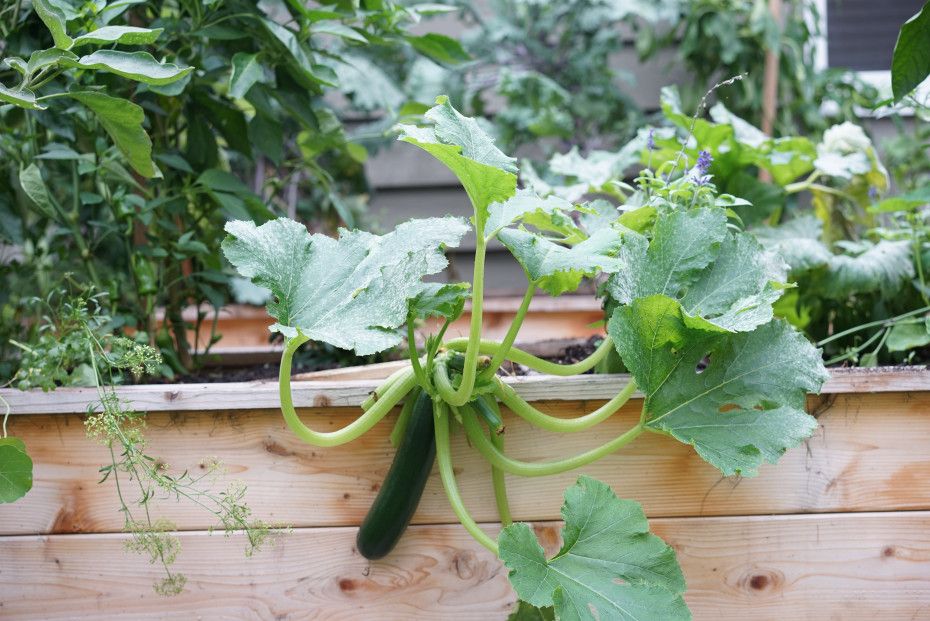
The question creates endless debate among gardeners. Here's the actual answer: direct sowing wins for zucchini, but circumstances matter.
Why Direct Sowing Wins for Zucchini
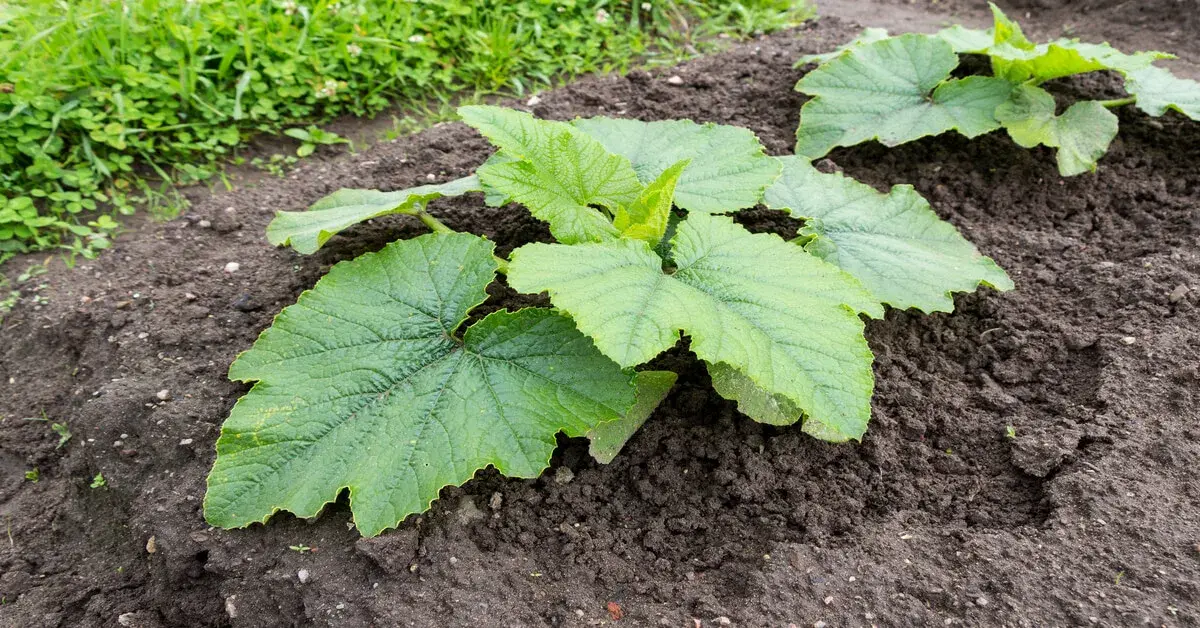
Zucchini dislikes transplanting. Root disruption causes permanent stunting. The transplant shock window is only 1 week wide, a very narrow margin for error. Direct sown seeds sprout within 3-7 days in warm soil. Here's the surprising truth: direct sown plants often reach harvest as fast as transplants, sometimes faster.
Best result? Direct sown plants display better drought tolerance and vigor. One seed packet costs less than nursery transplants. No indoor seeding labor is required. If you can wait for warm soil, direct sowing is the smartest approach.
Most gardeners still transplant anyway. They want early start. They live in short-season zones needing every available growing day. They plant mid-summer to avoid early squash vine borers. Beginning gardeners often assume transplants always produce earlier, which is untrue for zucchini.
If You Must Transplant: Timing Guidelines
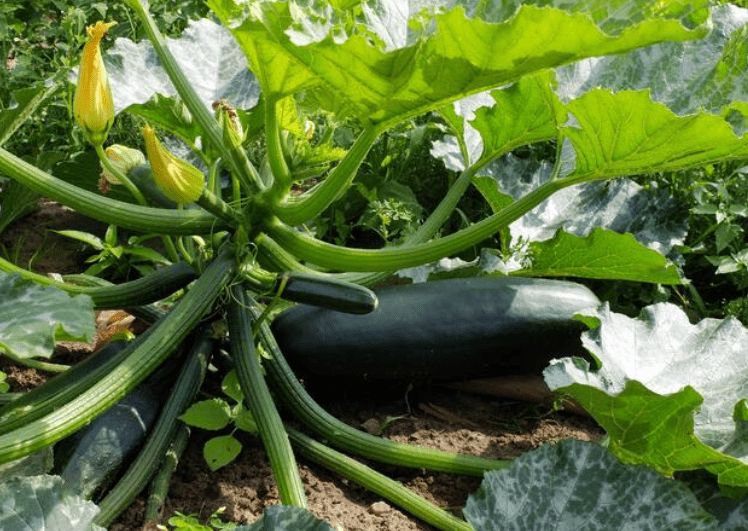
Start seeds indoors 3-4 weeks before your planned transplant date. Plant when nighttime temperatures stay above 50°F consistently. Ideally, nighttime temperatures above 60°F reduce transplant stress considerably. Gradually expose seedlings to outdoor sun 7-10 days before transplanting. This hardening off process reduces shock.
Soil blocks minimize root damage compared to traditional pots. Transplant 1-3 weeks after last frost date, or when soil reaches 60-65°F minimum. Expect 1-2 weeks slower production versus direct sown plants. Is the earlier calendar planting date worth this production delay? Usually not, but short seasons sometimes justify the tradeoff.
The Succession Planting Strategy
Sow directly every 2-3 weeks from first planting until mid-summer. Stagger plantings for continuous harvest. Sow the first crop at soil temperature of 65-70°F as early as last frost date. Late second sowing 2-3 weeks after first increases mid-season yield. 3rd planting in early to mid-July yields fall harvest before first frost.
Significantly Early planting–Later summer planting can yield vastly better results. Warmer soil means faster germination. Fewer pests attack late plantings. Warmer temperature and long day promote growth rate of A. putealis. In that case, humidity goes down and disease pressure is not as bad. Your real main harvest crop is frequently from July plantings, not May ones. That catches most gardeners off guard until they do it themselves
Not sure what time it will fall in your zone? Plantlyze helps track soil temperature patterns in your garden. Monitor soil conditions throughout spring to identify your optimal planting window every season.
Zone Specific Timing: When to Plant in Your Region
Timing varies dramatically by USDA zone. Here's your region specific guidance.
Northern Zones (3, 4, 5): Late Spring Planters
May 1-15 depending on location within zone. Sow directly in mid to late May after soil is well warmed up. Start seeds inside March 15-April 1 for planting in May. Your growing season is around 4-5 months, from the first day you plant until that health killing frost (September thru October).
Benefit: With all of those cool spring temperatures, all the new root growth rapidly builds a stronger tree. Challenges Short season means you must be particularly careful with succession planning. Strategy: Seed as soon as ground reaches 65°F. Get the biggest head start on cutting opportunity possible. After all it’s a late season planting: extra-early and early varieties of seed tend to fail before the first fall frost.
Central Zones (6, 7, 8): Perfect Timing Window
Last frost dates range March 15-April 30. Direct seed April 1-May 15 depending on specific zone. Start seeds indoors February 15-April 1 for April-May transplanting. Your growing season spans 5-6 months of frost free time (April-May through October-November).
Long season allows early planting, succession plantings, and late plantings to all work well. Best practice: Plant by late April for main crop, replant mid-July for fall harvest. Soil warms predictably by May. Temperature reliability increases your planting confidence. This zone experiences the best of both worlds: long enough season for experimentation, warm enough soil for reliable germination.
Southern Zones (9, 10, 11): Year-Round Growing
Frost risk is minimal. There are only light frost dates in Feb.-Mar. Plant January-February for March-April harvest. Then fruit set declines with heat in excess of 95°F during peak summer, so the timing strategy becomes completely different.
Best timing strategy: Plant in cool season (winter, fall) not hot summer. Plants sown in December-January don't suffer any heat stress at all. Plant in February to Early March for an April-June Harvest before the summer's heat. Replant in August or September and have harvest habit in November or December with warm temperatures. Year-round, you can plant several times every 6-8 weeks.
Advantage: You can grow zucchini nearly 365 days by choosing cool season timing. If summer planted, provide afternoon shade cloth for heat protection.
The 5 Most Common Timing Errors (And How to Prevent Them)
Learn from these mistakes without making them yourself.
Mistake 1: Planting Too Early
"I planted in early April and my seeds never sprouted." Root cause: Soil temperature below 60°F, seeds rotted in cold wet soil. Solution: Wait minimum 1-2 weeks longer, or use soil thermometer to verify 65-70°F. Check soil temperature daily starting 3 weeks before target date. Seeds germinate in 3-7 days instead of rotting for weeks when conditions align.
Mistake 2: Transplanting Too Early
"My zucchini transplants are growing super slowly." Root cause: Nighttime temperatures below 50°F cause transplant shock. Solution: Wait for sustained nighttime warmth above 60°F for best results. Check 10-day forecast for consistent warmth before transplanting. Early transplants take 2-3 weeks to recover versus 0 weeks for direct sown plants.
Mistake 3: Skipping Succession Planting
"June was great, but then I had nothing all July, August, September." Root cause: Single planting means single harvest window. Solution: Plant seeds every 2-3 weeks from May through mid-July. Write planting dates on your calendar to trigger reminders. Result: Non-stop harvesting June through October instead of feast or famine.
Mistake 4: Planting After Frost Free Cutoff
"My late August planting didn't produce anything before frost." Root cause: Not enough days to maturity before first frost arrived. Solution: Calculate backward from first frost date, stop planting by cutoff date. Know your first frost date. Count back 65-75 days for latest planting. If first frost October 15, don't plant after August 10.
Mistake 5: Ignoring Microclimate Variations
"My neighbor planted last week and theirs are thriving, mine aren't." Root cause: Your garden location is cooler, wetter, or shadier than neighbors. Solution: Check your own soil temperature rather than trusting neighbor's timing. Scout your specific garden location rather than relying on zone averages. Track your personal pattern over 2-3 years. Your unique location determines unique timing, not the calendar or your neighbor's experience.
Want to track your garden's unique patterns year to year? Plantlyze lets you document planting dates, soil temperatures, and harvest timing. Build your personal timing guide that works for your specific location.
Special Situations: Adapting Timing for Your Circumstances
Edge cases require modified timing strategies.
Short Season Gardening
Zone 3-4 gardeners with only a 3-4 month growing season should try to plant as early as possible when soil temperatures reach 65°F to ensure a successful harvest before Jack Frost visits your backyard. Black plastic mulch can end this waiting period by warming the soil two weeks earlier. Skip late plantings entirely. There isn’t enough time between now and frost for succession crops. Select early (60-65 days to harvest). For a headstart start seeds indoors 4 weeks before last frost. Cover with row.
Container Growing
Container soil warms faster than ground soil, allowing planting 1-2 weeks earlier than in-ground gardeners. Drainage control prevents waterlogging from heavy spring rain. Move containers to warmer locations if frost threatens. Start new containers every 2-3 weeks for succession. Use 5-gallon containers minimum for good growth. South-facing placement maximizes heat accumulation. Container growing offers timing flexibility unavailable to in-ground gardeners.
Late-Season Plantings in Hot Climates
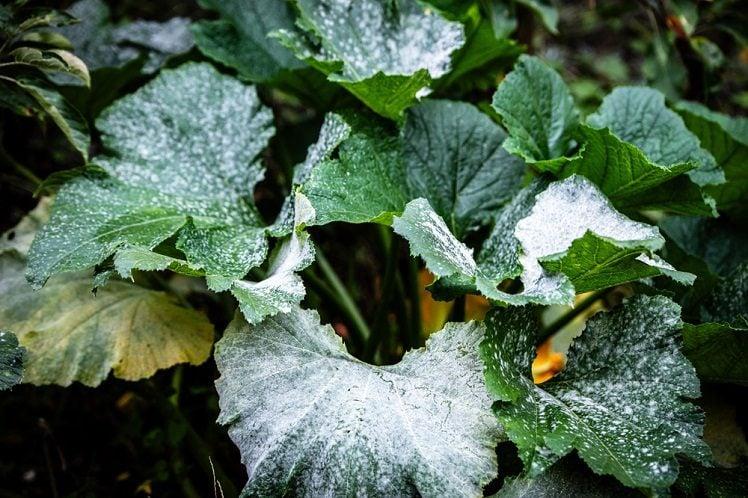
And if you're in a southern zone, even better: You can plant in July-August for fall-winter harvest. June-July planted/fall planted in extreme 95+ degree heat. Note : The timing chart tells when to sow, the best time is early August or September. It keeps soil temperature between 65-75 degree range! In some heat-treated regions fall production exceeds that of the spring. Low humidity alone knocks back powdery mildew significantly. Harvest in September, October and November extends into pleasant months. Forfeit fighting the early crop, and devote your energy to second set.
Final Thoughts
Most gardeners plant zucchini too early, but now you know better. Soil temperature 65-70°F, frost dates 1-3 weeks after, and succession every 2-3 weeks form your core timing principles. Armed with these guidelines, you'll plant correctly every year regardless of zone or region.
Whether you're in zone 3 or zone 11, these principles adapt perfectly. Start with soil thermometer, check your last frost date, and plant first crop when conditions align. The timing work front-loads your success, preventing weeks of watching seeds rot in cold soil.
Use Plantlyze to track your personal timing patterns and build a customized planting schedule that works perfectly for your garden. Next season, you'll plant with confidence knowing exactly when conditions are right.
References
University of Maine Cooperative Extension
https://extension.umaine.edu/gardening/2022/08/17/what-is-the-best-time-to-plant-zucchini-and-summer-squash/University of Maryland Extension
https://extension.umd.edu/resource/growing-summer-squash-zucchini-home-gardenUniversity of Minnesota Extension
https://extension.umn.edu/vegetables/growing-summer-squash-and-zucchiniSouth Dakota State University Extension
https://extension.sdstate.edu/summer-squash-how-grow-itUniversity of Georgia Extension (CAES)
https://fieldreport.caes.uga.edu/publications/C943/vegetable-garden-calendar/