Introduction
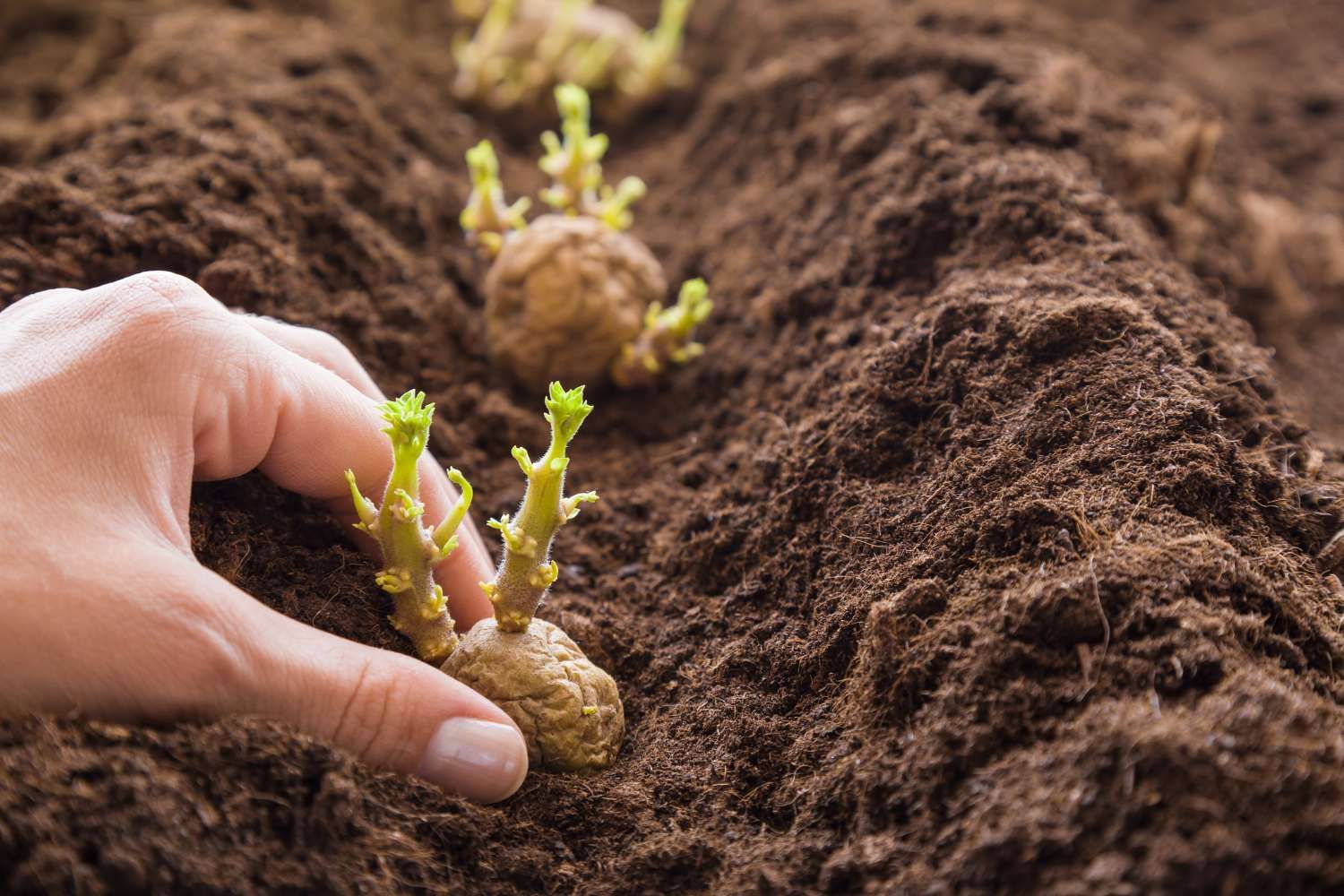
You have your seed potatoes and you think that maybe it is a little too soon to put them in the ground. Potato growing seems simple but timing is absolutely critical. Plant too early and your seed potatoes sit in cold, wet soil and rot. Plant too late and you reduce yields dramatically or miss your growing window entirely. Here’s what most gardeners don’t realize: timing matters, down to a two-week window in most zones for maximum yields! This guide will help ensure that you never plant at the wrong time again because it breaks down optimum planting times by zone.
The Critical Role of Soil Temperature
Soil temperature matters more than calendar dates when planting potatoes. This is the single most important factor determining success or failure. The absolute minimum soil temperature for planting is 40 degrees F, but planting at this temperature carries high risk of seed rot. Optimal soil temperature for planting is 50-60 degrees F. At these warmer temperatures, seed potatoes germinate quickly and consistently without risk of rot.
Why temperature matters: potatoes will simply not grow in cold soil. Planting in soil colder than 40 degrees F almost guarantees failure. The seed potatoes sit dormant and vulnerable to soil pathogens. After 7 to 10 days in cold, wet soil, they begin rotting. Optimal tuber formation happens when soil temperature stays between 60-70 degrees F during growing season.
How to measure soil temperature: purchase a soil thermometer (about $5 to 10). Insert it 4 inches deep in your planting area. Measure temperature at 9 AM for three consecutive days. If readings consistently show 50 degrees F or higher, you can plant confidently. This simple step eliminates guesswork entirely.
USDA Zone-by-Zone Planting Windows
Your USDA hardiness zone determines your planting window. Find your zone on usda.gov/hardiness or enter your zip code online. Once you know your zone, you can calculate exact planting dates.
Zones 3 to 5: Cold Climates
These northern zones experience late frosts. Plant potatoes 2 to 4 weeks before your average last spring frost date. Once soil reaches 45 to 50 degrees F, you can plant safely. For most areas, this means mid-April to early May. Zone 3 planting typically occurs May 15 to June 1. Zone 4 plants from May 1 to May 20. Zone 5 ranges April 15 to May 10.
Your biggest enemy is cold, wet soil. Rushing to plant before soil temperature warms causes rot. Wait patiently for soil to warm. This patience prevents catastrophic losses. Many gardeners lose entire crops by planting too early in these zones.
Zones 6 to 7: Temperate Climates
These zones have moderate springs. Plant 2 to 4 weeks before last frost date when soil reaches 50 degrees F. Most planting occurs March 1 through April 24. Zone 6 planting typically March 30 to April 13 (safe window April 10 to April 24). Zone 7 plants much earlier from March 9 to March 25 (safe window March 11 to March 25).
Your advantage is longer growing season. Your challenge is avoiding summer heat that stops tuber formation. These temperate zones strike a balance between frost risk and heat stress. Plan accordingly.
Zones 8 to 9: Hot Climates
These warm zones plant earliest. Plant 4 to 6 weeks before your last frost date (much earlier than northern zones). This race against the clock ensures potatoes mature before summer heat arrives (above 85 degrees F). Zone 8 plants February 9 to February 23 (safe window February 22 to March 8). Zone 9 plants January 17 to January 31 (safe window February 4 to February 18).
Your biggest enemy is summer heat, not frost. Plant early or lose your crop to heat-induced dormancy. The earlier you plant in these zones, the better your chances of success. Some gardeners even plant in December for January harvest in zone 9.
Frost Dates: Your Planting Calendar
Last spring frost date and first fall frost date are your planting boundaries. You can find these dates easily using resources like the Farmers' Almanac or Old Farmers' Almanac (almanac.com/gardening/frostdates). Enter your zip code and you'll get exact dates for your location.
Last spring frost date tells you when spring frost risk ends. Potatoes can tolerate light frost because they grow underground. However, if frost reaches emerging shoots multiple times, it stresses plants and reduces yield. The earlier your last frost date, the earlier you can plant. The later your last frost date, the later you plant.
Most gardeners plant 2 to 4 weeks before last frost date. This timing allows seed potatoes to develop roots before above-ground foliage emerges. If sprouts get frosted, underground roots continue growing and the plant re-sprouts. Multiple frost cycles stress plants severely though.
First fall frost date determines your fall crop timing (zones 8 plus only). Count backward 90 to 120 days from first frost date. This tells you the latest planting date for fall harvest. For example, if your first fall frost is October 15, count back 120 days. This puts your latest planting date around June 17. Plant much later and frost kills plants before tubers mature.
Spring Planting: The Standard Approach
Spring planting is the primary method for most gardeners. Plant potatoes as early as soil conditions allow. Soil must be workable (not waterlogged), not simply warm. Prepare beds in fall or early spring, adding compost and organic matter. This preparation improves drainage and soil warmth.
Wait until soil is workable before planting. Squeeze a handful of soil. If it forms a tight ball, soil is too wet. If it crumbles easily, it's workable. Wet soil causes seed rot even if temperature is adequate. Patience now pays huge dividends at harvest.
Plant seed potatoes 4 to 6 inches deep with eyes facing upward. Space 9 to 12 inches apart for optimal tuber development. Space rows 30 inches apart for cultivation access. Water immediately after planting to settle soil and eliminate air pockets.
Apply mulch 5 to 6 weeks after planting once soil warms. Straw, shredded leaves, or compost work well. Mulch retains moisture, moderates soil temperature, and facilitates hilling. This protects developing tubers from sun exposure.
Spring planting typically produces harvest 90 to 120 days later. Plan accordingly based on your growing season length. Short-season gardeners may harvest before first fall frost cuts season short.
Fall Crop Planting: Second Harvest
Fall crops are only viable in zones 8 and warmer with moderate winters. Plant late summer into early fall for winter harvest. Timing is critical: plant too late and frost kills plants before tubers mature. Plant too early and heat prevents tuber formation.
Count backward 14 to 16 weeks from your first fall frost date. This tells you your latest safe planting date. For example, if first frost is December 15, count back 16 weeks to August 20. You must plant by August 20 to allow 16 weeks for growth before frost.
Use early-season varieties that mature quickly (70 to 90 days). Varieties like Swift, Rocket, or Sharpe's Express work best. Avoid late-season varieties requiring 120 plus days. Second-crop potatoes have already been chitted (pre-sprouted) and want to grow immediately.
Fall crops are risky. Summer heat while planting can cause issues. Apply heavy mulch (4 to 6 inches) immediately after planting to keep soil cool. Water consistently as soil dries quickly in late summer heat. Fall crops reward careful gardeners with Christmas potatoes.
Avoiding Common Planting Mistakes
Mistake 1: Planting too early. Rushing to plant before soil warms causes seed rot. Wait until soil thermometer consistently reads 50 degrees F. Patience prevents catastrophic losses. Many gardeners lose entire crops to early planting rot.
Mistake 2: Planting in waterlogged soil. Even if soil temperature is adequate, waterlogged soil causes rot. Use squeeze test: if soil forms tight ball, wait. Work in compost to improve drainage. Wet soil is your biggest enemy.
Mistake 3: Using grocery store potatoes. Grocery potatoes are treated with sprouting inhibitors and may carry diseases. Always use certified seed potatoes. Cost difference is minimal compared to crop loss risk.
Mistake 4: Ignoring zone-specific timing. General advice doesn't work. Zones 8 to 9 must plant much earlier than zones 4 to 5. Summer heat is their enemy, not frost. Plant based on your specific zone requirements.
Mistake 5: Planting without soil amendment. Poor soil drainage dooms potatoes. Work in 3 to 4 inches compost before planting. This investment pays dividends in yield and tuber quality.
Mistake 6: Not measuring soil temperature. Calendar dates vary yearly. Soil temperature never lies. Invest $5 in a thermometer and use it.
Preparing Your Soil Before Planting
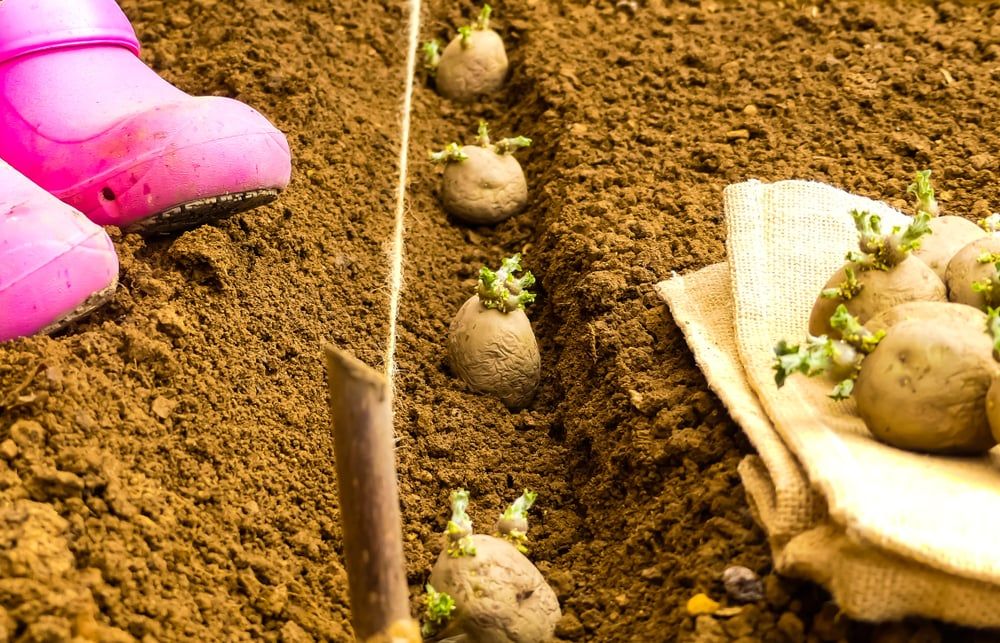
Soil preparation begins weeks before planting. Test your soil pH aiming for 5.5 to 7.0 (slightly acidic). Adjust lime or sulfur if needed. Add 3 to 4 inches compost to top 4 to 6 inches soil. This improves drainage and adds nutrients.
Potatoes prefer loose, well-draining soil. Compact or clay soil produces poor-shaped tubers and encourages disease. Amend heavy soils generously with compost. Raised beds filled with quality growing mix work excellently if ground soil is poor.
Apply balanced fertilizer at planting time or use slow-release organic fertilizer. Avoid high-nitrogen formulas that promote leaves over tubers. Balanced 5-10-5 or 10-10-10 formulas work well. Incorporate fertilizer into soil when preparing beds.
Rotate crops carefully. Never plant potatoes where potatoes, tomatoes, peppers, or eggplants grew in past 3 years. Soil-borne diseases accumulate in same location. Three-year rotation prevents disease buildup significantly.
Monitoring Soil Through Spring
After planting, monitor soil conditions carefully. Keep soil consistently moist but not waterlogged. Water when top inch of soil feels dry. Mulch helps retain moisture reducing watering frequency. This consistency encourages steady growth.
Check for emerging shoots 2 to 4 weeks after planting. Emergence timing depends on soil temperature. Warmer soil produces faster emergence. Cold soil means slower emergence. This is normal and expected.
Monitor for late spring frosts after shoots emerge. Frost damages exposed foliage but underground portions often survive. If heavy frost is forecast, cover plants with straw or row covers. This simple protection prevents stress and yield loss.
Scout weekly for pests or disease symptoms. Early detection prevents problems from spreading. Remove any diseased foliage immediately. Keep plants healthy through proper watering and fertilizing.
Watch soil temperature through season. Remember that tuber formation peaks between 60-70 degrees F. If soil temperature reaches 80 degrees F, tubers stop forming. This is why early planting in hot zones matters so much.
Smart Monitoring for Perfect Planting Timing
Knowing theoretical planting timing is half the battle. Your specific garden microclimate matters tremendously. Even in the same zip code, different yards vary by 1 to 2 weeks. Local factors including elevation, wind patterns, water proximity, and urban heat islands affect your exact timing. Plantlyze's AI monitors your garden conditions continuously.
Get alerts when soil reaches optimal temperature for your specific location. Receive personalized recommendations based on your unique microclimate. Reduce guesswork through smart, localized data. Maximize success through precision timing specific to your garden. Don't rely on generic zone information alone. Get Personalized Planting Alerts from Plantlyze.
Timeline: From Planning to Harvest
Eight weeks before planting: Know your last frost date. Research your zone. Order seed potatoes from reputable suppliers. Start preparing beds if not done in fall.
Six weeks before planting: Prepare soil with compost and amendments. Test and adjust pH. Get soil ready for planting.
Four weeks before planting: Cut seed potatoes if needed. Let cut pieces cure 2 to 3 days before planting. Prepare all supplies.
Two weeks before planting: Measure soil temperature for first time. Monitor temperature daily. Wait for consistent 50 degrees F readings.
Planting day: Soil temperature is right, soil is workable, weather is good. Plant your potatoes. Water immediately. Install support structures.
Two to four weeks after planting: Check for shoots emerging. Adjust watering as needed. Scout for pests or disease.
Eight weeks after planting: First hilling occurs. Continue monitoring and watering. Fertilize if not done at planting.
Twelve weeks after planting: Harvest time approaches. Stop watering 2 weeks before harvest to harden skins.
Regional Variations and Microclimates
Your specific location creates unique planting conditions. USDA zones provide guidelines but don't tell the whole story. Elevation, proximity to large water bodies, wind patterns, and urban heat islands all affect your microclimate.
Elevation matters. Higher elevations are cooler and frost arrives earlier. Gardeners at high elevation may need to plant weeks later than lowland gardeners in same zone. Know your elevation and adjust accordingly.
Water proximity affects temperature. Gardens near lakes stay cooler longer in spring but warmer in fall. This extends your growing season in both directions.
Wind patterns influence frost. Cold wind carries frost deeper into spring. Sheltered locations frost-free earlier. Observe wind patterns in your yard.
Urban heat islands affect planting. Cities stay warmer than surrounding countryside. Urban gardeners may plant earlier than nearby rural gardeners. This advantage is real and measurable.
Local gardening knowledge matters most. Talk to neighborhood gardeners. They know exact conditions in your area. They can tell you when they plant successfully. Local extension offices have zone-specific recommendations too. Use all these resources to refine your timing for best results.
Troubleshooting: What If Timing Goes Wrong
Planted too early and soil is waterlogged? Stop watering. Don't panic yet. Wait 2 to 3 weeks. Many seed potatoes survive early wet planting. If they don't sprout by week 4, replant if time allows.
Planted and frost came unexpectedly? Don't despair. Potatoes are tougher than you think. If shoots haven't emerged yet, frost doesn't matter. If shoots emerged and frosted, plants re-sprout from underground. Yield may decrease but crop isn't necessarily lost.
Soil dried out and planting delayed past safe date? Plant anyway. Late planting produces smaller yields but potatoes still grow. Choose early-season varieties for quickest maturity. You may still harvest something.
Summer heat arrived early? Your potatoes may go dormant. This happens but isn't permanent. Continue watering and plants often resume growth when temperatures cool slightly.
Don't give up. Potato plants are resilient. Most problems are manageable. Stay engaged with your plants and adapt as needed.
Conclusion
Timing success depends on soil temperature, not calendar dates. Your USDA zone determines planting window generally. Frost dates guide your planting boundaries. Soil workability matters as much as temperature. Spring planting is primary method for most gardeners. Fall crops possible only in warm zones. Common mistakes are avoidable with knowledge. Soil preparation begins weeks before planting. Ongoing monitoring ensures success. Your specific microclimate matters tremendously. Local gardening knowledge invaluable.
Plantlyze monitoring optimizes your specific conditions. Problems are manageable with right approach. Each year teaches you more about your garden. Combine this knowledge with smart monitoring for perfect planting timing specific to your garden and microclimate. You've got this.
References
New England Vegetable Management Guide - Potato
https://nevegetable.org/crops/potatoIowa State University Extension - Growing Potatoes in Home Garden
https://yardandgarden.extension.iastate.edu/how-to/growing-potatoes-home-gardenUC IPM - Cultural Tips for Growing Potato
https://ipm.ucanr.edu/home-and-landscape/cultural-tips-for-growing-potato/