Pepper gardening is all about timing. Plant too soon into cold soil and you will slow or kill your plants. Wait any longer and you will lose the opportunity for a full harvest before fall. Get it wrong, and your peppers will suffer. This is why timing matters, and exactly how temperature impacts all aspects of pepper growth are detailed in this section. Knowing when to plant is half the battle; Plantlyze helps you track progress and diagnose any issues along the way. Let's start with understanding why patience in spring pays dividends in summer and fall harvests.
Why Timing Matters for Pepper Success
Peppers are timing sensitive in ways that many gardeners don't appreciate. Unlike tomatoes, which tolerate some cool weather, peppers genuinely struggle when conditions aren't warm enough. Plant your peppers too early in cold soil, and they won't die immediately, but they'll sit stunned and miserable, delaying everything by weeks. Cold soil prevents root development because pepper roots can't absorb water or nutrients efficiently in temperatures below 60 degrees Fahrenheit.
The flip side is planting too late. If you wait until late June or July to get peppers in the ground, you've missed your window for developing mature fruit before fall frost arrives. Your plants will spend summer growing foliage rather than producing peppers, and when autumn comes, you'll be harvesting green peppers that never had time to ripen and develop full flavor. Temperature matters more than the calendar date. Focus on soil warmth and nighttime air temperatures, not just the calendar.
Understanding Frost Dates and Growing Zones
Your last frost date is the average date when your area's last freeze occurs in spring. It's important because peppers can't survive frost. They'll die instantly if exposed to freezing temperatures. However, here's where most gardeners get confused: the last frost date isn't actually when you should plant your peppers. Instead, look for when nighttime temperatures will consistently stay above 55 degrees Fahrenheit, which usually happens a few weeks after the last frost date.
USDA hardiness zones divide North America into regions based on average minimum winter temperatures. Your zone determines which plants can survive your winter, but for peppers, zones matter more for determining your growing season length. A gardener in Zone 3 has a much shorter summer than one in Zone 9, so timing of scheduling must vary. There are several good sources to determine your USDA hardiness zone and last frost date. Visit almanac. com or your county extension service website to find out the exact info. The one real harbinger you are looking for is an equilibrium of nights above 55 degrees Fahrenheit. Once you know when that typically happens in your area, you can work backwards to determine when to start seeds indoors.
The Indoor Seed Starting Timeline
Here's the basic math: peppers need 8 to 10 weeks from seed to transplant-ready seedling. If your last frost date is May 15, count back 8 to 10 weeks. That puts your seed-starting date around mid-March. But timing becomes more specific once you understand germination requirements. Your seeds won't germinate without warmth. Aim for 85 degrees Fahrenheit soil temperature to speed germination to 7 to 14 days. A heat mat under your seed trays dramatically improves results, especially for hot peppers.
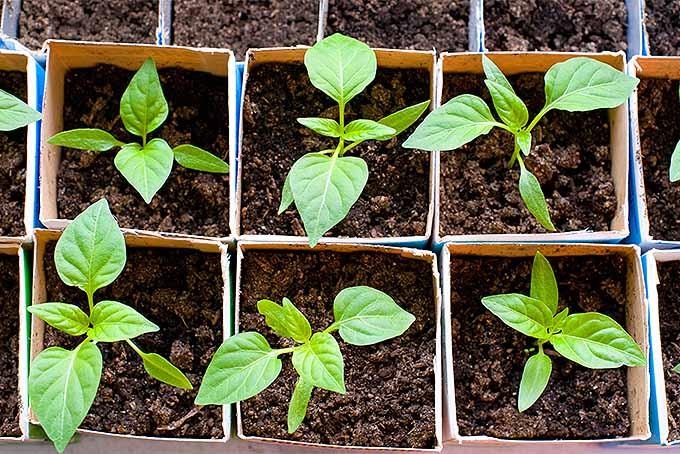
Once sprouts emerge, immediately provide 15 hours of light daily. Lacking sufficient light, seedlings grow tall and spindly. Gardeners label this condition “leggy,” and it makes for weak, transplants that will ultimately struggle outside. Space grow lights about 3 inches above seedlings, and lift as plants grow. Pot seedlings up individually into larger containers when they are 4-6 weeks old, generally 4-inch pots. This allows room for roots to grow. At 8 to 10 weeks old, they're ready for hardening off—gradually exposing them to outdoor conditions over 1 to 2 weeks before permanent transplanting.
During this entire process, maintain consistent moisture without waterlogging the soil. Water seedlings from below by setting trays in larger containers of water and letting soil absorb moisture upward. This prevents fungal issues and avoids damaging delicate stems. Add a gentle breeze from an oscillating fan on low speed to strengthen stems and prevent damping-off disease, where seedlings collapse at the soil line.
Zone-by-Zone Pepper Planting Schedule
Your growing zone dramatically affects your planting timeline. Here's the detailed breakdown so you know exactly when to start seeds and transplant in your area.
If you're in Zone 3 or 4, you have a shorter growing season, so timing is even more critical. Start your pepper seeds indoors in mid-March. This gives you exactly the 8 to 10 weeks you need before transplanting outdoors around the end of May. Don't rush planting outdoors. Even though you're eager to get started, your soil probably won't be warm enough until late May. Your nighttime temperatures need to stay consistently above 55 degrees Fahrenheit, and that usually doesn't happen until Memorial Day weekend or the following week.
Zone 5 gardeners should start seeds in late January to mid-February. This longer indoor growing period is part of the reason this timeline is so long. Plan to transplant seedlings in mid- late May, when nighttime temperatures stably remain above 55 degrees. The more indoor time means that your seedlings will be stronger and better established before they are exposed to the outside. You need this extra strength because of your shorter growing season.
Zone 6 gardeners are also relatively free-wheeling. Sow seeds around March 1 to 15 and you can transplant from mid-April to May, whenever your area’s overnight temperatures hit about 55 degrees Fahrenheit. The timing is somewhat more flexible in this zone than even farther north, but late cold snaps are still possible, so check 10-day forecasts before planting.
Zone 7 provides even more comfortable growing conditions. Begin seeds February 1 to 15, allowing transplanting around April 30 or whenever soil reaches 70 degrees Fahrenheit. This zone enjoys a longer growing season than northern regions, giving you more breathing room in timing decisions.
Zone 8 gardeners benefit from earlier spring warmth. Start seeds January 1 to 15 for transplanting around March 30. Your earlier spring means you can plant sooner, but don't rush before soil warms adequately. Even in warm zones, cold soil shock prevents establishment.
Zone 9 offers comfortable timing flexibility. Begin seeds December 1 to 15, planting outdoors around March 1. Your long growing season is an advantage, though late spring heat can arrive quickly. Many Zone 9 gardeners actually plant peppers twice yearly, growing a spring crop and a fall crop for year-round harvests.
Zones 10 and warmer can grow peppers year-round. Plant whenever conditions suit your local climate, though summer heat may reduce productivity in some regions. Many gardeners in these zones grow peppers twice yearly to avoid peak summer heat stress.
Sweet Peppers vs. Hot Peppers: Timing Differences
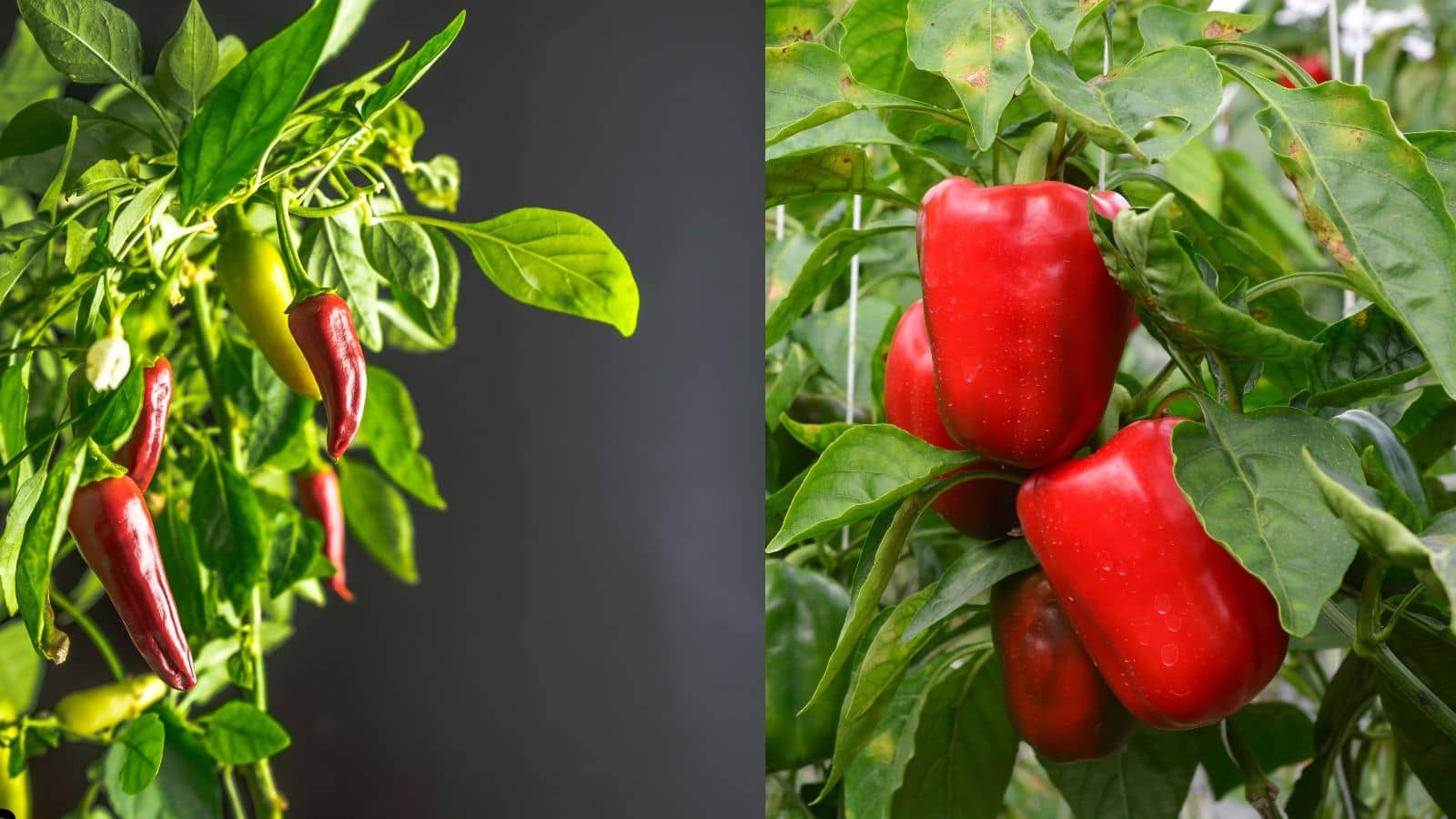
Sweet peppers like bell peppers have a relatively predictable timeline: 60 to 90 days from transplanting to mature fruit. Hot peppers, on the other hand, can take up to 150 days or more. Why the huge difference? Hot peppers, especially super-hot varieties like habaneros and ghost peppers, develop their heat and flavor over time. They need extended growing season to reach peak production and full color development.
This means if you're growing hot peppers, you'll want to start seeds even earlier than sweet peppers. Many hot pepper growers start in January or even December to ensure they have enough time for fruit to develop and ripen before fall frost arrives. If you live in a cold climate, choosing fast-maturing hot pepper varieties like jalapeños, which mature in 65 to 85 days, is smarter than attempting ghost peppers that need 90 to 150-plus days. Short-season gardeners don't mind having mostly green fruit at season's end, but colored peppers taste better and contain more nutrients.
Super-hot peppers require the longest timelines. Start these in January or late December if you want mature fruit before autumn. These plants are the marathon runners of the pepper world. If you're a northern gardener tempted by super-hots, be realistic: you might harvest mostly immature peppers, or you might need to bring plants indoors in fall to finish ripening under grow lights.
Outdoor Transplanting Requirements
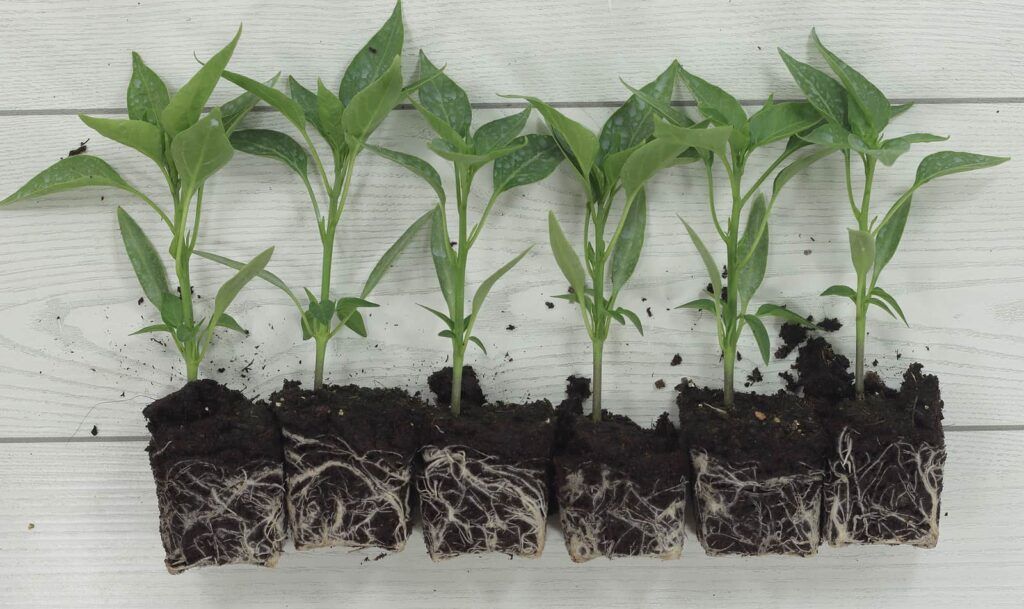
Your peppers need warmth to thrive outdoors, and this is non-negotiable. Nighttime temperatures must be consistently above 55 degrees Fahrenheit, and ideally, you want daytime temperatures in the 70 to 80 degree range. But here's the part many gardeners miss: soil temperature is even more important than air temperature. Cold soil will shock your plants and stunt their growth. Your soil needs to reach at least 60 degrees Fahrenheit, but 70 to 80 degrees Fahrenheit is ideal.
Here's an old farmer's rule of thumb: if you can comfortably sit on the ground bare bottomed, the soil is warm enough for peppers. It's crude but effective. Generally, this means waiting 2 to 3 weeks after your last frost date before transplanting, which ensures both air and soil are properly warmed. If you transplant early despite cold soil, your plants won't die immediately, but they'll sit stunned and miserable, delaying everything by weeks. You're better off waiting one more week than losing two weeks to transplant shock.
Before transplanting, harden off your seedlings by gradually acclimating them to outdoor conditions over 1 to 2 weeks. Start by placing them in a sheltered, shaded location for 1 to 2 hours the first day. Each day, increase their time outdoors and expose them to more sunlight. By week's end, they should spend entire days outside, returning indoors only at night. After one final week of 24-hour outdoor exposure, they're ready for permanent planting. This gradual process prevents shock and ensures successful establishment.
Space pepper plants 18 to 24 inches apart in gardens or use 5-gallon containers for container growing. Water deeply after transplanting, then wait 1 to 2 weeks before resuming regular watering. This encourages deep root development. About 3 weeks after transplanting, add a 2-inch layer of mulch around plants, keeping it several inches away from the stem. Mulch prevents soil moisture loss, maintains consistent soil temperature, and prevents soil splashing that spreads fungal diseases.
Preventing Temperature Stress Problems
Planting too early is the most common mistake. Symptoms include stunted growth, yellowing leaves, and plants that just sit there doing nothing. If soil is below 60 degrees Fahrenheit, your pepper roots can't absorb water or nutrients efficiently. Rather than growing, the plant conserves energy. You might think the plant is sick, but it's actually in shock. The solution is patience. Wait for soil to warm. Using black plastic mulch or landscape cloth to pre-warm soil in spring helps in northern regions.
Ironically, peppers can have too much of a good thing. If temperatures spike above 90 degrees Fahrenheit while plants are flowering, blossoms drop before setting fruit. This happens because excessive heat stresses the plant. It's not a disease or deficiency; it's stress. The solution is providing afternoon shade with cloth or planting where afternoon shade naturally occurs. Once temperatures moderate, normal flowering resumes. Many southern gardeners strategically plant peppers where taller crops provide afternoon shade during hot months.
Cold snaps in spring can kill newly transplanted peppers. If frost threatens after you've transplanted, cover plants with blankets, row covers, or use cold frames to trap heat. Remove covers once daytime warms up. It's stressful but plants can recover from one or two frost events. Multiple frosts will kill peppers, so if repeated frosts are predicted, it's better to wait another week or two before transplanting. Your patience now prevents heartbreak later.
Container Growing Timing
Container growing offers timing flexibility that ground planting doesn't provide. Soil in containers warms faster than ground soil, so sometimes container peppers can be planted slightly earlier. More importantly, container growers can move plants to optimize light and temperature. Move them to warmer spots if needed, or to shade during extreme heat. This flexibility means you have a bigger window for success.
The basic timeline remains the same: 8 to 10 weeks from seed to transplant, similar transplanting temperature requirements. But you have more control over conditions. Many gardeners who live in short-season climates prefer containers for this exact reason. Additionally, container peppers can be brought indoors in fall to extend the season, or even overwintered for next year's production. This transforms peppers from annuals into long-lived plants, dramatically changing your timing calculus. With Plantlyze, you can document your container pepper growth from seed to harvest and track development across seasons.
Container peppers need more frequent fertilizing than ground peppers because soil nutrients deplete faster in the limited soil volume. They also dry out more quickly, requiring more frequent watering checks. The tradeoff is tremendous flexibility. You can move containers to catch better light, shelter from wind, or escape intense afternoon sun. For gardeners with patios or balconies rather than garden space, containers transform pepper growing from impossible to easy.
Special Situations and Adjustments
Southern gardeners have unique advantages and challenges. You can plant peppers twice yearly, growing a spring crop and a late-summer fall crop for extended production. However, peak summer heat can reduce fruit set, so many southern gardeners time spring planting for harvest before extreme heat arrives, then rest plants or provide heavy shade in July and August. A second planting around August allows fall harvesting as temperatures cool.
Northern gardeners must choose fast-maturing varieties if they want colored fruit. Starting seeds early is essential, and many northern growers extend the season by using row covers, black plastic mulch, and strategic placement near south-facing walls that reflect warmth. Some northern gardeners even grow peppers in hoop tunnels or low greenhouses to extend the growing season by weeks on both ends.
Coastal areas experience cooler temperatures due to ocean influence, so timing adjusts later than inland regions at the same latitude. If you live on the coast, follow the timing guidelines for one zone colder than your actual zone. High altitude zones have different frost dates, sometimes dramatically different from lowland areas. Check local extension services for your specific high altitude timing rather than relying on general zone information. Desert zones experience extreme heat, so timing shifts to avoid peak summer. Many desert gardeners plant earlier for spring harvest, rest plants during peak heat, and plant again in late summer for fall harvest.
Tropical zones (10 to 13) enjoy year-round growing. Plant peppers whenever you want; heat and moisture are rarely limiting factors. Instead, focus on disease management in constantly warm, humid conditions. Many tropical gardeners stagger plantings throughout the year for continuous harvests.
Using Plantlyze for Season Planning
When you're uncertain about timing in your specific area, Plantlyze helps eliminate guesswork. Upload photos of your seedlings as they develop to track whether they're on track for transplanting. If you're wondering whether seedlings are large enough or strong enough to move outdoors, photograph them and use Plantlyze to get expert feedback. The tool can also help diagnose problems if timing issues occur. If plants are yellowing or stunted, upload photos to determine whether cold stress, nutrient deficiency, or disease is responsible. Understanding the actual problem helps you correct it. Plant symptom identification through Plantlyze is particularly valuable for distinguishing between pest damage, disease, nutrient deficiency, and environmental stress, which can look remarkably similar to untrained eyes. Rather than spending hours researching and guessing, you get expert diagnosis in seconds. Visit Plantlyze.com to access this tool for help with timing questions or any plant concerns.
Frequently Asked Questions
Can I plant peppers earlier if I use a heat mat? A heat mat speeds seed germination but doesn't affect outdoor transplanting requirements. You can start seeds earlier with bottom heat, but your seedlings still need to wait for warm outdoor conditions (nighttime temps above 55 degrees Fahrenheit) before transplanting. If you start seeds 12 weeks early with a heat mat, you'll have very large seedlings that might become pot bound waiting for warm weather. The sweet spot is still 8 to 10 weeks before outdoor transplanting.
What if my seeds haven't sprouted after 3 weeks? Pepper seeds need warmth to germinate. If it's been 3 weeks without sprouting, your soil probably isn't warm enough. Increase soil temperature to 85 degrees Fahrenheit using a heat mat. Most seeds should sprout within 7 to 14 days at proper temperature. If you're still getting no germination after 3 weeks at 85 degrees Fahrenheit, the seeds might be old or have low viability. For more specific diagnosis, upload photos to Plantlyze to get expert feedback on your situation.
Should I start peppers at the same time as tomatoes? No, start peppers 2 to 4 weeks earlier than tomatoes. Peppers are slower to germinate and grow than tomatoes, so they need a head start. If you start them simultaneously, your peppers will be much smaller and less established than your tomatoes when transplanting time arrives.
What do I do if I planted too early and frost is predicted? If frost threatens after you've transplanted, cover plants with blankets or use row covers or cold frames to trap heat. Remove covers once daytime warms up. It's stressful but plants can recover from one or two frost events. Multiple frosts will kill peppers. If repeated frosts are predicted, it's better to wait another week or two before transplanting.
Can I transplant peppers when they're small instead of waiting for larger seedlings? Large seedlings establish more successfully outdoors, but you can transplant smaller seedlings if you provide protected conditions. Use row covers, cold frames, or plant in containers that can be brought inside on cold nights. Smaller seedlings are more vulnerable, so extra care is required.
Is it ever too late to plant peppers? Peppers can tolerate later planting up to June 20 in most regions. However, late-planted peppers might not reach full maturity before fall frost. If you plant in June, choose fast-maturing sweet pepper varieties (60 to 70 days) rather than hot peppers that need 150-plus days. For uncertain timing in your specific region, use Plantlyze to track development and get feedback on whether your plants will mature before frost arrives.
Conclusion
Here's the core principle to remember: start pepper seeds 8 to 10 weeks before you can safely transplant seedlings outdoors. That means counting backwards from when nighttime temperatures will consistently stay above 55 degrees Fahrenheit in your area. This timeline varies by zone, but it's predictable once you know your frost date. Better to wait and have healthy, thriving plants than to rush and watch them struggle in cold soil.
Patience in spring pays dividends in summer and fall harvests. Your reward for waiting is vigorous plants that establish quickly, produce abundantly, and reward your planning with delicious, homegrown peppers. If you're ever uncertain about timing in your specific location, upload photos of your seedlings to Plantlyze.com to get expert feedback on whether they're ready for transplanting. With proper timing and a little help from science-backed tools, your pepper plants will transform from seed to harvest successfully.
References
Most Trustworthy Scientific References:
Oklahoma State University Extension - "Pepper Production"
https://extension.okstate.edu/fact-sheets/pepper-production.htmlUniversity of Maryland Extension - "Growing Peppers in the Home Garden"
https://extension.umd.edu/resource/vegetable-planting-calendarIowa State University Extension - "Growing Peppers in the Home Garden"
https://yardandgarden.extension.iastate.edu/how-to/growing-peppers-home-gardenSeed Savers Exchange - "Growing Guide: Peppers"
https://seedsavers.org/grow-pepper/USDA NRCS Plants Database - Pepper Growing Information
https://plants.usda.gov/