Introduction
Growing zucchini should be rewarding, but without proper nutrition, you will find yourself with weak plants and disappointing harvests. The truth is simple: zucchini plants are heavy feeders, meaning they consume large amounts of nutrients throughout the growing season. They do not produce abundantly on poor soil alone.
This guide reveals everything you need to know about zucchini fertilizer. You will discover the right nutrient ratios, when to feed your plants, and how to avoid costly mistakes that waste fertilizer and effort. By the end, you will understand exactly how to keep your zucchini thriving from planting until the final harvest.
Whether you grow in a garden bed, raised bed, or container, proper fertilization directly impacts your success. Ready to unlock bigger yields and healthier plants? Let's dig into the science.
Note: If you want personalized guidance on your zucchini's health and nutrient needs throughout the season, try Plantlyze.com, an AI powered plant care and diagnosis tool that helps you monitor your plants in real time.
Why Zucchini Plants Are Heavy Feeders
Understanding Zucchini's Nutrient Appetite
Zucchini grows rapidly and produces abundant fruit. This explosive growth demands consistent nutrient supply. Unlike herbs or ornamental plants, zucchini channels energy into both vegetative growth and continuous fruit production.
The plant creates large leaves for photosynthesis, establishes extensive root systems, and develops countless flowers and fruits simultaneously. Each of these processes requires nitrogen, phosphorus, and potassium in specific amounts and at precise times. Without adequate nutrients, the plant cannot support this level of production.
Impact of Poor Fertilization on Yield
When zucchini lacks nutrients, symptoms appear quickly. Leaves turn yellow, growth slows dramatically, and flower production drops. More frustrating, the plant diverts energy away from fruit production to survive.
Even modest nutrient deficiency cuts yield in half. You might get five fruits instead of ten from the same plant. Over an entire season, this difference represents substantial lost production. The lesson is clear: investing in proper fertilization pays dividends in harvests.
Understanding NPK Ratios for Zucchini Success
What Nitrogen Does for Your Zucchini
Nitrogen is the growth engine. It fuels the creation of chlorophyll, which powers photosynthesis, the process that transforms sunlight into plant energy. Without nitrogen, your zucchini leaves appear pale, growth stalls, and the plant struggles.
However, balance matters. Too much nitrogen creates excessive leaf growth at the expense of flowering and fruit production. You may end up with a bushy plant that produces few zucchini. The goal is enough nitrogen to support healthy foliage, not to push leaf growth into overdrive.
Phosphorus for Strong Root Systems and Flowering
Phosphorus works underground and in flowers. It strengthens root systems, enabling better water and nutrient uptake. When zucchini flowers appear, phosphorus becomes critical. Higher phosphorus levels encourage abundant flowering and support fruit development.
Early in the season, phosphorus matters less. But once flowering begins, the plant's phosphorus needs jump. This is why adjusting your fertilizer at the flowering stage makes such a difference in final fruit count.
Potassium for Disease Resistance and Fruit Quality
Potassium enhances overall plant health and resilience. It strengthens cell walls, making plants more resistant to pests and diseases like powdery mildew. Additionally, potassium improves fruit size, quality, and taste.
Without enough potassium, fruits remain smaller and the plant becomes susceptible to fungal infections. Adequate potassium protects your investment throughout the season.
Nitrogen (N) fuels leaf and stem growth, especially critical early in the season. Phosphorus (P) supports root development and flower formation when your zucchini transitions into fruiting. Potassium (K) strengthens plant health, increases disease resistance, and improves overall fruit quality throughout all growth stages.
The Best Fertilizer Types for Zucchini
Organic vs. Synthetic Fertilizers
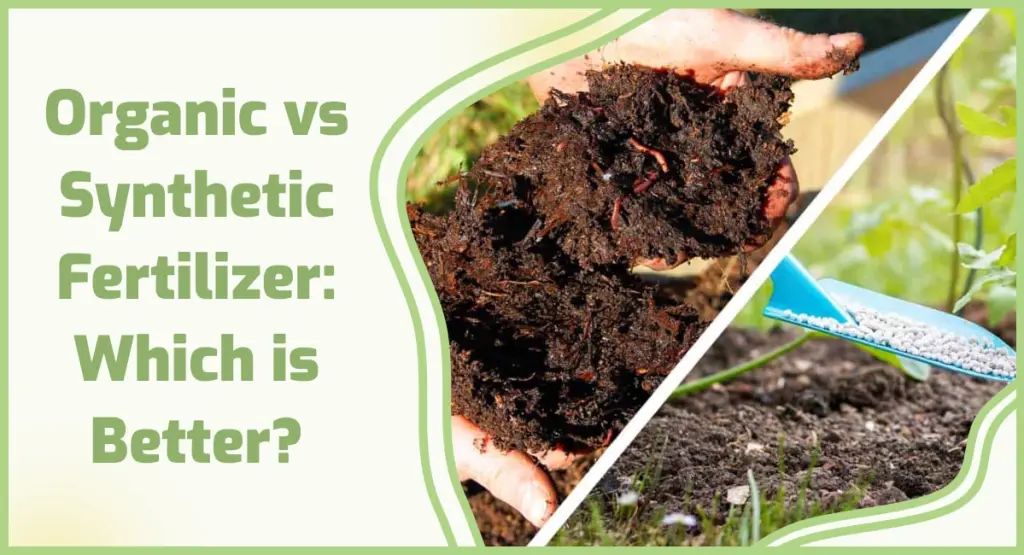
Organic fertilizers like compost, aged manure, and fish emulsion release nutrients slowly. They improve soil structure and feed beneficial microorganisms over weeks or months. This slow release prevents nutrient burn and creates a more balanced growing environment.
Synthetic fertilizers deliver nutrients immediately. Plants can access them right away, which is useful during peak production when demand is highest. They are easier to apply at precise ratios and cost less per application.
For best results, many gardeners combine both. Use organic compost and aged manure before planting, then supplement with balanced synthetic fertilizer every few weeks as the season progresses.
Recommended Balanced Fertilizers (10 to 10 to 10 Focus)
The 10 to 10 to 10 NPK ratio is the gold standard for zucchini. This balanced formula provides equal parts nitrogen, phosphorus, and potassium. It supports healthy growth from early season through fruit production.
Popular brands include Jobe's Organic Fertilizer, Espoma Garden Tone, and Miracle Gro's all purpose options. All of these deliver reliable results with straightforward application instructions. For container growing, water soluble balanced fertilizers work exceptionally well because they absorb quickly.
Cost-Effective Homemade Fertilizer Options
You do not need expensive products. Kitchen scraps and garden waste create powerful fertilizers. Banana peels provide potassium. Coffee grounds add nitrogen. Grass clippings and compost release slow-burn nutrients over months.
Combine these ingredients into a compost pile or brew a "tea" by steeping them in water for one week. The resulting liquid feeds zucchini beautifully and costs almost nothing. This approach builds soil health while stretching your fertilizer budget.
Zucchini Fertilization Schedule by Growth Stage
Early Growth Stage Fertilization
When you plant seedlings or direct-sow seeds, zucchini needs a gentle start. Work balanced 10 to 10 to 10 fertilizer into the soil two to three days before planting. This ensures nutrients are available as roots establish without causing burning.
If you direct-sow seeds, skip pre-planting fertilizer. Seeds contain their own nutrient reserves. Once the plant develops its first true leaves (not the initial seed leaves), begin light fertilizing at half strength every two weeks. This gradual approach encourages steady, healthy growth without overwhelming young roots.
Switching Nutrients at Flowering Stage
Six to eight weeks into the season, your zucchini will produce flowers. This is your signal to adjust your fertilization strategy. Switch to a higher phosphorus and potassium formula such as 5 to 10 to 10 or 10 to 10 to 15. The increased phosphorus and potassium support abundant flowering and strong fruit development.
Continue fertilizing every three to four weeks. Apply during early morning or late afternoon when leaves will not burn from the fertilizer. Always water the soil thoroughly before and after fertilizing to help nutrient absorption and prevent damage.
Maintaining Nutrition During Peak Fruit Production
Once zucchini begins setting fruit, the plant enters its most demanding period. Maintain your flowering stage fertilizer throughout peak production. Some gardeners prefer dropping to a 5 to 10 to 15 or even 5 to 10 to 20 ratio to emphasize potassium and support larger, higher quality fruit.
Feed every three to four weeks until late summer. Watch your plants closely. If leaves start yellowing despite regular fertilizing, the soil may have become depleted. A side-dressing of balanced compost or a dose of fish emulsion often revives vigor quickly.
The early growth phase lasting four to six weeks calls for 10 to 10 to 10 fertilizer applied every two weeks at half strength. Once flowering begins around weeks six to ten, shift to 5 to 10 to 10 or 10 to 10 to 15 formula and feed every three to four weeks. Finally, during fruit production from week ten onward, maintain 5 to 10 to 15 or balanced fertilizer on the same three to four weeks schedule until season end.
How to Apply Fertilizer Correctly
Pre-Plant Soil Preparation
Success starts before planting. Test your soil if possible. You want to know existing nutrient levels so you are not adding excess fertilizer. Amend the planting area with one to two inches of aged compost or well rotted manure mixed into the top six to eight inches of soil.
This addition improves drainage, adds organic matter, and provides slow release nutrients. Then mix in your chosen pre-plant balanced fertilizer according to package directions. Work everything together thoroughly, then wait a few days before planting. This resting period helps nutrients distribute evenly.
Proper Application Techniques
Always follow package directions for application rates. For granular fertilizers, sprinkle the amount specified around the base of the plant, keeping it several inches away from the stem. Work it gently into the top inch of soil.
For liquid fertilizers like fish emulsion or compost tea, dilute according to directions. Pour around the base, not on the leaves. For container grown zucchini, liquid fertilizers work best because they move through potting soil quickly. Reduce the recommended rate to half strength and apply every two weeks.
Critical Watering Tips for Nutrient Absorption
Never apply fertilizer to dry soil. Dry fertilizer burns tender roots and causes damage. Instead, water your zucchini thoroughly the day before, or at minimum two to three hours before fertilizing.
After fertilizing, water again generously. This moves nutrients into the soil where roots can access them. The combined pre-fertilizing and post-fertilizing watering ensures efficient nutrient uptake and prevents damage. Make this your standard practice, and you will see better plant response and faster growth.
Common Zucchini Fertilizer Mistakes to Avoid
Too Much Nitrogen and What Happens
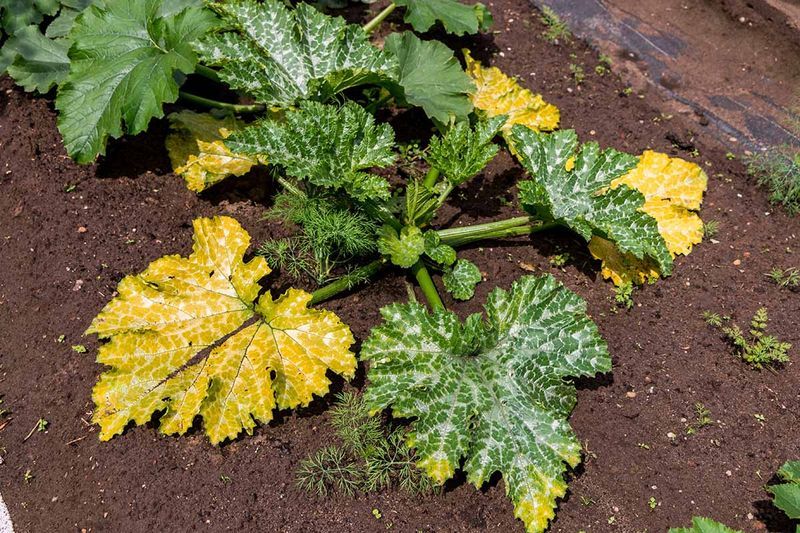
High nitrogen sounds beneficial, but excess nitrogen triggers problems. The plant produces excessive leaves and stems at the expense of flowering. You end up with a leafy mass that produces few zucchini.
Moreover, tender new growth from nitrogen overdose attracts pests like squash bugs and aphids. It also increases susceptibility to powdery mildew. Avoid the temptation to over fertilize. Moderate, consistent feeding beats occasional heavy applications every single time.
Applying Fertilizer to Dry Soil
We mention this because it is so common. Dry soil cannot absorb fertilizer effectively, and concentrated fertilizer burns delicate roots. Always water first. This simple habit prevents frustrating setbacks where plants suddenly decline after fertilizing.
Forgetting Micronutrients
Nitrogen, phosphorus, and potassium get attention, but plants also need calcium, magnesium, zinc, and other micronutrients. While complete fertilizers contain some of these, seaweed supplements and foliar sprays add insurance.
Seaweed sprays do not replace balanced fertilizer. Instead, they complement it. Apply seaweed every three to four weeks as a supplemental boost. Your zucchini will respond with deeper green color and enhanced vigor. The investment is small compared to the benefits.
Plantlyze: Monitor Your Zucchini Health with AI
Growing healthy zucchini requires observation. You need to spot nutrient deficiencies early, before they damage the plant. Manual inspection works, but how do you know if what you are seeing signals nitrogen deficiency versus other stress?
Plantlyze.com, an AI powered plant care and diagnosis tool, removes the guesswork. Simply photograph your zucchini plant, and the app analyzes leaf color, shape, and overall appearance. It identifies nutrient deficiencies, pest damage, and disease before symptoms become severe.
With Plantlyze, you receive personalized fertilizer recommendations based on exactly what your plant needs. No more guessing whether to feed this week. No more wondering if yellowing leaves mean nitrogen deficiency or something else. The AI technology identifies issues and suggests precise interventions, saving time and preventing yield loss.
Many gardeners use Plantlyze throughout the season to fine-tune their feeding schedule. It ensures your zucchini always receive exactly the nutrients required at each growth stage. Visit plantlyze.com today to start monitoring your zucchini with artificial intelligence assistance.
Conclusion
Growing abundant zucchini comes down to understanding and meeting the plant's nutritional needs. Start with quality soil amended with compost, use balanced 10 to 10 to 10 fertilizer early in the season, then shift to higher phosphorus and potassium formulas once flowering begins. Water thoroughly before and after each fertilizing. Feed consistently every three to four weeks throughout the season.
Avoid excess nitrogen, never apply fertilizer to dry soil, and consider supplementing with seaweed for micronutrient insurance. Follow this proven approach, and you will grow vigorous plants that produce abundantly.
The difference between mediocre harvests and exceptional ones is often just good fertilization. Your zucchini plants will reward your attention with weeks of productive harvests. Want to optimize your fertilization further? Use Plantlyze.com to monitor plant health in real time and receive personalized feeding recommendations throughout the season. Start growing the zucchini garden you have always wanted.
References
University of Maryland Extension. https://extension.umd.edu/resource/growing-summer-squash-zucchini-home-garden
H.H. Fertilizer. https://www.hhfertilizer.com/news/bestnpkfertilizerforsquashandzucchinimanufacturer-11221.html
Deep Green Permaculture. https://deepgreenpermaculture.com/2024/09/25/zucchini-growing-guide/
Gardening Know How. https://www.gardeningknowhow.com/edible/vegetables/zucchini/feeding-zucchini-plants.htm