Have you ever walked into your pepper patch feeling proud, only to notice dark sunken spots on the fruits that were almost ready to harvest? That sinking feeling is familiar to many growers, and very often the culprit is pepper anthracnose.
Pepper anthracnose is a serious fungal disease that can wipe out a large part of your yield in a short time if you do not act quickly. Commercial growers in humid regions have reported losses that reach 50 percent or more when the disease is not managed correctly.
The good news is that you can learn to recognize pepper anthracnose early, prevent it with smart cultural practices, and choose an effective treatment strategy that fits your growing style. This guide will walk you through symptoms, prevention, and treatment in clear, practical steps so you can protect your crop and harvest healthy peppers.
What Is Pepper Anthracnose
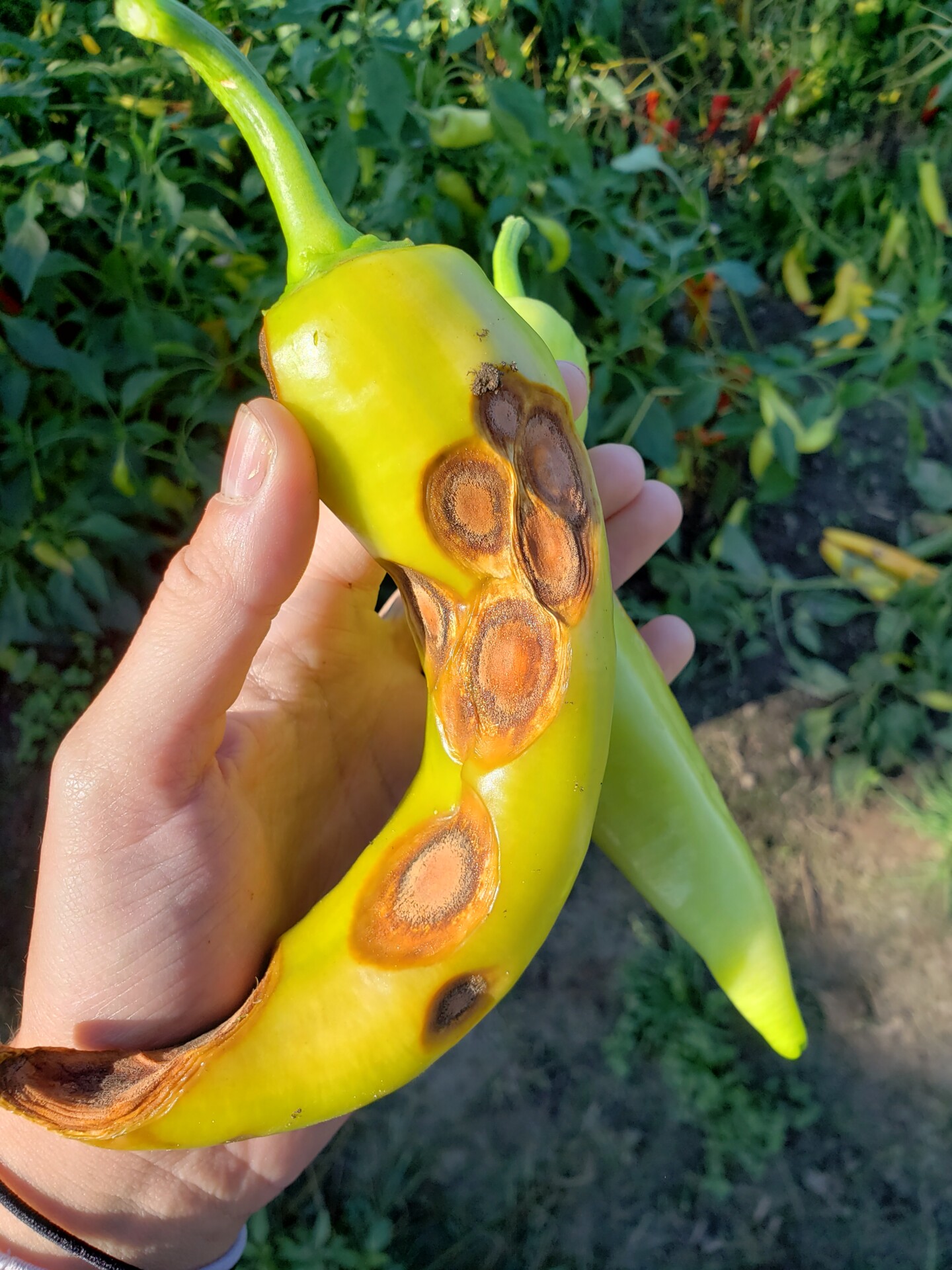
Pepper anthracnose is a fungal disease that attacks leaves, stems, and especially fruits of pepper plants. The disease is caused by species of the fungus Colletotrichum, including Colletotrichum coccodes, C. gloeosporioides, C. dematium, and newer aggressive species such as C. scovillei that have emerged in several pepper growing regions.
These fungi love warm and humid conditions. They spread through spores that move with splashing rain, overhead irrigation, wind driven rain, infected plant debris, and even tools and hands that contact diseased plants. Once established, the disease can produce many cycles of infection in a single season, which means it can move very fast through a field or garden.
Pepper anthracnose is important not only because it ruins fruit quality but also because it affects marketability. Fruits with sunken dark lesions and orange spore masses are rejected in fresh markets and can rot quickly in storage, which directly reduces income for commercial growers and wastes time and effort for home gardeners.
How Pepper Anthracnose Spreads
Understanding how the disease spreads helps you build a smarter defense plan.
Spores form on infected fruits, stems, or plant debris and are spread by rain splash or irrigation water to nearby plants.
Infected seed or transplants can introduce the fungus into clean fields or gardens at the very start of the season.
Warm temperatures combined with leaf wetness for several hours give spores the perfect conditions to germinate and infect pepper tissues.
The disease can survive between seasons on plant debris and sometimes in soil, which is why rotation and sanitation are essential.
When conditions are right, pepper anthracnose behaves as a polycyclic disease. That means once the first infections appear, each new lesion can produce more spores and start new infections, creating a snowball effect that can be hard to stop if you react too late.
Recognizing Pepper Anthracnose Symptoms
Early recognition is one of your strongest tools against pepper anthracnose. The sooner you notice symptoms, the more options you have to contain the disease and protect the rest of your crop.
Early warning signs
At first, symptoms can be easy to miss, especially if you are not scouting regularly. Look for these early signs:
Small dark spots on leaves, often on older or lower foliage.
Spots that start water soaked and then turn darker with more distinct borders.
Small lesions on young fruits that look like tiny pale spots or slightly sunken areas.
These early spots can expand and become more obvious within a few days if conditions stay warm and humid.
Advanced symptoms on fruits and foliage
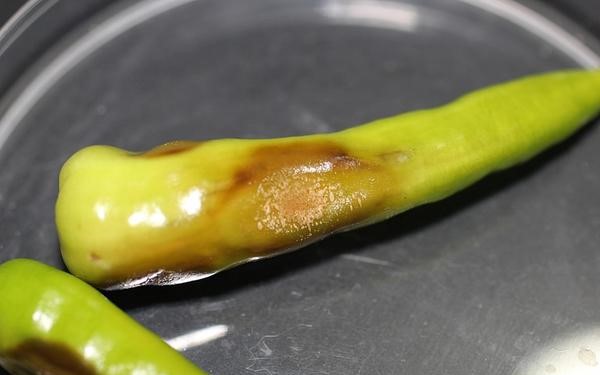
As the disease progresses, symptoms become very characteristic:
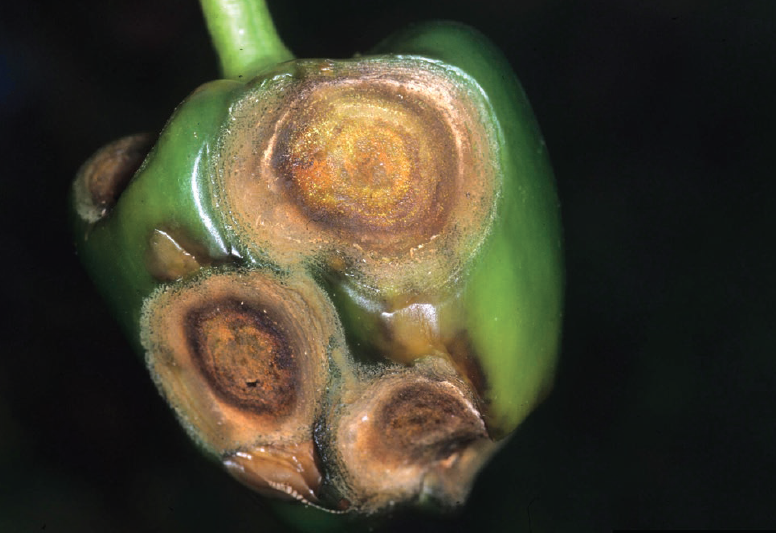
Circular sunken lesions on fruits, often with concentric rings and a darker margin.
Salmon to orange colored spore masses that appear in the center of fruit lesions, especially in wet weather.
Fruits that soften, rot, and become unmarketable even if the outside damage looks limited.
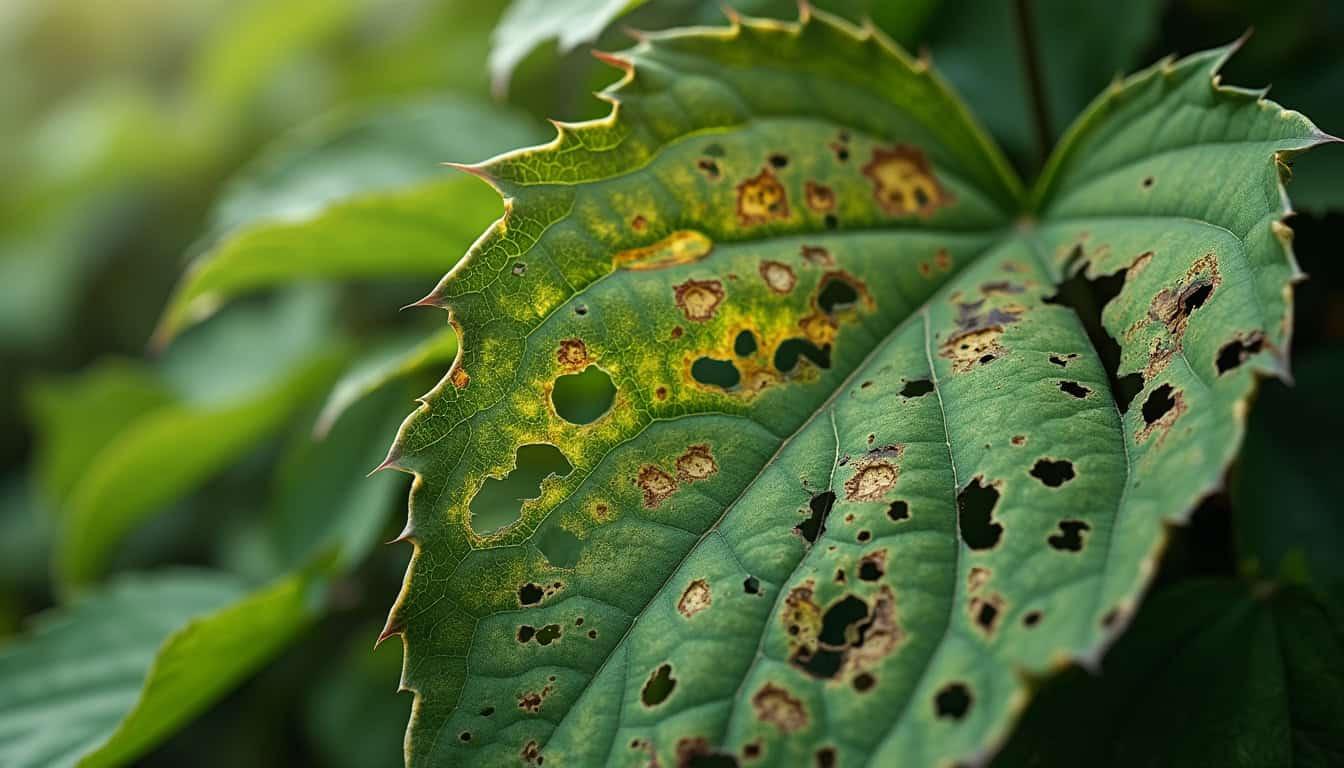
Leaves that develop brown spots, yellow around the lesions, and may drop prematurely when infection is severe.
Stems that show elongated dark lesions, which can weaken branches and reduce fruit production.
These signs together, especially sunken fruit lesions with orange spore masses, strongly point to pepper anthracnose rather than other common pepper diseases.
Simple field checklist
When you scout, ask yourself these questions:
Do you see sunken circular lesions on fruits, not just superficial spotting?
Are there orange or salmon colored spore masses in the center of lesions during humid weather?
Are spots appearing on fruits that looked healthy only a week earlier?
Are lower leaves showing spots and yellowing that started after warm, wet conditions?
If you answer yes to several of these, pepper anthracnose is very likely present and you should begin prevention and treatment steps immediately.
Preventing Pepper Anthracnose Before It Starts
Prevention is usually more cost effective and sustainable than relying only on treatments after the disease appears. Good cultural practices can greatly reduce the chance of serious outbreaks.
Use clean seed and transplants
Starting with clean material is the first line of defense.
Choose certified disease free seed when possible.
If you save your own seed, consider hot water treatment where feasible. Certain guidelines recommend treating pepper seed in warm water at carefully controlled temperatures to reduce surface borne pathogens.
Inspect transplants closely and avoid any that show leaf spots or stem lesions.
Practice crop rotation
Rotation breaks the life cycle of the fungus and prevents it from building up in soil and debris.
Avoid planting peppers or other susceptible solanaceous crops in the same bed for at least three years if you have had severe anthracnose outbreaks.
Rotate with non host crops such as grains, some legumes, or other unrelated vegetables that are not hosts of Colletotrichum species affecting pepper.
Improve air movement and reduce leaf wetness
Pepper anthracnose loves wet leaves and fruits. Anything that helps foliage dry more quickly will reduce infection pressure.
Space plants to allow good air movement between rows and within the canopy. Extension recommendations often suggest at least 30 to 45 centimeters between plants in a row and wider between rows depending on system.
Avoid overhead irrigation when possible. Instead use drip lines or soaker hoses that deliver water to the soil and keep foliage dry.
Remove lower leaves that touch the soil once plants are established. This reduces the chance of spores splashing from soil or debris to foliage.
Sanitation and scouting
Sanitation and regular scouting are the daily habits that separate growers who stay ahead of anthracnose from those who struggle with repeated outbreaks.
Walk your peppers at least once a week during warm and humid periods to look for early symptoms on leaves and fruits.
Remove fruit that shows early lesions and dispose of it away from the field, not in compost where the fungus can survive if conditions are favorable.
At the end of the season, promptly remove or deeply incorporate crop residues so they do not sit on the soil surface and serve as inoculum for the next season.
When prevention practices are in place, the overall infection pressure is much lower, and any treatments you choose will work more effectively.
Treatment Options for Pepper Anthracnose
Even with good prevention, pepper anthracnose can still appear, especially in seasons with prolonged warm and wet weather or in areas where aggressive species such as Colletotrichum scovillei are present. In these cases, timely treatment is essential to protect fruit quality and yield.
Conventional fungicide programs
For commercial or high value plantings, preventive fungicide programs are a standard tool to manage anthracnose.
Many extension programs recommend starting fungicide sprays at early flowering or when small fruits begin to form, even before visible symptoms appear.
For traditional anthracnose populations, sprays are often applied every 10 to 14 days, while for more aggressive species some regions now recommend shorter intervals of 7 to 10 days.
Commonly recommended fungicides for pepper anthracnose management include:
Products based on chlorothalonil or mancozeb as a protective base.
Strobilurin and mixed mode products such as pyraclostrobin, azoxystrobin with difenoconazole, and other Group 11 or mixed mode fungicides, which have strong activity on Colletotrichum species when used in rotation with protectants.
High water volumes and thorough coverage are critical because anthracnose infects fruits, stems, and leaves. Field recommendations for commercial growers often specify 500 to 700 liters of spray solution per hectare to ensure adequate coverage of the canopy.
To slow fungicide resistance, rotate fungicides from different mode of action groups and follow label instructions carefully.
Organic and biological options
Growers who follow organic principles or wish to reduce synthetic fungicide use can turn to biological and mineral based tools. These options work best when they are combined with strong cultural practices and started before heavy infection pressure develops.
Important tools include:
Copper based fungicides that provide a protective barrier on plant surfaces and are widely allowed in organic systems when used according to regulations.
Products based on Trichoderma harzianum, a beneficial fungus that colonizes roots and plant surfaces, competes with pathogens, and produces enzymes that break down fungal cell walls. Studies have shown that Trichoderma can reduce anthracnose severity on peppers and other crops.
Biologicals based on Bacillus subtilis and related species that produce antifungal compounds and can suppress disease when applied regularly as foliar sprays.
Research has also explored compounds from white rot fungi, including a metabolite called schizostatin, which has shown strong activity against Colletotrichum species in laboratory and greenhouse tests. Some experimental formulations have reduced anthracnose severity significantly in trial conditions, although commercial availability may vary by region and time.
These organic and biological approaches often provide good to moderate levels of control when conditions are not extremely favorable for disease and when they are used as part of a broader integrated program rather than alone.
Combined integrated approach
In many real world situations, the most reliable strategy is an integrated approach that combines cultural practices, careful scouting, biological tools, and, when needed, targeted use of conventional fungicides.
A typical integrated program might look like this:
Start the season with clean seed or transplants, rotated fields, and good spacing.
Use drip irrigation and prune lower leaves to keep foliage and fruit as dry as possible.
Apply biological products such as Trichoderma or Bacillus early in the season and continue at regular intervals.
Begin protective fungicide sprays at flowering if disease pressure is expected, rotating among recommended products and using proper coverage.
Continue weekly scouting, remove infected fruits, and adjust spray intervals according to weather and disease pressure.
Field experience and research indicate that integrated programs like this can reduce losses dramatically, often achieving control levels above 90 percent when implemented consistently.
Using AI Tools Like Plantlyze for Faster Diagnosis
Correct and quick diagnosis is the foundation of effective disease management. Many pepper problems look similar at first glance, and confusing anthracnose with another fruit or leaf disease can lead to wasted time and the wrong treatments.
AI powered plant diagnosis tools such as Plantlyze are designed to help you recognize diseases more accurately by analyzing clear photos of your plants and comparing them to large image libraries and symptom databases. These tools can suggest likely problems such as pepper anthracnose, highlight typical lesion patterns, and guide you toward relevant management information.
If you notice suspicious spots on your peppers, you can use a tool like Plantlyze to quickly check whether the symptoms match anthracnose or another disease before you invest in sprays or make major changes to your management program. You can explore this type of AI based diagnosis and care guidance at Plantlyze dot com.
Practical Action Plan for Growers
When you suspect or confirm pepper anthracnose in your field or garden, it helps to have a clear step by step plan. Here is a simple sequence you can adapt to your situation.
Inspect all pepper blocks within the next few days, not just the area where you saw the first symptoms.
Remove and discard fruits that show clear anthracnose lesions and any severely affected plants.
Check your irrigation system and switch away from overhead watering if possible.
Improve air movement by removing crowded foliage and making sure plant spacing is adequate.
Decide on your treatment approach. For commercial production or severe outbreaks, plan a fungicide program using locally recommended products and intervals. For organic systems, combine copper and biological products with strong cultural practices.
Mark a calendar with spray dates or biological application dates and stick to the schedule, especially in warm and wet periods.
Continue scouting weekly to see whether new infections are slowing or increasing and adjust your program as needed.
By following a structured plan rather than reacting day by day, you give yourself a much better chance of staying ahead of the disease.
Summary of Key Points
Pepper anthracnose is a destructive fungal disease that thrives in warm and humid conditions and can cause severe fruit rot and yield loss if not managed. The disease is caused by Colletotrichum species, including newer aggressive strains, and spreads rapidly through splashing water, infected debris, and contaminated plant material.
The most reliable way to protect your crop is to combine early identification, strong cultural prevention practices, and a thoughtful treatment program that fits your operation, whether that is conventional, organic, or integrated. AI tools like Plantlyze can help you recognize symptoms quickly and give you more confidence that you are dealing with pepper anthracnose rather than another disease, which makes every management decision more effective.
References
Rutgers Plant and Pest Advisory (2025)
https://plant-pest-advisory.rutgers.edu/controlling-pepper-anthracnose-2-2-2-2-2-2-2-2/Ohio State University Extension (2017)
https://u.osu.edu/miller.769/2017/07/08/preventing-anthracnose-in-peppers-and-tomatoes/National Institutes of Health (NIH/NCBI) (2019)
https://pmc.ncbi.nlm.nih.gov/articles/PMC6450573/Novobac (2025)
https://www.novobac.com/blog/pepper-anthracnose-treatment/Plantix Disease Library
https://plantix.net/en/library/plant-diseases/100156/anthracnose-of-pepper/