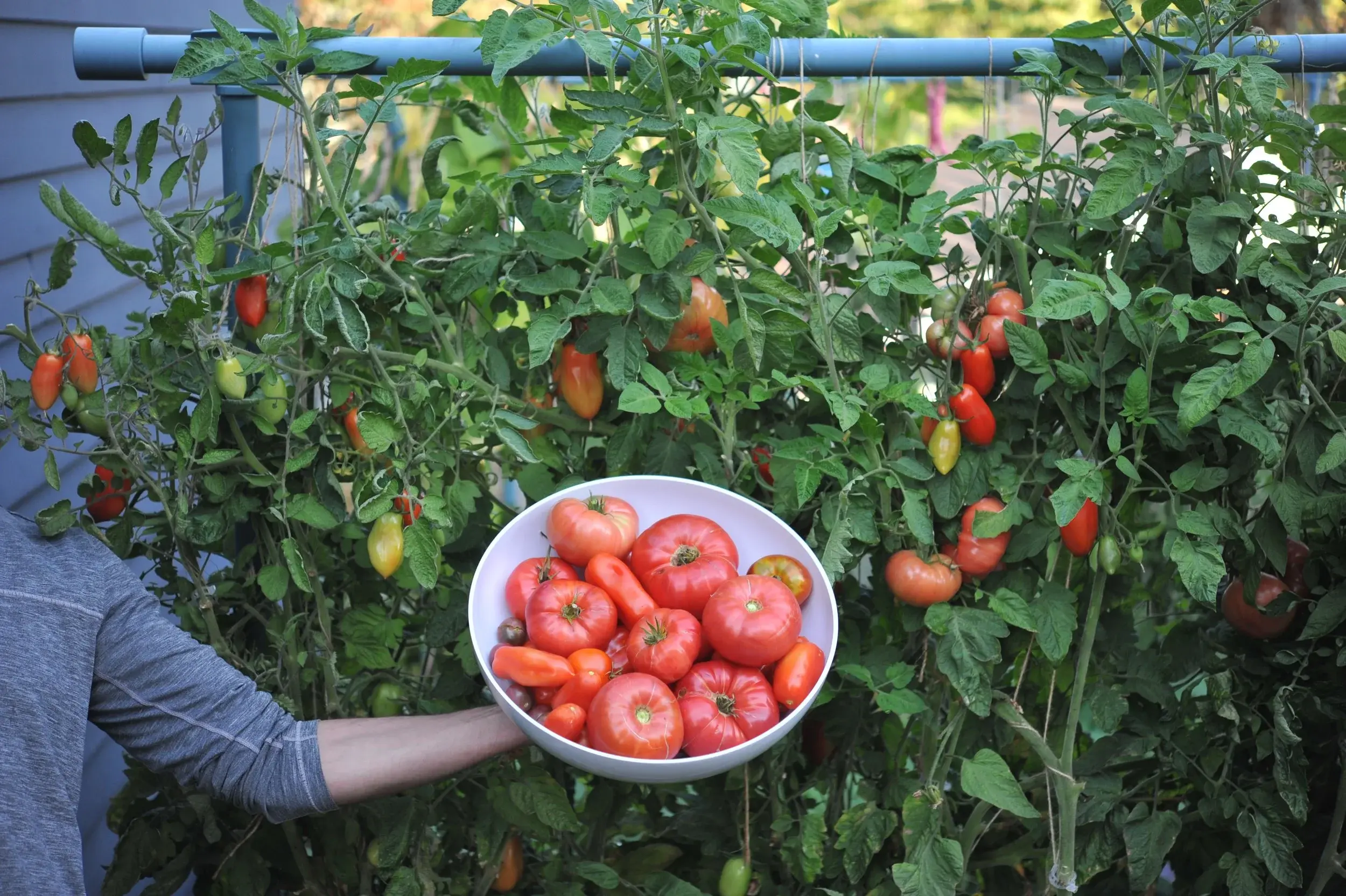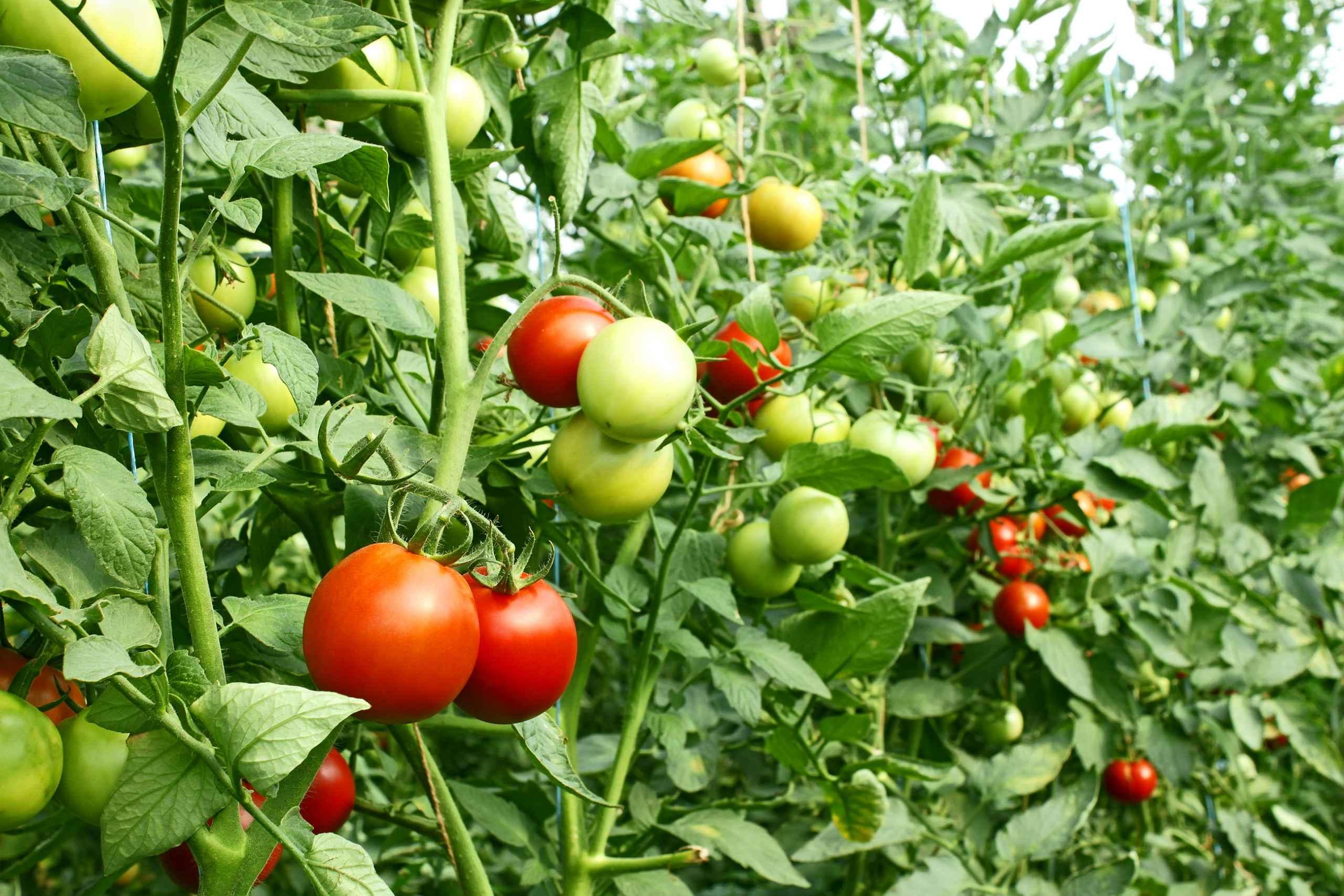
Tomato plants are among the most rewarding crops for home gardeners and farmers alike. However, one viral disease threatens to devastate your harvest before it even begins: Tomato Yellow Leaf Curl Virus (TYLCV). This disease can reduce tomato yields by up to 90%, making it one of the most damaging viral threats to global tomato production. Found predominantly in tropical and subtropical regions, TYLCV is increasingly spreading to temperate zones as climate patterns shift.
The good news?
TYLCV is manageable with the right knowledge and proactive strategies. This comprehensive guide walks you through everything you need to know about recognizing, preventing, and managing this disease. Whether you grow tomatoes in a backyard garden or on a larger scale, early detection and prevention are your strongest defenses. Tools like Plantlyze can help you identify symptoms quickly and take action before the disease spreads through your plants.
What Is Tomato Yellow Leaf Curl?
Tomato Yellow Leaf Curl Virus is a DNA virus belonging to the Begomovirus genus within the Geminiviridae family. This classification matters because it tells us important information about how the virus behaves and spreads. Unlike some plant viruses that can be managed through treatment once infection occurs, TYLCV requires a prevention-focused approach.
This virus ranks among the most economically damaging plant pathogens worldwide. It doesn't only affect tomatoes. Eggplants, peppers, potatoes, beans, and tobacco are also susceptible hosts. The virus originated in the Mediterranean region but has since spread across tropical and subtropical areas globally.
The virus works by invading plant cells and disrupting normal photosynthesis and nutrient transport systems. When a whitefly carrying the virus feeds on a tomato plant, it injects the virus into the plant's vascular system. From there, the virus replicates rapidly, causing the characteristic yellowing and leaf curling that gives the disease its name.
What makes TYLCV particularly challenging is that there is no cure once a plant is infected. The virus remains in the plant's tissues throughout the growing season, progressively worsening symptoms and reducing productivity. This reality makes understanding prevention strategies absolutely critical for successful tomato cultivation.
Identifying TYLCV Symptoms
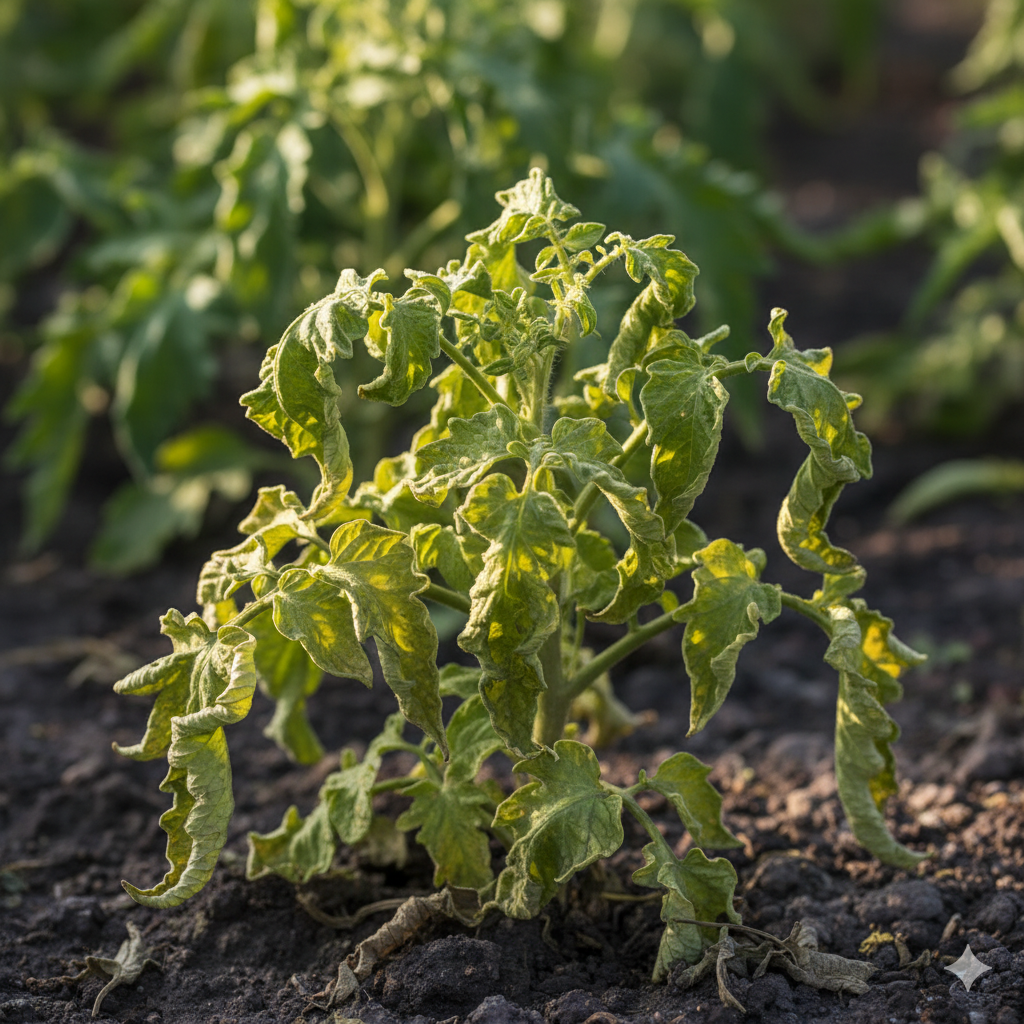
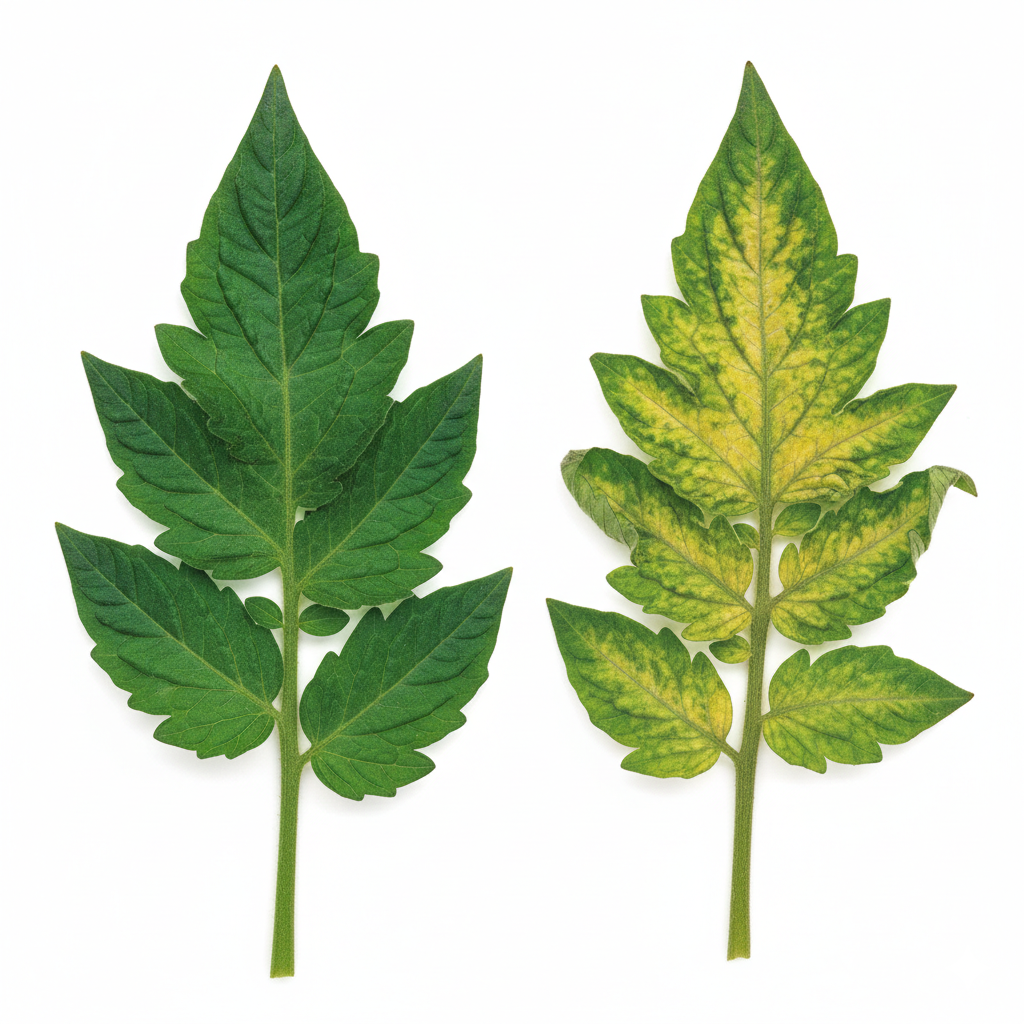
The earliest signs of TYLCV appear on newly emerged young leaves. You'll notice yellowing that starts at the leaf margins and progresses toward the center. This yellowing often follows the veins of the leaf, a pattern called interveinal chlorosis. At this stage, the plant may appear slightly stunted, but the damage can be easily overlooked if you're not watching carefully.
Early detection at this stage is crucial because the plant still has the potential for some productivity if management begins immediately. Weekly inspections of your young plants during the growing season significantly increase your chances of catching the disease before it causes severe damage.
As TYLCV progresses, the symptoms become unmistakable. Leaves develop a distinctive upward and downward curl, creating a crumpled, distorted appearance. The leaf margins may show severe yellowing while the center remains somewhat green, though the texture becomes leathery and brittle. The plant itself becomes noticeably stunted and takes on a bushy appearance due to short internodes (the spaces between leaves).
One of the most telling signs of advanced infection is flower drop. Infected plants may produce flowers, but these drop before setting fruit or develop into severely misshapen fruits. In severe cases, plants produce virtually no marketable fruit at all. The overall plant vigor deteriorates as the virus depletes the plant's energy reserves.
TYLCV symptoms can sometimes resemble other plant problems, so proper diagnosis matters. Nutrient deficiencies typically appear uniformly across the entire crop, affecting older leaves first. TYLCV appears unevenly across plants in your garden, often affecting only certain plants while leaving neighbors unaffected.
Environmental stress from drought or excessive heat causes symptoms that begin on lower, older leaves and progress upward. TYLCV starts on young, emerging leaves at the plant's top and progresses downward. This pattern difference is a reliable diagnostic feature.
Whitefly damage causes stippling and yellowing but lacks the distinctive leaf curling characteristic of TYLCV. Additionally, whitefly damage improves somewhat if you control the insect population, while TYLCV continues worsening regardless.
How TYLCV Spreads: The Whitefly Connection
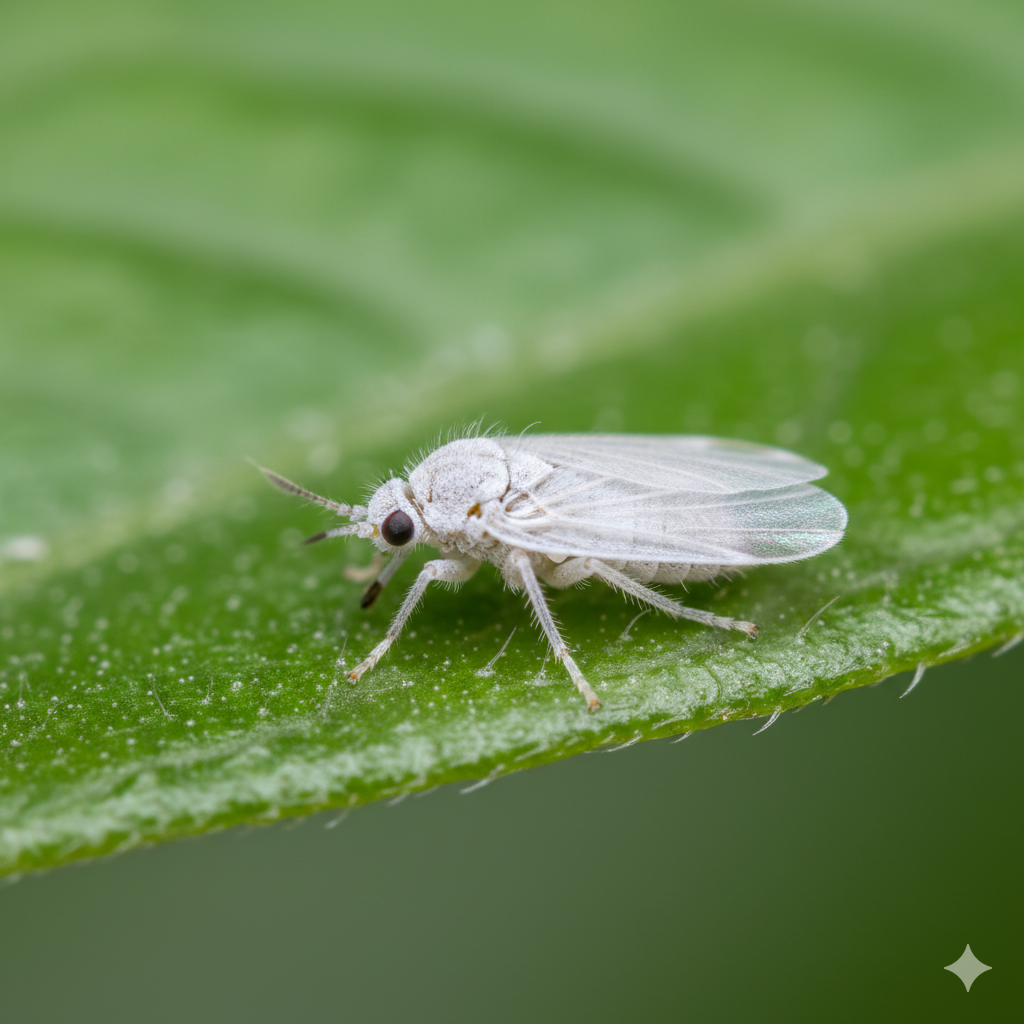
The silverleaf whitefly (Bemisia tabaci) is the sole insect vector for TYLCV transmission. This tiny insect, typically less than 2mm long, feeds on plant sap and, in the process, acquires and transmits the virus. Without whiteflies, TYLCV cannot spread from plant to plant in the field.
The Q biotype of Bemisia tabaci represents the most efficient virus transmitter. Female whiteflies of this biotype are particularly effective at acquiring and transmitting TYLCV. Understanding this vector's behavior is essential to implementing effective prevention strategies.
When a whitefly lands on an infected plant and begins feeding, the virus enters the insect's digestive system. Over approximately 48 hours, the virus travels through the insect's body and enters the salivary glands. Once in the salivary glands, any subsequent feeding on a healthy plant results in virus injection into that plant's vascular system.
Interestingly, the whitefly remains a virus carrier for its entire life, which can extend several weeks under favorable conditions. A single infected whitefly can transmit the virus to multiple plants throughout its lifetime, making whitefly control absolutely essential.
The Q biotype possesses a remarkable efficiency at transmitting TYLCV compared to other Bemisia tabaci biotypes. This efficiency, combined with the Q biotype's ability to reproduce rapidly and develop resistance to insecticides, makes this particular biotype especially problematic.
Additionally, the virus can be transmitted from whitefly to whitefly through sexual contact. Perhaps most troubling, infected females can pass the virus to their offspring through a process called transovarial transmission. This inheritance of the virus means that offspring are born already carrying TYLCV, creating a continuous cycle of potential transmission from the moment they begin feeding.
Why Prevention Is the Only Real Solution
Here's the hard truth that every tomato grower must accept: there is no cure for TYLCV once a plant is infected. Viruses don't respond to fungicides or most conventional treatments the way fungal or bacterial diseases do. Antiviral compounds exist in laboratory settings, but none are practically available or economically viable for home or commercial tomato production.
This reality fundamentally changes your approach. You cannot afford to wait and see if a plant recovers. You cannot treat an infection and expect the plant to return to normal productivity. Your only viable strategy is prevention through whitefly control and rapid removal of any infected plants.
Prevention is also the most cost-effective approach. The expense of implementing prevention strategies is far less than the economic loss from a crop failure. A single infected plant allowed to remain in your garden becomes a virus factory, producing more virus and spreading it to neighboring plants through visiting whiteflies.
This is precisely why early detection using tools like Plantlyze is invaluable. By identifying infected plants while they still have some productivity potential, you can remove them before they infect your entire crop.
Proven Prevention and Management Strategies
Since whiteflies are the only vector for TYLCV transmission, controlling whitefly populations is your first line of defense. Start implementing whitefly control measures approximately 4 to 5 weeks after planting, before populations have a chance to build up.
Insecticidal sprays containing neonicotinoids like thiamethoxam are highly effective against whiteflies. These systemic insecticides are absorbed by the plant and distributed through its tissues, killing whiteflies as they feed. Apply these treatments on a regular schedule, typically every 7 to 10 days, continuing throughout the fruit-bearing period.
Timing is absolutely critical. You must maintain whitefly control pressure throughout the season because even a brief lapse allows populations to rebound. A single visit by infected whiteflies can introduce the virus to your entire garden.
Organic alternatives include insecticidal soaps, horticultural oils, and neem oil. These provide control but typically require more frequent applications than chemical insecticides. Biological control agents like parasitic wasps can supplement your control strategy, though they work best in protected environments like greenhouses.
Modern tomato breeding has produced excellent varieties with resistance to TYLCV. These resistant varieties don't provide absolute immunity, but they do provide substantial protection. When infected, resistant plants show much milder symptoms and produce significantly more marketable fruit than susceptible varieties.
Resistant tomato varieties include Shanti, Security, Tigres, and Imber. Many regional varieties have also been bred for TYLCV resistance. When shopping for seeds or transplants, look for seed packets or plant labels indicating TYLCV resistance.
Modern resistant varieties have been extensively improved for horticultural traits. They're not sacrificing flavor, productivity, or growth habit for resistance. Many home gardeners find resistant varieties perform extremely well with excellent taste and yields.
It's important to understand that resistance is not immunity. Even resistant plants can become infected with TYLCV, and virus will accumulate in their tissues. However, resistant plants show dramatically fewer symptoms, maintain much better productivity, and suffer far less yield loss than susceptible varieties. Resistance significantly extends the window for management and recovery.
Excellent cultural practices create an environment less favorable for whiteflies and reduce disease transmission opportunities. Weed control around your garden is essential because many wild plants serve as alternate hosts for whiteflies. Eliminate weeds not just in your garden but around its perimeter to reduce nearby whitefly populations.
Field sanitation involves promptly removing and properly disposing of crop residue after harvest. Whiteflies can survive in plant debris, emerging later to infest new plantings. Never leave old tomato plants in or near your garden area.
Planting timing can reduce disease pressure in regions with strong seasonal patterns. In areas where whitefly populations crash during cool seasons, avoiding planting during peak whitefly periods reduces infection risk.
Regular monitoring throughout the growing season is non-negotiable. Walk through your garden at least weekly, examining young leaves for early yellowing symptoms. Check the undersides of leaves for whitefly presence. The more frequently you inspect, the earlier you'll catch problems.
Reflective mulches made from aluminum foil or reflective plastic confuse whiteflies. These mulches reflect UV light in patterns that disorient whiteflies, reducing their ability to find plants. While not a complete solution, reflective mulches significantly reduce whitefly landing rates and can be part of an integrated approach.
Row covers on young plants provide complete protection from whiteflies during vulnerable early growth stages. Use fine mesh covers that exclude insects while allowing water and light penetration. Remove covers once plants begin flowering to allow pollinator access.
Greenhouse screening protects seedlings during the critical transplant production phase. Whiteflies cannot access seedlings in a properly screened greenhouse, ensuring your transplants start clean and virus-free.
Insect netting with mesh fine enough to exclude whiteflies can protect small garden plots, though larger agricultural operations typically find this approach impractical.
If you find infected plants despite your best prevention efforts, removing them immediately becomes your priority. The longer an infected plant remains in your garden, the more virus it produces and spreads.
Use sealed plastic bags to contain the infected plant and any whiteflies on it. Carefully cut the plant below the bag, trapping the plant material and insects inside. Allow the bagged plant material to sit for 1 to 2 days, permitting desiccation to kill whiteflies.
Never compost infected plant material. Dispose of bagged plants in your municipal garbage or burn them if local regulations permit. Whiteflies can survive composting temperatures and emerge later to reinfest your garden.
Some growers find it helpful to remove not just obviously infected plants but also any neighboring plants that show even subtle yellowing. While this seems wasteful, removing potentially infected plants before symptoms fully develop prevents further virus spread.
Detecting and Diagnosing TYLCV Early
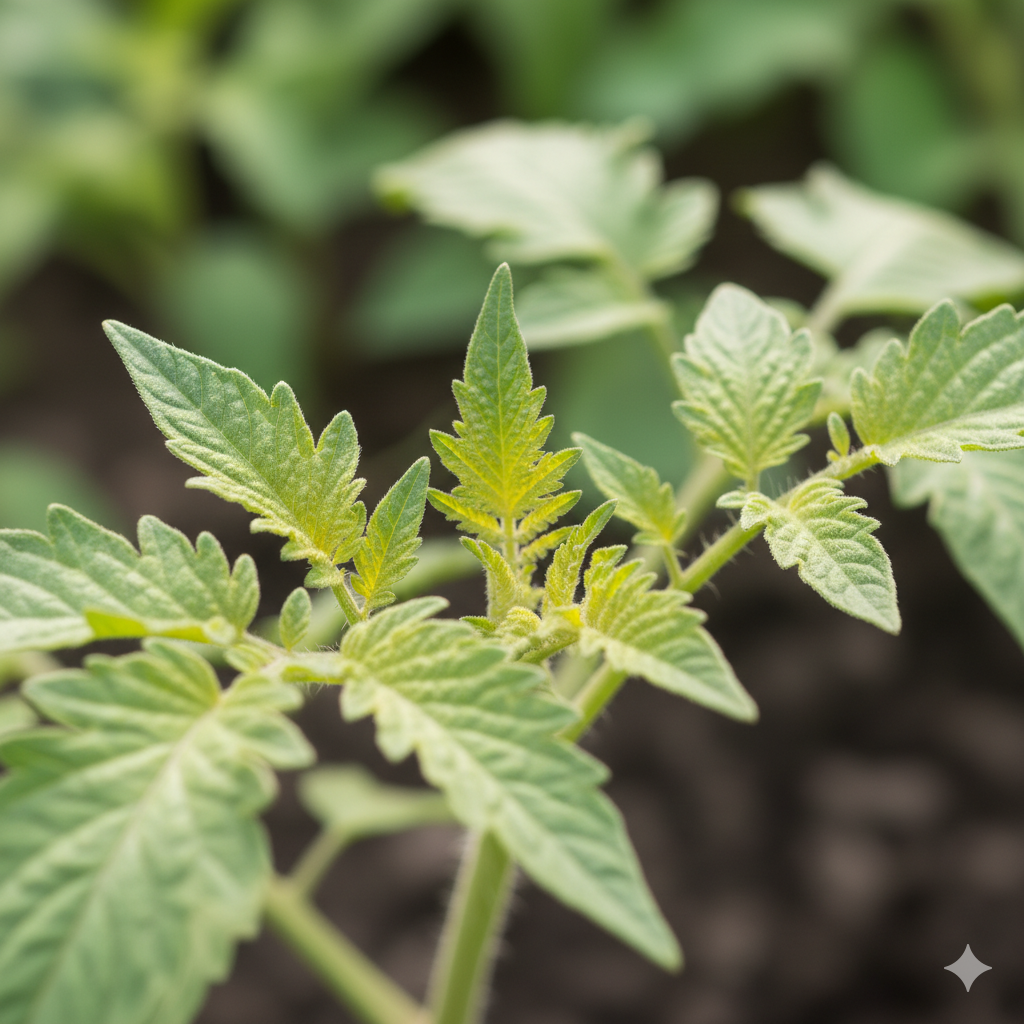
Regular plant monitoring is your first step toward successful TYLCV management. Inspect your plants weekly, paying particular attention to young, newly emerging leaves where TYLCV symptoms appear first. Compare your plants for consistency in appearance. TYLCV doesn't affect your entire crop uniformly; some plants show severe symptoms while immediate neighbors remain symptom-free. This patchy distribution pattern is characteristic of TYLCV transmission by mobile whitefly vectors.
When you notice suspicious symptoms, take action immediately. Take photographs of affected leaves from multiple angles. Modern diagnostic tools can analyze these images to help confirm your suspicions.
Plantlyze offers AI-powered plant diagnosis that analyzes photos of affected leaves and provides instant assessment. Upload an image of suspicious symptoms to receive an instant diagnosis and personalized care recommendations for your specific situation. This technology is particularly valuable when you're uncertain whether symptoms indicate TYLCV or another problem.
For persistent uncertainty, contact your local agricultural extension office. Many extension services offer free diagnostic services where you can mail samples or bring them in person. State diagnostic labs can confirm TYLCV through serological testing or molecular methods if visual diagnosis remains inconclusive.
Keep garden records documenting when symptoms appear, which plants are affected, and what management actions you take. Over time, this record provides valuable information about disease patterns in your specific garden location.
TYLCV and Your Tomato Harvest
The timing of infection dramatically affects yield loss. Plants infected during the seedling stage experience severe stunting, often producing no fruit at all. These plants rarely justify continued cultivation beyond removal.
Mid-season infection, after plants have set some fruit, results in partial yield loss. Existing fruits continue to develop, but new flowers abort, and fruit quality often declines. You might salvage 30 to 50% of potential yield from mid-season infections, depending on timing.
Late-season infection, just as plants begin declining naturally, may result in minimal yield loss since the main harvest is already complete. This timing represents the least damaging scenario.
Early prevention is so critical precisely because infection timing so dramatically affects productivity. Preventing infection during the early critical period protects the vast majority of your potential harvest.
TYLCV Around the World: Regional Considerations
Tomato Yellow Leaf Curl Virus is more prevalent in warm climates where whiteflies thrive. Tropical and subtropical regions experience year-round disease pressure with multiple whitefly generations annually. Temperate regions traditionally experienced TYLCV only sporadically, during warm months, or not at all.
This pattern is changing. Rising global temperatures are extending the growing season for whiteflies in temperate regions. Some areas that historically saw TYLCV only occasionally now experience regular disease pressure.
Different geographical regions host different TYLCV strains. These strains can vary in severity and symptom expression. Some resistance that works against one strain may be less effective against another. Additionally, resistance-breaking strains have emerged in some regions, such as North Africa, that can overcome genetic resistance in some tomato varieties.
Your specific region's disease pressure depends on local climate, whitefly populations, and existing TYLCV incidence. Check with your local agricultural extension office to understand TYLCV risk in your area and receive regionally specific management recommendations.
Working with Extension Services and Experts
Your local agricultural extension office is an invaluable resource for TYLCV management. These university-based services provide free or low-cost diagnostic services where you can have suspected TYLCV confirmed by trained specialists.
Extension offices maintain current information about disease prevalence in your region, recommended resistant varieties for your area, and seasonal management timing appropriate for your climate. They can advise on which management strategies work best in your specific location and which pesticides are currently recommended.
Many extension services offer diagnostic photos or samples by mail. You can photograph a suspicious plant and email the image, or you can mail leaf samples for confirmation. The turnaround time is typically just a few days.
Extension websites provide detailed fact sheets about TYLCV management, resistant varieties, and whitefly biology specific to your region. These free publications represent decades of research compiled into practical, actionable information.
Plantlyze offers an accessible first-line diagnostic option. Use Plantlyze to quickly assess suspicious symptoms and get preliminary guidance. If you remain uncertain or need professional confirmation, follow up with your extension office.
Conclusion and Action Plan
Tomato Yellow Leaf Curl Virus is a serious threat, but you now understand that it's entirely manageable with proper prevention and early detection. TYLCV cannot be cured once infection occurs, but infection is preventable. This shift in mindset from treatment to prevention is crucial.
Your action plan is straightforward:
First, choose resistant varieties for your next planting. Resistant varieties provide real protection while maintaining excellent flavor and productivity. Second, implement whitefly control starting early in the season and continuing consistently throughout fruit development. Third, monitor your plants regularly, inspecting them weekly for early yellowing and leaf curling symptoms. Fourth, remove any infected plants immediately if symptoms develop despite your preventive efforts. Fifth, use modern diagnostic tools like Plantlyze to quickly and accurately identify problems as they arise.
Integrated pest management works because it combines multiple strategies into a comprehensive approach. No single strategy provides complete protection, but resistance plus whitefly control plus cultural practices plus early detection equals reliable TYLCV management.
The stakes are high. A single season of crop failure affects not just your harvest but also your enthusiasm for growing tomatoes next year. But the good news is that success is completely within your control. Thousands of gardeners worldwide successfully grow delicious tomatoes in TYLCV-prone areas through the strategies outlined here.
Ready to protect your tomatoes? Start by downloading the Plantlyze app or visiting plantlyze.com to access AI-powered plant diagnosis and receive personalized care recommendations for your garden. Early detection and expert guidance are your best defense against TYLCV. Take action today, and enjoy a bountiful tomato harvest this season and many seasons to come.
References
NC State Extension Publications. (2023). Tomato Yellow Leaf Curl Virus. Retrieved from https://content.ces.ncsu.edu/tomato-yellow-leaf-curl-virus
University of Florida IFAS Extension. (1996). Tomato Yellow Leaf Curl Virus Management for Homeowners. Retrieved from https://ipm.ifas.ufl.edu
Kaybee Bio. (2025). Effective Control Measures on Tomato Leaf Curl Virus. Retrieved from kaybeebio.com
Frontiers in Plant Science. (2016). Implications of the Whitefly Bemisia tabaci in Geminivirus Transmission. Retrieved from https://www.frontiersin.org/journals/plant-science
Wikipedia Contributors. Tomato Yellow Leaf Curl Virus. In Wikipedia, The Free Encyclopedia. Retrieved from Wikipedia