You've invested time in planting your tomatoes, carefully nurturing them through spring, and anticipating a bountiful harvest. Then you notice small circular spots appearing on the lower leaves. Your heart sinks because you recognize this problem, or you panic because you don't. This scenario plays out in thousands of gardens each year, and it usually signals the arrival of septoria leaf spot, one of the most frustrating fungal diseases that tomato growers face.
Septoria leaf spot is particularly destructive during warm, humid weather, and it spreads quickly if left unchecked. The good news? You can stop it. Understanding what causes this disease, recognizing its early signs, and implementing the right treatment strategies will protect your plants and save your harvest.
This guide will walk you through everything you need to know about septoria leaf spot, from identification to treatment to long term prevention.
What Is Septoria Leaf Spot and Why It Matters
Septoria leaf spot results from infection by a fungus called Septoria lycopersici. This pathogen is one of the most destructive diseases of tomato foliage, particularly in regions where wet and humid weather persists for extended periods. The disease earned its destructive reputation because it attacks tomatoes at any stage of development and spreads rapidly once established.
The fungus thrives in warm, wet conditions. Temperatures between 60 and 77 degrees Fahrenheit create ideal growing conditions for the pathogen. High humidity and leaf wetness accelerate disease development, which is why garden tomatoes often struggle after extended rainy periods or in areas with persistent morning dew.
The disease begins with overwintered fungal structures that survive on infected plant debris left in soil from previous seasons. When conditions become favorable, these spores spread to new plants through splashing water, windblown rain, irrigation spray, mechanical contact during pruning, and even insect activity. Once spores land on a tomato leaf, they can germinate within 48 hours and establish infection within five days if moisture is present.
Understanding this cycle is crucial because it reveals why prevention works so well. By breaking this chain at any point, you can dramatically reduce disease pressure.
Identifying Septoria Leaf Spot on Your Tomatoes
Early identification is your strongest defense against septoria. The disease has distinctive characteristics that become obvious once you know what to look for.
Visual Symptoms
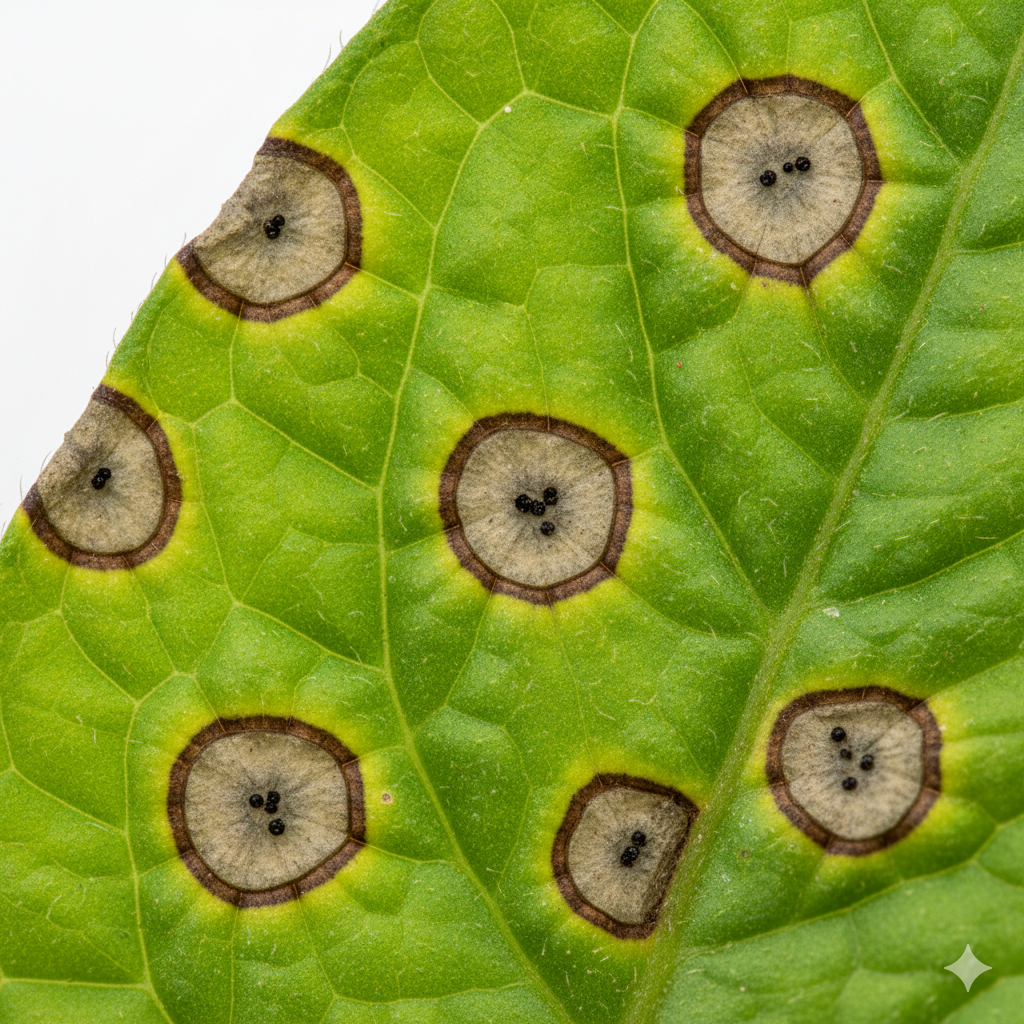
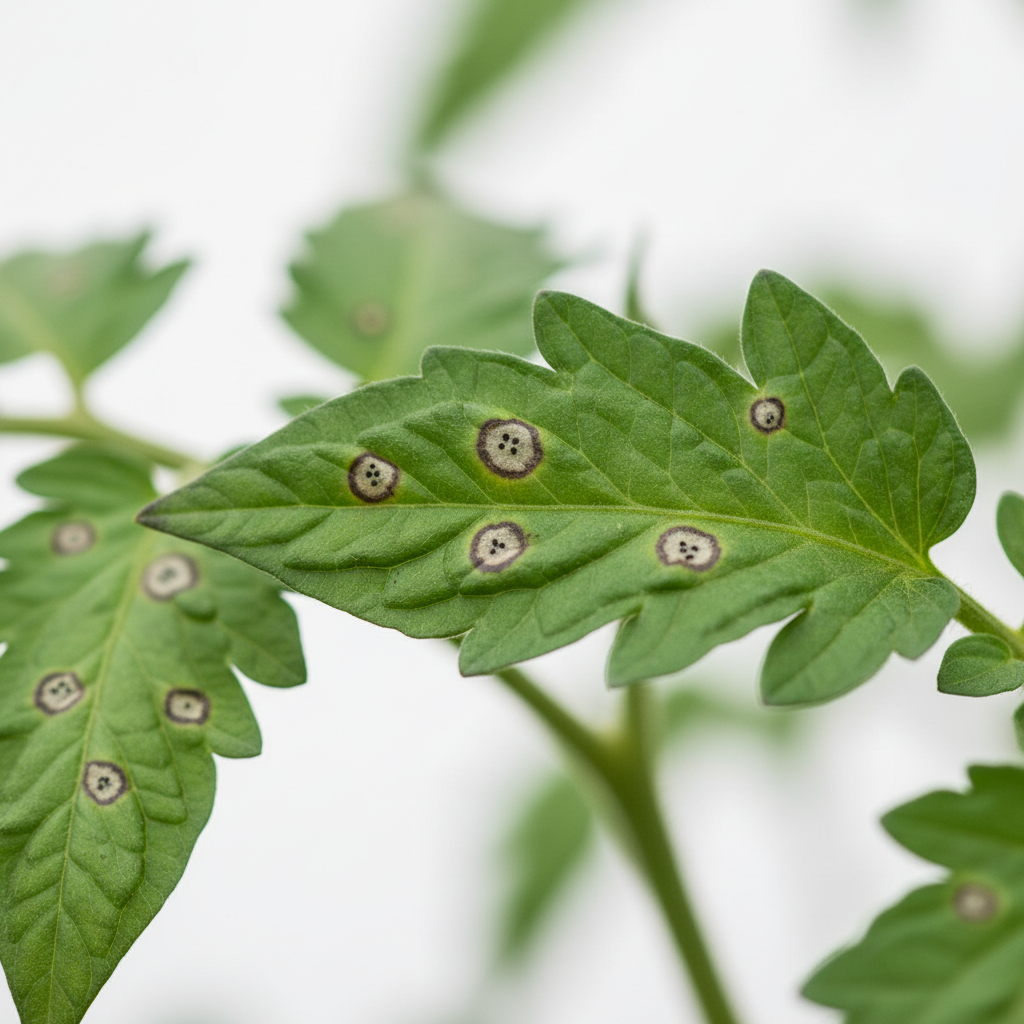
Septoria leaf spot typically appears first on the lowest leaves after the first fruit sets on your plant. The spots are small and circular, measuring roughly one sixteenth to one quarter inch in diameter. Each spot features a distinctive appearance: a gray or tan center surrounded by a dark brown margin. This creates a bull's eye appearance that differs noticeably from other tomato diseases.
As you examine the infected leaves closely, you'll notice something unique in the centers of mature lesions. Small black specks resembling flecks of black pepper dot the spot's interior. These structures are called pycnidia, which are the fruiting bodies of the fungus that produce and release spores. The presence of visible pycnidia is the definitive sign that you're dealing with septoria and not early blight, another common tomato disease.
Disease Progression
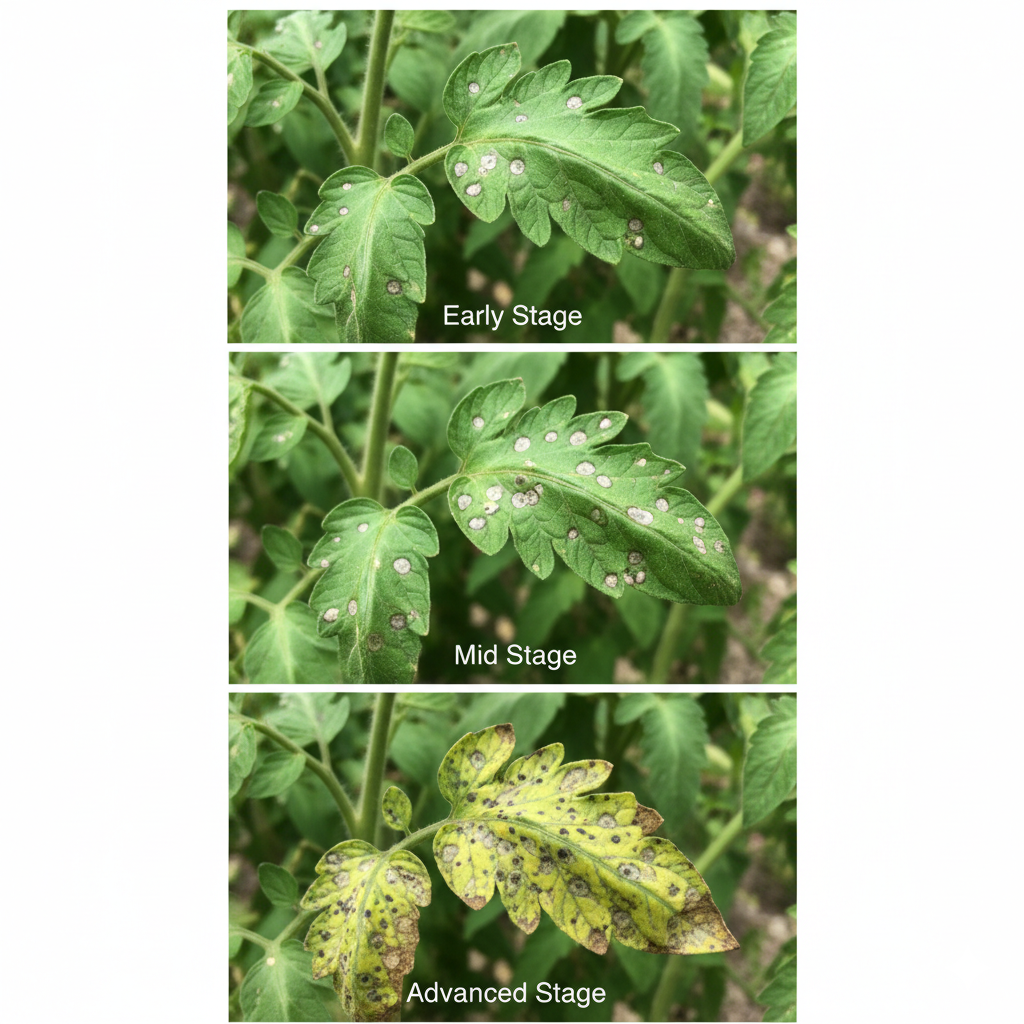
The disease progresses upward from older to younger leaves as it moves up the plant. If spots remain numerous on a single leaf, the leaf tissue becomes damaged and discolored. Initially, affected leaves turn slightly yellow, then brown, and finally wither and drop from the plant. In severe cases, extensive defoliation can occur, exposing tomato fruits to direct sunlight and causing sunscald.
Distinguishing Septoria from Early Blight
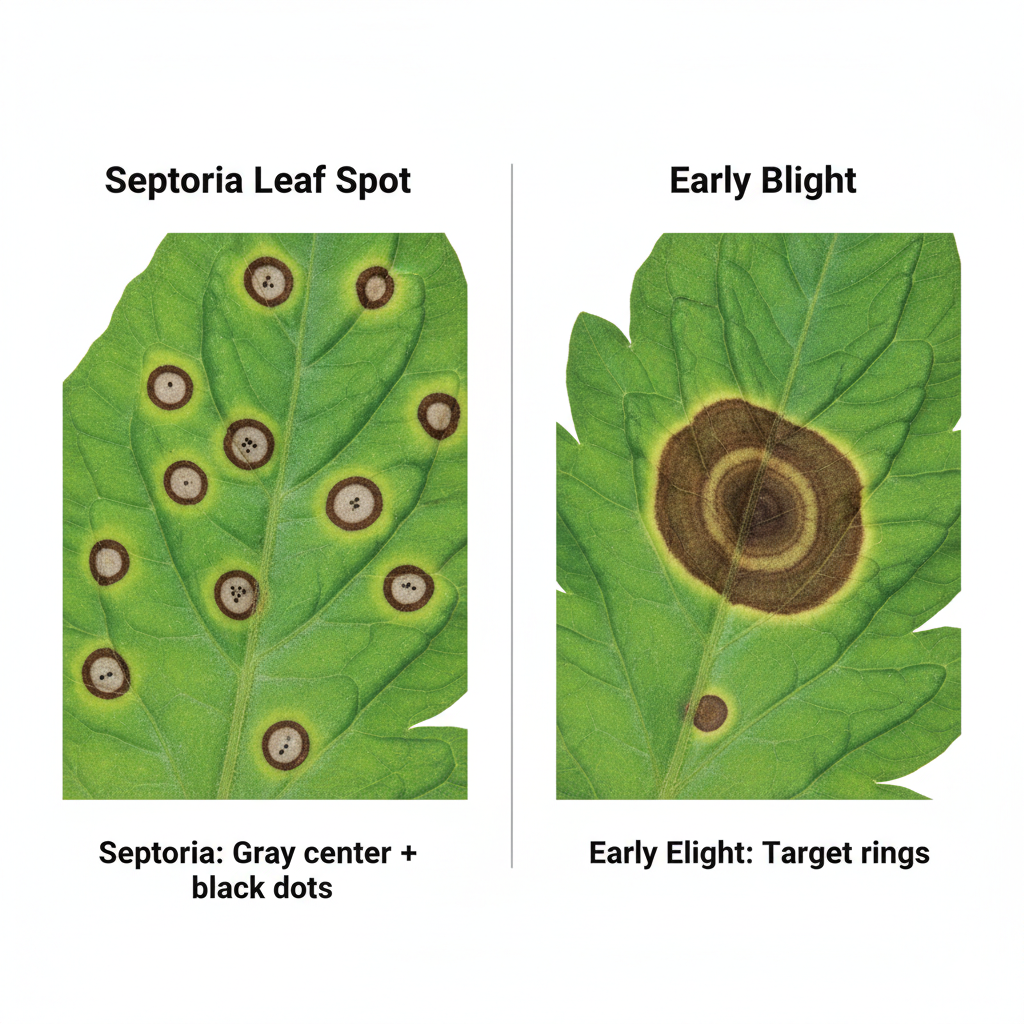
Early blight and septoria leaf spot both cause circular spots on tomato leaves, which causes confusion among gardeners. However, two key differences separate them. First, early blight lesions display the characteristic concentric ring pattern (resembling a target or bull's eye), while septoria lacks this feature. Second, only septoria lesions contain visible pycnidia, the small black fruiting structures mentioned earlier. If you observe those distinctive black specks, you can confidently diagnose septoria.
Prevention: Your First Line of Defense
Preventing septoria leaf spot is far easier than treating an established infection. Several cultural practices work together to create an environment where the disease struggles to gain a foothold.
Improve Air Circulation
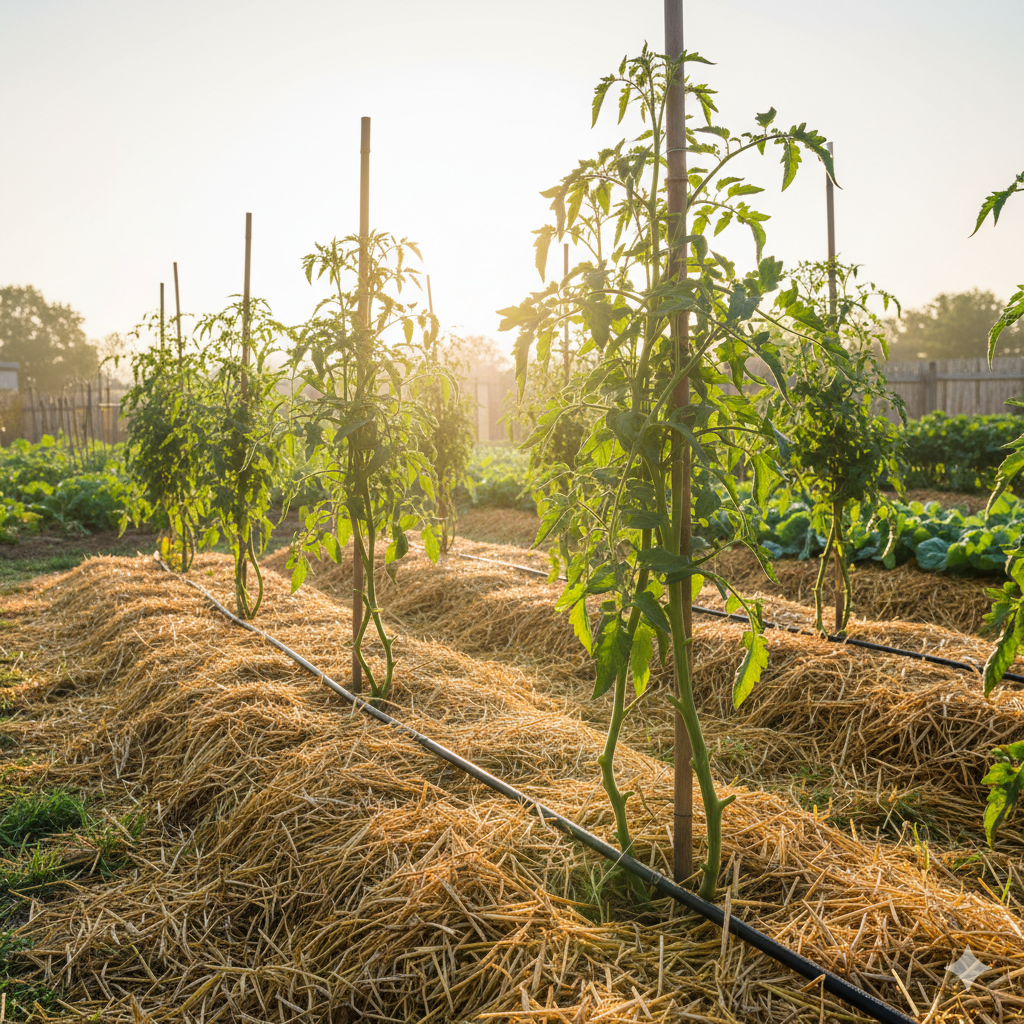
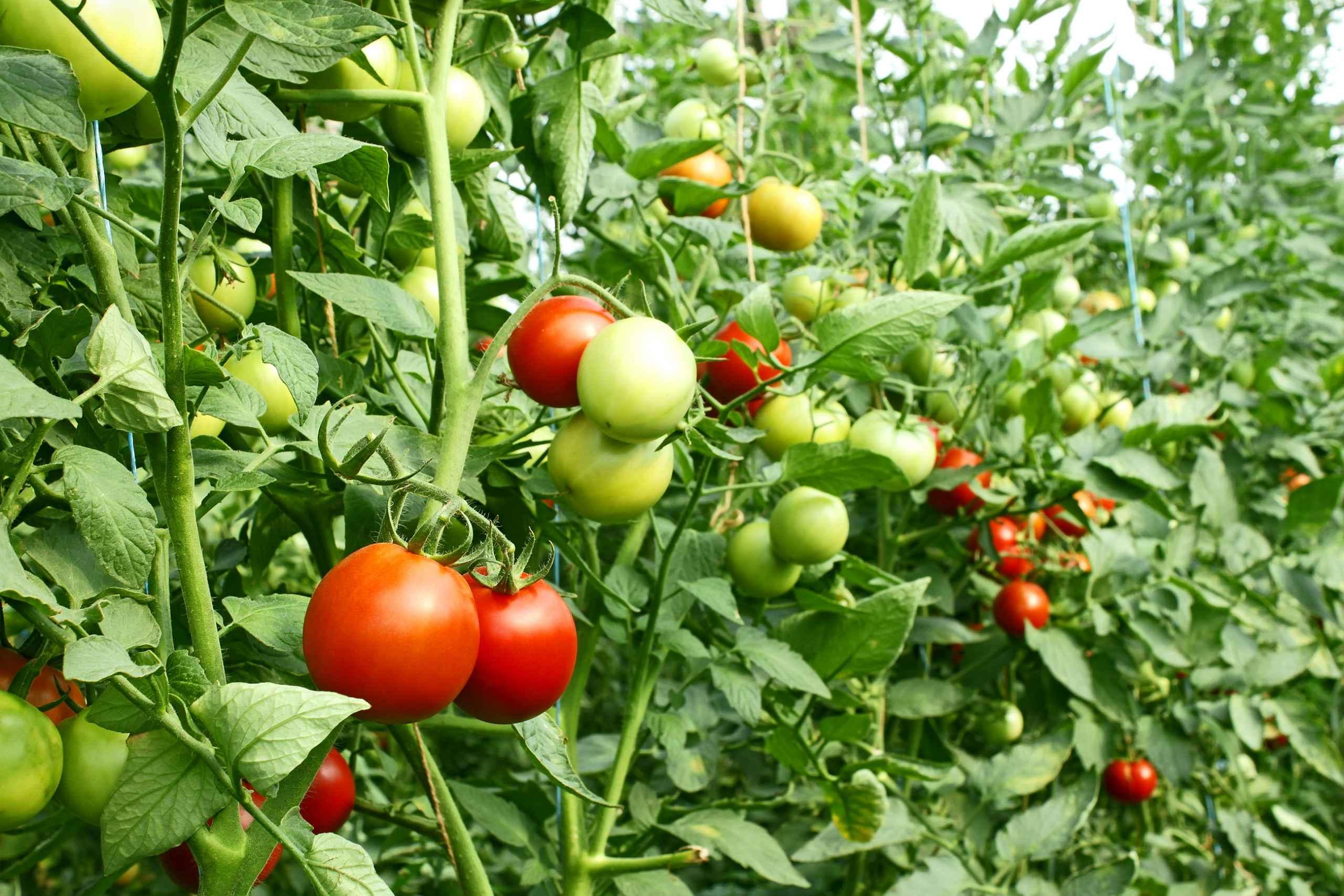
Stagnant, humid air encourages fungal spore germination. You can combat this by staking or caging your plants to lift them off the ground. This allows air to flow beneath and around the foliage, helping leaves dry faster after they get wet. Faster drying times reduce the window of opportunity for spores to germinate.
Pruning lower branches and removing some lower leaves also improves airflow and reduces humidity around the plant canopy. This practice serves double duty because it removes the very leaves most likely to develop symptoms first.
Apply Mulch Strategically
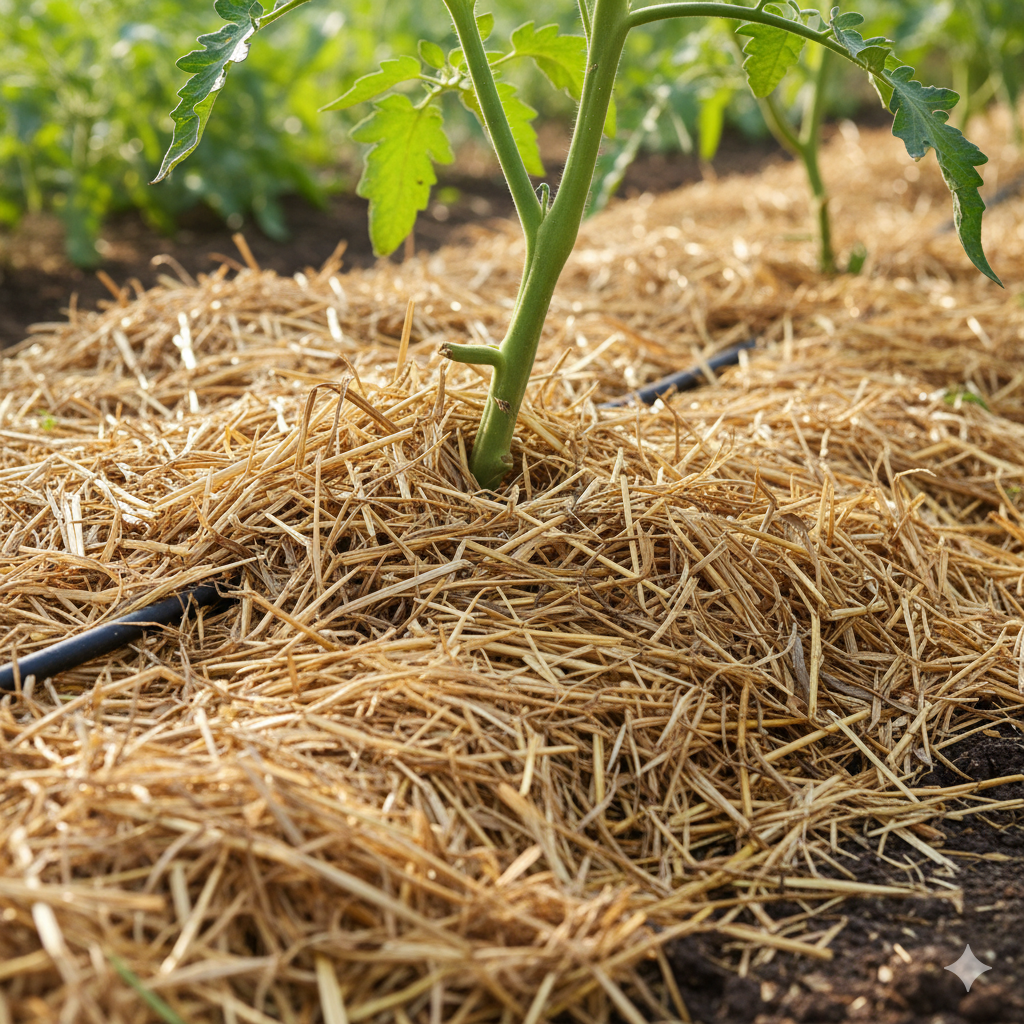
Mulch plays an important protective role. A layer of mulch around the plant's base prevents soil from splashing onto leaves during rain or watering. Since spores survive in soil and plant debris, reducing splash directly reduces disease transmission. Apply two to four inches of organic mulch such as straw, but wait until the soil has warmed in late spring to prevent cold soil issues.
Manage Water Application
Overhead watering wets the foliage and creates the moist conditions that spores need to germinate. Drip irrigation or soaker hoses deliver water directly to the soil, keeping leaves dry. If you must use overhead watering, do it early in the morning so leaves dry quickly as temperatures rise throughout the day.
Maintain Proper Plant Spacing
Crowded plants create humid microclimates where moisture lingers. Adequate spacing improves air circulation and allows sunlight to reach the lower portions of the plant. This faster drying reduces infection risk significantly.
Use Resistant Varieties
Not all tomato varieties have equal susceptibility to septoria. Some hybrids offer resistance to the disease. Consulting your local extension office or seed catalogs for resistant varieties in your region is worthwhile, especially if septoria has troubled your garden in previous years.
Practice Crop Rotation and Sanitation
Septoria spores can survive for years in plant debris left in the garden soil. After the season ends, remove all infected plant material and either burn it or dispose of it in a sealed bag. Do not compost diseased plants. Rotating tomato crops to different garden areas annually helps break the disease cycle. Allow at least three years before planting tomatoes in a previously infected spot.
Treatment Options for Infected Plants
Once septoria appears on your plants, control becomes more challenging. However, several effective treatment options exist.
Organic Fungicide Approaches
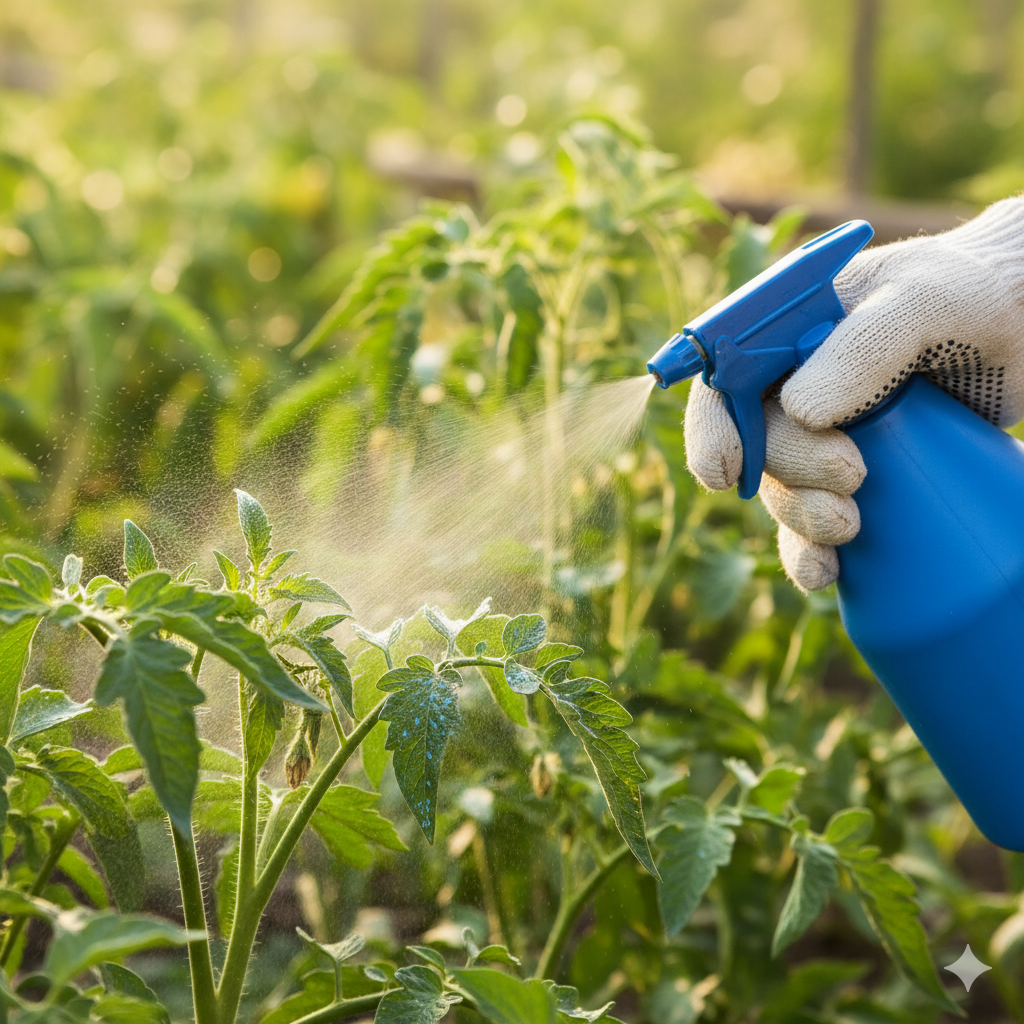
Copper fungicides rank among the most effective organic treatments for septoria. Copper compounds like copper hydroxide, copper sulfate, and copper octanoate work by preventing fungal spore germination. For best results, apply copper fungicides at 7 to 10 day intervals starting at the first sign of infection.
Another organic option uses Bacillus subtilis, a beneficial bacterium that combats various fungal diseases including septoria. This biological fungicide offers a gentler alternative to copper but may require more frequent applications.
Chemical Fungicide Options
If organic methods prove insufficient, chemical fungicides offer effective control. Chlorothalonil based fungicides are particularly effective against septoria. Mancozeb fungicides also show good results. These must be applied at 7 to 10 day intervals before harvest, following all label restrictions regarding harvest timing.
Immediate Actions for Infected Plants
Upon discovering infected leaves, promptly remove them if you catch the disease early. However, use caution here: removing leaves above where fruit has already set weakens the plant and exposes fruit to sun damage. Focus removal on lower infected leaves only. At season's end, collect all infected foliage and destroy it properly.
Timing Is Critical
Remember that fungicides protect new leaves from infection but cannot cure already infected foliage. This reality makes early detection and early application essential. Waiting until disease is severe means the fungicide has already lost much of its value. Start preventative treatments before disease appears if your garden has a history of septoria problems.
Comprehensive Disease Management Strategy
The most effective approach combines multiple strategies rather than relying on a single solution.
Start early in the season with prevention: improve spacing, install mulch, adjust watering methods, and prune lower leaves. Monitor your plants weekly, checking both upper and lower leaf surfaces for early symptoms. This vigilance pays enormous dividends because early intervention dramatically changes outcomes.
If disease appears despite prevention efforts, immediately remove infected leaves from the lower portions of the plant. Apply your chosen fungicide according to label directions, and maintain a regular application schedule throughout the growing season. Track your applications so you don't miss intervals between sprays.
If you're uncertain whether your plants have septoria or another fungal disease, Plantlyze's AI powered plant diagnosis tool can help identify the exact issue quickly and provide targeted care recommendations. Visit Plantlyze.com to get started.
Document the effectiveness of your treatment. Are spots still appearing on new leaves? Are removed leaves appearing higher on the plant? This information guides whether you need to switch fungicide types (fungi develop resistance) or adjust your approach.
At season's end, break the disease cycle by removing all plant material. Don't leave infected stems standing in the garden or toss them on a compost pile. Deep plow diseased material into soil where it will decompose completely, or dispose of it far from the garden.
Conclusion: Take Action Now
Septoria leaf spot need not devastate your tomato harvest. Armed with knowledge of the disease's lifecycle and armed with proven prevention and treatment strategies, you can protect your plants and enjoy healthy, productive tomatoes.
The key is early detection combined with immediate action. The difference between catching the disease when only a few lower leaves show spots versus waiting until defoliation is severe determines whether you save your crop or lose it.
Start protecting your tomatoes today. Use the prevention strategies outlined here, monitor your plants regularly, and act quickly if you spot symptoms. For accurate disease identification and personalized care recommendations tailored to your plants, try Plantlyze.com's free plant diagnosis tool. Early detection through proper plant monitoring, combined with these proven management techniques, gives your tomatoes the best chance for a abundant, healthy harvest.
References
Missouri Botanical Garden (2024). Comprehensive overview of septoria leaf spot symptoms, diagnosis, and integrated pest management strategies for home gardeners.
Epic Gardening (2024). Expert guide covering identification, organic treatments including copper fungicides and Bacillus subtilis, and cultural control measures.
Wisconsin Horticulture Extension (2024). Factsheet providing identification criteria, management techniques including airflow improvement and mulching practices, and fungicide recommendations.
Wikipedia (2007). Scientific information on Septoria lycopersici fungal pathogen's host range, symptoms, environmental preferences, disease progression timeline, and management techniques.
GardenTech (2024). Treatment recommendations including fungicide options, application intervals, and preventative measures for effective disease control.