
Imagine this: You walk into your garden on a sunny morning, excited to check on your prized tomato plants, only to discover something troubling. The leaves display an unusual mottled pattern of yellows and greens. The fruit seems misshapen. Your heart sinks. You might have just encountered tomato mosaic virus (ToMV), one of the most persistent and economically damaging viral diseases affecting tomato plants worldwide.
Tomato mosaic virus isn't just a minor inconvenience for gardeners. This pathogen costs farmers billions of dollars annually in lost crops and reduced yields. Whether you're growing tomatoes in a commercial greenhouse, a backyard garden, or on a windowsill, understanding ToMV is essential to protecting your harvest.
The good news? With the right knowledge and preventive measures, you can significantly reduce your risk of infection. This complete guide walks you through everything you need to know about tomato mosaic virus, from identifying the first warning signs to implementing effective management strategies.
Why This Matters for Your Garden
ToMV affects not just the professional farmer but home gardeners too. A single infected plant can quickly spread to your entire tomato crop, devastating your season's hopes for fresh homegrown produce.
What Is Tomato Mosaic Virus (ToMV)?
Tomato mosaic virus is a highly contagious viral pathogen that belongs to the Tobamovirus genus. This virus has been troubling tomato growers since the early 20th century and remains one of the most widespread plant viruses globally.
The virus primarily targets tomato plants but also infects peppers, tobacco, and various ornamental plants. Its host range and environmental persistence make it a formidable opponent in agricultural settings. Related viruses include Tobacco mosaic virus (TMV) and the more recently emerged Tomato brown rugose fruit virus (ToBRFV), which is even more damaging to commercial operations.
The Nature of the Virus
ToMV is a rod-shaped RNA virus that survives remarkably well outside living plant tissue. This survival capability is what makes it so dangerous. Unlike many plant pathogens that die quickly once removed from their host, ToMV can remain infectious on contaminated tools, clothing, and even dried plant material for months or even years.
Global Distribution
This virus appears in virtually every tomato-growing region worldwide. From commercial greenhouses in Europe to small subsistence farms in Asia, ToMV shows no geographical preference. Its prevalence underscores why farmers and gardeners everywhere must take it seriously.
Recognizing the Symptoms: What to Look For

Early detection of tomato mosaic virus is your best defense. Knowing what infected plants look like allows you to act quickly before the virus spreads through your entire garden.
Leaf Symptoms
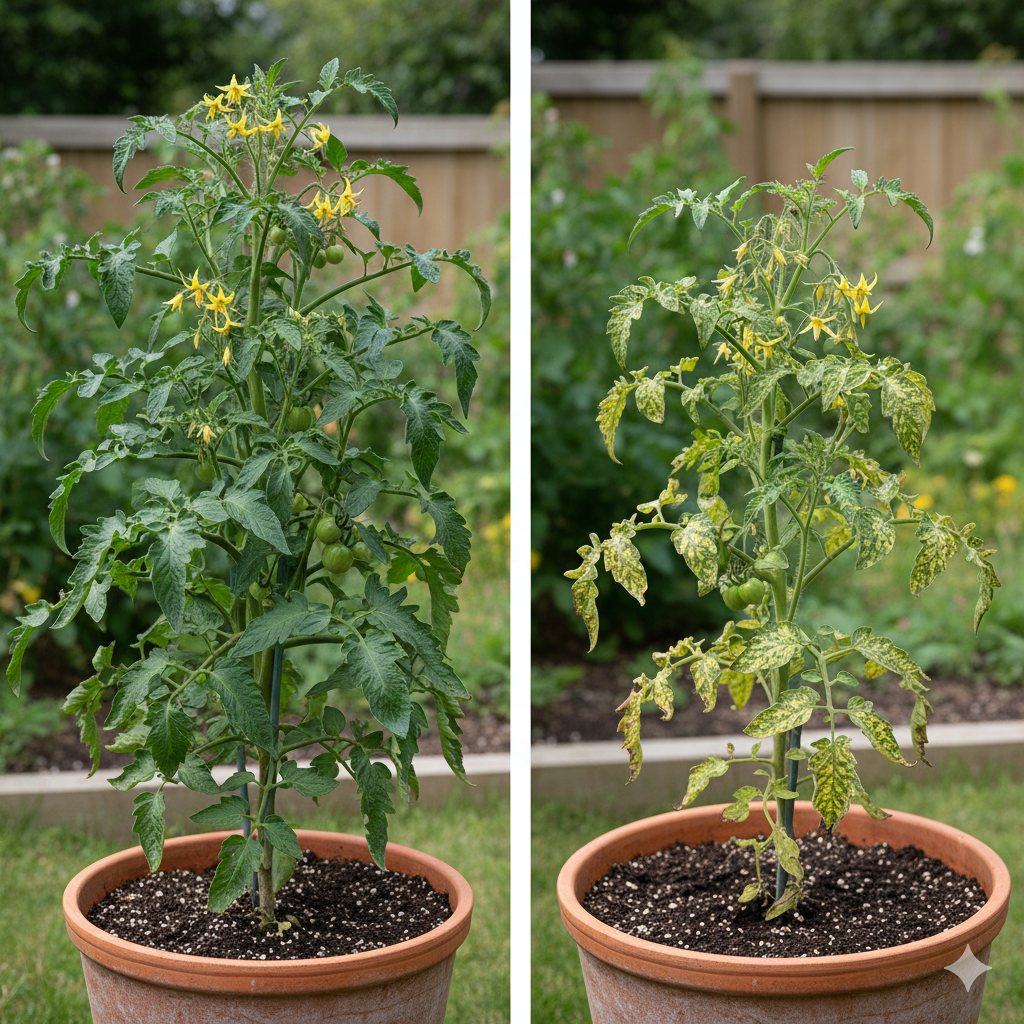
The most distinctive sign of ToMV infection appears on the leaves. Affected foliage develops a characteristic mottled pattern combining dark green and lighter yellowish areas. This isn't a uniform color change but rather a patchy, irregular pattern that resembles a mosaic, hence the virus's name.
As the infection progresses, leaves may appear fern-like or show finely divided edges. Some leaves develop a curled or wrinkled texture. The contrast between healthy green sections and discolored areas becomes increasingly pronounced.
Fruit Damage
ToMV doesn't spare the fruit. Infected tomatoes develop yellow or light brown patches and spots across their skin. The fruit surface becomes bumpy and distorted rather than smooth and round. Internal browning also occurs, creating a condition where the fruit looks acceptable on the outside but features brown tissue when sliced open.
This internal damage makes infected tomatoes unsuitable for sale or consumption, even if the external appearance seems acceptable.
Plant Health Decline
Beyond visible color changes, infected plants show clear signs of stress. Growth becomes stunted, with plants remaining noticeably smaller than healthy neighbors. Flowering becomes sparse, and flower drop increases significantly. The plant appears weak overall, struggling to thrive even when receiving proper water and nutrients.
Severity Varies by Conditions
The intensity of symptoms depends on several factors. Environmental temperature, plant variety, and viral strain all influence how severely symptoms manifest. Cool temperatures often result in more dramatic symptom expression, while warm conditions may produce milder signs.
How Tomato Mosaic Virus Spreads: Understanding Transmission
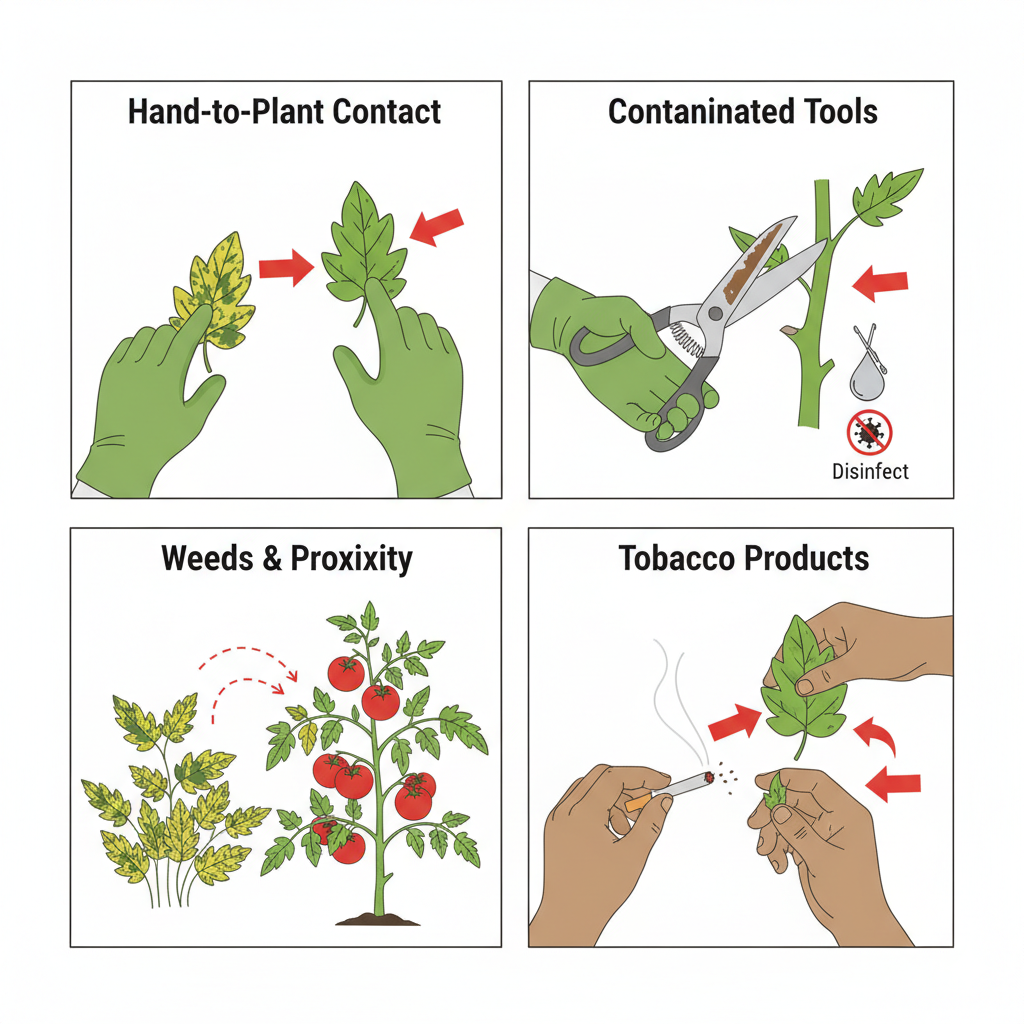
Understanding transmission pathways is crucial for prevention. ToMV spreads through several distinct mechanisms, many of which you can control.
Seed Transmission
The most insidious transmission method involves contaminated seeds. An infected plant's seeds can carry the virus, which then infects the seedling from the moment germination begins. This makes sourcing seeds from reputable suppliers with strict disease management protocols absolutely critical.
Human Contact During Handling
Your hands become a primary vector for disease spread. When you touch an infected tomato plant and then handle a healthy one without washing, you transfer viral particles between plants. This occurs easily because working with wet foliage increases virus transmission. Rain, dew, or irrigation water on leaves creates an environment where the virus transfers readily to your hands, tools, and clothing.
Contaminated Tools and Equipment
Pruning shears, stakes, twine, and any equipment that contacts infected plants becomes contaminated. Virus particles adhere to these surfaces. Using contaminated tools on healthy plants transfers the pathogen directly into plant tissue, essentially planting infection.
The Smoking Factor
Here's a fact that surprises many gardeners: smokers touching tomato plants dramatically increase transmission rates. Tobacco products naturally harbor mosaic virus particles. A smoker handling cigarettes and then touching tomato foliage introduces infectious virus particles directly to the plant. This is why experienced growers often request that smokers wash their hands before entering growing areas.
Contaminated Weeds as Virus Reservoirs
Certain weed species serve as natural hosts for ToMV. These infected weeds remain in the garden or field, acting as virus repositories. When you work with weeds and then handle tomato plants, you spread the infection. Additionally, insects feeding on infected weeds may carry virus particles to tomato plants.
The Real Impact: Understanding the Consequences
Tomato mosaic virus isn't simply an aesthetic problem. The virus creates substantial economic and practical consequences for growers and home gardeners alike.
Significant Yield Losses
ToMV infections result in yield reductions ranging from 30 to 50 percent or higher in severe cases. Infected plants produce fewer fruits overall, and those fruits that develop are smaller and misshapen. For a commercial grower expecting 100 tons of marketable tomatoes, a moderate ToMV outbreak might mean only 50 to 70 tons, representing massive financial loss.
Home gardeners face heartbreak rather than financial ruin, but the impact remains significant. A garden expected to produce 200 pounds of tomatoes might yield only 100 pounds due to virus infection.
Quality Degradation
Beyond quantity, virus infection severely compromises quality. The patchy discoloration, internal browning, and fruit distortion make tomatoes unsalable in fresh markets. Processing facilities reject fruit with internal damage. These quality issues reduce the market price per pound considerably, further eroding profitability.
Increased Production Costs
Managing ToMV incurs significant expenses. Growers must invest in resistant seed varieties, which cost more than standard seeds. Labor costs increase as workers spend time identifying and removing infected plants. Sanitation protocols require purchasing disinfectants and spending time sterilizing equipment.
For small-scale farmers operating on tight margins, these cumulative costs can make the difference between profitability and financial loss.
Supply Chain Disruptions
When major tomato-growing regions experience ToMV outbreaks, supply chain effects ripple through the entire market. Fewer tomatoes reach distribution centers. Processors face raw material shortages. Retail prices climb, affecting consumers' grocery bills and food security for lower-income households.
Global Market Impact
The processing industry depends on steady tomato supplies for pasta sauces, canned tomatoes, and related products. ToMV outbreaks disrupt these supplies, increasing production costs and final consumer prices. A global pandemic of the virus would create widespread food security concerns.
Prevention Strategies: Your First Line of Defense
Prevention remains infinitely better than attempting to manage an established infection. Implementing comprehensive preventive strategies protects your garden and contributes to controlling the virus in your region.
Select Disease-Resistant Varieties
The most effective prevention strategy involves growing resistant tomato varieties from the start. Plant breeders have developed cultivars with genetic resistance to ToMV. These varieties don't eliminate infection risk completely but significantly reduce susceptibility.
Resistant varieties include Big Beef Plus, which offers excellent resistance to tobacco mosaic virus along with many other pathogens. Sun Gold cherry tomatoes provide natural resistance while delivering exceptional flavor. When selecting seeds or seedlings, look for seed catalogs or nurseries that specifically indicate ToMV or TMV resistance on the product label.
Source Seeds Carefully
Purchase seeds only from reputable suppliers with strict disease management protocols. Commercial seed companies employ rigorous testing to ensure their seeds are virus-free. Saving seeds from your own plants, while economical and traditional, risks propagating virus if your plants were ever infected.
Implement Rigorous Sanitation Protocols
Sterilize all tools and equipment before entering your tomato growing area. Create a simple disinfection station using a 10 percent bleach solution or commercial plant disinfectant. Dip pruning shears, stakes, and any other equipment in this solution for 30 seconds.
Between working with individual plants, rewash your hands thoroughly. This simple habit prevents casual transmission between plants. If you've been working with potentially infected plants, wash your hands with soap and hot water, paying special attention to fingernails and wrists.
Manage Weeds Aggressively
Remove weeds from your garden beds and surrounding areas. These plants often harbor ToMV, serving as virus reservoirs that transmit disease to tomatoes. Pay particular attention to weeds within three feet of tomato plants.
Isolate Your Tomato Plants
If space permits, establish physical separation between tomato plants and other solanaceous crops like peppers, eggplants, and tobacco. This isolation reduces the chance of virus spreading from one crop type to another.
Maintain Exceptional Garden Cleanliness
Clean your garden thoroughly after harvest. Remove and destroy all plant debris rather than composting it, since viruses may survive the composting process. This removal of old plant material eliminates potential virus sources for the next season.
Address Tobacco Products
Request that anyone handling tomato plants not use tobacco products immediately before or during gardening activities. If this isn't possible, ensure thorough hand washing before any plant contact.
Adopt Integrated Pest Management Principles
Implement general Integrated Pest Management (IPM) practices. Healthy plants with proper nutrition, appropriate water, and good air circulation show greater resistance to viral infections than stressed plants. Insect management also matters, as certain insects can mechanically transmit viruses.
Detection and Diagnosis: Confirming Your Suspicions
While visual symptoms often indicate ToMV, confirming the diagnosis through testing provides certainty and guides your next steps.
Visual Diagnosis
Experienced gardeners can often identify ToMV based on characteristic leaf mottling and fruit symptoms. However, other diseases and nutrient deficiencies sometimes mimic virus symptoms. Visual diagnosis alone isn't always reliable, especially for early-stage infections.
Laboratory Testing Methods
RT-PCR testing (reverse transcription polymerase chain reaction) represents the gold standard for ToMV detection. This molecular technique identifies viral genetic material with absolute certainty. Laboratories can test leaf samples or other plant tissue and provide definitive results within 24 to 48 hours.
Cutting-Edge CRISPR Detection
Emerging CRISPR/Cas12a technology offers rapid virus detection. This innovative method can distinguish between closely related viruses, differentiating ToMV from ToBRFV. It requires specialized equipment and training but provides results from minimal plant tissue samples.
Early Detection with Plantlyze
Identifying virus infections early, before widespread plant damage occurs, saves your crop. Use Plantlyze's AI-powered diagnosis tool to assess suspicious plant symptoms. The platform analyzes photos and plant descriptions, helping you confirm whether you're facing ToMV or another issue. Early diagnosis enables immediate action to prevent virus spread throughout your garden. Visit plantlyze.com today to get your plants checked.
Professional Testing Resources
Contact your local agricultural extension office if you suspect ToMV. Many extension services offer affordable diagnostic testing. Provide them with infected leaf samples or clear photographs of symptoms.
What to Do If You Discover ToMV: Immediate Actions
Finding ToMV in your garden requires swift, decisive action to prevent further spread.
Confirm the Diagnosis
Before taking drastic measures, confirm your diagnosis. Send suspect plants to a testing facility or photograph symptoms clearly for expert evaluation. Misidentifying other problems as ToMV leads to unnecessary plant destruction.
Remove Infected Plants
Once confirmed, remove all infected plants immediately. Don't compost them. Disease compost piles rarely reach temperatures high enough to destroy viral particles. Instead, bag the plants securely and dispose of them in household trash destined for incineration.
Prevent Spread to Neighboring Plants
Before removing infected plants, sterilize your tools. Wear gloves. Wash your hands and change clothes after handling infected material to avoid transferring virus particles to healthy plants.
Decontaminate Your Growing Area
After plant removal, disinfect all equipment and structures that contacted the infected plants. Thoroughly wash any plant containers, stakes, or trellises with bleach solution.
Timeline for Garden Recovery
Complete garden recovery takes time. After removing all infected plants, maintain strict sanitation for several weeks. New plants introduced to the space should resist ToMV. Monitor these new plants carefully for any symptom development over the following weeks.
Know Your Options
Some gardeners might opt to completely abandon the growing area for a season, allowing any remaining viral particles to degrade. Others immediately replant with resistant varieties while maintaining enhanced sanitation protocols.
Treatment Options and Management: Working With Limited Tools

Unfortunately, tomato mosaic virus presents a challenging treatment reality that every gardener should understand.
Why No Cure Exists
There is no chemical treatment that cures ToMV infection. No antiviral agents effectively eliminate the virus once plants show symptoms. This harsh reality underscores why prevention becomes so critically important.
Research Into Future Solutions
Scientists worldwide investigate antiviral treatments and resistance mechanisms. Some research suggests certain compounds show promise in laboratory settings, but practical field applications remain years away. Breeding programs continue developing more resistant varieties.
Management Focused Approach
Instead of cure, management involves removal of infected plants and replanting with resistant varieties. This approach effectively eliminates the problem from your garden while avoiding future infections.
What Actually Works
Focus your efforts on prevention and early detection rather than hoping for a treatment to appear. Remove infected plants quickly. Plant resistant varieties. Maintain sanitation. These proven strategies work far better than searching for a nonexistent cure.
Conclusion: Protecting Your Tomato Future
Tomato mosaic virus represents a serious threat to tomato cultivation, but it remains manageable through knowledge and action. The combination of prevention, early detection, and decisive management successfully controls this virus in both commercial and home garden settings.
Key Takeaways for Success
Remember these essential strategies: choose resistant tomato varieties as your foundation, maintain rigorous sanitation practices throughout the growing season, and monitor your plants carefully for any suspicious symptoms. Source seeds from reputable suppliers only. Practice exceptional garden cleanliness. These relatively simple habits create an environment where ToMV struggles to gain a foothold.
Ongoing Vigilance Matters
Consistent attention pays dividends. Your vigilance this season prevents major problems next season. Each year you implement prevention strategies, you protect not only your harvest but also your neighbors' gardens and the broader agricultural community.
Your Next Step
Don't wait until you spot symptoms to learn about ToMV. Start implementing prevention strategies right now. Choose resistant varieties for your next planting. Establish sanitation protocols. Most importantly, monitor your plants regularly.
Uncertain about what's affecting your tomato plants? Use Plantlyze's AI-powered plant diagnosis tool to identify issues early before they become widespread problems. The platform helps you monitor your garden's health throughout the season. Visit plantlyze.com and get your plants checked today for peace of mind and garden success.
Your tomatoes deserve the best care. With ToMV knowledge and prevention in place, you'll enjoy abundant harvests of healthy, delicious tomatoes for seasons to come.
References
Wikipedia Contributors. Tomato Mosaic Virus Overview. Comprehensive overview of ToMV epidemiology, transmission, and management strategies.
SciTechnol (2024). The Economic Impact of Tomato Mosaic Virus on Tomato Production and Market Dynamics. Research detailing yield losses ranging from 30 to 50 percent, quality degradation, and supply chain disruption effects.
NCBI/PubMed. Detection of Tobacco Mosaic Virus and Tomato Mosaic Virus Using RT-PCR. Scientific methods for laboratory confirmation of viral infection using reverse transcription polymerase chain reaction.
Missouri Botanical Garden. Tobacco Mosaic Virus of Tomato and Pepper Integrated Pest Management. Comprehensive resource for IPM strategies and disease management protocols for home and commercial growers.
Royal Horticultural Society (2025). Tomato Viruses: Identification and Management. Expert guidance on symptom identification, resistant varieties, and management techniques for tomato gardeners.