Stop losing your tomato harvest to fungal disease. Here's everything you need to know about identifying leaf mold early and saving your plants.
If you've ever noticed your tomato leaves developing strange spots and a fuzzy coating, you've probably encountered tomato leaf mold. This fungal disease is one of the most frustrating challenges tomato growers face, especially those working in greenhouses or high tunnels where humidity levels stay consistently high.
The tough part is that leaf mold can spread quickly, stripping your plants of foliage and tanking your yield before you know what's happening. But here's the good news: early detection and proper management can save your entire crop. In this guide, we'll walk you through exactly what leaf mold is, how to spot it before it becomes a problem, and the proven strategies that work to keep your tomato plants healthy.
What is Tomato Leaf Mold? Understanding the Basics
Tomato leaf mold is a fungal disease caused by the organism Passalora fulva (previously known as Cladosporium fulvum). This is a specific pathogen that only targets tomato plants, so if your other crops are healthy, leaf mold won't spread to them.
Here's how the disease works: the fungus produces microscopic spores that enter tomato leaves through tiny pores called stomata. Once inside the leaf, when humidity levels are high enough, these spores germinate and establish an infection. The fungus doesn't typically attack the fruit itself, which is why you might still harvest tomatoes even during an outbreak. The real damage happens to the foliage.
When leaf mold strips away healthy leaves, your plant loses its ability to photosynthesize effectively. This means less energy production, reduced fruit development, and smaller yields overall. That's why addressing leaf mold quickly matters so much.
You'll see leaf mold far more often in greenhouses and high tunnels than in field grown tomatoes. The controlled environment in greenhouses makes it easy for humidity to climb above the threshold where this fungus thrives. Field grown tomatoes benefit from natural air movement and lower humidity levels, which naturally suppress the disease.
How to Identify Tomato Leaf Mold: Recognizing Early Symptoms
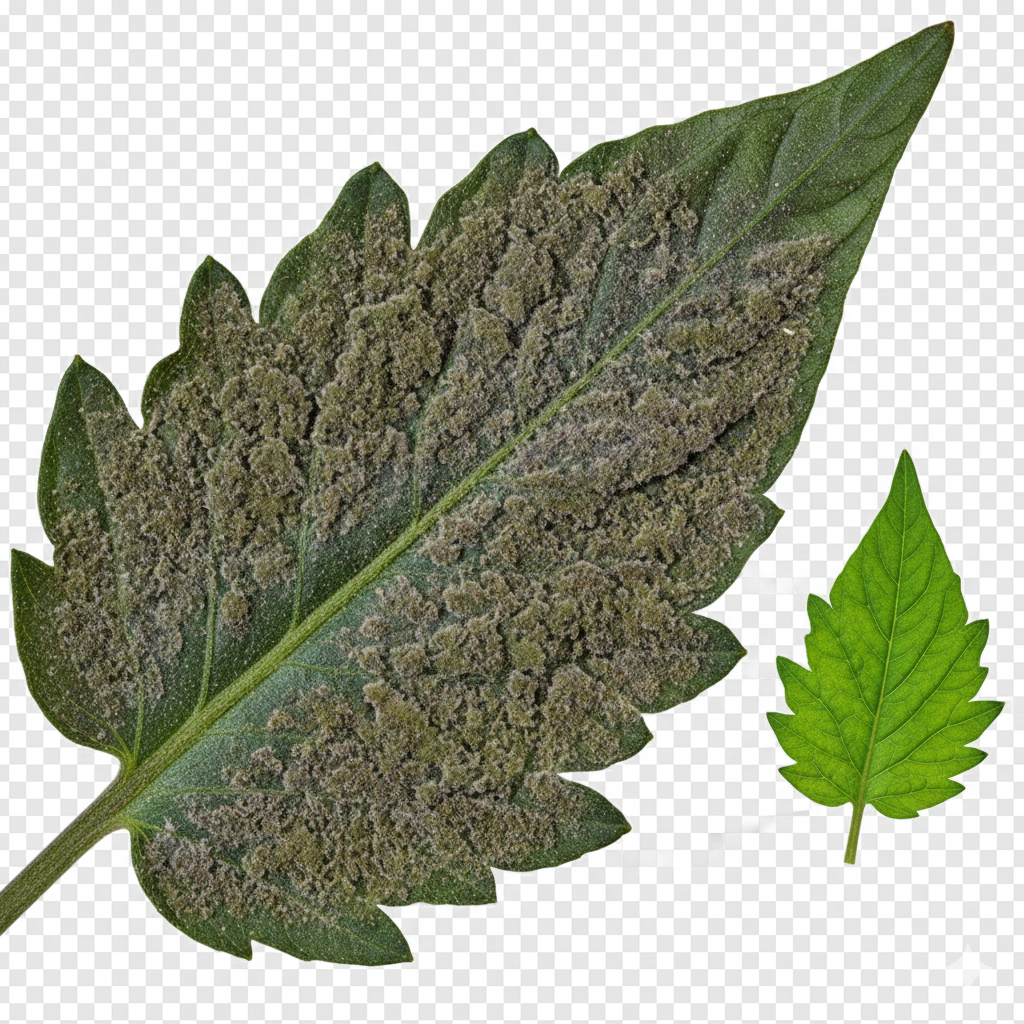
The key to managing leaf mold is catching it early. Let's break down what to look for at each stage of the disease.
Stage 1: Early Signs (First Appearance)
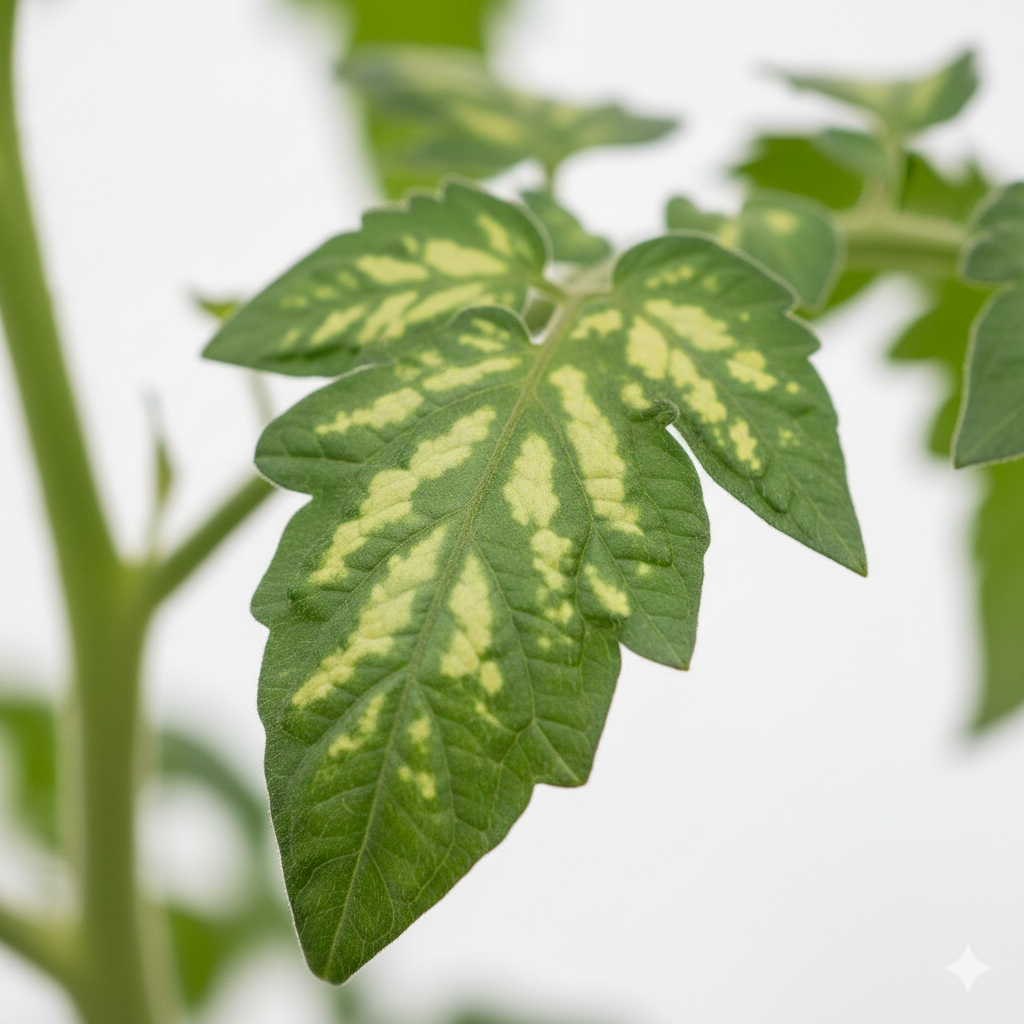
Watch the lower, older leaves on your plants first. That's where leaf mold symptoms typically show up before moving higher up the plant. You'll notice light green or pale yellow spots appearing on the upper surface of leaves. These spots have soft, indistinct margins that blend into the healthy leaf tissue.
At this stage, the damage might look mild. Many growers miss it because the symptoms appear subtle. But this is actually the best time to take action.
Stage 2: Middle Stage (Progressive Infection)
This is where you get the most diagnostic clue that you're dealing with leaf mold specifically. Flip affected leaves over and look at the underside. You'll see an olive green to grayish purple velvety coating developing on the leaf undersurface. This coating is actually the spore mass, which is how the fungus spreads to other leaves.
This distinctive velvety appearance on the underside is the signature symptom of leaf mold. No other common tomato disease looks quite like this, which makes identification straightforward once you know what to look for.
Stage 3: Advanced Stage (Severe Infection)
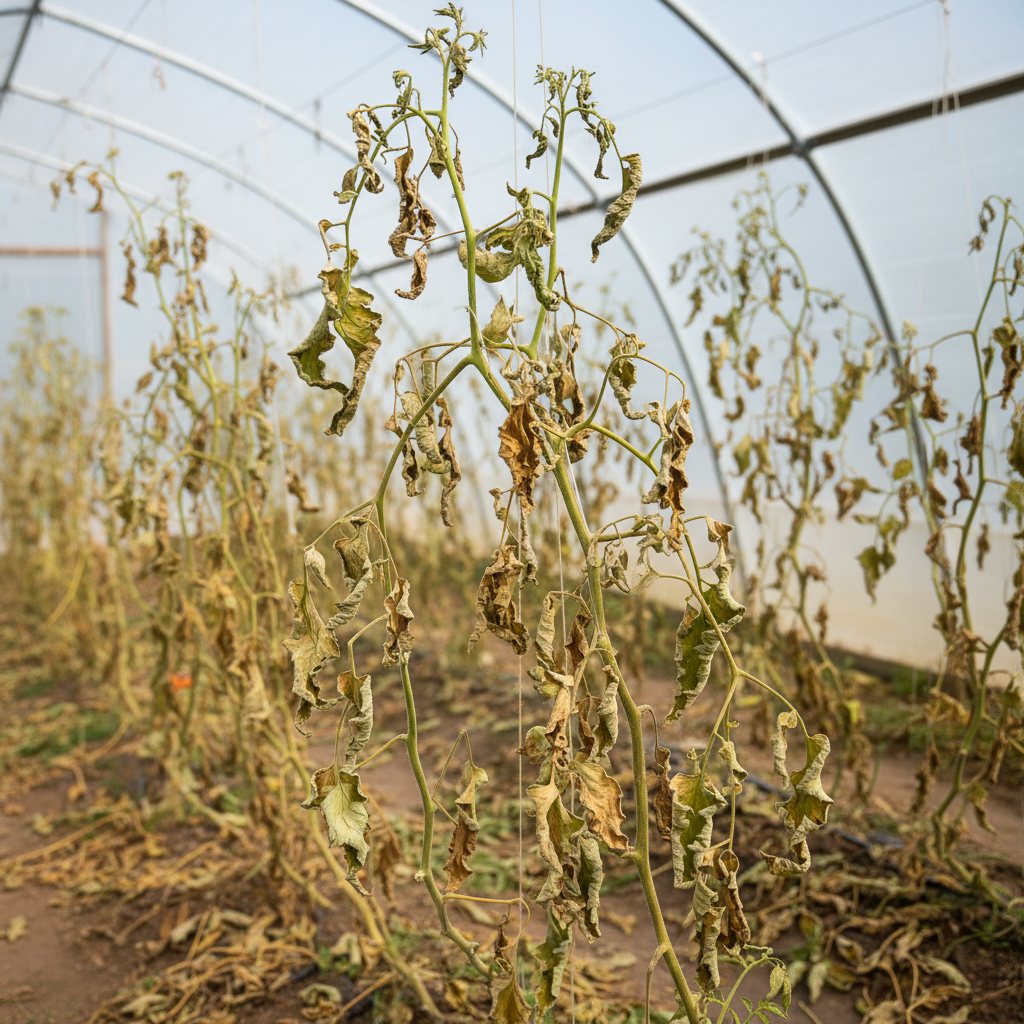
If left unmanaged, infected leaves gradually turn yellowish brown. The leaves curl and begin to dry out. Eventually, they drop from the plant entirely, leaving significant areas of bare stem. A heavily infected plant can lose half or more of its foliage in just a few weeks.
Important Distinction
Similar looking symptoms can come from other problems like magnesium deficiency or other fungal diseases. That's why checking the underside of leaves for that distinctive olive green velvety coating is crucial. This is your confirmation that you're actually dealing with leaf mold.
Symptoms typically appear within 7 to 10 days of when spores first infect the leaf. This timeline is important because it means you're working with a narrow window to spot the disease before it progresses.
Environmental Conditions That Promote Leaf Mold
Leaf mold doesn't just appear randomly. The disease thrives when specific conditions come together, and understanding these conditions helps you prevent outbreaks.
The Humidity Factor
The single most critical condition for leaf mold is humidity. This fungus loves moisture. When relative humidity climbs above 85 percent, conditions become ideal for spore germination and infection. This is exactly why greenhouses and high tunnels become breeding grounds for leaf mold. In those controlled environments, humidity naturally stays high, especially during cooler months when ventilation is limited.
Even in field conditions, leaf mold can develop during wet springs or in regions that receive heavy rainfall. Any situation where leaves stay wet for extended periods creates an opportunity for the fungus.
Temperature Preferences
The fungus prefers cool to moderate temperatures. In greenhouses, leaf mold causes the most serious problems during fall, early winter, and spring. These are the seasons when temperatures are lower and growers are more likely to close vents to conserve heat, which traps humidity inside.
Free Water on Leaves
Spores need water on the leaf surface to germinate. Both rain splash and overhead irrigation systems create this free water. When you water tomatoes from above, you're essentially setting up ideal conditions for leaf mold to take hold. Poor air circulation makes the problem worse because water and moisture get trapped around leaves instead of drying quickly.
Overcrowding and Air Circulation
Plant spacing matters more than many growers realize. When plants are crowded too closely together, air doesn't move freely between them. This creates pockets of high humidity right where the leaves are. Restricted airflow means leaves stay wet longer after rain or watering, giving spores the window they need to infect.
Think of it this way: someone growing tomatoes in a humid greenhouse during fall might face a major leaf mold outbreak, while a farmer in a dry region with field grown tomatoes might never see the disease.
Proven Treatment Options for Tomato Leaf Mold
When leaf mold appears, you have several treatment options available. The best approach usually combines multiple strategies rather than relying on just one solution.
Chemical Treatments (Conventional)
Protectant fungicides like chlorothalonil have long been the standard chemical approach for leaf mold management. These work by creating a protective barrier on the leaf surface that prevents spore germination.
Here's the critical part: these fungicides work best when applied on a weekly preventative schedule before infection occurs. Once leaf mold is already established, the results are less reliable. Coverage is absolutely crucial, especially on leaf undersides where spores form. You need to spray thoroughly and completely to protect vulnerable areas.
One important consideration is that some fungal strains develop resistance to certain products over time. This is why rotating between different fungicide types prevents resistance buildup. If you used chlorothalonil heavily last season, switch to a different active ingredient this season.
Organic and Natural Solutions
Growers committed to organic production have several options. Copper based fungicides work as preventatives when applied before infection occurs. Copper disrupts spore germination, making it effective for preventing new infections.
Alternative approaches like apple cider vinegar sprays, milk sprays, and garlic spray solutions have shown some effectiveness in trials. The problem with these options is reliability. They may reduce disease pressure, but they're generally less dependable than commercial fungicides. Many growers use them as supplementary treatments alongside other strategies.
Biological controls show real promise. Beneficial fungi like Trichoderma and Acremonium strains demonstrated impressive results in greenhouse trials, inhibiting leaf mold growth by 50 to 84 percent. These beneficial microorganisms colonize the leaf surface and outcompete the pathogenic fungus. As more research continues, biological control products will likely become more refined and available.
Cultural Management Practices (Most Important)
Here's what many growers underestimate: cultural practices are just as important as fungicides, and often more important. Remove infected leaves immediately and dispose of them carefully. Never leave diseased plant material sitting in the greenhouse where spores can spread.
Practice crop rotation. Never grow tomatoes in the same soil or area two years in a row. If leaf mold was a significant problem this year, the spores will overwinter in plant debris and soil. Moving to a different location breaks that cycle.
Sterilize your tools and equipment. Spores spread easily on pruning shears, your hands, and clothing. Clean tools with a dilute bleach solution before moving to the next plant. This prevents spreading the fungus within your garden.
Think of cultural management as the foundation of your disease control strategy. Fungicides are the supporting wall, but cultural practices are the foundation everything else rests on.
Practical Implementation Steps
Start preventative applications early in the season before any symptoms appear. Once leaf mold is visible, you're already fighting an uphill battle. Scout plants at least weekly for early signs, looking specifically at the undersides of lower leaves. Remove infected leaves as soon as detected, don't wait.
During periods of high humidity, increase spray frequency. If conditions become exceptionally wet, switch to spraying every 5 to 7 days instead of weekly. The more humid it is, the more aggressive your management needs to be.
Prevention Strategies: Stop Leaf Mold Before It Starts
Prevention is always easier and cheaper than treatment. The good news is that leaf mold is highly preventable with consistent management.
Environmental Control
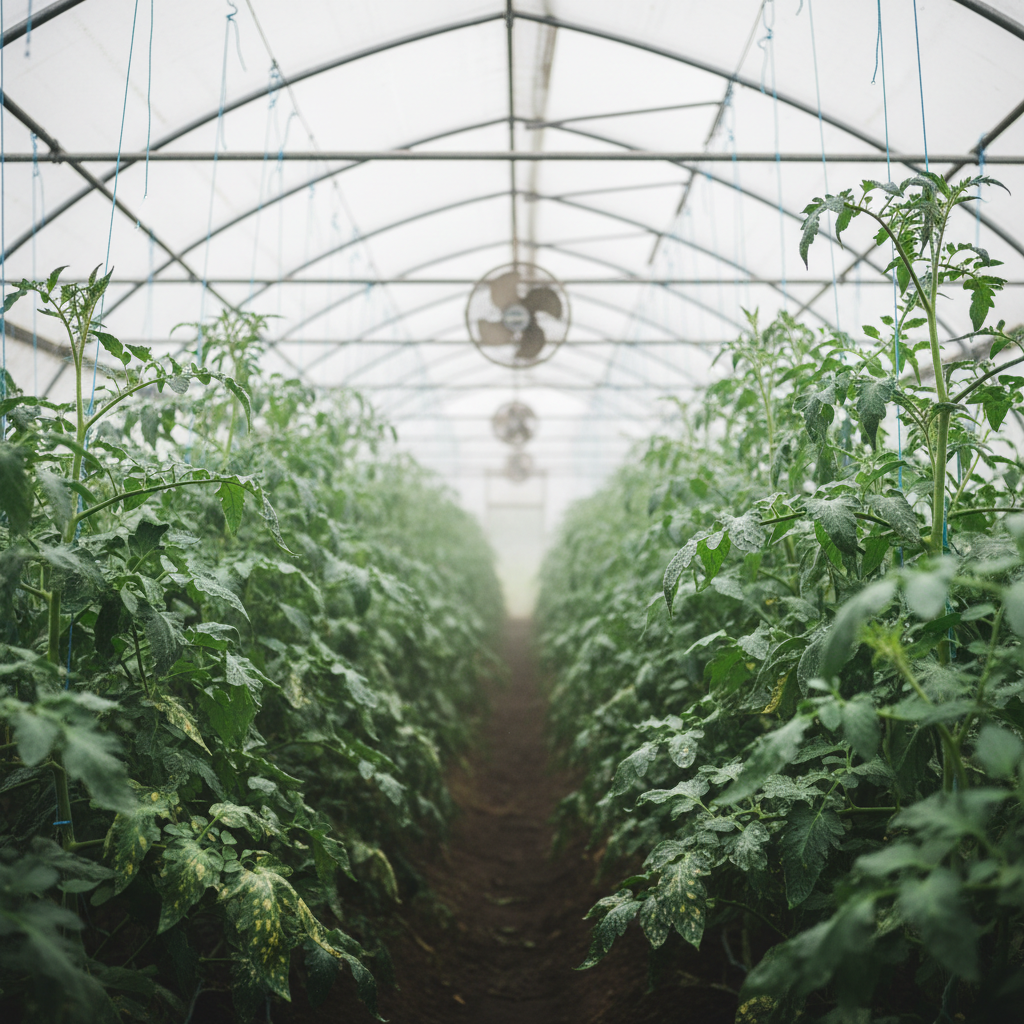
Managing humidity is the single most important prevention tactic you can implement. In greenhouses, open vents whenever humidity exceeds 85 percent. Even small vents make a difference. Use fans to improve air circulation throughout the greenhouse. Stagnant air is your enemy when trying to prevent leaf mold.
Space plants appropriately to allow good airflow between them. This seems simple, but many growers pack plants too densely to maximize production. The slight yield gain from extra plants isn't worth the leaf mold losses that follow.
Consider switching from overhead irrigation to drip irrigation systems. When you must use overhead watering, time it for early morning so leaves dry quickly before the humidity climbs during midday. Never water in the evening when leaves will stay wet overnight.
Resistant Varieties
While true resistance to leaf mold is uncommon, some newer tomato varieties show better tolerance. Check seed catalogs specifically for cultivars noted as having resistance or improved tolerance to leaf mold. When you're selecting varieties for next season, this trait is worth prioritizing.
Sanitation and Monitoring
Scout plants at least weekly. Look at the undersides of lower leaves where symptoms appear first. Make it part of your routine greenhouse visit. The earlier you catch symptoms, the easier they are to manage.
Wash your hands and change clothes when moving between plants. This prevents you from accidentally spreading spores from an infected plant to a healthy one. Clean tools and greenhouse surfaces with a dilute bleach solution between crops. At the end of the season, do a thorough cleaning of all greenhouse infrastructure.
Timing and Rotation
If leaf mold was a problem this year, don't plant tomatoes in that same area next season. Allow soil and infrastructure to rest for at least one year. For greenhouse growers, thoroughly clean and sanitize all surfaces between crops. Don't assume last year's spores are gone if you don't clean.
Practical Checklist
Here's a simple checklist you can implement right now:
Monitor humidity levels weekly
Scout plants for early symptoms
Maintain proper plant spacing
Use preventative fungicides early in the season
Clean tools between plants
Practice crop rotation
Choose resistant varieties when available
When to Seek Help: Using Plant Diagnostic Tools
Sometimes it's tough to be 100 percent certain you're looking at leaf mold and not another disease. Symptoms can overlap, and misidentification leads to wasted time and money on the wrong treatment.
This is where modern plant diagnostic tools become valuable. Technology now makes it possible to confirm disease identification quickly and accurately. Plantlyze is an AI powered plant care and diagnosis tool that can help you identify diseases from photos. Instead of guessing or waiting for confirmation from an extension office, you get answers fast.
Using a reliable diagnostic tool before spending money on fungicides ensures you're treating the right problem. Whether you're managing a large commercial greenhouse or just a few plants on your patio, having access to expert plant diagnosis makes a real difference.
Misidentification costs you time and money. Getting fast, accurate confirmation means you can implement the right treatment strategy immediately rather than experimenting or wasting fungicide applications on a disease you don't actually have.
If you're uncertain about whether your tomato plants have leaf mold or another issue, try uploading photos to Plantlyze.com. Our AI powered tool can help you identify the problem and recommend the best next steps.
Key Takeaways
Leaf mold is manageable with early detection and consistent management. Prevention is easier than treatment, so focus on environmental control and scouting first. Here's what matters most:
Leaf mold thrives in high humidity, particularly above 85 percent
Check leaf undersides for the distinctive olive green velvety coating to confirm identification
Remove infected leaves immediately and dispose of them properly
Use preventative fungicides early in the season, not after infection occurs
Practice crop rotation and greenhouse sanitation between seasons
Maintain proper plant spacing and air circulation
Switch from overhead to drip irrigation when possible
Scout plants weekly for early symptoms
Combine cultural practices, environmental control, and fungicide applications for the strongest defense
Most tomato growers who implement these strategies see significant improvements and maintain healthy, productive plants throughout the season. The key is staying consistent with monitoring and management. Leaf mold doesn't have to derail your tomato production.
References
Cornell University Vegetables Program. "Tomato Leaf Mold." Retrieved from vegetables.cornell.edu
Rutgers University Department of Plant Biology. "Identifying and Controlling Leaf Mold in High Tunnel and Greenhouse Tomato Production." Leaf Mold in Tomato, 2023.
Wikipedia. "Tomato Leaf Mold." Retrieved from en.wikipedia.org
Plantix. "Leaf Mold of Tomato: Pests and Diseases." Retrieved from plantix.net
Gardening Know How. "Managing Tomato Leaf Mold." Retrieved from gardeningknowhow.com
NET Project Blue. "Tomato Leaf Mould Best Practice Guide." Retrieved from projectblue.blob.core.windows.net