There is a specific kind of heartbreak reserved for gardeners. It’s not the slow disappointment of a seed that never germinates, or the annoyance of a squirrel stealing a single fruit. It is the heartbreak of the "overnight collapse."
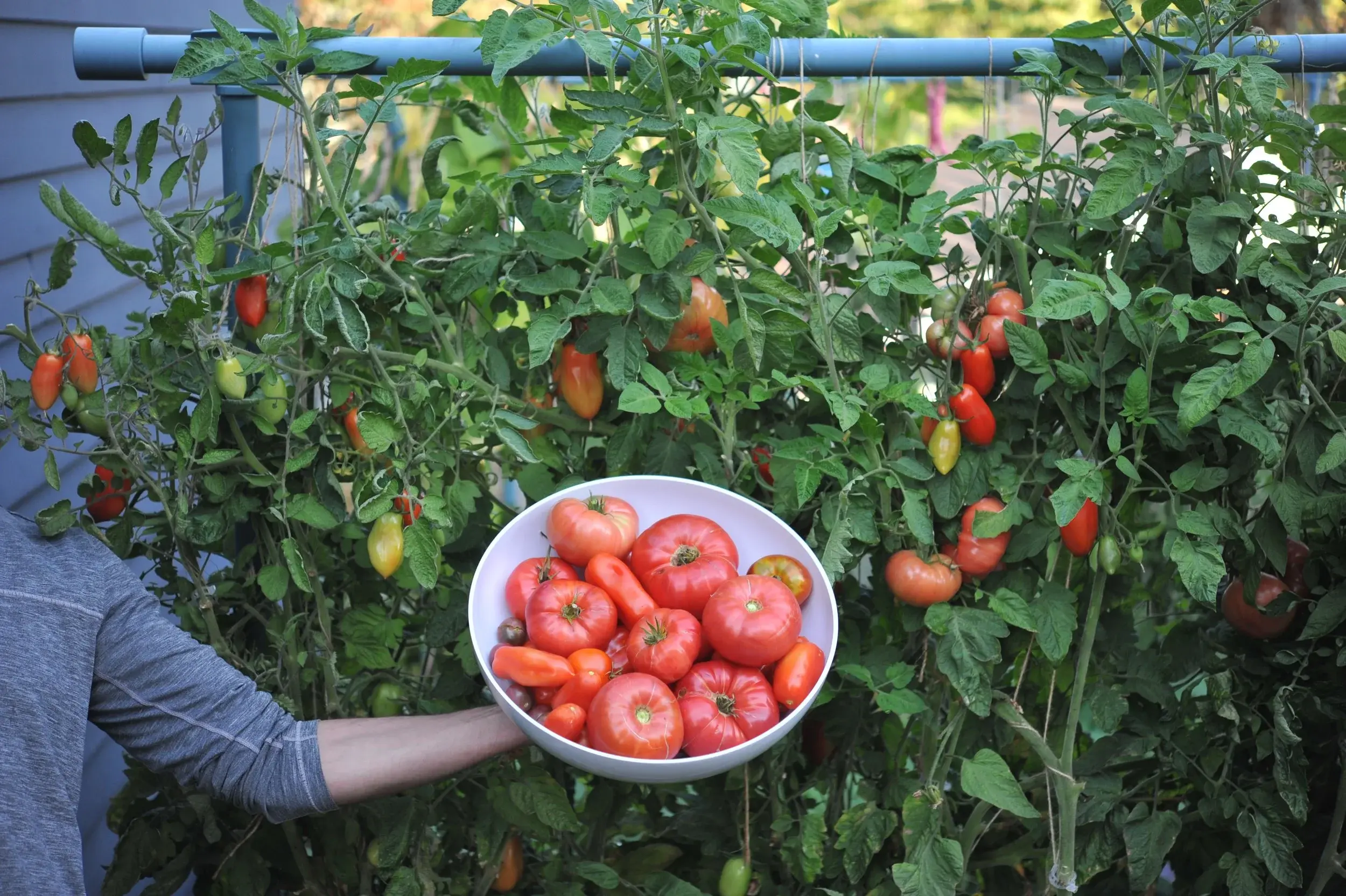
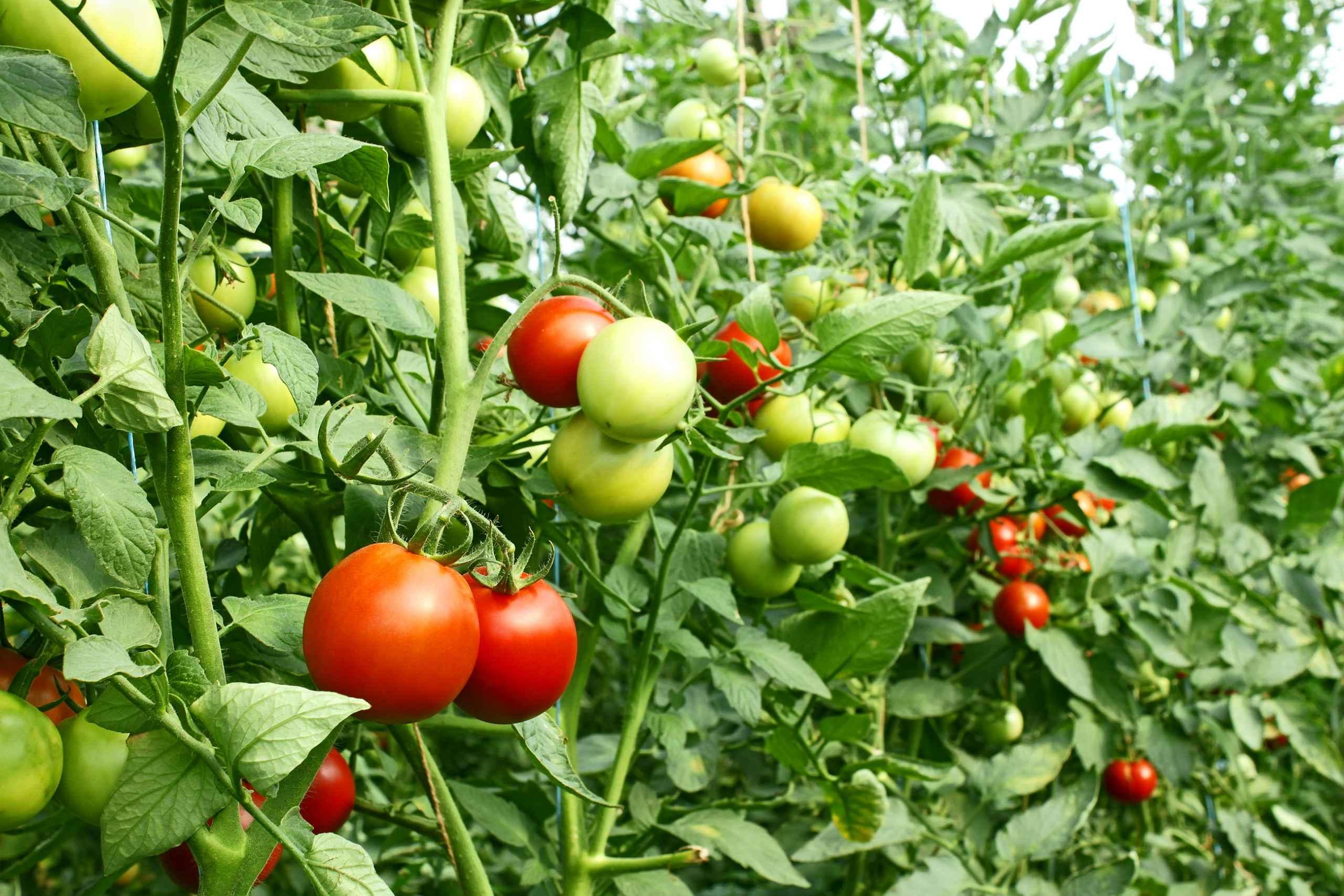
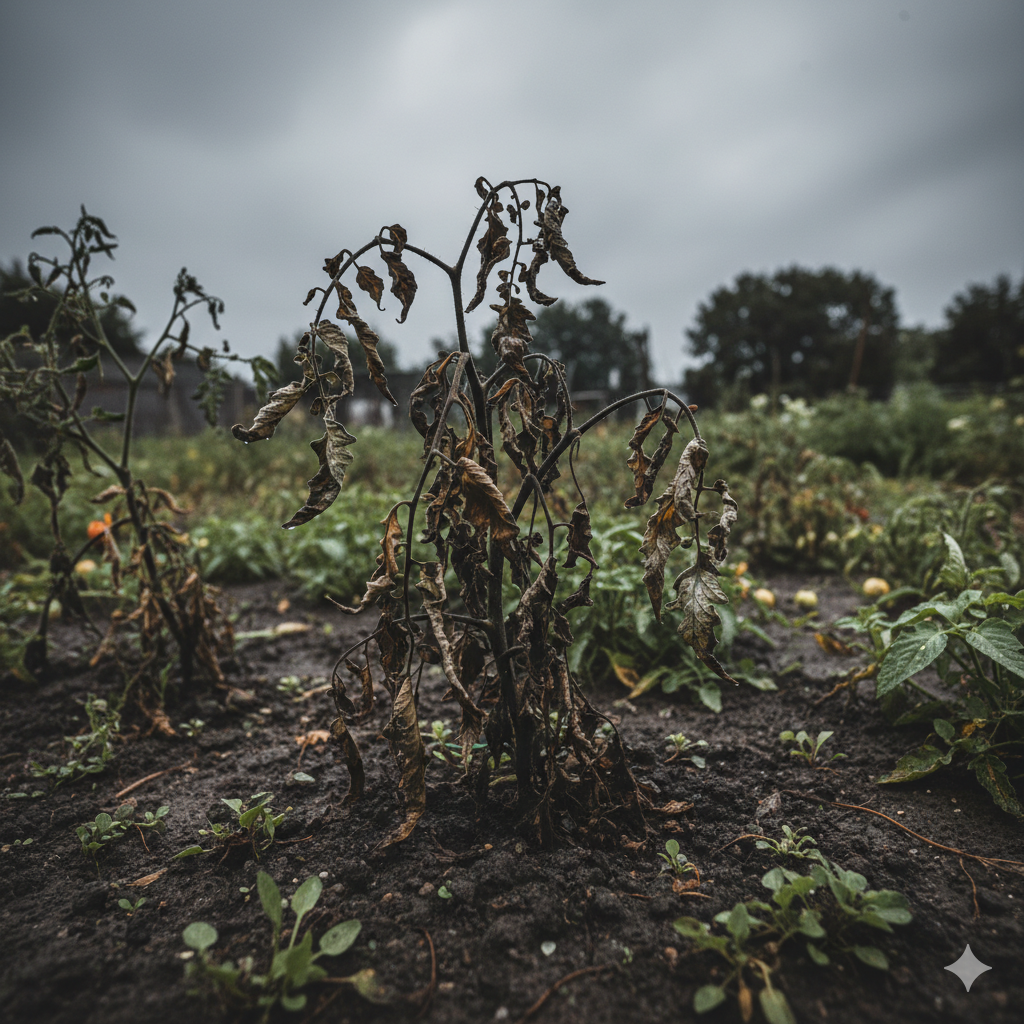
You spend months nurturing your tomato plants. You water them through the July heat, stake them carefully as they grow tall, and watch with pride as the first clusters of fruit swell on the vine. You can almost taste that first homegrown BLT. Then, a few days of cool, rainy weather roll in. You walk out to your garden with your morning coffee, expecting to see lush greenery, but instead, you find a disaster. The leaves are blackened and shriveled, the stems look bruised, and the fruit is rotting right on the vine.
If this scene sounds painfully familiar, you have likely met the gardener’s formidable arch-nemesis: Tomato Late Blight.
First, take a deep breath. It is not your fault. You aren’t a "bad gardener," and you didn’t necessarily do anything wrong. Late blight is a disease of opportunity and ferocity that has plagued farmers for centuries it is the same pathogen responsible for the Irish Potato Famine in the 1840s. It is aggressive, fast-moving, and does not discriminate between a master gardener’s plot and a beginner’s raised bed.
The good news? While late blight is serious, it is not invincible. With the right knowledge, a sharp eye for early symptoms, and quick decision making, you can manage it, salvage your harvest, and prevent it from ruining future seasons. This comprehensive guide will walk you through exactly what late blight is, how to identify it before it destroys your crop, and how to fight back.
What Exactly Is Tomato Late Blight?
To defeat your enemy, you must first understand it.
Tomato late blight is a disease caused by the microorganism Phytophthora infestans. While gardeners often refer to it as a "fungus," scientists classify it as an oomycete, or "water mold." This distinction matters because it explains why the disease behaves the way it does. Unlike true fungi, which might tolerate dry spells, water molds are biologically programmed to thrive in wet conditions.
The name Phytophthora comes from Greek, literally translating to "plant destroyer." It is an apt name. Unlike other common tomato diseases that might slowly spot the leaves over weeks (giving you plenty of time to react), late blight is explosive. Under ideal weather conditions, it can spread through an entire tomato patch in just a few days, turning healthy plant tissue into dead, rotting mush.
The "Late" Misnomer
The name "Late Blight" can be confusing. It doesn't mean the disease only arrives late in the season (August or September). It was named "late" blight historically to distinguish it from "early" blight, which typically appears earlier in the summer. However, if the weather is cool and wet in June or July, "late" blight can absolutely strike early.
The Weather Connection
Late blight has a very specific "comfort zone." It wakes up and becomes aggressive when two conditions meet:
Cool Temperatures: It prefers daytime temperatures between 60°F and 70°F (15°C–21°C) and stays active as long as nights aren't freezing.
High Humidity: It needs water. Rain, heavy dew, fog, or overhead irrigation that keeps leaves wet for 8–10 hours is the trigger.
If your local forecast predicts a week of gloomy, rainy days with temperatures dipping into the 60s, your late blight alarm bells should start ringing.
How to Identify Tomato Late Blight (Before It’s Too Late)
Early detection is your only real advantage. If you can catch the infection on the first few leaves, you have a fighting chance. If you wait until the stems are black, the battle is usually lost.
Here is a detailed breakdown of what to look for on every part of the plant.
1. The Leaves: The "Greasy" Spot
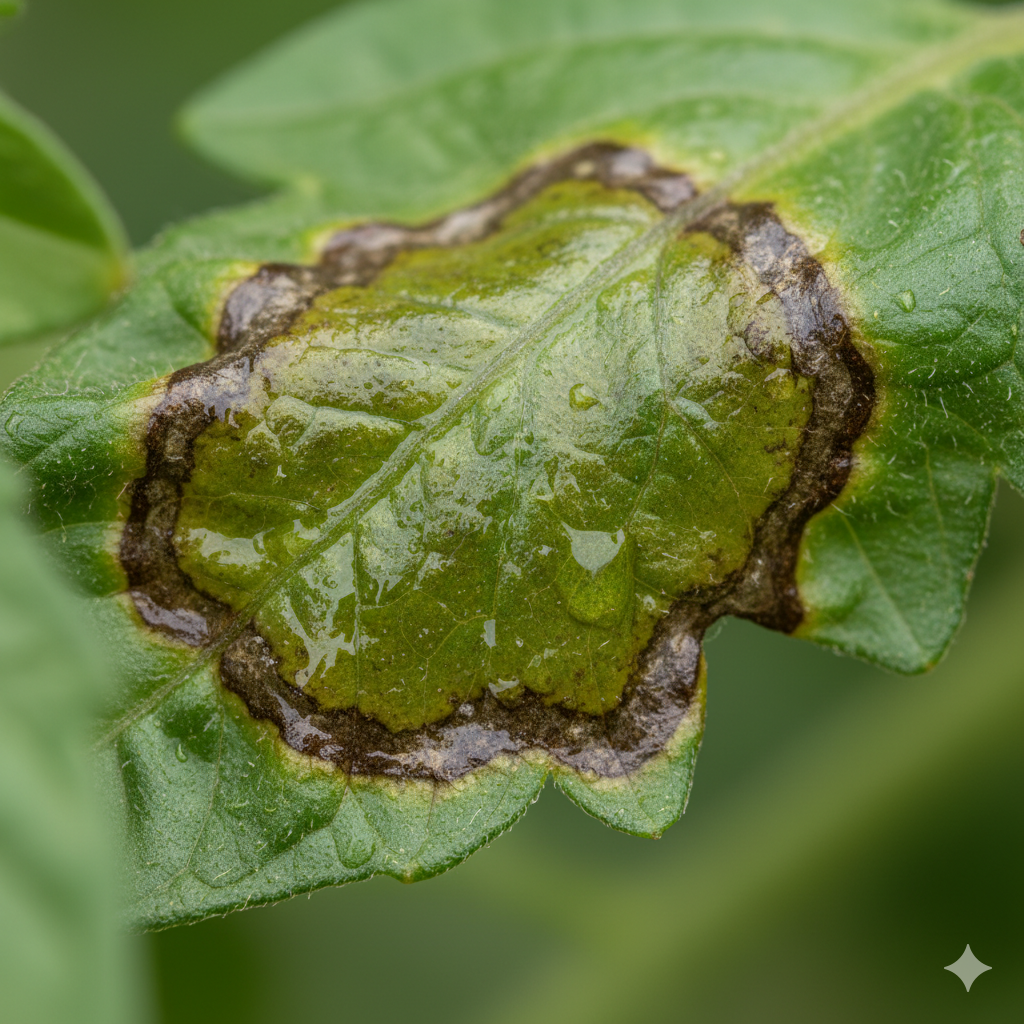
The infection usually starts on the leaves. Look for pale green or water-soaked spots, often near the edges of the leaf tips.
The Look: These aren't crisp, dry brown spots. They look greasy, like a drop of oil has soaked into the paper-thin leaf.
The Progression: Within 24 hours, these pale spots turn dark brown or purplish black. They are not contained; they expand rapidly, crossing the leaf veins and consuming the entire leaf.
The "Fuzzy" Sign: If it is humid (especially early in the morning), flip the infected leaf over. You will often see a fine, white, cottony growth on the underside of the black spot. These are the spore-producing structures, ready to launch millions of spores into the air.
2. The Stems: The Black Bruise
This is often the symptom that makes gardeners panic. Late blight attacks the petioles (leaf stems) and the main stalk of the tomato.
The Look: You will see dark brown or black lesions that look firm and sunken, almost like a bruise or a burn mark.
The Result: Unlike other diseases that just affect leaves, these stem lesions cut off the flow of water and nutrients. Everything above the lesion will wilt and collapse, even if the upper leaves look green and healthy.
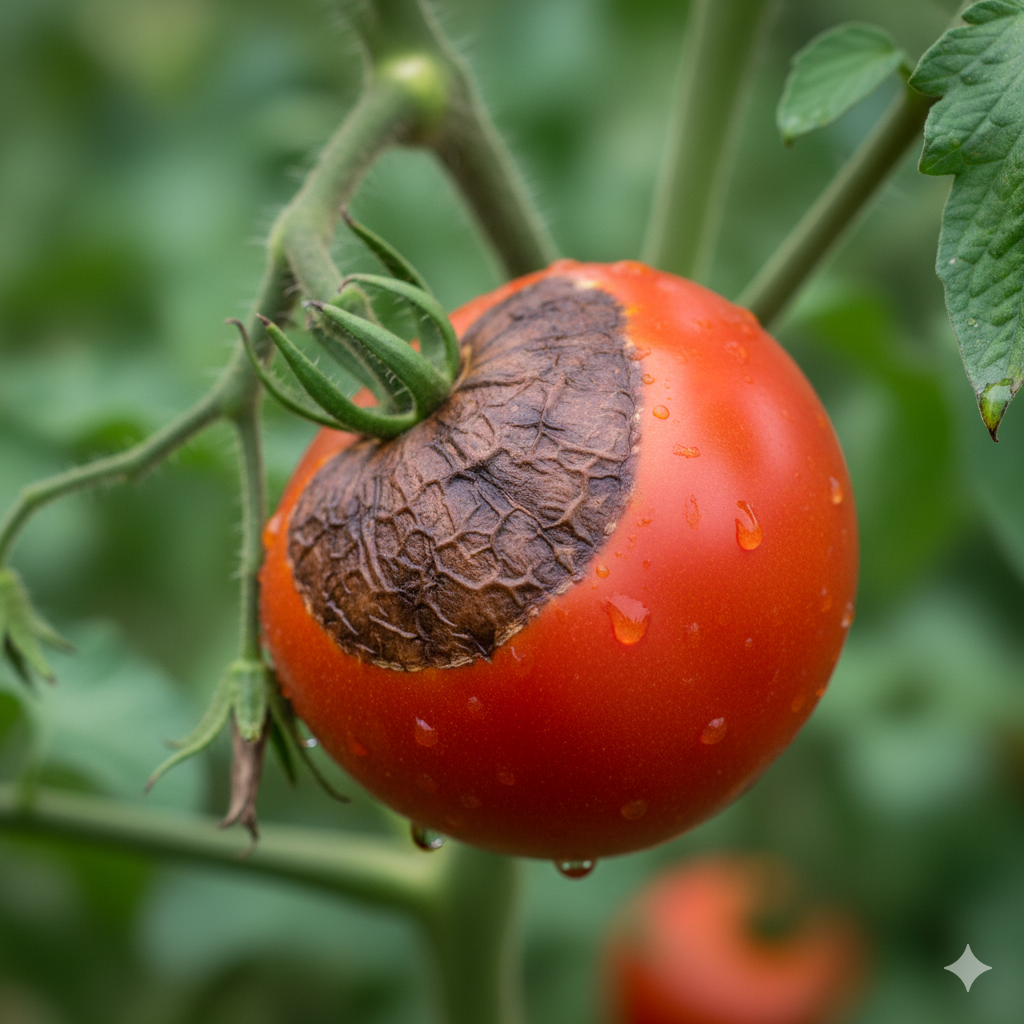
3. The Fruit: The Heartbreaker
Seeing late blight on the fruit is devastating. It can happen to green or ripe tomatoes.
The Look: Golden brown to dark brown patches appear on the fruit, often starting on the "shoulders" (the top part near the stem).
The Texture: The spots are firm and slightly sunken. The skin might look leathery or wrinkled. Eventually, the fruit becomes susceptible to secondary rots and turns into a soft, smelly mess.
Is It Late Blight? A Quick Comparison
Gardeners often confuse Late Blight with two other common issues: Early Blight and Septoria Leaf Spot. Knowing the difference prevents unnecessary panic.
FeatureLate Blight (Phytophthora infestans)Early Blight (Alternaria solani)Spot AppearanceLarge, shapeless, "greasy" or water-soaked blotches.defined spots with concentric rings (like a target or bullseye).LocationCan appear anywhere, often on top new growth or stems.Usually starts on the bottom oldest leaves and works its way up slowly.SpeedExtremely fast (days).Slow progression (weeks).FuzzinessWhite fuzz on leaf undersides in humidity.No white fuzz.
Still scratching your head?
Differentiating between a fungal spot, a bacterial speck, and late blight can be incredibly tricky, even for experienced growers. If you are staring at a leaf and feeling unsure, don't guess.
You can use Plantlyze to get a second opinion instantly. Plantlyze is an AI-powered plant care tool that acts like a pocket botanist. Simply snap a photo of the suspicious leaf, and the tool will analyze the visual patterns to tell you if it’s likely Late Blight or something less severe. It’s a great way to stop worrying and start treating the right problem immediately.
How the Disease Spreads (The Invisible Enemy)
Understanding how late blight travels will help you prevent it.
1. The Windborne Invader
The spores of Phytophthora infestans are incredibly lightweight. They can be picked up by the wind and carried for miles. This means your garden could be perfectly clean, but if a commercial potato farm or a neighbor five miles away has an outbreak, the wind can deliver the spores right to your doorstep during a storm.
2. The "Volunteer" Survivor
Late blight is an "obligate parasite," meaning it needs living tissue to survive. In cold climates, the spores cannot survive winter in the bare soil (unlike Early Blight).
However, the pathogen can survive winter inside infected potato tubers. If you missed a potato during harvest last year and it sprouts this spring (a "volunteer"), that plant could be harboring the disease. As soon as it emerges, it starts producing spores that jump to your new tomatoes.
3. The Water Slide
Water is the vehicle for infection. Spores need a film of water on the leaf to "swim" and burrow into the plant tissue. This is why dry summers usually mean blight-free tomatoes, while wet summers spell trouble.
Immediate Actions: The "Emergency Room" Protocol
You’ve checked the symptoms. You’ve confirmed it’s late blight. Now, you have to act fast. Hours matter.
Step 1: Isolate and Assess
Do not walk through your garden touching healthy plants after touching sick ones. You will become a carrier, spreading spores on your hands, clothes, and tools.
Step 2: The Surgical Strike (Minor Infections)
If you catch the disease when only a few leaves are spotted:
Wait for a dry day if possible (handling wet plants spreads spores faster).
Prune off the infected leaves immediately.
Sanitize constantly: Dip your pruning shears in a 10% bleach solution or wipe them with rubbing alcohol between every single cut.
Monitor the plant like a hawk for the next 48 hours.
Step 3: The Hard Decision (Major Infections)
If you see stem lesions, or if more than 10-20% of the plant is covered in spots, the hard truth is that the plant is likely doomed.
Leaving a heavily infected plant in the garden puts every other tomato and potato plant at risk. It becomes a "spore factory."
Pull the plant out by the roots. Do it gently to avoid shaking spores onto neighbors.
Bag it immediately: Put the plant in a heavy-duty plastic trash bag. Tie it shut.
Step 4: Disposal (Do NOT Compost)
This is a critical rule: Never compost late blight-infected material.
Most home compost piles do not get hot enough (120°F+ consistently) to kill the pathogen. If you compost it, you might accidentally spread the disease all over your garden next spring when you use that compost.
Correct Disposal: Throw the bagged plants in your regular household trash, or bury them very deep (at least 2 feet) away from the garden if local regulations allow.
Treatment Options: Can You Save the Harvest?
If you have removed the worst leaves and want to protect the remaining healthy tissue, you have options. Note that fungicides are preventative they coat the leaf to stop new spores from landing and drilling in. They cannot "cure" a leaf that is already sick.
Organic Approaches
For the organic gardener, your main tools are copper and biologicals.
Fixed Copper Fungicides: This is the most effective organic control. Copper ions create a hostile environment for spores. You must spray it before the rain comes. Reapply every 5–7 days or after heavy rain, following the label strictly. Note: Young plants can be sensitive to copper, so follow dilution rates carefully.
Bio-fungicides: Products containing beneficial bacteria like Bacillus subtilis or Bacillus amyloliquefaciens fight the pathogen on the leaf surface. These are safer for beneficial insects but are generally less powerful than copper against a full blown blight outbreak. They work best as a proactive immune booster for your plants.
Conventional Fungicides
If you are open to synthetic treatments, fungicides containing chlorothalonil are the industry standard for home gardeners. They are highly effective at preventing infection. As with all chemicals, read the label for "Pre Harvest Interval" (how many days you must wait after spraying before you can pick and eat the fruit).
The Long Game: Preventing Late Blight Next Year
If you lost your crop this year, don't give up. Next season gives you a clean slate. Here is your battle plan for a blight proof garden.
1. Plant Resistant Varieties
This is your number one defense. Plant breeders have developed tomatoes that naturally resist late blight. They aren't genetically modified (GMO); they are bred by crossing domestic tomatoes with wild, resilient cousins.
'Mountain Magic': A Campari-style tomato that is incredibly sweet and nearly bulletproof against blight.
'Defiant PhR': A determined, mid sized slicer bred specifically for disease resistance.
'Iron Lady': Another robust slicer option.
'Matt’s Wild Cherry': A tiny currant tomato that often keeps growing and fruiting even when everything else has died.
2. Space and Airflow
Imagine your tomato plants need "personal space." Crowded plants stay wet longer, and wet plants get sick.
Space tomato plants at least 24 to 36 inches apart.
Prune aggressively: Remove the "suckers" (the growth in the armpits of the branches) to reduce foliage density.
Strip the bottom: Remove the bottom 12 inches of leaves from the stem. This prevents soil-borne spores from splashing up onto the foliage during rain.
3. Water the Soil, Not the Leaves
Since late blight needs wet leaves to attack, keep your leaves dry.
Use soaker hoses or drip irrigation.
If you must hand water, simply lay the hose at the base of the plant.
Avoid overhead sprinklers entirely.
4. Mulch is Mandatory
Cover the soil around your tomatoes with straw, shredded leaves, or wood chips. This creates a physical barrier that stops spores in the soil from splashing up onto the lower leaves when it rains.
5. Rotate Your Crops
Do not plant tomatoes or potatoes in the same spot two years in the row. A 3-to-4-year rotation is ideal. This reduces the risk of soil-borne diseases and nutrient depletion.
Frequently Asked Questions
Q: Can I eat tomatoes from a plant that has late blight?
A: Yes, usually. The disease itself is not toxic to humans. If the tomato fruit looks clear and healthy, wash it and eat it. If the fruit has small spots, you can cut them out and eat the rest, though the flavor might be compromised. However, do not can (jar) tomatoes from blighted plants. The disease can alter the pH (acidity) of the fruit, making it unsafe for water-bath canning. Freeze them instead.
Q: Will late blight kill my peppers and eggplants too?
A: Late blight (Phytophthora infestans) primarily targets tomatoes and potatoes. While it can technically affect eggplants and peppers, they are much more resistant and rarely suffer the same devastating damage.
Q: My plants died. Is my soil ruined forever?
A: No. The late blight pathogen is fragile without a host. In areas with freezing winters, it dies once the plant tissue decomposes. It does not survive in the dirt like a seed. The danger lies in living tissue specifically, potato tubers left underground. If you ensure no potatoes survive the winter in your soil, your soil is clean of late blight come spring.
A Final Note of Encouragement
Gardening is a partnership with nature, and sometimes nature has a bad day. Losing a crop to late blight feels personal, but it happens to the best farmers in the world. It is simply a signal to adjust your strategy.
Next season, arm yourself with resistant seeds, mulch heavily, and keep your eyes peeled for those first signs. And remember, you don’t have to guess. Whether you are dealing with a mystery spot or just want to optimize your watering schedule, Plantlyze is there to help you grow smarter. Use it to scan your plants regularly, catch issues early, and keep your garden thriving.
Dust off your gloves, pull out the bad plants, and start planning for next year. There are always more tomatoes to grow.
References
Cornell University Cooperative Extension. (2024). Late Blight on Tomato and Potato. Vegetable MD Online. Provides key identification steps and management strategies for the Northeast US.
Fry, W. E. (2018). Phytophthora infestans: The plant (and R gene) destroyer. American Phytopathological Society. A detailed scientific overview of the pathogen's lifecycle and history.
NC State Extension. (2023). Tomato Late Blight. Plant Pathology Fact Sheets. Offers specific guidance on fungicide usage and organic control measures.
University of Massachusetts Amherst. (2024). Solanaceous Crops: Late Blight. Center for Agriculture, Food, and the Environment. Discusses weather conditions favoring spread and commercial control tactics adapted for home use.
The Old Farmer's Almanac. (2023). Blight-Resistant Tomato Varieties Worth Growing. A curated list of modern cultivars bred for high resistance to Phytophthora infestans.