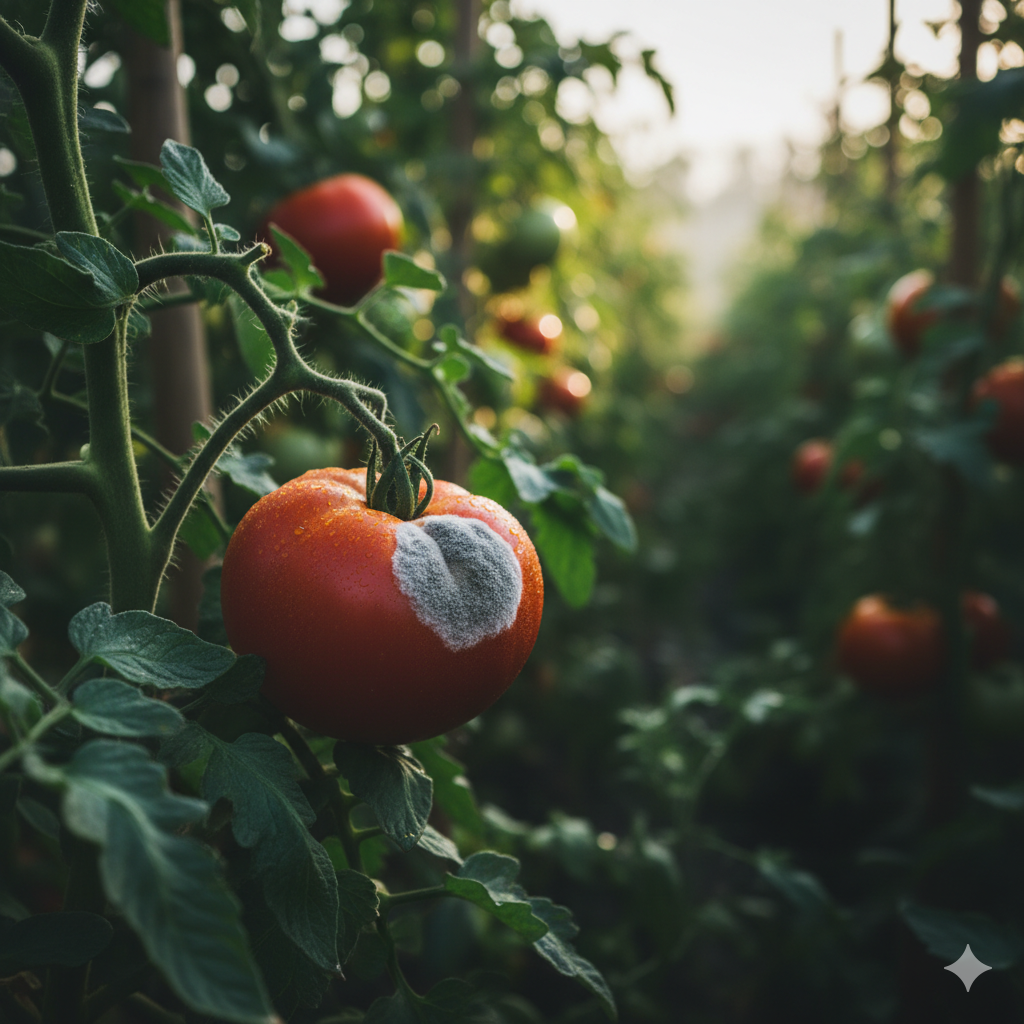
Gardening is a labor of love. You spend months nurturing tiny seeds into robust plants, carefully monitoring their water and soil, and eagerly anticipating that first taste of a sun warmed tomato. There is nothing quite as heartbreaking as walking out to your garden one damp morning to find your prize plants covered in a fuzzy gray coating. It feels like a violation of all your hard work.
This silent thief is known as gray mold. Scientifically named Botrytis cinerea, it stands as one of the most persistent and destructive fungal diseases for tomato growers worldwide. It does not matter if you are running a large commercial greenhouse or tending to a few heirloom pots on a balcony; this fungus is an opportunist that waits for the perfect moment to strike.
While the sudden appearance of rotting fruit or withering stems can feel devastating, it is not a death sentence for your entire garden. Knowledge is your best weapon. By understanding exactly how this pathogen operates, you can outsmart it. This comprehensive guide will walk you through the biology of the disease, how to identify it before it spreads, and the specific organic and conventional steps you can take to reclaim your harvest.
Understanding the Enemy: What Is Botrytis Cinerea?
To defeat gray mold, you must first understand what makes it tick. Botrytis cinerea is a necrotrophic fungus, which means it kills plant tissue to extract nutrients. Unlike some parasites that need a living host to survive, Botrytis is perfectly happy consuming dead organic matter in your soil until a living host becomes available.
The name Botrytis comes from the Ancient Greek word for "grapes," referring to the way the fungal spores cluster together like bunches of grapes under a microscope. The species name cinerea is Latin for "ashes," describing the grayish and ash like appearance of the mold on infected plants.
This fungus is a master of survival. It overwinters in the soil on plant debris as hard, black resting structures called sclerotia. When the weather warms up and moisture is present, these structures release conidia, which are microscopic asexual spores. These spores are incredibly lightweight and travel easily via wind, splashing rain, or even on the legs of garden insects. All they need is a landing pad on your tomato plant and a film of moisture to begin their invasion.
Decoding the Symptoms: Signs of Infection
Early detection is critical. Gray mold is unique because it attacks every part of the tomato plant. However, the symptoms can look different depending on where the infection starts.
The Foliage
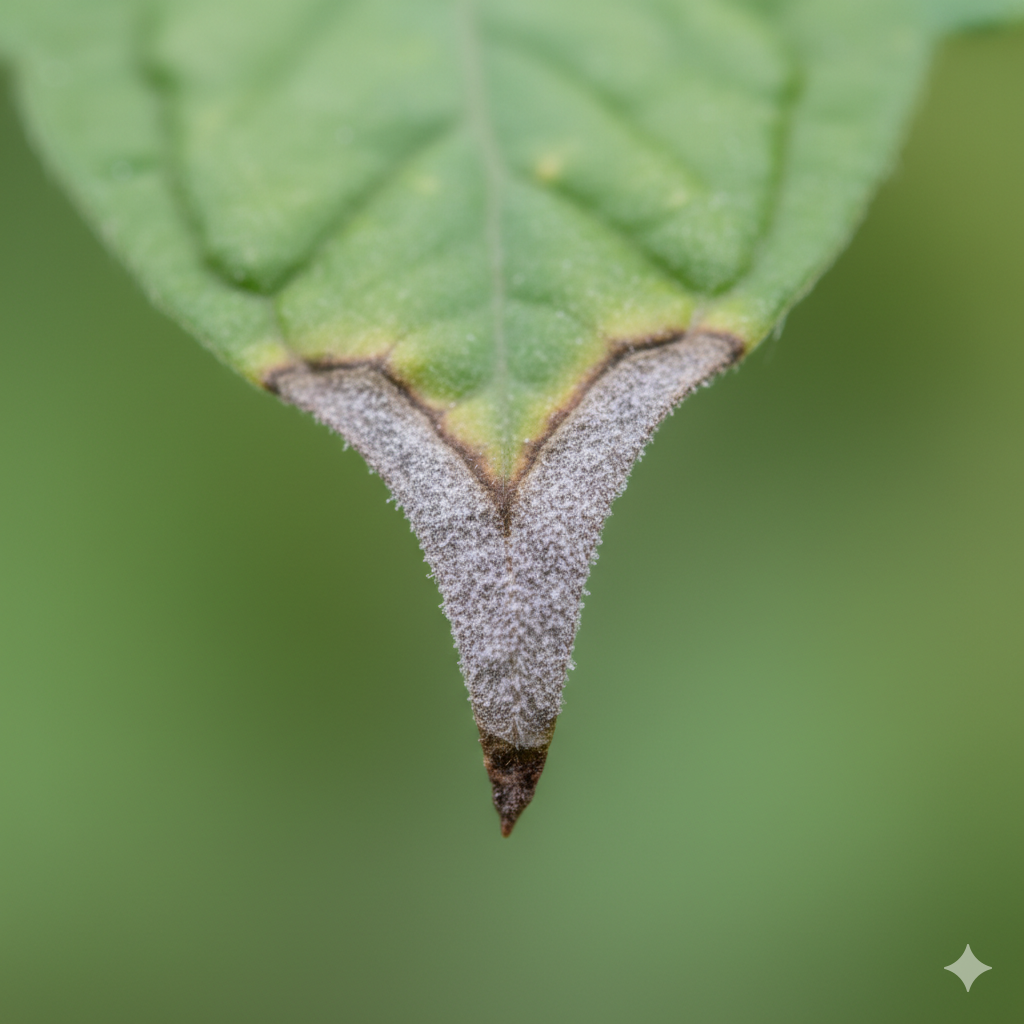
On the leaves, the infection often begins on older, lower foliage that is trapped in the humid environment near the soil surface. You will typically see light brown or tan spots. A classic sign is a V shaped lesion starting at the tip of a leaflet and narrowing as it moves inward toward the center. This happens because the leaf tip holds onto dew drops the longest, giving the spores ample time to germinate. As the lesion expands, you might see concentric rings that can be confused with other diseases, eventually covered by the signature gray fuzz.
The Stems
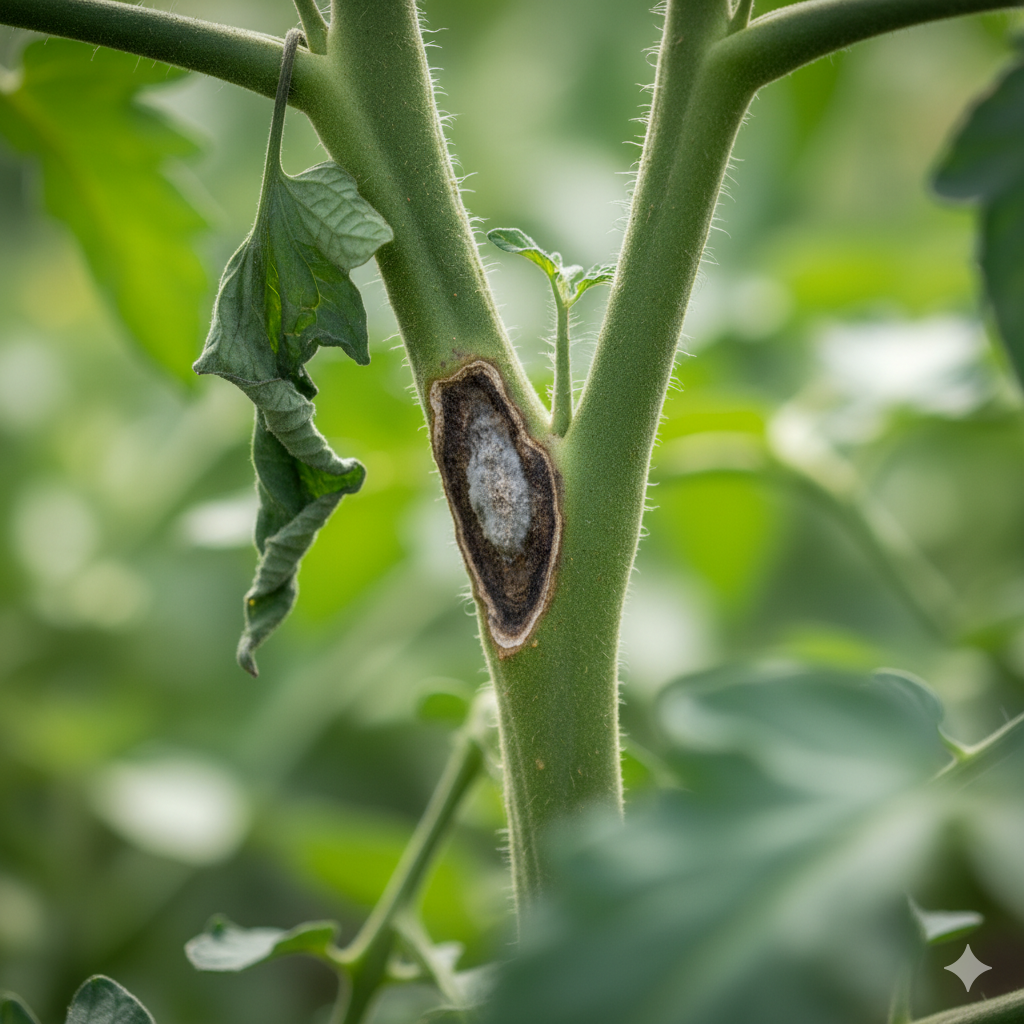
Stem infections are particularly dangerous and often lethal. They usually occur where a leaf has been removed or where the plant has suffered physical damage. The fungus enters the wound and creates an oval shaped, water soaked canker. These lesions can range from tan to dark brown. If the infection circles the entire stem, it acts like a tourniquet, cutting off the flow of water and nutrients. Everything above that point will wilt and die rapidly. Gardeners often mistake this sudden wilting for a root issue, but a closer look at the stem reveals the fuzzy culprit.
The Flowers and Fruit
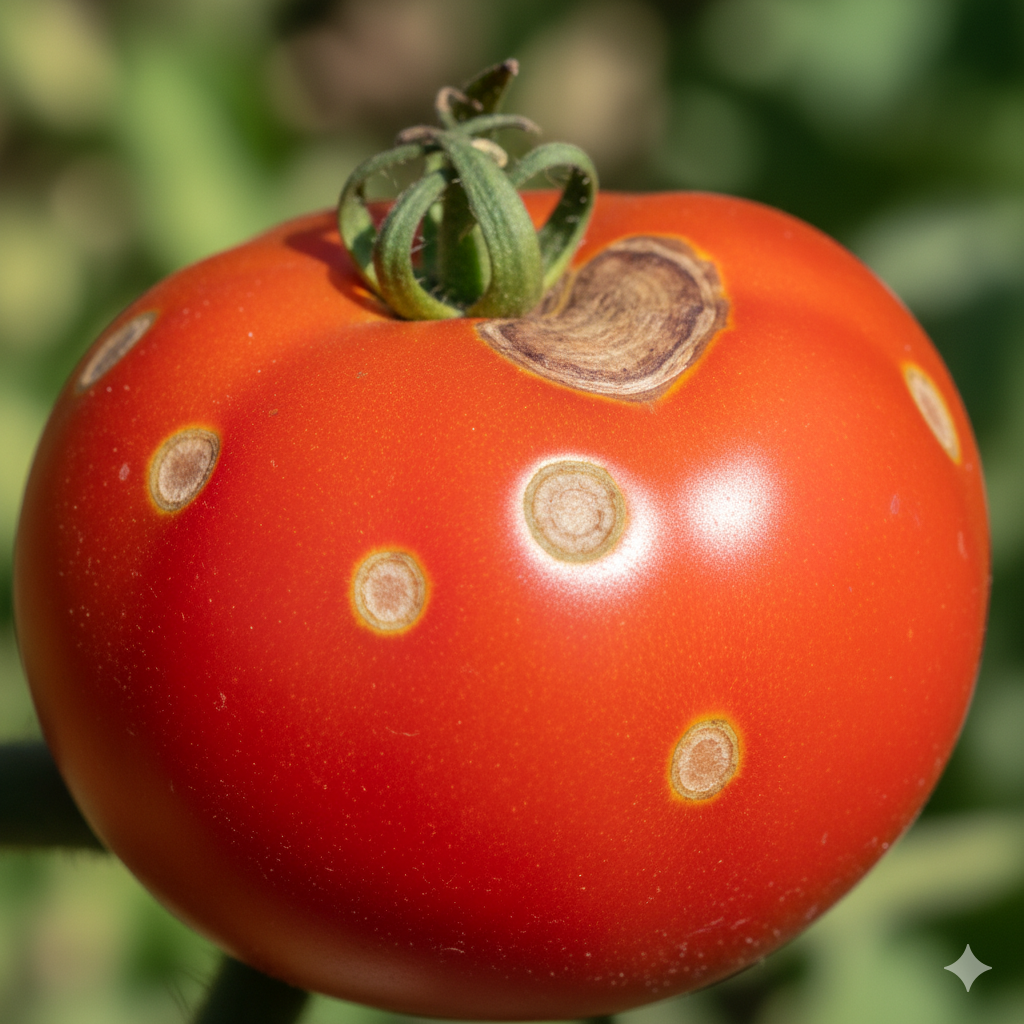
Perhaps the most tragic symptom is the loss of fruit. Botrytis often infects fading flower petals. Instead of falling off naturally, the infected petals stick to the developing fruit. The fungus then travels from the dead petal into the living fruit tissue, causing a soft and watery rot at the stem end.
On green or ripe fruit, you may also see "ghost spots." These are tiny, whitish rings or halos on the tomato skin. These spots form when the fungus tries to infect the fruit but the infection is halted by the sun or a change in humidity. While the fruit is technically safe to eat if you cut away the skin, these spots are a screaming alarm that Botrytis is active in your garden and could destroy your next round of fruit if conditions change.
Is It Gray Mold? Get a Second Opinion

Distinguishing between gray mold, early blight, and late blight can be difficult for even experienced gardeners. Treating the wrong disease can lead to wasted time and total crop loss.
This is where modern technology can save the day. You can use Plantlyze to instantly verify what you are seeing. Plantlyze is an AI powered plant care and diagnosis tool designed to act as a digital botanist in your pocket. Simply snap a photo of the affected leaf or fruit, and the system analyzes the visual patterns to confirm if it is Botrytis or an imposter. It takes the guesswork out of the equation so you can move straight to the solution. You can access this tool at plantlyze.com.
The Environmental Triggers
Gray mold does not strike at random. It requires a specific set of environmental conditions often referred to as the "Disease Triangle": a susceptible host, a virulent pathogen, and a favorable environment. Since we know tomatoes are susceptible and the pathogen is everywhere, the environment is the one variable you can control.
Moisture is the Key: Botrytis spores need free moisture on the plant surface to germinate. This can come from rain, overhead irrigation, fog, or morning dew. If the foliage stays wet for long periods, infection is almost guaranteed.
The Goldilocks Zone: The fungus thrives in cool to mild temperatures, specifically between 65°F and 75°F (18°C to 24°C). This is why gray mold is often a problem in the spring and autumn, or in greenhouses where humidity runs high. However, do not be fooled; if the humidity is high enough, the fungus can tolerate warmer weather too.
Strategic Prevention: Cultural Controls
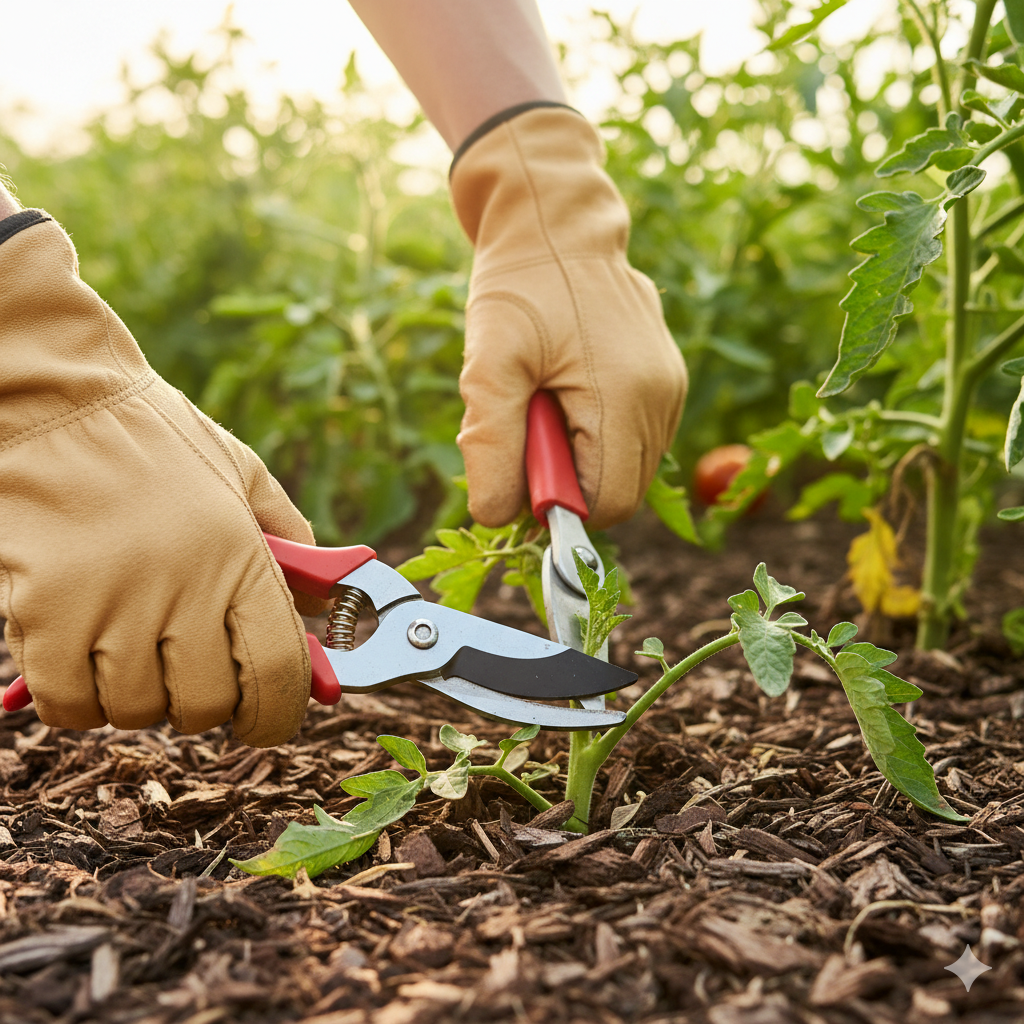
The most effective way to handle gray mold is to create a garden where it simply cannot thrive. We call this cultural control, and it involves adjusting your gardening habits to reduce moisture and spore loads.
1. Master the Art of Airflow
Stagnant air is the enemy. You want the wind to move freely through your tomato rows to dry off the leaves quickly after a rain.
Spacing: Plant your tomatoes farther apart than you think is necessary. Crowded plants create a humid microclimate that Botrytis loves.
Pruning: Remove the lower leaves (the bottom 10 to 12 inches) once the plant is established. This keeps foliage away from splashing soil and improves ventilation at the base.
Trellising: Keep plants upright and supported. Sprawling plants on the ground are easy targets for soil borne spores.
2. Sanitation Protocols
Think of your garden like a sterile operating room.
Clean Up: Continually remove dead flowers, falling leaves, and rotting fruit. This decaying matter is the fuel that powers Botrytis.
Safe Disposal: Never put gray mold infected debris in your compost pile unless you manage a "hot compost" system that is guaranteed to reach high temperatures. It is safer to burn the debris or bury it deep in a location away from your garden.
Tool Hygiene: Clean your pruning shears with alcohol or a bleach solution between plants to avoid carrying invisible spores from a sick plant to a healthy one.
3. Watering Wisdom
Water the soil, not the plant. Use drip irrigation or soaker hoses to keep the foliage bone dry. If you must hand water, do it early in the morning. This ensures that any accidental splashes have the entire day to dry off in the sun before the cool night air arrives.
The Arsenal: Treatments and Interventions
Sometimes, despite our best efforts at prevention, the weather cooperates with the fungus and an outbreak occurs. When this happens, you need to intervene.
Biological Fungicides (The Organic Choice)
For the environmentally conscious gardener, biological controls are highly effective against gray mold. These products use beneficial microbes to fight the bad ones.
Bacillus subtilis: This is a naturally occurring soil bacterium. When sprayed on the plant, it colonizes the leaf surface and produces antifungal compounds that stop Botrytis from growing. It effectively eats the fungus's lunch before the fungus can eat your plant.
Trichoderma harzianum: This is a beneficial fungus that acts like a predator. It attacks and digests the cell walls of Botrytis. It is particularly good for protecting pruning wounds.
Chemical Controls
If the infection is severe and you are not restricted to organic methods, chemical fungicides can offer a "reset" button.
Chlorothalonil: This is a broad spectrum fungicide that is very effective at preventing gray mold. It works by creating a protective coating on the leaf.
Copper Fungicides: A staple in many gardens, copper is effective but can accumulate in the soil. It kills fungal spores on contact.
Important Note: Fungicides work best as protectants. They are much better at preventing the spread to new leaves than curing a leaf that is already gray and fuzzy. Always read the label and follow the "Pre Harvest Interval" (PHI) which tells you how many days you must wait after spraying before you can eat the fruit.
A Personalized Plan
Navigating chemical names and application rates can be confusing. If you are unsure which product is safe for your specific region or plant stage, Plantlyze can help. After the tool diagnoses the mold, it provides a tailored treatment list, prioritizing organic options if you prefer them. It guides you on exactly what to do next. Visit plantlyze.com for your custom plant health strategy.
Handling the Harvest
Gray mold is notorious for causing post harvest rot. You might pick a perfect looking tomato, leave it on the counter, and find it rotting two days later. This happens because latent infections can wake up once the fruit is picked.
To prevent this, handle your fruit with extreme care. Even tiny scratches from your fingernails or a rough basket can provide an entry point for spores. Harvest your tomatoes when they are dry. If you see any ghost spots on the fruit, use those tomatoes first, as they will not store well. Store your harvest in a cool, dry place, but avoid the refrigerator for unripe tomatoes as it kills the flavor.
Calcium and Nutrition
There is evidence that calcium levels play a role in susceptibility. Calcium strengthens cell walls, making them harder for the fungus to penetrate. Ensure your soil has adequate calcium and that you are watering consistently, as irregular water prevents the plant from absorbing calcium properly. This is the same mechanism that prevents Blossom End Rot, so you are solving two problems with one solution.
Conclusion
Battling tomato gray mold is a rite of passage for every serious gardener. It teaches us to be observant and proactive. While Botrytis cinerea is a formidable opponent, it is not invincible. By combining smart cultural practices like pruning and spacing with targeted biological treatments, you can keep your plants healthy and productive.
Do not let a little gray fuzz discourage you. Walk your garden daily, keep your leaves dry, and use tools like Plantlyze to stay one step ahead of disease. The satisfaction of slicing into a perfect, homegrown tomato is worth every bit of effort.
References
Pro Mix Gardening. How to treat grey mold (botrytis) on tomatoes.promixgardening
National Center for Biotechnology Information. Biological Control of Tomato Gray Mold Caused by Botrytis cinerea. 2020.pmc.ncbi.nlm.nih
ScienceDirect. 2 Phenylethanol biocontrol postharvest tomato gray mold.sciencedirect
Royal Brinkman. Common Tomato Diseases in Greenhouses. 2023.royalbrinkman
Project Blue. Grey mould (Botrytis cinerea) of tomato.projectblue.core.windows
ScienceDirect. Interface of the environment and occurrence of Botrytis cinerea. 2016.sciencedirect
National Center for Biotechnology Information. Selenium Combined with Methyl Jasmonate to Control Tomato Gray Mold. 2022.pmc.ncbi.nlm.nih
Frontiers in Plant Science. Multiscale Parallel Algorithm for Early Detection of Tomato Gray Mold. 2021.frontiersin
NC State Extension. Botrytis Gray Mold of Tomato. 2018.ces.ncsu
National Institutes of Health. Botrytis cinerea infection accelerates ripening and cell wall disassembly. 2022.pmc.ncbi.nlm.nih