Introduction
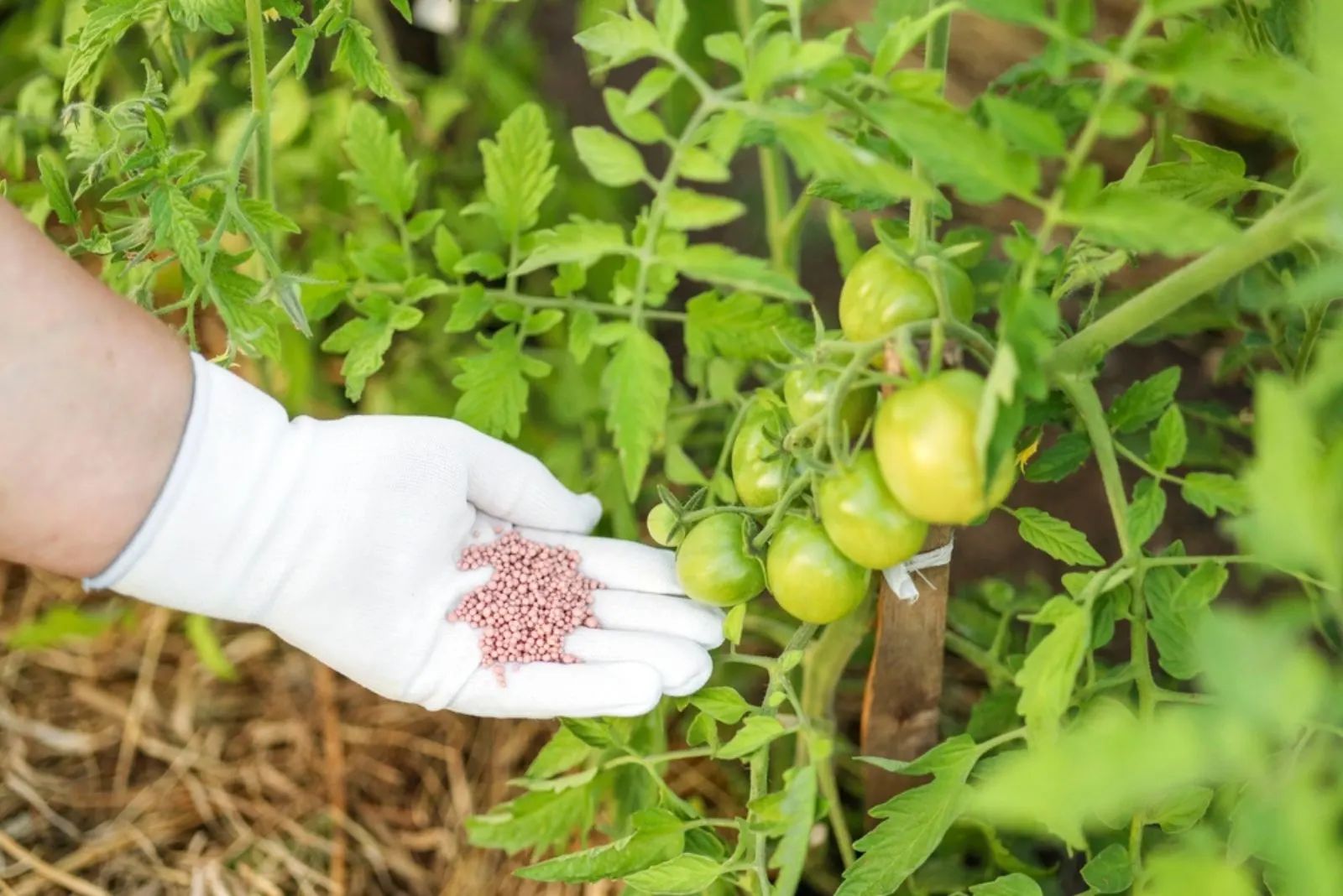
You’ve planted your tomatoes, they’re growing beautifully and then they start producing tiny, underwhelming fruit. Sound familiar? The issue often isn’t your watering or sunlight. It’s your fertilizer strategy. Most home gardeners use the same fertilizer all season, which is like feeding your teenager the same baby formula for their entire life. It doesn’t match their changing needs.
Here’s the honest truth: Fertilizing tomatoes is not rocket science. It simply involves knowing what your plants need at different stages of growth. The better news? Once you master this slight learning curve, you will continuously harvest larger and tastier tomatoes than ever before! Yes, soil is important- it all starts with good quality soil-but an understanding of what your plant actually takes in also matters. Plantlyze's AI-powered diagnostics help identify nutrient stress before visible symptoms appear, ensuring you're always one step ahead of deficiency problems.
Understanding Tomato Nutrition: The NPK Foundation
When you look at any fertilizer label, you'll see three numbers like 10-10-10 or 20-10-5. These numbers represent the NPK ratio, and understanding them is your gateway to fertilizer mastery. Let me break down what each letter actually means.
Nitrogen (N) promotes leaf and stem development while supporting photosynthesis—the process your plant uses to make energy. Phosphorus (P) is responsible for powering root development, flowering, and the formation of fruits. Potassium (K) is responsible for building the quality of fruits, enhancing color, and improving resistance to diseases.
Here’s a critical insight that most people miss and therefore fail: being totally sufficient in nutrients does not matter. What matters is their ratio more than their quantity. For example, a 20-10-10 fertilizer means the product contains 20 percent nitrogen, 10 percent phosphorus, and 10 percent potassium by weight.
Beyond the basic NPK trio, your tomatoes also desperately need calcium and magnesium. Calcium prevents blossom end rot—those dark, sunken spots on the fruit. Magnesium powers photosynthesis and supports overall plant health. Many gardeners ignore these micronutrients and then wonder why their plants struggle.
Why Ratios Matter More Than Total Fertilizer
Here's something most gardeners get wrong: you could pour fertilizer on your tomatoes every day and they'd still fail if the ratio is wrong. Different growth stages require vastly different nutrient ratios. Excess nitrogen during fruiting? Your plant makes beautiful foliage but little fruit. Phosphorus deficiency when flowering? You get minimal fruit set. It's all about having the right nutrient balance at the right time.
Wrong ratios create problems even with adequate total nutrients. Excessive nitrogen reduces fruiting but encourages foliage growth. Incorrect calcium or potassium balance leads directly to blossom end rot. This is why understanding the progression of nutrient needs is so powerful.
Tomato Growth Stages: What Your Plant Needs When
Think of your tomato plant's life as four distinct chapters. Each chapter requires a different nutritional story. Trying to use the same fertilizer for all four stages is like serving steak to a newborn or formula to a teenager.
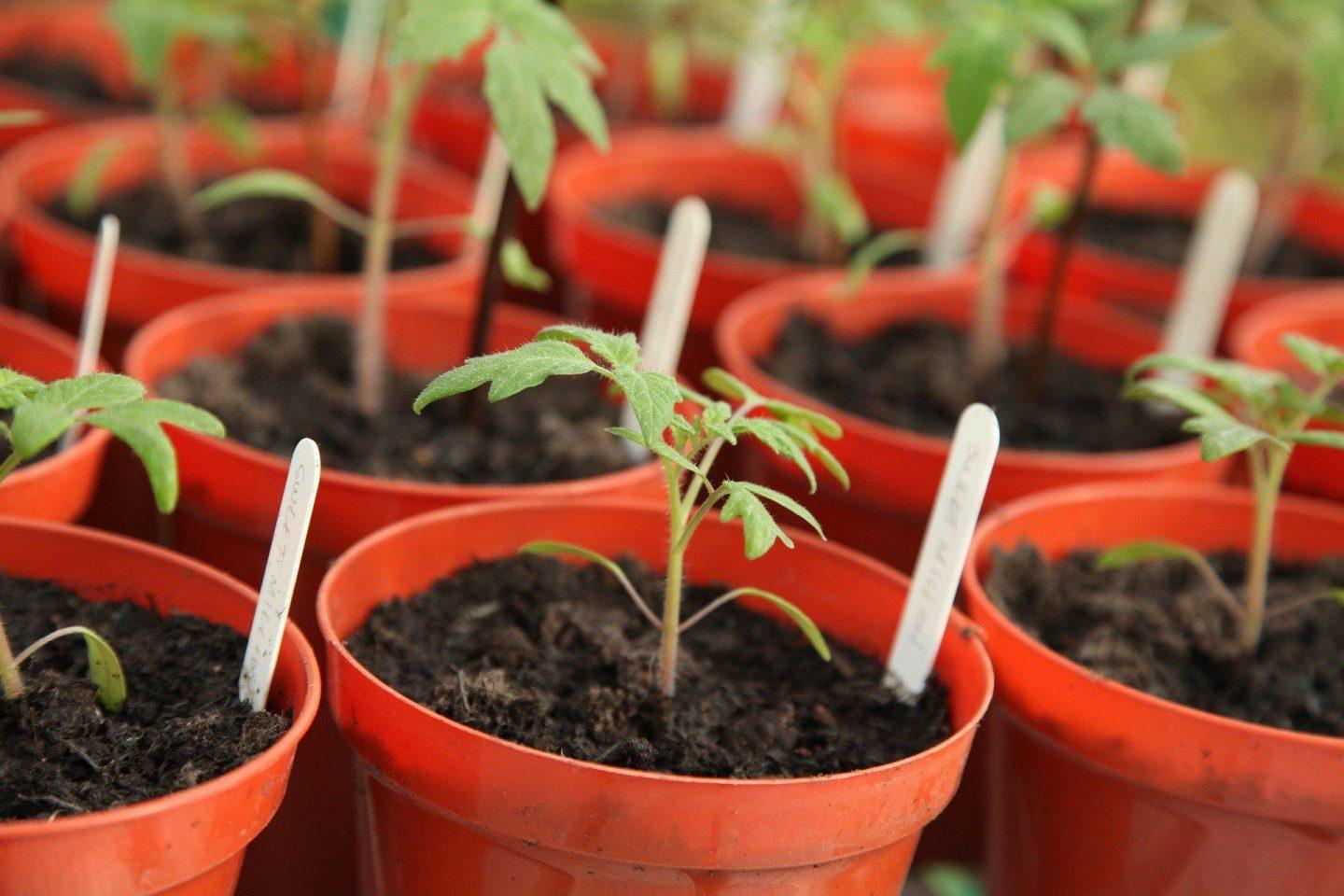
Stage One: Seedling and Transplant
Timeline: First two weeks after transplanting into the garden.
This is about establishing roots. Your seedling's priority is developing a robust root system before anything else matters. Use a balanced or phosphorus-rich fertilizer like 10-10-10 or 5-15-5. The emphasis on phosphorus accelerates root development without overwhelming young, tender tissues.
Apply fertilizer every three to four weeks during this phase. If you're using liquid fertilizer, dilute it to half strength and apply weekly. Here's the critical warning: young seedlings burn easily from too much fertilizer. Think of them like newborns who can't handle strong flavors. Too much strength causes root burn and stunts growth.
Water from the base, never on the foliage, and keep your hand gentle with application rates. Many beginning gardeners kill seedlings with kindness by overfertilizing.
Stage Two: Vegetative Growth
Timeline: Weeks three through six after transplanting until the first flowers appear.
Now your plant is focused on building strong stems and abundant foliage. Switch to a higher nitrogen formula like 20-10-10 or 16-6-4. Nitrogen drives the leafy, bushy growth that creates a strong plant framework.
Continue fertilizing every three to four weeks with granular fertilizer, or weekly with diluted liquid. Your plant is growing fast and seems to love the nitrogen boost.
Here's the critical insight that changes everything: excess nitrogen during this stage delays flowering. Too much nitrogen tells the plant to keep making leaves when it should soon transition to making flowers. Balance nitrogen application so your plant gets robust growth without postponing its reproductive cycle.
Stage Three: Flowering and Fruiting
Timeline: From the first flower cluster through harvest.
This is your highest-yield window. The moment you see that first flower cluster, it's time to change your fertilizer ratio. Switch to something like 6-8-12 or 10-10-40. Notice how nitrogen drops while phosphorus and potassium increase.
Phosphorus encourages abundant flower production and pollination success. Potassium builds fruit quality, enhances color, and improves taste. This ratio shift is absolutely critical. Many gardeners never make this change and then wonder why their flowers don't set fruit.
Frequency increases to every two to three weeks for granular, or every seven to ten days for liquid. This is your peak production phase. Consistent feeding ensures your plant has the nutrients to produce massive yields without interruption.
The reason for increased frequency is simple: your plant is now manufacturing fruit at incredible rates. Each new tomato developing requires significant nutrient input. Skip feeding and you'll notice smaller fruit and fewer blooms.
NPK Ratios by the Numbers: A Practical Guide
Rather than guessing about which fertilizer to use when, let me give you specific NPK ratios that work for each phase of the tomato season.
Pre-Planting Soil Preparation
Before transplanting, work aged compost into your soil. This foundation layer provides slow-release nutrients and improves soil structure. Compost typically has a balanced NPK around 3-1-2, which is perfect for creating fertile soil without forcing growth.
Growth Stage Specific Ratios
For seedlings, aim for 10-10-10 or 5-15-5. The phosphorus emphasis supports root establishment. For early vegetative growth, use 20-10-10 or 16-6-4 to drive leafy expansion. When you see the first flowers, transition to 10-10-10 as a bridge, then move to 6-8-12 or 10-10-40 for peak fruiting. Late season, a 5-10-10 ratio maintains quality without excessive new growth.
Understanding fertilizer labels is surprisingly simple once you know the system. The guaranteed analysis section always lists NPK in the same order. A 10-10-10 means exactly 10 percent nitrogen, 10 percent phosphorus, 10 percent potassium. Different product types deliver these nutrients at different speeds. Granular releases slowly as soil microbes break it down. Liquid works quickly because it's immediately available. Organic fertilizers release nutrients gradually as organisms in the soil process them.
One detail many gardeners miss: soil pH affects nutrient availability. Even if nutrients are present in the soil, your plant can't absorb them if pH is wrong. The optimal range for tomatoes is 6.2 to 6.8. Below this range, micronutrients become too available and can reach toxic levels. Above this range, essential nutrients lock up and become unavailable. A simple soil test prevents mysterious deficiency problems.
Organic Versus Synthetic: Understanding Your Options
Synthetic fertilizers work fast because they're already in the chemical form plants absorb immediately. You get precise NPK control and predictable results. The downside is burn risk if over-applied, and they don't improve soil biology.
Organic fertilizers like bone meal (3-15-0) provide phosphorus excellent for flowering phases. Fish emulsion (5-1-1) supplies safe nitrogen for young plants. Kelp meal provides potassium (0-0-10) for fruiting. Composted materials improve soil structure while feeding plants slowly. Many experienced gardeners use both: organic amendments as the base layer, then targeted synthetic fertilizer for specific needs.
The Blossom End Rot Connection: Calcium, Not Just NPK
Blossom end rot appears as dark, sunken spots on the bottom of your tomato fruit. It's incredibly frustrating because the fruit looks perfect until you flip it over. Let me tell you exactly what causes this and how to prevent it.
What Is Blossom End Rot and Why It Isn't Your Fault
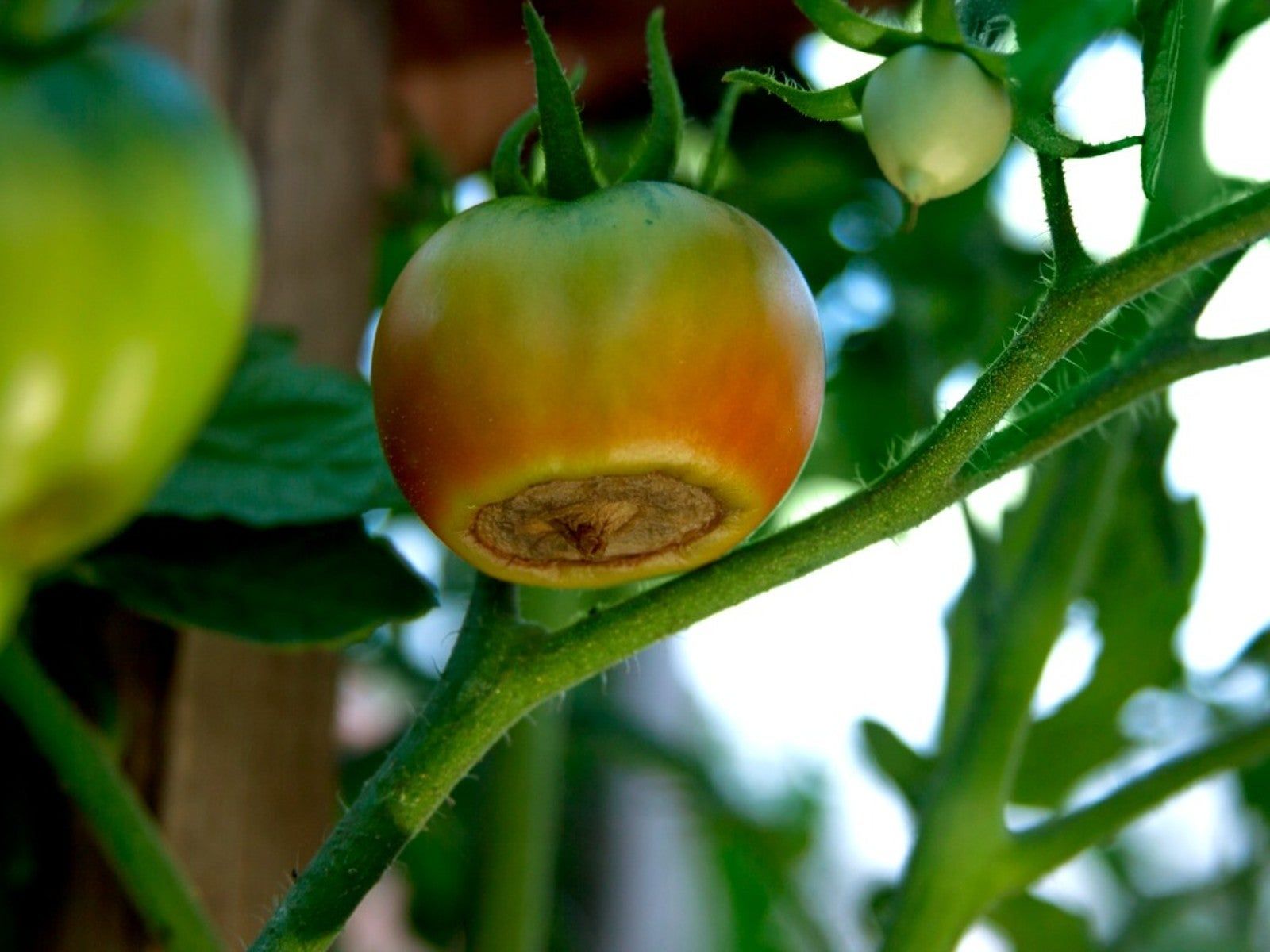
Blossom end rot is a physiological disorder caused by calcium deficiency in the developing fruit. It usually appears during peak fruit development when your plant is producing at maximum rates.
Here's the critical distinction that changes everything: blossom end rot isn't caused by insufficient calcium in your soil. It's caused by your plant's inability to transport the calcium that is present. This happens for several reasons, and understanding them is your prevention strategy.
The Real Culprits Behind Blossom End Rot
Inconsistent watering is the number one cause. When your soil swings between soaking wet and bone dry, your plant can't maintain the moisture flow needed to transport calcium to developing fruit. Calcium moves through the plant in water, so moisture inconsistency blocks calcium transport.
Excess nitrogen or potassium can interfere with calcium uptake. This happens because nutrients compete for uptake pathways. When you have high nitrogen, your plant prioritizes nitrogen absorption over calcium. High potassium does the same thing.
Magnesium imbalance creates calcium transport problems. The two minerals compete, and excess magnesium actually worsens blossom end rot. This is why Epsom salt, which is magnesium sulfate, makes the problem worse, not better. Many gardeners apply Epsom salt thinking it helps, when it actually worsens calcium deficiency.
Overfertilization salinizes soil, reducing nutrient availability overall. When your soil accumulates excess salt from too much fertilizer, minerals precipitate out and become unavailable to roots.
Prevention Strategy: It's About Balance
Prevention requires understanding that blossom end rot is a system problem, not a single nutrient problem. You need consistent soil moisture. Your watering schedule matters as much as your fertilizer strategy.
Keep your calcium to potassium ratio reasonable. This doesn't mean 1 to 1, but it does mean balanced. If you can, use calcium nitrate as your nitrogen source. This provides nitrogen while supplying bioavailable calcium.
Absolutely avoid Epsom salt unless a soil test specifically shows magnesium deficiency. Excess magnesium worsens calcium transport and makes blossom end rot worse. It's one of the most persistent garden myths that needs permanent debunking.
Adequate soil drainage prevents nutrient lockup. Clay soil that drains poorly accumulates excess salt and creates pH problems that lock up nutrients. Consider adding organic matter or creating raised beds with better drainage if you have heavy soil.
The most important thing to remember: blossom end rot prevention isn't about adding more fertilizer. It's about consistent watering and nutrient balance. Fix your watering consistency and you've solved half the problem.
Fertilizer Types and Application Methods
Different fertilizer types have completely different application strategies. Using granular fertilizer on the wrong schedule or applying liquid fertilizer at the wrong strength creates problems. Let me walk you through your options.
Granular Slow Release Fertilizers
Granular fertilizer works slowly as soil microbes break down the particles. Apply once every four to six weeks. Mix the fertilizer into the soil around the base, maintaining at least six inches distance from the stem. This prevents root burn.
Granular won't burn plants if applied correctly, making it more forgiving than liquid. You don't need to worry about weekly applications and dilution ratios. It's set-it-and-forget-it gardening.
Popular granular products for tomatoes include Espoma Tomato tone and Dr. Earth Home Grown. Both contain additional calcium to prevent blossom end rot.
Liquid and Water Soluble Fertilizers
Liquid fertilizers are immediately available to roots but require careful application. Dilute according to package directions and apply every seven to fourteen days. Don't skip the dilution step. Undiluted liquid fertilizer burns roots instantly.
Liquid works best for container tomatoes because nutrients leach quickly from pots. You need frequent applications to maintain nutrient levels. Liquid also lets you adjust feeding based on plant appearance.
Fish emulsion (5-1-1) is an excellent organic liquid for nitrogen. Seaweed extract provides potassium and trace minerals. Hydroponic formulas like Dyna-Gro give precise NPK control.
Organic Amendments for the Long Game
Many gardeners use organic materials as their primary fertilizer strategy. Bone meal supplies slow-release phosphorus (3-15-0), perfect for flowering phases. Work it into the soil at transplanting time.
Fish meal provides nitrogen (5-1-1) with no burn risk. Kelp meal supplies potassium (0-0-10) for fruiting stages. Use these materials to boost specific nutrients without fussing with ratios.
The combination approach works brilliantly: layer compost and organic amendments as your foundation, then supplement with targeted liquid or granular fertilizer for specific needs. This gives you nutrient security from organic matter while allowing precise adjustments when needed.
Foliar Feeding for Quick Response
Foliar feeding means spraying diluted fertilizer directly on leaves. The plant absorbs nutrients through the leaf surface for quick availability. This works perfectly for mid-season deficiency corrections.
Apply early morning or late evening only. Never spray in direct sun or extreme heat. This prevents leaf burn. Mix fertilizer to half strength and spray thoroughly, coating both sides of leaves.
Foliar feeding isn't a substitute for soil feeding, but it's excellent supplemental nutrition.
Creating Your Tomato Feeding Schedule
Confusion about when to feed is the biggest reason gardeners fail at fertilization. Let me give you a month-by-month schedule that removes guesswork.
Month by Month Feeding Plan
Spring is April, and that’s when most people move things around. Apply a balanced 10-10-10 fertilizer every three to four weeks. You want roots and shoots with no big leaves.
May brings on the first quick growth spurt. Change to 20-10-10 and keep up the three-to-four-week schedule. Your plant is growing fast, so it needs food. At month's end, watch carefully for that first flower cluster.
June is the critical transition month. As soon as you see the first flower cluster, switch to 6-8-12 or 10-10-40. This single change increases yields dramatically. Don't skip this step.
July is peak production. Maintain 6-8-12 fertilizer and increase frequency to every two weeks. Your plant is working hard producing fruit. Consistent feeding ensures massive yields.
August continues heavy fruiting. Maintain the same schedule. Watch for any signs of deficiency like yellowing leaves or purple tinges.
September is late season. Slightly reduce frequency, but don't stop feeding. Quality matters now more than quantity. Your goal is perfect tomatoes.
Container Tomato Feeding Differences
Container-grown tomatoes need different strategy than garden tomatoes. Container soil depletes nutrients faster than garden beds. Feed container tomatoes weekly instead of every two to three weeks.
Use liquid fertilizer for better nutrient availability in confined spaces. Flush containers monthly with extra water to prevent salt accumulation. This runoff carries away accumulated fertilizer salts that otherwise lock up nutrients.
Larger containers retain moisture and nutrients better than small pots. A five-gallon container needs weekly feeding. A twenty-gallon container might stretch to every two weeks.
Signs Your Tomato Needs More Fertilizer
Yellowing lower leaves indicate nitrogen deficiency. The plant pulls nitrogen from old leaves to support new growth. If lower leaves yellow while upper leaves stay green, your plant needs nitrogen.
Purple tinged leaves signal phosphorus deficiency. This usually happens early season in cold soil when phosphorus availability drops. Warm soil helps phosphorus availability.
Weak stem growth and small fruit suggest potassium deficiency. Your plant looks weak and stressed.
Overall pale appearance indicates general nutrient deficiency. The entire plant looks unhealthy rather than just showing specific deficiency symptoms.
Don't panic when you see these signs. They're actually helpful feedback. Your plant is telling you exactly what it needs. Adjust your fertilizer and watch it respond quickly.
Common Mistakes to Avoid
Learning what not to do prevents most fertilizer disasters. Let me highlight the biggest mistakes that sabotage harvests.
Overfertilizing
The most common mistake is feeding too much, thinking more is always better. Overfertilization causes excessive vegetative growth at the expense of fruit production. You get a beautiful, leafy plant with minimal tomatoes.
Overfertilization burns roots and damages plants. It creates salt accumulation in soil that locks up nutrients. This catches many well-meaning gardeners.
Using Same Fertilizer All Season
Single balanced fertilizer misses each growth stage's specific needs. Early season high nitrogen prevents flowering. Continuous balanced ratio never optimizes fruiting. Your plant never gets exactly what it needs when it needs it.
Ignoring Soil pH
Soil pH below 6.2 or above 6.8 locks up nutrients. Your plant can't absorb nutrients even if they're present. Simple soil test prevents this entire category of problems. Most mysterious deficiencies trace back to pH issues.
Mixing Epsom Salt Myths
Epsom salt is magnesium sulfate, not calcium. Excess magnesium actually blocks calcium uptake, worsening blossom end rot rather than preventing it. This is one gardening myth that needs immediate death.
Know What Your Tomato Actually Needs
Here's where most gardeners stop thinking: soil tests tell you what's available in soil, but not what your plant actually absorbs. Some plants absorb nutrients poorly even when soil levels are adequate. Visual deficiency symptoms appear late, meaning your plant is already stressed.
Consistent deficiency without obvious cause usually suggests uptake problems or pH issues. This is where Plantlyze's AI-powered plant nutrient analysis makes the difference. Rather than guessing what's happening, get personalized recommendations based on your exact soil type and growth stage.
Plantlyze identifies nutrient stress before symptoms become visible. The system learns your garden's specific conditions and adjusts recommendations seasonally. Stop guessing about fertilizer strategy. Start growing with data-driven decisions.
Ready to combine practical feeding knowledge with ongoing plant monitoring? Try Plantlyze's free plant nutrient analysis today. Your tomato harvest will thank you.
Conclusion
Let's recap because this truly transforms your tomato harvests. Fertilizing tomatoes is about matching nutrients to growth stage. Seedlings need balanced or phosphorus-rich. Vegetative stage needs high nitrogen. Flowering and fruiting needs low nitrogen, high phosphorus and potassium. This single principle guides everything.
Remember three key factors: NPK ratios matter more than total quantity, timing matters as much as fertilizer type, and consistency prevents deficiencies. Watering consistency and soil pH matter just as much as fertilizer selection.
You now understand more than 90 percent of home gardeners about tomato nutrition. You know why NPK ratios change. You understand blossom end rot prevention. You can create a feeding schedule that matches your plant's needs.
One final thought: the best fertilizer is the one you'll actually use consistently. Whether you choose granular, liquid, or organic, stick with it and adjust as your plant responds. Combine this feeding knowledge with Plantlyze's ongoing plant monitoring to ensure your tomatoes reach their full potential.
References
University of Florida Extension - Institute of Food and Agricultural Sciences (IFAS)
https://bmp.ifas.ufl.edu/crop-recommendations/tomatoes/Rutgers University Plant Pest Advisory - New Jersey Agricultural Experiment Station
https://plant-pest-advisory.rutgers.edu/magnesium-deficiency-in-tomato/University of Connecticut Extension - Department of Plant Science and Landscape Architecture
https://homegarden.cahnr.uconn.edu/2025/06/15/blossom-end-rot/Penn State University Extension - Vegetable Production Guide
https://extension.psu.edu/tomato-production