You're out in your garden on a warm summer afternoon, looking forward to harvesting your first ripe tomatoes. Then you notice something troubling—brown spots appearing on the lower leaves of your tomato plants. Your heart sinks. Is this the end of your harvest?
Early blight is one of the most common diseases threatening tomato growers worldwide. It's caused by fungal pathogens, primarily Alternaria solani and Alternaria tomatophila, and can devastate your crop if left unchecked. But here's the good news: early blight is entirely manageable. With the right knowledge and approach, you can prevent it, identify it early, and treat it effectively.
This comprehensive guide walks you through everything you need to know from understanding what early blight is to preventing it before it takes hold. Whether you're a seasoned gardener or growing tomatoes for the first time, you'll find practical, actionable solutions.
If you're unsure whether your tomato plants have early blight, Plantlyze can help you identify the issue instantly with its AI-powered plant diagnosis tool. Simply upload a photo of your affected leaves, and get instant diagnosis to guide your next steps.
What Is Tomato Early Blight? Understanding the Disease
Defining Early Blight
Early blight is a fungal disease that affects tomato plants at all growth stages. The disease gets its name because it typically appears earlier in the growing season compared to late blight, another common tomato disease.
The primary culprit is Alternaria solani, a fungus that thrives in warm, humid conditions. A secondary causal agent, Alternaria tomatophila, can also cause similar symptoms. If left untreated, early blight can significantly reduce your yield or even destroy your entire crop.
The disease affects every part of your tomato plant from the leaves and stems to the fruits themselves. What makes it particularly challenging is how quickly it can spread once conditions become favorable.
Why This Matters for Your Garden
Early blight isn't just an aesthetic problem. It's a serious threat to your tomato production.
The disease starts on lower leaves and progressively moves upward, defoliating plants and exposing fruits to sunscald. In commercial operations, yield losses can reach 50% or more. For home gardeners, losing a season's worth of homegrown tomatoes is equally devastating.
But here's what's important: early blight is entirely preventable and manageable with the right approach. By understanding how it works and implementing proper management strategies, you can protect your plants and enjoy a healthy harvest.
Identifying Early Blight: Spot the Signs Early
Early detection is your best defense. The earlier you catch early blight, the easier it is to control. Learning to identify the distinctive symptoms is your first critical step.
Early Blight Leaf Symptoms
Early blight shows distinctive symptoms on tomato leaves that are hard to miss once you know what to look for.
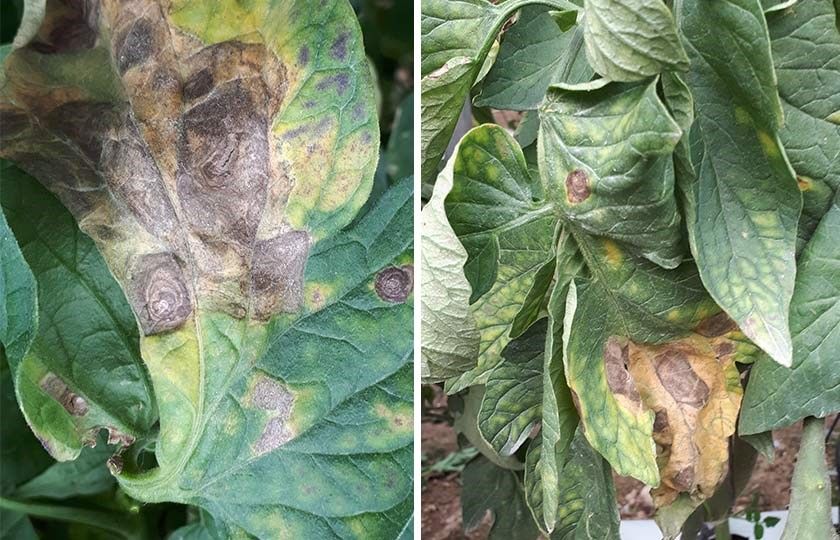
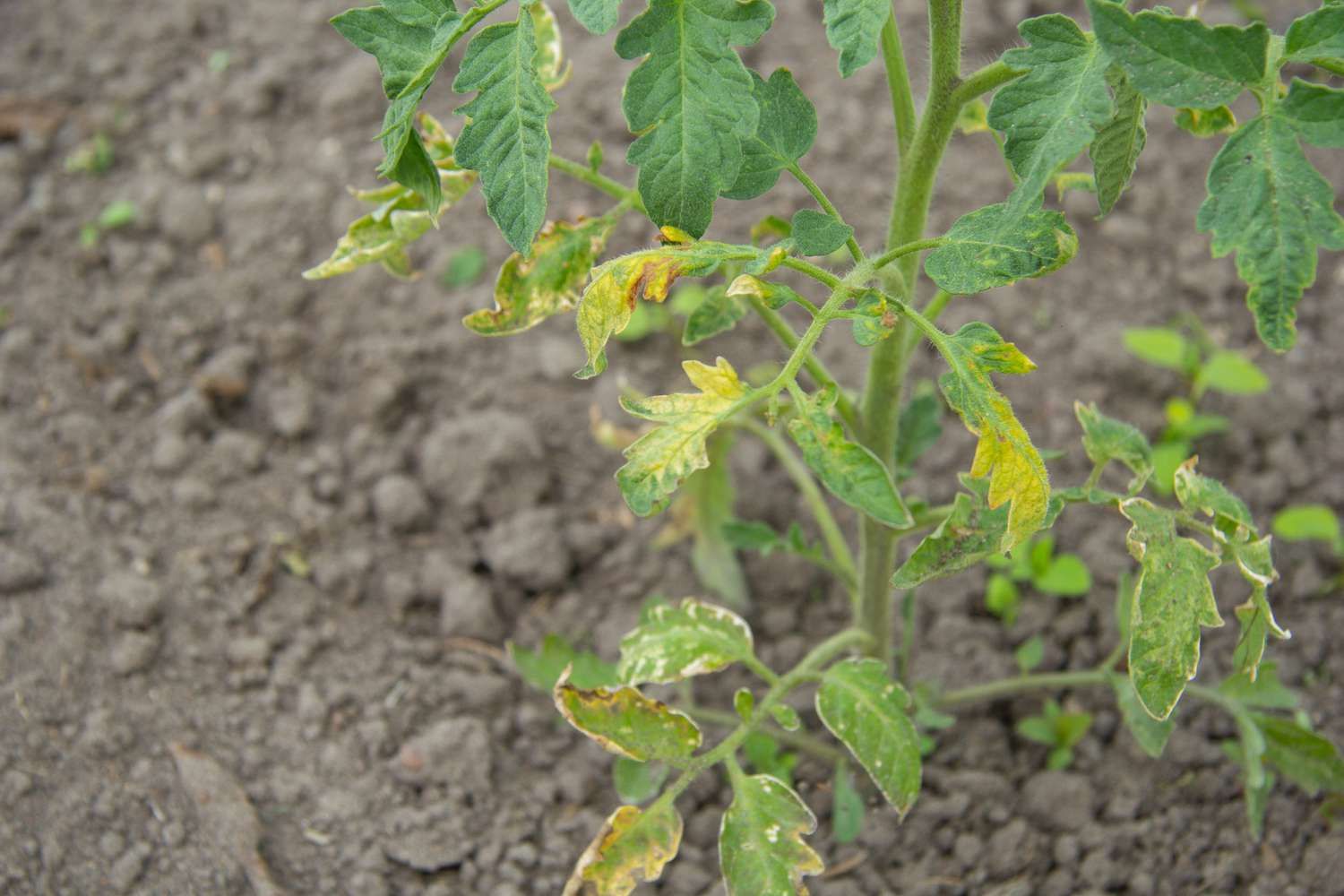
Initial appearance: You'll notice small, circular brown spots appearing on the lowest leaves of the plant—the ones closest to the soil. These spots typically start small, around 5-10mm in diameter.
The telltale target pattern: The most distinctive feature of early blight is the concentric ring pattern. Each spot looks like a target or bullseye dark brown rings alternating with lighter rings, often surrounded by a yellow halo. This target pattern is what sets early blight apart from many other leaf diseases.
Progression: As the disease advances, individual spots merge together. The affected leaves turn entirely brown, wither, and fall off the plant. This defoliation progresses upward from the lower branches toward the top of the plant.
Location matters: Early blight always starts on the lower, older leaves near soil level. This is because the fungus lives in soil and spreads upward through water splash.
Stem and Fruit Symptoms
Early blight doesn't just attack leaves it affects other plant parts too.
Stem cankers: You may notice dark, sunken lesions on the main stem or branches, typically at or just above the soil line. These target-like spots can girdle stems, cutting off water and nutrient flow.
Seedling damage: If young seedlings become infected, you'll see collar rot a browning and sunken area right at the soil line where the stem meets the earth. Infected seedlings typically wilt and die.
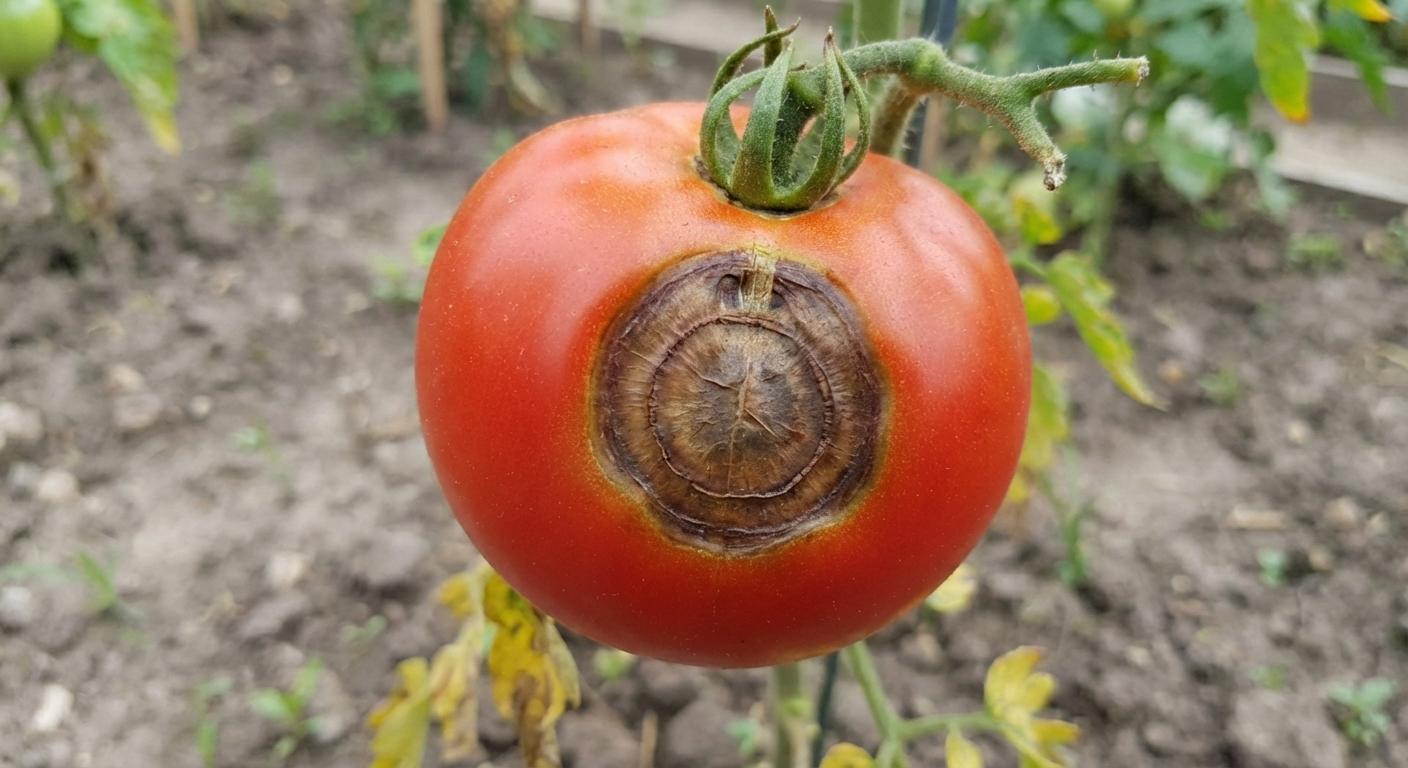
Fruit damage: Infected fruits develop leathery, black spots with raised concentric ridges. These spots typically appear near the stem end of the fruit. While the spots may be only on the surface, they make the fruit unappetizing and reduce its shelf life.
Distinguishing From Other Diseases
Early blight can sometimes be confused with other tomato diseases, so accurate identification matters.
Early blight vs. Late blight: Late blight (caused by Phytophthora infestans) shows pale green spots initially that turn purplish-black, appearing on leaf tips and margins rather than scattered across the leaf surface. Late blight also produces a white fungal growth on leaf undersides, which early blight does not.
Early blight vs. Septoria leaf spot: Septoria causes tiny spots (1-3mm) with dark borders and gray centers with tiny black dots, appearing more uniformly distributed rather than in the concentrated lower-leaf pattern of early blight.
Getting the identification right ensures you choose the most effective treatment for your situation.
What Causes Early Blight? Understanding the Enemy
Understanding what creates the conditions for early blight to thrive gives you power to prevent it.
Environmental Conditions: The Perfect Storm
The Alternaria solani fungus thrives in specific conditions. When these conditions align, the disease spreads rapidly.
Temperature: Early blight grows best at temperatures between 59-86°F, with optimal growth at 82-86°F. This is why early blight is worst during warm summers.
Moisture: The fungus absolutely requires wet conditions or very high humidity (90%+) to spread. This is critical information—it means you can significantly reduce disease risk by managing moisture.
Infection requirements: For the fungus to actually infect your plant, it needs free water on the leaf surface for 5-10 hours. Morning dew, overhead irrigation, or rain provides this water. Once infection is established, the disease becomes much harder to control.
Seasonal patterns: Early blight is more severe in warm, humid regions and during the warmest part of the growing season. In cooler climates, it may appear later in summer as temperatures warm up.
How Disease Spreads
The Alternaria solani fungus survives in multiple ways and spreads through various pathways.
Overwintering: The fungus overwinters in infected plant debris left in the garden and in the soil. This is why old tomato plants and debris can be infection sources for the next year.
Contaminated seeds and transplants: Infected seeds or seedlings can introduce the disease directly into your garden.
Transmission methods: Once present, the disease spreads through:
Soil splash (water droplets carrying fungal spores from soil onto lower leaves)
Wind-carried spores
Water droplets during rain or overhead irrigation
Human contact (hands, tools contaminated with fungal spores)
Contaminated gardening equipment
Reinfection cycles: Once early blight establishes in your garden, the disease creates its own perpetual cycle. Infected leaves drop spores onto the soil; rain splash sends them back up to lower leaves; the cycle continues throughout the season.
Understanding these pathways helps you interrupt the disease cycle and prevent spread.
Prevention: Your First Line of Defense
Prevention is always better than cure when it comes to early blight. Implementing prevention strategies now saves you time, money, and heartbreak later.
Cultural Practices: No Chemicals Needed
You can prevent or dramatically reduce early blight through smart gardening practices alone.
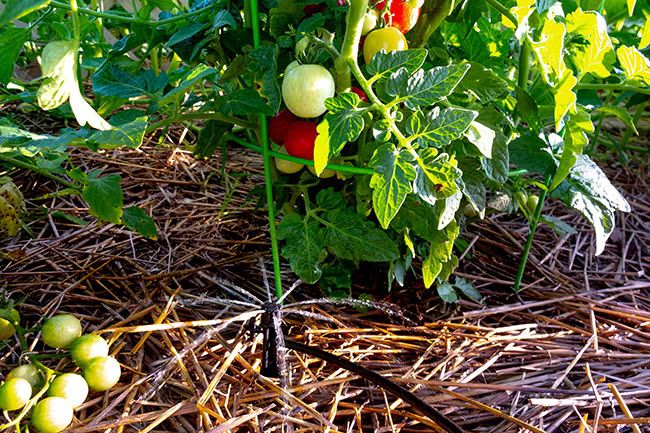
Mulch to block soil splash: Apply 2-3 inches of organic mulch around the base of each tomato plant. This barrier prevents soil splashing onto lower leaves during rain or watering—the primary transmission method for early blight.
Master your watering technique: This is critical. Use drip irrigation or soaker hoses that deliver water directly to the soil without wetting foliage. Never use overhead sprinklers, which create wet conditions that the fungus loves. Water early in the morning so any incidental leaf wetness dries quickly in the sun.
Prune strategically: Remove lower leaves and stems within 6-8 inches of the ground as the plant grows. These lower leaves are most susceptible to soil splash. Pruning them off eliminates the primary infection sites. Do this pruning on dry days and sterilize your pruners between cuts with a 10% bleach solution.
Optimize air circulation: Space plants 18-24 inches apart rather than crowding them. Stake or trellis plants vertically to keep foliage off the ground and allow air to circulate freely. Good air movement helps foliage dry quickly after rain or watering.
Timing matters: Water only in early morning, giving foliage time to dry during the warmest part of the day. Avoid watering in late afternoon or evening, which leaves plants wet overnight—perfect conditions for fungal growth.
Maximize sunlight: Plant tomatoes in full sun (at least 8 hours daily). Good sunlight and air circulation help foliage dry quickly and reduce humidity around the plant.
Rotate crops strategically: Don't plant tomatoes or peppers in the same location for at least 2 years. The Alternaria solani fungus persists in soil and plant debris, so moving your plants breaks this cycle.
Resistant Varieties: Start With Advantage
Choosing disease-resistant tomato varieties gives you a head start against early blight.
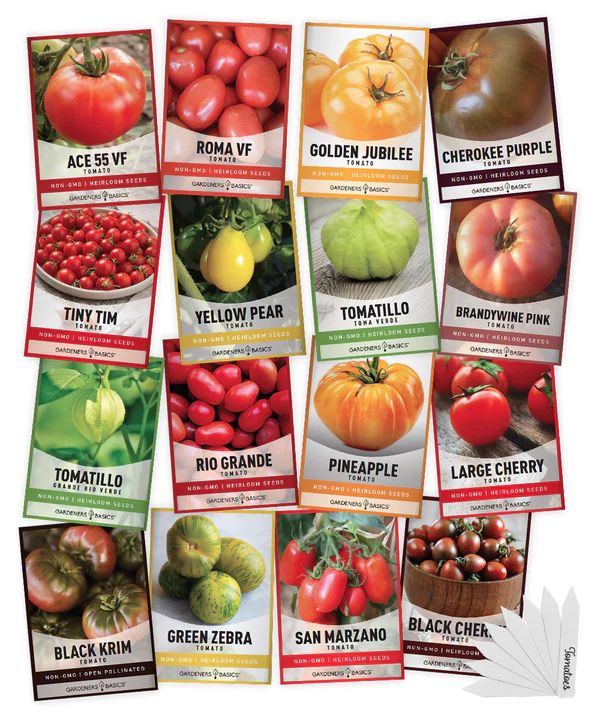
Look for varieties marked with "EB" or "E" on seed packets, indicating early blight resistance. Excellent resistant varieties include:
Mountain Fresh Plus F1
Juliet F1
Tommy Toe
Old Brooks
Cabernet F1
Iron Lady F1
When selecting seeds or transplants, always choose certified disease-free seeds. If saving seeds from your own plants, save them only from completely healthy fruits.
Sanitation and Tool Management
Breaking the disease cycle requires rigorous cleanliness.
Equipment hygiene: Clean all stakes, cages, trellises, and gardening tools with a 10% bleach solution (1 part bleach to 9 parts water) before moving them between plants. Contaminated equipment can spread the fungus rapidly through your garden.
End-of-season cleanup: This is non-negotiable. At the end of the season, remove every piece of plant debris from your garden don't leave it sitting around or throw it on a compost pile where it might overwinter. Burn the debris if possible, or plow it deeply into the soil where it will decompose without providing spore sources.
Tool disinfection between plants: If you're handling diseased plants or doing major pruning, clean your tools between each plant to avoid spreading infection.
Treatment Options: When Prevention Isn't Enough
Sometimes, despite your best efforts, early blight appears. When it does, you have multiple effective treatment options.
Organic and Biological Controls
If you prefer chemical-free options, several effective treatments exist.
Copper-based fungicides: Copper hydroxide (Kocide 101) and copper oxychloride are approved for organic growing and highly effective against early blight. These copper compounds kill the fungal spores and prevent new infections. Apply every 7-10 days starting before symptoms appear or at the first sign of disease. Follow label instructions carefully regarding application rates and safety precautions.
Biological agents: Serenade, containing Bacillus subtilis, is a bacterial fungicide that works well for early blight control. It's approved for organic production and works best when applied preventatively or at first sign of disease.
Natural alternatives: Neem oil and neem leaf extracts show promise in research, with some studies showing 77.8% inhibition of Alternaria solani. Apply according to label directions, typically every 7-14 days.
Beneficial microorganisms: Fungi like Trichoderma harzianum and Penicillium bilaiae, as well as bacteria like Bacillus subtilis, suppress fungal pathogens through competition and antagonism. These are available as commercial products and work best as preventative applications.
Application strategy: Start applications early in the season, before disease appears. If you wait until you see symptoms, you're already behind. Continue applications every 10 days through the season, especially during warm, humid periods.
Conventional Chemical Treatments
Conventional fungicides offer strong disease control when organic options aren't sufficient.
Common options: Chlorothalonil (Daconil 2787) and azoxystrobin (Quadris, Amistar) are effective against early blight. Combination products like Metalaxyl + Chlorothalonil or Mancozeb + Azoxystrobin address multiple fungal diseases simultaneously.
When to apply: Start applications when the disease is found during warm, damp weather conducive to rapid spread. Observe all label directions concerning how often to apply (usually every 7-10 days), safety precautions and number of days between application and harvest.
Timing importance: Early recognition and the appropriate actions are key. Fungicides can prevent new infections, but they won’t reverse the damage that has already been done. The earlier you treat, the better your results.
Integrated Approach for Best Results
The most effective strategy combines multiple approaches.
Start preventatively: Use resistant varieties, implement cultural practices, and apply preventative fungicides before disease appears.
Apply treatments at first sign: Don't wait for full-blown infection. Treat at the first appearance of symptoms.
Combine methods: Use cultural practices (pruning, mulching, sanitation) alongside biological or chemical fungicides for best results.
Monitor regularly: Check your plants every 3-5 days during the growing season. Catching early blight early makes all the difference in control outcomes.
Step-by-Step Action Plan: Taking Control
Here's exactly what to do if you discover early blight on your tomato plants.
Step 1: Assess your situation. Do you actually have early blight, or is it something else? Look for the distinctive target-like spots with concentric rings. If you're unsure, use Plantlyze's AI diagnosis tool—upload a photo of your affected leaves and get instant confirmation before taking action.
Step 2: Immediate action. Remove all affected leaves below the first infected spot. This stops the disease from spreading upward and removes primary infection sites. Dispose of these leaves in sealed bags or burn them—don't compost them.
Step 3: Isolate affected plants. If only some plants show symptoms, separate them from healthy plants if possible. At minimum, tend to healthy plants first and infected plants last to avoid spreading spores.
Step 4: Choose your treatment method. Decide whether you'll use organic (copper-based), biological, or conventional chemical fungicides. Your choice depends on your preferences, the severity of infection, and your growing conditions.
Step 5: Apply treatment carefully. Follow all product label instructions regarding application rates, timing, and safety precautions. Apply thoroughly, coating both sides of remaining leaves.
Step 6: Monitor closely. Check your plants every 3-5 days. Look for new symptoms. If disease continues spreading despite treatment, try a different product or increase application frequency.
Step 7: Implement cultural practices immediately. Even as you treat, start applying preventative practices—improve air circulation, adjust watering, add mulch.
Step 8: Plan for next year. Make notes about when disease appeared, weather conditions, and what worked. Use this information to refine your prevention strategy for next season.
Frequently Asked Questions
Q: How quickly does early blight spread?
Early blight develops remarkably fast. Initial small leaf spots can form within 5 days of infection. Once established, the disease can spread throughout an entire field in weeks if conditions remain warm and humid. This is why early detection and prompt treatment matter so much.
Q: Can I eat tomatoes with early blight?
If early blight affects only the plant foliage, your tomato fruits are fine to eat—the disease doesn't affect the fruit's edibility. However, if early blight creates spots directly on the fruit (leathery, dark spots with concentric rings), you can cut away surface spots for eating if they're minor. Severely infected fruit should be discarded.
Q: Is early blight in soil permanent?
The Alternaria solani fungus survives in soil and plant debris for 2 or more years. This is why crop rotation is essential. Don't plant tomatoes or peppers in the same location for at least 2 years. The fungus will eventually die out if you prevent it from reinfecting new plants.
Q: When should I stop applying fungicide?
Continue fungicide applications throughout your growing season while environmental conditions favor the disease—temperatures between 59-86°F and humidity above 90%. In cooler climates, you might stop applications once temperatures drop in fall. Always follow product label instructions regarding application frequency and harvest waiting periods.
Q: Can early blight spread to other crops?
Alternaria solani specializes in tomatoes and potatoes. While some Alternaria species affect other crops, early blight itself won't spread to beans, cucumbers, or other garden vegetables. However, peppers can be affected, so include them in your crop rotation plan.
Conclusion: Taking Charge of Your Tomato Health
Early blight doesn't have to mean the end of your tomato dreams. This disease is entirely manageable when you understand it and act decisively.
The path to success is clear: start with prevention through resistant varieties, smart cultural practices, and good sanitation. Monitor your plants regularly. Catch problems early. Treat promptly and thoroughly. Most importantly, keep learning what works best in your specific garden conditions.
Prevention will always beat treatment. A few minutes spent on pruning, adjusting your watering method, and applying preventative fungicides in early season saves weeks of trouble later.
Not sure if your plants have early blight? Use Plantlyze's AI plant diagnosis tool to identify disease accurately and get personalized treatment recommendations. Visit plantlyze.com and upload a photo of your tomato leaves our tool provides instant diagnosis to help save your crop.
Your success with tomatoes is possible. Start implementing these strategies today, and you'll be enjoying a healthy harvest this season and for seasons to come.
References
West Virginia University Extension. "Early Blight of Tomatoes." https://extension.wvu.edu/lawn-gardening-pests/plant-disease/fruit-vegetable-diseases/early-blight-of-tomatoes
University of Minnesota Extension. "Early Blight in Tomato and Potato." https://extension.umn.edu/disease-management/early-blight-tomato-and-potato
IJEAB. "Sustainable Management of Tomato Early Blight with Plant Extracts." Journal publication, 2024.
Novobac. "How to Successfully Combat Tomato Early Blight in Your Garden." https://www.novobac.com/tomato-early-blight/
Katyayani Krishi Direct. "Control Measures for Early Blight in Tomato Crop." https://katyayanikrishidirect.com/blogs/news/control-measures-to-early-blight-in-tomato-crop