There's nothing quite like the disappointment of discovering mysterious dark spots appearing on your carefully nurtured tomato plants. You've watered them faithfully, provided plenty of sunshine, and watched them grow strong and healthy. Then one day, you notice small lesions spreading across the leaves and fruit. If this sounds familiar, your tomatoes may have contracted tomato bacterial spot, one of the most frustrating diseases gardeners encounter.
The truth is, tomato bacterial spot is incredibly common in warm, humid climates. It can turn a thriving garden into a struggling one almost overnight. But here's the good news: understanding this disease transforms you from a victim of it to someone who can prevent and manage it effectively. This guide will walk you through everything you need to know, from spotting the first warning signs to implementing proven treatment strategies.
If you're unsure whether your tomato plants have bacterial spot, Plantlyze's AI-powered plant identification system can provide instant diagnosis and personalized care recommendations. But first, let's explore this disease in detail so you truly understand what's happening to your plants.
What Is Tomato Bacterial Spot?
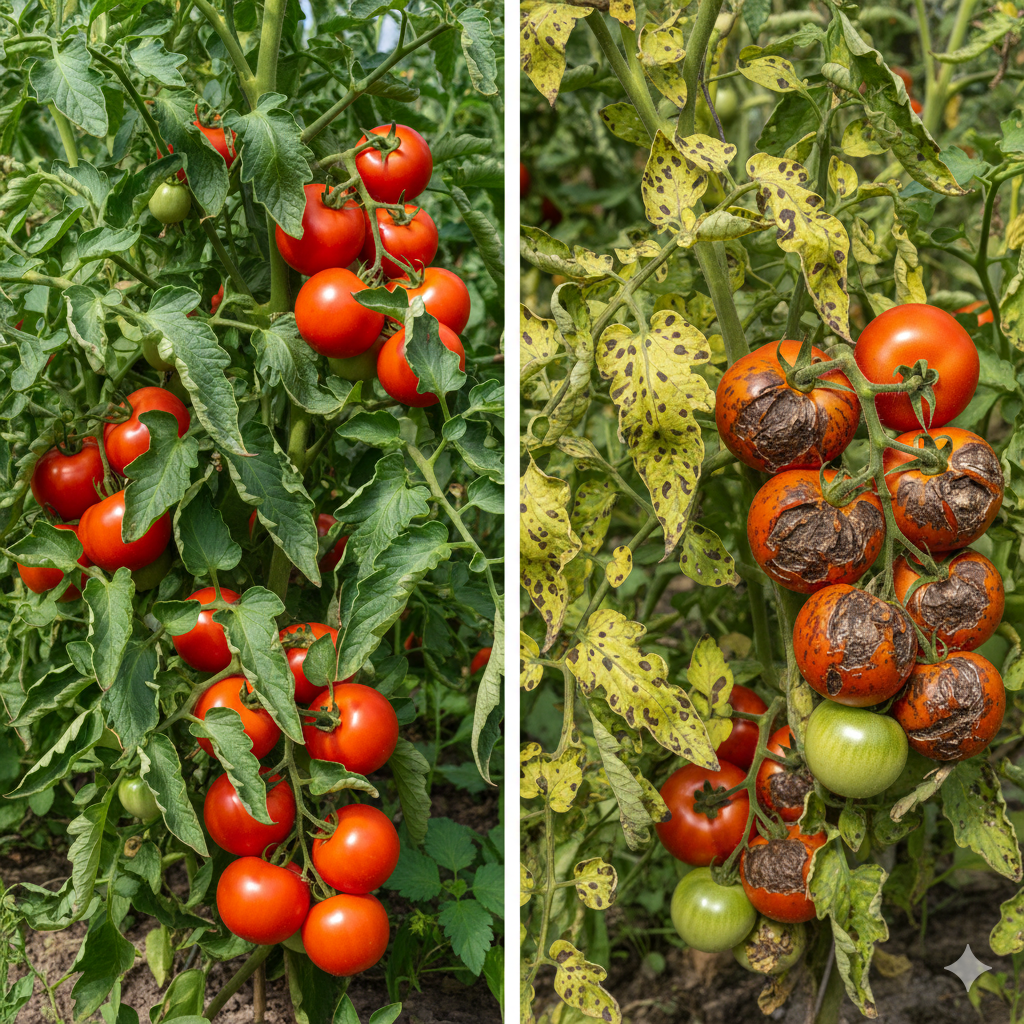
Tomato bacterial spot is a disease caused by bacteria from the Xanthomonas genus. These microscopic pathogens attack the leaf tissue, fruit surface, and stems of tomato plants, creating characteristic lesions that gradually worsen throughout the growing season. The disease is particularly problematic because once it establishes itself in your garden, it spreads rapidly under favorable conditions.
Many gardeners confuse bacterial spot with bacterial speck, another tomato disease. The key difference lies in the bacteria involved and the symptoms produced. Bacterial spot creates larger, more sunken lesions, while bacterial speck produces smaller, more raised spots. Understanding this distinction matters because treatment approaches differ slightly between the two.
What makes bacterial spot so concerning is its potential impact. Infected fruit becomes unmarketable due to ugly, scabby spots. Severe infections can cause extensive leaf yellowing and premature leaf drop, which exposes fruit to sunscald and reduces plant vigor dramatically. In extreme cases, entire crops may need to be destroyed to prevent spread to neighboring plants or future seasons.
The disease thrives in regions with warm, wet conditions. If you live somewhere that experiences frequent rain combined with warm temperatures, you're in a high-risk zone for bacterial spot. Greenhouses with high humidity create similar problems, making this a concern whether you garden outdoors or under cover.
Recognizing Tomato Bacterial Spot Symptoms
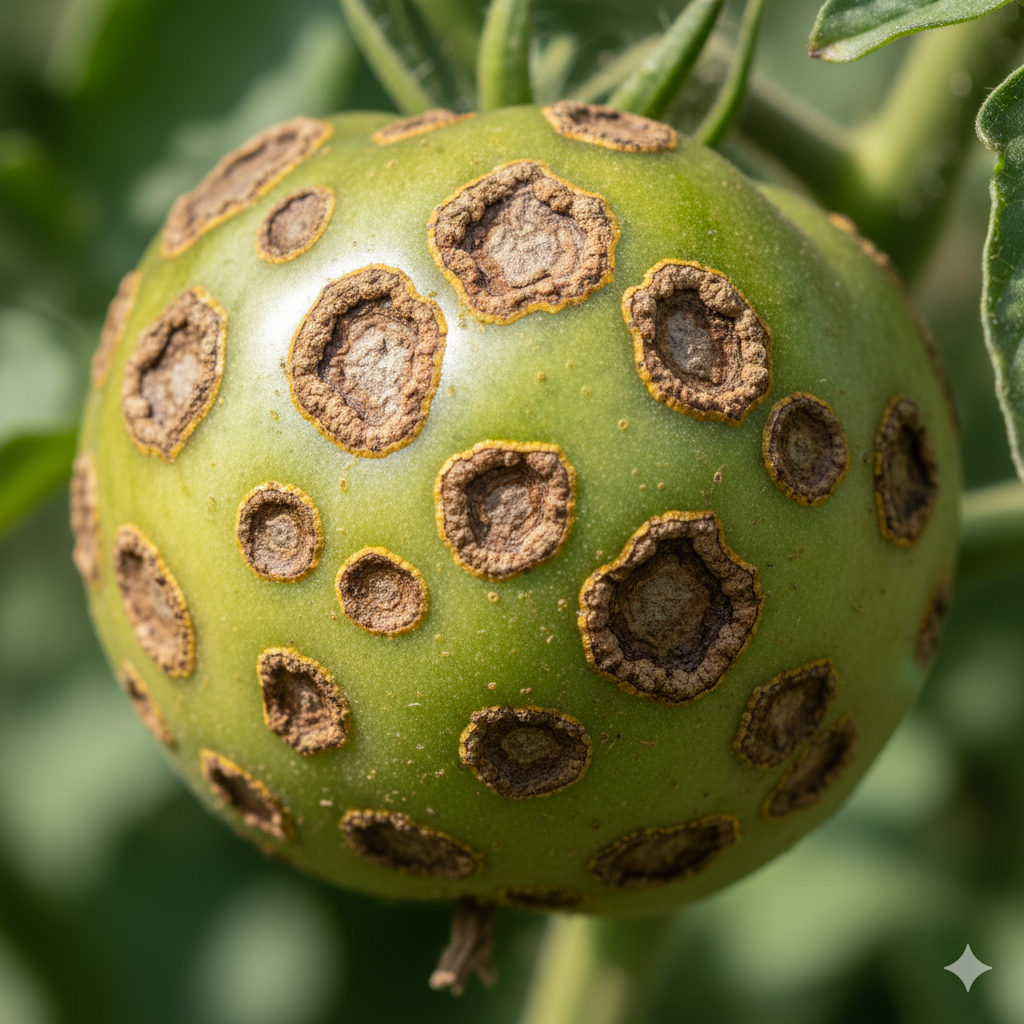
Learning to identify bacterial spot early gives you the best chance of managing it successfully. The symptoms evolve as the disease progresses, so understanding the timeline helps you act quickly.
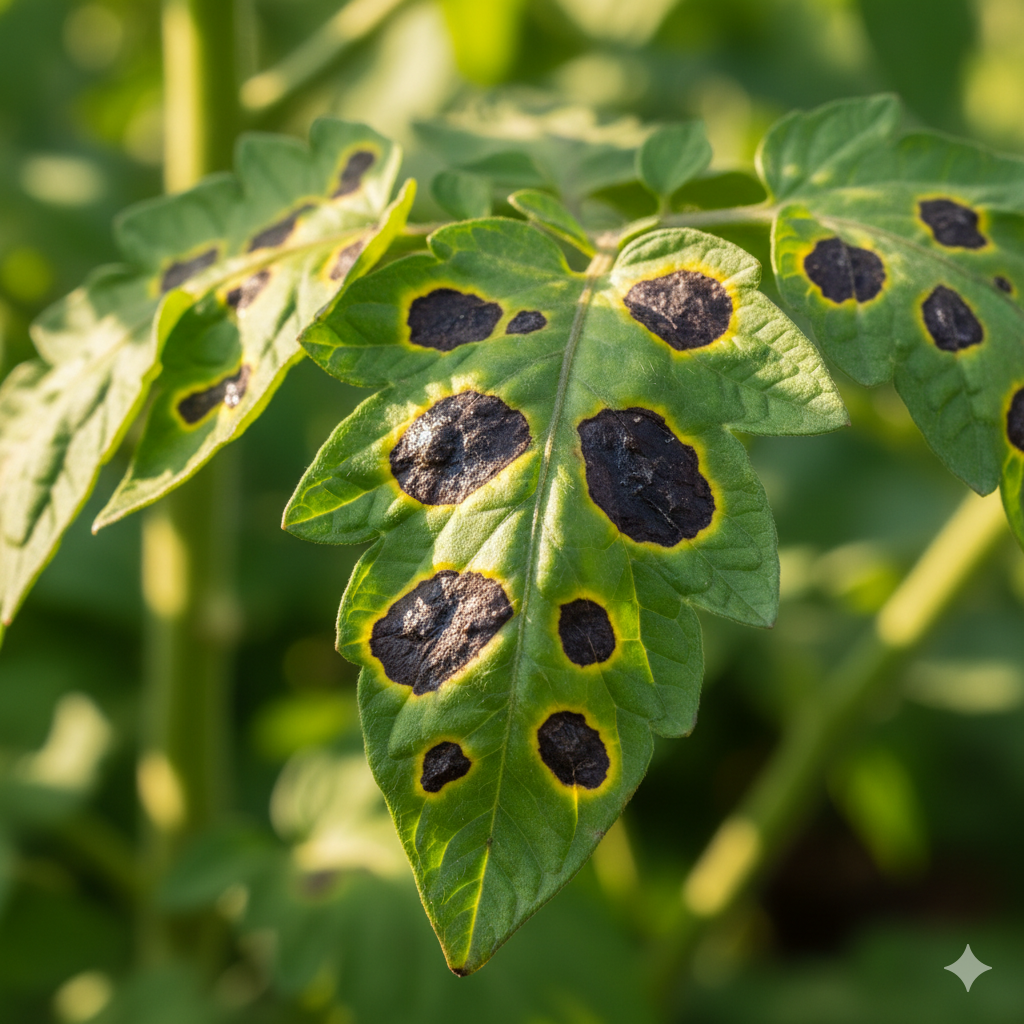
On leaves, the first warning signs appear as small, water-soaked areas that look almost translucent. These spots typically have a subtle yellow or light green halo surrounding them. As the disease advances, the centers of these spots turn dark brown or black, becoming slightly raised and hardened. Mature spots can reach up to one quarter inch in diameter.
In severe cases, you may notice larger blotches, especially along leaf margins, eventually leading to yellowing and leaf drop.
On fruit, symptoms appear slightly different. Young, green fruit develops small raised or blister-like spots surrounded by yellowish halos. These spots initially sink inward slightly, creating a characteristic appearance. As the fruit matures and ripens, the spots enlarge and become rough and scabby in texture.
Some mature spots appear raised while others look sunken with raised edges around them. The affected areas remain hard and corky, making the fruit unsuitable for sale or consumption.
Symptoms develop rapidly when temperatures stay between 68 to 77 degrees Fahrenheit with high moisture. Interestingly, night temperatures below 61 degrees Fahrenheit suppress the disease regardless of daytime temperatures. This is useful information for understanding seasonal progression. Early season infections in spring cause minimal damage because cooler nights slow disease development.
Peak problems typically occur mid-season when both daytime and nighttime temperatures remain warm.
The critical window for action is recognizing symptoms in their earliest stages. A single yellowed or water-soaked leaf is your signal to investigate further. Don't ignore these early signs, as they represent the easiest point to intervene before the disease becomes widespread and difficult to control.
How Tomato Bacterial Spot Spreads and Survives
Understanding disease spread mechanisms helps you implement better prevention strategies. Bacterial spot doesn't simply appear on healthy plants without reason. Knowing how infection occurs reveals where to focus your disease management efforts.
The bacteria persist between seasons in crop debris left in your garden, on volunteer tomato plants that regrow from previous years' seeds, and on certain weed hosts like nightshade. These sources become your primary concern when planning a garden location. If you grew tomatoes in a particular spot last year and noticed bacterial spot, that same location harbors bacteria waiting to infect new plantings.
Contaminated seeds and transplants represent another major infection source. The bacteria can live inside seeds or on their surface. When you plant infected seeds or purchase diseased transplants from nurseries, you're essentially introducing the pathogen directly to your garden.
This is why using disease-free seeds and disease-free transplants forms the foundation of prevention.
Secondary spread within your garden occurs primarily through water splash. When rain falls on infected leaves, water droplets carrying bacteria splash onto healthy leaves below. Sprinkler irrigation causes the same problem, making overhead watering particularly risky when disease is present. Splashing can happen from several feet away, so proximity alone doesn't protect your healthy plants.
Temperature and moisture determine disease severity. The bacteria multiply rapidly when humidity remains high and free moisture sits on leaves. Each watering or rainfall creates ideal conditions for infection. This is why gardens in humid regions struggle more with bacterial spot than those in dry climates. The disease practically makes its own perfect environment through the moisture patterns many gardeners maintain.
Preventing Tomato Bacterial Spot: Your First Line of Defense
Prevention always beats treatment in disease management. Once bacterial spot establishes in your plants, stopping it becomes significantly harder. Building multiple layers of protection creates a comprehensive defense strategy that protects your tomato harvest.
Start with disease-free seeds and transplants. Purchase seeds from reputable suppliers and buy transplants from nurseries with good sanitation practices. Inspect transplants before buying, looking for any spots or discoloration. This single step eliminates a major infection source and sets the stage for disease-free plants.
Modify your watering practices to keep leaves dry. Avoid overhead sprinkler irrigation altogether if possible. Instead, use drip irrigation that delivers water directly to the soil at the base of plants. If you must hand water, do so early in the morning so any splash dries quickly. Never water in the evening, as wet leaves throughout the night create perfect conditions for bacterial infection.
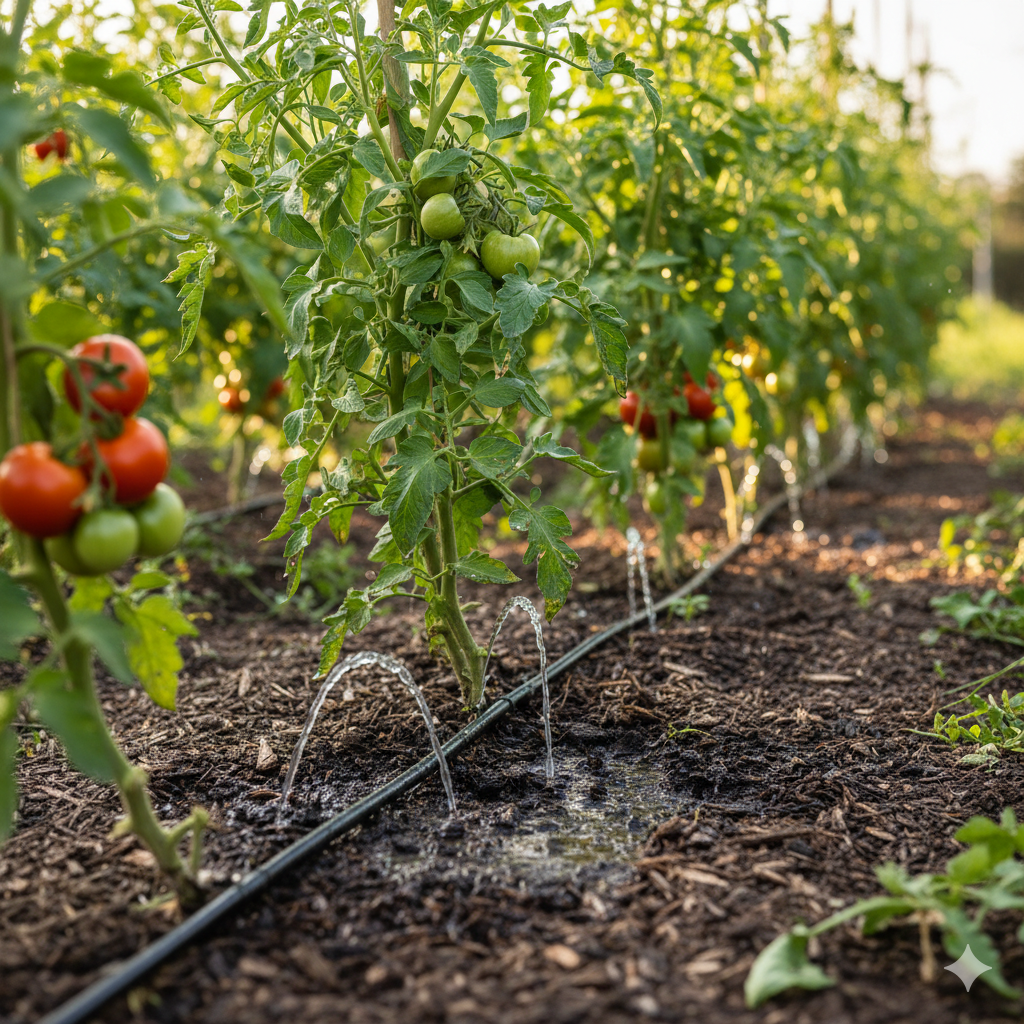
Space your plants generously to maximize air circulation. Overcrowded plants create pockets of high humidity where disease thrives. Good air movement allows leaves to dry faster after rain or watering. As plants grow, prune lower leaves to improve airflow through the canopy. This practice has the added benefit of preventing soil splash onto leaves.
Practice meticulous sanitation in every gardening activity. Sterilize all garden tools, stakes, and cages before using them on tomato plants. The bacteria can travel on contaminated equipment from one plant to another. Wash your hands and change clothes if you've been working with infected plants. Disinfect pots and containers that previously held diseased plants.
These practices seem excessive but prevent disease carryover that would defeat your prevention efforts.
Remove and destroy crop debris at season's end. Don't leave old plants or fallen leaves lying around your garden. The bacteria overwinter in this debris and reinfect new plantings the following year. Either remove all debris to a composting facility or bury it deep in your garden where bacteria can't reach new plants.
Build plant resilience through proper soil management. Healthy plants better resist disease than stressed ones. Maintain good soil structure with adequate organic matter. Test your soil and add amendments as needed. Well nourished plants establish stronger root systems and produce more vigorous foliage capable of resisting infection.
Treating Tomato Bacterial Spot: Managing Active Disease
Sometimes despite your best prevention efforts, bacterial spot still appears. When this happens, having a clear treatment strategy prevents despair and guides your response.
Copper-based bactericides represent the primary chemical treatment option. Here's what you need to know about how they work: copper functions as a protectant, not a cure. It creates a protective coating on plant leaves and fruit that prevents bacteria from penetrating plant tissue. However, copper cannot penetrate existing spots to kill bacteria already inside the plant. This is why timing matters enormously.
Application should begin at the first sign of disease and continue every 10 to 14 days when warm, moist conditions persist. This frequent application schedule maintains the protective copper layer as new growth emerges and old deposits wash away. Skip applications, and you create windows where bacteria can establish new infections.
Combining copper with mancozeb increases effectiveness significantly. Mancozeb works through a different mechanism than copper, so using both together provides more complete protection. Consult product labels for proper mixing ratios and application rates. Some formulations come already mixed together, simplifying the application process. Never exceed recommended rates, as excessive applications don't improve results and may damage foliage or the environment.
Important limitation: Copper resistance has been observed in some bacterial populations. If you've used copper treatments year after year without improvement, copper resistance may be at play. Rotating between different treatment approaches or combining copper with other options helps manage resistance development.
Organic options include Bacillus products and bacteriophages (viruses that specifically target bacteria). These biological treatments work more slowly than copper but appeal to gardeners seeking organic certification or preferring natural approaches. Apply according to product directions, typically starting early in the season before disease pressure peaks.
Removing infected leaves may help slow disease progression in early stages. As soon as you spot an infected leaf, prune it off with sterilized tools and destroy it. Don't compost infected leaves, as composting temperatures may not kill the bacteria. This hands-on approach takes time but prevents some bacterial spread when disease pressure remains light.
When disease becomes severe, you face a difficult decision. If the infection has already spread to many plants or multiple parts of the plant, controlling it becomes nearly impossible. Some gardeners choose to remove entire infected plants to prevent spread to healthy specimens. This prevents total crop loss while allowing remaining healthy plants to thrive. This choice is especially wise if you have other disease-free plants in your garden.
When Disease Requires Professional Support
Sometimes the situation exceeds what individual gardeners can manage alone. Recognizing these moments prevents wasted effort and protects your gardening investment.
If disease has affected most of your tomato plants and treatments show no improvement after three to four weeks, you're facing a management failure. Severe infections require professional expertise. Your local agricultural extension office employs plant pathologists who specialize in exactly these situations. Contact them with photos and descriptions of your plants. They can confirm disease diagnosis and recommend location-specific strategies based on your climate and conditions.
Using diagnostic tools like Plantlyze accelerates the identification process. Rather than waiting for extension office appointments or sending samples for laboratory analysis, you can photograph affected leaves and get instant diagnosis through artificial intelligence. This speeds decision-making and prevents wasting time with ineffective treatments.
Try Plantlyze free at plantlyze.com to get instant disease identification and personalized plant care recommendations for your tomatoes.
For severe cases affecting your entire garden, consider crop destruction and starting fresh next season with disease-free transplants and improved practices. This sounds drastic but makes economic sense when the alternative is a failed harvest and continuing disease buildup in your soil.
Moving Forward with Confidence
Tomato bacterial spot represents a manageable challenge once you understand it fully. The disease doesn't appear randomly or require magic to prevent. Rather, it responds to consistent attention to the principles outlined throughout this guide.
Prevention remains vastly superior to treatment. The small investments you make in disease-free seeds, proper watering practices, sanitation, and plant spacing return enormous dividends through healthy, productive plants. Think of these practices as insurance for your tomato harvest.
If disease does appear, identify it early and respond immediately with appropriate treatments. Copper-based protectants work best when applied at the first sign of symptoms. Consistent applications throughout the season maintain protection better than sporadic treatments.
Most importantly, remember that encountering bacterial spot doesn't mean you've failed as a gardener. This disease affects experienced growers in ideal gardens. What separates successful gardeners is how they respond: with knowledge, quick action, and practical management.
Ready to take control of your plant health? Use Plantlyze to monitor your tomato plants and catch diseases early before they cause serious damage. Start your free trial at plantlyze.com and gain confidence knowing you have expert plant care support whenever you need it.
Your tomatoes can thrive. Understanding diseases like bacterial spot empowers you to create the healthy growing conditions your plants deserve.
References
UC Integrated Pest Management. "Bacterial Spot." UC Davis Agriculture and Natural Resources.ipm.ucanr
Wisconsin Horticulture. "Bacterial Spot of Tomato." University of Wisconsin Extension.sciencedirect
Plantix. "Bacterial Spot and Speck of Tomato." Plantix Plant Disease Library.deepsense
Microbe Notes. "Bacterial Spot in Tomatoes and Peppers: Causes, Symptoms, and Management."microbenotes
Nature Communications. "Hyperspectral Imaging Analysis for Early Detection of Tomato Diseases." 2024.nature
Penn State Extension. "Bacterial Diseases of Tomato and Pepper." Department of Plant Pathology and Environmental Microbiology.airops
UC IPM. "Tomato Pest Management." University of California Integrated Pest Management Program.plantix