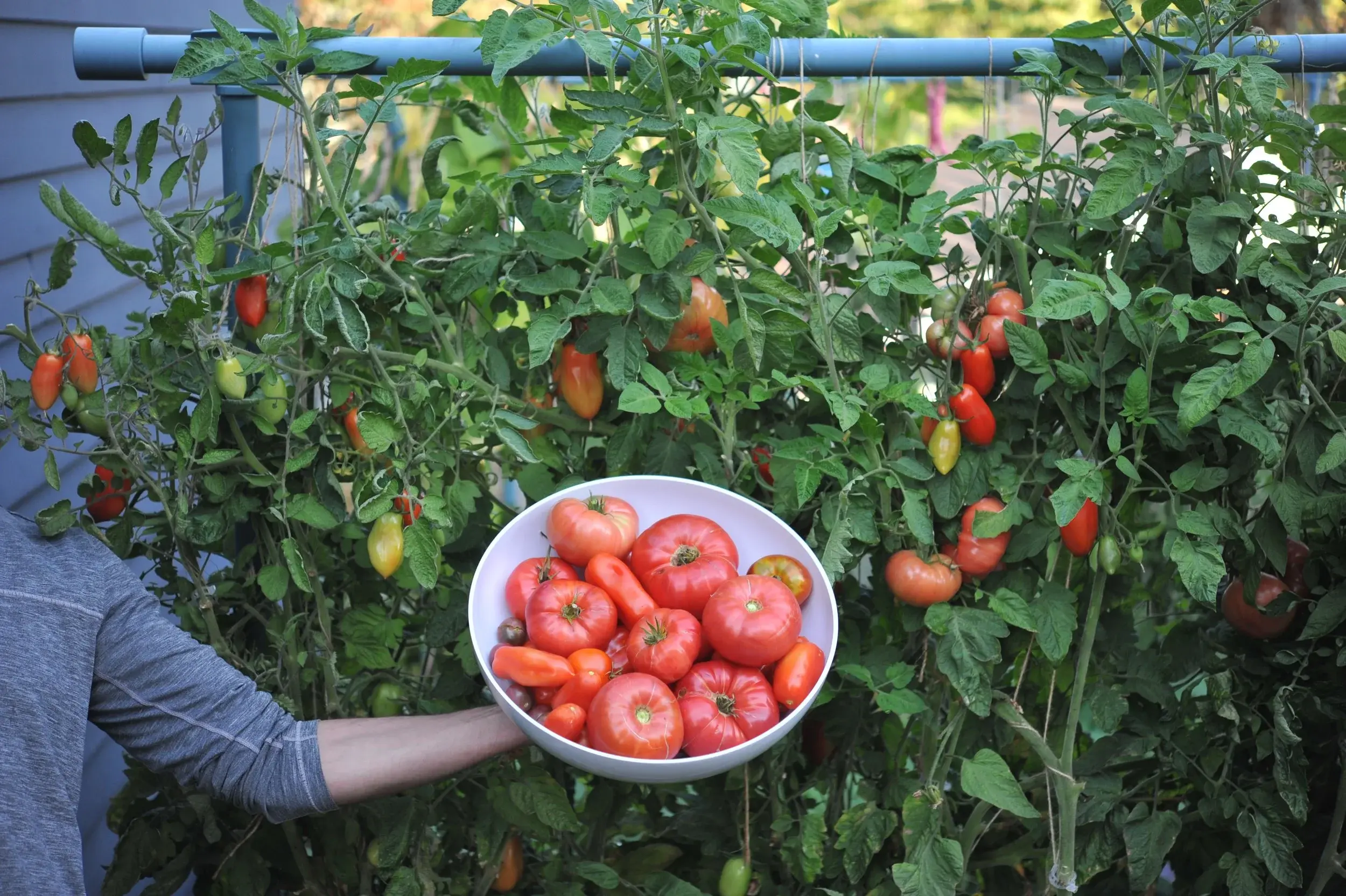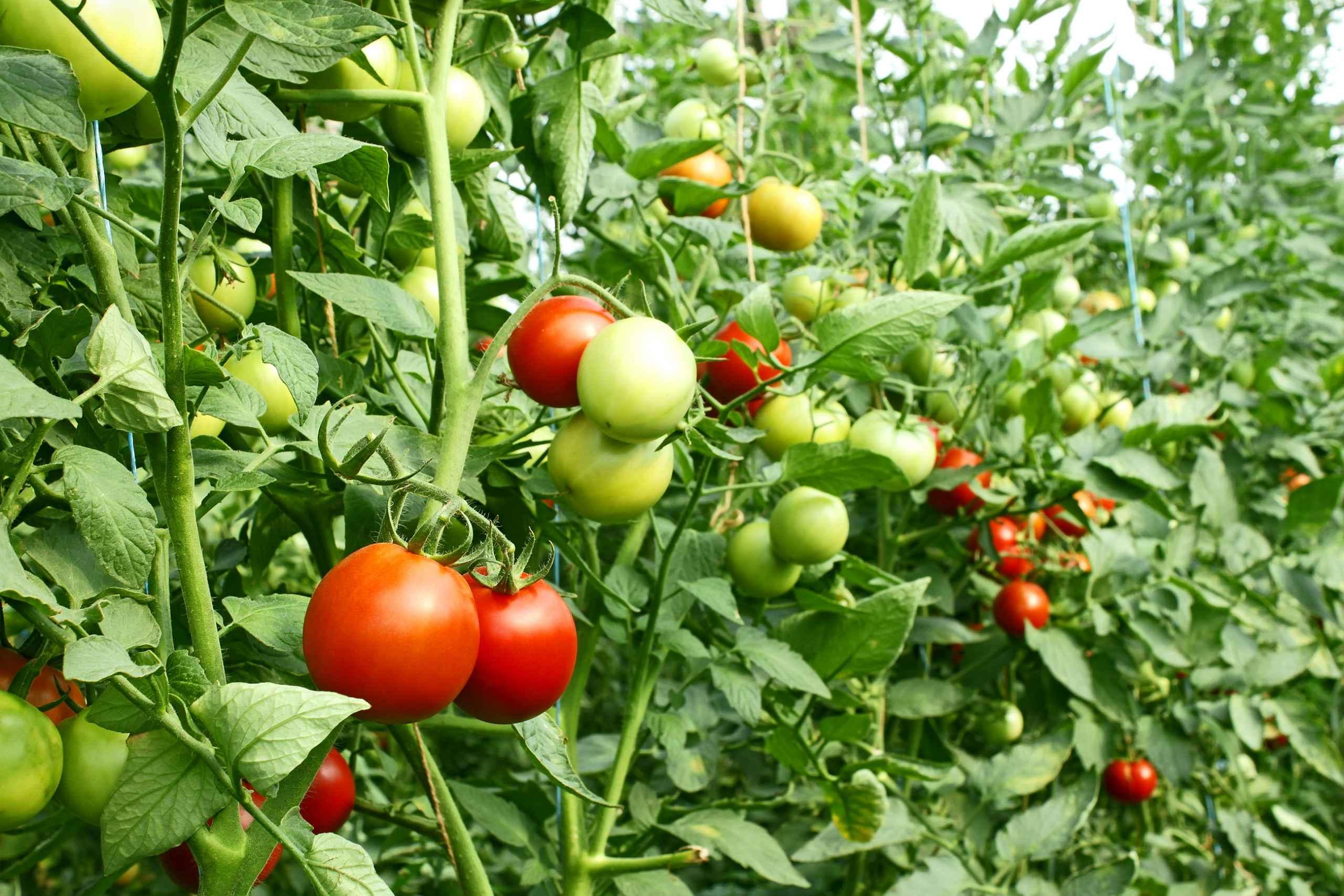
Imagine this: you've spent months nurturing your tomato plants, watching them grow from tiny seedlings into flourishing vines heavy with ripening fruit. Then disaster strikes. Dark, sunken spots appear on your beautiful ripe tomatoes, spreading rapidly and ruining your harvest. This frustrating scenario is all too common for gardeners dealing with tomato anthracnose, a fungal disease that attacks when your fruit is most vulnerable.
Tomato anthracnose, caused by Colletotrichum fungal species, represents one of the most destructive diseases affecting home gardens and commercial farms alike. The disease doesn't just ruin individual fruits; it can devastate entire harvests and reduce crop yields significantly. The good news? With proper understanding, prevention strategies, and early intervention, you can protect your tomato plants and enjoy an abundant harvest.
This comprehensive guide will walk you through everything you need to know about identifying, preventing, and treating tomato anthracnose. Whether you're an experienced gardener or just starting out, you'll discover practical strategies you can implement immediately. Tools like Plantlyze, an AI powered plant care and diagnosis platform, can also help you identify tomato diseases early and receive personalized treatment recommendations for your specific garden situation.
What Is Tomato Anthracnose?
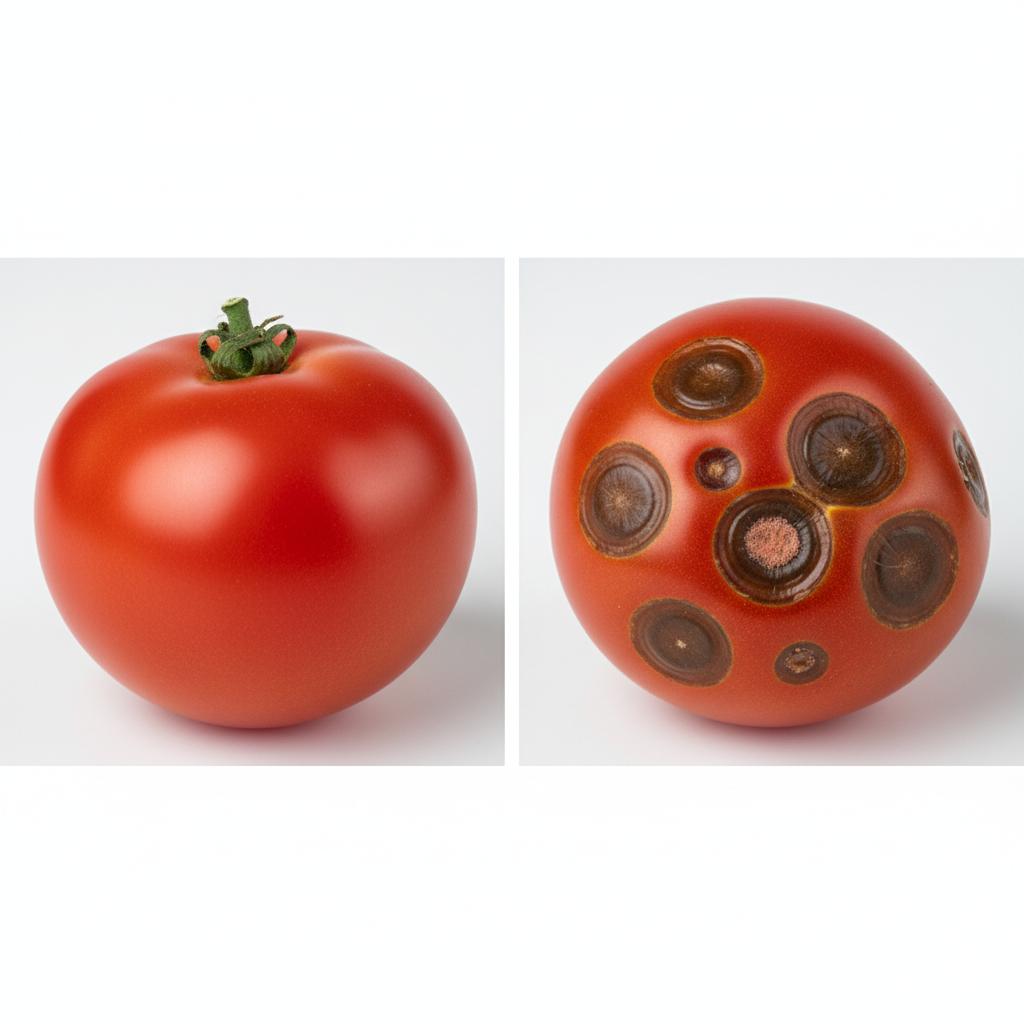
Tomato anthracnose is a fungal disease caused by various Colletotrichum species, most commonly Colletotrichum gloeosporioides and Colletotrichum coccodes. These fungi thrive in warm, humid climates and affect not only tomatoes but also other plants in the Solanaceae family, including peppers, eggplants, and potatoes.
The disease has affected vegetable growers worldwide for generations. Understanding its lifecycle helps you appreciate why prevention matters so much. The fungus survives in plant debris left on the soil surface and can persist for up to two years in that residue. This means contamination from last season's crops directly increases your risk this season.
What makes anthracnose particularly problematic is its targeting of ripe tomato fruit. While the fungus can infect green fruit, it remains dormant, only showing visible symptoms as the fruit ripens. This timing means your most anticipated harvest is most vulnerable. The fungus also produces spores that travel through water splashing, meaning your watering practices significantly influence disease spread.
The Colletotrichum fungus is seed-borne in some cases, making even seed selection relevant to your long-term disease management strategy. This fungal pathogen specifically loves the warm, wet conditions that often characterize summer gardening when tomato fruit ripens.
How to Identify Tomato Anthracnose
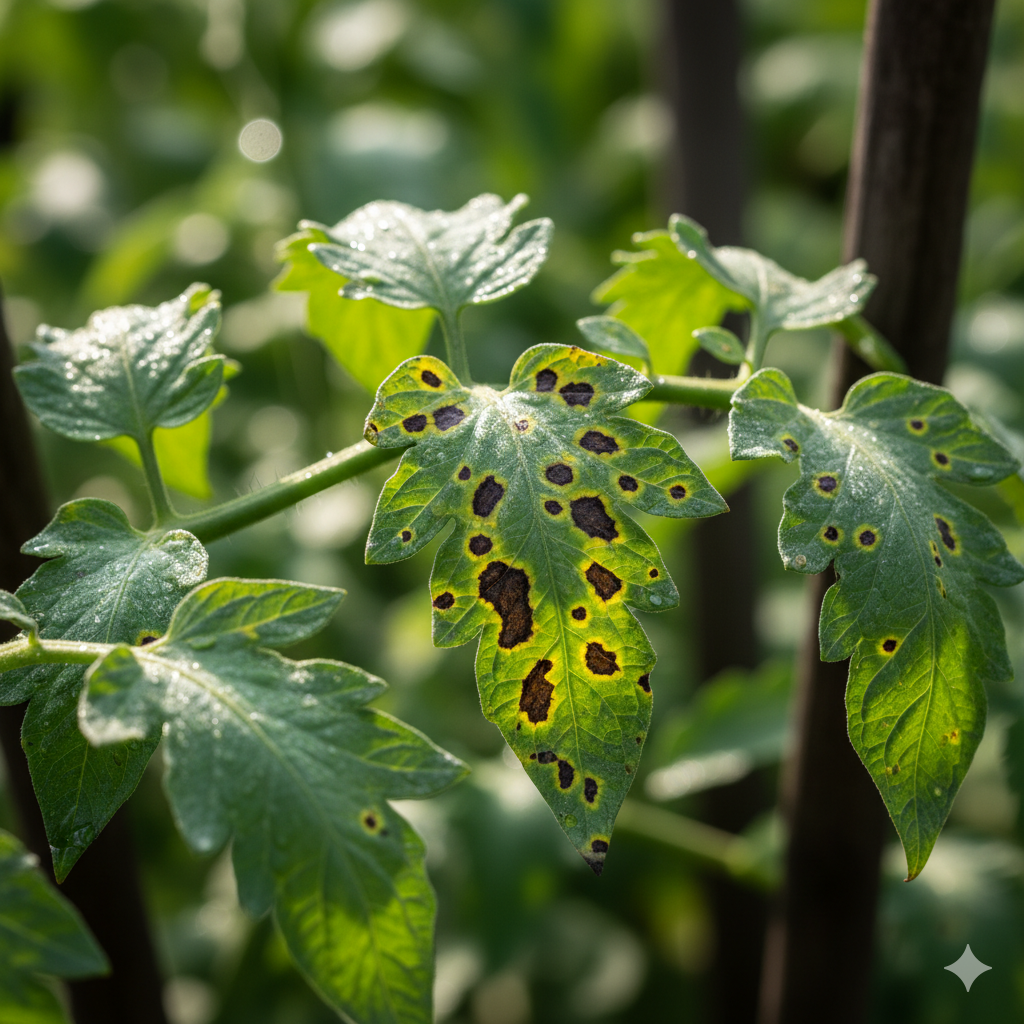
Early identification is crucial for managing this disease effectively. Learning to recognize anthracnose symptoms allows you to take action before the disease spreads throughout your garden.
Symptoms on Tomato Fruit
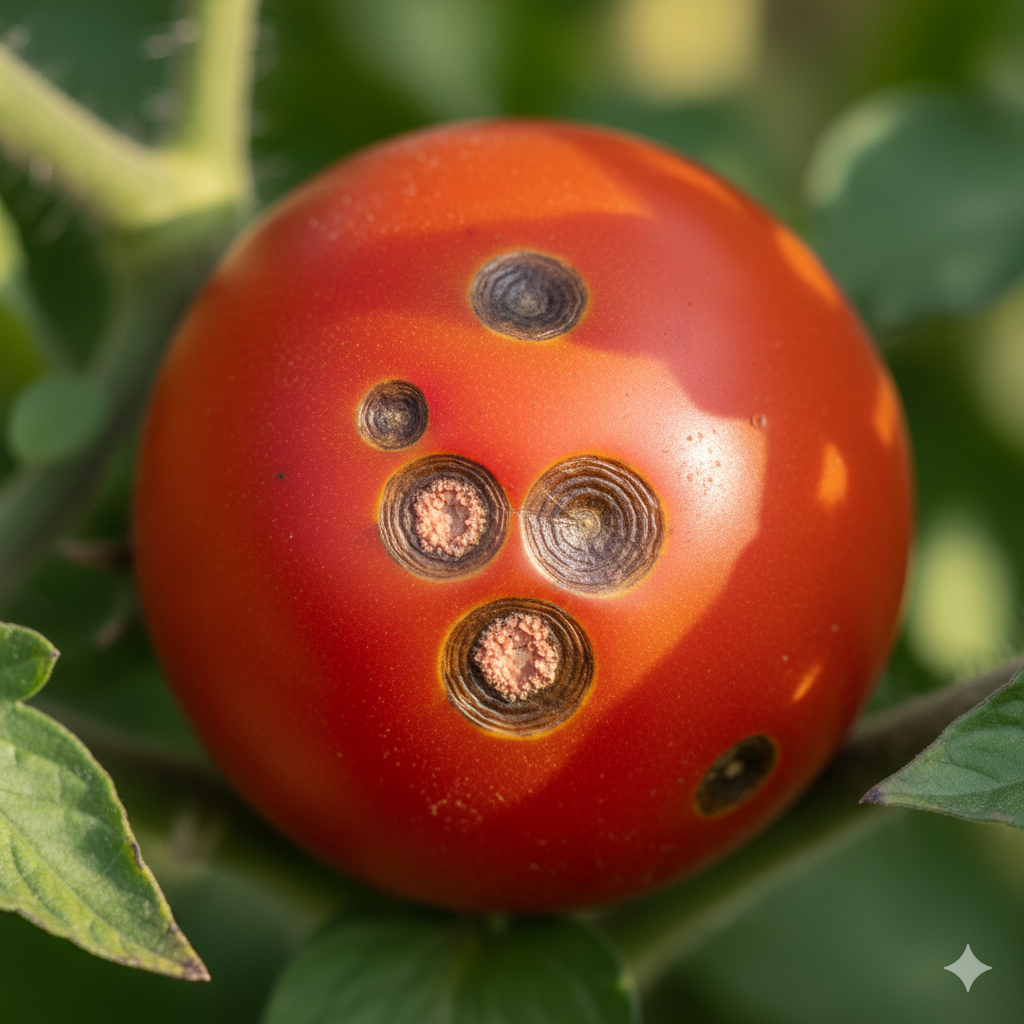
The most distinctive signs appear on ripe or ripening tomatoes. Small, water-soaked, circular spots develop on the fruit surface, typically appearing brown or black in color. These spots usually measure less than half an inch in diameter initially but gradually expand over several days.
As the disease progresses, the lesions become more deeply sunken, creating a depressed appearance on the fruit surface. One telltale characteristic separates anthracnose from similar diseases: a distinctive pattern of concentric rings often develops within the lesion, resembling a target or bullseye. This concentric ring pattern is nearly pathognomonic for anthracnose.
The infected areas often display a characteristic salmon or pinkish colored material visible on the lesion surface. These are the fungal spores, representing the fungus's way of spreading to other fruits and plants. When multiple lesions develop on the same fruit, they often merge together, creating larger areas of decay that can make the entire fruit unsuitable.
Importantly, infected green fruit may show no visible symptoms while still harboring the fungus internally. This is why thorough fruit inspection during harvest is essential, especially during humid periods when the disease progresses rapidly.
Symptoms on Foliage
While fruit damage is most noticeable, the fungus also affects leaves. Small dark spots with yellowish halos appear primarily on older leaves lower on the plant. These lesions on foliage are usually less distinctive than fruit symptoms but still indicate fungal activity requiring attention.
Causes and Conditions That Spread Anthracnose
Understanding disease spread mechanisms empowers you to interrupt them. Tomato anthracnose doesn't appear randomly; specific conditions create an environment where the fungus thrives.
Primary infection sources include contaminated soil, plant debris from previous seasons, infected seeds, and occasionally contaminated equipment or tools. The fungus overwinters in crop residue left on the ground, which is why thorough garden cleanup each fall matters tremendously.
Moisture is the critical trigger for disease activity. The fungus requires water to complete its lifecycle and spread effectively. Water splash from rain or overhead irrigation carries spores from infected material to healthy fruit and foliage. This is why overhead watering is considered one of the highest risk practices for anthracnose management.
High humidity and warm temperatures create ideal conditions. The fungus becomes most active when temperatures range between 60 and 75 degrees Fahrenheit (15 to 24 degrees Celsius) with humidity levels above 90 percent. During wet periods, infection can progress rapidly, with symptoms developing within days under optimal conditions.
Solanaceae family plants (tomatoes, peppers, eggplants, potatoes) share susceptibility to Colletotrichum species. The fungus infects green fruit and foliage but typically shows symptoms only when fruit ripens, which is why harvest time is often when you first notice problems.
Effective Prevention Strategies
Prevention is invariably superior to treatment when managing plant diseases. Implementing these strategies from the beginning of the season provides maximum protection for your tomato crop.
Sanitation and Crop Management Practices
Remove all crop debris from your garden before planting. This single practice removes overwintering fungal populations from the soil. Pull up all diseased plant material from previous seasons and never add it to compost piles where decomposition temperatures might not eliminate the fungus.
Practice crop rotation using a minimum three to four year cycle. Plant tomatoes and other Solanaceae crops in different garden areas each season. Rotate with unrelated crops like beans, corn, legumes, or cover crops that do not host Colletotrichum species.
Purchase disease-resistant tomato varieties whenever possible. Many modern tomato cultivars offer resistance to anthracnose and other common diseases. Look for disease-resistant designations on seed packets or plant tags.
Never save seeds from diseased fruit, as seeds may carry fungal spores into next season. This seems like a minor point but prevents reintroduction of the disease year after year.
Do not reuse potting soil from the previous season if it contained diseased plants. Fresh, sterile potting mix eliminates this potential infection source.
Optimize Your Watering Methods
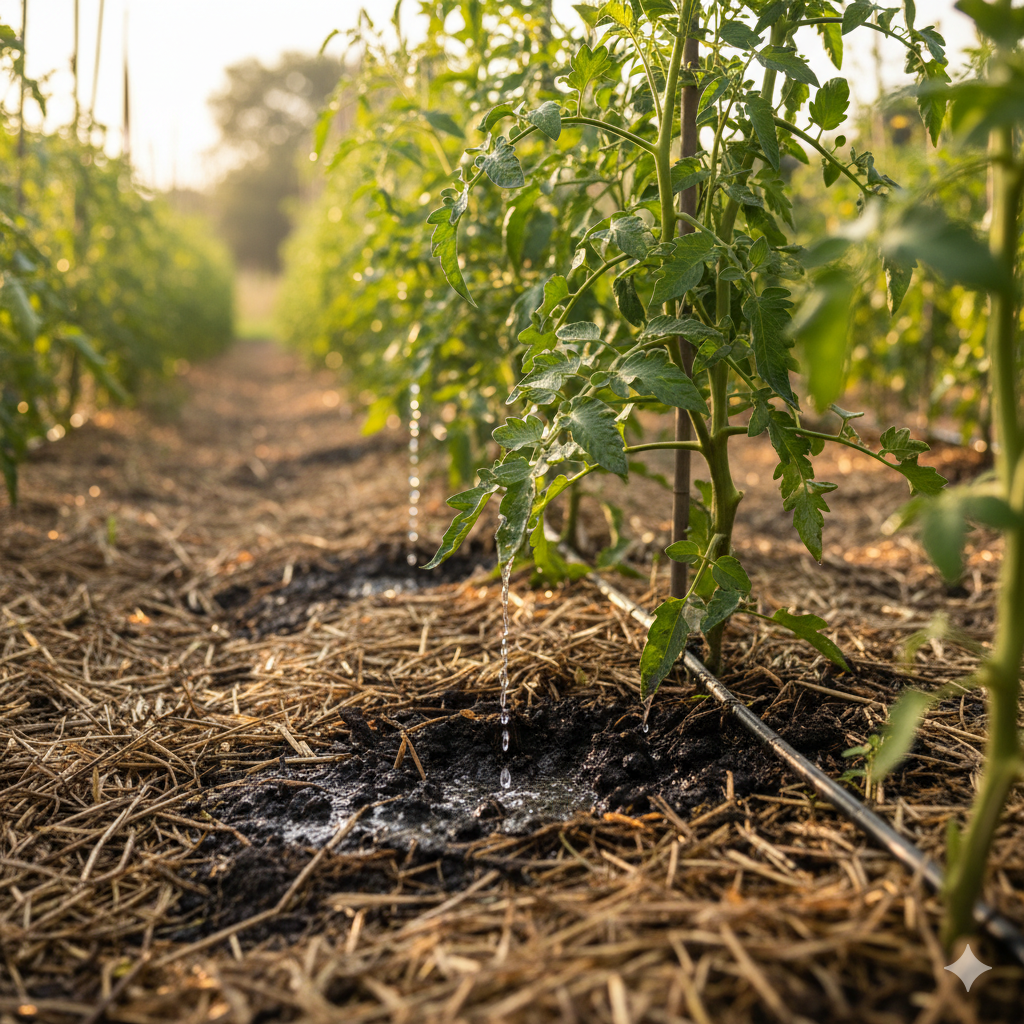
Your watering approach profoundly influences anthracnose risk. Drip irrigation systems represent your best choice, delivering water directly to soil and roots while keeping foliage dry. If drip irrigation isn't possible, soaker hoses provide similar benefits by watering soil rather than foliage.
Hand watering at the plant base offers another excellent option. Water only the soil around plants, avoiding all contact with leaves and fruit. This approach requires more time and effort but provides complete control over water placement.
Completely avoid overhead sprinkler irrigation during the growing season. While convenient, overhead watering wets foliage and fruit, creating ideal conditions for fungal spore germination and disease spread.
Water during early morning hours when possible. This allows any accidental foliage wetting to dry quickly as temperatures warm and air circulation increases.
Improve Plant Spacing and Air Circulation
Space plants adequately, typically 24 to 36 inches apart depending on variety, to allow air movement around foliage. Good air circulation dries leaves quickly after rain or watering, reducing humidity that favors disease development.
Stake or trellis plants to keep them off the ground and improve airflow. This simple practice reduces leaf moisture duration and prevents soil splash onto lower fruit.
Prune plants only when foliage is completely dry to avoid spreading fungal spores through pruning wounds and wet foliage. Remove lower leaves (approximately the bottom 12 inches) to create distance between soil and developing fruit, preventing soil-splash contamination.
Orient garden rows parallel to prevailing wind direction to maximize air movement through plantings.
Soil Management and Mulching
Apply mulch beneath plants (2 to 3 inches deep) using straw, wood chips, or similar materials. Mulch prevents soil splash from carrying fungal spores upward onto developing fruit during rain events.
Ensure proper soil drainage to prevent waterlogged conditions that favor fungal growth. Well-draining soil dries more quickly after rain, reducing overall moisture that supports disease development.
Avoid excessive nitrogen fertilization, which promotes tender, vulnerable new growth that the fungus readily infects. Use balanced fertilizers that encourage sturdy plant development rather than soft, lush foliage.
Treatment and Management Options
Despite your best prevention efforts, anthracnose may still develop. Quick action at the first sign of disease can limit spread and save your remaining harvest.
Immediate Management Actions
Promptly remove affected leaves and stems at the first sign of disease. Dispose of diseased material in trash or burn it (where allowed), never in compost. Increased air circulation following pruning also helps combat the disease.
Isolate infected plants from healthy ones when possible, especially indoors or in enclosed growing structures.
Reduce overall humidity through improved ventilation and reduced watering frequency while treating the infection.
Organic Fungicide Options
Copper based fungicides serve as protective treatments, coating plants with a fungal inhibitor. These work best when applied before infection occurs but can help slow disease progression if applied early.
Lime sulphur concentrate offers another organic option, though application requires careful attention to temperature and timing.
Biopesticide alternatives provide powerful disease control through biological mechanisms:
Serenade (Bacillus subtilis) boosts plant immune defenses and inhibits fungal growth. Mycostop contains beneficial Streptomyces bacteria. TerraNeem combines botanical insecticide and fungicide properties. Timorex Act uses tea tree oil as its active ingredient.
Trichoderma based products like Trianum Shield work through competitive exclusion. These beneficial fungi colonize the plant and growing medium, outcompeting pathogenic Colletotrichum for resources and space.
Chemical Fungicide Options
Chlorothalonil based protectant fungicides provide broad spectrum disease control. Mancozeb offers another option for conventional growers. Specialized fungicides like Flint Extra or Ariston provide targeted control of Colletotrichum species.
Fungicide rotation is essential to prevent resistance development. Never use the same fungicide repeatedly; alternate between different chemical groups to maintain effectiveness.
Application Guidelines
Begin fungicide applications at first fruit set, increasing frequency as fruit approaches ripeness when vulnerability peaks. During wet weather, applications may be needed weekly.
Follow all label instructions regarding application rates, timing, and pre-harvest intervals. The pre-harvest interval (PHI) specifies how many days must pass between fungicide application and fruit harvest.
Using Plantlyze for Early Disease Detection
Managing tomato anthracnose becomes dramatically easier with early detection. Plantlyze, an AI powered plant care and diagnosis tool, helps you identify diseases immediately and receive personalized treatment recommendations tailored to your garden conditions.
Simply photograph questionable spots or symptoms on your tomato plants and upload them to Plantlyze's platform. The AI technology analyzes your photos and provides accurate disease diagnosis within minutes. Beyond diagnosis, Plantlyze generates customized care recommendations addressing your specific plant health situation.
Real time monitoring alerts notify you when conditions favor disease development, allowing preventive action before problems escalate. This proactive approach to plant care keeps your garden healthy throughout the season.
Visit Plantlyze.com today to access free disease diagnosis and start protecting your tomato plants with AI powered plant intelligence.
Expert Tips and Seasonal Guidance
Spring Preparation
Begin anthracnose management long before planting by thoroughly removing debris from last season. This early action eliminates overwintering fungal populations before the growing season starts.
Mid-Season Monitoring
Scout your plants weekly once they begin flowering and setting fruit. Early detection of any disease symptoms allows immediate intervention before spread occurs. Watch weather forecasts for extended wet periods when disease risk increases.
Late Season Vigilance
As fruit ripens during late summer and early fall, disease risk peaks. Increase inspection frequency during this critical period. Remove infected fruit immediately to prevent spore production.
Regional Considerations
Gardeners in warm, humid climates need more aggressive fungicide schedules than those in drier regions. Adjust your management strategies based on your local climate patterns and historical disease pressure.
Key Takeaways
Tomato anthracnose represents a manageable disease threat when you understand prevention principles and respond quickly to problems. The disease is largely preventable through sanitation, proper watering methods, plant spacing, and crop rotation. When prevention alone isn't sufficient, multiple treatment options exist for both organic and conventional growers.
Remember that consistent implementation of prevention strategies throughout the season is superior to reactive treatment after disease develops. Your gardening success depends not on perfection but on persistent attention to plant health fundamentals.
Start this season by implementing even a few of these strategies. As you gain confidence and experience, gradually incorporate additional practices. The combination of cultural management and, when necessary, judicious fungicide use will keep your tomato plants healthy and productive.
Use tools like Plantlyze to monitor plant health and identify problems early. The earlier you detect anthracnose, the more effectively you can manage it. Visit Plantlyze.com to access AI powered disease diagnosis and care recommendations for your tomato garden.
Your tomato harvest is worth protecting. Take action today to prevent anthracnose problems tomorrow.
References
Cornell University College of Agriculture and Life Sciences. (2024). Anthracnose on Tomatoes. Long Island Vegetable Health Program.
University of Connecticut Integrated Pest Management. (2025). Tomato Anthracnose (Ripe Rot) Guide. Extension Educator Matthew DeBacco.
Gardening Know How. (2025). Anthracnose in Tomato Plants: Identification, Treatment and Prevention. Amy Draiss.
PRO-MIX Gardening. (2024). How to Prevent and Treat Anthracnose in Tomatoes.