Growing pepper plants successfully depends on one fundamental truth: feeding them the right nutrients at the right time transforms scraggly seedlings into productive powerhouses loaded with fruit. Most growers either overfertilize their peppers or provide nutrients too late to matter. This guide breaks down the science into practical stages that match how your pepper plants actually grow.
Understanding NPK: The Foundation of Plant Nutrition
Every fertilizer label displays three numbers called the NPK ratio. These numbers represent the percentage of nitrogen (N), phosphorus (P), and potassium (K) in your fertilizer. A label reading 10-10-10 means 10 percent nitrogen, 10 percent phosphorus, and 10 percent potassium. Understanding what each nutrient does is the key to choosing the right formula.
Nitrogen fuels leafy, green growth and is critical during early stages when your pepper plant builds its frame. Phosphorus supports root development and flower formation, becoming essential once your plant begins reproducing. Potassium enhances fruit quality, flavor, and plant resilience against stress. These three macronutrients work together, but your pepper plant needs different ratios depending on its life stage.
During the seedling stage, which spans weeks zero through six, a balanced 10-10-10 or 5-5-5 ratio works best for root and leaf establishment. The vegetative growth phase from weeks six through twelve calls for a nitrogen-rich 20-10-10 formula to build strong stems and foliage. Once flowers appear, shift to 5-10-10 for bud development. Finally, during fruit set through harvest, use 10-10-20 for pepper development and sweetness.
Secondary nutrients matter too. Calcium builds strong cell walls and prevents blossom end rot, that brown spot that ruins peppers from the inside. Magnesium creates the chlorophyll that makes leaves green and efficient. Most garden soils contain adequate calcium and magnesium, but container growing sometimes requires supplementation.
Seedling Stage Fertilization: Building Strong Foundations
Your pepper seedlings don't need fertilizer immediately. Seeds carry enough stored nutrients for germination and those first true leaves. Begin fertilizing about one week after seedlings emerge, or two weeks after you plant the seed. This timing prevents nutrient burn on tender roots while providing what young plants need.
For seedlings, use a balanced fertilizer diluted to half strength. A 10-10-10 formula works well, though 5-5-5 options also serve seedlings effectively. Mix your fertilizer at half the recommended strength and water around the soil, avoiding the stems. Fertilize every two weeks during this stage.
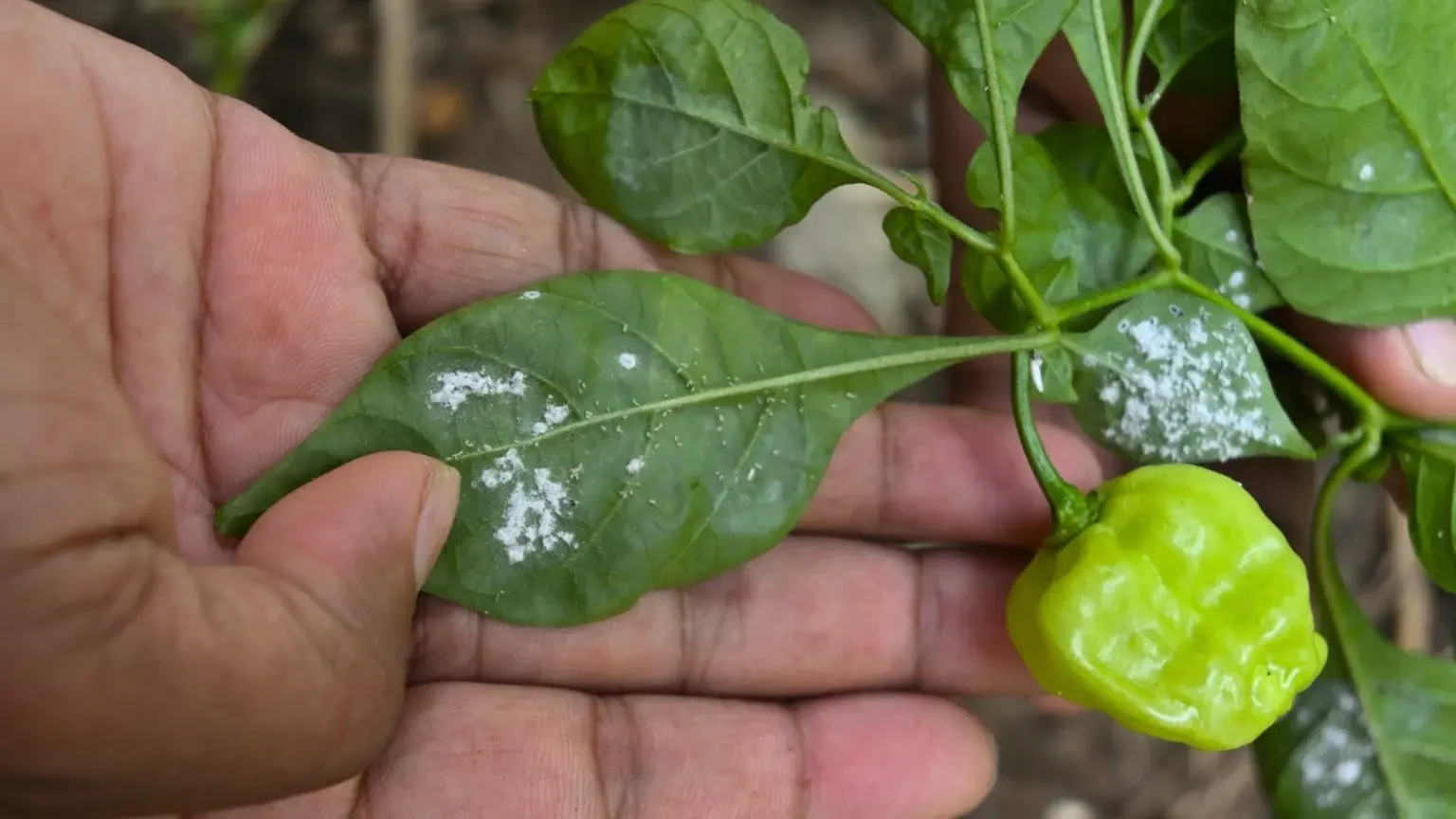
Overfeeding seedlings causes nutrient burn, which appears as white crust on soil or brown leaf edges. If this happens, water more frequently to flush excess salt from the growing medium. Many growers fail here by following fertilizer label instructions meant for mature plants. Those directions are too strong for seedlings.
Watch for signs that seedlings are ready to move forward. Once you see two to three sets of true leaves, the second pair of leaves that appear, your seedlings are establishing solid roots. This marks the transition to the next stage.
Vegetative Growth Stage: Powering Up Your Plants
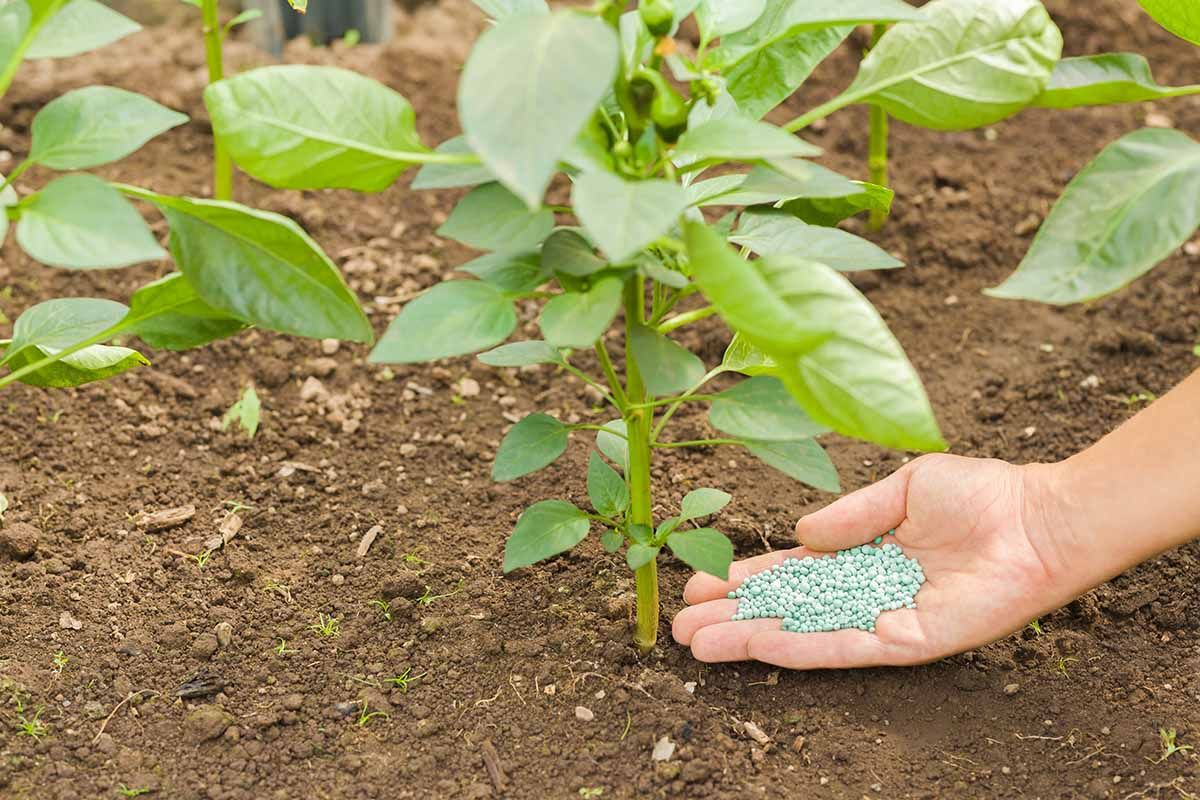
Once seedlings show multiple sets of true leaves, they enter rapid vegetative growth. This stage runs from week six until flower buds appear, typically six to ten weeks into the growing process depending on your pepper variety. During this phase, your plants pour energy into building stems, branches, and leaves that will eventually support fruit.
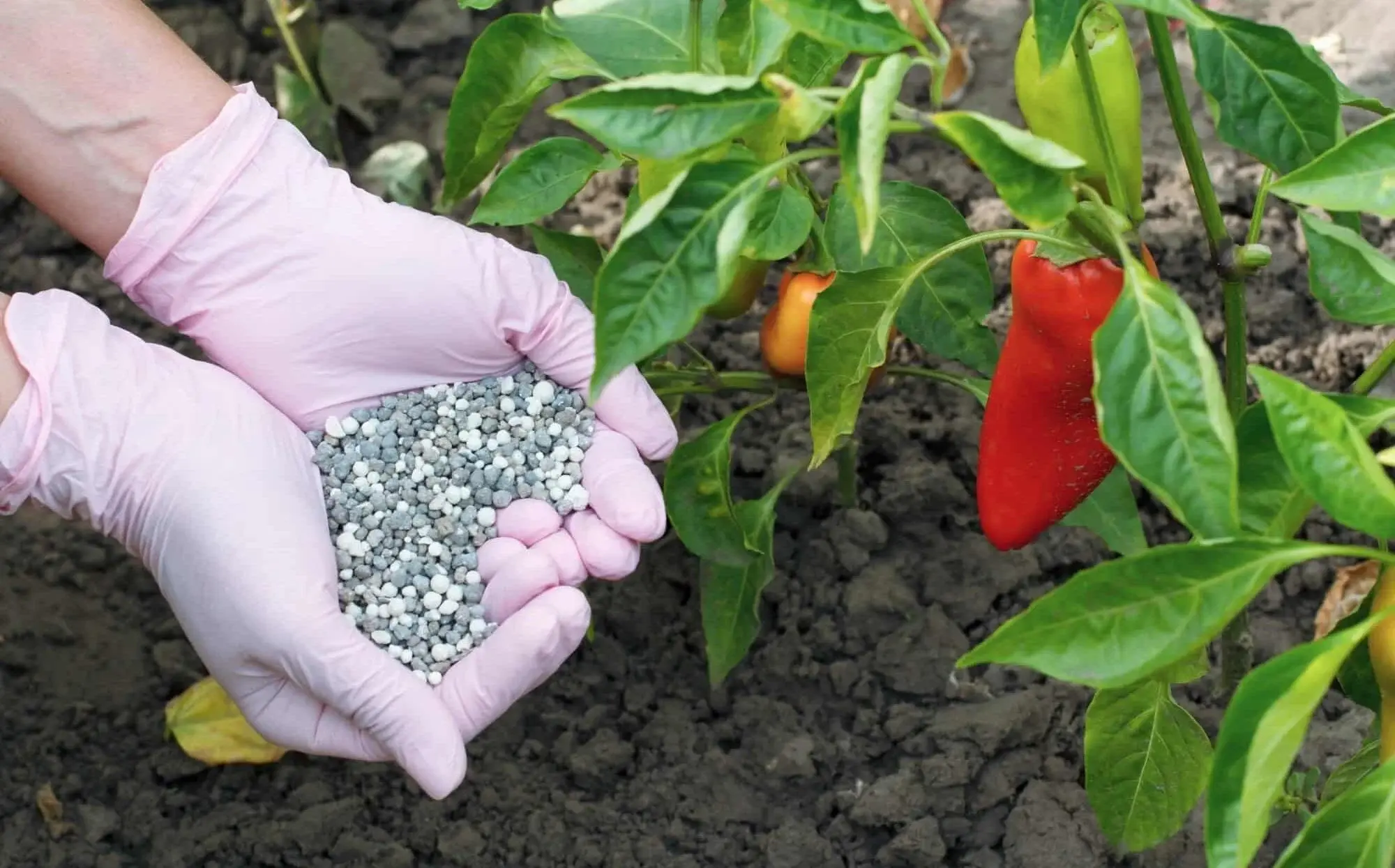
Shift to a nitrogen-rich fertilizer at this stage. A 20-10-10 ratio provides the nitrogen boost that promotes leafy growth. You can apply this as granular fertilizer sprinkled around the plant base or as a liquid feed mixed into water. Fertilize every three to four weeks. This schedule prevents the nutrient burn that frequent heavy feeding causes while keeping plants adequately supplied.
Watch your plants for growth signals. Healthy vegetative stage peppers grow noticeably taller each week, with new leaves unfurling regularly. If growth slows despite warm conditions and good light, your plants may need feeding. Conversely, if plants become tall and spindly with lots of leaf but no thickness, reduce nitrogen because excessive nitrogen creates this weak growth pattern.
Container-grown peppers sometimes show stunted growth when roots become bound. If you're growing in pots, check whether roots are circling the pot bottom. If so, transplant to a larger container before continuing fertilizer applications.
Flowering Stage Essentials: Setting Up Your Harvest
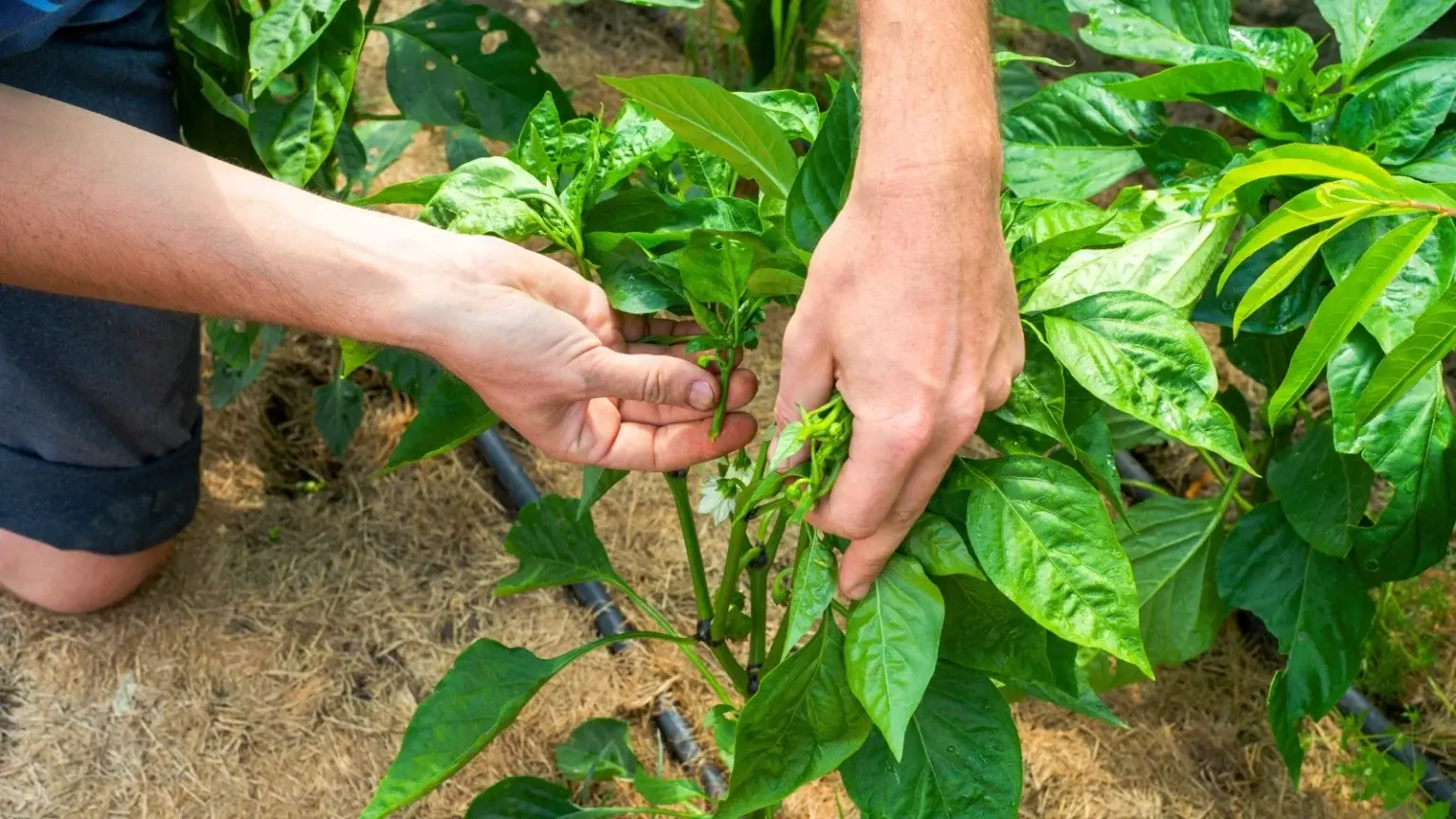
Flower buds mark the beginning of your pepper plant's reproductive stage. This is where many growers miss their opportunity. The nutrient needs shift dramatically once flowers appear. You need less nitrogen now and significantly more phosphorus to support flower development and fruit set.
Switch to a phosphorus-rich formula when flowers appear. A 5-10-10 ratio or similar formula works well for this stage. Apply every two weeks with consistent timing. This frequent schedule matters now because phosphorus is critical for converting flowers into actual peppers, and consistent feeding prevents flower drop caused by nutrient stress.
The difference between success and failure often comes down to this stage. Plants that get proper phosphorus produce abundant flowers that transform into peppers. Plants that stay on high-nitrogen fertilizer grow beautiful foliage but drop flowers and fail to set fruit. The extra phosphorus investment during flowering typically returns several times over in pepper yield.
Secondary nutrients become important here too. Ensure your flowering-stage fertilizer contains calcium. Some specialty fertilizers specifically formulated for flowering crops include added calcium to prevent deficiency issues later.
Fruiting Stage Optimization: Developing Size, Flavor, and Yield
Once pepper fruits begin to develop, your plant enters the final feeding stage. At this point, potassium becomes the star nutrient. Potassium enhances sugar accumulation in peppers, directly improving flavor. It also strengthens plant tissue and increases disease resistance during this demanding phase.
Switch to a formula like 10-10-20 or similar potassium-rich blend once fruit begins to set. Continue fertilizing every three weeks throughout the fruiting stage. This schedule maintains steady nutrient availability while preventing salt buildup in soil that heavy, frequent feeding causes.
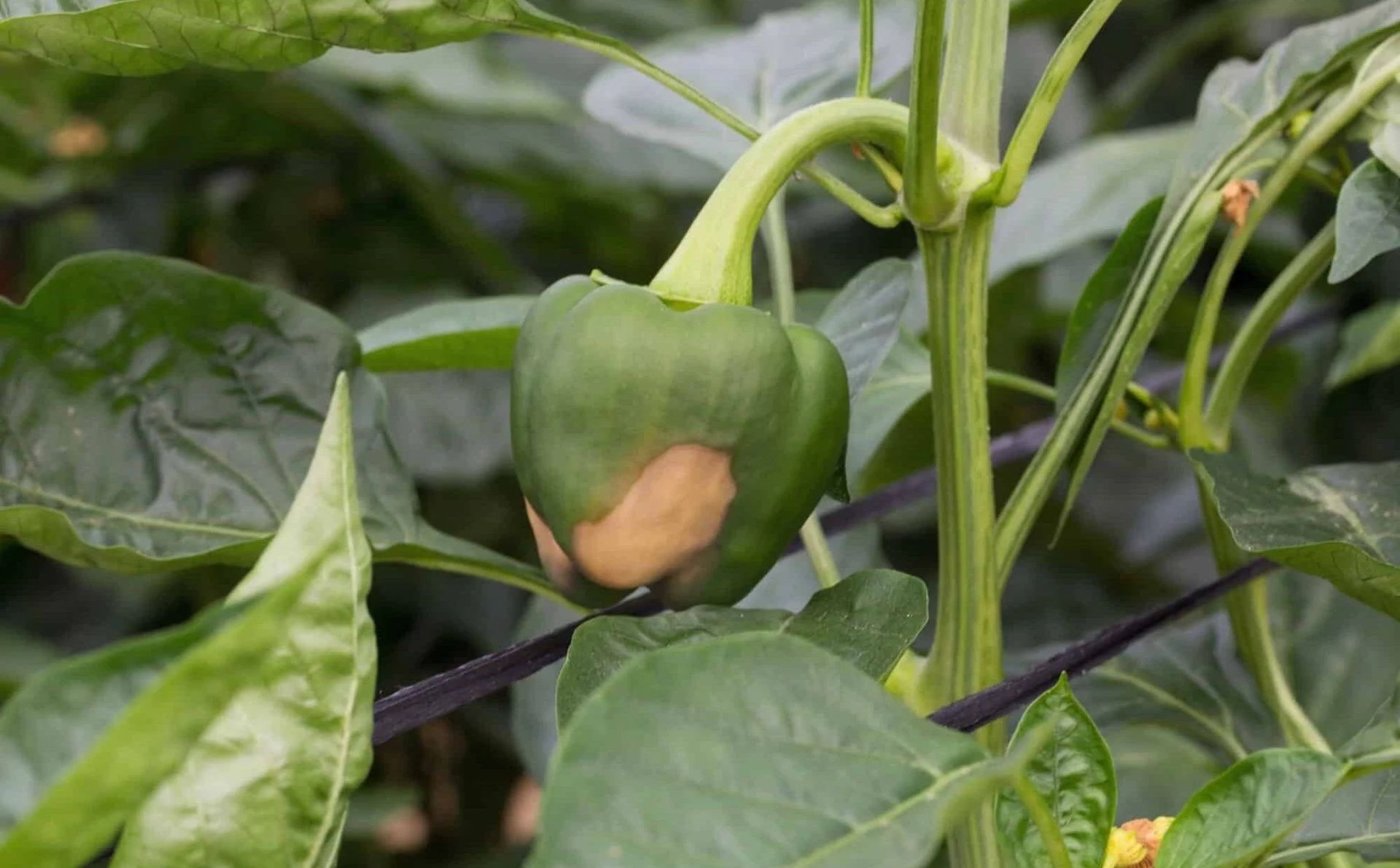
Calcium becomes critical during fruiting. Consistent soil moisture prevents calcium deficiency even when plenty of calcium exists in soil, because calcium moves through plants primarily through water uptake. Water deeply and consistently during this stage. Calcium deficiency appears as blossom end rot, a brown spot on the bottom of developing peppers. Once blossom end rot appears, that pepper is ruined, so prevention through consistent watering matters far more than trying to fix the problem later.
If your growing season extends long into fall, consider a second potassium application if peppers continue developing. Some gardeners fertilize one final time in late season to maximize their last peppers.
Recognizing Nutrient Deficiencies: Reading Your Plant's Signals
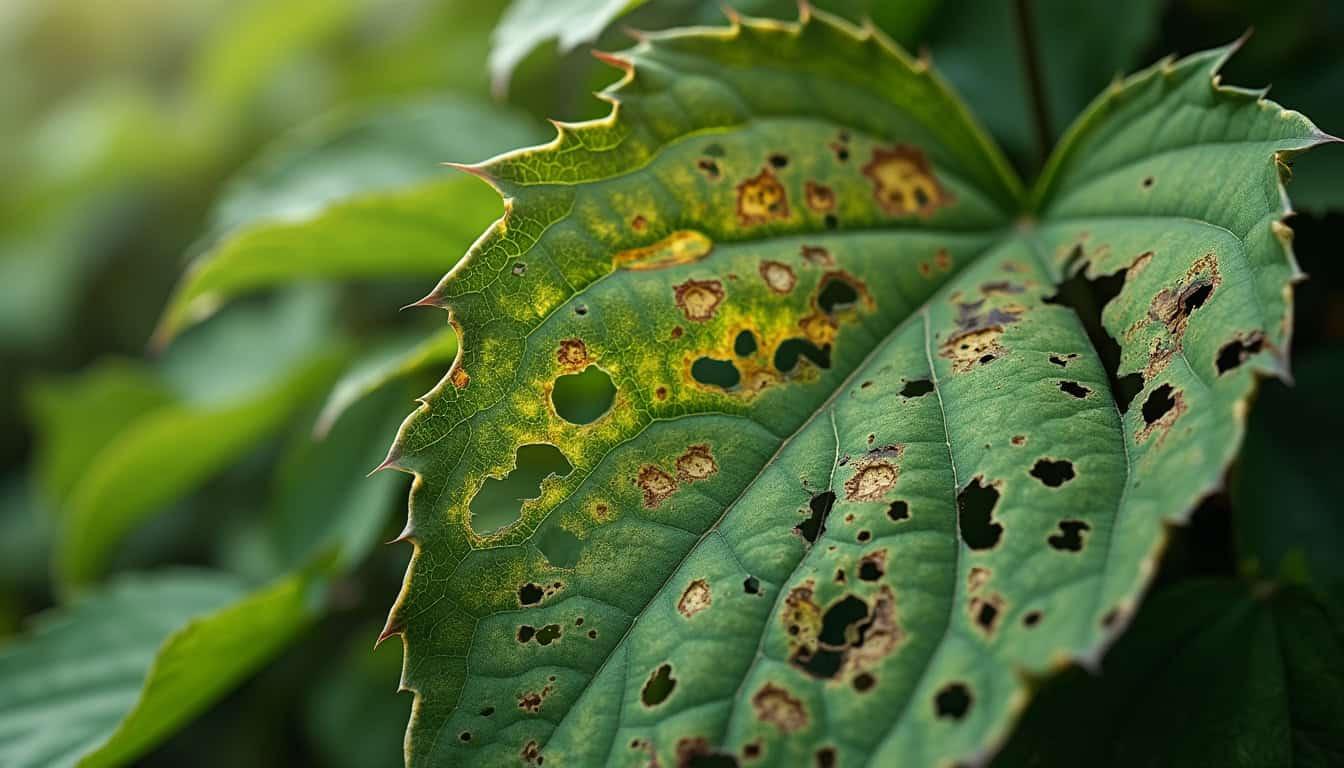
Pepper plants communicate their nutrient needs through visible symptoms. Learning to read these signals helps you correct problems before they cost you your harvest.
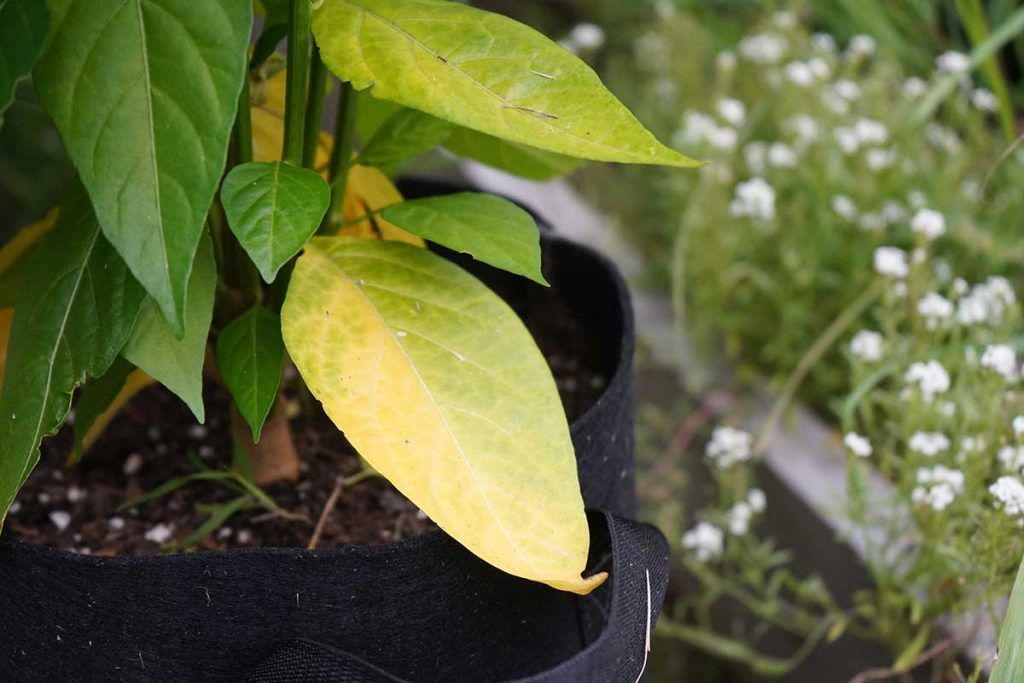
Yellow leaves typically indicate nitrogen deficiency. The yellowing starts on older, lower leaves first because the plant pulls nitrogen from established tissue to support new growth. If you see this pattern, apply nitrogen-rich fertilizer at half strength and water it in thoroughly.
Purple or dark tinting on leaf undersides signals phosphorus deficiency, especially in cooler weather. This requires an immediate switch to phosphorus-rich fertilizer or a foliar spray application for faster absorption.
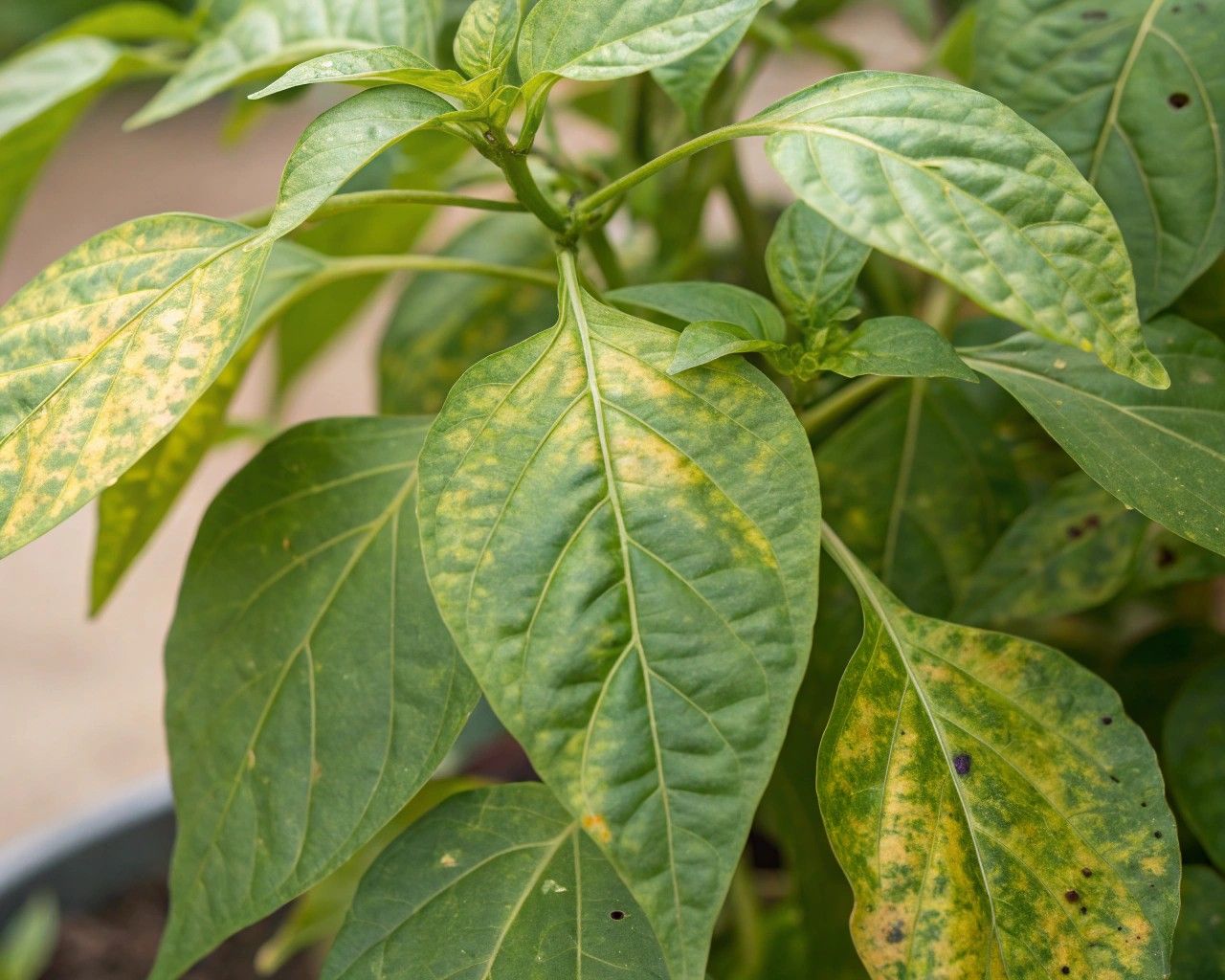
Yellowing between leaf veins while veins stay green suggests magnesium deficiency. Apply Epsom salt solution as a foliar spray, one tablespoon per gallon of water, every two weeks until green returns.
Small, thin-skinned, or flavorless peppers point to potassium or calcium shortages during the fruiting stage. Increase potassium-rich fertilizer applications and ensure consistent watering for calcium uptake.
Stunted overall growth despite warm temperatures and good light often indicates phosphorus or potassium problems during early growth. Review your fertilizer applications and ensure you're using appropriately formulated products for your plant's current stage.
Not sure what's wrong with your pepper plants? Use Plantlyze.com's AI-powered plant diagnosis tool to identify nutrient deficiencies instantly through visual analysis. Simply photograph your plant and let the artificial intelligence suggest what's causing the issue and what nutrients your pepper needs.
Choosing Your Fertilizer Type: Balancing Convenience and Control
Two main fertilizer categories serve pepper growers: water-soluble (liquid) fertilizers and slow-release granular fertilizers. Each offers different advantages.
Water-soluble fertilizers deliver nutrients immediately and allow quick adjustments. These work well for correcting deficiencies because results appear within days. They require more frequent applications, typically every week or two, which demands consistency from growers.
Slow-release granular fertilizers feed your plants steadily over months with minimal intervention. You apply them once or twice per season and they do the work gradually. However, you can't quickly correct deficiency problems with granular products.
Many growers use slow-release fertilizers as their foundation for the season, then add targeted liquid applications if problems appear. This hybrid approach combines the convenience of granular products with the flexibility of liquid options.
Organic fertilizers like fish emulsion, bone meal, and compost serve pepper growers well. These products release nutrients slowly, building soil health over time. Synthetic fertilizers work faster but don't improve soil structure the way organic matter does. Some growers combine both approaches for best results.
Application Best Practices: Getting the Details Right
Frequency matters, but application method matters equally. Always follow your specific fertilizer's label instructions for dilution rates. Water-soluble fertilizers mixed too strong cause nutrient burn that harms roots and leaves. When uncertain, apply at half strength and increase gradually as your plant responds.
Container-grown peppers need more frequent fertilizer applications because water drains through soil quickly, carrying nutrients away. In-ground peppers planted in good garden soil may need less frequent feeding because soil holds nutrients longer.
Water your plants thoroughly after applying dry fertilizer. This dissolves granules and moves nutrients into the root zone where plants can absorb them. Dry fertilizer sitting on soil surface doesn't feed plants effectively.
Rainfall and supplemental watering affect nutrient availability. After heavy rain, some nutrients leach through soil, potentially requiring an earlier next application. Conversely, during dry spells with minimal watering, nutrients concentrate in soil, so you might skip a feeding to avoid buildup.
Bringing It All Together: Your Feeding Schedule at a Glance
Start fertilizing one week after seedlings emerge using half-strength balanced formula every two weeks. Switch to nitrogen-rich fertilizer at week six with three to four week intervals. Apply phosphorus-rich fertilizer every two weeks once flowers appear. Move to potassium-rich fertilizer for the fruiting stage with three-week intervals. Continue fruiting stage feeding until harvest ends.
This progression matches how your pepper plant actually grows and demands different things from you at each stage. Plants following this schedule consistently outperform those on generic, one-size-fits-all feeding plans.
For troubleshooting pepper problems and diagnosing nutrient issues from photos, consider using Plantlyze at www.plantlyze.com. This AI powered plant care and diagnosis tool provides real-time identification of deficiency symptoms and personalized feeding recommendations based on visual plant analysis. Simply upload a photo of your pepper plant and receive instant guidance on what nutrients it needs to thrive throughout your growing season.
References
Haifa Group Crop Guide: Pepper Nutrient Requirements
https://www.haifa-group.com/articles/crop-guide-nutrients-pepperUniversity of Florida IFAS Extension: Pepper Production Guide
https://edis.ifas.ufl.edu/cv280UC Davis Vegetable Research and Information Center: Pepper Growing and Nutrition
https://vric.ucdavis.edu/