
The most common reason pepper plants fail is not pests, not light, and not fertilizer. It is soil that drains poorly and holds too much water. Peppers are incredibly demanding about one specific thing: they hate wet feet. When roots sit in soggy soil, they suffocate and rot. This comprehensive guide teaches you exactly what pepper plants need from soil and how to create the perfect growing medium whether you plant in garden beds or containers.
Understanding Pepper Soil Requirements: The Fundamentals
Pepper plants thrive in well-drained, loamy soil rich in organic matter. Loam represents the sweet spot in soil texture, combining sand for drainage, silt for nutrient retention, and clay for structure. The ideal loamy soil contains roughly thirty percent clay, forty percent silt, and thirty percent sand. This balanced composition allows water to move through easily while retaining just enough moisture and nutrients for roots to absorb.
Soil pH significantly affects pepper plant health because acidity controls nutrient availability. Peppers prefer slightly acidic soil with a pH between 6.0 and 6.8. This pH range allows peppers to access and absorb nutrients efficiently. If your soil pH is too high or too low, even abundant nutrients remain locked up and unavailable to plants, causing apparent nutrient deficiencies when the real problem is pH imbalance.
Most pepper growers lack a soil test, so they cannot measure pH accurately. A professional soil test tells you the exact pH and nutrient content, taking the guesswork out of soil preparation. If you cannot test before planting, aim to incorporate plenty of compost, which naturally buffers soil pH and improves overall soil quality regardless of starting conditions.
Organic matter is the third critical ingredient for pepper success. Organic material like compost, peat moss, or well-rotted manure builds soil structure, improves water retention without causing waterlogging, and provides a steady nutrient supply as it decomposes. Peppers perform well in moderately fertile soil, meaning you do not need expensive amendments if you add adequate organic matter.
Seed Starting Mix: Launching Your Pepper Journey
When starting pepper seeds indoors, your medium must be entirely different from potting soil used later. Seeds need a specially formulated seed starting mix that is light, sterile, and optimized for germination. Standard potting soil is too dense and sometimes contains fungal organisms that kill tender seedlings before they establish true leaves.
Seed starting mix has a fine texture with abundant air pockets. This composition allows seedling roots to push easily into the medium as they emerge from the seed. The mix typically contains sterilized peat moss for moisture retention, vermiculite for aeration, and perlite for lightweight drainage. Some commercial mixes include mycorrhizae, beneficial fungi that enhance root growth, or small amounts of kelp meal for nutrient boosting.
You can purchase quality seed starting mix at any garden center, or make your own by combining one third peat moss, one third finely screened compost, and one third vermiculite. Steam sterilization kills pathogens that cause damping-off, a fungal disease that collapses seedlings at soil level. If making your own mix at home, heat sterilize it in a stainless steel pan over moderate heat or bake it in an oven at 180 degrees Fahrenheit for 30 minutes to eliminate fungal spores.
Many growers make the mistake of starting pepper seeds directly in potting soil to save money. This false economy results in higher seed failure rates and weaker seedlings because potting soil lacks the ideal air-to-water ratio that seedlings demand. Investing in proper seed starting mix now saves frustration later.
Potting Mix Versus Potting Soil: Knowing the Difference
The terms potting mix and potting soil are often confused, but they serve different purposes. Potting mix contains little or no actual soil. It is formulated from lightweight, soilless materials such as peat moss, coco-coir, perlite, vermiculite, and sometimes pine bark. Potting mix drains exceptionally well and works best for container growing where excellent drainage is non-negotiable.
Potting soil, by contrast, contains actual garden soil as its primary component. It is heavier and more compact than potting mix but includes additives like perlite, vermiculite, peat moss, and organic matter to improve drainage. Potting soil works well in both containers and garden beds, though it is less ideal for containers that require superior drainage.
For pepper containers, potting mix is the superior choice. The lightweight composition prevents the soil compaction that kills peppers through waterlogging. If you only have potting soil available, improve it by mixing in extra perlite at a ratio of one part perlite to three parts potting soil to increase drainage.
Never use garden soil or topsoil in containers. These products compact severely in pots, creating the exact waterlogged conditions that cause root rot in peppers. The rigid structure prevents water drainage and root penetration. Many growers learn this lesson the hard way after watching plants decline in pure garden soil.
Creating Your Own Potting Mix Recipe: Custom Blends for Success
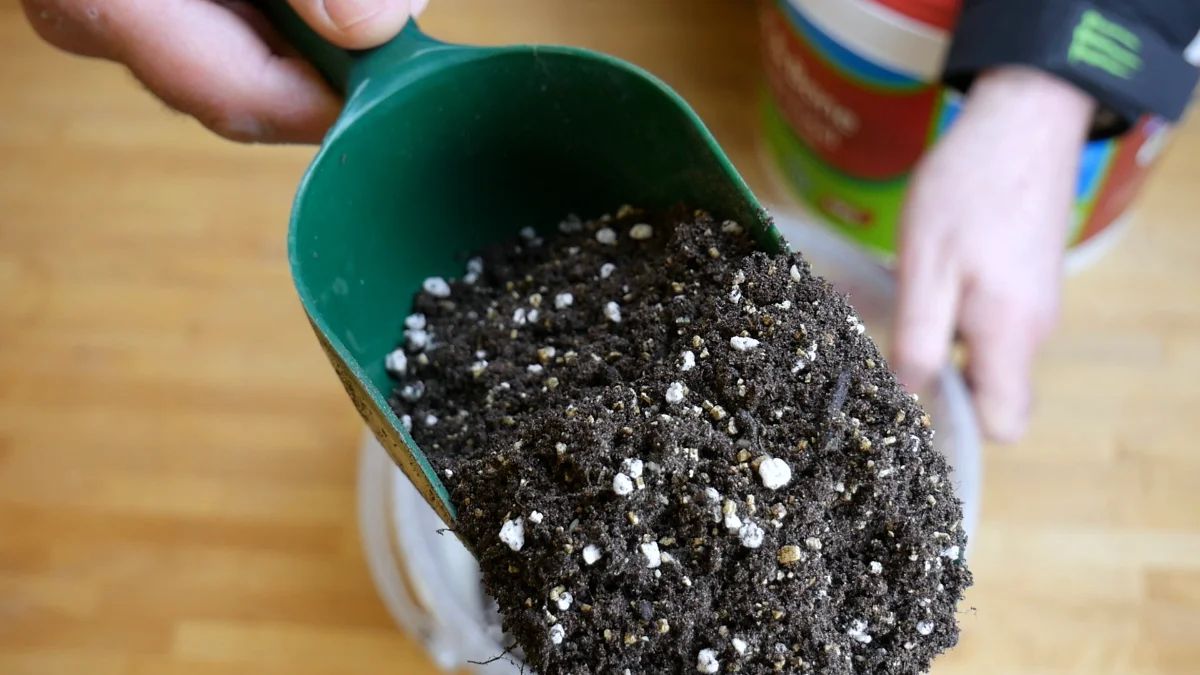
While commercial potting mixes work well, many experienced growers prefer making custom blends tailored to their growing conditions and pepper varieties. A simple and effective recipe combines one half peat moss, one quarter organic matter like compost, and one quarter drainage materials like perlite or vermiculite.
The peat moss layer retains nutrients and moisture without becoming soggy. The compost layer provides organic nutrients and beneficial microorganisms. The drainage layer allows excess water to escape quickly, preventing the waterlogging that causes root rot. This three-component blend provides the balance peppers need to thrive.
An alternative 1-1-1 recipe uses equal parts topsoil, compost, and coarse sand. This blend works particularly well for those trying to emulate the famous sandy loam soils of the Hatch Valley in New Mexico, where peppers achieve legendary flavor and productivity. The sand component increases drainage significantly compared to standard potting mixes.
For maximum nutrition, some expert growers use 100 percent living compost as their growing medium. High-quality humus compost provides nutrients throughout the growing season, eliminating the need for additional fertilizers during early growth. This organic-only approach produces exceptionally healthy pepper plants with superior yields, though it requires premium compost sources.
A more complex recipe perfected by pepper specialists includes ten parts plain compost, one part perlite, one part vermiculite, one part vermicompost or chicken manure, 0.25 to 0.5 parts fish blood and bone fertilizer, 0.1 parts Epsom salt, and optional mycorrhizal fungi. This formula provides precise nutrient control and root protection while managing pH naturally.
When making your own blend, use a large bucket for measuring and mix thoroughly before filling containers. The goal is uniform distribution so every part of the pot has consistent drainage and nutrient availability.
In-Ground Pepper Growing: Improving Garden Soil
Growing peppers directly in garden beds requires different soil preparation than container growing. Most garden soils need amendment to meet pepper requirements. The ideal approach involves testing soil pH and nutrient content, then amending accordingly.
If you discover clay-heavy soil, work in organic matter to improve drainage and structure. Compost, peat moss, aged manure, or sawdust all serve this purpose. Add these amendments to a depth of six to eight inches, working them in thoroughly. Allow the amended soil to settle for two to three weeks before planting peppers to let the amendments integrate fully.
Sandy soils lack nutrient retention, so they benefit from heavier applications of compost and organic matter. The added organic material increases the cation exchange capacity, which is the soil's ability to hold and make nutrients available to plants. In sandy soils, work in compost more generously than in clay soils to compensate for the rapid drainage.
Add organic matter every season, topping garden beds with fresh compost before each growing year. This continuous amendment builds soil health progressively, creating rich, fertile loam over multiple seasons. Many successful pepper growers treat compost application like a yearly ritual that compounds in benefits year after year.
pH Adjustment: When Your Soil Needs Fine Tuning
If a soil test reveals pH outside the 6.0 to 6.8 ideal range, adjustments are necessary. For acidic soil with pH below 6.0, add agricultural lime at the rate recommended by your soil test results. Lime raises pH gradually over several weeks, so apply it well before planting. Very acidic soils may need lime applications spread over multiple years to reach target pH safely.
For soil that is too alkaline with pH above 7.0, elemental sulfur lowers pH. Like lime, sulfur works slowly, so application should precede planting by several weeks. Some peppers actually tolerate pH up to 8.5, though 6.0 to 7.0 remains ideal for nutrient availability.
Rather than struggling to adjust extreme pH soils, many gardeners opt for raised beds or containers filled with commercial potting mix. This approach guarantees optimal pH without the uncertainty of field amendments.
Container Size and Soil Volume: Getting the Proportions Right
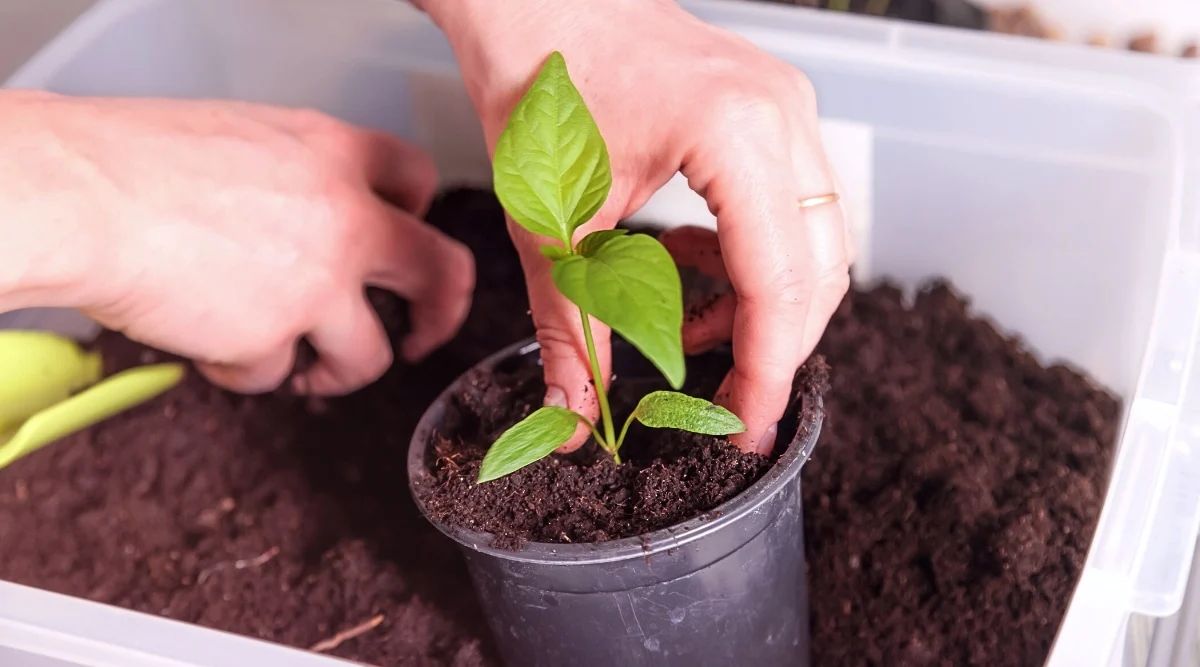
Container size directly affects watering frequency, nutrient availability, and ultimately pepper productivity. Use a minimum of three to five gallon containers for single pepper plants. Smaller containers require daily watering in warm weather and offer little nutrient reservoir, stressing plants constantly. Larger five to ten gallon containers maintain more stable moisture and nutrients, producing healthier, more productive pepper plants.
When growing multiple peppers in a large planter box, space plants twelve to eighteen inches apart to prevent nutrient competition and disease spread. A standard 4x8 foot raised bed accommodates approximately eight to ten pepper plants with proper spacing.
Always ensure your container has drainage holes. No amount of perfect soil mix matters if water cannot escape. Without drainage holes, even expensive potting mix becomes a waterlogged death trap for pepper roots. If your desired container lacks drainage, drill holes in the bottom before filling with soil.
Moisture Balance: The Critical Pepper Challenge
Peppers demand more careful watering than most garden vegetables because they need consistent moisture without waterlogging. The soil should feel slightly moist, never soggy or bone dry. This balance prevents both drought stress and the root rot that kills peppers more than any other single factor.
Well-draining soil is essential for achieving this balance. Even when you water frequently, proper drainage allows excess water to escape rather than sitting in the root zone. This is why soilless potting mixes with perlite and vermiculite outperform dense garden soils for container peppers.
The relationship between water-holding and air-holding components in soil is crucial. Peat moss and compost retain water, while perlite and vermiculite hold air. The ideal mix maintains air pockets even when moist. Soil that is completely saturated leaves no room for oxygen, and roots suffocate within days.
Check soil moisture by inserting your finger one inch into the soil. If the soil feels dry at one inch depth, water thoroughly until it drains from the bottom. If soil still feels moist, wait another day or two. Container peppers in hot weather may need daily watering, while in-ground peppers usually need less frequent watering due to greater soil volume and deeper root systems.
Recognizing Soil Problems: When Your Pepper Plants Show Signs
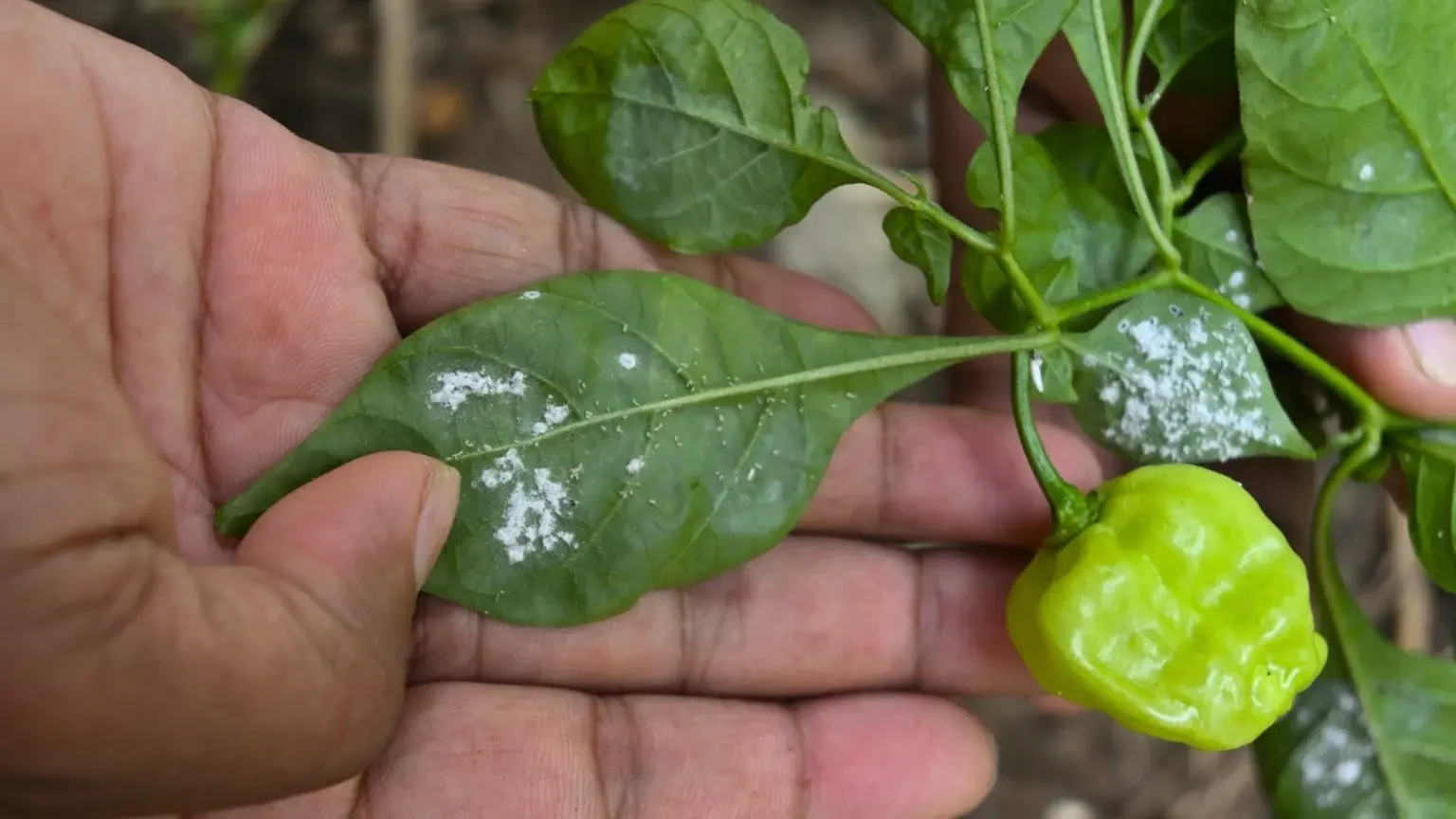
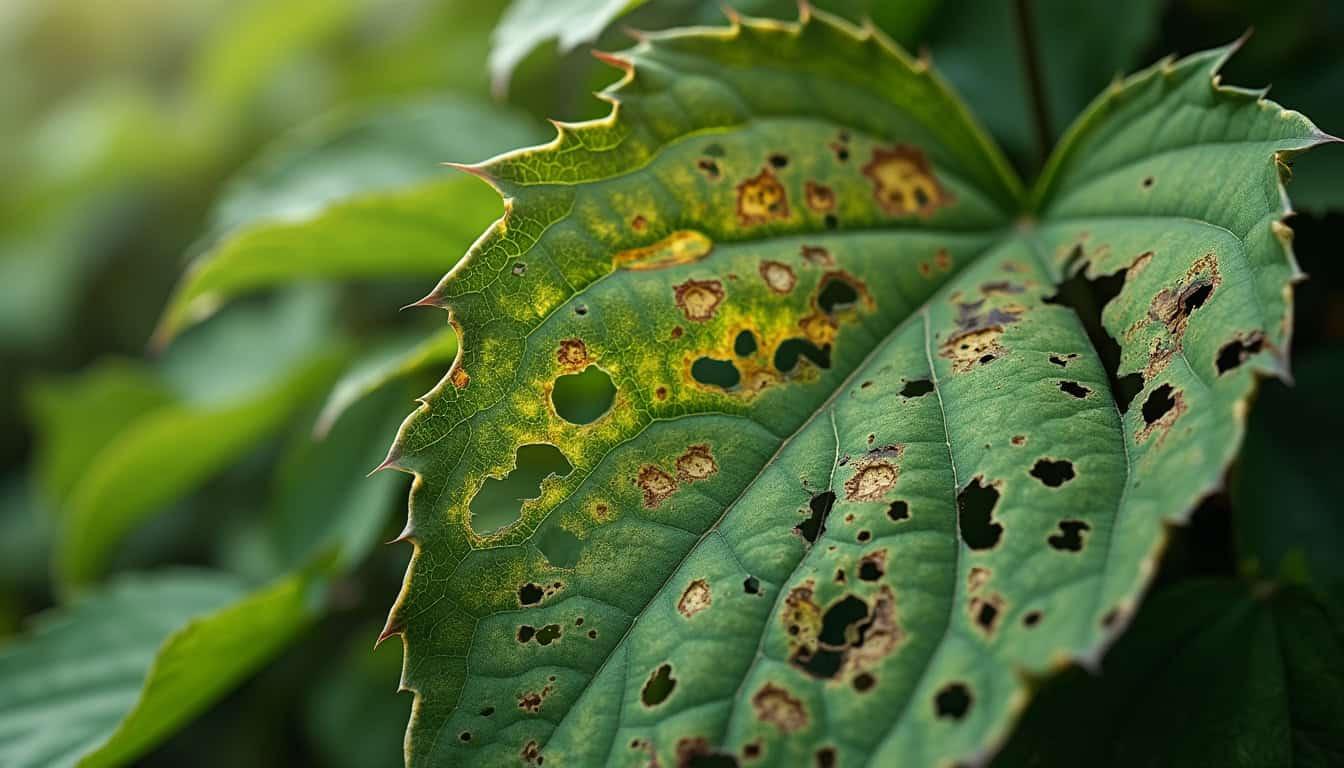
Yellow leaves in pepper plants often signal a soil problem rather than nutrient deficiency. The most common culprit is poor drainage causing root rot. Yellow leaves start on lower portions of the plant and progress upward. These plants typically feel heavier than they should when lifted, indicating waterlogged soil.
If you suspect waterlogging, allow the soil to dry out between waterings. Check that your container has proper drainage holes. Consider repotting affected plants into fresh, dry potting mix to salvage them. Once root rot begins, recovery is difficult, so prevention through proper soil selection is far more effective than treatment.
Stunted growth combined with yellowing indicates either poor drainage or nutrient deficiency. Inspect the soil closely. If it is dark and smells sour, waterlogging is the problem. If the soil is light and drains quickly but looks poor quality, nutrient deficiency may be the issue. Adding compost or applying dilute liquid fertilizer can resolve nutrient problems, while repotting in fresh soil is often necessary for waterlogging.
If your pepper plant leaves look purplish or have yellowing between the veins, the issue is likely pH related. This prevents nutrient uptake even if nutrients are present. Check pH with a meter or conduct a soil test to verify. Amend accordingly with lime to raise pH or sulfur to lower pH.
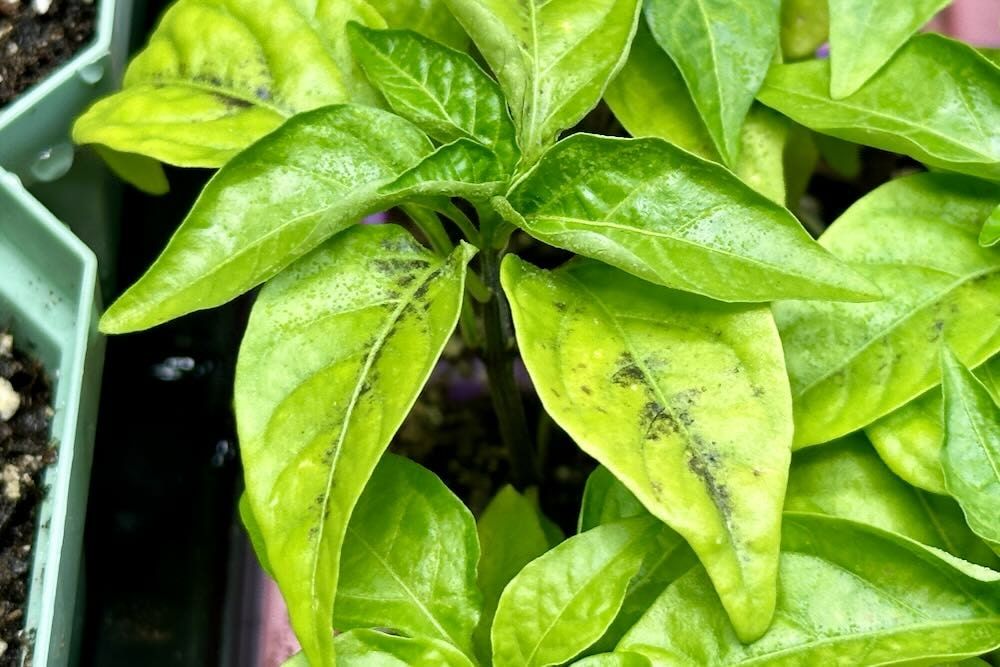
Wondering if your soil composition is correct but your peppers look stressed? Use Plantlyze.com, an AI powered plant care diagnosis tool. Simply photograph your pepper plant and the artificial intelligence analyzes the leaf appearance and color patterns to identify whether the problem originates from soil, drainage, nutrients, or other causes. This visual diagnosis guides your next steps precisely.
Best Practices for Seasonal Soil Management
As the growing season progresses, soil naturally becomes depleted of nutrients. Top-dress container peppers with fresh compost every four to six weeks to replenish organic matter and nutrients. Top-dressing means spreading a thin layer of compost over the soil surface without digging it in. Water dissolves and carries nutrients into the root zone gradually.
For in-ground peppers, apply compost as a two to three inch mulch around plants. Mulch provides multiple benefits: it keeps soil cooler in extreme heat, reduces water loss through evaporation, suppresses weeds, and slowly releases nutrients as it decomposes.
Avoid using mulch against the pepper plant stem directly, as this creates a moisture trap that encourages rot. Leave two to three inches of space between mulch and stems.
Bringing It All Together: Soil Success for Pepper Excellence
Whether you grow peppers in containers or in-ground beds, the fundamental requirements remain constant: well-draining, loamy soil with abundant organic matter at pH between 6.0 and 6.8. In containers, use quality potting mix or potting soil mixed with extra perlite. In garden beds, amend with compost and conduct pH testing to guide amendments.
For seed starting, use sterile, finely-textured seed starting mix designed specifically for germination. As peppers grow, top-dress or mulch regularly to maintain soil quality. Monitor moisture carefully, watering when the soil is slightly dry at one inch depth.
Remember that peppers hate wet feet more than they dislike any other condition. Drainage is your primary concern when evaluating any soil or growing medium. Invest in proper soil, and your pepper plants reward you with abundant, flavorful fruit throughout the season.
For detailed plant health assessment and guidance on soil related issues, visit Plantlyze.com, where an AI powered plant diagnosis tool provides real-time analysis of your pepper plant's needs based on visual appearance. Use this resource whenever you notice unexpected plant symptoms to identify whether soil, nutrients, or other factors require adjustment. Proper diagnosis enables faster solutions and healthier plants.
References
Ohio State University Extension: Growing Peppers in the Home Garden
https://ohioline.osu.edu/factsheet/hyg-1618UC IPM UCANR: Cultural Tips for Growing Peppers
https://ipm.ucanr.edu/home-and-landscape/cultural-tips-for-growing-peppers/UC IPM UCANR: Root and Crown Rots and Damping-off Diseases
https://ipm.ucanr.edu/agriculture/peppers/root-and-crown-rots-and-damping-off-diseases/MSU Extension: Potting Soils and Seed Starting Mixes for Your Garden
https://www.canr.msu.edu/news/potting_soils_and_seed_starting_mixes_for_your_gardenUC Davis Vegetable Research and Information Center: Pepper Growing Guide
https://vric.ucdavis.edu/