Your tomato plant is falling over mid-season, fruit is rotting on the ground, and you're kicking yourself for not planning ahead. You start wondering: should you cage or stake your tomatoes? You've heard conflicting advice from fellow gardeners, and you're confused about which method works best for your variety. Here's the truth: different support methods serve different needs, and choosing the right one transforms your entire growing season.
Staking isn't optional if you want healthy, abundant tomatoes. Proper support prevents disease, improves yields, and makes harvesting actually enjoyable instead of frustrating. While staking creates ideal growing conditions, monitoring for disease symptoms early is just as crucial. Plantlyze's AI-powered diagnostics help catch problems before they become visible, ensuring your supported plants stay disease-free all season.
Why Stake Tomatoes: Five Crucial Benefits
Disease Prevention Through Airflow
Keeping tomato plants off the ground is one of the most powerful disease prevention strategies you can employ. Soil-borne diseases live in soil and splash onto lower leaves during rain. Staked plants elevate foliage above the splash zone. Additionally, staking improves air circulation dramatically. Better airflow means leaves dry faster after rain. Wet leaves create ideal conditions for fungal diseases. Dry leaves are hostile environments for disease development.
Bigger, Better Tomatoes
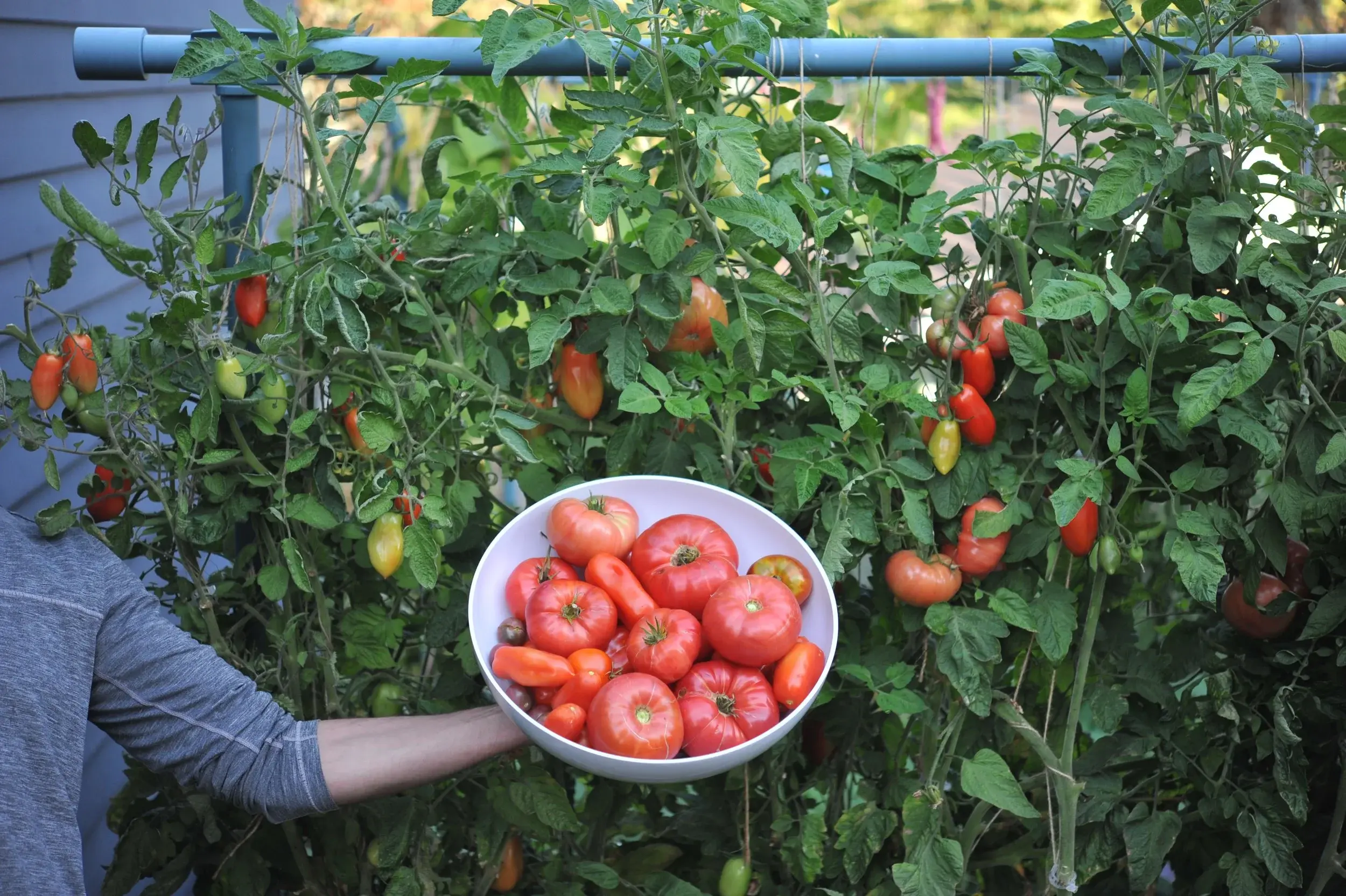
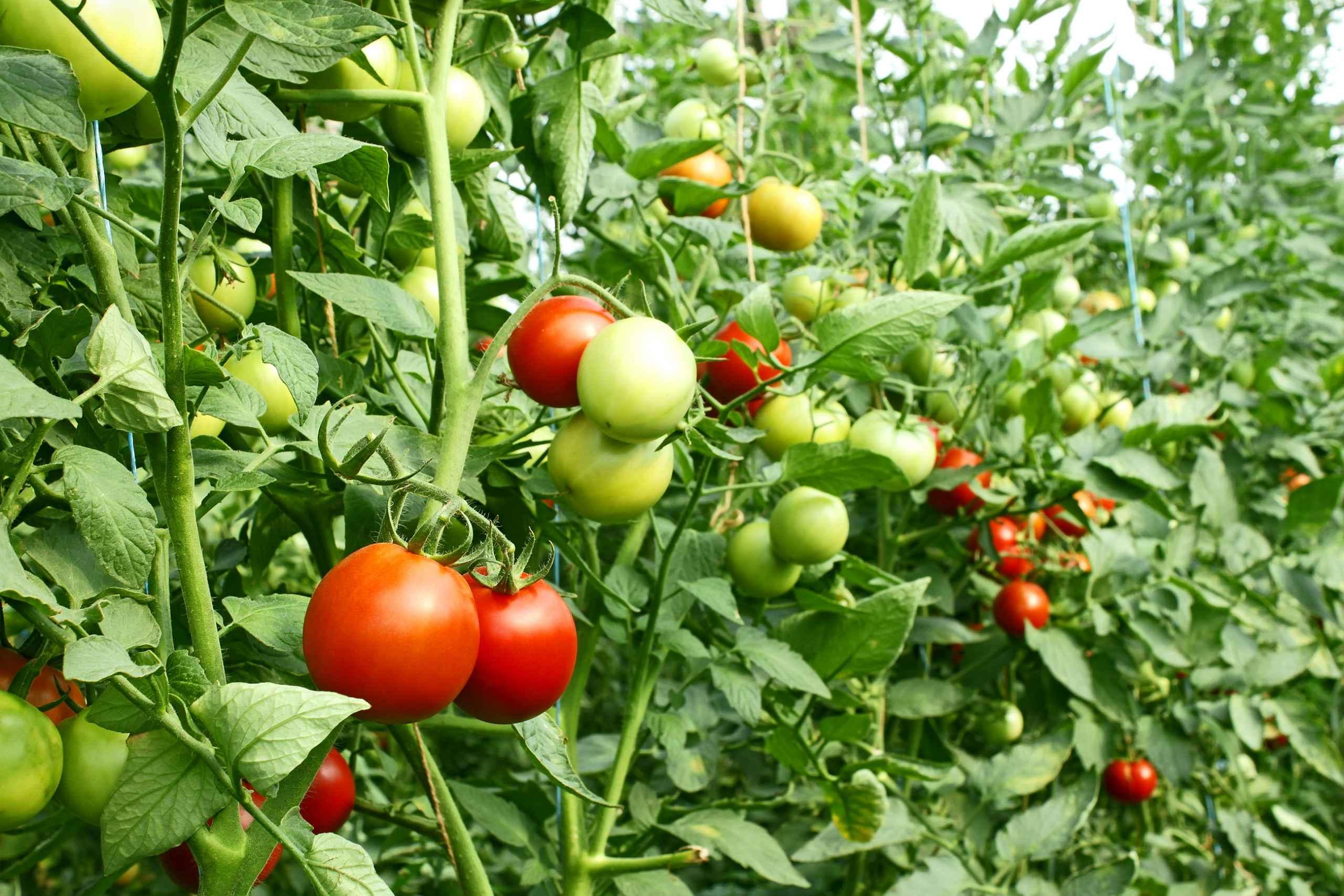
Here's where staking becomes genuinely exciting: sunlight reaches developing fruit. Sunshine touching ripening tomatoes improves color, flavor, and sugar content. Staked plants produce fewer but larger individual tomatoes. Unpruned caged plants spread energy across numerous small tomatoes. A staked tomato plant might produce 20 large tomatoes. A sprawling plant produces 40 small ones. Which would you rather harvest?
Easier Harvesting and Maintenance
Imagine reaching into a vertical plant versus crawling through a sprawling jungle. Staked plants keep fruit at a consistent, accessible height. Harvesting becomes faster and actually enjoyable instead of frustrating. You're not bending, stretching, or hunting through dense foliage. Plus, spotting pest damage and disease symptoms becomes obvious when plants are vertical and organized.
Space Efficiency
Vertical growing means more plants per square foot of garden. Caged plants sprawl outward. Staked plants grow up. You can fit 3 to 4 times more plants with staking versus caging in the same bed. Perfect for small gardens and raised beds where space is precious. This space efficiency multiplies your harvest from limited garden real estate.
Faster Ripening for Short Seasons
In northern climates with short growing seasons, early ripening matters. When fruit receives direct sunlight instead of being buried in foliage, it ripens faster. Your first ripe tomato arrives 1 to 2 weeks earlier with proper staking. That first fresh tomato of summer is worth the staking effort alone. Plus, continuous ripening up the stem extends your harvest window deep into fall.
Single Stake Method: Simplest Support
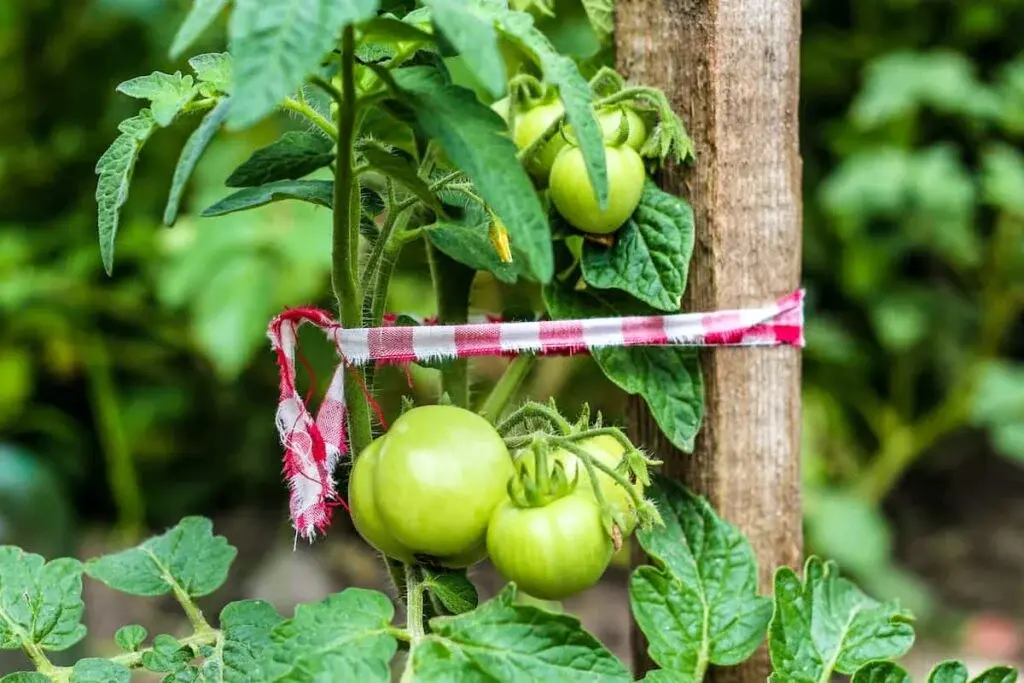
The single stake method is straightforward: one sturdy stake per plant, aggressive pruning, and vertical growth. This produces the most dramatic vertical training and often yields the largest individual tomatoes. It requires the most hands-on management but results in beautiful, productive plants.
What You Need
You need one sturdy stake 6 to 8 feet tall for indeterminate varieties, or 4 to 5 feet for determinate. Options include wooden 2x2 cedar, galvanized metal rebar, spiral stakes, or PVC pipe. Cedar lasts longest. Rebar is cheap and lasts forever. Spiral stakes are easy to install. You'll also need soft plant ties like cloth strips, nylon, or commercial elastic ties. Sharp pruners are essential if you're doing sucker removal with this method.
Setup Process
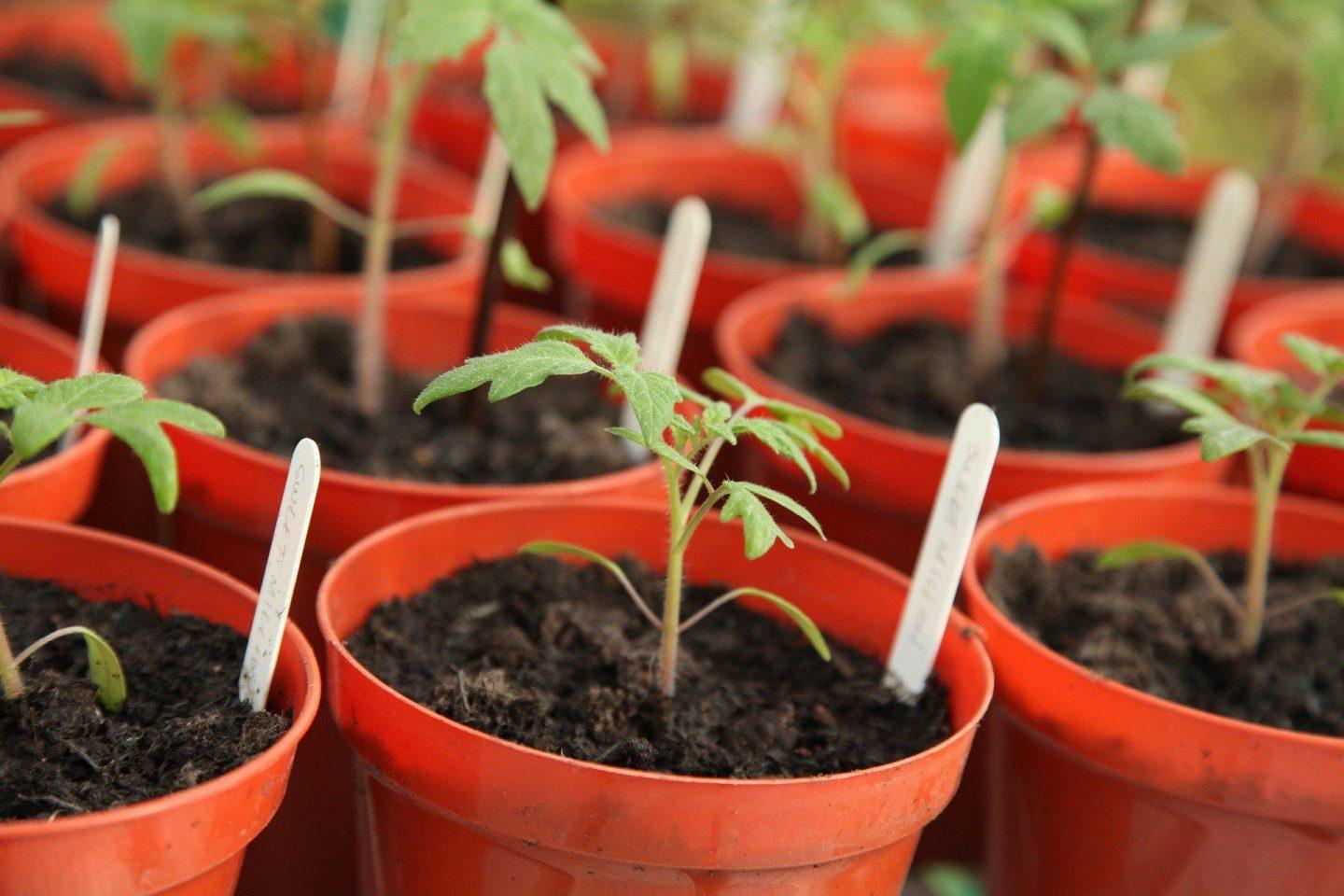
Drive your stake 12 to 18 inches into soil next to the plant. Position it on the downwind side if possible. Place the stake 4 to 6 inches from the stem to avoid damaging roots. Install the stake early, right after transplanting. Don't wait until your plant is large. Waiting until your plant needs support risks damaging extensive roots already established throughout the soil.
Tying Your Tomato
Use soft ties that won't cut into the stem as it expands. Create a figure-8 or loop around both stake and stem. Leave 1 to 2 inches of slack because the stem expands as it grows. Tie every 8 to 12 inches up the stem. Check ties every 1 to 2 weeks during rapid growth seasons. Tight ties can girdle and kill stems.
Pruning With Single Stake Method
Single stem method requires aggressive pruning. Remove most suckers for single-stem focus. Remove lower leaves as the plant grows. This is more work than other methods but creates the most compact, vertically organized plant. You get maximum sunlight to fruit and the best ripening results.
Best For
Single staking works best for indeterminate heirloom tomatoes. It's ideal when you have limited garden space. It suits home gardeners who enjoy pruning and don't mind weekly maintenance. It maximizes fruit ripening and creates the most organized, manageable plants.
Florida Weave Method: Best For Rows
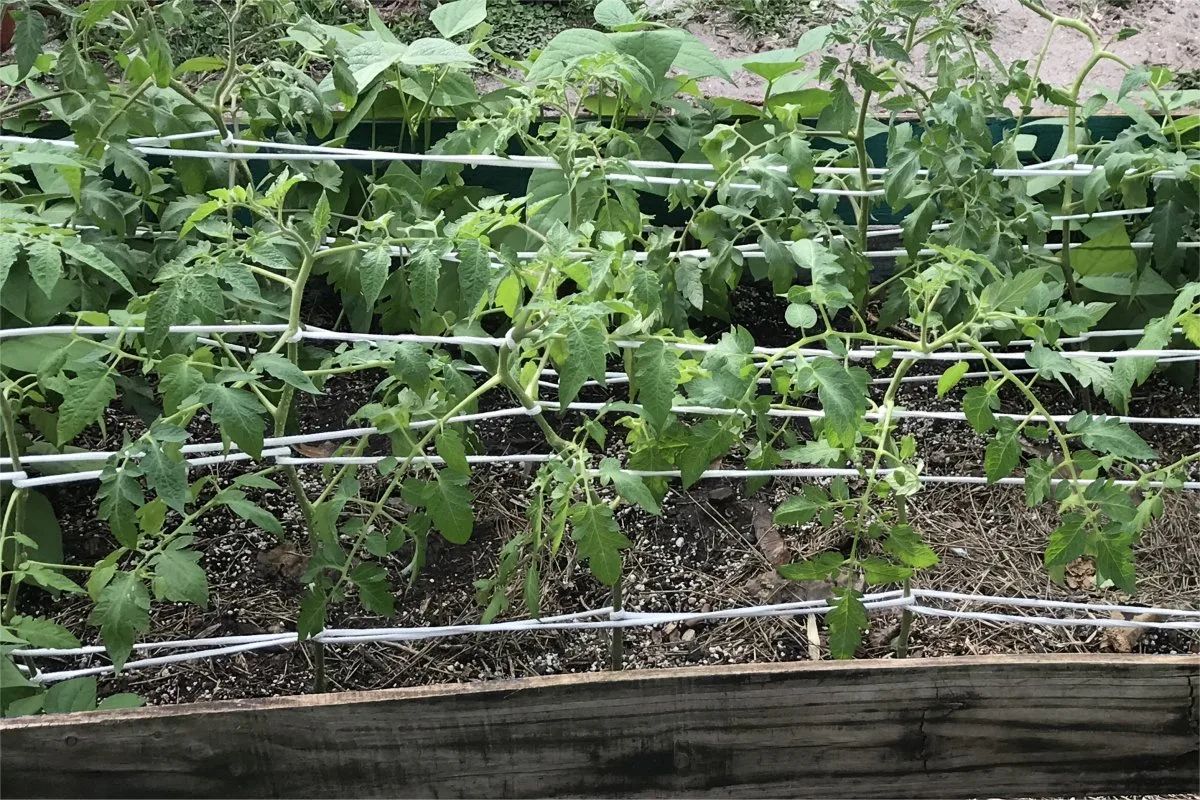
The Florida weave, also called basket weave or stake and weave, creates horizontal support using stakes and twine. This method is excellent for rows of determinate and semi-determinate tomatoes. Commercial farmers use this extensively because it's efficient and supports heavy fruit loads.
What is Florida Weave
Florida weave provides maximum support with minimal individual work per plant. Rather than managing individual ties on each plant, you create a continuous support system down an entire row. One twine layer can support 2 to 3 plants. This system works brilliantly for determinate varieties that naturally stay more compact.
What You Need
You need sturdy stakes (metal T-posts preferred, 7 to 8 feet tall, or 6 to 8 feet wooden stakes). Use sturdy twine or heavy string. Plan one stake for every 2 to 3 plants in the row. Space stakes every 4 to 6 feet apart. One stake minimum at each end of your row. The beauty of Florida weave is its simplicity and efficiency.
Setup Process
Drive stakes 12 to 18 inches into soil. Space them in line down your tomato row. Install stakes before planting if possible to avoid root damage with established plants. Leave 5 to 6 feet above ground minimum. The ground installation provides stability while leaving plenty of height for growing plants to reach.
Creating the Weave Pattern
Start twine 8 inches above ground. Create a figure-8 pattern around successive plants. Weave twine in front of one plant, behind the next. Loop twine around each stake to secure it. Keep twine taut but not strangling plants. The pattern looks complex but becomes automatic after the first layer. Think of it like braiding, but horizontal.
Progressive Weaving
Add new weave layer every 6 to 8 inches of plant height. Weave continuously as plants grow throughout the season. Tuck stray branches into the weave pattern. Heavy fruiting branches may need extra support or additional twine layers. Continue until frost ends the growing season. By late season, you'll have 4 to 6 weave layers supporting massive fruit production.
Best For
Florida weave works beautifully for determinate tomatoes, multiple plants in rows, and determinate heirloom varieties. It's excellent for commercial small-scale farming and space-efficient small gardens with multiple plants in rows.
Tomato Cages: Easiest Method
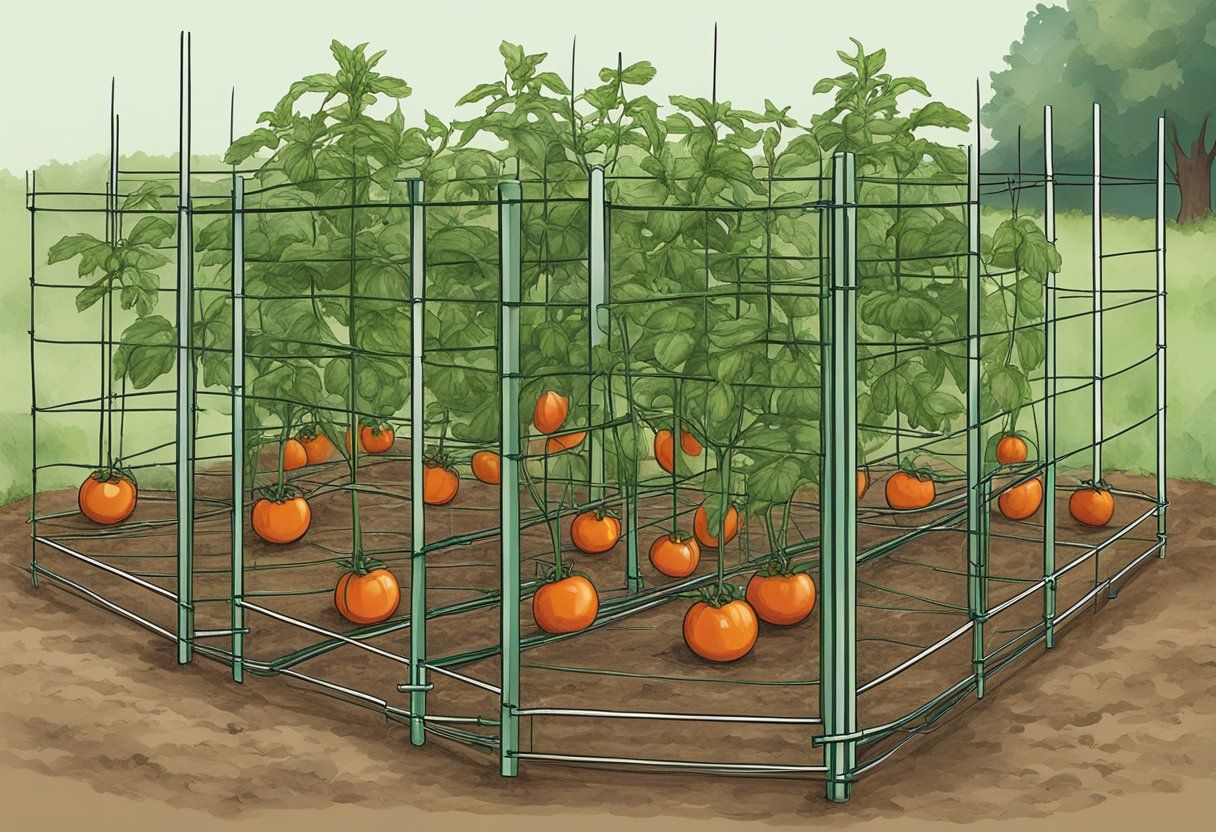
Cages are the most commonly used support method because they require almost no maintenance. You place them and they do their job. However, not all cages are created equal. Standard small cages from hardware stores often fail spectacularly under heavy fruit loads.
What to Know About Cages
Cages range from flimsy to heavy-duty professional models. Most people purchase cheap, small cages that bend under fruit weight mid-season. Invest instead in 5 to 6 foot tall, sturdy cages made from concrete reinforcing wire. These investment pieces last decades and support plants reliably.
Cage Size Matters
Standard small cages at 3 to 4 feet tall are inadequate for most tomatoes. Indeterminate types outgrow small cages by mid-season, breaking through the top. You need 5 to 6 foot tall minimum for indeterminate varieties. Diameter should be 24 to 30 inches minimum to allow plants to spread within. Large grid openings of at least 6 inches allow you to reach fruit for harvesting without struggling.
Installation
Place the cage over your seedling immediately after transplanting. Don't wait or you'll damage the plant trying to fit cage over mature growth. Press the cage firmly into soil at least 6 to 8 inches deep for stability. You may need a second person to hold the plant steady while positioning the cage. Install cages early to avoid any root damage.
Best For
Cages work best for determinate bush tomatoes that don't sprawl wildly. They're ideal for gardeners wanting minimal maintenance throughout the season. They suit people with limited time for tying, weaving, or constant adjustments. Cages work great for small garden spaces with single plants.
Trellis and String Systems: Advanced Method
String-trained systems represent the ultimate in vertical organization and productivity. Rather than individual stakes or cages, plants are trained up vertical strings suspended from overhead support beams. This is the most labor intensive during the growing season but produces exceptional results.
Single String Drop System
Each plant has one vertical string running from soil to overhead beam. The plant is clipped and twined around the string throughout the season. Professional greenhouse operations use this system exclusively. It maximizes light penetration and allows extremely high-density plantings.
Benefits
String systems maximize light and airflow through the plant canopy. Plants can be positioned closer together because they don't sprawl. Space efficiency reaches peak levels. You get excellent pruning access to every part of the plant. Fruit ripening is outstanding because every tomato receives direct sunlight. Professional looking results rival commercial operations.
Best For
String systems work best for high-density plantings, greenhouse or high-tunnel growing, commercial operations, and serious home gardeners with time for continuous training. They're perfect for maximizing yield per plant and professional quality results.
Installation Considerations
String systems require strong overhead structure, making them impractical for simple backyard gardens. They're more complex than other methods and require clips or ties to attach plants. Maintenance throughout season involves continuous clipping and twining. Not practical for occasional gardeners seeking low-maintenance support.
Comparing Methods Side by Side
Different methods serve different needs and priorities. Single staking works best for vertical space-saving with aggressive pruning. You get fewer but larger tomatoes in a small footprint. Florida weave excels for rows of determinate tomatoes where support and easy harvesting matter. You're working with 2 to 3 plants at a time and the row stays organized.
Cages provide effortless support with minimal maintenance. Heavy-duty professional cages support indeterminate varieties well and yield more total fruit, though individual tomatoes may be smaller than staked plants. Choose based on your garden size, variety type, and how much maintenance you're willing to invest throughout the season.
Research shows single-staked tomatoes produce larger individual fruit but potentially fewer total tomatoes. Caged tomatoes spread growth across more points and yield more fruit total, but handling sprawling foliage becomes chaotic without properly-sized cages. Florida weave offers middle ground: moderate effort with excellent support and very organized results.
Installation Timing and Technique
Install stakes or cages immediately after transplanting. Don't wait until your plant is large and roots are established. Waiting risks significant root damage when you finally install support. Early installation takes minutes. Late installation can injure or shock plants.
For stakes, drive them 12 to 18 inches deep depending on soil type. Soft soil needs deeper stakes. Hard clay allows shallower installation. Rebar and metal stakes typically go deeper than wooden stakes. Ensure at least 5 to 6 feet remains above ground for indeterminate varieties. Check all supports weekly during heavy fruit production. Wind gusts and heavy fruit loads stress support systems continuously. Tighten ties, add additional twine layers, or reinforce as needed before problems occur.
Disease Prevention Through Staking
Keeping tomato plants off the ground is one of the most powerful disease prevention strategies available. Soil-borne pathogens like Early Blight, Septoria Leaf Spot, and others live in soil and splash onto lower leaves during rain. Staked plants elevate foliage above the splash zone. Additionally, staking improves air circulation. Better airflow means leaves dry faster after rain. Wet leaves create ideal conditions for fungal diseases. Dry leaves are hostile environments for disease development.
Remove lower leaves progressively as plants grow to create 12 inch gap between soil and lowest leaves. This eliminates disease pathway. Combine staking with pruning for maximum disease prevention. While staking creates conditions hostile to disease, spotting disease symptoms early matters equally. Plantlyze's AI diagnostics monitor your plants for early disease detection. Catch problems before visible symptoms become severe. Combine cultural practices like staking with technology for disease-free tomatoes.
Support Your Plants with Smart Monitoring
Staking prevents many problems but disease can still develop subtly. Early symptoms like yellowing and dark spots appear before major damage occurs. By the time you notice obvious symptoms, infection has spread extensively. Plantlyze's AI diagnostics monitor your tomato plants 24 and 7, identifying disease symptoms before they spread to other plants or become severe. Get personalized treatment recommendations based on your specific climate and growing conditions. Combine staking knowledge with disease detection for healthiest tomatoes. Try Plantlyze's free plant health monitoring today.
Common Staking Mistakes to Avoid
Installing support too late stresses plants and risks root damage. Install immediately after transplanting when plants are still small and flexible. Wait until plants obviously need support and you're fighting against extensive roots already established throughout the soil.
Using inadequate stakes that bend under fruit weight is disappointing mid-season. Small, thin stakes collapse under heavy indeterminate tomato loads. Invest in substantial stakes of at least one inch diameter and ensure deep installation. Wobbly stakes stress plants and lead to fruit dropping.
Tying too tightly cuts off stem circulation as the plant expands. Use soft ties with slack for stem expansion. Check ties weekly during rapid growth. Plants expand as they age and you must adjust ties accordingly. What seems secure today may girdle your plant by next week.
Neglecting weaving updates with Florida weave method causes plant collapse. Add new twine layers proactively before plants fall over. Don't wait until emergency tying becomes necessary. Stay ahead of plant growth rather than playing catch-up.
Choosing wrong support method for your variety wastes effort and produces poor results. Single staking doesn't work well for determinate varieties that sprawl outward naturally. Cages don't support tall indeterminate varieties that grow 6 to 8 feet tall. Match method to variety for best results.
Conclusion
Here's what you need to remember about tomato staking. Choose based on your space, plant variety, and maintenance preference. Single staking works for vertical space-saving. Florida weave excels for rows. Cages provide effortless support. Each method has merit. Install early before your plant establishes extensively. Staking prevents disease through airflow and ground separation. Bigger, better tomatoes result from proper support and pruning. Vertical growth maximizes limited garden space. Different methods work for different situations. No wrong choice, only wrong timing and installation.
Monitor your plants throughout the season for needed adjustments. Tighten ties, add support layers, or reinforce as needed. Combine your staking knowledge with Plantlyze's plant monitoring to ensure your tomatoes stay healthy and productive throughout the entire season. You've got this.
References
Rutgers University Extension - New Jersey Agricultural Experiment Station
https://njaes.rutgers.edu/FS1102/University of Georgia Extension - College of Agricultural and Environmental Sciences
https://fieldreport.caes.uga.edu/publications/C1150/staking-and-pruning-tomatoes-in-the-home-garden/University of Wisconsin Extension - Department of Horticulture
https://hort.extension.wisc.edu/articles/tomato-pruning/Washington State University Extension - Horticultural Sciences
https://wpcdn.web.wsu.edu/extension/uploads/sites/57/2021/01/Tomato-Supports.pdfPenn State University Extension - Vegetable Production
https://extension.psu.edu/tomato-productionUniversity of Maine Extension - Department of Plant, Soil and Environmental Sciences
https://extension.umaine.edu/gardening/