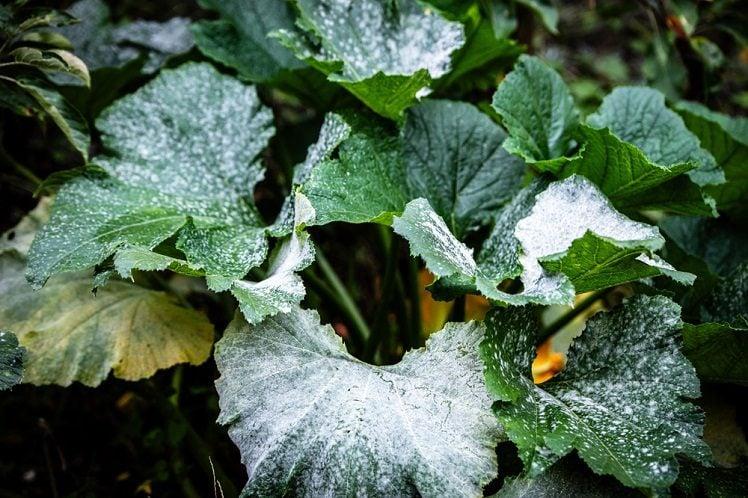
You step outside on a warm summer morning, excited to harvest your zucchini, but something stops you cold. The leaves are covered in a fine white powder, as if someone dusted them with flour. Your stomach sinks. You've seen this before, and you know it means trouble for your garden. This white coating is powdery mildew, one of the most common and frustrating diseases zucchini gardeners face. The good news? With the right knowledge and action, you can beat it.
Powdery mildew doesn't kill zucchini plants outright, but it slowly steals their vigor. Affected leaves stop photosynthesizing, fruit production drops, and plants weaken. Left untreated, your harvest shrinks dramatically. But here's the encouraging part: powdery mildew is highly preventable and treatable if you catch it early and act fast. This guide walks you through everything you need to identify, prevent, and eliminate powdery mildew from your zucchini patch.
What Causes Powdery Mildew on Zucchini
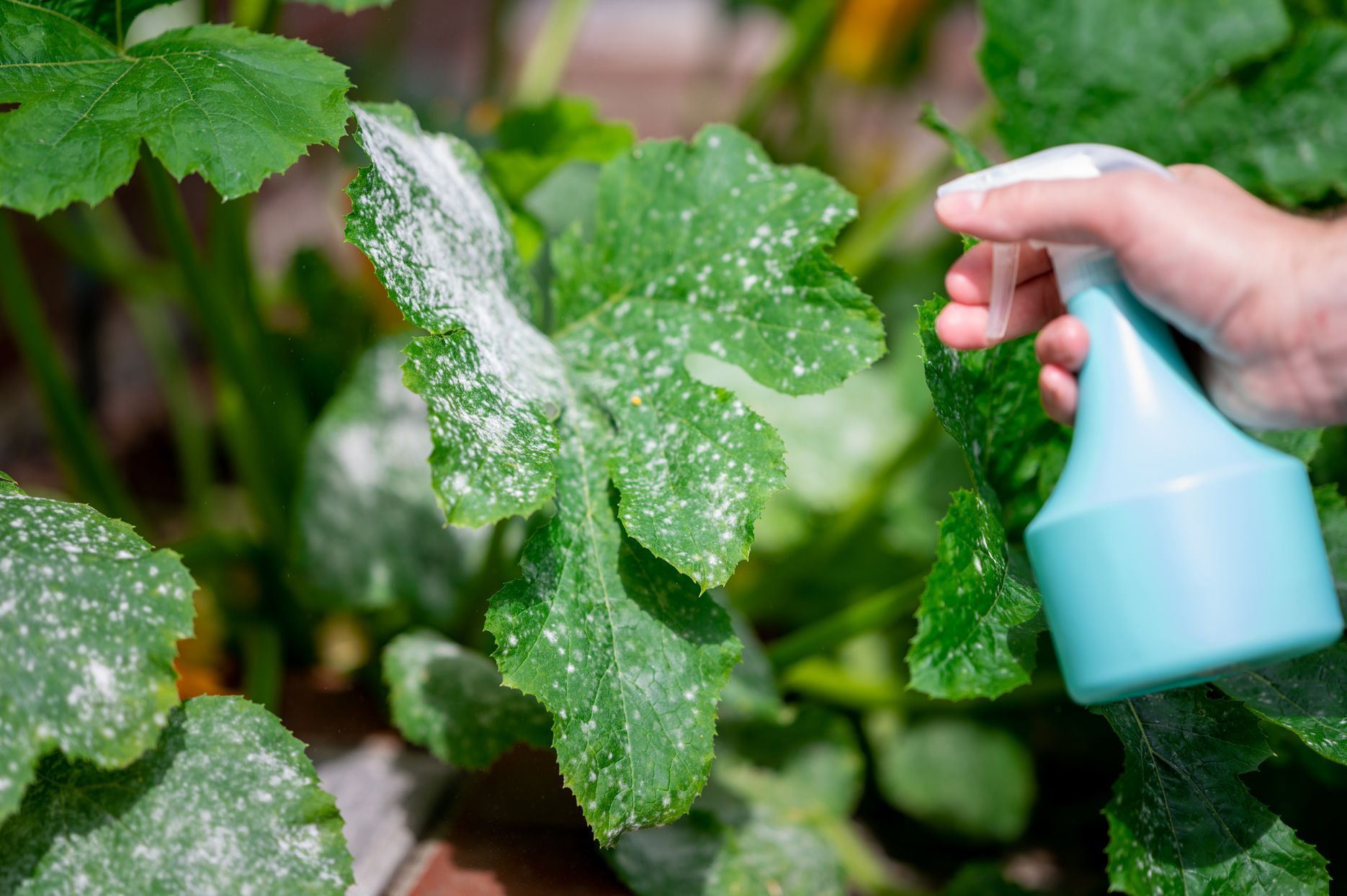
Powdery mildew on zucchini is caused by a fungus, primarily Podosphaera xanthii or Podosphaera fuliginea, depending on your region. These microscopic fungi thrive under specific conditions that many home gardeners accidentally create.
The fungus spreads through tiny spores carried on the wind. A single infected plant can release millions of spores in a single day, making it incredibly easy for powdery mildew to jump from plant to plant. Unlike many fungal diseases that love wet conditions, powdery mildew is different. It actually prefers dry leaves and moderate humidity (40 to 60 percent). This is why you'll often see it during late summer when nights cool down but days remain warm.
Temperature matters too. Powdery mildew grows most aggressively when daytime temperatures hover between 68 and 81 degrees Fahrenheit. Below 50 degrees or above 90 degrees, the fungus slows down significantly. This means zucchini planted in spring or early summer often faces peak powdery mildew pressure in late July and August when conditions are just right.
The fungus completes its life cycle fast, too. From spore landing on a leaf to producing new spores takes just 5 to 7 days. This rapid reproduction is why untreated powdery mildew spirals out of control so quickly.
Spotting Symptoms Early
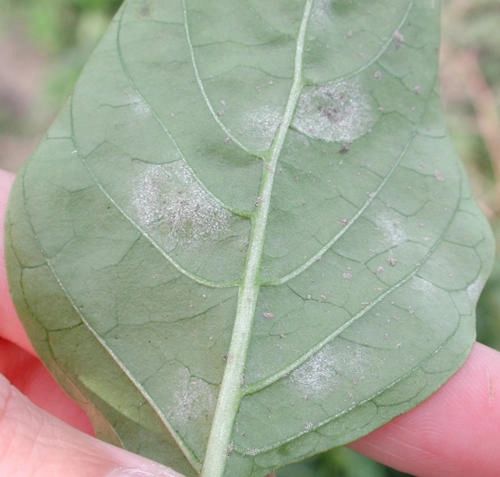
Early detection is your best defense against powdery mildew. The disease always announces itself before it becomes severe, but you have to know what to look for.
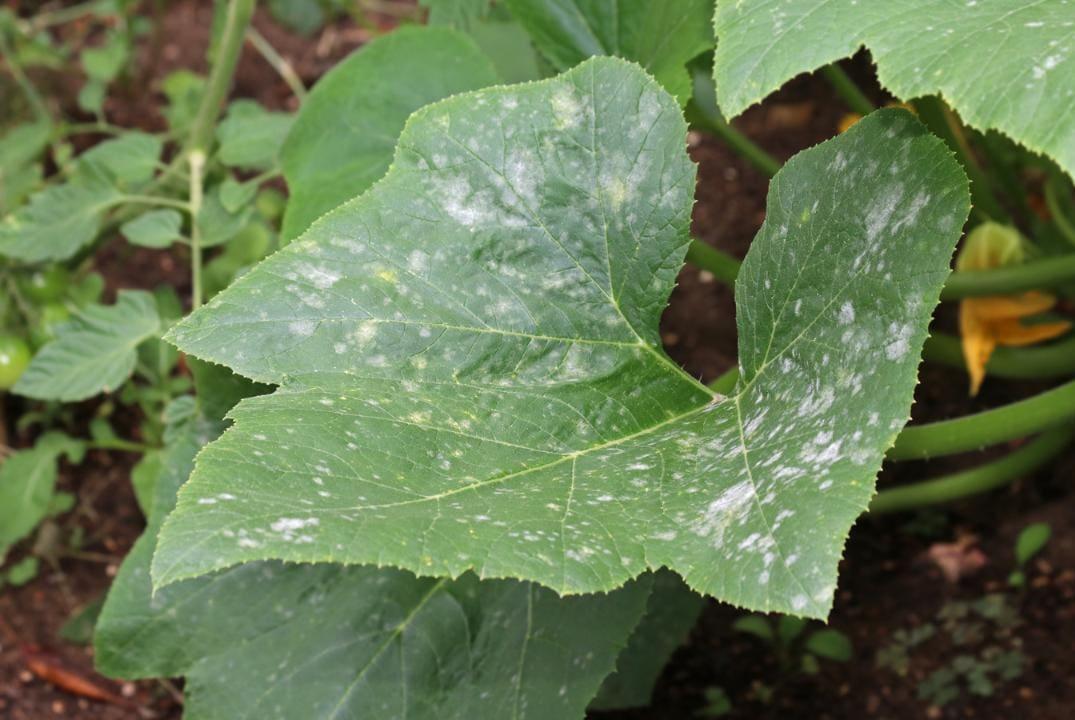
The first sign is small, barely noticeable white spots on the upper surface of zucchini leaves. These aren't fuzzy like other molds. Instead, they look like fine white powder, like talc or baking flour dusted lightly across the leaf. The spots start isolated but quickly merge and spread across the entire leaf surface within days.
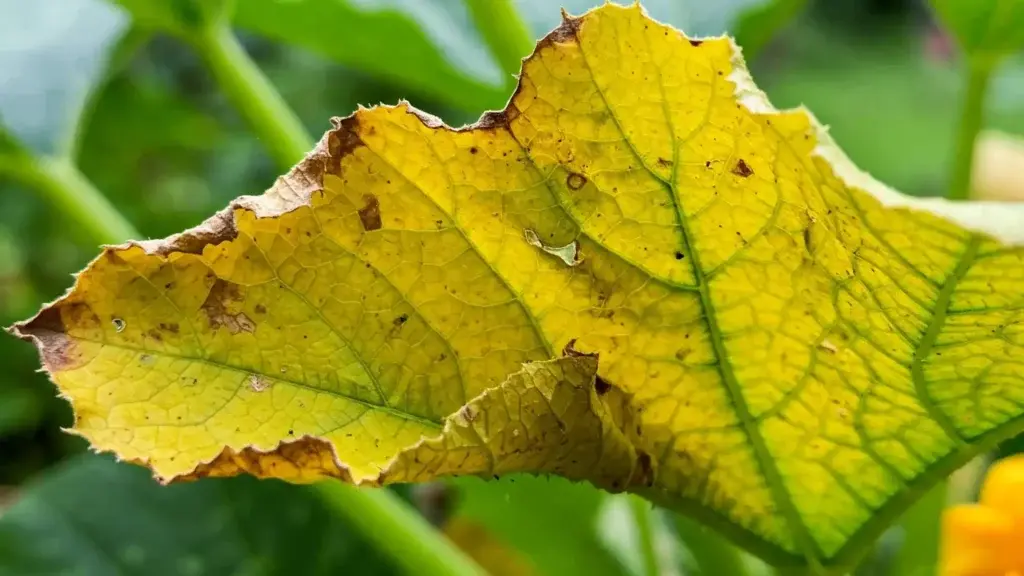
As the infection progresses, affected leaves develop a yellowing halo around the white coating. The leaves may begin to curl upward or downward and feel papery. Severely infected leaves eventually brown and die, dropping from the plant entirely. By this stage, the disease has been active for weeks.
On the fruit itself, you may notice white coating developing, though zucchini fruit is less susceptible than leaves. The bigger problem is that weakened plants produce fewer and smaller fruits. Some even stop flowering entirely if the disease takes over.
One important point: don't confuse natural leaf variegation with powdery mildew. Some zucchini varieties have lighter streaking on leaves as part of their genetics. Real powdery mildew looks uniform across the leaf surface and develops over time. If you're unsure what you're looking at, take a close photo and check it with Plantlyze, an AI powered plant diagnosis tool. Upload your leaf photo at plantlyze.com, and the tool instantly identifies whether it's powdery mildew or something else. This takes the guesswork out of diagnosis.
Why Your Zucchini Gets Powdery Mildew
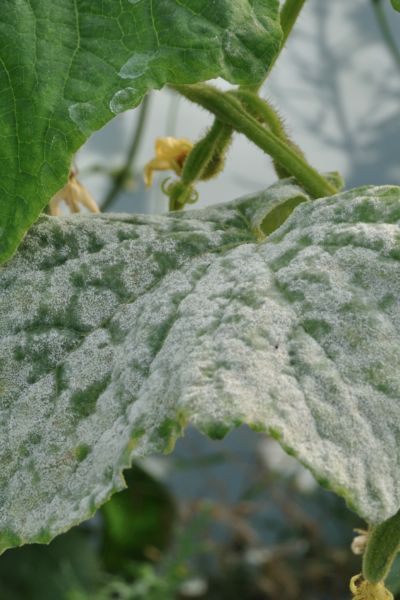
Understanding why powdery mildew strikes helps you prevent it. Several specific conditions create the perfect storm for infection.
Crowded plants are the number one culprit. When zucchini vines overlap and leaves touch, air cannot flow between them. Moisture lingers on leaf surfaces, creating an environment where spores can germinate. If you've planted zucchini too close together or failed to prune lower leaves, you've set the stage for powdery mildew.
Overhead watering compounds the problem. When you spray water on leaves from above, you create prolonged leaf wetness and humidity, even though powdery mildew technically prefers drier leaves. The crowded, humid canopy around the plant becomes a breeding ground.
Certain zucchini varieties are more susceptible than others. Some cultivars have natural resistance, while others catch powdery mildew at the slightest provocation. If you've grown the same variety for years and always battle powdery mildew, genetics might be your culprit.
Finally, stressed plants are more vulnerable. Zucchini weakened by inconsistent watering, poor soil, or other pests succumb to powdery mildew more easily than vigorous, healthy plants. Think of it like catching a cold: run down, stressed people get sick more often.
Best Prevention Strategies
Prevention is always easier than treatment. These strategies stop powdery mildew before it starts.
Space plants properly. Plant zucchini at least 3 feet apart. Yes, this means fewer plants per garden bed, but you'll get more usable fruit from healthier plants. Proper spacing allows air to flow around leaves, keeping them dry and discouraging fungal spores from settling.
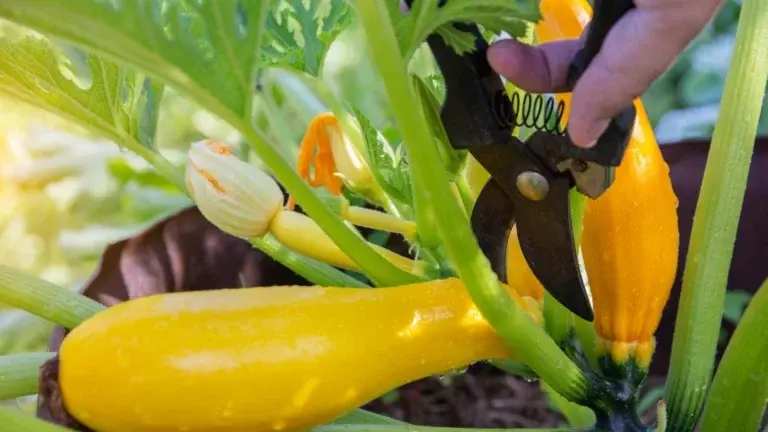
Prune lower leaves. Remove leaves within 12 inches of the soil. These older, lower leaves catch splash and stay damp longest. Removing them reduces both humidity and infection sites. Do this pruning in the morning when leaves are dry.
Water at the base, not from above. Use drip irrigation or a soaker hose to water zucchini. Keep water off the foliage entirely. Morning watering allows any accidental leaf wetting to dry quickly in the sun.
Choose resistant varieties. If you're selecting zucchini seeds or seedlings, look for powdery mildew resistant cultivars. Green Machine, Gold Rush, Ambassador, and Mutabile offer strong resistance while still producing excellent fruit.
Mulch your beds. Apply 2 to 3 inches of wood mulch around plants. Mulch keeps soil moisture consistent, reducing plant stress. Consistent, happy plants resist disease better.
Monitor regularly. Check your zucchini plants at least twice weekly, inspecting both leaf surfaces. Early detection means you can act when a few spots appear, not when the whole plant is infected.
Organic Treatments That Work
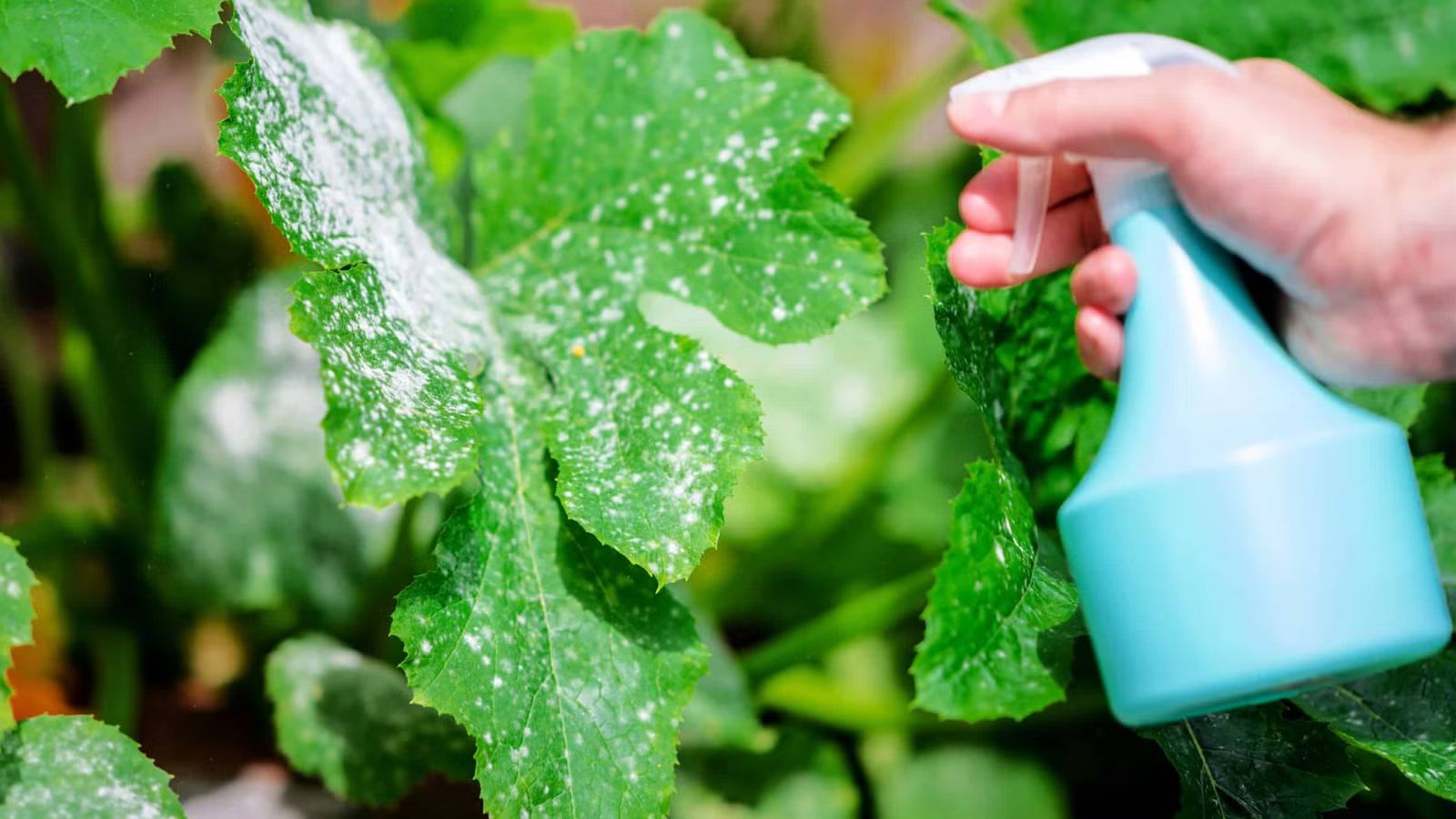
If powdery mildew appears despite your prevention efforts, you have several organic options. Success depends on applying treatments early and consistently.
Neem oil spray is one of the most effective organic treatments. Mix 1 to 2 teaspoons of pure neem oil with 1 gallon of water and a few drops of dish soap (the soap helps it stick to leaves). Spray affected plants thoroughly, coating both leaf surfaces. Apply every 5 days. Spray in early morning or late evening, never in direct sun, to avoid leaf burn. Neem oil works by suffocating fungal spores and disrupting their reproduction.
Milk and water solution sounds unusual, but it works. Mix 1 part milk (whole milk or buttermilk) with 9 parts water. Spray every 7 days on affected plants. The milk boosts your plant's own immune system while creating conditions fungi dislike. This is one of the cheapest options available.
Baking soda spray raises the pH on leaf surfaces, making them inhospitable to fungal spores. Dissolve 1 teaspoon of baking soda in 1 quart of water, add a few drops of dish soap, and spray every 3 days. This works best for early infections.
Garlic extract has natural antifungal properties. You can buy commercial versions or make your own by steeping crushed garlic in water overnight. Spray the strained liquid on plants every week.
Important tip: Always spray in early morning or evening. Spraying in sun can burn leaves. Reapply after rain. Most organic treatments work best when applied to young infections, so start spraying the moment you spot white spots.
Advanced Management and Recovery
If your zucchini plants are heavily infected, more aggressive action is necessary.
Remove infected leaves. Prune off the most affected foliage. This removes the main infection sites and improves air circulation simultaneously. Dispose of pruned leaves in the trash, not compost. The fungus can survive composting temperatures.
Improve ventilation immediately. Thin out the canopy by removing some healthy leaves alongside infected ones. This sounds counterintuitive, but opening up the plant allows air to flow through, drying leaves faster and slowing fungal spread.
Consider stronger fungicides if needed. If organic sprays aren't working after 2 to 3 weeks of consistent application, switch to potassium bicarbonate or sulfur dust, both approved for organic gardening. Sulfur is particularly effective but avoid spraying when temperatures exceed 85 degrees.
Monitor with technology. Once you've started treatment, use Plantlyze every week to photograph leaves and track improvement. The app shows you whether the white powder is decreasing, helping you know if your treatment strategy is working.
Don't overdo it. Resist the urge to spray daily. Spraying too frequently can stress plants and lead to nutrient burn. Stick to the recommended schedules.
Common Mistakes to Avoid
Even well-meaning gardeners often make mistakes that worsen powdery mildew.
Ignoring early spots is the biggest mistake. Gardeners often assume a few white spots will disappear on their own. They won't. By the time you finally decide to act, the fungus has spread to dozens of leaves. Act the moment you see that first white powder.
Composting infected material spreads the disease. The fungal spores survive typical home composting temperatures. Always throw powdery mildew-infected leaves in the trash, and wash your hands and tools after handling infected plants.
Overhead watering as a standard practice makes disease inevitable. Break this habit now. Use soaker hoses or drip irrigation year-round, not just for disease prevention but for better overall plant health.
Blaming yourself too much. Powdery mildew isn't a sign of failure. It affects experienced gardeners and beginners alike. The difference is how quickly and effectively you respond.
Frequently Asked Questions
Can I eat zucchini with powdery mildew?
The fruit itself is safe to eat. Wash it thoroughly and discard any coating. However, infected plants produce fewer fruits and may reduce quality. It's better to treat the disease to save the harvest.
Why did my resistant variety still get powdery mildew?
Resistance doesn't mean immunity. Environmental stress, extreme heat, or heavy disease pressure can overcome even resistant varieties. Continue using prevention strategies even with resistant cultivars.
When should I give up on a plant?
If a plant is over 80 percent defoliated or you've sprayed for 4 weeks without improvement, pull it out. Remove fruit first if it's still usable, then dispose of the entire plant in the trash. This prevents ongoing spore production that infects other plants.
Does powdery mildew come back every year?
Spores can overwinter on garden debris. Always clean up fallen leaves and plant debris in fall. In spring, don't plant zucchini in the exact same spot you grew it the year before. Rotate to a different bed.
What if I just let it go?
The disease will continue spreading until the plant dies or temperatures drop below 50 degrees. You'll lose most of your harvest and keep spores alive for next season. Early action saves both your fruit and next year's garden.
Your Action Plan
Powdery mildew on zucchini is common, but it's far from inevitable. Start today with prevention: space plants properly, prune lower leaves, water at the base, and choose resistant varieties. Check your plants twice weekly. The moment white spots appear, act fast with neem oil, milk spray, or baking soda. If you're uncertain what you're seeing, use Plantlyze to get instant AI diagnosis at plantlyze.com. With consistency and quick action, you'll protect your zucchini harvest and enjoy healthy, productive plants all season long.
References
University of Minnesota Extension — Powdery Mildew in Flowers and Vining Vegetables
https://extension.umn.edu/yard-and-garden-news/powdery-mildew-flowers-and-vining-vegetablesCornell Vegetables — Cucurbit Powdery Mildew
https://www.vegetables.cornell.edu/pest-management/disease-factsheets/cucurbit-powdery-mildew/University of Maine Extension — Natural Remedies for Treating Powdery Mildew of Squash and Pumpkin
https://extension.umaine.edu/gardening/2022/08/26/is-there-a-natural-remedy-for-treating-powdery-mildew-of-squash-and-pumpkin/Epic Gardening — 13 Zucchini Diseases: How to Identify, Prevent, and Treat Them
https://www.epicgardening.com/zucchini-diseases/Meadowlark Journal — Powdery Mildew on Zucchini: Best Natural Remedies
https://meadowlarkjournal.com/blog/powdery-mildew-on-zucchini