Potato soft rot is among the most destructive and economically important bacterial diseases of potato worldwide. It acts quickly both in the field and during storage, causing losses faster than fungal diseases which are mostly slow developers. Given warm, wet conditions, it can easily consume a whole pile of potatoes within days and leave behind nothing but slime. This is an opportunistic disease thriving on moisture; therefore, management battles must be fought primarily at that critical point where either protection or collapse takes place—storage! The good news? Total victory over this enemy through understanding its nature plus some simple prudent harvesting practices as well as strict environmental control measures in storage has been found to be absolutely possible.
What Is Potato Soft Rot?
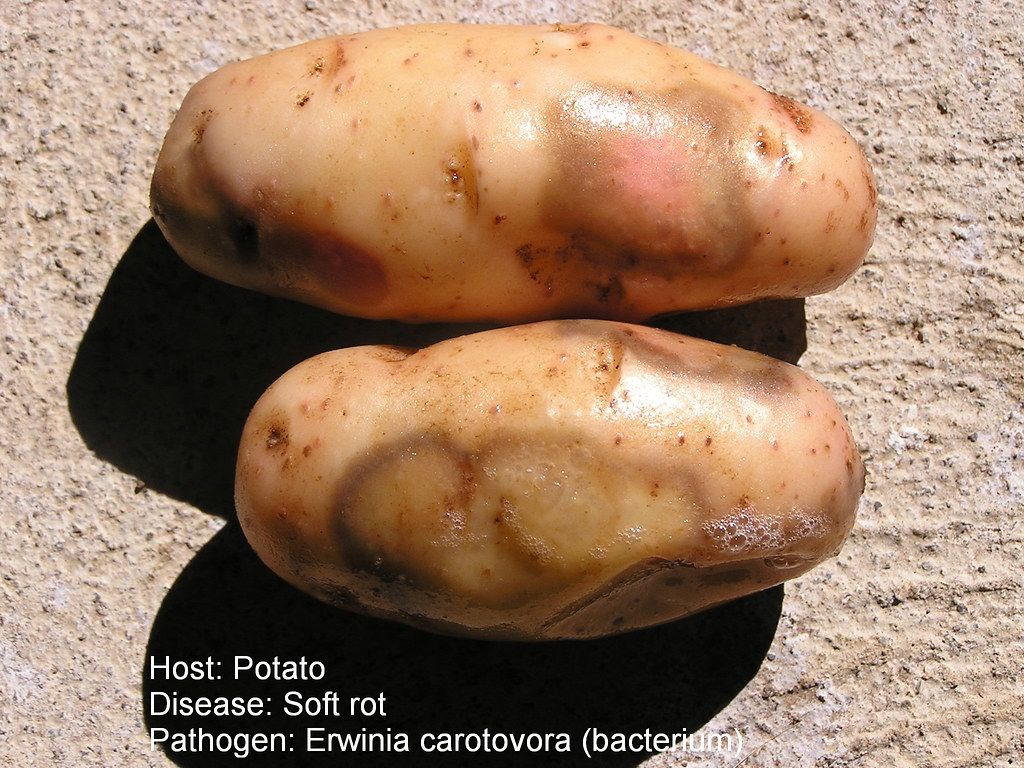
Potato soft rot is a bacterial disease caused by pectolytic bacteria that rapidly decompose potato tuber tissue through enzyme production. The primary causal agents are Pectobacterium carotovorum and Pectobacterium atrosepticum, though several other Pectobacterium species including Pectobacterium parmentieri and Pectobacterium punjabense cause soft rot in various regions. These bacteria produce powerful pectinase and cellulase enzymes that break down the cell walls of potato tissue, literally digesting the tuber from the inside out.
The disease earned its name from the soft, mushy, slimy texture of infected tissue, distinguishing it sharply from dry rot, which causes firm internal cavities and slower progression. Soft rot bacteria require entry points to infect tubers because they cannot penetrate intact skin. These entry points include fresh wounds from harvest damage, lenticels (natural pores in the skin), and non-suberized seed piece cuts.
What makes soft rot particularly dangerous is its speed of development. Where dry rot might take weeks to cause significant tuber damage, soft rot can progress from initial infection to complete tuber breakdown in just days under favorable warm, wet conditions. This rapid progression demands swift detection and immediate action to prevent entire storage piles from becoming worthless.
Recognizing Soft Rot Symptoms: Early Detection Saves Your Crop
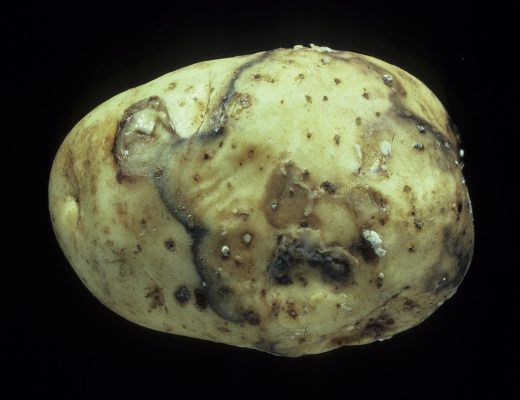
Learning to identify soft rot at different stages allows you to catch the disease early before it spreads through your storage facility. Soft rot symptoms vary depending on infection stage and environmental conditions.
Initial Soft Rot Symptoms
Soft rot begins with watersoaked, tan colored spots appearing on the tuber surface, typically at wound sites or lenticels. These initial lesions develop where bacterial cells have entered through broken skin. The spots enlarge gradually, and the tissue beneath becomes soft and mushy rather than remaining firm. A distinctive brown border forms around the infected area, creating a clear boundary between healthy and diseased tissue.
The key characteristic distinguishing soft rot from other diseases is the rapid softening of tissue. When you press affected areas gently, your finger sinks into mushy, deteriorating flesh. This soft texture gives soft rot its name and is the most reliable symptom to watch for during storage monitoring.
Lenticel Spot Symptoms
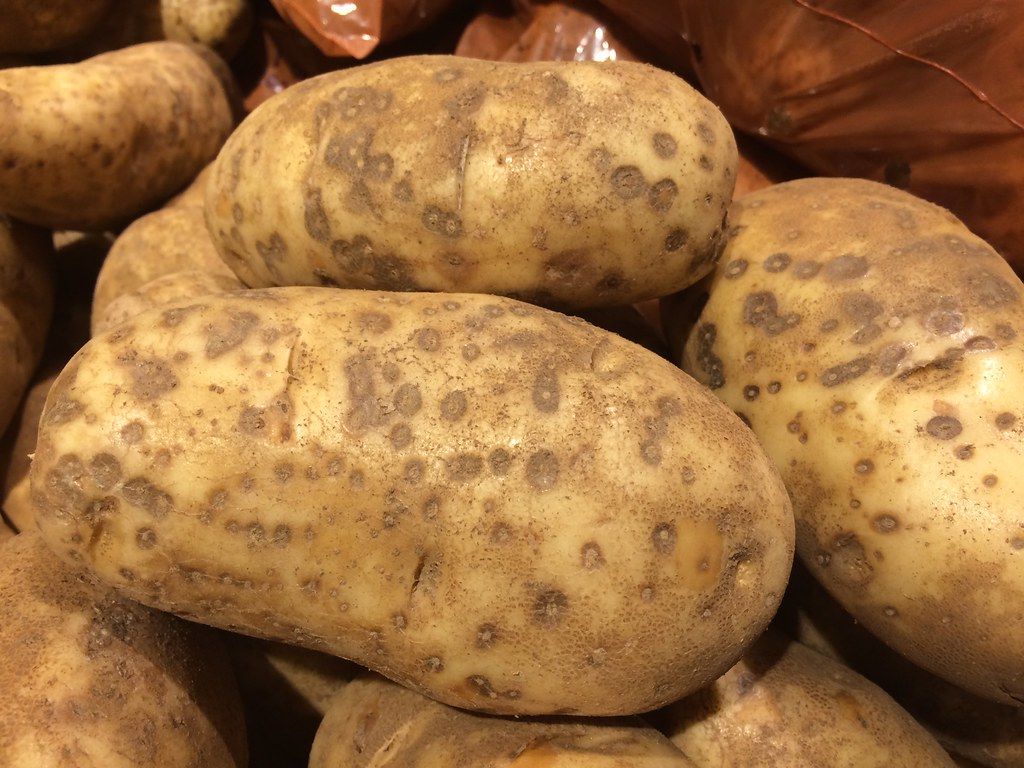
A specific form of soft rot infection occurs at lenticels, the natural pores that allow tubers to breathe. Lenticel spots appear as raised dark brown lesions, typically less than one quarter inch in diameter. These lesions develop a puffy appearance due to bacterial gas production inside the lesion.
Under wet conditions, lenticels naturally enlarge, increasing the likelihood that bacteria can enter through these expanded pores. This is why soft rot develops more readily in excessively wet soils before harvest and in humid storage conditions.
Advanced Soft Rot Symptoms
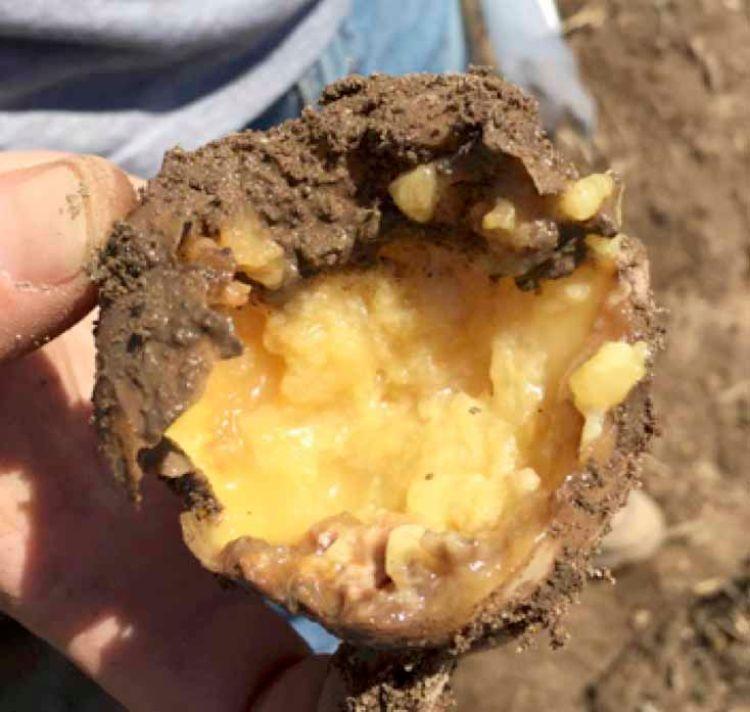
As soft rot progresses, infected tubers become increasingly soft and mushy, eventually turning into a shapeless mass of rotted tissue. The tissue becomes cream colored with dark brown borders. An unmistakable putrid odor develops as bacteria produce volatile compounds during tissue decomposition.
In warm conditions, advanced soft rot can progress to complete liquefaction, where the entire tuber essentially dissolves into a liquid slurry. Secondary pathogens including fungi and other bacteria often colonize soft rot lesions, complicating disease identification and diagnosis.
Plant Symptoms

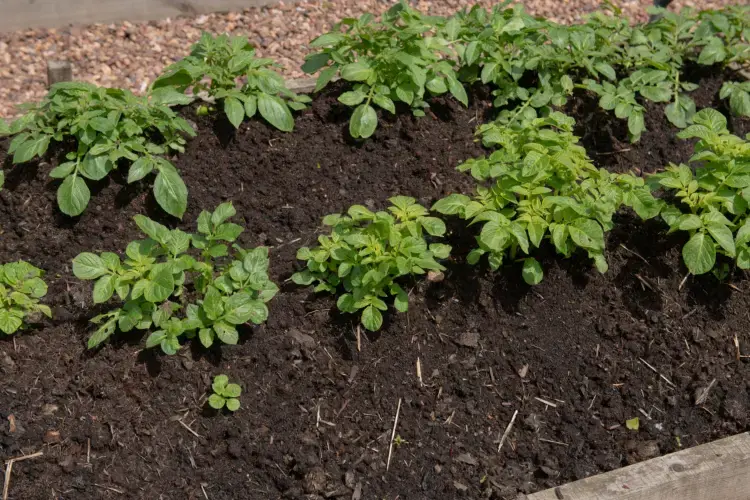
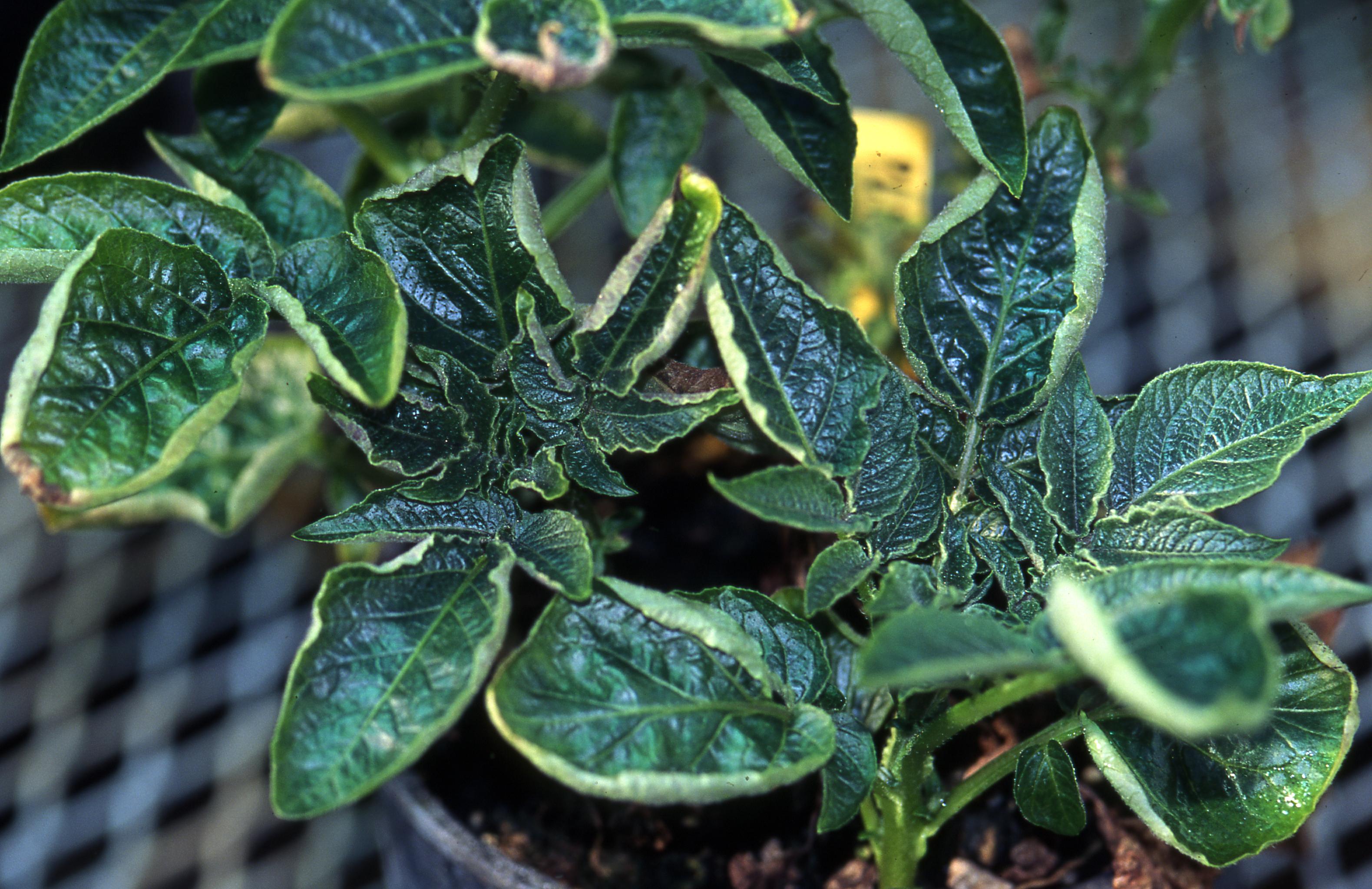
Soft rot bacteria can also infect potato plants in the field, causing different symptoms above ground. Foliage yellows and wilts as vascular tissues become infected. Aerial blackleg appears on stems as wet, black lesions that differ from the dry blacklegging caused by Pectobacterium atrosepticum. In severe cases, entire plants collapse prematurely.
Understanding Soft Rot Bacterial Species and Infection Mechanisms
Different bacterial species cause soft rot in different regions, and temperature preferences influence which pathogens dominate your crop.
Primary Soft Rot Pathogens
Pectobacterium atrosepticum historically was the most common cause of potato soft rot in temperate climates, particularly in northern regions. However, Pectobacterium carotovorum has become increasingly dominant in many potato growing regions worldwide. This shift in species composition has important implications because these bacteria have different temperature preferences and host ranges.
Pectobacterium carotovorum is highly polyphagous, meaning it infects a very wide range of plant species beyond potatoes. Pectobacterium atrosepticum, by contrast, is almost exclusively a potato pathogen. Several other Pectobacterium species including Pectobacterium parmentieri and Pectobacterium punjabense cause soft rot with increasing frequency in various regions.
Temperature Preferences and Disease Development
Species of Pectobacterium generally thrive better at lower temperatures mostly always preferring conditions of less than 25 degrees Celsius. This is quite different from species of Dickeya that thrive well at higher temperatures above 25 degrees Celsius. Therefore, these preferences in temperature determine which bacterial species dominates the soft rot problem in your specific growing region.
Understanding the temperature preferences helps you anticipate disease problems. Cool season potato growing regions experience different soft rot dynamics than warm season production areas.
How Soft Rot Bacteria Infect Tubers
Soft rot bacteria require entry through wounds or lenticels because they cannot penetrate intact potato skin. Fresh non-suberized wounds are particularly vulnerable because the protective cork-like layer that normally prevents infection has not yet formed.
Once bacteria penetrate through a wound, they immediately begin producing pectinase enzymes that decompose the pectin binding plant cells together. The bacteria colonize and spread rapidly through soft tissue, progressively degrading cell walls and creating the characteristic mushy texture.
Infection Routes and Environmental Requirements: When Does Soft Rot Thrive?
Soft rot development requires specific environmental conditions working together with bacterial presence and tuber susceptibility.
Primary Entry Points
Lenticels serve as the primary entry route for soft rot bacteria in storage. These small natural pores allow gas exchange but can be exploited by bacteria under wet conditions. Fresh wounds from harvest damage and mechanical bruising create additional entry points.
The stem end of the tuber is naturally susceptible to soft rot infection. Seed piece wounds that have not yet fully healed present vulnerable entry sites. Insect feeding wounds provide entry points for bacteria, particularly wounds from Delia species (seed corn maggot).
Environmental Conditions Favoring Soft Rot
Warm tuber and storage temperatures dramatically increase soft rot risk, with optimal conditions occurring between 77 and 86 degrees Fahrenheit. Moisture on tuber surfaces is absolutely critical because bacteria require wet conditions for infection initiation. High humidity in storage facilities promotes bacterial growth and disease progression.
Wet field conditions before harvest increase the likelihood of tuber infection at lenticels. Condensation accumulation on tubers in storage creates the wet conditions soft rot bacteria need.
Low oxygen conditions inside storage piles or facilities increase tuber susceptibility by promoting lenticel enlargement. High carbon dioxide accumulation above 20 percent further enlarges lenticels and increases bacterial entry probability.
Infection Timeline
Soft rot infection can begin at temperatures above 50 degrees Fahrenheit, though progression is slow at cool temperatures. The bacteria require at least 6 hours of wetness on tuber surfaces for infection to initiate. Infection rates increase dramatically with temperature and wetness duration, reaching maximum rates at 48 hours of wetness when temperatures exceed 15 degrees Celsius.
Once established, soft rot progresses rapidly, often progressing from initial infection to extensive tuber damage in just 3 to 5 days under ideal conditions.
How Soft Rot Spreads: Transmission Routes from Field to Storage
Soft rot spreads through multiple pathways, and understanding these routes helps you interrupt disease transmission.
Contaminated seed tubers represent the primary infection source. Field soil harboring soft rot bacteria can contaminate tubers during harvest. Contaminated water and harvesting equipment spread bacteria between tubers and fields. Insects including Delia species (seed corn maggot) and other arthropods transmit bacteria through their feeding wounds.
The plant debris of infected plants remains in the soil as a continuing inoculum source. It is water movement through storage piles that rapidly spreads bacteria. Tuber-to-tuber contact within storage piles facilitates the spread of the disease between adjacent potatoes in the pile. Hot spots develop where temperature and humidity conditions, conducive to bacterial growth, concentrate bacterial growth and then bacteria spread outward from these centers.
Prevention Strategies: Building Comprehensive Soft Rot Management
Soft rot prevention requires multiple integrated strategies applied consistently from seed selection through storage management. No single practice prevents soft rot alone. Instead, combining several approaches creates layers of protection.
Seed Selection and Planting
Your first line of defense begins with certified, pathogen-free seed tubers. Request seed health certification documentation confirming that seed stock has been tested for soft rot bacteria. Inspect all tubers before planting, rejecting any showing visible softness, decay, or suspicious spots.
Avoid visibly soft or decayed seed because these tubers likely carry bacterial contamination.
Field Management Practices
Plant certified pathogen-free seed to eliminate disease from the outset. Practice crop rotation using a minimum 3 to 4 year rotation away from potatoes. Remove volunteer potatoes from previous crops that might harbor bacteria. Control weeds that could host soft rot bacteria.
Irrigate in such a way that does not result in waterlogged conditions while at the same time preventing over-irrigation which would provide excess soil moisture most conducive to the enlargement of lenticels and infection of tubers. Practice optimum planting depth and spacing aimed at maximizing air movement around developing tubers. Reduce canopy humidity by proper spacing which allows air circulation. Schedule irrigation so that there is no waterlogging during the earlier part of the season when tubers are forming. Limit overhead watering late in the season when tubers are susceptible. Maintain adequate calcium and boron nutrition throughout the growing season, as calcium strengthens tuber cell walls and reduces soft rot severity.
Harvest and Handling
Avoid harvesting under wet soil conditions because water on tubers increases infection risk. Do not harvest when tubers are visibly wet. Delay harvest at least 21 days after vine-kill to allow complete skin maturation and suberization of any minor wounds.
Minimize tuber bruising and mechanical damage during harvest by ensuring equipment is properly adjusted. Avoid equipment malfunctions during digging that cause unnecessary tuber damage. Handle tubers gently throughout harvest and transport.
Remove visibly damaged tubers at harvest to reduce pathogen load going into storage. Cool harvested tubers after digging to slow bacterial growth.
Storage Environment Control
This is where soft rot prevention becomes critical. Maintain cool storage temperatures below 50 degrees Fahrenheit, with 38 degrees Fahrenheit or lower being optimal to slow bacterial growth. Store tubers promptly rather than holding them in the field.
Control humidity carefully, maintaining levels that prevent excessive drying without creating condensation. Increase air circulation throughout storage with functioning ventilation systems.
Prevent condensation on tuber surfaces by avoiding warm, moist air circulation over cold potatoes. Use cold, dry potatoes in storage. Market potatoes promptly rather than storing tubers long term. Monitor storage conditions closely with regular temperature and humidity checks.
Special Precautions for Lenticel Spot Prevention
Avoid soaking tubers in water at any time. Prevent lenticel swelling by managing soil moisture before harvest and avoiding excessively wet conditions. Dry tubers after washing if washing is necessary.
Maintain proper storage oxygen levels above 10 percent to avoid low oxygen stress that enlarges lenticels. Prevent carbon dioxide accumulation above 20 percent, which promotes lenticel enlargement and bacterial entry.
Managing Soft Rot When It Appears: Storage Response
Despite best prevention efforts, soft rot sometimes develops during storage. Knowing how to respond minimizes losses.
Early Detection
Check your stored produce regularly for the typical slimy, watersoaked spots of soft rot. Do not rely only on your sense of smell to detect that characteristic putrid odor which signifies active bacterial decay. Feel the tubers for any soft, mushy tissue; do not expect all rot to be visible.[8]
Lesions that are spreading will show progressive infection. Document the exact location and extent of any rot discovered.
Swift Response Actions
Remove affected tubers immediately from storage before disease spreads. Never return graded tubers to storage after removing them, as this spreads bacteria throughout the pile. Market potatoes showing soft rot quickly to minimize losses.
Prevent spread through the pile by isolating affected areas. Increase air circulation in affected storage sections. Lower humidity if possible to slow bacterial growth. Monitor nearby healthy tubers closely for disease development.
Modern Diagnostics and Detection Technologies
Traditional identification of soft rot relies on visual symptom observation and bacterial culture, but modern diagnostic tools offer faster, more accurate confirmation.
Conventional diagnostics include bacterial isolation and identification through culturing on selective media. Biochemical tests help confirm genus and species identification. Conventional PCR assays can detect the Pectobacterium genus.
Species specific PCR assays with new primers including Pcar1F and Pcar1R enable definitive identification of Pectobacterium carotovorum. Pathogen load and infection intensity are determined by real-time quantitative PCR. Rapid detection LAMP (loop-mediated isothermal amplification) assays do not require costly PCR machines. Serological methods using antibodies can detect soft rot bacteria in samples. DNA sequencing provides the final identification of the pathogen. AI-powered plant diagnosis system is an emerging technology to provide a quick solution for soft rot identification. Plantlyze and such platforms allow farmers to take pictures of suspected tubers and get instant identification of possible diseases. These image-based systems can identify soft rot and other bacterial diseases rapidly in storage facilities, allowing quick confirmation of suspected disease when standard laboratory testing would delay management decisions. Access to tools like Plantlyze at plantlyze.com provides convenient, fast disease confirmation that helps you take action when soft rot appears.
Biocontrol and Alternative Management Approaches
Research is still ongoing and developing newer biological methods of controlling soft rot apart from the usual prevention and cultural practices.
Bacillus subtilis and related species have shown good results in minimizing infections of soft rots both in the field as well as during storage trials. Bacillus velezensis has recently been proven effective as a biocontrol antagonist. Pseudomonas fluorescens strains show biocontrol potential against soft rot bacteria. Plant-growth-promoting rhizobacteria beneficial to potato health can improve disease resistance.
Trichoderma species have shown effectiveness in some trials. Jute leaf and various plant extracts have demonstrated antagonistic activity against soft rot bacteria in research settings. Antibiotic compounds produced by biocontrol agents inhibit soft rot bacterial growth.
Combination treatments pairing biocontrol organisms with cultural practices show greater effectiveness than single approaches. Biocontrol strategies often prove cost-effective compared to chemical treatments. These approaches are compatible with organic farming systems.
Integrated disease management combining cultural practices (good hygiene, sanitation), biological controls, and chemical treatments when necessary provides the most comprehensive soft rot protection.
Distinguishing Soft Rot from Other Storage Diseases
Accurate disease identification ensures you implement appropriate management responses.
Soft rot causes rapid, wet, slimy decay that can encompass entire tubers in days, while dry rot causes slow, firm internal decay. Soft rot produces clear fluid discharge when tubers are squeezed, whereas dry rot produces no discharge. Soft rot symptoms progress rapidly, while dry rot progresses slowly.
Pink rot (Phytophthora) causes wet lesions distinct from bacterial soft rot. Leak (Pythium) creates clear fluid exudate when squeezed. Late blight causes less aggressive rot that generally doesn't penetrate deeply. Blackheart (a physiological disorder from low oxygen) causes dark discoloration but tissue remains firm and never becomes brown and mushy.
Proper identification determines whether management should focus on bacterial control through environmental modification versus fungal management.
Your Comprehensive Soft Rot Management Plan
Implementing effective soft rot prevention requires commitment to multiple practices applied consistently from seed selection through storage management. Start with the fundamentals: source certified, pathogen-free seed and minimize damage during harvest. Ensure complete tuber skin maturation before harvest by allowing 21 days post vine-kill.
Maintain obsessive control of storage conditions, managing temperature, humidity, and ventilation to prevent the warm, wet conditions soft rot bacteria require. Scout your storage regularly, watching for the slimy, watersoaked lesions indicating soft rot development. Use diagnostic tools like Plantlyze at plantlyze.com for rapid symptom confirmation when you suspect disease.
Remove diseased potatoes immediately rather than attempting to store them. Plan for quick marketing of affected tubers. Rotate the crops in your fields to reduce the population of bacteria in the soil. Implement a program of balancing calcium and boron nutrition before harvest so that tuber defenses are enhanced.
Train your staff on early recognition and quick response to soft rot attack. Integrate cultural practices with new biocontrol strategies and good storage management for total protection.
Soft rot does not have to destroy your potato crop. Large commercial growers around the world, year after year, maintain healthy and productive crops through integrated soft rot management which begins with an understanding of this quick bacterial disease and development toward comprehensive management at all levels-in the field as well as during storage until any stage where infection can take place. That is what shall be explained herein for you to succeed. With knowledge and attention to these fundamental practices, you can protect your potato investment and maintain healthy, valuable stored potatoes throughout the season regardless of the soft rot threat in your region.
References
University of Maine Extension — https://extension.umaine.edu/publications/2493e/
Cornell Vegetables (Cornell University) — https://www.vegetables.cornell.edu/pest-management/disease-factsheets/detection-of-potato-tuber-diseases-defects/
NIH/PMC (National Institutes of Health) — https://pmc.ncbi.nlm.nih.gov/articles/PMC11313954/
APS Journals (American Phytopathological Society - Peer-Reviewed) — https://apsjournals.apsnet.org/doi/10.1094/PDIS-08-21-1676-RE
NIH/PMC Botanical Control Research — https://pmc.ncbi.nlm.nih.gov/articles/PMC3366214/