You've planted your seed potatoes and they've started sprouting. Now you're wondering what it takes to grow them successfully. Potato growing seems simple but requires consistent care throughout the season. Here's the truth: proper care from planting through storage produces abundant harvests with minimal effort compared to other vegetables. This guide walks you through every stage from seed selection through long-term storage. Monitor plant health with AI diagnostics throughout season to catch disease symptoms early and take action before they spread.
Choosing and Preparing Seed Potatoes
Growing potatoes starts with quality seed selection. Using certified seed potatoes from reputable sources ensures disease-free, high-quality plants. Avoid grocery store potatoes because they're often treated with sprouting inhibitors. Certified seed potatoes are worth the investment. Each seed potato produces 5 to 6 new tubers, making seed cost minimal per tuber produced.
Selecting Quality Seed Potatoes
Use certified seed potatoes from reputable garden suppliers. Certified seed is disease-free and highest quality available. Avoid grocery store potatoes or unknown sources. Each eye on a seed potato becomes one plant stem. Small potatoes can be planted whole while larger ones should be cut.
Cutting and Preparing Seed
Cut large seed potatoes into pieces with 2-3 eyes each. Each eye will produce one stem and eventually contribute to total yield. Cut pieces the day before planting to allow callus formation. Callus protects exposed flesh from rot and disease. Small potatoes don't need cutting if they have at least one eye.
Storage Before Planting
Store seed potatoes in cool (50-55 degrees F) dark location. High humidity prevents shriveling during storage. Good air circulation prevents mold development. Keep away from ethylene gas sources like apples and bananas. Plant within 2 to 3 months of purchase for best results.
Pre-Planting Inspection
Inspect seed potatoes for disease symptoms before planting. Avoid soft spots, discoloration, or unusual markings. Choose firm, healthy seed potatoes only. Plant only pieces showing visible eyes. Discard any questionable potato pieces to prevent disease spread.
Soil Preparation and Planting
Potatoes prefer slightly acidic soil with excellent drainage. Test your soil pH aiming for 5.5 to 7.0 range, which is slightly acidic and ideal. Amend with compost or aged manure before planting to improve soil structure and drainage. Potatoes need loose, well-draining soil to develop properly without rot occurring.
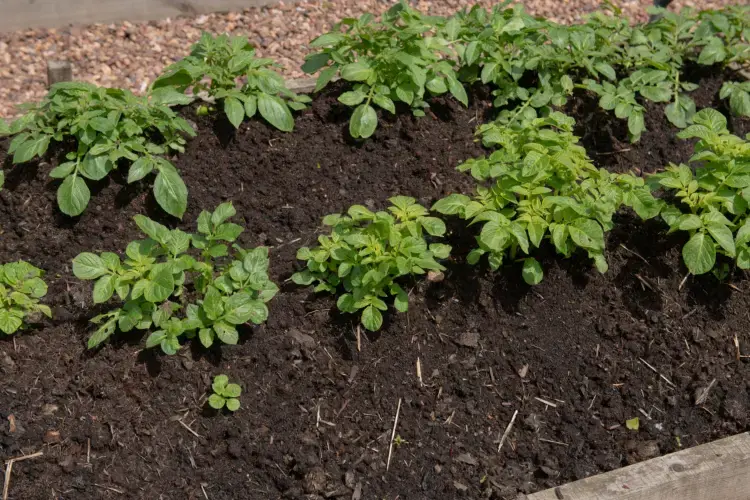
Plant seed pieces 4 to 6 inches deep in trenches or mounds. Eyes should face upward for optimal sprouting. Spacing should be 9 to 12 inches apart (wider spacing produces larger potatoes). Space rows 30 inches apart for easy access and maintenance. Plant after last frost date when soil has warmed to at least 45 degrees F (better at 50 degrees F or above).
Add balanced fertilizer or compost to planting holes before placing seed. Phosphorus encourages tuber development significantly. Avoid high nitrogen at planting or you'll get excessive foliage with few potatoes. At planting time, incorporate 7-22-8 or similar balanced formula into soil.
Plant in early spring for summer harvest (early potatoes ready in 10 to 12 weeks). You can also plant in late spring for fall harvest. First and second plantings from same location produce best results. Third plantings often face disease and pest problems from accumulated soil pathogens.
Watering: Consistent and Deep
Potatoes need consistent moisture throughout the growing season. Provide 1 to 1.5 inches of water weekly during active growth. This includes rainfall plus supplemental watering. Soil should feel moist to touch but never waterlogged or soggy. Inconsistent watering causes major problems including growth cracks, hollow heart, and dramatically reduced yields.
Water deeply once or twice weekly rather than daily shallow watering. Deep watering encourages deep root systems that access more nutrients. Sandy soils may need more frequent watering than clay soils. Container-grown potatoes need more frequent watering than ground plantings. Container potatoes may need daily watering in hot weather.
Water at soil level using soaker hoses or drip irrigation. Avoid overhead watering which wets foliage and promotes disease. If you must water foliage, do it early morning so leaves dry quickly. Wet leaves at night create conditions favorable for fungal diseases like early blight.
Stop watering 2 weeks after plants flower. This allows skins to set and harden before harvest. Moist potato skins are prone to rot and mold in storage. This pre-harvest drying is critical for long-term storage success. Monitor soil moisture but don't water despite dry conditions near harvest time.
Hilling: Essential for Tuber Protection
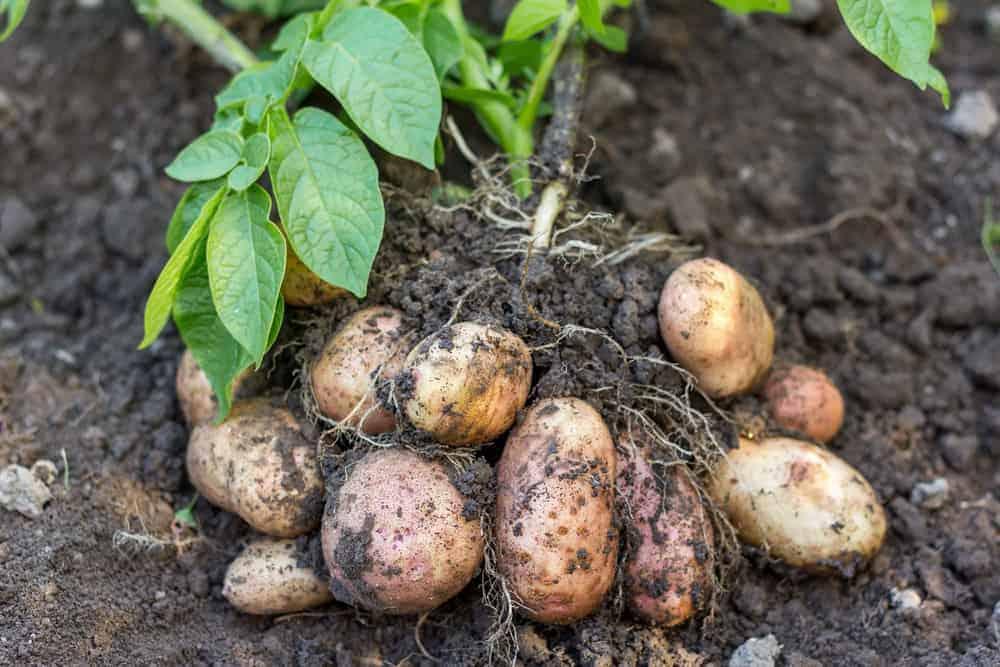
Hilling (mounding soil around plant base) is critical for potato production and cannot be skipped. Potatoes develop along the buried stem, not from roots. More buried stem means more tubers produced. Exposed tubers turn green and become toxic. Hilling prevents this and increases yield significantly.
Begin hilling when plants reach 12 inches tall. Pull soil up around base of plant carefully. Do this progressively every 2 to 3 weeks as plants grow taller. Final hill should cover new tubers completely. Maintain 3 to 4 inches of soil over developing tubers at all times.
Use soil, mulch, or straw for hilling purposes. Straw has advantage of retaining moisture and moderating soil temperature. Soil hilling is more traditional but requires more physical effort. Many gardeners prefer straw because it's easier and provides additional mulch benefits.
Consistent hilling directly correlates with yield and tuber quality. Skipping hilling steps results in green, exposed potatoes that are inedible. The effort spent hilling pays dividends at harvest with bigger, more abundant potatoes. This single task determines harvest success more than any other.
Fertilizing for Abundant Production
Potatoes are moderate feeders requiring consistent nutrition. Balanced fertilizer at planting provides initial nutrition. High phosphorus supports tuber development. Avoid excessive nitrogen or foliage overgrows with few potatoes.
Side dress plants with balanced fertilizer when they reach 6 to 8 inches tall. Repeat fertilizer application 4 to 6 weeks later. Granular slow-release fertilizers worked into soil at planting provide steady nutrition. Water soluble fertilizers applied every 2 to 3 weeks work for supplemental feeding.
Potassium supports plant health and disease resistance. Use formulas containing potassium like 10-10-10 or 5-10-5 for ongoing nutrition. Avoid high-nitrogen formulas (20-5-5) that promote leaf growth over tubers. Compost applications throughout season improve soil biology and provide slow-release nutrients.
Many gardeners use aged manure or compost tea for organic nutrition. Side dressing with kelp extract provides micronutrients and natural plant growth promoters. This combination of balanced feeding with organic amendments produces healthiest plants.
Pest and Disease Management
Colorado potato beetles are the primary pest requiring management. Adults and larvae defoliate plants extensively. Hand-pick beetles and eggs from plants early in season. Neem oil provides organic control for light infestations. Serious infestations may require insecticides per label directions.
Aphids and potato leafhoppers transmit viruses causing yield reduction. Scout plants weekly for early pest detection. Use sticky traps to monitor populations. Organic insecticides (neem, insecticidal soap) control light infestations. Strong water spray dislodges aphids from plants effectively.
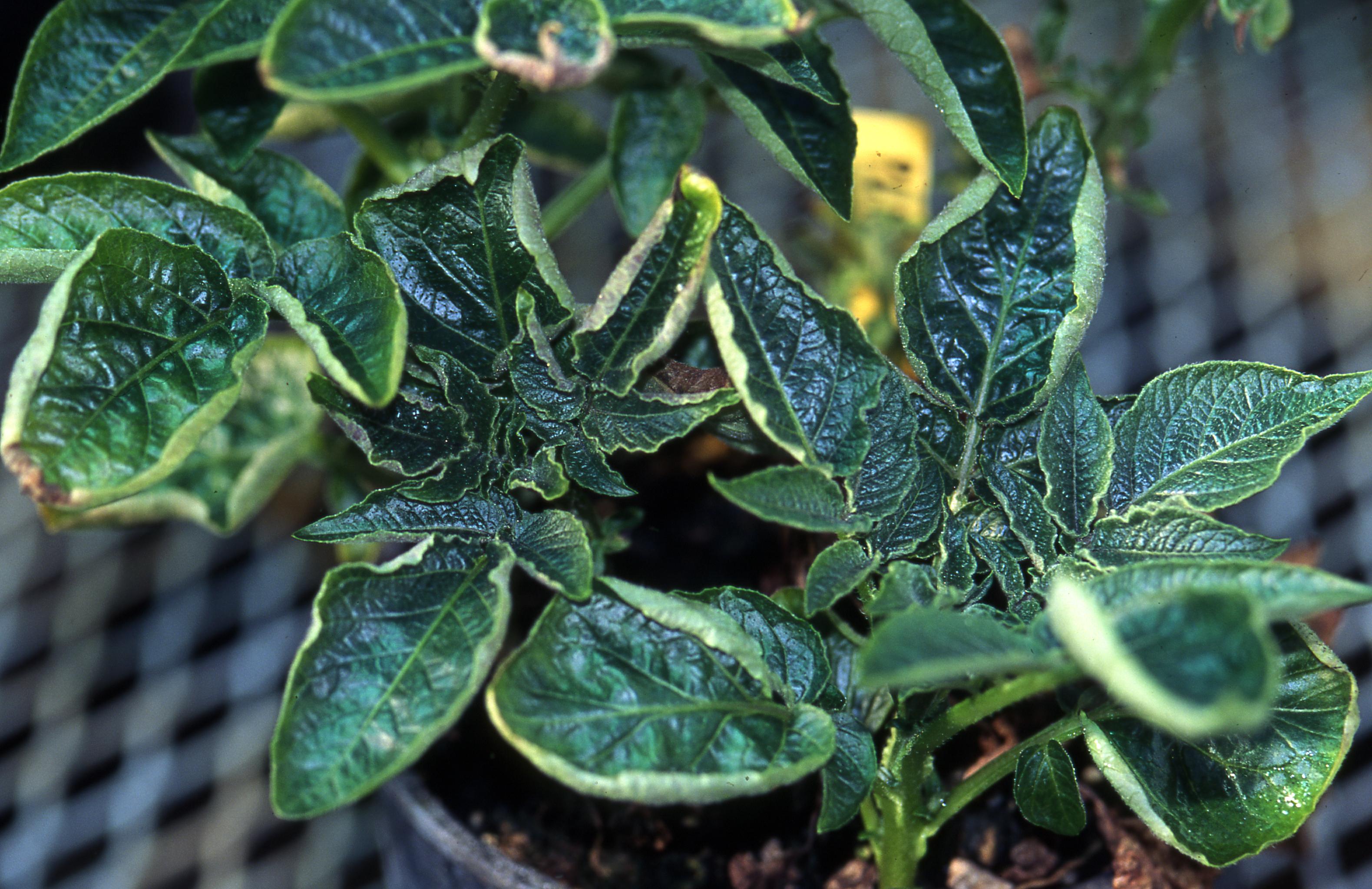
Common diseases include early blight (concentric ring spots on lower leaves), late blight (water-soaked spots), and Verticillium wilt (wilting). Use certified disease-free seed potatoes to prevent problems. Rotate crops, avoiding potato family crops for 3 to 4 years. Proper spacing and air circulation reduce disease pressure significantly.
Remove diseased foliage immediately upon detection. Destroy infected material rather than composting. Keep plants healthy through proper watering and fertilizing. Stressed plants are more susceptible to diseases. Spray fungicides preventively during wet weather periods.
Spotting disease symptoms early allows quick treatment before spread occurs. Plantlyze's AI diagnostics monitor plants continuously for early disease detection. Catch problems before visible damage occurs. Combine good cultural practices with smart monitoring for disease-free potatoes.
Monitoring and Seasonal Adjustments
Scout plants weekly throughout the growing season. Look for pest damage, yellowing leaves, or disease symptoms. Early detection prevents problems from becoming severe. Remove any weeds competing for nutrients. Keep plants free of mulch touching stem to prevent rot.
Monitor soil moisture especially during tuber development (mid-season). This is when consistent water matters most for yield and quality. Reduce watering in final 2 weeks before harvest to harden potato skins. Alternating wet and dry periods during tuber development causes deformed potatoes.
Watch for plant wilting on hot sunny days. This doesn't always indicate watering need immediately. Temporary wilting in hot afternoon is normal for plants. Water only if soil is genuinely dry to touch. Overwatering causes root rot faster than under-watering.
Remove any flowers that develop on plants. Flowers indicate plant maturity approaching. Early flower removal redirects energy to tuber production. Continue removing flowers throughout season. This simple task can increase yields by 10 to 15 percent.
When and How to Harvest
Harvest timing matters significantly for potato quality and storage potential. For new potatoes, harvest 2 to 3 weeks after plants flower. For storage potatoes, wait until foliage dies back completely (usually 90 to 135 days after planting). Stop watering 2 weeks before intended harvest to harden skins.
Wait 14 days after frost kills vines before harvesting. This allows skins to set fully and harden properly. Harvest during dry weather and dry soil. Wet soil causes cuts and bruises leading to storage rot. Muddy potatoes are difficult to store properly.
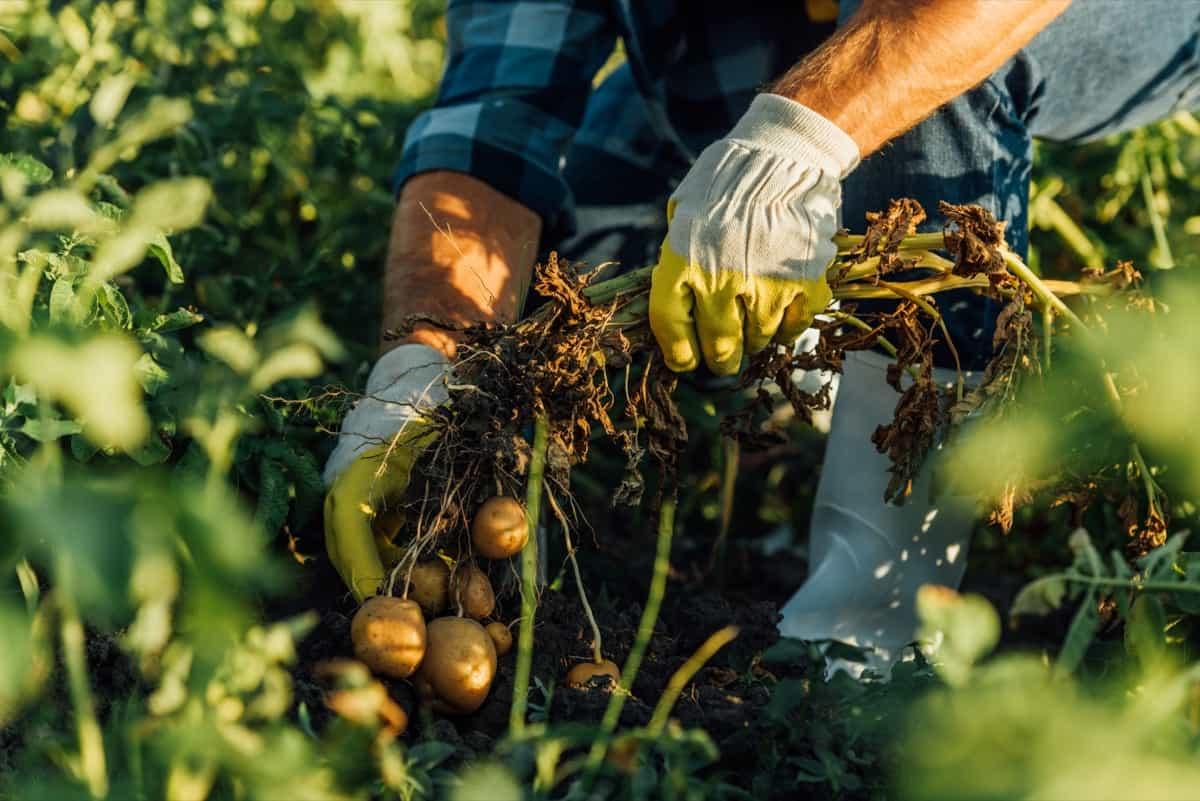
Dig carefully from outside plant working inward. Use a spade or garden fork. Remove soil gently to avoid spearing potatoes. Expect to damage a few potatoes during harvest. Eat or cook these damaged potatoes immediately. They won't store long.
Bring harvested potatoes indoors as soon as possible. Sort out any green potatoes and discard completely. Green potatoes contain toxic compounds and are inedible. Spread good potatoes in single layer for curing process.
Curing and Storage
Curing hardens potato skins and extends storage life significantly. Place potatoes in cool (50-60 degrees F), dark location for 2 weeks. High humidity (85-90 percent) is ideal for curing. Provide good air circulation to prevent mold. A basement, garage, or cool closet works perfectly.
After curing, move potatoes to permanent storage. Store at 35-45 degrees F (ideal is 40 degrees F). Store location should be dark, cool, and well-ventilated. High humidity (85-90 percent) prevents shriveling. Potato storage room should have adequate ventilation.
Root cellars are ideal for long-term storage. A dark corner of basement works if temperature stays cool. Some gardeners use old refrigerators set to cool temperatures (not freezing). Avoid freezing as it damages potato starch and eating quality.
Monitor stored potatoes periodically for rotting or sprouting. Remove any damaged potatoes immediately. Check weekly during first month, then monthly. Remove any sprouting potatoes to prevent spread to others. Properly stored potatoes last 4 to 6 months.
Store potatoes away from onions and apples. These produce ethylene gas causing premature sprouting. Separate storage locations prevent cross contamination. Keep detailed storage notes if storing multiple varieties. Label containers with potato variety and storage date.
Smart Monitoring for Healthy Potato Harvests
Good care prevents most problems but early detection saves plants from disease spread. Subtle disease symptoms like slight yellowing and tiny spots often go unnoticed until disease becomes severe. By the time obvious symptoms appear, infection has reached advanced stages. Plantlyze's AI diagnostics monitor your plants continuously, identifying disease symptoms before they spread extensively.
Get personalized recommendations based on your potato variety and local growing conditions. Early detection allows quick treatment before spread becomes problematic. Combine expert care knowledge with smart technology for disease-free harvests throughout entire season. Catch diseases in early stages when treatment is most effective. Ensure healthy plants producing abundant potatoes from spring through winter storage. Try Plantlyze's free plant disease detection today.
Common Potato Problems and Solutions
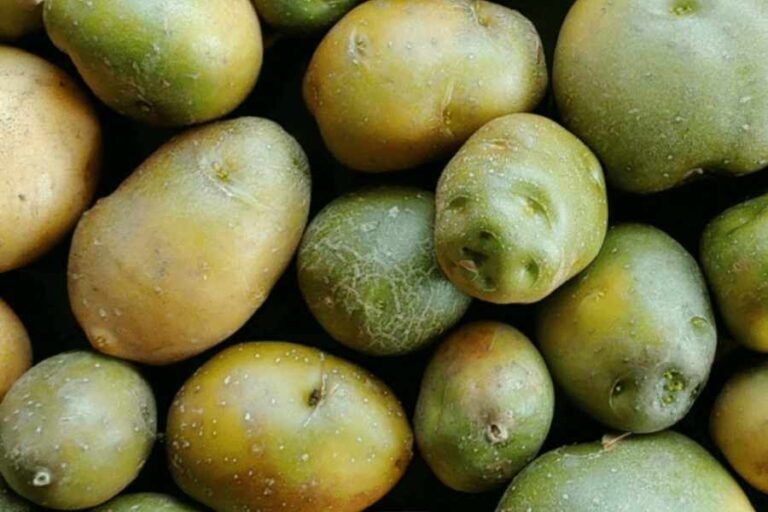
Green Potatoes: Caused by sun exposure during growing season. Solution: maintain proper hilling, keep tubers covered with soil throughout season, harvest at proper time.
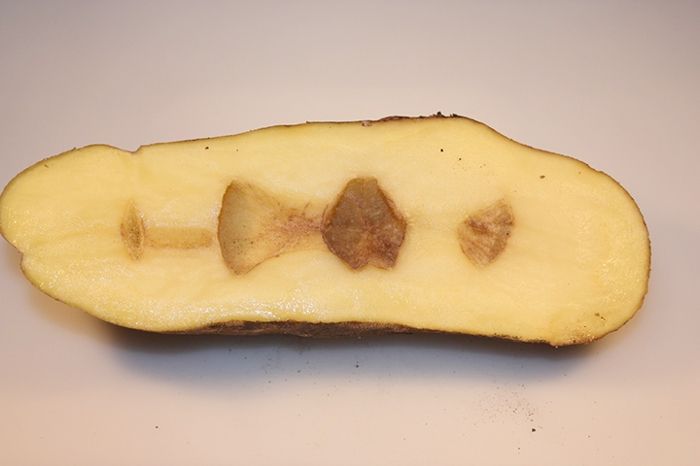
Hollow Heart: White hollow space inside tuber. Caused by inconsistent watering (alternating wet and dry). Solution: maintain consistent soil moisture especially during tuber development.
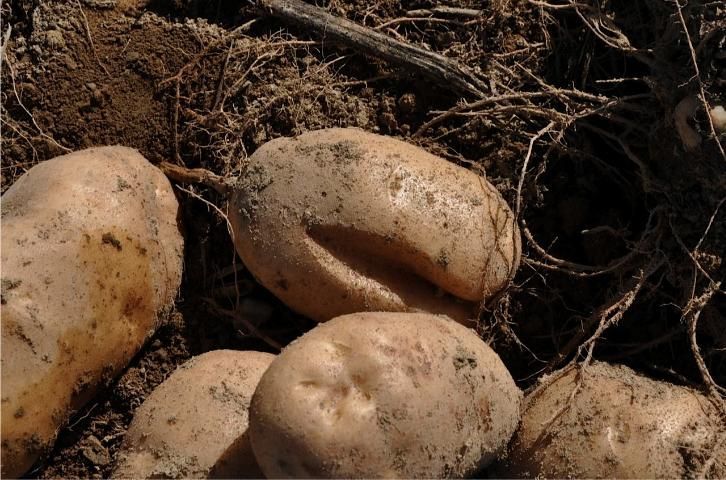
Growth Cracks: Visible cracks in tuber skin. Caused by heavy rain after drought conditions. Solution: provide consistent watering with soaker hoses or drip irrigation, mulch to moderate moisture fluctuations.
Early Blight: Concentric ring spots on lower leaves. Caused by fungal pathogen. Solution: improve air circulation, remove infected lower leaves, avoid overhead watering, apply fungicides if severe.
Late Blight: Water-soaked spots on leaves and tubers. Most serious potato disease. Solution: use resistant varieties, remove infected plants immediately, apply fungicides preventively during wet weather, avoid overhead watering.
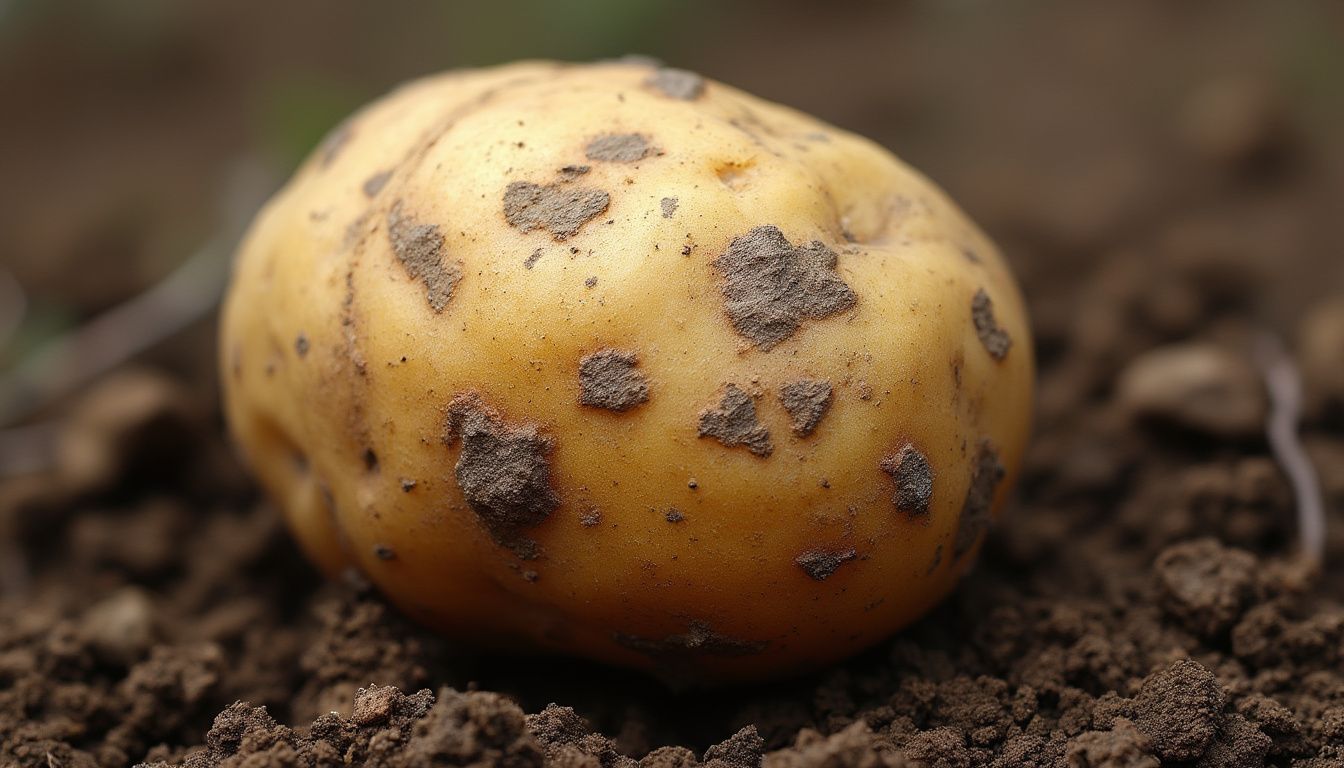
Scab: Raised brown lesions on tuber surface. Caused by bacterial pathogen. Solution: use disease-free seed, maintain soil pH below 6.0, rotate crops, use resistant varieties.
Verticillium Wilt: Wilting and yellowing without root rot signs. Caused by soil-borne fungal pathogen. Solution: use resistant varieties, rotate crops for 3-4 years, avoid late season cultivation.
Conclusion
Potato growing requires less effort than most vegetables. Consistent care throughout season produces abundant harvests. Proper seed selection sets foundation for success. Deep watering and regular hilling are critical tasks. Disease prevention beats treatment after infection develops. Curing and proper storage extend harvest enjoyment for months.
Different potato varieties grow best in different regions. Not one-size-fits-all approach exists; adapt to your climate. Year-to-year experience teaches what works in your conditions. Monitor plants and adjust care based on observations. Combine this care knowledge with Plantlyze's disease monitoring. Early detection of problems saves plants and maximizes productivity. Healthy potatoes from spring planting to winter storage are absolutely achievable. You can absolutely grow abundant potatoes successfully.
References
Colorado State University Extension - Potato Late Blight History, Impacts, and Prevention
https://ag.colorado.gov/potato-late-blight-history-impacts-and-preventionNC State Extension - Insect and Related Pests of Vegetables
https://content.ces.ncsu.edu/insect-and-related-pests-of-vegetables/pests-of-potatoUniversity of Wisconsin Extension - Potato Integrated Pest Management
https://cropsandsoils.extension.wisc.edu/articles/potato-integrated-pest-management-back-to-basics/Iowa State University Extension - Growing Potatoes in the Home Garden
https://yardandgarden.extension.iastate.edu/how-to/growing-potatoes-home-gardenUniversity of Maine Extension - Growing Potatoes
https://extension.umaine.edu/gardening/