Most gardeners get fertilizer wrong. They either overfeed or underfeed their potatoes, wasting money and reducing yields. Here's the harsh reality: the difference between a mediocre harvest and an abundant one often comes down to understanding what potatoes actually need at each growth stage.
Many gardeners apply the same fertilizer at planting and hope for the best. Others follow generic recommendations that don't match their soil. Neither approach works consistently. Potatoes demand different nutrients at different times, and timing matters more than total amount.
This guide reveals exactly when potatoes need which nutrients. You'll learn the difference between nitrogen, phosphorus, and potassium. You'll discover how to spot deficiency problems and fix them quickly. By the end, you'll understand why timing transforms mediocre yields into outstanding harvests.
Understand What Potatoes Really Need
Let's start with the science. Potatoes aren't complicated. They need just a few things to thrive. Understanding these essentials unlocks consistent success.
The Big Three: Nitrogen, Phosphorus, Potassium
Potatoes demand three primary nutrients called macronutrients. Nitrogen fuels leafy growth and foliage development. Phosphorus builds strong root systems and tuber development. Potassium improves tuber size, disease resistance, and starch production.
Each nutrient plays a different role at different times. Feed your plants all three in correct amounts and timing becomes everything.
Think of nitrogen as the leaf maker. Early in the season, your potato plants need strong foliage to capture sunlight. Too much nitrogen later on, however, redirects energy away from tubers. The plant focuses on growing more leaves instead of expanding tubers underground.
Phosphorus works differently. It powers root development and early tuber formation. Without adequate phosphorus, roots stay weak and shallow. Shallow roots struggle to access water and nutrients when stress strikes.
Potassium is the quality nutrient. It improves tuber starch content, disease resistance, and storage quality. Potatoes grown with proper potassium store longer and taste better.
Secondary Nutrients and Micronutrients
Beyond NPK, potatoes need calcium, magnesium, and sulfur. These secondary nutrients prevent deficiency diseases and improve overall plant health. Without them, even perfect NPK ratios fail to deliver results.
Micronutrients like zinc, boron, manganese, and copper matter too. Their absence causes stunted growth and poor tuber quality even when macronutrients are abundant. Many gardeners ignore these, then wonder why their plants struggle despite regular fertilizing.
Here's the practical reality. Micronutrient deficiencies are rare in established gardens with regular composting. But new gardens or heavily depleted soils show these problems. Prevention is cheaper than correction. A balanced fertilizer or compost application prevents the headache altogether.
Why Timing Matters More Than Amount
A single fertilizer application at planting ignores reality. Your potatoes have different needs in May than they have in July. The smart approach splits applications across the growing season.
Early growth needs nitrogen and phosphorus. Potassium drives tuber initiation. Bulking needs balanced nutrition with lower nitrogen. Late season is a finisher on quality.
This timing principle is what separates most home gardeners from someone who actually knows what they’re doing, in my opinion. Understanding the growth stages and being able to unlock them for consistent harvests- that’s where it’s at! Right nutrient, wrong time-you waste your money without gaining any results.
Choose Your Fertilizer Strategy: Organic or Synthetic
You have choices when it comes to fertilizer. Synthetic options deliver results quickly. Organic approaches build soil long-term. The best strategy combines both.
Synthetic Fertilizers for Quick Results
Synthetic fertilizers deliver nutrients immediately when plants need them. Best options include 10-10-10 (balanced for early growth), 14-7-21 (higher potassium for tuber development), or 7-7-7 ratios.
Granular fertilizers are easy to apply, either by hand or with a spreader. Liquids can be absorbed quickly through the leaves if sprayed on. Slow-release types ensure constant nutrition with even fewer applications.
The downside: Synthetic fertilizers build no soil. Over-reliance weakens soil structure and depletes organic matter over years. Think of them as a supplement, not a long-term solution.
Organic Amendments for Long-Term Soil Health
Compost and aged manure feed your soil while feeding your plants. They improve water retention, increase microbial activity, and build structure. These benefits compound over seasons.
The challenge: organic fertilizers release nutrients slowly. You can't apply them two weeks before you need those nutrients. They require planning and advance application.
Working compost into your soil each fall sets up success for next spring. Aged manure applied in fall provides steady nutrition throughout the next season. This approach takes patience but builds incredible soil over time.
The Winning Combination Strategy
Science shows mixing works best. Apply 25 to 50 percent organic fertilizer (compost, manure) combined with 50 to 75 percent synthetic fertilizer for optimal results.
This hybrid approach delivers immediate nutrition while building soil long-term. You get the best of both worlds. Plants receive quick nutrient access. Soil structure improves. Microbial populations increase.
For 1000 square feet of potatoes, this might look like this. Apply 5 to 7 tons of compost at planting, then supplement with synthetic fertilizer splits during the season. The compost builds your soil while synthetic fertilizer ensures your plants never face nutrient shortages.
Discover Your Soil's Needs:
Not sure what your soil needs? Plantlyze helps you assess your garden's current nutrient status. Get insights into whether you need organic-only, synthetic-only, or hybrid approaches based on your specific conditions. Visit Plantlyze.com to analyze your soil today.
Feed Potatoes on Schedule: The Growth Stage Guide
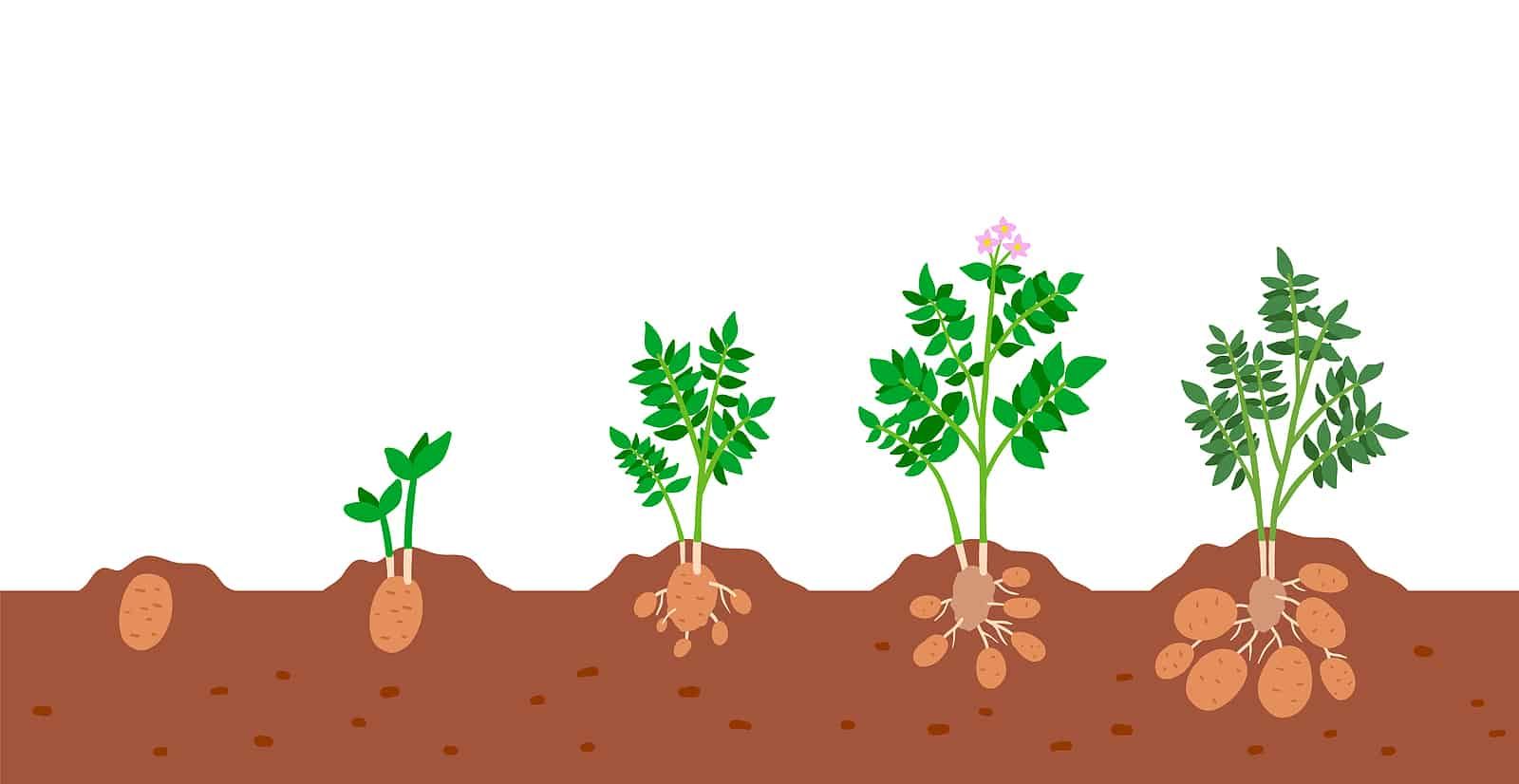
Timing is everything with potatoes. Different stages demand different nutrients. Here's exactly when to apply what.
Stage 1: Sprout to Emergence (Days 0 to 14)
At planting, potatoes need moderate nitrogen and phosphorus to establish roots. Apply one-third of your total season nitrogen at planting. Band phosphorus along the planting furrow.
Many gardeners make their first mistake here: applying too much nitrogen too early. Excessive nitrogen at planting creates dense foliage at the expense of tuber development later.
Here's the right way. Mix your planting fertilizer so nitrogen and phosphorus are balanced, while potassium is minimal. Potatoes don't need much potassium yet. They're focused on root development, not tuber growth.
Stage 2: Early Vegetative Growth (Days 15 to 35)
Canopy development coincides with high demand for nitrogen. This should be supplied at about crop emergence or first hilling, one third of the total to be applied then. That timing falls within a big window of opportunity that matches uptake by the plant. Ensure phosphorus results in good root development at this stage. Bad root development now constrains nutrient uptake for the whole season.
Why this matters: Strong roots established at this stage mean robust plants later. Small investments in correct phosphorus now prevent much larger problems in August. Early roots are your foundation for tuber production.
Stage 3: Tuber Initiation (Days 35 to 60)
This is the critical shift. Your plants signal tuber initiation by flowering or plant appearance changes. Potassium becomes the star nutrient. Increase potassium dramatically.
Apply the final one-third of nitrogen around 35 to 40 days after planting, not later. Excessive nitrogen after tuber initiation causes dense foliage and delays skin development.
Add secondary nutrients now. Calcium and magnesium support tuber quality. Micronutrients prevent deficiency symptoms during intense growth.
Stage 4: Tuber Bulking (Days 60 to 100)
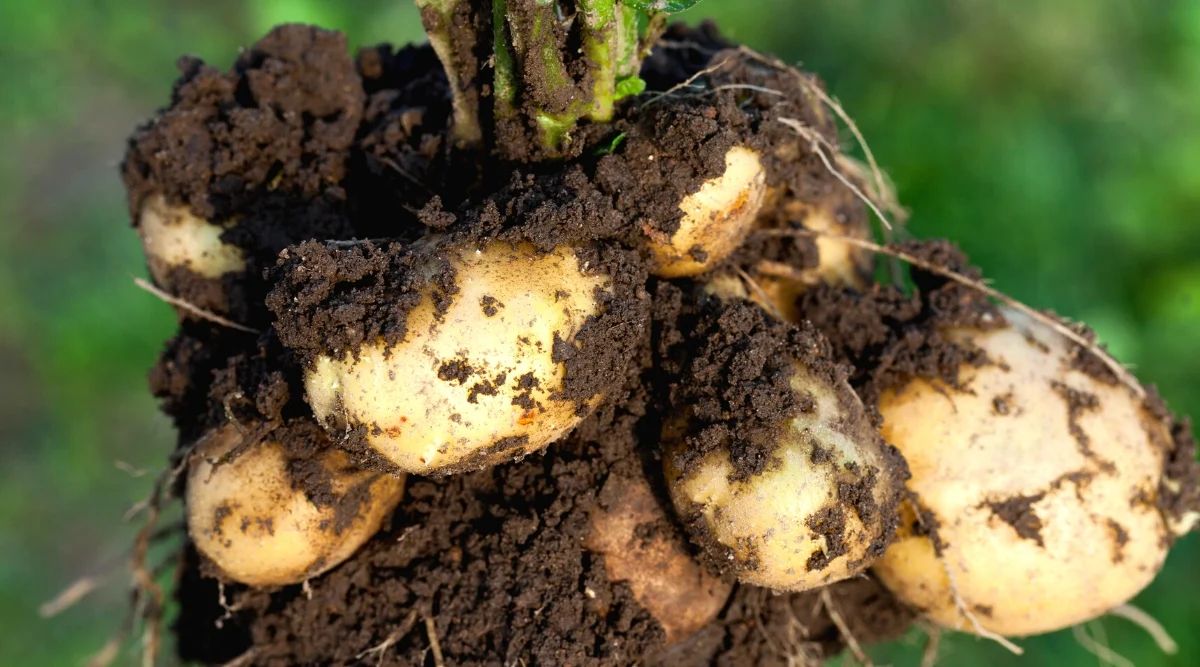
The tubers are growing. Maintain consistent potassium. Skip the nitrogen. Excessive nitrogen during bulking creates hollow hearts and delays skin hardening.
Focus on micronutrients. Zinc and boron improve starch content and tuber quality. Foliar spray application works well at this stage when soil application becomes less effective.
Watch for symptoms of deficiencies. If leaves turn yellow or growth is stunted, or there is any unusual coloration, these are nutrient problems that should be immediately addressed by corrective measures. Timely action will prevent loss in yield as well as quality.
Never Miss Critical Timing:
Get growth stage alerts from Plantlyze so you know exactly when to apply each fertilizer split. Never miss a critical timing window again. Plantlyze tracks your plant's development and sends reminders at the right moments. Learn more at Plantlyze.com.
Apply Fertilizer Correctly for Maximum Effectiveness
How Much to Apply
For 1000 square feet of potatoes, a typical home garden application looks like this. Apply 25 pounds total of balanced 10-10-10 synthetic fertilizer throughout the season.
Alternatively, 15 tons per acre of compost or aged manure provides adequate nutrition when combined with reduced synthetic inputs.
Always conduct a soil test first. Soil tests reveal existing nutrients and guide proper application rates. What your soil already contains should reduce your application needs.
Application Techniques
Band phosphorus in the planting furrow. Broadcast nitrogen and potassium as splits throughout the season. Foliar application (spraying leaves) delivers micronutrients effectively during tuber growth.
Granular fertilizers scatter along rows and lightly work into soil. Liquid fertilizers apply through drip irrigation or foliar spray. Slow-release granules release nutrients gradually, reducing leaching.
Timing application to rainfall or irrigation improves effectiveness. Nutrients must dissolve to reach roots. Rain or watering after application activates the nutrients.
Avoiding Over-Application Mistakes
Too much nitrogen creates disease-prone plants and poor storage quality. Over-fertilization wastes money and harms the environment through nutrient runoff.
The old gardening motto holds true: feed the plant, not the soil. Excessive fertilizer doesn't improve yield beyond optimal rates. Once saturation is reached, more fertilizer actually reduces efficiency.
Spot and Fix Nutrient Deficiencies Quickly
Common Deficiency Symptoms
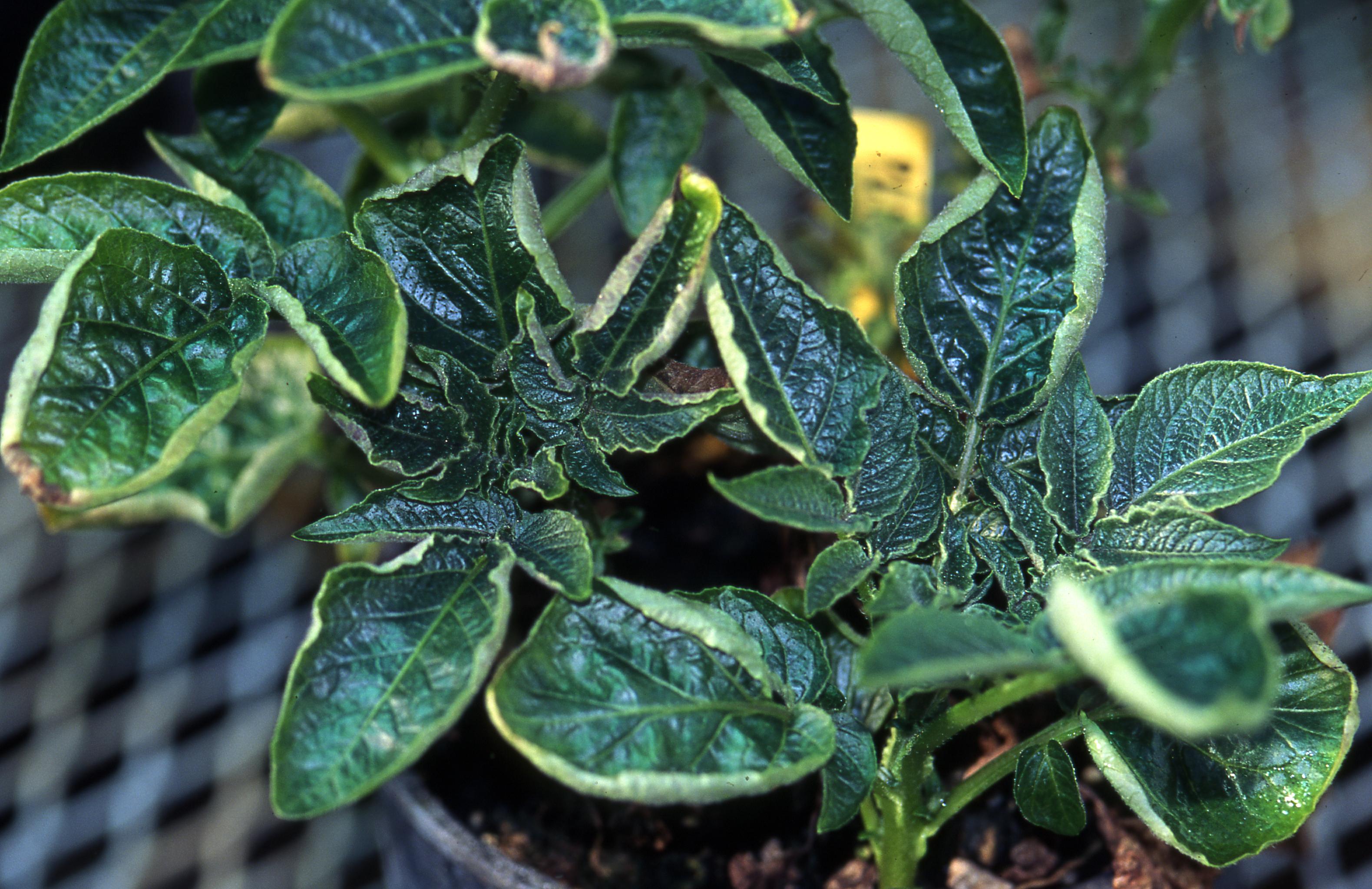
Nitrogen deficiency shows stunted growth and yellowing older leaves first. Phosphorus deficiency causes purple or reddish leaf discoloration and slow growth. Potassium deficiency appears as yellowing leaf edges and weak stems.
Calcium deficiency creates deformed shoots and poor tuber development. Magnesium deficiency shows yellowing between leaf veins while veins stay green. Iron deficiency causes interveinal yellowing on young leaves.
Boron deficiency affects tuber shape and quality. Zinc deficiency stunts foliage and limits growth. Manganese deficiency reduces photosynthesis and plant vigor.
Quick Fixes
For nitrogen deficiency, apply higher-nitrogen fertilizer (20-10-10). For phosphorus deficiency, switch to high-phosphorus formulas (10-20-10). For potassium deficiency, use high-potassium ratios (10-20-30).
For micronutrient deficiencies, apply foliar sprays or soil amendments. Many micronutrient products are inexpensive and provide quick results.
Use Plantlyze to track plant appearance and catch deficiency symptoms early. Early intervention prevents yield loss and quality problems.
Explore Organic and Sustainable Fertilizer Choices
Compost and aged manure are time-tested organic options. Poultry manure is nitrogen-rich. Cattle manure builds soil structure. Compost provides balanced nutrition.
Biofertilizers contain beneficial microbes and fungi. Mycorrhizal fungi improve phosphorus uptake by 20 to 30 percent. Bacterial inoculants enhance nitrogen availability. These biological allies work especially well in low-input systems.
Biostimulants like seaweed extract boost nutrient uptake efficiency by 5 to 12 percent. Humic acids improve root development. Amino acid products enhance stress recovery.
Advanced options: Controlled-release coated fertilizers provide consistent nutrition with single application. Foliar nutrient sprays deliver directly to leaves for immediate uptake. Fertigation through irrigation systems ensures precise application timing.
Environmental benefits: Organic approaches reduce nutrient runoff into waterways. Soil-building practices increase water retention. Biological inputs reduce synthetic dependency over time.
Your Path to Fertilizer Mastery
You now have everything needed to fertilize potatoes correctly. The process isn't complicated. It requires understanding three principles. Apply the right nutrients at the right time in the right amounts. Combine organic and synthetic approaches. Monitor your plants for problems and adjust quickly.
These practices transform fertilizer spending from guesswork into science. Your yields improve. Your tuber quality increases. You waste less money on excess fertilizer.
The most successful gardeners aren't the ones with the fanciest equipment. They're the ones who understand growth stages and nutrient timing. That's now you. Your next season will deliver better results than ever before.
Ready to Eliminate Fertilizer Guessing?
Ready to eliminate fertilizer guessing and maximize yields? Plantlyze tracks your potato plants through every growth stage. Get personalized fertilizer recommendations based on your soil conditions. Identify nutrient deficiencies before they damage your harvest. Start your free trial at Plantlyze.com and transform your fertilizer strategy from guesswork into science.
References
University of Florida IFAS -- https://bmp.ifas.ufl.edu/crop-recommendations/potatoes/
University of Minnesota Extension -- https://extension.umn.edu/crop-specific-needs/potato-fertilization-irrigated-soils
University of Maine -- https://extension.umaine.edu/potatoes/
Haifa Group Crop Guide -- https://www.haifa-group.com/crop-guide/field-crops/crop-guide-potato/nutrients-growing-potatoes
Yara Canada Nutrient Management -- https://www.yaracanada.ca/crop-nutrition/potato/