Blackleg is among the most devastating bacterial diseases of potatoes worldwide, with estimated annual losses running into millions of dollars from both commercial and home garden productions. This is a yield-reducing disease that can wipe out an entire crop if not controlled; it turns healthy plants to black, rotting husks within weeks. The good news? Understanding blackleg and implementing the right management strategies can prevent most infections before they start. This guide walks you through everything you need to know about identifying, preventing, and managing this serious potato disease.
What Is Potato Blackleg Disease?
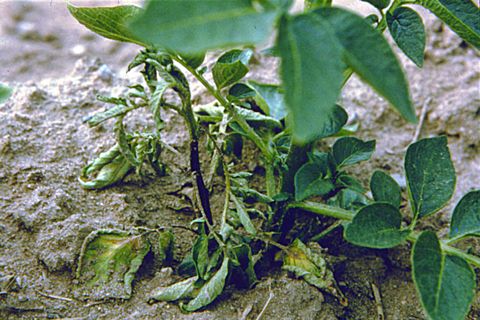
Potato blackleg is a bacterial disease caused primarily by the bacterium Pectobacterium atrosepticum, though other bacterial species including Dickeya solani and Pectobacterium carotovorum also cause similar symptoms in different regions worldwide. The disease earned its distinctive name from the characteristic blackening and decay of the lower stem portion of potato plants, which appears as if the "leg" of the plant has been scorched or charred.
Unlike fungal diseases that spread through spores in the air, blackleg bacteria live inside infected seed potatoes and in soil. The bacteria enter through the roots, or at the base of the stem, or sometimes insect wounds or mechanical injuries. They colonize the vascular tissues thereby essentially clogging the water and nutrient transport system within the plant. Having become established, they rapidly multiply and disintegrate plant cell walls so that there is internal rotting of the tissue.
The primary infection source is mainly seed potatoes because the disease is seed-borne. Bacteria can remain viable inside potato tubers, dormancy breaking only when conditions become suitable for the development of active disease, hence invisible detection. They may also be present in the soil and plant debris from previous crops where they stay with favorable environmental conditions for their survival until they infect new crops.
Recognizing Blackleg Symptoms: From Early Signs to Full Disease
Early detection of blackleg dramatically improves your chances of managing the disease effectively. Learning to spot symptoms at different growth stages helps you respond quickly and prevent spread to healthy plants.
Early Season Blackleg Symptoms
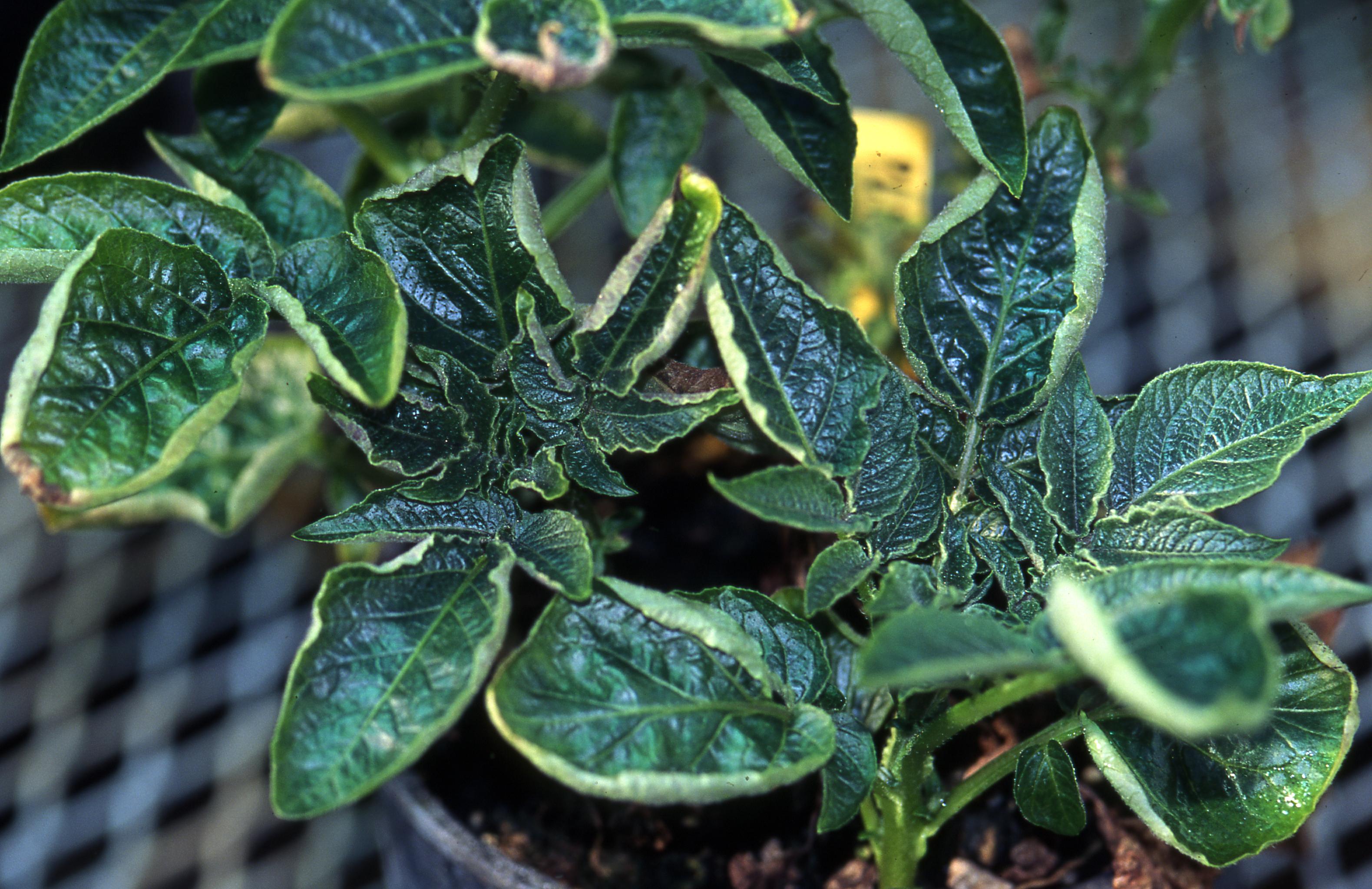
Early blackleg typically appears soon after plants emerge from the soil, often as a stunted, weakened plant that looks distinctly unhealthy compared to its neighbors. You might notice yellowish foliage that appears stiff and upright, lacking the natural vigor of healthy potato plants. These affected plants remain noticeably stunted throughout the growing season and seem unable to recover or catch up with surrounding vegetation.
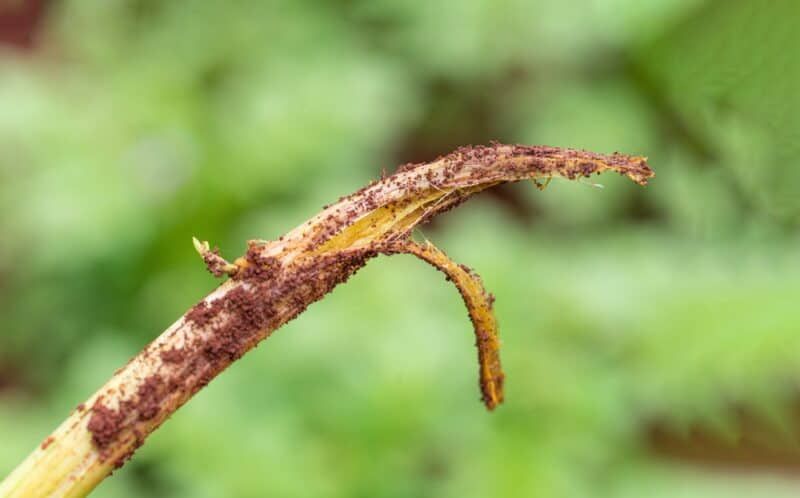
Beneath the soil surface, the damage is far more dramatic. The lower stem portion becomes dark brown to black in color, and the tissues show extensive decay. The internal pith region of the stem is particularly vulnerable, and decay can extend upward far beyond what you can see from above the soil. Young plants hit with early blackleg often fail to develop further and typically die, never reaching productive maturity.
Late Season Blackleg Symptoms
Later in the growing season, blackleg presents with a more dramatic appearance. Previously healthy stems suddenly show black discoloration, accompanied by rapid wilting and often yellowing of the leaves. The characteristic feature of late blackleg is that the black discoloration always starts below ground and advances upward along the stem, sometimes until the entire above ground portion becomes black and withered.
The wilting can occur surprisingly fast, sometimes over just a few days. Leaf margins curl and brown as the disease progresses. In severe cases, the entire plant stem collapses, and you can often pull the plant easily from the soil with minimal force. This late season form of the disease becomes increasingly problematic when it occurs close to harvest, as it can spread to the developing tubers you're trying to produce.
Tuber and Storage Symptoms
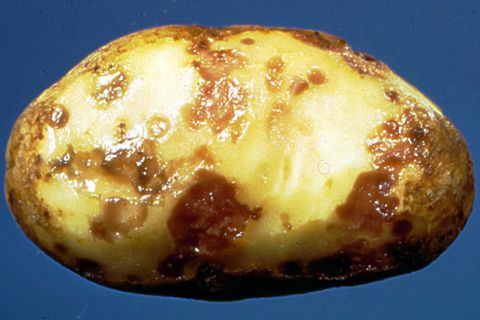
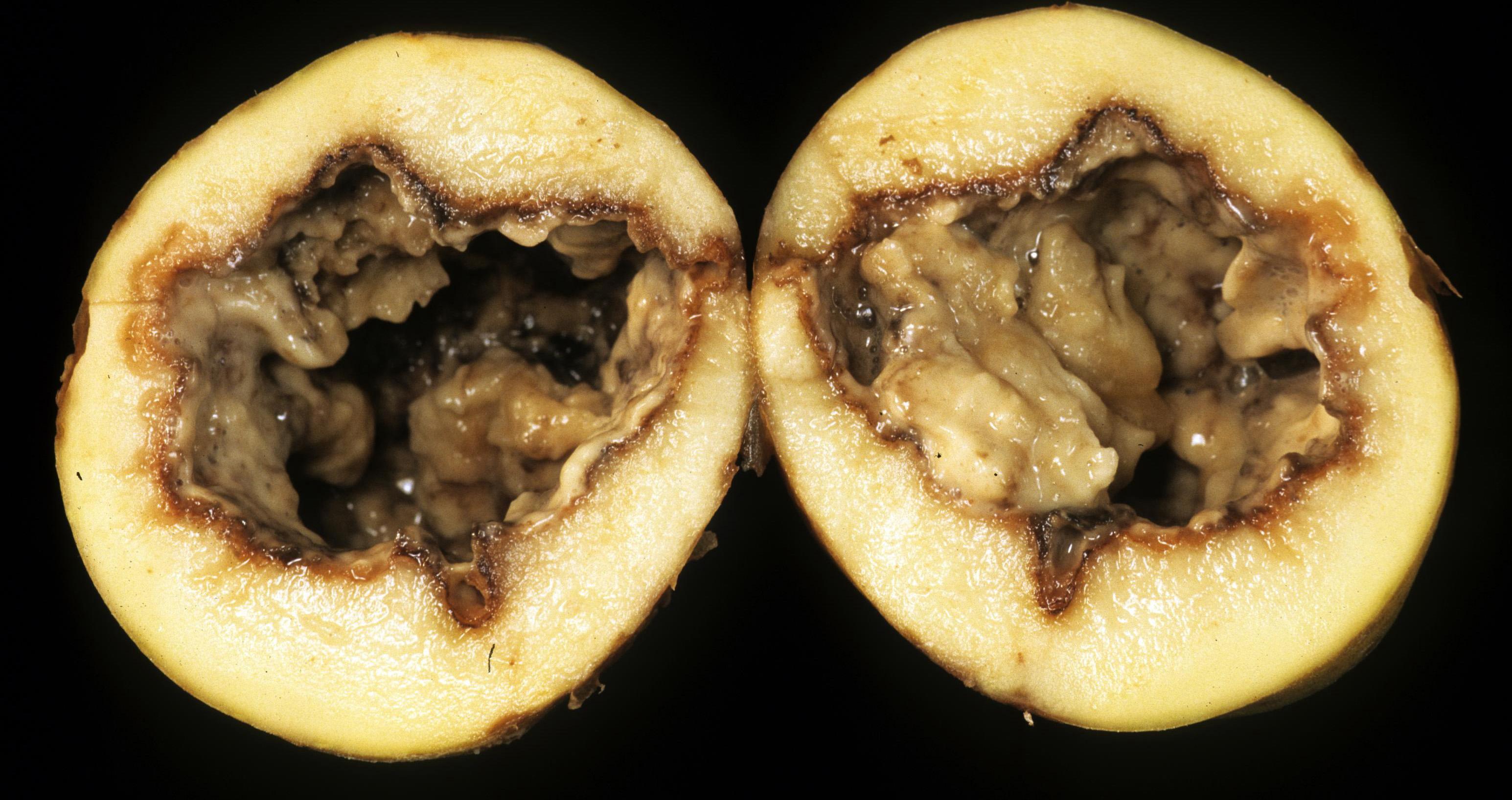
The disease doesn't stop when it damages the above ground plant. Blackleg bacteria travel downward through the stolons, attacking the developing tubers while they're still in the soil. Initial tuber infection typically appears as blackening and soft decay at the stolon attachment site, where the tuber connects to the plant. As the disease progresses, decay extends inward, and the entire tuber or just the inner core may decay into a mushy, blackened mass.
In storage, infected tubers manifest as small, off-white lesions on the surface that expand into the tuber flesh. Over time, affected tubers become slimy and mushy, developing a characteristic putrid odor that signals complete breakdown of the tuber tissue. These storage symptoms occur because the bacteria switch from blackleg symptoms to general bacterial soft rot behavior when tuber conditions favor secondary bacterial colonization.
Environmental Conditions That Favor Blackleg
Understanding when blackleg thrives gives you power over prevention. The bacteria have specific environmental preferences that create windows of vulnerability and windows of safety for your crop.
Blackleg disease favors cool, wet conditions at planting time, followed by warmer weather after plants emerge. The bacteria grow optimally at temperatures around 65 to 80 degrees Fahrenheit for Pectobacterium species. However, Dickeya species show different temperature preferences, becoming most aggressive at higher temperatures, particularly when soil temperatures reach 86 degrees Fahrenheit or greater.
Moisture is absolutely critical to blackleg development. The bacteria are facultative anaerobes, meaning they thrive in low oxygen environments typical of waterlogged, poorly drained soils. When soil remains consistently wet, it creates the exact conditions these pathogens prefer. Wind blown rain can spread contaminated water through the field, and standing water in fields provides ideal conditions for disease spread and plant infection.
Waterlogging doesn't just create wet conditions—it actually triggers changes in the potato plant that make infection easier. Soil compaction combined with poor drainage creates perfect blackleg conditions. Over-irrigation or lack of adequate management on field drainage during the growing season places high pressure from the disease. Environmental factors work together: plant stress due to unfavorable growing conditions, and cool, wet soil for blackleg establishment.
How Blackleg Spreads: Understanding the Transmission Routes
Blackleg bacteria rely on several pathways to reach your potato crop. Understanding these routes helps you interrupt transmission and protect your plants.
The primary infection source is contaminated seed potatoes. Bacteria live dormant in infected tubers, and when you plant these tubers, the bacteria activate and colonize the developing plants. If seed potatoes are cut before planting, each cut surface becomes a potential infection site. Using contaminated cutting equipment spreads the disease from one tuber to the next, multiplying the problem exponentially.
Mechanical transmission takes over in the field. Farm machinery moves from one field to another carrying contaminated soil and plant debris. Workers move between infected and healthy areas; bacteria are transported on their clothes and boots.[168] Insects feeding on diseased stems create wounds that provide entry points for bacteria if those insects move to healthy plants.
Water serves as an efficient transmission medium. Irrigation water can harbor the bacteria, and when that water moves through the soil, it carries the pathogens to developing tubers. Bacteria can survive in soil for extended periods, particularly within plant debris and the vines of diseased plants. Volunteer potatoes (potatoes that grow from tubers left in the soil from previous seasons) can harbor the bacteria year after year, serving as a persistent inoculum source for future crops.
Prevention: Building Your Defense Against Blackleg
The most effective blackleg management strategy is prevention. Once the disease becomes established in your field, your options become limited. Building strong preventive measures starting before planting gives you the best chance of maintaining a healthy crop.
Selecting and Handling Quality Seed
Your first line of defense begins with seed selection. Always purchase certified seed potatoes from reputable sources. Certified seed has been inspected for disease symptoms during production and represents your best assurance of starting with healthy planting material. Request written seed potato health certificates from your supplier, and examine the tubers before planting, looking for any signs of soft rot or decay.
When possible, plant whole seed potatoes rather than cut seed. Cutting drastically creates several entry points for bacteria. If cutting is to be done, ensure that the tool used for cutting is sanitized between every tuber. A lot of growers use a ten percent solution of bleach or any other commercial disinfectant available in the market today on their knives as well as any other equipment that comes into contact with seed pieces. Allow cut seed to properly suberize (heal the cut surface) before planting, ideally waiting until the cut has dried and sealed.
Soil Preparation and Planting Decisions
Plant in well drained soil and avoid areas prone to waterlogging or standing water. If your fields naturally hold water, consider improving drainage through tiling or raised bed systems before planting potatoes. Wait until soil temperatures reach at least 10 degrees Celsius (50 degrees Fahrenheit) before planting. Avoid planting during cool, wet periods when soil conditions are poor.
Before planting, remove all volunteer potatoes from the field and control weeds that could harbor bacteria or complicate your growing season. Clean up any plant debris from previous potato crops. These preparatory steps reduce the initial pathogen load in your field.
Strategic Field Management
Practice crop rotation by waiting at least four to eight years before planting potatoes in the same soil again. If growing seed potatoes, extend your rotation to eight years when possible. In the following year after potato cultivation, grow non-solanaceous crops (crops not in the nightshade family). This prevents volunteer potatoes from becoming established and eliminates alternative host plants.
Maintain optimal soil nutrition, specifically ensuring adequate calcium and magnesium levels. Avoid excessive nitrogen fertilization, which can make plants more susceptible to infection. Water soluble calcium applied at 100 to 200 pounds per acre during the bulking period can reduce infection severity and incidence. Nitrogen, while essential for growth, should be balanced against the disease risk that excessive nitrogen creates.
Irrigation and Water Management
Never irrigate before plants emerge. Once plants are established, manage irrigation to prevent standing water in fields. Avoid overhead irrigation if possible, as this creates the humid, wet canopy conditions that promote disease. Use clean, non-contaminated water sources for irrigation, preferring deep well water over surface water from rivers, ponds, or streams, which may harbor the bacteria.
Both Pectobacterium and Dickeya bacteria are spread by water movement through the soil and by water that contacts the plants. Practices that reduce canopy density and leaf wetness duration help decrease aerial stem rot incidence. Proper drainage and irrigation management are among your most powerful disease management tools.
Harvesting and Storage Practices
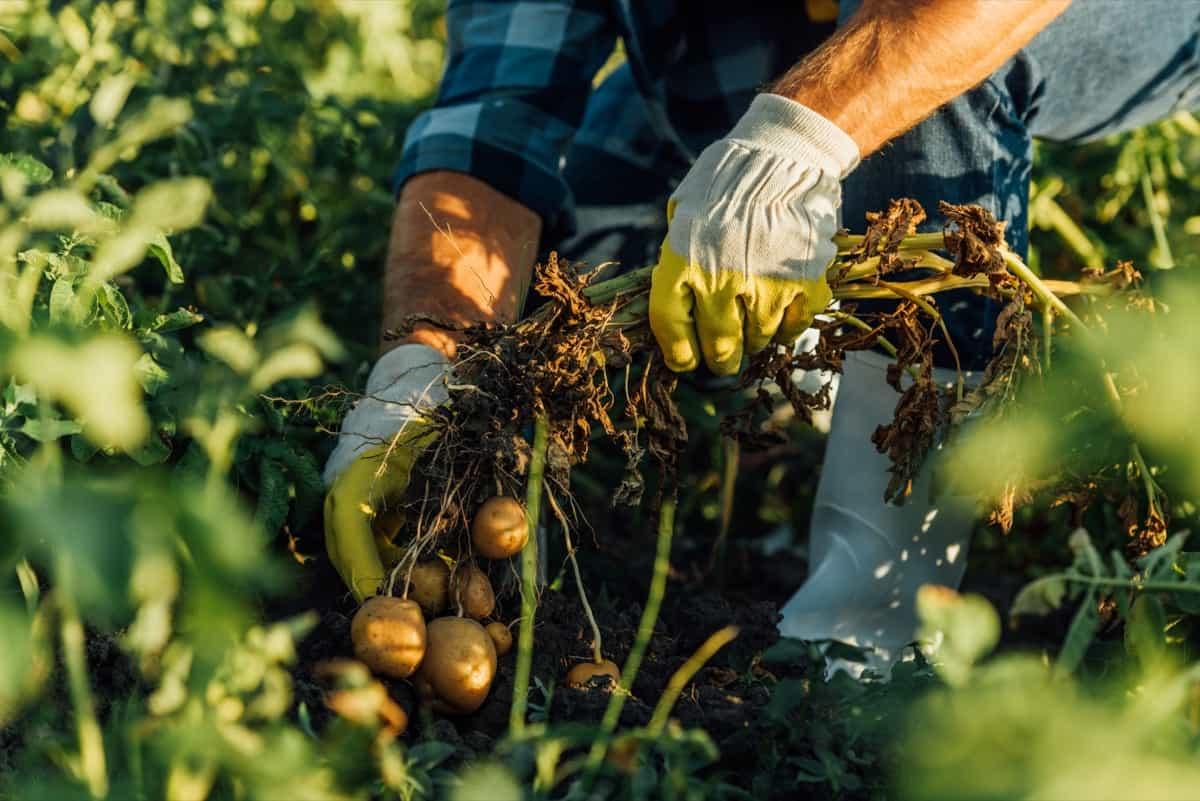
Allow the vines to die completely before you harvest. This will permit the skins to harden and make the tubers less susceptible to wounds and infection by bacteria. Try as much as possible to harvest in dry conditions because wet potatoes are more prone to mechanical injury that they may sustain during handling and also pathogenesis. Ensure minimal wounding or bruising by proper adjustment of harvesting equipment and handling machinery during the grading process.
If possible, delay harvest until tuber pulp temperatures are between 45 and 65 degrees Fahrenheit. Use approved chemicals to disinfect spraying, harvesting, and grading equipment before use. Before storing tubers, clean and disinfect storage facilities and equipment. Ensure good air circulation when storing tubers, particularly as they enter the storage facility to promote drying.
Managing Blackleg During the Growing Season
Despite your best prevention efforts, blackleg sometimes appears in the field. Knowing how to respond minimizes spread and preserves as much of your crop as possible.
Early Detection and Monitoring
Make regular field scouting a routine throughout the growing season while watching for stunting, yellowing, and wilting symptoms as described earlier. Record in detail your observations of where symptoms appear, how many plants are affected, and when they first become visible. Early detection will always provide information on which to base management decisions.
In case you notice suspicious symptoms, immediately contact your local extension advisor or agricultural specialist. Sample the symptomatic plants by placing them in a clean plastic bag and taking them to your university diagnostic laboratory or extension office. A professional diagnosis will confirm if you are dealing with blackleg or another disease, which determines your next steps.
Pathogen Confirmation
Conventional methods comprise by ELISA (enzyme linked immunosorbent assay) and PCR (polymerase chain reaction). Both tests can be used to determine the bacterial species causing the infection. Emerging technology includes an AI based system for plant diagnosis that provides a quick and accurate identification using pictures of symptoms. DNA sequencing can definitively confirm the pathogen species, which is valuable information if you're managing different bacterial species that respond differently to management approaches.
Response Strategies
Do not remove infected plants manually. Contrary to intuition, pulling out blackleg infected plants actually spreads the disease more quickly by releasing bacteria into the soil and moving contaminated soil around your field. Allow the disease to progress naturally while focusing your energy on preventing spread to healthy plants.
Avoid cross-contamination between fields by disinfecting equipment between paddocks and preventing machinery movement between contaminated and non-contaminated areas on your farm. If you have multiple potato fields, start with the most valuable or cleanest fields and progress to fields you suspect may be infected.
Apply calcium nutrition strategically. Water soluble calcium application at recommended rates during the bulking period has been shown to reduce both the infection rate and severity of soft rot symptoms in storage. This provides some passive disease reduction while you continue monitoring.
Modern Diagnostic Approaches and Monitoring Tools
Today's diagnostic landscape offers more options than ever before for identifying blackleg and managing the disease effectively.
Traditional methods like ELISA and PCR remain accurate and reliable, though they require laboratory infrastructure and typically take several days to provide results. Modern biosensor technology can detect Pectobacterium atrosepticum at much higher specificity and speed, providing results in hours rather than days. This real-time detection capability is particularly valuable for commercial operations where quick decision making is essential.
UAV or drone hyperspectral imaging above the fields can spot all those areas where plants are just about to show symptoms of any disease at a stage when it is not yet visible from ground level. This kind of technology will help farmers and agronomists detect patterns which, using only human scouts, would never be detected because they do not manifest visibly apparent symptoms.
AI-powered plant diagnosis systems like those integrated into platforms such as Plantlyze represent the cutting edge of disease detection. These systems use machine learning trained on thousands of diseased and healthy potato images to provide instant, accurate identification of blackleg and other potato diseases. Many of these tools can be accessed directly on your smartphone, enabling you to diagnose suspicious plants right in your field and make immediate management decisions. Tools like Plantlyze at plantlyze.com offer convenient, fast disease confirmation that helps you take action when it matters most.
Understanding Blackleg in Relation to Other Potato Diseases
Blackleg shares some similarities with other potato bacterial diseases, and proper identification ensures you implement the right management strategy.
Bacterial soft rot, caused by different Pectobacterium species, can occur concurrently with blackleg but differs in some important ways. While blackleg causes stem rot with vascular discoloration extending upward, bacterial soft rot causes general tissue maceration and complete breakdown of potato flesh. Dickeya species, particularly Dickeya solani, cause symptoms resembling blackleg but tend to be more aggressive at higher temperatures and can cause rapid wilt with minimal visible blacklegging.
The distinction between Pectobacterium atrosepticum and Dickeya species is important because Dickeya tends to be more problematic in warmer regions and creates more severe disease pressure. Temperature preferences of different pathogens affect the symptoms you observe and the timing of disease development. Some potato varieties show resistance to one species but susceptibility to others, making proper identification valuable for variety selection in future seasons.
Biocontrol and Alternative Management Approaches
Emerging research continues to develop alternatives to reliance solely on prevention and sanitation. These approaches offer promise for the future of blackleg management.
Specific Pseudomonas bacterial strains have shown effectiveness at reducing blackleg disease severity when applied strategically. These biocontrol agents, particularly Pseudomonas putida and Pseudomonas fluorescens, can be applied to seed tubers before planting or introduced during the growing season. Combination biocontrol approaches using multiple complementary Pseudomonas strains have demonstrated repeated success in greenhouse trials, decreasing disease severity and reducing transmission to progeny tubers.
Alternative management strategies include the use of plant defense elicitors that stimulate the potato plant's natural immune response, bacteriophage-based approaches that target the pathogens specifically, and quorum-quenching bacteria that interfere with pathogenic bacteria's ability to communicate and coordinate their infection response. While these approaches remain largely in research phases, they represent future directions for sustainable blackleg management.
Integration of these emerging approaches with conventional prevention strategies offers the most complete protection. Rather than viewing biocontrol and modern diagnostics as replacements for certified seed and crop rotation, incorporating them alongside established practices creates layers of protection that work synergistically.
Taking Action: Your Blackleg Management Plan
Implementing an effective blackleg management strategy requires commitment to multiple practices working together rather than reliance on a single approach.
Start with the foundation: certified seed. This single decision eliminates the majority of blackleg problems from the outset. Implement proper crop rotation to reduce pathogen populations in your soil. Manage your field environment through careful drainage and irrigation management, preventing the wet conditions that favor disease. Scout your fields regularly, and use modern diagnostic tools like Plantlyze at plantlyze.com to confirm disease immediately when you suspect symptoms.
During harvest, minimize wounding and ensure proper drying and storage conditions. In future seasons, consider applying what you've learned about your specific environmental conditions and pathogen populations to refine your approach. Some fields may need more aggressive sanitation, while others benefit more from improved drainage or rotation extensions.
Blackleg disease need not limit your potato production. Thousands of commercial growers maintain healthy, productive crops year after year by implementing the comprehensive prevention and management strategies outlined in this guide. Your success depends on understanding the disease, recognizing its symptoms, and taking consistent action to prevent infection. With knowledge and attention to these fundamental practices, you can grow abundant, disease-free potatoes regardless of the blackleg threat in your region.
References
American Phytopathological Society (APS) — https://www.apsnet.org/edcenter/pdlessons/Pages/Blacklegpotato.aspx
APS Journals (Peer-Reviewed) — https://apsjournals.apsnet.org/doi/10.1094/PDIS-10-17-1595-RE
NIH/PMC (National Institutes of Health) — https://pmc.ncbi.nlm.nih.gov/articles/PMC4702623/
NIH/PMC Biosensor Research — https://pmc.ncbi.nlm.nih.gov/articles/PMC7344410/
USDA APHIS (United States Department of Agriculture) — https://www.aphis.usda.gov/sites/default/files/blackleg-prevention-control.pdf