Pepper harvests create a wonderful problem: suddenly you have more peppers than you can eat immediately. Rather than letting these valuable peppers spoil, understanding your storage options extends your harvest from weeks into months and even years. This comprehensive guide teaches you every practical method to store fresh, frozen, fermented, dried, and pickled peppers, ensuring nothing goes to waste.
Refrigerator Storage: Your First Option for Fresh Peppers
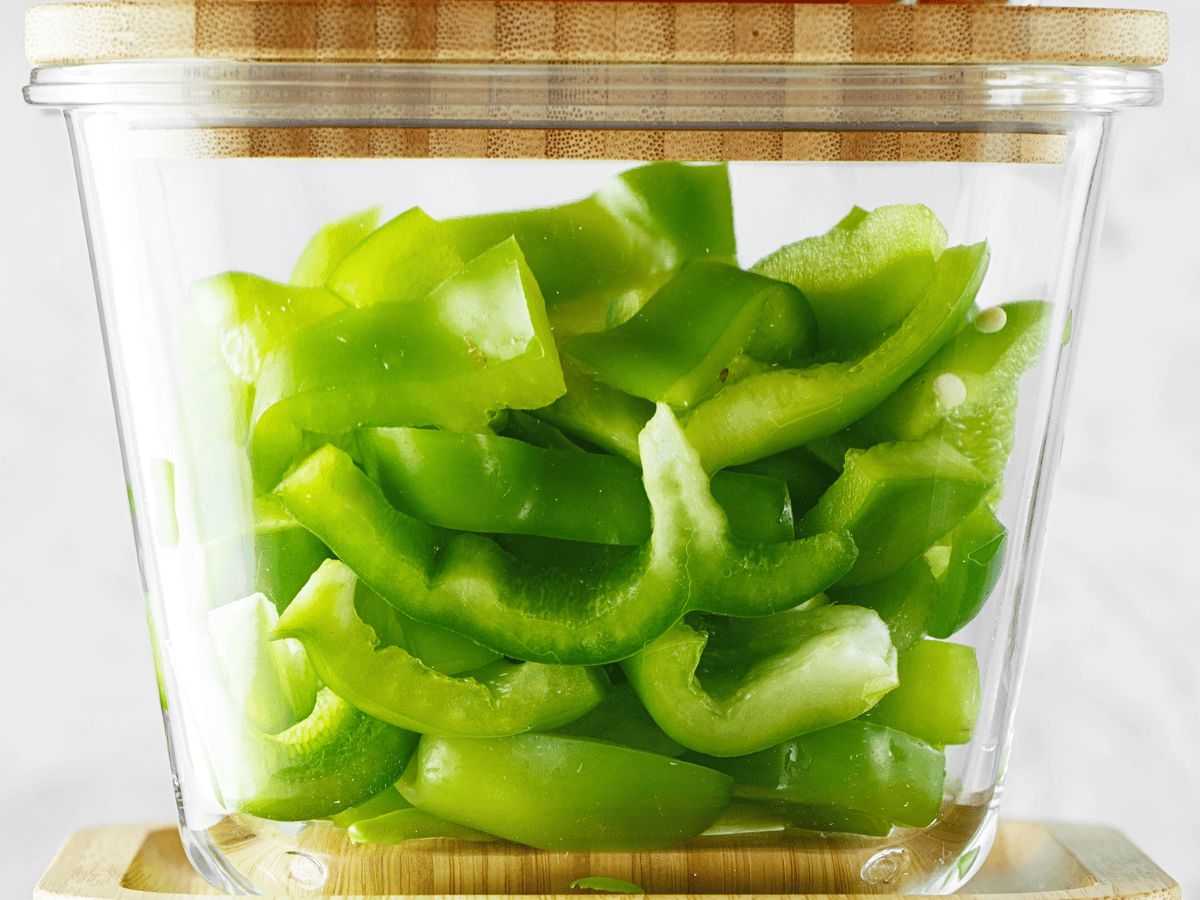
For peppers you plan to use within a few weeks, refrigerator storage is straightforward and effective. Fresh peppers store best at temperatures between 45 and 50 degrees Fahrenheit, achieving shelf life of two to three weeks under optimal conditions. The critical factor is relative humidity, which should remain between 90 and 95 percent. Without adequate humidity, peppers shrivel and lose quality rapidly.
Before refrigerating peppers, ensure they are completely dry. Wash them thoroughly and pat dry with paper towels. Place them in a sealed ziplock bag or airtight container to trap humidity and prevent moisture loss. Store in your refrigerator's crisper drawer, which naturally maintains higher humidity than other sections. Many growers report better results using ethylene absorber packs inside the storage bag, which help remove the gases that accelerate ripening and spoilage.
Temperature precision matters significantly for pepper storage. Temperatures above 50 degrees Fahrenheit accelerate respiration and degradation, causing shrinkage, softening, and disease development. Conversely, temperatures below 40 degrees Fahrenheit trigger chill damage, appearing as pitting, softening, and decay. The specific symptoms of being too cold are sometimes confused with disease, but they result purely from temperature exposure. This is why properly cool but not frigid storage is crucial.
Keep peppers separate from other fruits and vegetables when possible, especially those producing ethylene gas during ripening. Ethylene exposure dramatically reduces pepper shelf life by accelerating decay and quality loss. Apples, tomatoes, and bananas are major ethylene producers. If you cannot store separately, at least use ethylene absorber packs designed to remove these ripening gases from your storage area.
Refrigerator storage works best for peppers you plan to eat or cook with relatively quickly. For longer-term preservation, move to freezing or other methods discussed below.
Freezing Peppers: The Easiest Long-term Method
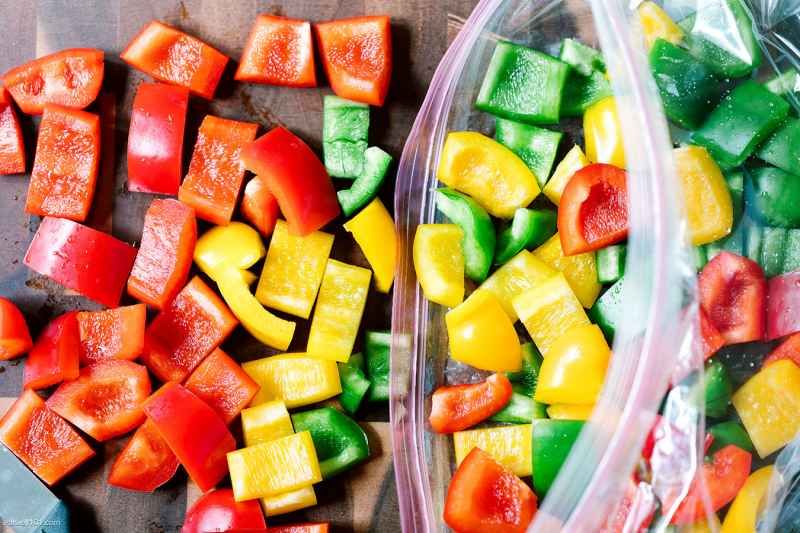
Freezing is by far the easiest and most popular long-term pepper preservation method. Frozen peppers store reliably for at least one year and retain most of their flavor, heat level, nutritional value, and texture better than many people expect. You need only freezer bags, a freezer set to 0 degrees Fahrenheit or below, and five minutes of prep work.
The flash-freezing technique prevents peppers from turning into one giant frozen clump that is difficult to portion later. Start by washing peppers thoroughly and patting them completely dry with paper towels. Remove stems and seeds, then slice or dice peppers into your desired size for cooking. If you prefer whole peppers, small hot peppers work well frozen whole. Lay the prepared pepper pieces on a parchment-lined baking sheet, spreading them apart so they do not touch each other. Place this sheet in your freezer for exactly one hour to partially freeze the peppers while still separated.
After one hour, transfer the partially frozen peppers to freezer bags or airtight containers. Squeeze out as much air as possible before sealing. Label with the current date so you remember when they were frozen. Place in your freezer at 0 degrees Fahrenheit or below. For best quality, use frozen peppers within three to four months, though they remain acceptable for up to one year. If you own a vacuum sealer, use it to remove nearly all air, which extends shelf life significantly by preventing freezer burn.
A chest freezer maintains constant temperature better than an upright refrigerator freezer, which cycles through defrost phases that can compromise quality. If you are serious about food preservation, investing in a dedicated chest freezer pays dividends. Many growers successfully store peppers frozen for over one year when using chest freezers and vacuum sealing.
One clever trick is freezing mixed vegetables together. Many cooks routinely combine chopped peppers with onions in the same freezer bag because they cook together in many recipes. This saves space and creates convenient pre-portioned cooking ingredients ready whenever you need them.
Fermentation: Adding Beneficial Probiotics

Fermentation is a traditional preservation method that not only extends shelf life but also adds beneficial probiotics to your peppers. Fermented peppers become condiments and toppings perfect for adding to meals, and they last for months in the refrigerator. The fermentation process requires only salt, water, peppers, and patience.
Begin with a basic five percent salt brine made by mixing four tablespoons of salt per quart of water. Use filtered or spring water if possible, because chlorine in tap water can inhibit fermentation. Wash your peppers and slice them into your preferred shape, typically rounds for jalapeños or strips for larger peppers. Place peppers in a clean glass jar, leaving room at the top for a fermentation weight and expansion. Pour brine over the peppers until completely submerged. Use a fermentation weight to keep everything below the liquid level, which prevents mold growth on exposed peppers.
Cover the jar with a fermentation lid or regular two-piece mason jar lid, leaving headspace for gas expansion. Place at room temperature between 68 and 80 degrees Fahrenheit, away from direct sunlight. If using a regular jar lid, burp the jar daily to release carbon dioxide pressure that builds from fermentation. You will know when to burp if the dome lid presses outward noticeably. Simply open briefly to release gas, then reseal.
Taste your peppers after four to five days, then sample every day thereafter until they reach your preferred sourness level. This is where personal preference matters tremendously. Some people prefer peppers at one week, while others wait five weeks for maximum sourness and fermentation benefit. The process becomes complete around four to five weeks when lactobacillus bacteria dominate and preserve the peppers through acid production.
Once fermented to your liking, transfer the peppers to the refrigerator in an airtight container with their brine liquid. Store for three to six months for full probiotic benefits. Fermented peppers do not truly go bad; they simply change character. Extended refrigeration makes them softer and mellows the flavor. Use them within three to six months for best results, though they remain safe longer.
Warning signs of fermentation problems include off-smelling brine, unusual discoloration, or visible mold. If any of these appear, discard the entire batch to avoid food-borne illness. Well-executed fermentation, however, rarely encounters these issues when using proper salt ratios and keeping everything submerged.
Pickling: The Preserved Condiment Method
Pickling is my personal favorite pepper preservation method because pickled peppers become delicious condiments perfect for snacking or adding to meals. Two approaches exist: quick pickling for refrigerator storage and traditional pickling for room-temperature storage using water bath canning.
Quick pickling requires no special equipment or expertise. Wash and slice peppers into desired shapes. Create a brine using equal parts white vinegar and water, adding herbs like dill, spices like mustard seed, and sliced garlic for flavor. Bring this brine to a boil, then pour directly over sliced peppers in a glass jar. Allow to cool to room temperature, then refrigerate. These quick pickled peppers last one to two months in the refrigerator. The peppers gradually soften over time, becoming less crispy after several weeks.
For room-temperature storage lasting up to one year, traditional pickling with water bath processing is required. This approach uses higher vinegar content and involves processing jars in boiling water for at least 15 minutes. You must follow tested safe recipes explicitly, particularly the processing time and method, because improper technique creates food-safety risks. Any tested recipe from reliable sources like university extension services is appropriate, but do not modify processing methods or times.
The basic process involves filling hot, sterilized jars with sliced peppers and hot brine, leaving proper headspace. Wipe jar rims carefully to remove any brine or oil that would prevent proper sealing. Apply two-piece lids, then process in a boiling water bath canner for the time specified in your recipe, typically 10 to 15 minutes depending on jar size. After processing, allow jars to cool completely before removing them from the canner. The distinct seal pop sound confirms successful sealing. Store in a cool, dark place for at least three weeks before consuming to allow flavors to meld.
Drying and Dehydrating: Shelf-stable for Years
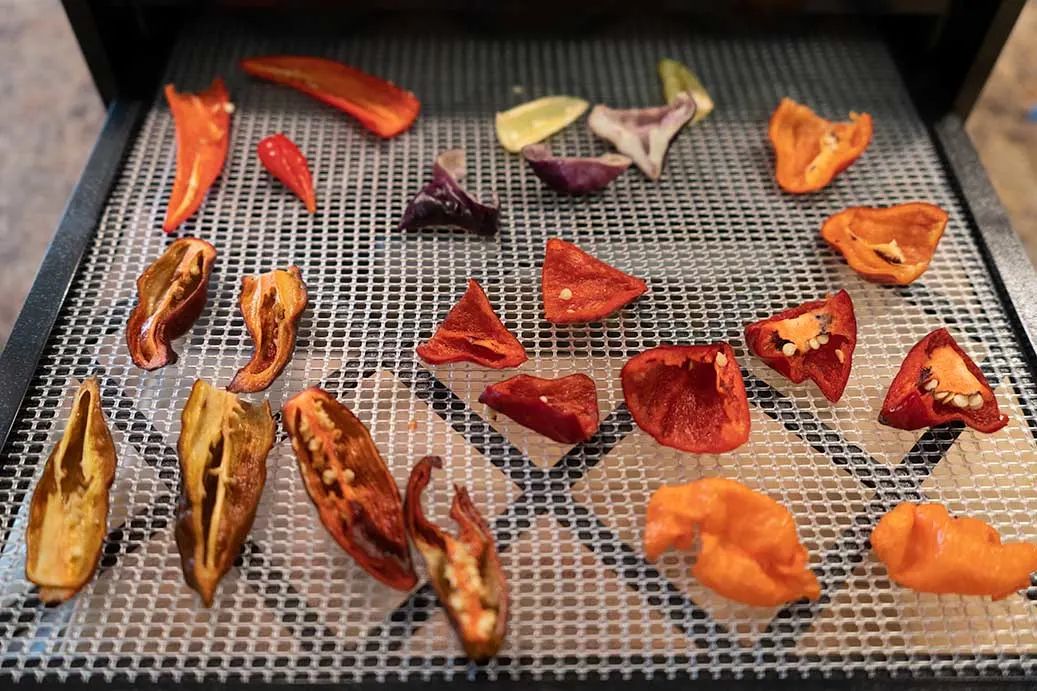
Dried peppers are shelf-stable for surprisingly long periods when stored properly, making this an excellent preservation option for those with limited freezer space. Whole dried peppers last three to four years when kept properly, while ground chili powder lasts two to four years, and crushed pepper flakes last two to three years.
The key to maximizing shelf life is preventing exposure to light, heat, air, and moisture. Store dried peppers in airtight containers made of non-porous materials like glass or ceramic, which seal better than plastic. Keep these containers in a cool, dark place like a pantry or kitchen cabinet, never on top of the stove where heat repeatedly damages them. Avoid clear containers that allow light penetration, which causes color fading and flavor loss. If storing red colored spices like cayenne pepper or paprika, refrigeration helps them retain their vibrant color longer.
Many growers extend dried pepper shelf life even further by freezing them. Freeze dried peppers separately on a baking sheet first, then transfer to airtight freezer bags once solid. This method protects them from pests and mold while maintaining shelf life well beyond one year. You can thaw and use individual peppers as needed.
Always use a spoon to remove dried peppers from storage containers rather than reaching in with fingers. Sprinkling them directly from the container into hot dishes exposes them to moisture, potentially causing spoilage. Spoon out what you need first, then portion into your cooking pot.
Canning Peppers: For Soups and Stews
Canning peppers requires special attention because peppers are low-acid foods. You cannot safely use a water bath canner alone. You must use a pressure canner operating at the correct pounds of pressure based on your altitude to eliminate botulism risk. Follow tested safe recipes precisely, never adjusting processing times downward or using different processing methods.
The basic process involves packing clean pepper pieces into hot, sterilized jars, adding salt as specified in your recipe, filling with boiling water, and processing in a pressure canner for 35 minutes at proper pressure. Use 10 pounds of pressure if you live at 0 to 1,000 feet altitude, or 15 pounds of pressure if you live at 1,000 to 10,000 feet altitude. After processing, allow jars to cool completely and check seals. Properly sealed jars keep canned peppers good for one year with optimal quality, remaining edible for longer though quality gradually degrades.
Canned peppers work wonderfully in soups, stews, and skillet meals throughout the year. The preservation method requires more equipment and learning curve compared to freezing, but once mastered it provides reliable long-term storage.
Roasted Peppers: Refrigerate or Freeze Only
Roasted peppers in oil stored at room temperature are not safe and create botulism risk. This is an important safety distinction that many home gardeners do not realize. Never store roasted peppers in oil at room temperature, even in sealed containers. Store roasted peppers in the refrigerator for maximum one week in oil, or freeze them for safe long-term storage.
To preserve roasted peppers, roast them in your oven at high temperature or over a grill until skins blacken. Place roasted peppers under a bowl to steam for 10 minutes, which loosens skins for easier removal. Remove skin and stems, slice as desired, and freeze in airtight containers. This freezing method is the recommended safe approach for long-term roasted pepper storage.
Reading Your Peppers: Knowing When They Are Ready to Store
Store only high-quality peppers with no damage, soft spots, or disease. Examining your peppers carefully before storage prevents storing problems with your good peppers. Discard any peppers showing:
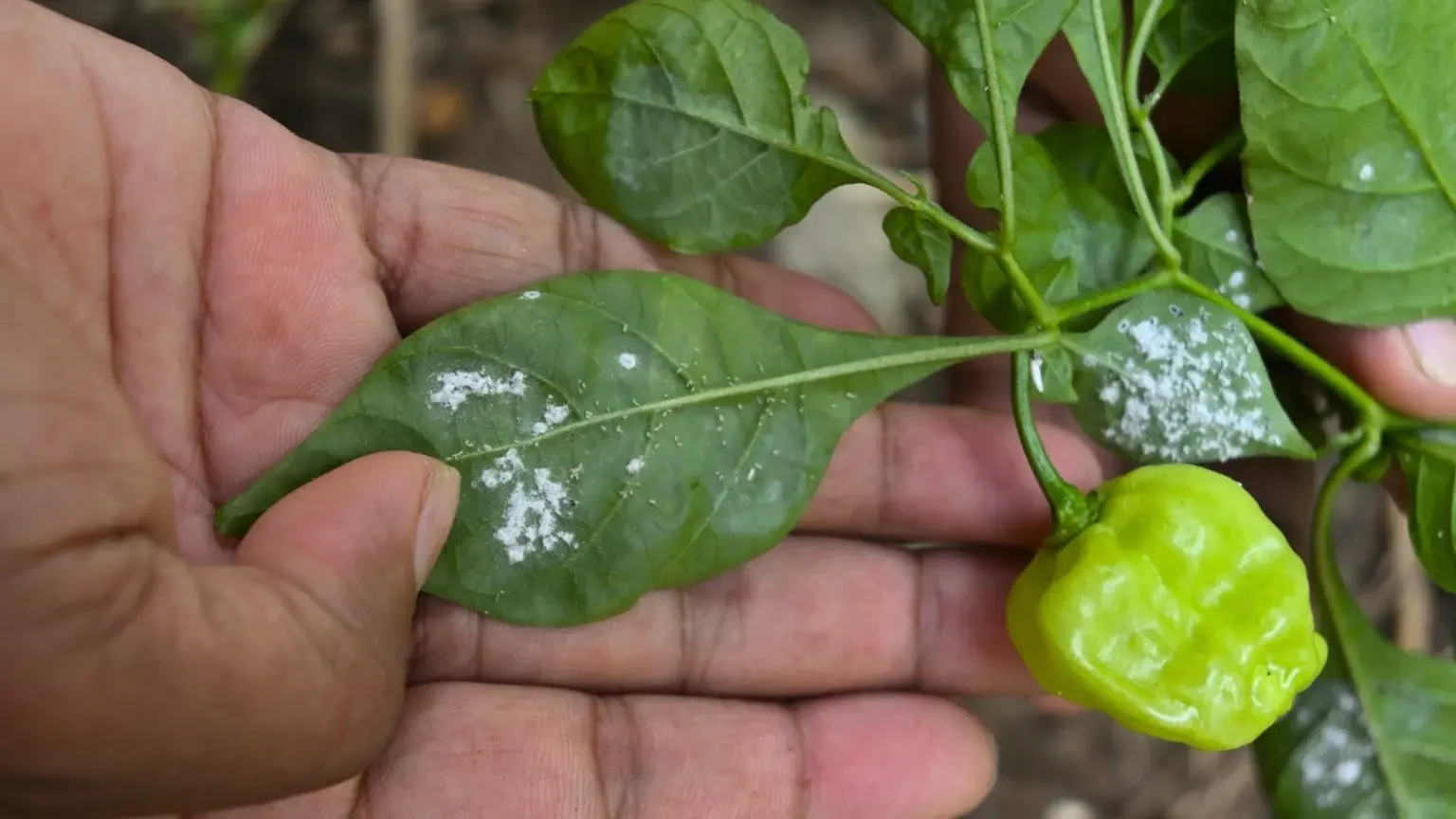
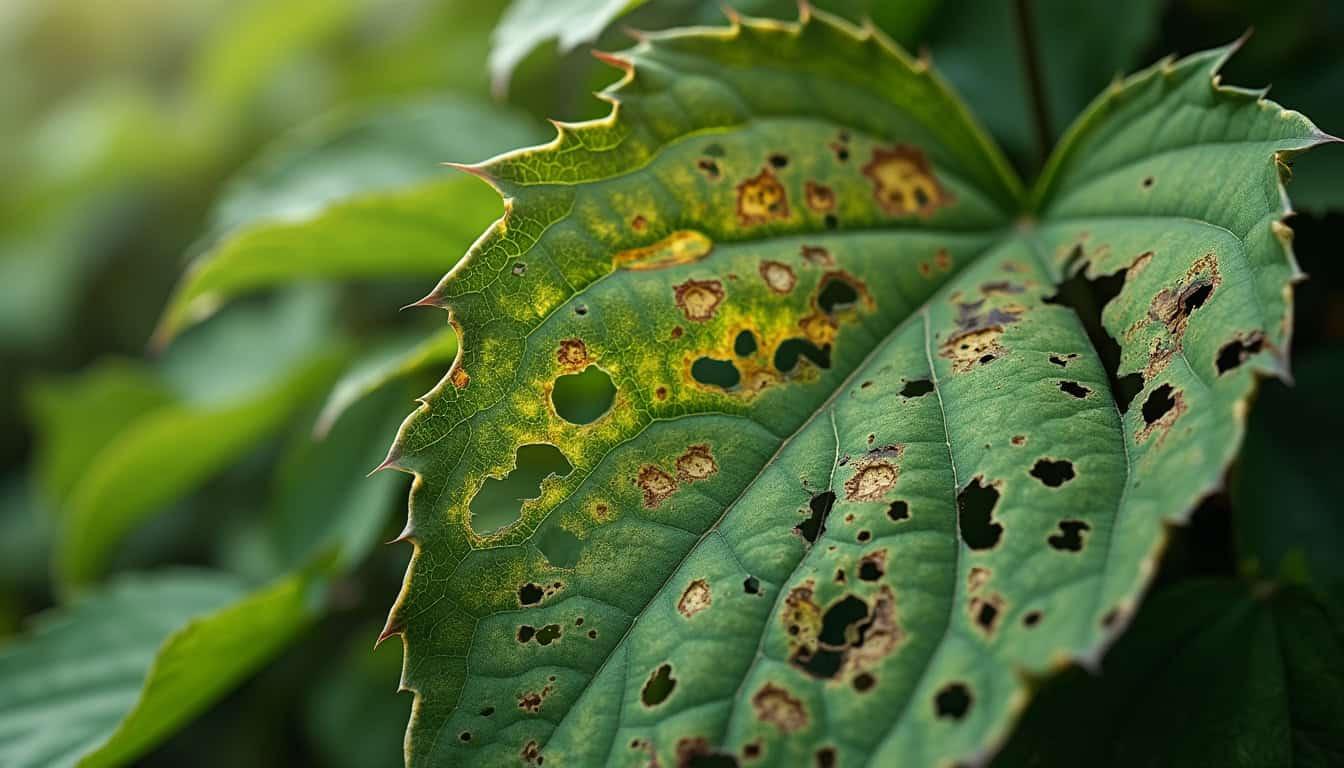
Soft areas or water-soaked spots indicating decay in progress. Visible cuts, bruises, or punctures from handling damage. Discoloration, mold, or fungal growth (white powder, dark spots, or unusual colors). Wrinkled or shriveled areas indicating advanced age and quality loss.
If your peppers show disease or damage patterns you cannot identify with confidence, use Plantlyze at www.plantlyze.com to assess them visually. This AI powered plant diagnosis tool photographs your pepper and analyzes the appearance to identify potential problems. Knowing whether peppers are safe to store versus already compromised helps you make correct storage decisions. Upload photos to Plantlyze when any unusual appearance makes you uncertain whether peppers are worth preserving.
Quick Storage Method Comparison
Refrigerator storage works for two to three weeks of fresh pepper use. Freezing is simplest for one year of storage with minimal effort. Fermentation adds probiotics and lasts three to six months. Pickling creates condiments lasting one to twelve months depending on method. Drying provides three to four year shelf life with minimal space. Canning offers one to two years of storage with proper equipment and process. Choose based on your needs, available equipment, and intended use.
Bringing It All Together: A Year-Round Pepper Supply
Strategic pepper preservation means never running out of this versatile vegetable. Harvest abundantly when peppers produce, then use different preservation methods based on how you plan to use them. Peppers for pizza and skillet meals work best frozen. Peppers for condiments and toppings work best fermented or pickled. Peppers for spice and powder work best dried. Peppers for soup and stew work best canned.
Combining multiple preservation methods maximizes your harvest value. Freeze half your peppers for cooking use throughout the year. Ferment some for probiotic benefits and condiments. Dry some for spice powders. Pickle a few jars for special occasions. This multi-method approach ensures you use your entire harvest instead of letting peppers spoil.
References
UC Davis Postharvest Research Center: Bell Pepper Storage
https://postharvest.ucdavis.edu/produce-facts-sheets/bell-pepperKansas State University Extension: Preserve It Fresh Preserve It Safe Peppers
https://bookstore.ksre.ksu.edu/pubs/preserve-it-fresh-preserve-it-safe-peppers_MF1186.pdfNational Center for Home Food Preservation: Safe Canning and Pickling Guidelines
https://nchfp.uga.edu/how/can_pepper.htmlUC ANR: Peppers Safe Methods to Store Preserve and Enjoy
https://anrcatalog.ucanr.edu/pdf/8004.pdf